Navigation
Install the app
How to install the app on iOS
Follow along with the video below to see how to install our site as a web app on your home screen.
Note: This feature may not be available in some browsers.
More options
Style variation
You are using an out of date browser. It may not display this or other websites correctly.
You should upgrade or use an alternative browser.
You should upgrade or use an alternative browser.
China Auto Thread
- Thread starter StraightEdge
- Start date
More options
Who Replied?


冖_冖
Registered Member
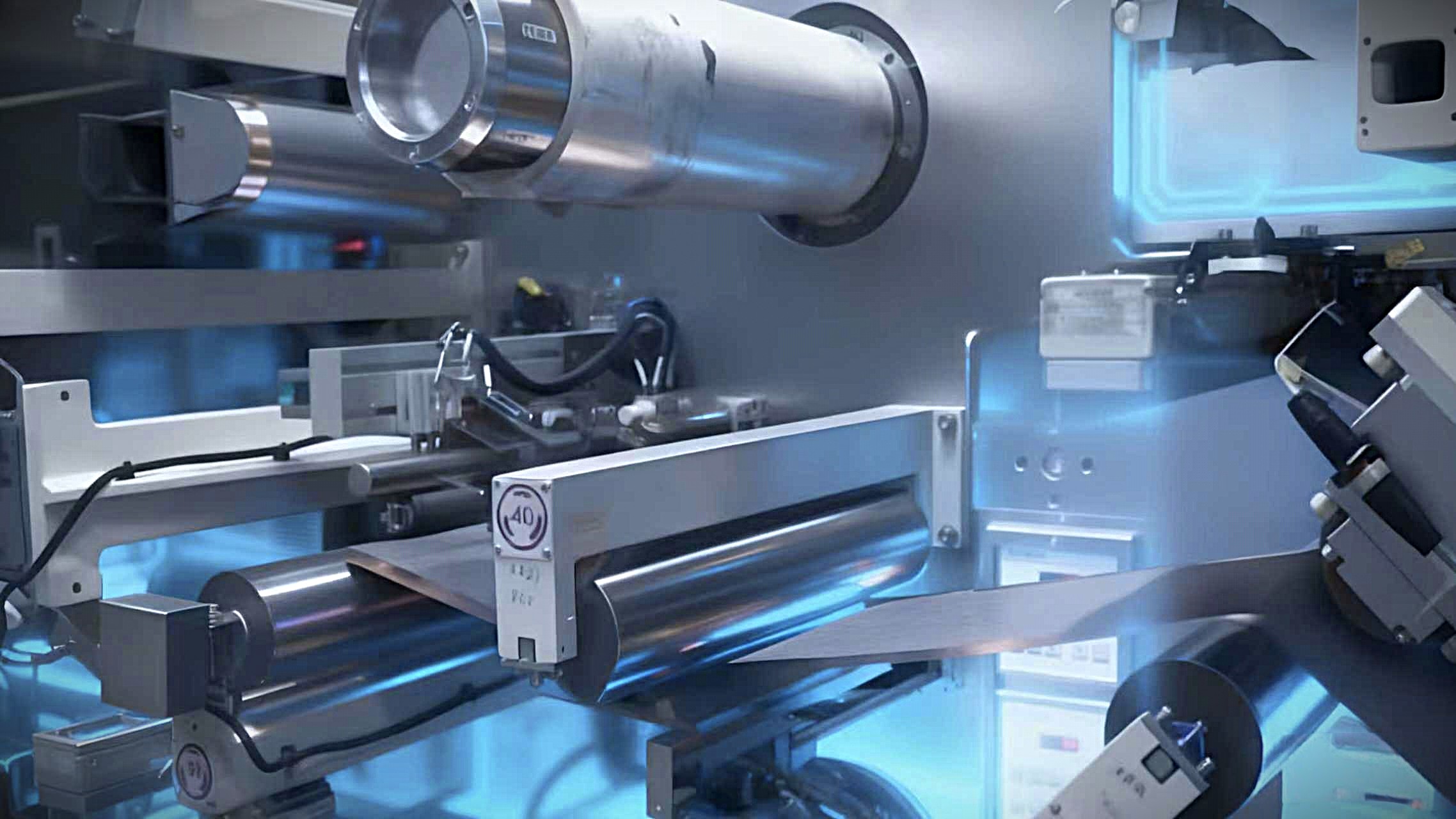
China’s first large‑capacity (60 Ah+ class) all-solid-state battery production line built
Chinese state media reports GAC has completed China’s first 60 Ah+ all-solid-state battery line with mass production by 2030.
 carnewschina.com
China’s first large‑capacity (60 Ah+ class) all-solid-state battery production line built
Chinese state media reports GAC has completed China’s first 60 Ah+ all-solid-state battery line with mass production by 2030.
carnewschina.com
China’s first large‑capacity (60 Ah+ class) all-solid-state battery production line built by GAC
Nov 23, 2025 3:39 AM CET
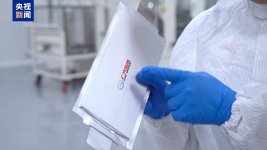
Vehicle-grade 60 Ah+ solid-state cells produced at GAC’s pilot line. Image enhanced by CarNewsChina
China has completed its first large-capacity all-solid-state battery production line, according to Chinese state media. The facility, built by GAC Group, is currently producing 60 Ah+ vehicle-grade cells on a small-batch test basis. These cells are projected to allow electric vehicles with current 500 km ranges to exceed 1,000 km once integrated. Mass production is planned for 2027-2030.
The term “60 Ah+” refers to the capacity of each battery cell in ampere-hours (Ah). A 60 Ah cell can theoretically supply 60 amperes for 1 hour before discharging completely. Higher Ah per cell generally means more energy storage, which can translate into a longer driving range when multiple cells are assembled into a battery pack.
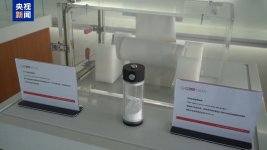
All-solid-state batteries use solid electrolytes instead of liquid ones, which improves thermal stability and safety. GAC’s production line reportedly achieves an areal capacity of up to 7.7 mAh/cm², compared with less than five mAh/cm² in traditional “wet” lithium-ion manufacturing.
GAC’s research director, Qi Hongzhong, said the energy density of the new solid-state cells is nearly double that of conventional batteries. Vehicles currently capable of 500 km (~310 miles) on a single charge could potentially reach more than 1,000 km (~620 miles) with these cells.
The company is using a “dry” anode production process that combines slurry mixing, coating, and rolling into a single step. This technique reportedly improves manufacturing efficiency and reduces energy consumption. The solid electrolyte can tolerate higher temperatures than liquid electrolytes, reportedly withstanding 300–400 °C compared with approximately 200 °C for conventional batteries.
Small-batch vehicle integration tests are planned for 2026, with a gradual ramp-up to mass production between 2027 and 2030. While the milestone represents a significant technical achievement, commercialisation will depend on investment, reliable supply of solid electrolyte materials, and validation of long-term performance and safety in vehicles.
冖_冖
Registered Member
Test Center Complete: Volkswagen Group Now Able to Fully Develop and Validate Products in China for China
With the opening of its first Test Workshops in Hefei, Volkswagen Group China Technology Company (VCTC) has accomplished its final expansion stage, now bringing end-to-end development capabilities directly to the Chinese market. The new facilities significantly expand the Group’s local R&D...
 www.volkswagen-group.com
Test Center Complete: Volkswagen Group Now Able to Fully Develop and Validate Products in China for China
With the opening of its first Test Workshops in Hefei, Volkswagen Group China Technology Company (VCTC) has accomplished its final expansion stage, now bringing end-to-end development capabilities directly to the Chinese market. The new facilities significantly expand the Group’s local R&D...
www.volkswagen-group.com
Volkswagen Group Now Able to Fully Develop and Validate Products in China for China
11/25/2025 Press Release
Strategic Milestone reached: For the first time in Volkswagen Group’s history, new vehicle platforms and key technology can be fully developed and brought to market readiness with all approval processes outside Germany.
Comprehensive capabilities: Around 100,000 m² of space with over 100 advanced laboratories integrating software–hardware testing, battery and powertrain validation, and full-platform verification at the Volkswagen Group China Technology Company (VCTC) in Hefei, Anhui province, completing the centres expansion.
China Speed: New facilities contribute directly to slash development time by 30%, accelerate the rollout of the Group’s China Electronic Architecture (CEA), and deliver tailor-made digital cockpit features, advanced driving assistance system (ADAS) functions and over-the-air (OTA) upgrades for Chinese customers.
Beijing/Hefei. With the opening of its first Test Workshops in Hefei, Volkswagen Group China Technology Company (VCTC) has accomplished its final expansion stage, now bringing end-to-end development capabilities directly to the Chinese market. The new facilities significantly expand the Group’s local R&D strength and integrate software, hardware, and whole-vehicle validation under one roof — enabling faster decision-making, closer customer alignment, and accelerated rollout of next-generation technologies.
With the completion of the new Test Workshops, VCTC has become the Group’s most comprehensive R&D hub beyond its home market. For the first time in Volkswagen’s history, it can support the development and validation of new vehicle platforms from very early phases outside Germany. The new Test Workshops feature over 100 state-of-the-art laboratories across around 100,000 square meters, delivering powerful testing capabilities. These include software–hardware integration, battery and powertrain testing, and full vehicle-level validation.
Oliver Blume, CEO Volkswagen Group: “Our ‘In China for China’ strategy continues to gain momentum. At our development centre in Hefei, China, we have now created all the conditions necessary to develop, test and locally manufacture the next generation of intelligent connected vehicles. This milestone makes us even faster and more efficient – and brings us even closer to our customers. This will enable us, as the Volkswagen Group, to consolidate our position in the world's largest automotive market with the clear goal of becoming the global technology driver of the automotive industry."
Ralf Brandstätter, Member of the Board of Management of Volkswagen AG responsible for China, and Chairman and CEO of Volkswagen Group China: “China is the world’s most competitive automotive market, and our customers here expect rapid innovation and flawless quality. This is why we are taking our development capabilities in China for China to the next level. By expanding our footprint in Hefei, we are strengthening our ability to respond quickly to local needs and to shape technologies directly where they will be used. This step deepens our commitment to China and ensures that our future products reflect the preferences and expectations of Chinese customers from the very beginning.”
VCTC plays a pivotal role in Volkswagen Group’s “In China for China” strategy. As the Group’s most comprehensive R&D hub beyond its home market, it is also the only Group R&D center dedicated exclusively to electric, intelligent and connected vehicles. VCTC is integrating core development units and decision-making processes for local vehicle and technology projects, while coordinating developmental processes with the R&D units of joint ventures. By deepening integration into the local technology ecosystem, VCTC can proactively address China’s market-defining trends — such as digitalization and autonomous driving — at an early stage, allowing the company to fully harness the growth momentum and innovative vitality of the Chinese market.
Delivering CEA at China Speed
Right in Hefei Software-hardware test workshop, VCTC and CARIAD China are launching the first delivery of the China Electronic Architecture (CEA) – the Group’s first zonal E/E architecture specifically tailored to the needs of Chinese customers, within 18 months. Enabled by the all-new Software-Defined-Vehicle development process, the overall vehicle development cycle can be shortened by 30%. Leveraging local development and early supplier integration during the
concept phase of new cars and technologies, the cost of a new model can be reduced by up to 50% in specific key projects. CEA also ensures seamless integration of digital cockpit functions, Advanced Driving Assistance System functions, and whole-vehicle level over-the-air upgrades.
Thomas Ulbrich, CTO of Volkswagen Group China and CEO of VCTC: “The new workshops give our engineering teams an entirely new level of integration. We can now run software, hardware, and full-vehicle validation processes in parallel, shorten decision loops, and bring innovations to maturity much faster. This environment enables us to push forward next-generation intelligent-vehicle technologies with high precision and efficiency.”
Volkswagen DNA, Engineered in China
Safety, durability and reliability have long defined the Volkswagen DNA. The new Test Workshops in Hefei further strengthen the Group’s commitment in China by enabling earlier and more comprehensive validation of core vehicle systems, while also validating products and technology for export to regions like ASEAN and the Middle East.
At the Battery & Powertrain Integration Testing Center, engineers can test up to 500 battery systems per year. Tests cover performance, lifetime, safety and environmental robustness, as well as E-Drive, thermal management, electronics and battery cell components.
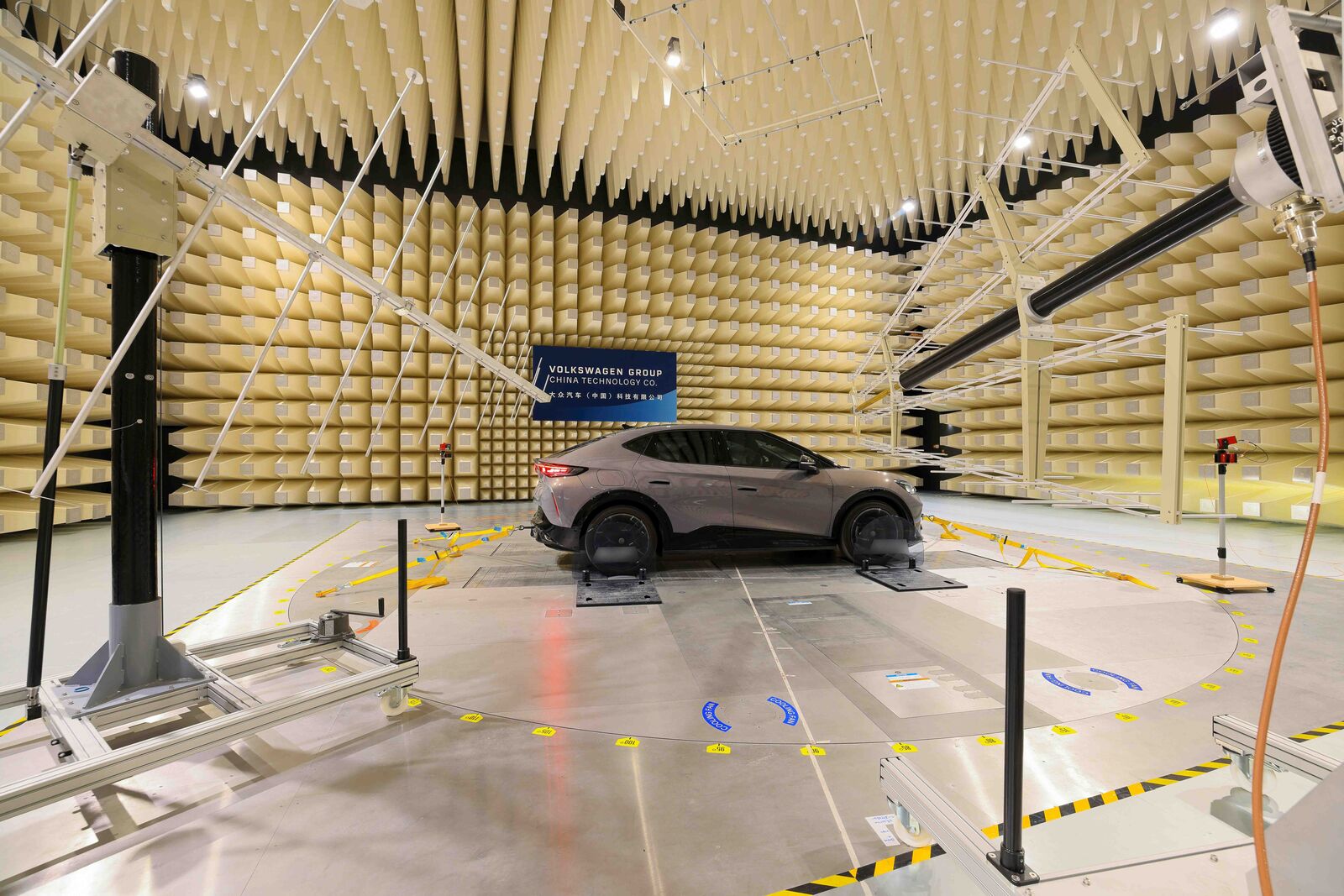
The Platform & Module Testing Center follows the same philosophy. Its advanced Electromagnetic Compatibility (EMC) laboratory safeguards the reliability of vehicle electronics, while a full-vehicle durability test bench could simulate all global driving road conditions within the workshops.
Together with the City Test Track, Volkswagen Group has established a full design–build–test–validate cycle in Hefei, in close collaboration with its global R&D network.
More capabilities at the gate
Volkswagen Group continues to expand the capabilities of Hefei. The Functions Integration Test (FIT) Laboratory comes online in mid-2026 — one of only two in the Group — to simulate extreme environment conditions. These efforts establish a future-ready foundation for Volkswagen’s next chapter in intelligent and connected mobility.

VW to develop cars 30% faster in China plants
Volkswagen Group said on Tuesday that its China arm will be able to fully develop new vehicle platforms and key technology
Volkswagen Group said on Tuesday that its China arm will be able to fully develop new vehicle platforms and key technology "with all approval processes outside Germany," for the first time in the automaker's history. The company said that the process will allow the cost of some new models to be cut by up to 50%. In addition, the overall vehicle development cycle can be shortened by 30%.
Last edited:
冖_冖
Registered Member

Ex-Tesla exec shares what Tesla learned from Chinese EV teardowns
Jon McNeill, Tesla's former president, said Tesla applied Chinese EV makers' technique on reusing parts for its Model 3 and Y.
 www.businessinsider.com
Ex-Tesla exec shares what Tesla learned from Chinese EV teardowns
Jon McNeill, Tesla's former president, said Tesla applied Chinese EV makers' technique on reusing parts for its Model 3 and Y.
www.businessinsider.com
Tesla's ex-global sales chief says Chinese EV makers use a 'super smart' technique that even Tesla has applied to its cars
Jon McNeill, Tesla's former president of global sales and cofounder of DVx Ventures, said Tesla is a "learning sponge" that studies what other automakers do. Courtesy DVx Ventures
- Jon McNeill, VC investor, was a Tesla executive for nearly 3 years and now sits on GM's board.
- He told Business Insider that automakers conduct teardowns of competitors' vehicles all the time.
- McNeill said Tesla was a "learning sponge" that took valuable lessons from Chinese EVs.
Jon McNeill, the former president of Tesla's global sales and marketing who now sits on General Motors' board, told Business Insider that Tesla has torn down Chinese EVs and that the lessons learned can be seen in some of Tesla's most popular models.
"Tesla is a learning sponge," McNeill, who was at the EV company between 2015 and 2018, said.
During his tenure, Model 3 was in its infamous "production hell," and Tesla had just teased the first image of the Model Y.
The former Tesla executive said one lesson learned from Chinese EVs was the reuse of parts — using some of the same guts of one model for another — and that can be seen "across the 3 and the Y."
Tesla CEO Elon Musk said in a 2019 earnings call that the Model Y shared about three-quarters of its parts with the Model 3, allowing for easier production ramp-up.
A spokesperson for Tesla did not return a request for comment.
Another level of reusing
McNeill didn't name which Chinese EVs Tesla tore down during his tenure, but said he's recently seen BYD, the leading EV maker in China, take the technique of reusing parts to another level at a teardown with GM."The Chinese engineers are really disciplined about reusing parts underneath the hood that the customer can't see, and they save a lot of money that way," he said.
It's not a unique concept to Chinese automakers; the automotive industry has long relied on using the same parts from one model of car for another in an automaker's lineup, including components such as the steering wheel or the turn-signal stalk.
BYD and other Chinese automakers, however, are distinctive in the degree to which they reuse parts down to the ancillary components of a vehicle, from the battery packs to the heat pumps and motors inside the car seats, McNeill said.
"If you tear down all the BYDs — same windshield wiper motor across all of them; same heat pump across all of them; same conduit across all of them," he said. "In other words, there's not a team that's designing a particular model, and they're off on their own."
McNeill added that the technique was "super smart because a windshield wiper motor really doesn't change or add to the experience."
This practice is different from platform-sharing, in which the vehicle frame or the underlying architecture can be the same across models. Platform-sharing has become a central practice for EV automakers.
McNeill said the extent to which Chinese EV makers are reusing parts is not a common sight at other legacy automakers.
"Toyota uses completely different heat pumps, wiper motors, and seat actuators for each model. In other words, the guts of a Corolla is almost completely different from a Camry," he said.
Spokespeople for BYD and Toyota did not return a request for comment.
New automakers need to cut costs
Reusing parts is crucial for any automaker to scale production efficiently and reduce costs. That could be even more true for emerging automakers."There's a reason only one auto company has been started and scaled in the last hundred years, and it's because it's really hard. It's really, really hard and it's really capital-intensive," McNeill said, referring to Tesla. He added that a US EV company like Tesla needs to be "absolutely relentless" at reducing costs.
EV makers like Tesla, BYD, and Rivian are able to reuse parts at deeper levels because they're also highly vertically integrated companies, meaning the automaker develops and manufactures some of their car parts in-house. This level of control over design and production can enable automakers to standardize more parts and produce at higher speeds.
Rivian CEO RJ Scaringe previously told Business Insider that his company did a teardown of Xiaomi's SU7 and praised the Chinese carmaker's "heavily vertically-integrated technology platform." However, the CEO said there was nothing new about the way Xiaomi or other Chinese EV makers made their cars that Rivian could learn to make electric vehicles cheaper.
"Cost — we understood how they've arrived there," Scaringe said, adding: "There's nothing we learned from the teardown."
Last edited:

Hamartia Antidote
Elite Member

冖_冖
Registered Member
China’s Jiangxi to gain 3 GWh solid-state battery capacity from two major projects
Sanwei Battery plans 2 GWh Jiangxi R&D and smart manufacturing base, alongside Pure Lithium 1 GWh project in China.
carnewschina.com
China’s Jiangxi to gain 3 GWh solid-state battery capacity from two major projects
Sanwei Battery plans 2 GWh Jiangxi R&D and smart manufacturing base, alongside Pure Lithium 1 GWh project in China.
carnewschina.com
China’s Jiangxi to gain 3 GWh solid-state battery capacity from two major projects
Nov 30, 2025 9:26 AM CETChina is seeing a wave of new battery production projects that could shape the EV supply chain over the next few years. On November 27, a proposal for a 1 GWh solid-state battery plant in Jiangxi entered the public approval process, according to Sina. At the same time, other provinces announced large-scale cathode and cell production plans, including a 40,000‑ton lithium-iron/manganese phosphate (LMFP) cathode project in Ya’an and a 3 GWh high-energy-density cylindrical cell line in Shandong, highlighting expanding capacity across multiple battery technologies.
A subsidiary of Pure Lithium New Energy leads the Jiangxi 1 GWh project. The facility would occupy more than 68,000 square meters in a high‑tech park in Huko County and produce 1 GWh of solid-state storage batteries annually once completed. Public documents indicate that the firm plans to develop these solid-state cells for EV use, with small-scale testing in 2026 and potential vehicle integration trials in 2027. If successful, this could become one of the earliest full-solid-state battery applications in Chinese electric vehicles.
In parallel, Sanwei Battery (Shaanxi) is advancing a separate solid-state battery initiative in Jiangxi’s Yugan High-Tech Zone. According to reports, the project plans to build a solid-state battery R&D centre, a modern smart manufacturing base, and supporting infrastructure. The total investment is 17 billion yuan (approximately 2.43 billion USD), and once fully operational, the plant will achieve 2 GWh of annual solid-state battery production, targeting EV applications, according to Ofweek. Sanwei Battery, established in December 2024, specialises in battery manufacturing, sales, energy storage services, and electronic/energy materials, including solid-state lithium batteries. The company is jointly held by Guorui Supply Chain Company (70%) and Sanwei Guoheng (Shaanxi) Battery Energy Technology Partnership (30%), investment entities in the battery sector. Despite operating in the EV battery supply chain, these companies are independent suppliers, not directly affiliated with automakers.
Sanwei Battery is expanding across multiple locations. In Zhangjiakou, Hebei, the Sanwei Solid-State Speciality Battery Production Base Project is underway within an automotive industrial park, producing 1 GWh of solid-state lithium batteries. Another subsidiary, Sanwei (Longyan) Battery Technology Co., Ltd., has received environmental approval for a 1 GWh solid-state lithium battery project, further supporting EV applications.
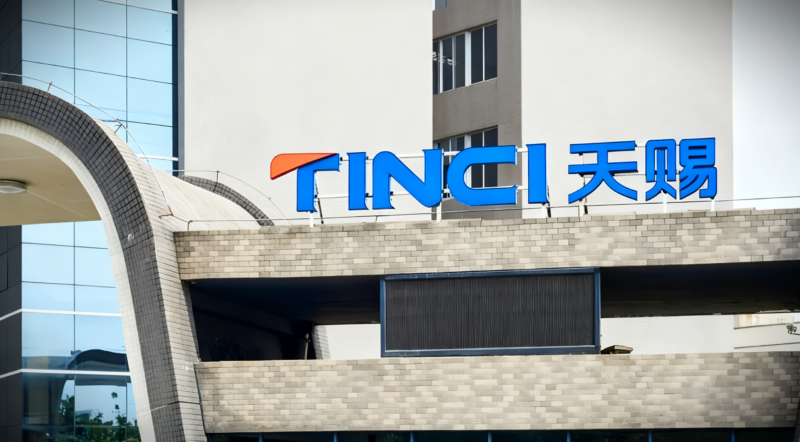
BYD supplier Tinci secures eight solid-state battery patents in major technology push
Tinci Materials received eight patents for sulfide solid electrolytes, supporting CATL and BYD battery production pipelines globally.
carnewschina.com
China’s solid-state EV battery materials giant secures 8 patents for next-gen tech
Nov 28, 2025 10:58 PM CET
A new series of invention patents has drawn attention to Tinci Materials as the company strengthens its position in the global battery supply chain and expands long-running collaborations with leading Chinese cell manufacturers. Tinci confirmed that it recently received eight patents from the National Intellectual Property Administration covering sulfide solid electrolytes and their application in all-solid-state lithium batteries, as reported by NBD.
The patents comprise four electrolyte formulations and their preparation methods, along with four additional versions developed for full-solid-state battery systems. Together they form a technical framework intended to support improvements in safety, durability and long-term operational stability. Tinci described the materials as capable of functioning in both laboratory environments and real battery platforms that require high energy density and extended cycle life. While the patents do not immediately affect business operations, the company expects them to strengthen intellectual property protection and support continued development of next-generation electrolytes.
Tinci’s sulfide electrolyte development remains in the pilot stage. The company currently provides kilogram-level samples to downstream cell manufacturers for testing, and construction of a mid-scale pilot line is underway, with completion targeted for mid-2026. The process uses a liquid-phase reaction method that extends from its existing lithium salt production technologies.
The company’s position in the industry is powerfully shaped by its long-term cooperation with major Chinese battery producers. Tinci has been part of CATL’s supply chain since 2015 and is now one of its most critical strategic suppliers. In June 2024, Tinci subsidiary Ningde Kaixin signed a material supply agreement with CATL for electrolyte products equivalent to 58,600 tonnes of solid lithium hexafluorophosphate covering 2024 and 2025. The contract is sized to support approximately 410-470 GWh of CATL battery output and is valued at more than 10 billion yuan, or about 1.38 billion USD at current exchange rates.
Eight newly granted patents, ongoing pilot-scale production, and established supply relationships with CATL and BYD place Tinci at the centre of China’s solid-state battery research and early-scale validation. The company’s sulfide electrolyte materials are now being tested and integrated by major cell makers, supporting the development of high-energy-density, long-life batteries.
冖_冖
Registered Member

Almana Group, XPENG announce official entry into Qatar’s smart mobility landscape
- Doha News Team
- November 30, 2025
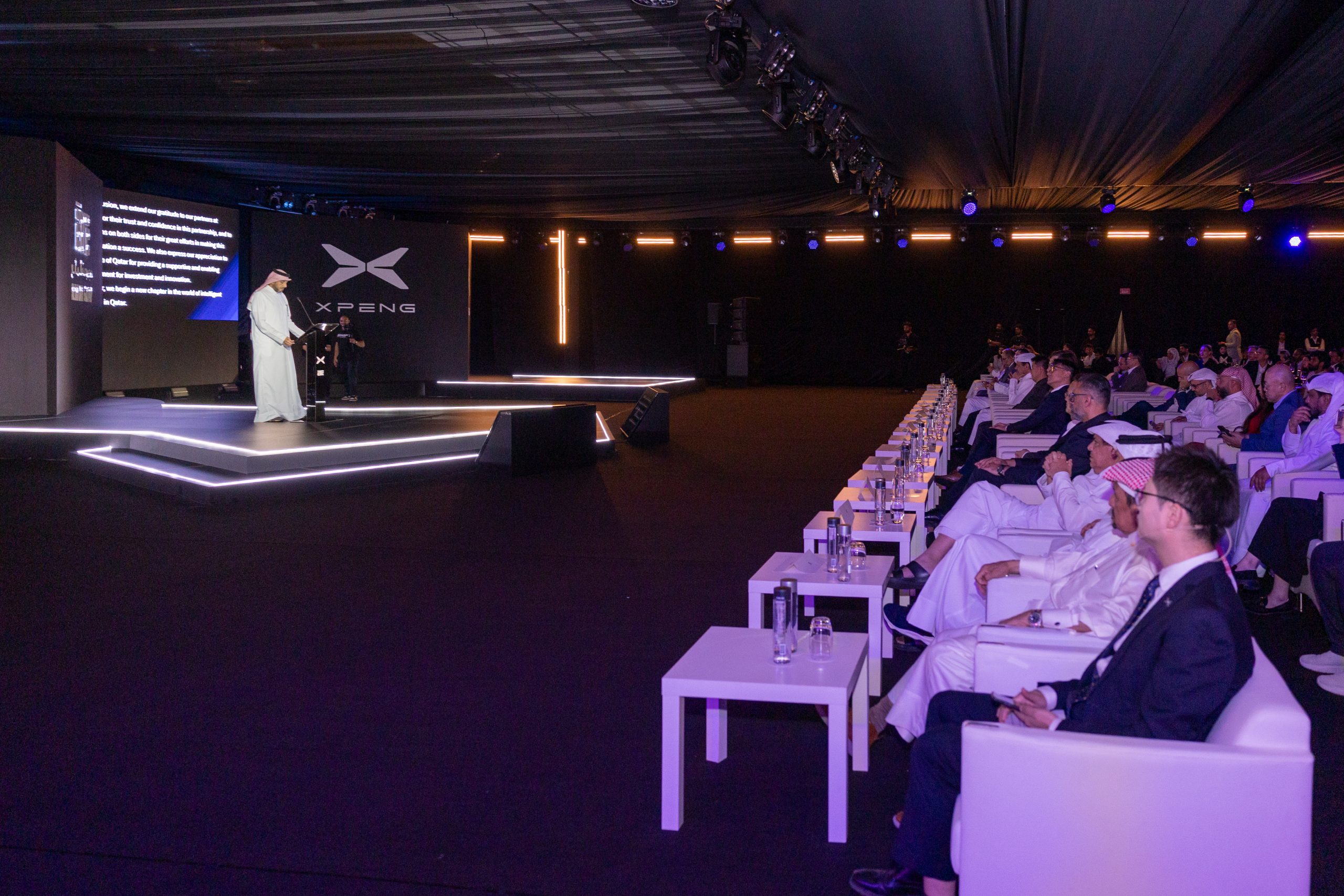
With this launch, Almana Group reinforces its leadership as a catalyst for innovation — bringing the future of AI-powered mobility to Qatar and elevating the national automotive landscape with global-forward thinking.
Almana Group, one of Qatar’s most established and diversified business conglomerates, has officially launched XPENG, the pioneering Chinese intelligent electric vehicle brand, in the State of Qatar through its subsidiary Pioneer Motors Company.
The grand reveal took place at The St. Regis Doha, marking a major step toward advancing the nation’s smart and sustainable mobility ecosystem in alignment with Qatar National Vision 2030.
The launch event was attended by esteemed government officials, international dignitaries, industry leaders, and strategic partners — highlighting the importance of this milestone for both Qatar’s economic diversification and the future of mobility in the region.
“Our partnership with XPENG reflects not only our confidence in the future of electric and intelligent mobility, but also our commitment to contributing to Qatar’s journey toward innovation and sustainability,” said Tariq Omar Al-Mana, Vice President – Automotive Division, Almana Group.
“As we embrace this new era, we continue to build bridges between Qatar and the world through technology, trust, and forward-thinking enterprise.”

Beijingwalker
VIP Member
China Captures 40% of Emerging Market Car Imports, Pushing Out Germany and Japan
Peter Smith12/28/2025 5:04 AM
China's automotive exports to emerging markets have surged dramatically, capturing significant market share from traditional leaders Germany and Japan across price-sensitive developing economies.
China's share of car imports in emerging markets has exploded recently, fundamentally reshaping the global automotive landscape. The real story here isn't about Europe—it's about how Chinese carmakers are absolutely crushing it in developing economies, grabbing market share that used to belong to German and Japanese brands. The numbers tell a pretty stark story: China's gone from being a minor player to the dominant force in these markets, and it's happening faster than most people expected.
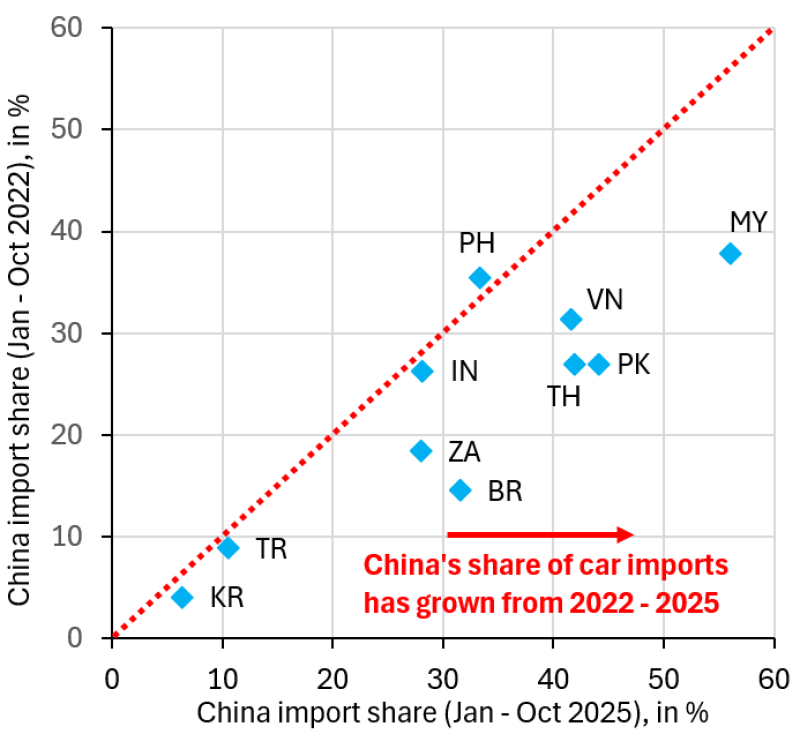
Look at countries like the Philippines and India—China's portion of their car imports has shot up while Germany and Japan's share keeps dropping. What's driving this shift? Price, plain and simple. Chinese vehicles are way more affordable than their German or Japanese competitors, which matters huge in markets where buyers are watching every dollar. When you're competing in price-sensitive regions, China's ability to deliver decent quality at rock-bottom prices is basically unbeatable right now.
This isn't just about selling more cars—China's playing the long game to dominate the global auto industry. Their manufacturers benefit from massive economies of scale and production costs that German and Japanese companies can't match. While traditional automakers struggle with expensive manufacturing, China's pumping out vehicles at a fraction of the cost. We're watching a complete power shift in emerging markets, and established players like Germany and Japan are scrambling to figure out how to compete.
China Captures 40% of Emerging Market Car Imports, Pushing Out Germany and Japan
China's automotive exports to emerging markets have surged dramatically, capturing significant market share from traditional leaders Germany and Japan across price-sensitive developing economies.
 thetradable.com
Beijingwalker
VIP Member
China EV exports jump 87% in November
December 28, 2025
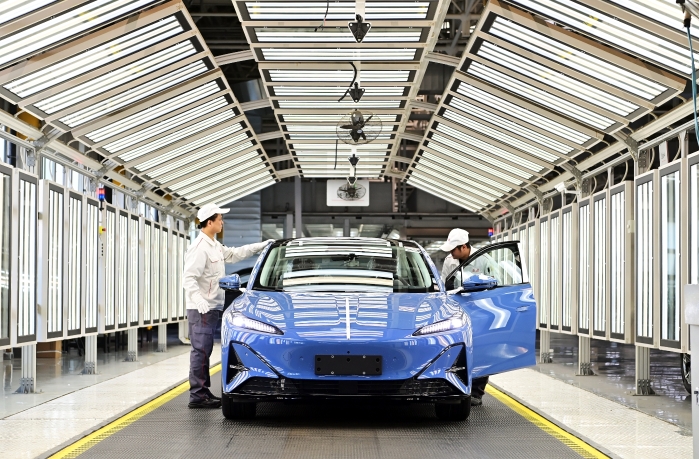
China exported 199,836 EVs in November, up 87% year-on-year, according to data from China’s General Administration of Customs.
Asia imported the highest number at 110,061 EVs, followed by Europe at 42,927, and Latin America and the Caribbean at 35,182.
Mexico was the top single destination, receiving 19,344 EVs, a 2,367% rise from the previous year.
Exports to the European Union grew 39% year-on-year to 25,792 units.
Other major importers in November included Indonesia, Thailand, the Philippines, Malaysia, Turkiye, the UK, Belgium, Brazil, and India.
Year-to-date, China exported 2 million EVs globally, a 29% rise from the previous year.
Source: Bloomberg
https://www.techinasia.com/news/china-ev-exports-jump-87-in-november
Beijingwalker
VIP Member
China’s BYD poised to overtake Tesla in 2025 EV sales
Dec 29, 2025
Visitors check the China made BYD ATTO 3 at the IAA motor show in Munich, Germany. BYD stands poised to officially surpass Tesla as the world’s biggest electric vehicle company. (AP Photo/Matthias Schrader, File)
NEW YORK, United States – Growing Chinese auto giant BYD stands poised to officially surpass Tesla as the world’s biggest electric vehicle company in annual sales.
The two groups are expected soon to publish their final figures for 2025, and based on sales data so far this year, there is almost no chance the American company led by Elon Musk will retain its leadership position.
At the end of November, Shenzhen-based BYD, which also produces hybrid vehicles, had sold 2.07 million EVs so far in 2025.
Tesla, for its part, had sold 1.22 million by the end of September.
Tesla’s September figures included a one-time boost in sales, to nearly half-a-million vehicles in a three-month period, before the expiration of a US tax credit for buyers of electric vehicles — which ended under legislation backed by President Donald Trump, a climate change skeptic.
But Tesla’s sales in the coming quarter are expected to fall to 449,000, according to a FactSet analysis consensus. That would give Tesla about 1.65 million sales for all of 2025, a drop of 7.7 percent and well below the level BYD had attained by end November.
Deutsche Bank, which projects just 405,000 Tesla EV sales during the fourth quarter, sees the company’s sales down by around one-third in both North America and Europe, and by one-tenth in China.
Transition period
Industry watchers say it will take time for EV demand to reach a level of equilibrium in the United States following the elimination of the $7,500 US tax credit at the end of September 2025.Even prior to that, Tesla had seen sales struggle in key markets over CEO Musk’s political support of Trump and other far-right politicians. Tesla has also faced rising EV competition from BYD and other Chinese companies and from European giants.
“We believe Tesla will see some weakness on deliveries” in the fourth quarter, said Dan Ives of Wedbush Securities.
Sales of 420,000 would be “good enough to show stable demand,” with Wall Street “laser focused on the autonomous chapter kicking off in 2026,” Ives added, referring to plans for self-driving vehicles.
Even as it has grown quickly, BYD has faced challenges in its home market.
With profitability in China weighed down by price-wary consumers, the company has sought to strengthen its foothold in foreign markets.
BYD is “one of the pioneers to establish overseas production capacity and supply chains for EVs,” Jing Yang, Director of Asia-Pacific Corporate Ratings at Fitch Ratings, told AFP.
“Going forward, its geographical diversification is likely to help it to navigate an increasingly complicated global tariff environment,” said Yang.
Overseas rivals to BYD have balked at Chinese state subsidies and other state supports that have allowed the company to sell vehicles cheaply.
Trump’s predecessor Joe Biden imposed 100 percent tariffs on Chinese EV imports that could potentially go even higher under Trump. Europe has also imposed tariffs on Chinese imports, but BYD is building manufacturing capacity in Hungary.
While the chance of Tesla reclaiming its global leadership in EVs looks uncertain, the American company is also potentially positioned for growth.
Michaeli of TD Cowen sees autonomous technology playing an increasingly important role for Tesla, with breakthroughs in its “full self-driving” or “FSD” offerings potentially boosting sales.
“As Tesla really begins to roll out eyes-off features and expand FSDs capability, if they do that successfully, that should generate more demand for their vehicles,” Michaeli said.
Musk has said the Cybercab, an autonomous robotaxi model, will begin production in April 2026. The company has also unveiled lower-priced versions of the Models 3 and Y that could boost sales.
https://business.inquirer.net/566767/chinas-byd-poised-to-overtake-tesla-in-2025-ev-sales/amp
Beijingwalker
VIP Member
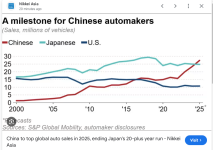
China to top global auto sales in 2025, ending Japan's 20-plus year run

Chinese vehicle sales are projected to surge 49% to about 500,000 units this year across Thailand and other ASEAN countries. (Photo by Ken Kobayashi)
SOTA TANAKA and ITSUKI MIYAKE
December 30, 2025 02:03 JST
TOKYO -- Chinese automakers are set to take the top spot in global new vehicle sales for the first time in 2025, knocking Japanese players, which held the position for more than 20 years, to second place.
Last edited:
Beijingwalker
VIP Member
China’s BYD poised to overtake Tesla in 2025 EV sales
- 29 Dec 2025 12:34
The two groups are expected soon to publish their final figures for 2025, and based on sales data so far this year, there is almost no chance the American company led by Elon Musk will retain its leadership position.
At the end of November, Shenzhen-based BYD, which also produces hybrid vehicles, had sold 2.07 million EVs so far in 2025.
Tesla, for its part, had sold 1.22 million by the end of September.
Tesla’s September figures included a one-time boost in sales, to nearly half a million vehicles in a three-month period, before the expiration of a U.S. tax credit for buyers of electric vehicles — which ended under legislation backed by U.S. President Donald Trump, a climate change skeptic.
But Tesla’s sales in the coming quarter are expected to fall to 449,000, according to a FactSet analysis consensus. That would give Tesla about 1.65 million sales for all of 2025, a drop of 7.7% and well below the level BYD had attained by end-November.
Deutsche Bank, which projects just 405,000 Tesla EV sales during the fourth quarter, sees the company’s sales down by around one-third in both North America and Europe, and by one-tenth in China.
Industry watchers say it will take time for EV demand to reach a level of equilibrium in the United States following the elimination of the $7,500 U.S. tax credit at the end of September 2025.
Even prior to that, Tesla had seen sales struggle in key markets over CEO Musk’s political support of Trump and other far-right politicians. Tesla has also faced rising EV competition from BYD and other Chinese companies and from European giants.
“We believe Tesla will see some weakness on deliveries” in the fourth quarter, said Dan Ives of Wedbush Securities.
Sales of 420,000 would be “good enough to show stable demand,” with Wall Street “laser focused on the autonomous chapter kicking off in 2026,” Ives added, referring to plans for self-driving vehicles.
Even as it has grown quickly, BYD has faced challenges in its home market.
With profitability in China weighed down by price-wary consumers, the company has sought to strengthen its foothold in foreign markets.
BYD is “one of the pioneers to establish overseas production capacity and supply chains for EVs,” Jing Yang, Director of Asia-Pacific Corporate Ratings at Fitch Ratings, said.
“Going forward, its geographical diversification is likely to help it to navigate an increasingly complicated global tariff environment,” said Yang.
Overseas rivals to BYD have balked at Chinese state subsidies and other state supports that have allowed the company to sell vehicles cheaply.
Trump’s predecessor, Joe Biden, imposed 100% tariffs on Chinese EV imports that could potentially go even higher under the current U.S. president. Europe has also imposed tariffs on Chinese imports, but BYD is building manufacturing capacity in Hungary.
While the chance of Tesla reclaiming its global leadership in EVs looks uncertain, the American company is also potentially positioned for growth.
Michaeli of TD Cowen sees autonomous technology playing an increasingly important role for Tesla, with breakthroughs in its “full self-driving” (FSD) offerings potentially boosting sales.
“As Tesla really begins to roll out eyes-off features and expand FSDs capability, if they do that successfully, that should generate more demand for their vehicles,” Michaeli said.
Musk has said the Cybercab, an autonomous robotaxi model, will begin production in April 2026. The company has also unveiled lower-priced versions of the Models 3 and Y that could boost sales.
Last edited:
Beijingwalker
VIP Member
China Captures 40% of Emerging Market Car Imports, Pushing Out Germany and Japan
Peter Smith12/28/2025 5:04 AM
China's automotive exports to emerging markets have surged dramatically, capturing significant market share from traditional leaders Germany and Japan across price-sensitive developing economies.
China's share of car imports in emerging markets has exploded recently, fundamentally reshaping the global automotive landscape. The real story here isn't about Europe—it's about how Chinese carmakers are absolutely crushing it in developing economies, grabbing market share that used to belong to German and Japanese brands. The numbers tell a pretty stark story: China's gone from being a minor player to the dominant force in these markets, and it's happening faster than most people expected.
Look at countries like the Philippines and India—China's portion of their car imports has shot up while Germany and Japan's share keeps dropping. What's driving this shift? Price, plain and simple. Chinese vehicles are way more affordable than their German or Japanese competitors, which matters huge in markets where buyers are watching every dollar. When you're competing in price-sensitive regions, China's ability to deliver decent quality at rock-bottom prices is basically unbeatable right now.
This isn't just about selling more cars—China's playing the long game to dominate the global auto industry. Their manufacturers benefit from massive economies of scale and production costs that German and Japanese companies can't match. While traditional automakers struggle with expensive manufacturing, China's pumping out vehicles at a fraction of the cost. We're watching a complete power shift in emerging markets, and established players like Germany and Japan are scrambling to figure out how to compete.
China Captures 40% of Emerging Market Car Imports, Pushing Out Germany and Japan
China's automotive exports to emerging markets have surged dramatically, capturing significant market share from traditional leaders Germany and Japan across price-sensitive developing economies.
thetradable.com
Beijingwalker
VIP Member
A wonderful 2025 for the Chinese automobile industry, wish a even better 2026 !!
Users who are viewing this thread
Total: 3 (members: 0, guests: 3)
Pakistan Defence Latest
-
 Federal cabinet gives nod to imposition of emergency in KP; summary sent to president (38 Viewers)
- Latest: flyingorca
-

-
-

-

Country Watch Latest


Latest Posts
-

-
Federal cabinet gives nod to imposition of emergency in KP; summary sent to president (38 Viewers)
- Latest: flyingorca
-
 Makkah Defence Alliance: Turkey, Saudi Arabia, and Pakistan, news & updates (39 Viewers)
- Latest: RescueRanger
-

-