Beijingwalker
VIP Member

China Isn't Exporting EVs-It's Exporting Entire Industrial Ecosystems
Jul 11, 2026Highlights
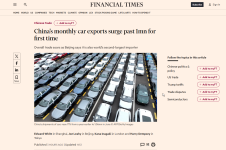
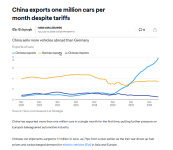
- China's June vehicle exports surpassed one million units for the first time, with new energy vehicles growing over 160% year-over-year.
- Companies like Chery, XPeng, and CATL are establishing full manufacturing and supplier ecosystems across Europe and Africa, becoming local producers.
- China's upstream control of rare earths, graphite, and battery materials has enabled downstream dominance in EVs, robotics, and industrial automation.
- Overcapacity at home is driving China to internationalize production, embedding its industrial platforms within foreign economies to sustain growth.
- Tariffs alone cannot replicate vertically integrated industrial ecosystems; the real contest is over who owns the industrial platforms of the 21st century.
For years, many Western observers viewed China's electric vehicle success as a story of inexpensive labor, generous subsidies, or aggressive pricing. That explanation is no longer sufficient. A new report from the Shanghai Securities News illustrates something far more significant: China is no longer simply exporting automobiles—it is exporting complete industrial ecosystems. For Rare Earth Exchanges®, this is precisely what our Great Powers Era 2.0™ thesis has long anticipated.
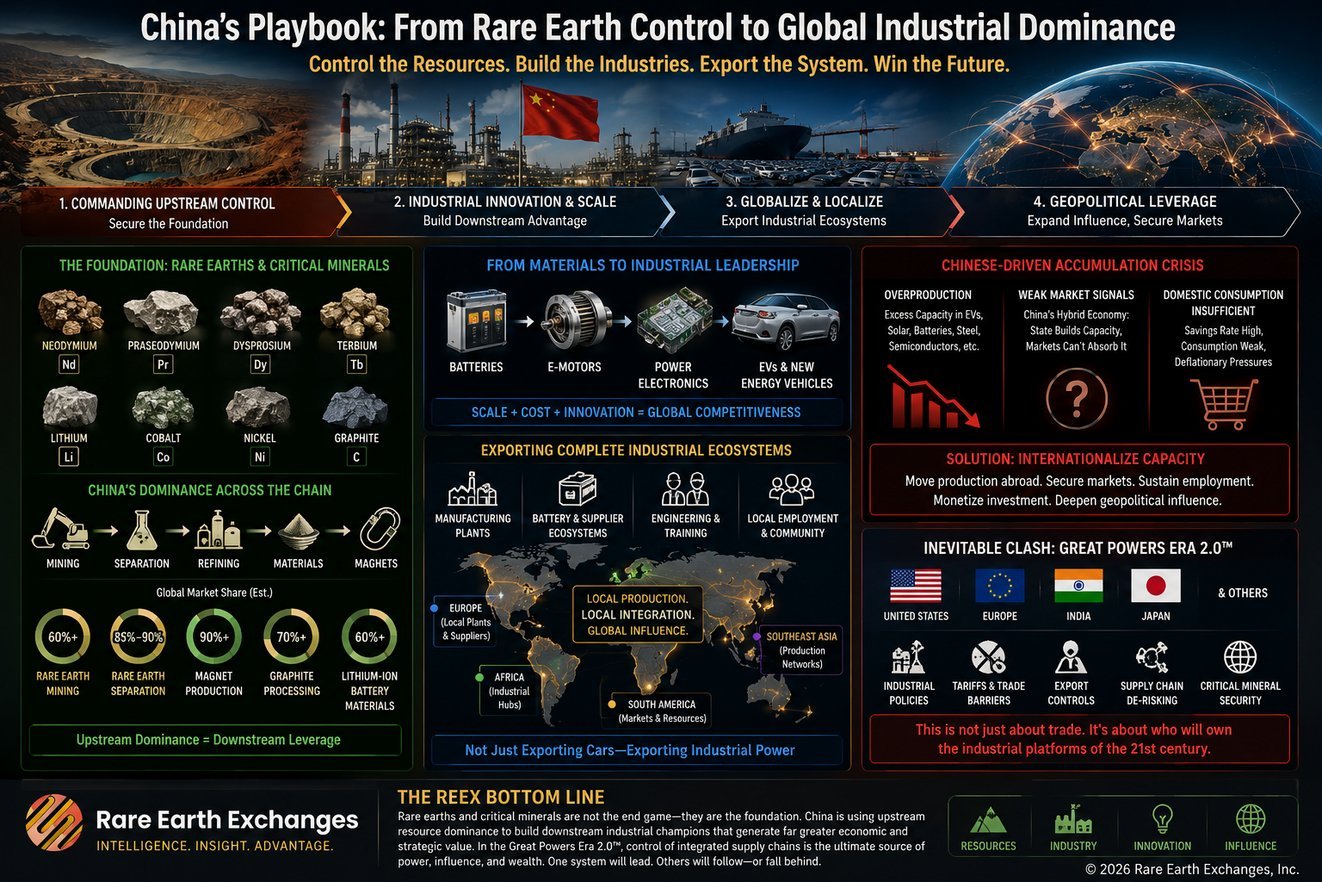
China's strategy has never been merely to dominate rare earth mining or battery materials. The objective has been to leverage control over critical mineral supply chains to innovate downstream, capture higher-value manufacturing, and ultimately monetize entire industrial verticals. Electric vehicles are simply the first major proof of concept.
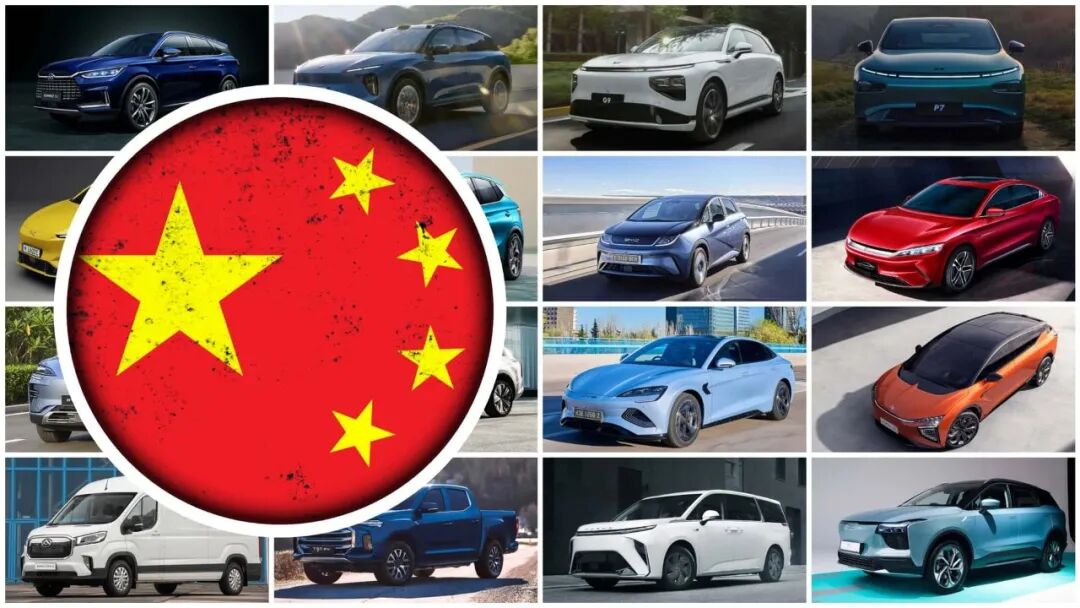
The numbers are striking. China's June vehicle exports surpassed one million units for the first time, with new energy vehicles accounting for more than half and growing over 160% year-over-year.
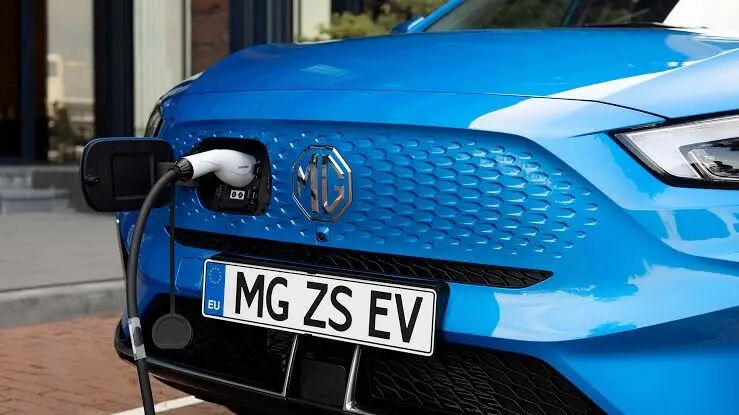
Yet the bigger story is not exports—it's localization. Companies such as Chery, XPeng, and CATL are establishing manufacturing, battery production, engineering, training, and supplier ecosystems across Europe and Africa. They are becoming local manufacturers rather than foreign exporters.
This reflects a deliberate industrial strategy decades in the making. China first secured commanding positions in rare earth separation, graphite processing, battery materials, and magnet manufacturing. Those upstream advantages enabled leadership in batteries, electric motors, power electronics, and ultimately electric vehicles. Today, those same capabilities are expanding into robotics, industrial automation, grid infrastructure, aerospace, and defense technologies.
This is where the U.S.-China trade conflict fundamentally misses the mark. Tariffs may slow shipments, but they do not easily replicate vertically integrated industrial ecosystems. Control over critical minerals enables control over advanced manufacturing, which in turn creates durable advantages in innovation, employment, exports, and geopolitical influence.
The same blueprint now emerging in EVs is likely to repeat across humanoid robotics, AI-enabled manufacturing, autonomous systems, and next-generation industrial equipment.
Chinese-driven Accumulation Crises
China's push to export entire industrial ecosystems is driven not only by ambition but by economic necessity. Years of state-directed investment, abundant credit, and industrial policy have created enormous manufacturing capacity across electric vehicles, batteries, solar equipment, rare earth magnets, and other strategic sectors. Domestic demand, however, has struggled to absorb this output, contributing to persistent overcapacity, intense price competition, and shrinking profit margins.This reflects a structural tension within China's hybrid political economy: state planning can rapidly build productive capacity, but market demand cannot always keep pace.
So the solution is to internationalize that capacity. By moving production overseas, embedding Chinese suppliers within foreign economies, and securing long-term access to customers, Beijing can sustain factory utilization, preserve employment, monetize decades of industrial investment, and deepen geopolitical influence.
Yet this strategy inevitably collides with the industrial ambitions of the United States, Europe, India, and other major economies seeking to rebuild domestic manufacturing and reduce strategic dependence on China. The resulting competition is not simply about trade balances or tariffs—it is a contest over who will own the industrial platforms of the twenty-first century. In the Great Powers Era 2.0™, this is a struggle for enduring economic and technological leadership, and the outcome will shape global supply chains for decades to come.
The REEx Bottom Line
Rare earth elements and critical minerals are not the end game—they are the foundation. China is using upstream resource dominance to build downstream industrial champions that generate far greater economic and strategic value. Investors who focus only on mines or commodity prices risk missing the larger story.In the Great Powers Era 2.0™, the winners will be those who control not simply the raw materials, but the integrated supply chains that transform them into globally dominant industries.
China Isn't Exporting EVs-It's Exporting Entire Industrial Ecosystems
China is exporting complete industrial ecosystems, not just EVs, leveraging critical mineral dominance to capture global manufacturing leadership.
 rareearthexchanges.com