China Auto Thread

If I'm not mistaken, BYD's hybrid models sell really well in China so I'm not sure why they haven't introduced some of those models to Vietnam alongside their EVs. I could see those hybrid models doing well in Southeast Asia.

In Indonesia, BYD sells BEV not the hybrid ones.

But for Indonesia case, it's because Indonesian government wants to pursue 2035 global EV target.

And they asked EV manufactures to sell EV in Indonesia.

That's why most of the new cars coming to Indonesia are EV, including from BYD.
 
In Indonesia, BYD sells BEV not the hybrid ones.

But for Indonesia case, it's because Indonesian government wants to pursue 2035 global EV target.

And they asked EV manufactures to sell EV in Indonesia.

That's why most of the new cars coming to Indonesia are EV, including from BYD.
I think selling only BEVs is their policy and business model in SEA because BYD doesn't sell hybrid cars here either. Not sure if they're offering any of those hybrid models in Thailand, especially since Thais are currently showing a strong interest in BYD's BEVs.
 
Last edited:
To view this content we will need your consent to set third party cookies.
For more detailed information, see our cookies page.


This is awesome.

You can chat with your car.

The car is very smart, and fast responding too, almost like there's no delay.

I can say it's more advanced than ChatGPT-4o.

Or maybe because my location is in Indonesia, I don't get premium priority access or else.
 

North Korean 720 km range Madusan EV is a BYD Han​


Reading Time: 2 minutes

Mark Andrews

June 19, 2024


0


News like this to your inbox or phone?​


Weekly summary to your inbox
I want this

Never miss and important news
Get Instant notification once the news is published.
Follow Us

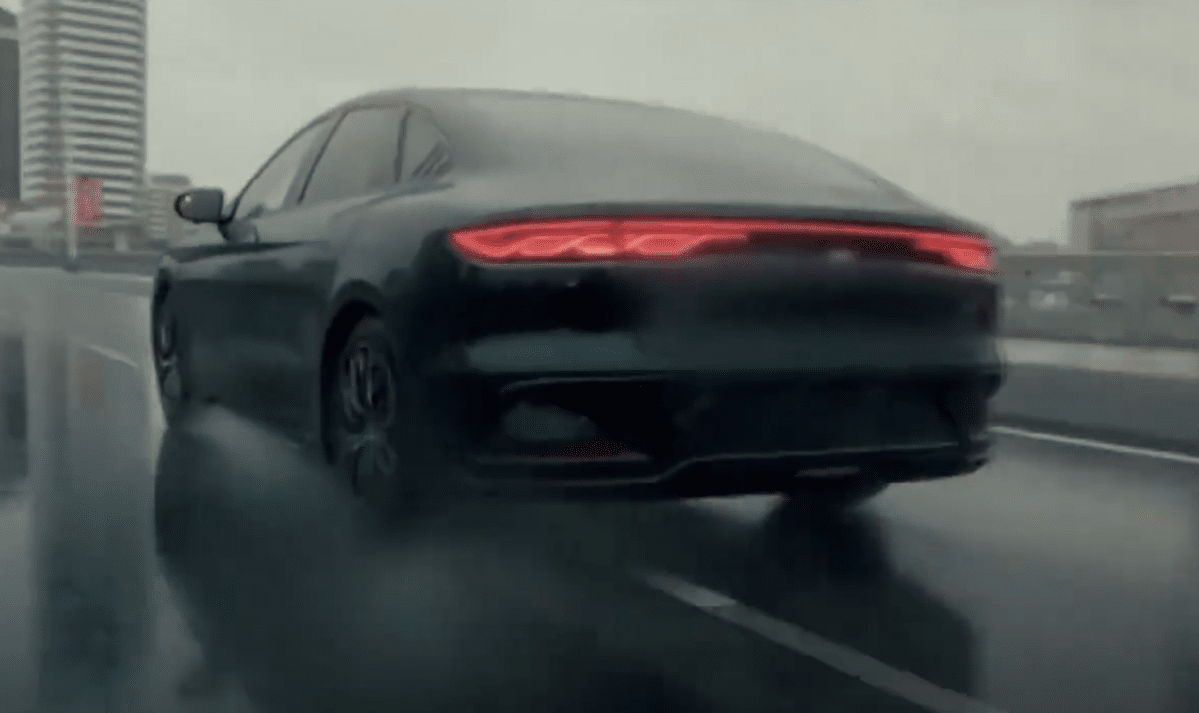
Recently circulating on Weibo is a video of a North Korean electric car. However, the car is actually a rebadged BYD Han. Despite the video referring to the car as the Madusan various aspects give the game away. The video gives the range of the cars as 720 km and the dragon face and Chinese knot tail lights show the car is a Han.

The badges however have been changed and Chinese media reports that Madusan is a North Korean company specializing in car imports. Fast Technology quotes the company profile as saying “We are actively importing and selling electric vehicles through cooperation and exchanges with well-known overseas electric vehicle manufacturers and service companies.”
Little is known about the Madusan deal although the full name of the company is reported by South Korean media to be Madusan Economic Federation. The Korea Herald describes it as a North Korean foreign trade organization established in 2018. South Korean media reports the car video coming from a nearly eight minute long video posted on YouTube on June 14. However, although the video shown by Chinese media has the same pictures the YouTube one lacks the Korean voiceover present in the one posted on Weibo.

License plate reads Madusan Electric Vehicle
The complete video talks about a number of activities that Madusan is reportedly involved in which are claimed to include mobile phones, mining and precious metals.
Last year the Madusan Electric Vehicle Exhibition Center opened on Hwasong Street in Pyongyang.
This is not the first time a BYD car has been seen in North Korea. Way back in 2011 we reported on BYD F6 cars being used as police cars during Kim Jong-il’s funeral.

Chinese cars also have an even longer history in North Korea and some have been produced there from CKD kits. Pyongwha was one of the most successful North Korean car companies and various attempts were made by the company to build Chinese cars from kits and also import Chinese cars including Volkswagens from FAW. Many of the early Chinese cars produced in North Korea came from Shugang, later known as Huanghai. However, more successful were vehicles from the Brilliance Group. Cars included the Brilliance BS4, more successful still was the assembly of Jinbei vans, which themselves were based on the Toyota HiAce.

Editor’s note:​

Interestingly The Korea Herald poured scorn on whether the car was even an EV due to the reported 720 km range being much greater than anything claimed by South Korean cars.
Sources: Fast Technology, The Korea Herald, Korea JoongAng Daily, China Car History,
 

New Haval H6 officially enters market starting at 16,200 USD in China​


Reading Time: 4 minutes

Dong Yi Chen

June 19, 2024


0


News like this to your inbox or phone?​


Weekly summary to your inbox
I want this

Never miss and important news
Get Instant notification once the news is published.
Follow Us

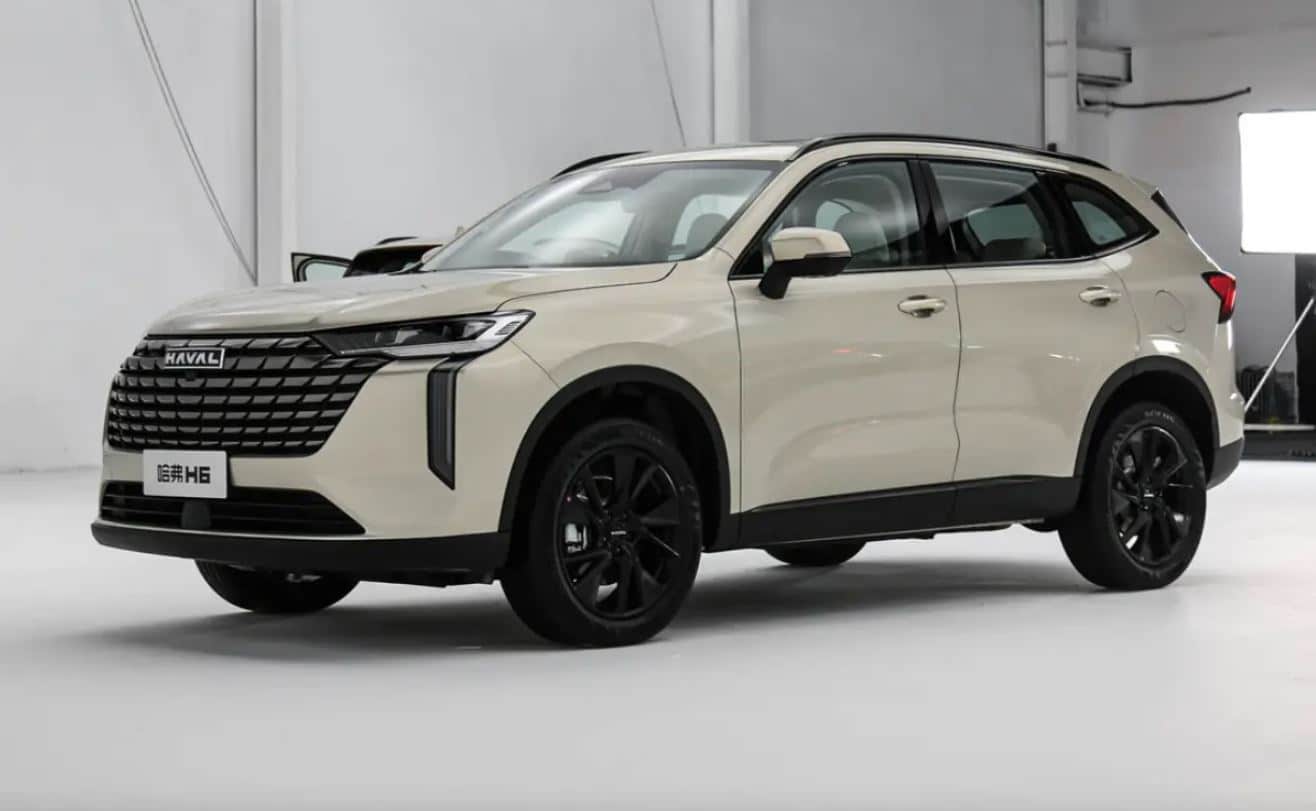
On June 19, Great Wall Motor’s (GWM) 4th-generation Haval H6 compact SUV officially enters the Chinese market, with a price range of 117,900 – 143,900 yuan (16,200 – 19,800 USD), available in five trims for consumers to choose from. A plug-in hybrid Hi4 variant will also be launched later.

1st-gen2nd-gen3rd-gen
Since its launch in August 2011, the Haval H6 has sold more than 4 million vehicles cumulatively, according to GWM.
From the side, the window frame trims, roof luggage racks, rims, and wheel eyebrows are painted in black. The new Haval H6 offers two metallic exterior colors, Star Gold and Interstellar Gray, as well as two pearlescent colors, Star White and Star Vortex Black. The car runs on 19-inch rims as standard for the entire series.

In terms of size, the width, height, and wheelbase remain the same at 1886 mm, 1730 mm, and 2738 mm, respectively; while the length has increased by 50 mm to 4703 mm.
For the exterior, the new Haval H6 adopts the “galaxy aesthetics” design language. The front features a dark chrome decorated large grille. A vertical light bar is added to the lower side of the headlights on both sides. At the rear, the taillight design has been simplified.
Two engine options are offered: 1.5T and 2.0T engines. The 1.5T engine has a maximum power of 135 kW (181 hp) and a peak torque of 275 Nm, which is consistent with the previous high-power variant, mated to a 7-speed DCT, available in two-wheel drive. The 2.0T engine has a maximum power of 175 kW (235 hp) (previous was 155 kW) and a peak torque of 385 Nm, mated to a 9-speed DCT, and provides two-wheel drive and four-wheel drive models. The fuel consumption is 8.1L/100km.

Inside, the interior is covered in a large area of soft materials and has been simplified including the cancellation of physical buttons on the center console. The 10.25-inch full LCD instrument panel and 14.6-inch central control screen are retained, with a new built-in Qualcomm Snapdragon 8155 chip, supporting voice recognition, HiCar, and ICCOA Carlink. In addition, the new Haval H6 is also equipped with a new three-spoke steering wheel, a 9-inch full-color HUD display, 50W wireless charging, front seat heating/ventilation, and level 2 advanced driving assistance capabilities. It is also worth mentioning that Haval has upgraded the sound system that users have been complaining about. Compared with the previous variants, a subwoofer has been added, bringing the total number of speakers to nine.
Source: Haval
 

Li Auto inks deal with China’s largest oil company to expand charging network​


Reading Time: 2 minutes

Naveed Rastegar

June 19, 2024


0


News like this to your inbox or phone?​


Weekly summary to your inbox
I want this

Never miss and important news
Get Instant notification once the news is published.
Follow Us

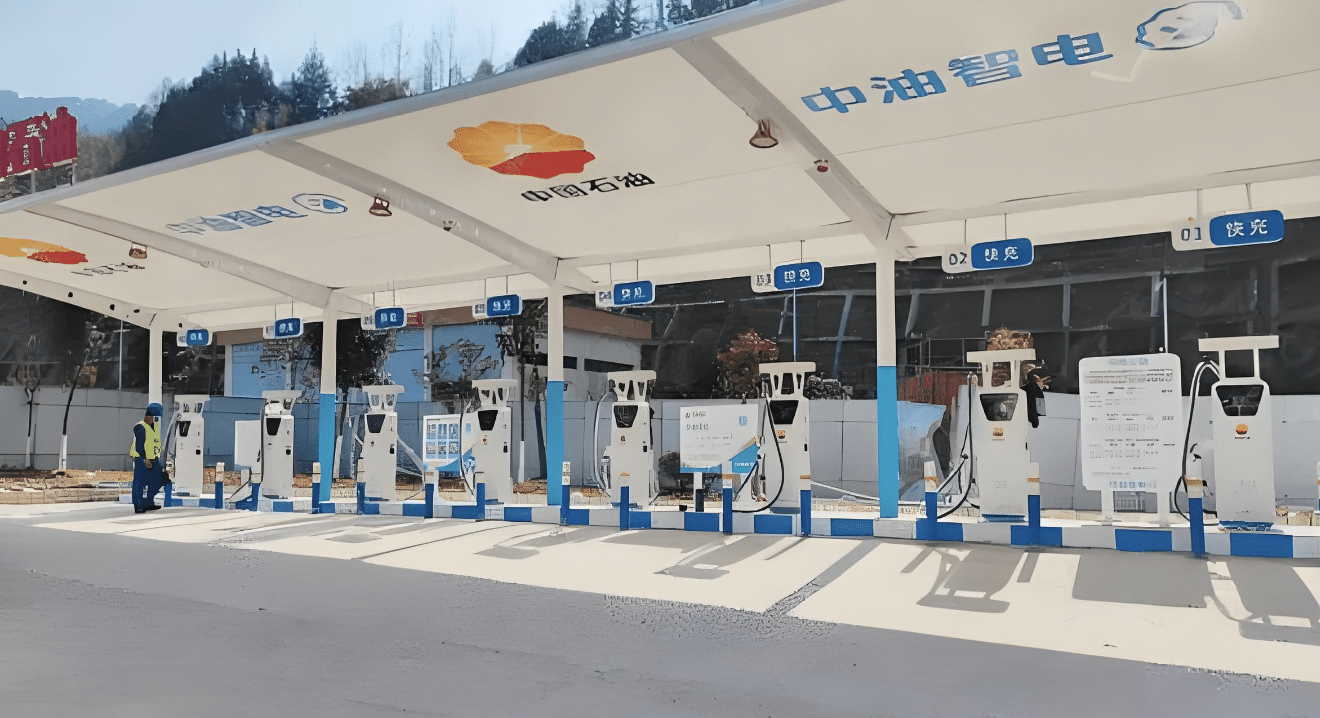
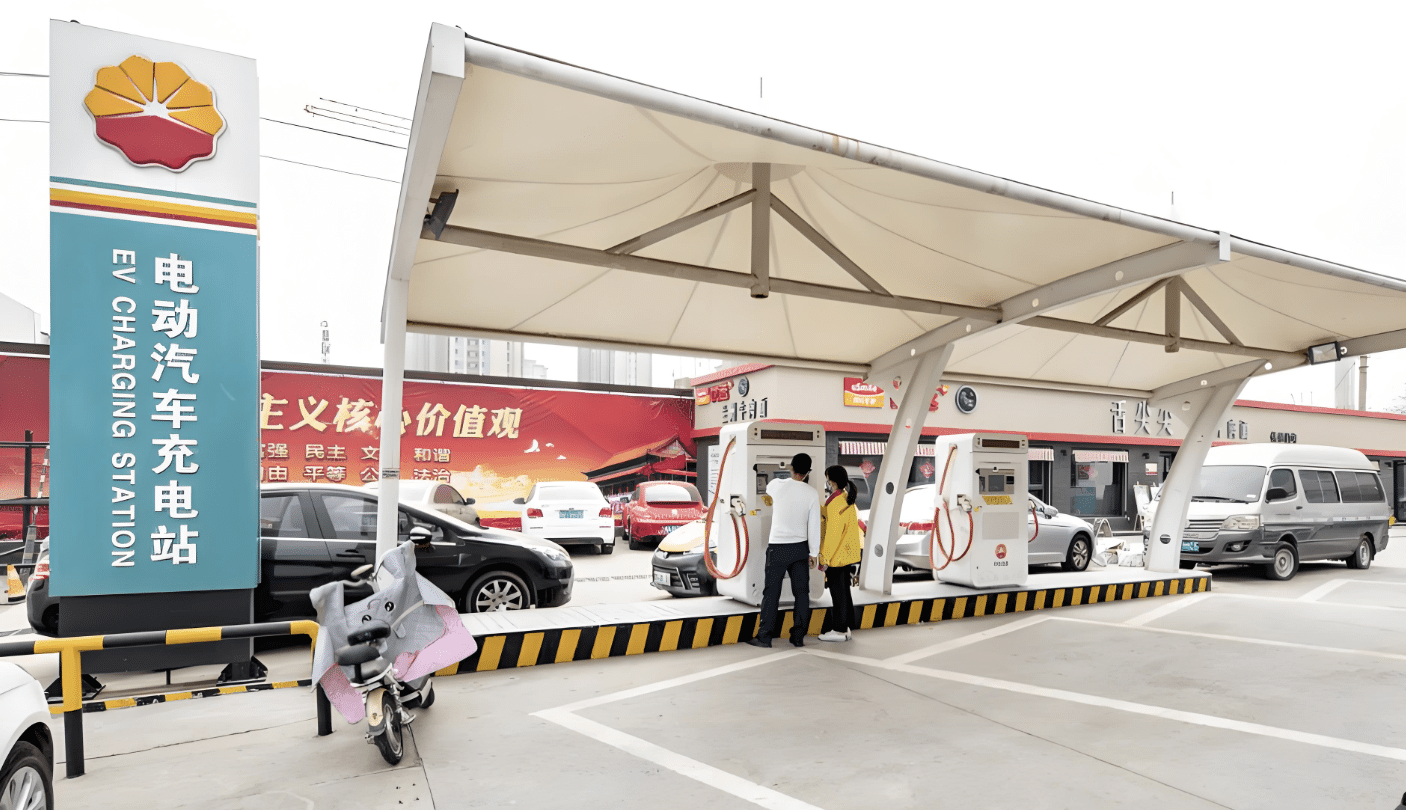
In a strategic move to bolster its charging infrastructure, Chinese electric vehicle manufacturer Li Auto has inked an agreement with China National Petroleum Corporation (CNPC), the country’s largest oil company.

The partnership will further accelerate the buildout of Li Auto’s rapidly expanding charging network, which already covers over 70% of China’s major economic hubs and national highway corridors. As of June 17th, Li Auto has constructed 448 “supercharging stations” with a total of 2,016 charging piles nationwide. By the end of 2024, the company plans to install over 2,000 Li’s charging stations and 10,000 charging piles at CNPC service stations, achieving coverage of more than 90% in tier-one and tier-two city centers and over 70% along national highways.

Under the new agreement, Li Auto and CNPC will collaborate to develop charging infrastructure along highways and urban areas. While the aim is to optimize the charging experience for Li vehicle owners, the two parties will also work to enable interconnectivity between their respective charging platforms as well.

“Our partnership with Li reflects the strategic shift towards green and low-carbon development. It will also accelerate the deployment of our ‘oil-gas-hydrogen-electricity’ sales and service network,” said Xue Guoxing, a CNPC representative.
Li Auto’s Head of Charging Network, Sun Guangmin, added, “The collaboration will further drive the expansion of our Li 5C supercharging network, bringing a convenient charging experience akin to refueling for our customers.” Last year, Li Xiang announced that the company plans to invest 10 billion yuan (1.4 billion USD) to build a network of 3000 superchargers around China by 2025. The 5C basically represents the idea that the battery can be charged five times within an hour.

This strategic partnership marks a milestone in Li Auto’s quest to build a robust charging network that addresses range anxiety, a key barrier to mass EV adoption. By tapping into CNPC’s extensive resources and nationwide footprint, Li Auto is poised to enhance the accessibility and convenience of its charging solutions for customers across China. Car owners of other makes and models can also benefit from these improvements, particularly during the busy holiday travel seasons.

Editors Note:
Li is not the first or only company to partner with an oil company for charging infrastructure. Nio started back in 2021, and other manufacturers, including Tesla, BYD, and Xpeng, have similar agreements.
Source: Sohu
 

Jaguar Land Rover and Chery will build Freelander-branded EVs on Chinese platforms​


Reading Time: 3 minutes

Denis Bobylev

June 19, 2024


0
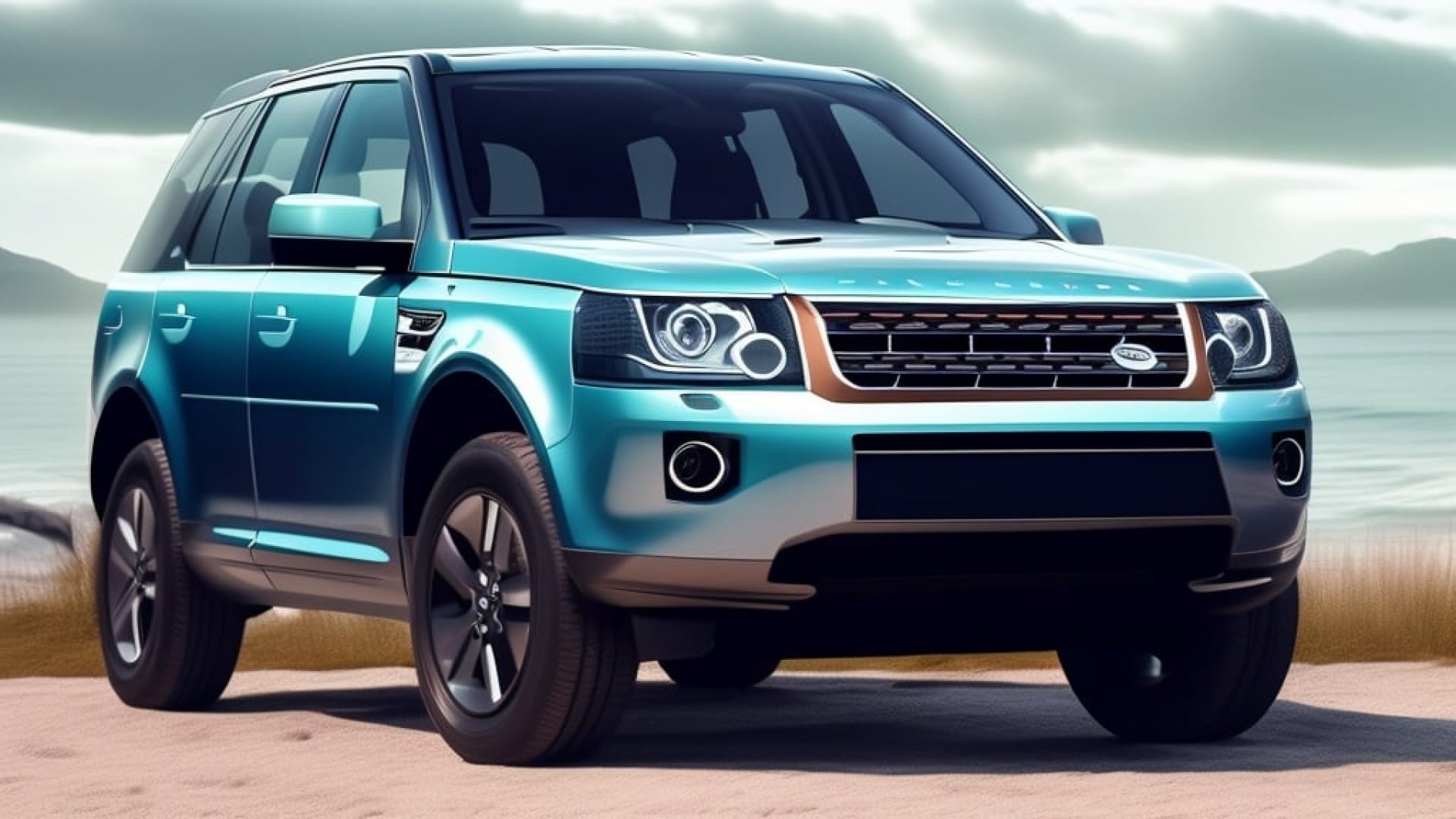
Chery Jaguar Land Rover CJLR freelander brandFreelander EV image created by AI

News like this to your inbox or phone?​


Weekly summary to your inbox
I want this

Never miss and important news
Get Instant notification once the news is published.
Follow Us

Jaguar Land Rover partners with Chery to build Freelander-branded electric cars on Chery’s E0X architecture. After the rebirth, Freelander will offer a range of China-made electric cars for sale domestically. Later, the Freelander brand will go global.

On the left: Exlantix ET. On the right: Range Rover Velar
Previously, Chery officially confirmed that Jaguar Land Rover would adopt its E0X and M3X platforms to build PHEV and BEV models. It is a consequence of the 12-year friendship between JLR and Chery. In 2012, these companies formed a joint venture called Chery Jaguar Land Rover (CJLR). The CJLR plant started operating in 2014.
CJLR factory in China
In the last 12 years, Jaguar Land Rover helped Chery with the suspension setup and styling tips. Moreover, Chery’s Torque Vectoring system, which is used in the Jaecoo J8 SUV for international markets, also derives from JLR’s well-known AWD system. However, JLR lags behind the industry trend for BEVs. So, now it’s Chery’s turn to help the Tata-owned automaker.

Freelander from Chery Jaguar Land Rover​

On June 19, JLR reported it signed a Letter of Intent with Chery to strengthen CJLR’s product offer in China. This includes creating the EV brand Freelander. This brand’s cars will stand on Chery’s E0X modular architecture. The same chassis underpins Exlantix ES, Exlantix ET, Luxeed S7, and Luxeed R7 cars.
Exlantix ES adopts Chery’s E0X platform
The E0X architecture supports the 800V high-voltage system, air suspension, and L3 driving assist system. Its another benefit is the low energy consumption of 12 kWh/100km. Worth noting that aside of battery electric vehicles, the E0X platform can also underpin EREVs (range extenders). For an example, the E0X-based Exlantix ET crossover (see specs) is available in EV and EREV variants.
“Today we are taking this important strategic step for JLR, one which underlines our ongoing commitment to China and complements our existing business in China. We believe that working together to develop new models of collaboration for the world’s largest and fastest-growing electric vehicle market, combined with the appeal of the Freelander brand, promises a very exciting future for CJLR”
Adrian Mardell, JLR’s CEO
Land Rover Freelander II
We will remind some novices here that the Freelander was an SUV produced between 1997 and 2015. In 2016, this model was succeeded by Land Rover Discovery Sport. Nowadays, the reborn Freelander from CJLR will offer a range of mainstream electric vehicles. They will initially sell in China, but over time, Freelander cars will also launch globally.

Previously, Chery’s Chairman Yin Tongyao said Jaguar Land Rover cars will also use the M3X architecture that underpins Exeed RX (see specs) and Chery Fulwin T9 (see specs). They will be equipped with Chery’s hybrid system, which has 11 gear combinations, over 1000 km range, and a thermal efficiency of 44.5%.
CarNewsChina reported Jaguar Land Rover isn’t the only automaker to adopt Chinese modular architectures to build NEVs. It is a growing trend among lots of automakers. For clarity, Mitsubishi Airtrek adopts GAC’s GEP; Smart and Lotus EVs are underpinned by Geely’s SEA; Renault cars will adopt Geely’s CMA; Volkswagen agreed to use E/E platform from Xpeng; future Audi vehicles will be underpinned by iO Origin platform from SAIC.
Source: JLR
 

Chinese EV makers proposed a 25% tariff on large European ICE cars, state media reports​


Reading Time: 2 minutes

Jiri Opletal

June 19, 2024


0
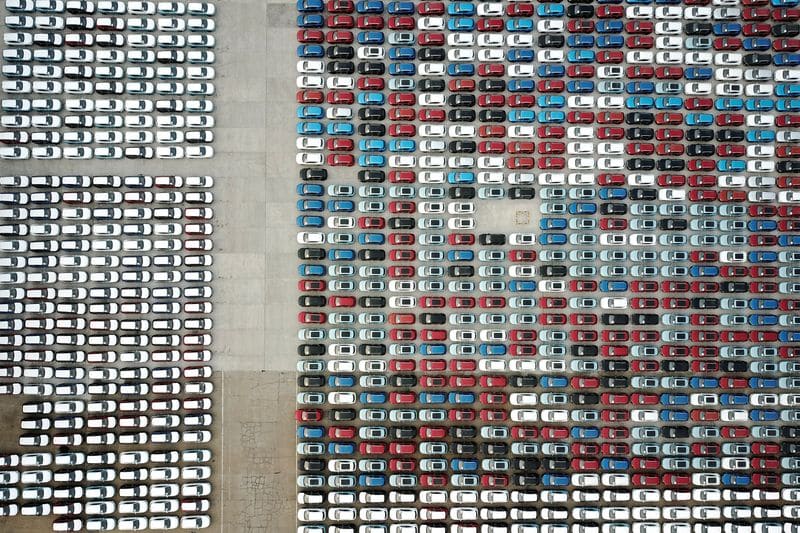
Cars ready for export at port in Jiangsu. Credit: ChinaDaily

News like this to your inbox or phone?​


Weekly summary to your inbox
I want this

Never miss and important news
Get Instant notification once the news is published.
Follow Us

Chinese electric vehicle (EV) makers are calling for imposing a 25% tariff on large European cars with internal combustion engines (ICE), according to a report by state media outlet CCTV. This proposal responds to the European Union’s decision to increase import tariffs on China-made EVs by up to 38.1%.

The request was made during a closed-door meeting in Beijing on Tuesday between China’s Ministry of Commerce and representatives from six European and four Chinese auto manufacturers, as well as various industry and research bodies, CCTV says.
Around 250,000 ICE cars with engines 2.5 liter and more were imported to China in 2023.

The EU announced last week that it plans to increase tariffs on Chinese EVs following an investigation. State-owned automaker SAIC Motor (formerly Shanghai Automotive) is the most affected, being hit by combined tariffs of 48.1%. SAIC includes brands such as MG and IM. The MG was the best-selling Chinese EV brand in Germany in May.
During the meeting, a Chinese trade representative also accused the EU of using the investigation as a pretext to appropriate business secrets from Chinese EV manufacturers.
The suggestion to raise the temporary import tariff on cars with engines larger than 2.5 liters was initially proposed in an article by the state-controlled Global Times in May, preceding the EU’s probe.

According to the European Commission (EC), the new tariffs aim to ensure fair competition. Chinese increased their EV market share in the EU to 8.2% in 2023, up from 0.5% in 2019. They have also been preparing to build locally in Europe for a long time.
BYD is constructing a car plant in Hungary, Szeged, which should start production in 2025. Meanwhile, the Chinese Leapmotor T03 rolled off the production line in the Stellantis Polish plant on Tuesday. Great Wall Motor (GWM) is seeking a car plant location in Europe, and it was reported that it is deciding between Germany, Czechia, Poland, and Hungary. State-owned Chery Auto announced a car plant in Barcelona, Spain, which will help it mitigate the 31% tariffs it is facing, according to the company.
Despite the tariffs, some Chinese EV manufacturers, such as BYD, might be able to absorb the additional costs. BYD was subjected to extra duties of 17.4%, the lowest rate among the three Chinese manufacturers scrutinized by the European Commission and lower than the industry average of 21%. Those figures are on top of the existing 10% import duties.
Source: CCTV via ChinaDaily [CN]
 

Geely Galaxy Starship interior official images released​


Reading Time: 3 minutes

Dong Yi Chen

June 19, 2024


0


News like this to your inbox or phone?​


Weekly summary to your inbox
I want this

Never miss and important news
Get Instant notification once the news is published.
Follow Us

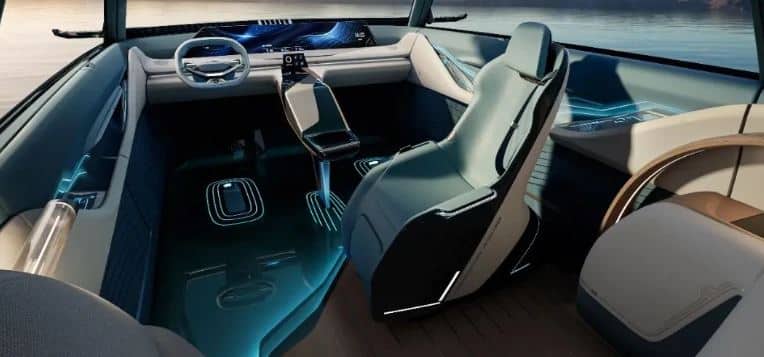
On June 19, Geely released the official interior images of its flagship Galaxy Starship full-sized SUV. Its cockpit design philosophy is to bring the world into one’s home, according to Geely.

Geely Galaxy Starship​

Geely Galaxy Starship at the 2024 Beijing Auto Show
Earlier, The Geely Galaxy Starship prototype made its debut at the 2024 Beijing Auto Show. The car sits on Geely’s new GEA (Geely Electric Architecture) platform that supports BEV, EREV, and PHEV powertrains, and will be powered by an 11-in-1 intelligent electric drive system.
Notable design elements include contrasting color three-spoke rims, a clean closed front face, hidden door handles, and rear doors that open sideways and upward. It was reported that the Geely Galaxy Starship will be equipped with the brand’s latest technologies such as the Galaxy AI Digital Elf and AI Digital Chassis. The AI Digital Chassis integrates a domain controller, a steer-by-wire system, wheel-side motor drives, intelligent driving, and AI large models.

Interior official images​

At first glance, the interior feels high-tech and is covered in fabric, wood grain, and chrome materials.
The center console has a large trapezoidal screen in addition to a central screen positioned at the center of the dashboard. This screen layout is likely to be used on mass-produced models. The air-conditioning outlet is hidden. At the same time, the double-spoke steering wheel is equipped with touch buttons and a circular level gauge.
Furthermore, the interior offers a 3-row 5-seater layout with a large number of touch panels on the door panels to control the opening and closing of the doors as well as other entertainment functions.

The second-row is an independent seat and the third-row looks like a sofa, forming a private resting space. Both the first-row and second-row seats can rotated. Additionally, the seats can be controlled via voice commands realized via large AI models to complete functions such as turning, moving, and lying flat, according to Geely.
Source: AutoHome, PCAuto
 

2024 Chery Tiggo 9 enters market starting at 21,000 USD​


Reading Time: 3 minutes

Dong Yi Chen

June 19, 2024


0


News like this to your inbox or phone?​


Weekly summary to your inbox
I want this

Never miss and important news
Get Instant notification once the news is published.
Follow Us

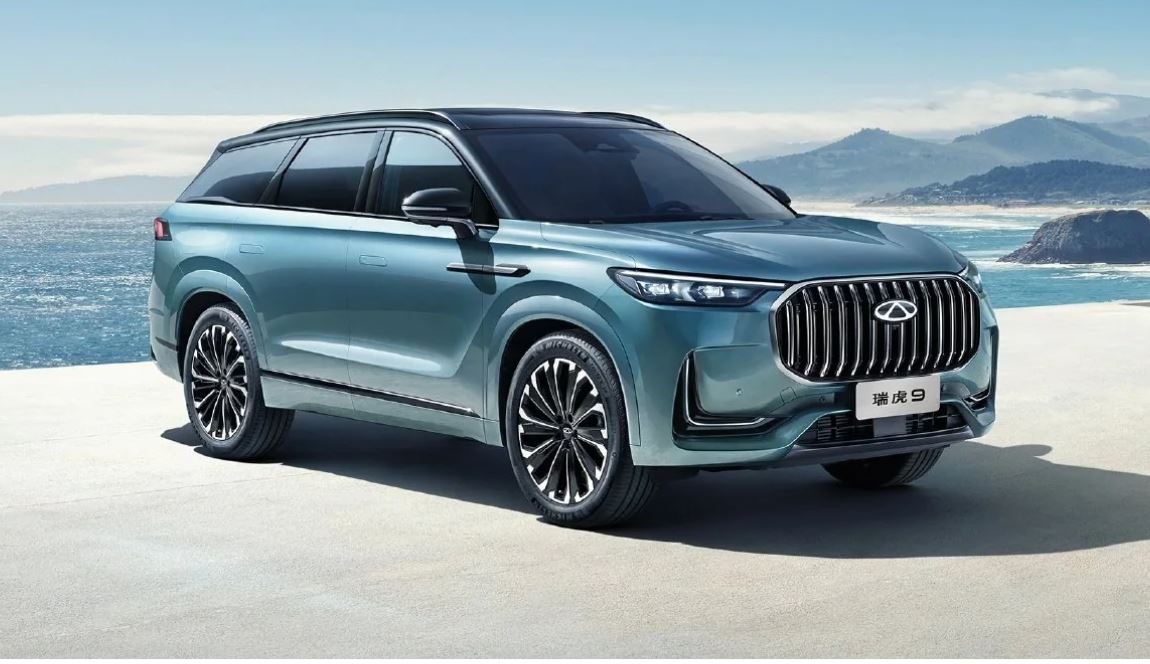
This is the 2024 Chery Tiggo 9. A total of five trims were launched with a price range of 152,900 – 203,900 yuan (21,000 – 28,100 USD). As a minor facelift model, the 2024 Chery Tiggo 9 did not undergo significant changes in appearance and interior design, only minor configuration changes.

In May, 3,614 units of the Chery Tiggo 9s were sold, bringing the 2024 cumulative sales to 19,615 units. Furthermore. in 2023, the cumulative sales were 32,999 units since its launch in June 2023.
Positioned as a medium-sized SUV, the 2024 Chery Tiggo 9 measures 4820/1930/1699 mm, and the wheelbase is 2820 mm, which is consistent with the previous variants. It has a standard 5-seater layout and the standard trunk volume is 717 L. The luxury trim provides optional third-row seats that upgrade the vehicle to a 7-seater 2+3+2 layout.

For the exterior, the front face retains its narrow headlights and octagonal grille decorated with waterfall-style chrome trim strips. The lower section comes with a black “C”-shaped design on both sides. The rear continues to adopt a through-type taillight design embedded with Chery’s English logo and chrome-outlined exhaust outlets on both sides.
Inside, the cockpit maintains a symmetrical layout. The three-spoke steering wheel has a flat bottom and the real leather wrapping is replaced with fake leather material. Some trims are equipped with steering wheel heating. The dual-screen on the dashboard consists of a 12.3-inch full LCD instrument panel and a 12.3-inch central control screen, powered by a Qualcomm Snapdragon 8155 chip. The paddle shifter is also removed.
Other standard configurations include lane departure warning, forward collision warning, active braking, lane keep assist, traffic sign recognition, lane change assist, full-speed adaptive cruise control, tire pressure display, a panoramic sunroof, an electric tailgate, keyless entry/start, front seat heating, and Sony speakers.

Power comes from a 2.0T engine with a maximum power of 192 kW (261 hp) and a peak torque of 400 Nm, mated to a 7-speed DCT and 8AT. The top speed is 205 km/h. A four-wheel drive system is also available on some trims. Additionally, compared with the previous trims, the 2024 Chery Tiggo 9 has added off-road and snow modes.
Source: Chery, DongCheDi, PCAuto
 

Have EU tariffs killed BMW Great Wall Mini producing JV Spotlight Automotive?​


Reading Time: 6 minutes

Mark Andrews

June 18, 2024


0

News like this to your inbox or phone?​


Weekly summary to your inbox
I want this

Never miss and important news
Get Instant notification once the news is published.
Follow Us

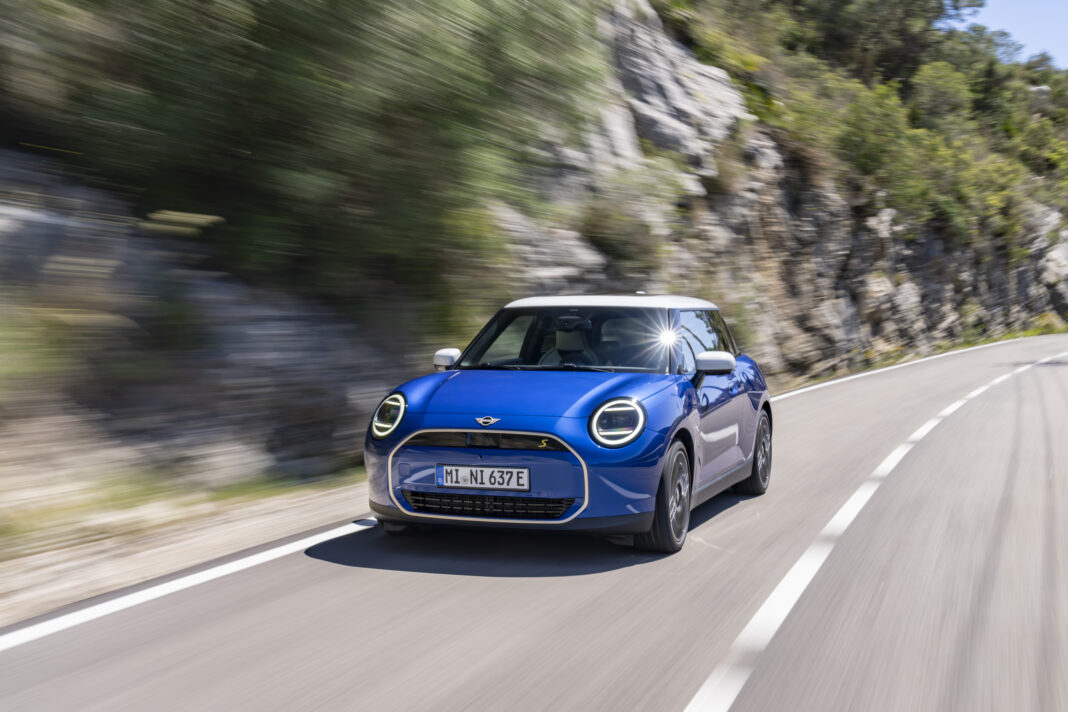
People often talk about China speed, but when they do so they’re probably not thinking about the Spotlight Automotive Limited Project. Six years on and barely after mass production began the BMW venture to build the electric Mini in China may be dead thanks to the EU tariffs.

To understand the situation fully we need to dive back into the history of how international OEMs have operated in China. As China began to open up, demand for cars began to grow and in the 1980s China made all foreign producers create joint ventures if they wanted easy access to the market. These JVs initially had to be with qualifying state-owned enterprises and the foreign partner was limited to a 50% stake.
Although China became the world’s factory this did not happen for cars. There was little point for the Western, Japanese, and Korean producers who set up shop in China to export when they would have to share profits with their Chinese partner, something they would not have to do with factories elsewhere.

Digging the foundations or the grave? The inauguration of BMW Great Wall JV Spotlight Automotive.
China’s National Development and Reform Commission (NDRC) in 2018 announced a phased end to the policy. Under it the caps on foreign ownership were lifted in 2020 for new energy vehicles, along with special purpose vehicles, while for passenger vehicles the date was set for 2022. Tesla became the first company to take advantage of the new arrangements and have a wholly owned factory in China to produce cars in China both for the domestic market and export.
2018 was also the year BMW Group and Great Wall Motor signed a joint venture agreement to produce Mini electric vehicles in China. Sixteen months later saw the inauguration of the Spotlight Automotive Limited JV in Zhangjiagang, Jiangsu Province. Under the plan announced in 2019, a factory would be built in the city with the partners together investing around 650 million Euro (698 million USD). The construction phase was planned for 2020 to 2022 to produce a factory employing around 3,000 people and capable of producing 160,000 cars a year.
Under China’s JV rules each foreign OEM was allowed up to two joint ventures. BMW already had a joint venture with Brilliance, founded in 2003, and so a new JV with Great Wall was already a bit of a surprise. The timing, due to the changing JV rules was even more surprising especially when in early 2019 BMW became the first OEM to announce it was taking advantage of the new rules and increasing its shareholding in BMW Brilliance to 75%.

The need even to produce an electric Mini in China was also questionable. Cowley, Oxford has been the home of the Mini under BMW stewardship. Due to capacity issues some Mini models have been produced elsewhere but both electric and ICE versions of the Mini were rolling off the same UK production line.
UK government plans originally called for a ban on the sale of all ICE cars by 2030 which last year was delayed until 2035. This meant that sooner or later the factory would need to transition to producing all-electric versions. Adoption of EVs was faster than BMW anticipated meaning that the company had to electrify the third-generation Mini, something not originally intended until the new fourth-generation. Oxford was able to produce one in every two Minis as an EV for the third-generation model.
Speaking in 2022 then BMW boss Stefanie Wurst said that the Oxford plant was “not geared up for mass production”. Under the plans for Mini the Oxford plant will actually stop making electric Mini cars between 2024 and 2026. The fourth generation Mini (J01) is strictly speaking electric only and rides on a platform co-developed with Great Wall Motor. The ICE ‘fourth generation’ (F65/F66) Mini is actually just a development of the third-generation with styling to match the new electric car. From 2026 the electric Cooper and Aceman crossover will go into production at the UK plant after it has adapted to producing fully electric cars. Oxford will switch to only electric production in 2030. Meanwhile, production of cars at the Zhangjiagang plant in China finally started in October last year.
Had all things been equal the current situation where China would produce electric Mini cars and the UK ICE might have been fine, but a week is a long time in politics. September last year saw the European Commission launch a probe into Chinese EVs and the subsidies they receive. Last week initial results were announced with provisional import duties set to go into force on July 4. It should be noted that these are in addition to the 10% tariffs that existed before the investigation launched.
Under the new rules three producers BYD, Geely and SAIC who cooperated with the investigation were hit with tariffs of 17.4, 20.0 and 38.1% respectively. An additional 11 producers cooperated but were not sampled and were hit with a 21% tariff. All other producers are subject to 38.1% Although both BMW Brilliance and Great Wall Motor were part of the eleven other producers, Spotlight Automotive was not, meaning that the new Mini is almost certainly subject to the full 38.1%.
Further killing the case for Spotlight Automotive is that since May 14 the US increased the tariffs on imported Chinese EVs from 25% to 100%. According to various sources the new generation electric Mini will for now not be available in the US. According to Motoring File the J01 (fourth-generation) Mini won’t be available until 2026, when UK production starts.
While production in China is meant to have begun last October, it seems that so far production models are heading overseas. Fast Technology claims that sales have yet to begin in China of the Chinese-produced models.

Editor’s note:​

BMW originally chose China as the production base for the iX3 and since 2020 have exported the car to all markets. However, with the next generation iX3 production will initially commence at the new Hungary plant before coming to China. It seems with the iX3 that Hungary will supply the US and EU markets while China will largely supply just China and perhaps some less picky export markets such as Australia which have yet to impose tariffs on Chinese EVs.
I have always questioned the wisdom of the JV with Great Wall with it being announced months after it was no longer necessary to form a JV. Was BMW really in such a bad way with electrification that they needed to co-develop a platform with a Chinese producer, so still warranting the deal? Also given the slow progress I had thought like many things in China after an initial fanfare it would never be heard of again, obviously on that score I was wrong. Fast Technology claims the slow progress – the plant was originally meant to start production in 2022 – was down to problems including production qualifications.
A call to a UK dealer has confirmed that the J01 (fourth-generation) Mini is available currently for both test driving and delivery. Once EU tariffs hit, the electric Mini may only be available in the UK and the few other European markets not part of the EU. This would leave what was meant to be a global production base in China for the electric Mini servicing China and a few other markets not subject to tariffs.
Another mystery in the whole Spotlight project is what would happen to it after the UK plant started producing EVs again in 2026. The answer to that now seems clear, much clearer than the future of Spotlight itself.
Sources: Autocar, BMW, Fast Technology,
 

BYD Seal U driving impressions and summary with Isabel​


To view this content we will need your consent to set third party cookies.
For more detailed information, see our cookies page.
 

2024 Chery Tiggo 9 enters market starting at 21,000 USD​


Reading Time: 3 minutes

Dong Yi Chen

June 19, 2024


0


News like this to your inbox or phone?​


Weekly summary to your inbox
I want this

Never miss and important news
Get Instant notification once the news is published.
Follow Us

This is the 2024 Chery Tiggo 9. A total of five trims were launched with a price range of 152,900 – 203,900 yuan (21,000 – 28,100 USD). As a minor facelift model, the 2024 Chery Tiggo 9 did not undergo significant changes in appearance and interior design, only minor configuration changes.

In May, 3,614 units of the Chery Tiggo 9s were sold, bringing the 2024 cumulative sales to 19,615 units. Furthermore. in 2023, the cumulative sales were 32,999 units since its launch in June 2023.
Positioned as a medium-sized SUV, the 2024 Chery Tiggo 9 measures 4820/1930/1699 mm, and the wheelbase is 2820 mm, which is consistent with the previous variants. It has a standard 5-seater layout and the standard trunk volume is 717 L. The luxury trim provides optional third-row seats that upgrade the vehicle to a 7-seater 2+3+2 layout.

For the exterior, the front face retains its narrow headlights and octagonal grille decorated with waterfall-style chrome trim strips. The lower section comes with a black “C”-shaped design on both sides. The rear continues to adopt a through-type taillight design embedded with Chery’s English logo and chrome-outlined exhaust outlets on both sides.
Inside, the cockpit maintains a symmetrical layout. The three-spoke steering wheel has a flat bottom and the real leather wrapping is replaced with fake leather material. Some trims are equipped with steering wheel heating. The dual-screen on the dashboard consists of a 12.3-inch full LCD instrument panel and a 12.3-inch central control screen, powered by a Qualcomm Snapdragon 8155 chip. The paddle shifter is also removed.
Other standard configurations include lane departure warning, forward collision warning, active braking, lane keep assist, traffic sign recognition, lane change assist, full-speed adaptive cruise control, tire pressure display, a panoramic sunroof, an electric tailgate, keyless entry/start, front seat heating, and Sony speakers.

Power comes from a 2.0T engine with a maximum power of 192 kW (261 hp) and a peak torque of 400 Nm, mated to a 7-speed DCT and 8AT. The top speed is 205 km/h. A four-wheel drive system is also available on some trims. Additionally, compared with the previous trims, the 2024 Chery Tiggo 9 has added off-road and snow modes.
Source: Chery, DongCheDi, PCAuto

Only USD 21000???

That is very cheap.

I watch the preview video about this car from Indonesian YouTuber invited by Chery couple of weeks ago to do some tests.

They say this car is extremely good.

They thought the car will be very expensive, but it turns out it's just USD 21000.
 

New Haval H6 officially enters market starting at 16,200 USD in China​


Reading Time: 4 minutes

Dong Yi Chen

June 19, 2024


0


News like this to your inbox or phone?​


Weekly summary to your inbox
I want this

Never miss and important news
Get Instant notification once the news is published.
Follow Us

On June 19, Great Wall Motor’s (GWM) 4th-generation Haval H6 compact SUV officially enters the Chinese market, with a price range of 117,900 – 143,900 yuan (16,200 – 19,800 USD), available in five trims for consumers to choose from. A plug-in hybrid Hi4 variant will also be launched later.

1st-gen2nd-gen3rd-gen
Since its launch in August 2011, the Haval H6 has sold more than 4 million vehicles cumulatively, according to GWM.
From the side, the window frame trims, roof luggage racks, rims, and wheel eyebrows are painted in black. The new Haval H6 offers two metallic exterior colors, Star Gold and Interstellar Gray, as well as two pearlescent colors, Star White and Star Vortex Black. The car runs on 19-inch rims as standard for the entire series.

In terms of size, the width, height, and wheelbase remain the same at 1886 mm, 1730 mm, and 2738 mm, respectively; while the length has increased by 50 mm to 4703 mm.
For the exterior, the new Haval H6 adopts the “galaxy aesthetics” design language. The front features a dark chrome decorated large grille. A vertical light bar is added to the lower side of the headlights on both sides. At the rear, the taillight design has been simplified.
Two engine options are offered: 1.5T and 2.0T engines. The 1.5T engine has a maximum power of 135 kW (181 hp) and a peak torque of 275 Nm, which is consistent with the previous high-power variant, mated to a 7-speed DCT, available in two-wheel drive. The 2.0T engine has a maximum power of 175 kW (235 hp) (previous was 155 kW) and a peak torque of 385 Nm, mated to a 9-speed DCT, and provides two-wheel drive and four-wheel drive models. The fuel consumption is 8.1L/100km.

Inside, the interior is covered in a large area of soft materials and has been simplified including the cancellation of physical buttons on the center console. The 10.25-inch full LCD instrument panel and 14.6-inch central control screen are retained, with a new built-in Qualcomm Snapdragon 8155 chip, supporting voice recognition, HiCar, and ICCOA Carlink. In addition, the new Haval H6 is also equipped with a new three-spoke steering wheel, a 9-inch full-color HUD display, 50W wireless charging, front seat heating/ventilation, and level 2 advanced driving assistance capabilities. It is also worth mentioning that Haval has upgraded the sound system that users have been complaining about. Compared with the previous variants, a subwoofer has been added, bringing the total number of speakers to nine.
Source: Haval

The design is kinda outdated compared with other Chinese cars.

It looks like a car from previous generation.
 

Geely Galaxy Starship interior official images released​


Reading Time: 3 minutes

Dong Yi Chen

June 19, 2024


0


News like this to your inbox or phone?​


Weekly summary to your inbox
I want this

Never miss and important news
Get Instant notification once the news is published.
Follow Us

On June 19, Geely released the official interior images of its flagship Galaxy Starship full-sized SUV. Its cockpit design philosophy is to bring the world into one’s home, according to Geely.

Geely Galaxy Starship​

Geely Galaxy Starship at the 2024 Beijing Auto Show
Earlier, The Geely Galaxy Starship prototype made its debut at the 2024 Beijing Auto Show. The car sits on Geely’s new GEA (Geely Electric Architecture) platform that supports BEV, EREV, and PHEV powertrains, and will be powered by an 11-in-1 intelligent electric drive system.
Notable design elements include contrasting color three-spoke rims, a clean closed front face, hidden door handles, and rear doors that open sideways and upward. It was reported that the Geely Galaxy Starship will be equipped with the brand’s latest technologies such as the Galaxy AI Digital Elf and AI Digital Chassis. The AI Digital Chassis integrates a domain controller, a steer-by-wire system, wheel-side motor drives, intelligent driving, and AI large models.

Interior official images​

At first glance, the interior feels high-tech and is covered in fabric, wood grain, and chrome materials.
The center console has a large trapezoidal screen in addition to a central screen positioned at the center of the dashboard. This screen layout is likely to be used on mass-produced models. The air-conditioning outlet is hidden. At the same time, the double-spoke steering wheel is equipped with touch buttons and a circular level gauge.
Furthermore, the interior offers a 3-row 5-seater layout with a large number of touch panels on the door panels to control the opening and closing of the doors as well as other entertainment functions.

The second-row is an independent seat and the third-row looks like a sofa, forming a private resting space. Both the first-row and second-row seats can rotated. Additionally, the seats can be controlled via voice commands realized via large AI models to complete functions such as turning, moving, and lying flat, according to Geely.
Source: AutoHome, PCAuto

The interior is very awesome.

But the exterior looks like a copycat from Lixiang.
 

Users who are viewing this thread

Latest Posts

Back
Top