China Science And Technology News

China's No. 2 chipmaker readies 7 nm production as Beijing ramps up self-suffiency drive​

Published on 03/15/2026 at 11:46 pm EDT

SINGAPORE, March 16 (Reuters) - China's Hua Hong Group has developed advanced chip manufacturing technologies that can be used to produce artificial intelligence chips, four people familiar with the matter said, a major milestone in Beijing's efforts to boost tech self-sufficiency.

The group's contract chipmaking business, Huali Microelectronics, is readying a 7-nanometre (nm) chipmaking process at its plant in Shanghai, the people said, which would make it the second Chinese chipmaker with such advanced technologies. Hua Hong is China's second-largest chipmaker.

China's largest contract chipmaker, SMIC, is at present the only domestic producer capable of making chips with 7 nm technologies.

The development comes after Washington eased some of its tech export controls since last year, allowing Nvidia to sell its second-most-powerful AI chips to China.

Despite the easing, Beijing has encouraged domestic firms to purchase homegrown alternatives, as it seeks to wean itself off foreign suppliers.

Reuters could not determine how Hua Hong achieved the advanced manufacturing capability, its manufacturing efficiency and which major equipment suppliers were involved in the development. Hua Hong's development of a 7 nm chipmaking process has not been previously reported.

But Chinese tech giant Huawei Technologies has been in collaboration with the chipmaker for the 7 nm technologies, three of the sources said. All of the sources declined to be named, because the information is not meant to be public.

Hua Hong Group, Huali, its sister company Hua Hong Semiconductor and Huawei did not respond to requests for comment.

SMIC uses Dutch chip equipment maker ASML's immersion machines to make 7 nm chips, but production yields - the number of good chips made per silicon wafer - have remained weak, analysts have said.

ASML said it does not comment on questions related to deliveries.

TEST PRODUCTION UNDER WAY

Huali's research and development on 7 nm chips at its Hua Hong Fab 6 began last year, with support from domestic equipment suppliers including Huawei-backed SiCarrier, which tested its equipment at a facility in Shenzhen last year, a separate source said. SiCarrier did not respond to a request for comment.

The development followed an announcement by Hua Hong Semiconductor in December that it planned to acquire a controlling stake in Huali and raise a further 7.56 billion yuan ($1.10 billion) to fund technological upgrades and research at the foundry.

Huali is planning initial 7 nm chip production capacity of a few thousand wafers per month by the end of the year, with a goal to ramp up more later, two of the sources said.

Chinese graphics processing unit designer Biren is using Huali's 7 nm line for tape-out, a process in which a chip design is committed to a physical prototype for testing before mass production begins, one of the sources said.

Placed on a U.S. trade blacklist in 2023, Biren lost access to TSMC's contract manufacturing service shortly after. Biren did not respond to requests for comment.

The Hua Hong Fab 6 is the most advanced of seven foundries within the Hua Hong Group and currently manufactures logic chips using 22 nm and 28 nm process nodes, according to the company's website.


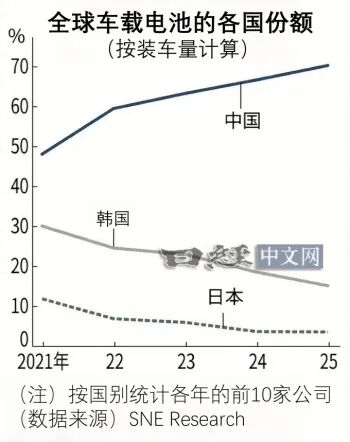
Chinese companies account for 70% of the global EV battery market share.​

2026-03-16 11:17

Compared with nearly 50% in 2021, the monopoly has further strengthened.
In 2025, Chinese enterprises accounted for over 70% of the EV battery market. Compared with nearly 50% in 2021, their monopoly has further strengthened. Against the backdrop of the slowdown in global EV demand, CATL, the largest enterprise, has expanded its orders in China and Europe, hitting a new record in profits. In contrast, South Korean enterprises are clearly in a tough situation...
In the field of batteries for pure electric vehicles (EVs), the market share of Chinese enterprises is increasing. In 2025, it exceeded 70%, and compared with nearly 50% in 2021, the monopoly has further strengthened. Against the backdrop of the slowdown in global EV demand, CATL (Contemporary Amperex Technology Co., Limited), the largest enterprise, has expanded its orders in China and Europe, hitting a new record in profits. Compared with South Korean enterprises struggling in the major US market, the leading advantage has widened.

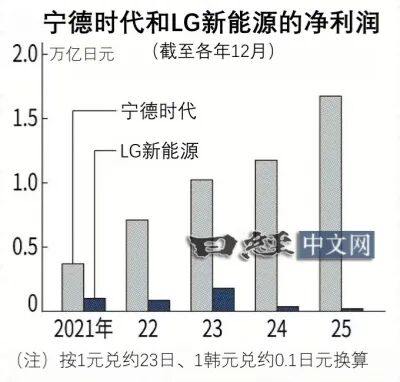
By launching a wide range of products, the competitive advantage is improving. The financial report of CATL for the fiscal year 2025 (ending December 2025) shows that the net profit increased by 42% year - on - year, reaching 72.2 billion yuan, hitting a new record in profits. The company's executives were full of confidence at the recent earnings briefing.

v2_5812bc12257040a885a6fd085146d5e0@000000_oswg25304oswg350oswg442_img_000


CATL provides a variety of batteries at a wide range of prices for EVs and plug - in hybrid vehicles (PHVs). Its customers include large Chinese automobile enterprises, and it is also expanding cooperation with European enterprises such as Volkswagen Group and Mercedes - Benz Group.

Data from South Korean research firm SNE Research shows that in terms of the installed capacity of vehicle - mounted batteries for EVs, etc., CATL ranks first in the world. Its market share in 2025 increased by 1 percentage point compared with 2024, reaching 39.2%. Against the background of a high market share, it enhances the competitiveness of price and quality, forming a virtuous cycle of further scale expansion.

Global EV sales have slowed down in some regions such as the United States, but overall, they are still growing. The installed capacity of vehicle - mounted batteries is also strong. In 2025, it increased by 32% compared with 2024, reaching 1187 gigawatt - hours (GWh). Among them, the Chinese market accounts for about 60%. The Chinese government promotes the popularization of new energy vehicles such as EVs through high subsidies, and the battery market is also continuously expanding.

v2_8897cd13ecd444de97a333d544520085@5091053_oswg25301oswg400oswg382_img_000


Chinese enterprises such as CATL have not only captured the battery demand in their home country but also overseas in Europe, etc., driving growth. Europe has not cultivated powerful battery enterprises, and Chinese enterprises have become the beneficiaries of the demand.

In terms of the installed capacity of vehicle - mounted batteries in 2025, Chinese enterprises occupied 6 out of the top 10 global enterprises. The total share increased by about 4 percentage points compared with 2024, reaching 70.4%.

Among them, BYD (Build Your Dreams), ranked second in the world, installs the batteries developed and produced by its affiliated enterprises in its own EVs and PHVs, and will also expand the supply to external customers such as Xiaomi in China and Stellantis in Europe. The shipments of CALB (China Aviation Lithium Battery Co., Ltd.), ranked fourth, and Gotion High - tech Co., Ltd., ranked fifth, have also continued to grow.

In contrast, South Korean enterprises are clearly in a tough situation. The total share of South Korean enterprises decreased by about 3 percentage points compared with 2024, dropping to 15.3%. It has been halved compared with over 30% in 2021. South Korean manufacturers have been focusing on the US market, which has had a negative impact. This is because in the United States, the Trump administration revised the EV incentive policies of the previous Biden administration, and the sales of EVs are slowing down.

LG Energy Solution, the largest South Korean enterprise and ranked third in the world, gets 40% of its sales from the United States. The financial report for the fiscal year 2025 (ending December 2025) shows that the net profit decreased by 76% year - on - year, dropping to 80.8 billion won. It is less than 1% of CATL's net profit in the same period. SK On, ranked second in South Korea, and Samsung SDI, ranked third, both suffered final losses.

Lee Chang - sik, the Chief Financial Officer (CFO) of LG Energy Solution, explained that "as the demand for EVs continues to decline, the battery industry will also experience temporary negative growth."

South Korean enterprises have to reconsider their strategies for the United States. In early March, SK On laid off about 1000 employees at its battery factory in Georgia, accounting for about 40% of the factory's employees. In December 2025, LG Energy Solution announced that it would sell the assets such as the factory building of the battery factory jointly built with Honda in Ohio to Honda's US subsidiary.

Among Japanese enterprises, Panasonic Holdings Corporation (HD) ranks seventh in the world, but its market share is less than 4%. The battery factory in Kansas, the United States, started production in July 2025, but the full - capacity production time scheduled for the end of fiscal year 2026 has not been determined. The decline in the sales volume of its major customer, Tesla in the United States, has had an impact.

In 2026, the downturn in the Chinese market may have a greater impact on Chinese enterprises. The Chinese government adjusted the subsidy policy for new energy vehicles such as pure electric vehicles at the end of 2025. From January to February 2026, the domestic new - car sales volume of new energy vehicles decreased by 28% year - on - year.

Chinese manufacturers will expand local production to further explore overseas demand. CATL completed the installation of the production line at its first - phase factory in Hungary at the end of 2025 and recently put it into operation. CALB will also increase production in Europe and Southeast Asia. Liu Jingyu, the chairman of the company, said in an interview with Nikkei Asia that in order to adapt to local policies and market demands, the construction of production bases will be steadily promoted.

In view of the slowdown in EV sales, automobile giants in the United States and Europe, as well as Honda, etc., have adjusted their strategies. On the other hand, Chinese enterprises, led by BYD, aim to expand global sales, and battery giants have not relaxed their offensive. If Chinese enterprises improve their technological strength related to EVs, their leading advantage may further widen compared with other enterprises.

This article is from the WeChat official account “Nikkei Chinese Net” (ID: rijingzhongwenwang). The authors are Jing Tianbian (Guangzhou) and Nami Matsuura (Seoul). It is published by 36Kr with authorization.


Opinion

Chinese ASML Emergence, U.S. Semiconductor Jones Act Loom

Published 2026.03.15. 23:31 Updated 2026.03.16. 10:34

Kwon Seok-joon
Kwon graduated with a bachelor’s and master’s from Seoul National University’s Department of Chemical and Biological Engineering and earned a Ph.D. from MIT. He is a professor at Sungkyunkwan University’s Department of Semiconductor Convergence Engineering, researching next-generation semiconductor materials and processes.

Kwon Seok-joon, speaks during an interview with the Chosun Ilbo at the Chosun Ilbo Art Museum in Seoul on the 13th. He said the United States may introduce a “Jones Act for semiconductors” in the future and that South Korea should prepare for it.

On the 12th, the Two Sessions (National People’s Congress and Chinese People’s Political Consultative Conference), China’s largest political event, concluded with the establishment of a new national goal: becoming an “AI (artificial intelligence) economic powerhouse” by 2030. To achieve this, the conclusion was reached that “self-reliance in semiconductor technology” is urgently needed. Days earlier, Chinese semiconductor executives published a policy proposal calling for “mobilizing the entire nation to create a Chinese version of ASML (the Dutch company that manufactures advanced semiconductor lithography equipment).” The aim was to develop domestic alternatives to ASML’s EUV (extreme ultraviolet) lithography equipment, which China cannot import due to U.S. sanctions.

What would happen if South Korea loses its competitive edge in semiconductors? The mere thought is chilling. How advanced are Chinese semiconductor companies’ technological capabilities, and what is their potential for growth? These questions were posed to Professor Kwon Seok-joon of Sungkyunkwan University’s Department of Semiconductor Convergence Engineering. In 2022, Kwon authored “Semiconductor Samgukji,” a book analyzing the global semiconductor hegemony race and survival strategies for South Korea’s semiconductor industry. He is set to publish a follow-up, “China Semiconductor Rising,” in April.

◇China, Systematically Overcoming Technological Challenges

-What is included in your new book?

“It evaluates China’s advanced computing industry strategy and policies, represented by semiconductors and AI, from multidisciplinary perspectives—engineering, business, economics, policy, and international politics. For South Korea, semiconductors and AI are practically the last strongholds. Understanding China’s strategy is critical for the survival and sustainability of South Korea’s advanced industries.”

-How advanced is the Chinese semiconductor industry?

“They have nearly caught up in legacy semiconductor technologies above 10 nanometers. The semiconductor materials, components, equipment, and packaging sectors are also growing rapidly. However, they have yet to reach South Korea’s level in cutting-edge processes. The slogan ‘create a Chinese ASML’ reflects their desire to leap forward technologically.”

-What efforts are being made for semiconductor technological advancement?

“The Chinese government and industry maintain a list of target technologies to overcome, regularly checking progress. Significant advancements have been made. Ten years ago, only 3–4 out of 30 goals were achieved; now, it’s harder to find what “isn’t” working.”

-ASML’s EUV lithography equipment requires over 100,000 parts from 5,000 suppliers. Does China have the capability to produce such equipment?

“Every March, Chinese semiconductor equipment companies showcase new products at ‘Semicon China.’ Last year, I was astonished to see them using domestically developed DUV (deep ultraviolet) lithography equipment, an earlier generation than EUV. A startup even emerged, creating equipment using plasma as a light source (LPP) to bypass ASML’s laser-driven plasma (LDP) method. Currently, China is simultaneously upgrading technologies required for cutting-edge semiconductor manufacturing, such as light source technology, optical equipment manufacturing, and precision mechanical engineering. A Chinese ASML could emerge within a decade.”

-Won’t competing countries respond?

“Chinese engineers say, ‘Time is on our side.’ The generations that built South Korea’s semiconductor dominance—those who entered university in the 1970s, 1980s, and 1990s—are retiring. The 1980s and 1990s cohorts will mostly retire by 2030. If high-skilled engineers and researchers cannot fill this gap, semiconductor manufacturing know-how could be lost. In contrast, China’s semiconductor workforce is very young. Engineers in their 30s and 40s, who have built expertise from the ground up, will reach their prime in 20 years. Hence, Chinese semiconductor scholars say, ‘If we endure, we will win.’”

◇160 Semiconductor Professors, 1,800 Graduate Students at One Engineering College

-How is China cultivating semiconductor talent?

“Take H University in Wuhan: it has over 160 semiconductor professors and 1,800 graduate students. While Sungkyunkwan University, which has a semiconductor contract program, has only one cleanroom for semiconductor fabrication, this university has three. These cleanrooms, filled with hundreds of semiconductor manufacturing devices, require massive power—yet local governments provide electricity almost for free.”

-Does China’s large domestic semiconductor demand positively impact its technological advancement?

“A large domestic market is a significant strength. A decade ago, China’s battery industry was considered inferior to South Korea’s NCM (nickel-cobalt-manganese) batteries, using LFP (lithium iron phosphate) batteries with lower performance. What happened? Through technological development, they overcame drawbacks like low energy density and safety risks, leveraging learning curves and economies of scale to gain price competitiveness, dominating the global battery market. The Chinese model—where the state acts as ‘patient capital’ for 20–30 years, companies accumulate technology through trial and error, engineers gain training, and costs are continuously reduced—might eventually work for semiconductors.”

-Aren’t semiconductors far more technologically complex?

“While we make 10 units, Chinese engineers could test 100 units by operating cleanrooms 24/7 in three shifts, drastically shortening technology update cycles. For China, which has set ‘building an AI economic powerhouse’ as a national task, semiconductor advancement is non-negotiable. Having succeeded in other industries and gained confidence, Chinese leaders believe semiconductors are no exception.”

-Is China’s AI economic strategy related to the U.S.-China hegemony competition?

“Absolutely. DeepSeek, a leading Chinese AI model startup, adopting an ‘open-source’ strategy is telling. While appearing free, using DeepSeek’s models begins a dependency on China’s AI ecosystem. It’s akin to a ‘virtual Belt and Road Initiative,’ where free AI models act as ‘industrial land-grabbing.’”

◇Semiconductor Super Cycle to Last Until Late 2027

-How long will this semiconductor super cycle last?

“I predict until the end of 2027. A key difference from past cycles is memory makers demanding ‘take-or-pay’ contracts. Previously, clients paid deposits but could cancel orders if conditions worsened. Under take-or-pay, once a client orders future quantities, they must either accept delivery or pay compensation. Given Samsung Electronics and SK Hynix’s long-term contracts, the super cycle will likely persist for at least two more years.”

-What should semiconductor companies and governments prepare for?

“A memory foundry-like environment will emerge. For example, HBM supplied to NVIDIA is hard to use directly in Google’s AI semiconductor TPU. Companies must offer ‘memory foundry’ services, providing customized semiconductors tailored to big tech’s proprietary AI chips.”

-Could the SK Hynix-TSMC-NVIDIA triangle alliance break?

“Possibly. In a few years, TSMC might offer to produce not just HBM but also logic dies (core engines for AI chips) that connect memory and GPUs, directly supplying NVIDIA.”

◇China Could Achieve ‘Game-Changing’ Semiconductor Technology

-Could China develop a new concept in memory semiconductors?

“Unable to use NVIDIA’s AI chips, they might create entirely new AI semiconductors. They could attempt risky innovations, like 3D transistor architectures that eliminate the need for EUV, achieving high performance even with processes above 10 nanometers. If realized, this would be a ‘disruptive technology’ shaking the industry and a powerful counterpunch against the U.S.”

-What is needed for the success of the Yongin Semiconductor Cluster, which requires hundreds of trillions of won in investment?

“To avoid idle production capacity, power, water supply, and semiconductor talent must be secured. While automation progresses, the ‘last mile’—final finishing—requires skilled experts.”

-Due to U.S. pressure, Samsung and SK Hynix are building advanced semiconductor factories in the U.S. Isn’t this a risk?

“It’s positive in that Korean companies become key players in the U.S. semiconductor ecosystem. However, South Korea must prepare for potential ‘semiconductor Jones Acts’—regulations requiring semiconductors for major U.S.-led AI projects to be made in U.S. factories. Conversely, Korean companies’ U.S. presence could secure opportunities to participate in future game-changing technologies like quantum computing.”
 

China’s Oppo reveals world’s first crease-free foldable phone


By VLAD SAVOV
Tuesday, 17 Mar 2026 | 12:20 PM MYT

3816848.webp
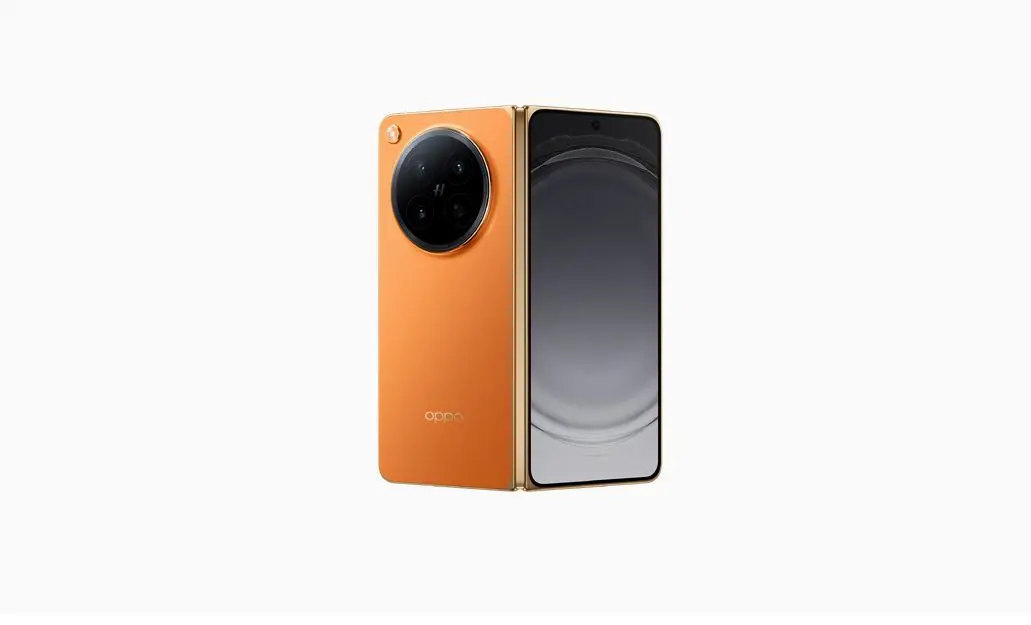
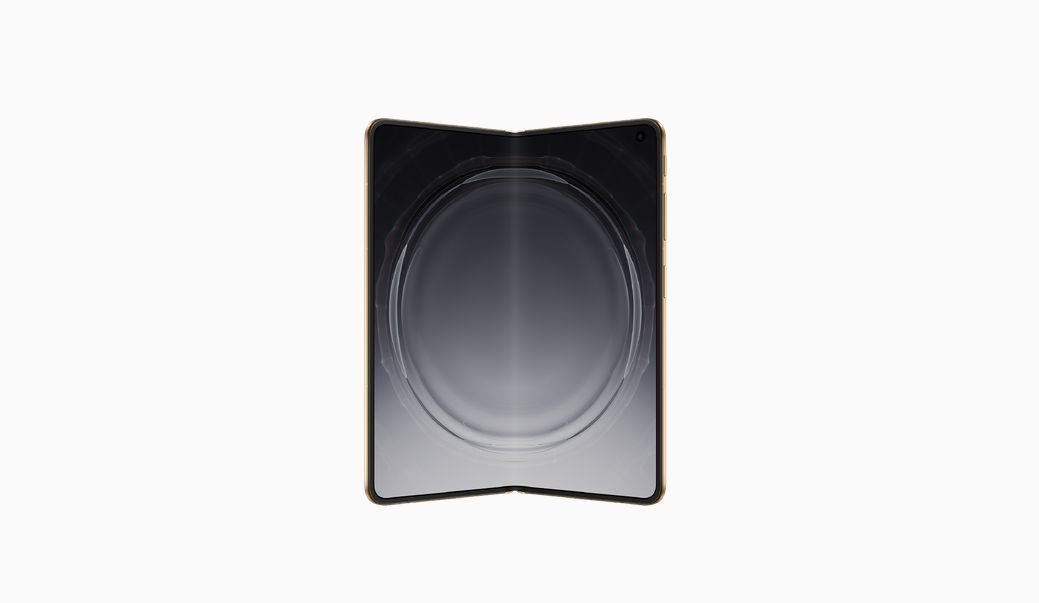
Oppo’s flagship foldable model with this technology, the Find N6, launches on March 17. — Oppo

Half a year before Apple Inc. is expected to unveil its first foldable iPhone, a Chinese rival has solved the biggest compromise with such devices to date: the crease.

Oppo’s new hinge technology effectively makes the fold in the display imperceptible to the eye, flattening out the dip in the surface that would usually be apparent. This marks a long-in-development breakthrough, something that companies have promised to do several times over the seven years foldable phones have been around. Oppo’s flagship foldable model with this technology, the Find N6, launches on March 17.

Foldables may emerge as a rare bright spot in a smartphone market expected to decline by 13% this year due to component shortages. While they remain niche due to pricing, durability and camera concerns, Apple’s reported foldable is expected to stimulate global growth and market awareness in 2026. Phone makers are likely to focus their energies on encouraging consumers toward premium handsets – like foldables – to make up the revenue shortfall from selling fewer units, according to analysts at IDC.

Samsung Electronics Co and Huawei Technologies Co pioneered the segment in 2019, and both have moved on to creating larger and pricier trifold devices. Oppo’s advance signals a further refinement that brings foldables closer in line with mature smartphone designs – and shows the feasibility of engineering a flexible screen that is truly flat when open. The new device, whose full specifications and dimensions will be detailed at this week’s event, is no thicker than a regular bar handset.

Considering Oppo’s track record of moving closely in sync with local rivals like Vivo and Xiaomi Corp, Apple can expect fierce competition for its foldable iPhone upon its debut in China. Shenzhen-based Honor Device Co added to the ranks of ultra thin foldable devices with its Honor Magic V6 debut at MWC Barcelona at the start of this month.

Oppo’s solution to smoothing out the screen involved taking 3D scans of each individual hinge, applying droplets of polymer upon the uneven segments and solidifying them in place with UV light. The company says that resulted in a 75% reduction in height variance underneath the display, lending it the appearance – and feeling, while in use – of having no crease at all.

The Android-powered Find N6 will highlight Oppo’s partnership with Alphabet Inc’s Google Cloud, the Chinese company said ahead of its launch. It’ll debut alongside an Oppo AI Pen accessory that will leverage Gemini Pro to allow users to convert their handwritten notes into organised tables. Beyond that AI Chart feature, an AI Image tool built on Nano Banana will convert doodles into more refined work or apply particular art styles. – Bloomberg

 
Volkswagen turns to Chinese chipmakers, sidelines Nvidia in bid to catch up in China EV race: report

Mar. 17, 2026 12:20 AM ET
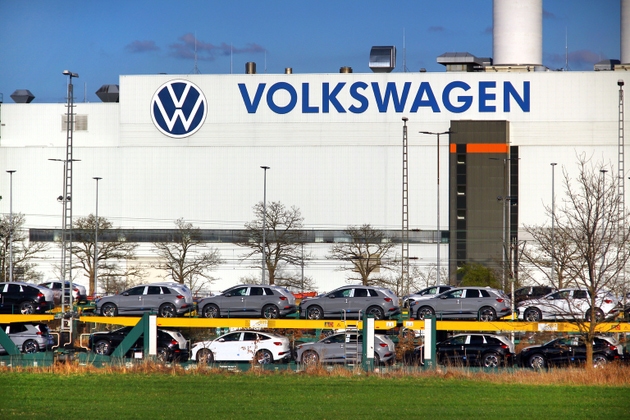
Volkswagen Zwickau-Mosel Plant, an automobile factory in Mosel, Germany

aquatarkus
Volkswagen (VWAGY) is preparing for a future driven by chips. And, at least in China, Nvidia (NVDA) isn’t part of the picture. With advanced tech from local Chinese players, “for us, there is no reason to stick [to] Nvidia,” Thomas Ulbrich, chief technology officer

 
Next thing that China dominates the world after phones and EVs, chips.
 

China developing first tourist submersible for trips 1,000 metres under the sea​


Monday, 23 Mar 2026 | 11:56 AM MYT

3825803.webp


The U-Boat Worx Super Yacht Sub 3. Chinese engineers are now working on a prototype for the first tourist submersible able to venture as deep as 1,000 metres below sea level. - Photo: Handout
BEIJING: Chinese engineers have designed the country’s first tourist submersible equipped to venture as deep as 1,000 metres (3,280 feet) below the ocean surface, giving eventual new momentum to the luxury travel industry.

Engineers at the China Ship Scientific Research Centre in Wuxi, a city west of Shanghai, plan to build a prototype before the end of the year and enter commercial operation by 2030 for as many as four passengers per trip, state-run media outlets said this week.

Key components including the submersible’s panoramic viewport – one of the hardest parts to design on a deep-sea submersible – have been developed already, China Daily said, quoting research centre director Ye Cong.

China has dozens of tourism submersibles in use for depths of up to about 20 metres, suitable for tours in reservoirs, lakes and coastal waters, China Daily reported. Underwater vehicles at greater depths must withstand higher external water pressure.

The research centre, a subsidiary of China State Shipbuilding Corp., has also developed the cutting-edge Jiaolong and Deep Sea Warrior deep-sea submersibles for scientific exploration, making the tourism vehicle its latest effort to advance civilian access to the deep seas.

The new vehicle would join submersibles for depths of 1,000 metres or more made by overseas brands Deep Rover, Triton and U-Boat Worx as long ago as 1985.

‘All good here’: last message from doomed Titan sub revealed by investigators

The Chinese vehicle would appeal to a “niche group” of tourists, said Steven Zhao, CEO of the travel agency China Highlights.

“There should be a market for it,” he said. “The key is to see the price and level of safety.”

Ticket prices usually range from about US$150 per person for trips closer to the ocean surface to several thousand US dollars per head for deeper dives.

Safety would weigh on tourists’ decisions because of past accidents, Zhao said.

In 2023, five people died on the Titan tourist submersible off the coast of Canada on a voyage to see the wreck of the Titanic, and in March last year six Russian nationals died on a tourist submarine near the Red Sea coast of Egypt.

However, the Titan’s loss won’t hold back “extreme” tourism, a researcher told Business Insider in 2023.

Some travellers may reconsider a deep sea dive after the incident, but they will be replaced by others because of “latent demand”, said Adele Doran, principal lecturer in adventure tourism and recreation at UK-based Sheffield Hallam University.

The China Ship Scientific Research Centre director was quoted as saying many local tourism departments and travel agencies have so far expressed their interest in the deep-sea vessel.


Huawei's Atlas 350 Surpasses NVIDIA's H20 in AI Performance

100% Chinese-made accelerator, 2.87x faster than H20, aims to dominate domestic market amid U.S. sanctions
By Rora Oh
Published 2026.03.23. 16:27Updated 2026.03.23. 18:09

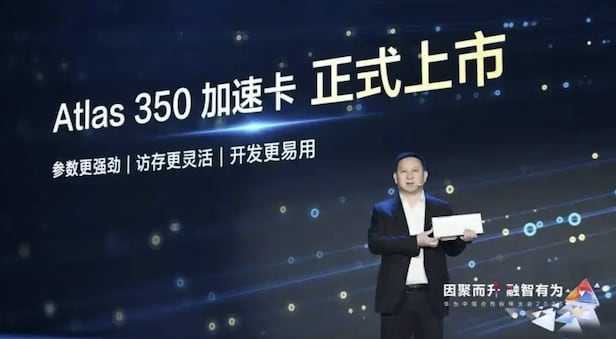
On the 20th, Zhang Dixuan, head of Huawei's Ascend computing business, introduces Atlas 350 at the Huawei China Partner Conference 2026 held in Shenzhen, China. /Huawei


On the 20th, Zhang Dixuan, head of Huawei's Ascend computing business, introduces Atlas 350 at the Huawei China Partner Conference 2026 held in Shenzhen, China. /Huawei


“China has fundamentally escaped the risk of U.S. ‘throat-grabbing’-style regulations.”

On the 20th, Ma Haixi, Huawei’s ICT Product Division President (Vice Chairman), said this while unveiling the new AI accelerator ‘Atlas 350’ at the ‘Huawei China Partner Conference 2026’ held in Shenzhen, China. The Atlas 350 is a 100% Chinese-made inference AI accelerator composed entirely of components developed independently by Huawei, without relying on overseas supply chains from the U.S., its allies like South Korea, and Taiwan.

Huawei emphasized that the Atlas 350’s performance surpasses NVIDIA’s low-end GPU for the Chinese market, the H20, by approximately threefold. This marks the successful creation of a substitute for NVIDIA semiconductors officially distributed in China using only domestic technological capabilities. Ma stated, “We will build a secure, controllable, and autonomous computing infrastructure based on Huawei semiconductors, enabling the Chinese AI industry to take root on our own soil.”

China is gradually breaking free from U.S. semiconductor regulatory pressures. While it has not yet produced high-end AI semiconductors comparable to NVIDIA’s and AMD’s cutting-edge products, it has at least become free from the risk of its AI industry’s development being halted by U.S. sanctions. This comes three years after the U.S. imposed a full ban on AI semiconductor exports to China in October 2022. The semiconductor industry believes that while the Atlas 350 may not immediately cause a significant global impact, it will trigger a seismic shift in the domestic Chinese market, where even NVIDIA’s H20 became difficult to obtain, forcing AI development using gaming GPUs.

◇Atlas 350 Surpassing H20

The Atlas 350 is equipped with Huawei’s self-developed neural processing unit (NPU) Ascend 950PR. For high-bandwidth memory (HBM), it uses Huawei’s self-developed HiBL 1.0, which industry observers estimate to be comparable to Samsung Electronics’ and SK Hynix’s HBM3. Earlier, Huawei began the ‘Project H’ HBM development project with Chinese memory leader ChangXin Memory Technologies (CXMT) and packaging company Tongfu Micro in early 2023, and the fruits of this three-year effort have now been integrated into actual products.

Huawei explained that the Atlas 350 is the first product in China to apply ‘FP4 low-precision computing.’ This technology significantly increases processing speed by viewing AI data in chunks rather than granularly. FP4 low-precision computing is cited as the core technology that enabled NVIDIA’s next-generation Blackwell GPU to achieve 30 times faster inference performance than its predecessor, Hopper. It is optimized for AI agent operations where rapid response to user requests is more critical than minute mathematical accuracy. The Chinese Observer Network reported, “Huawei’s implementation of a technology unsupported by the H20 will rapidly expand the AI agent ecosystem within China.”

Huawei revealed that the Atlas 350’s computing speed reaches 1.56 PFLOPS (1,560 trillion operations per second). This is 2.87 times the performance of NVIDIA’s H20 and about 80% of the H200. The Atlas 350 is priced at 110,000 yuan (approximately 24.13 million Korean won) per unit, less than half the cost of the H200 (approximately 250,000–400,000 yuan per unit). For Chinese companies, this creates strong incentives to use Huawei’s products instead of expensive, hard-to-obtain NVIDIA alternatives.

◇Huawei’s Ambition to Become the ‘NVIDIA of China’

Huawei is transforming into an AI enterprise that provides comprehensive services across AI data center infrastructure, including NPUs, AI accelerators, and related components. It aims to offer a one-stop, customized service akin to NVIDIA’s ‘AI buffet.’ This includes ‘CANN,’ a replacement for NVIDIA’s CUDA AI software, as well as enterprise AI data storage and network services.

Huawei ultimately plans to expand beyond the domestic market into global territories. Xu Zhijun, Huawei’s rotating chairman, stated at the MWC 2026 keynote speech in Barcelona, Spain, earlier this month, “We will become the ‘second option’ ensuring the continuous supply of global AI computing.” A semiconductor industry source noted, “While the gap between Huawei’s products and NVIDIA’s or AMD’s remains significant, they do not yet pose a threat to domestic semiconductor companies. However, China’s self-reliance in AI is expected to accelerate.”
 

Chinese satellite performs landmark refuelling test in low Earth orbit

‘Octopus tentacle’ robotic arm is a commercial project designed to extend the lifespan of spacecraft​


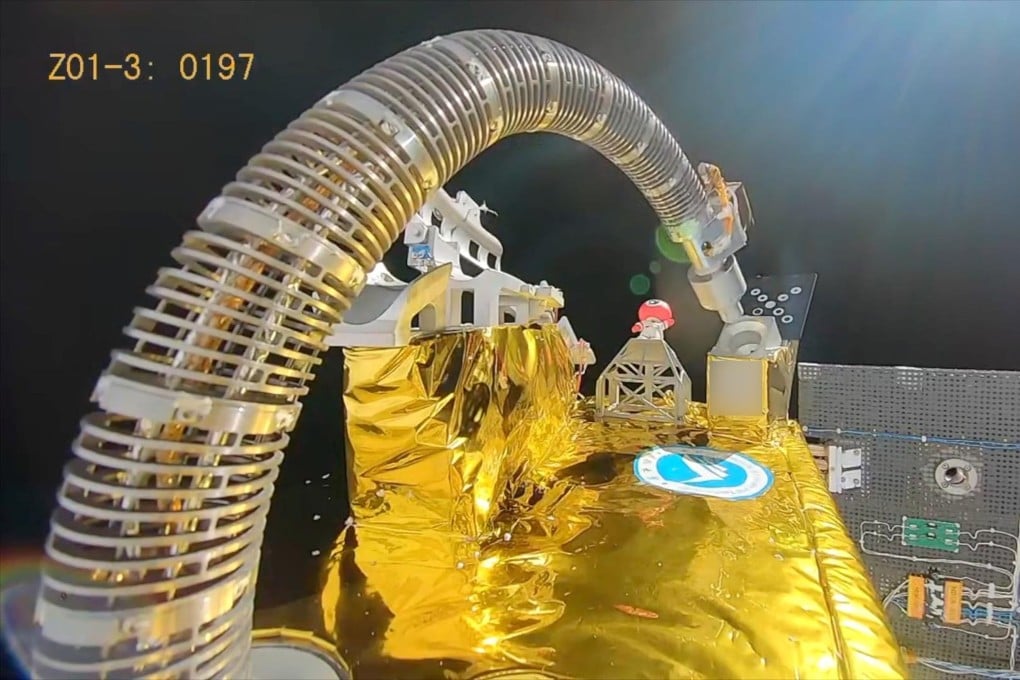
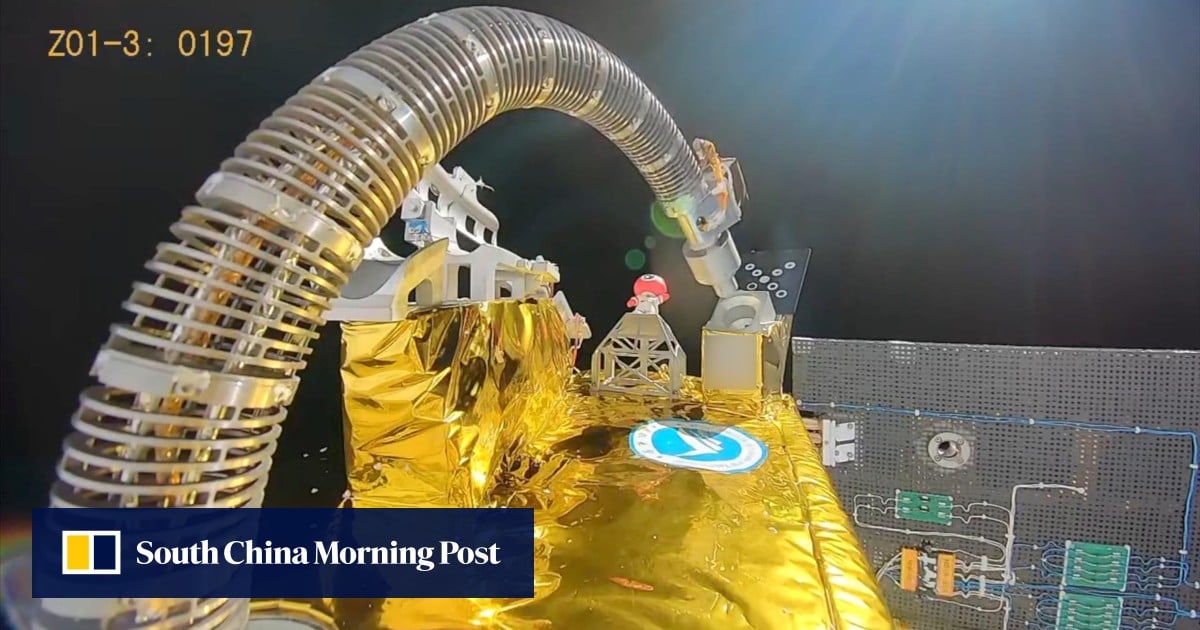
The technology demonstration satellite known as Hukeda-2 has carried out refuelling and compliance control tests with its flexible arm. Photo: Handout


Published: 9:31am, 26 Mar 2026

A Chinese commercial satellite has completed a refuelling test in low Earth orbit using a flexible “octopus tentacle” robotic arm, advancing efforts to extend spacecraft lifespans and develop in-orbit servicing abilities.

The Hukeda-2, or Yuxing-3 06, demonstration satellite used its flexible arm to carry out compliance control and refuelling tests after blasting off from Jiuquan in China’s northwestern Gansu province last week, state broadcaster CCTV reported on Tuesday.
The arm can curl, twist and wrap around objects to work in tight, complex spaces, with a nozzle-like tip at one end designed to line up and connect with a target port.

It is made of a series of linked spring-like tubes with motors that pull on cables, bending its joints to guide the tip into place, according to the Tsinghua Shenzhen International Graduate School, which led the arm’s design and development.

It is unclear if the Hukeda-2 docked with another satellite.

To refuel another satellite, the Hukeda-2 would have to dock precisely with a port as both satellites hurtled around Earth at about 27,000km/h (16,800mph), a major challenge that the developers likened to “threading a needle in space”.

The slightest tremor could throw a satellite off position and ruin a docking attempt.

During a thermal vacuum test simulating the extreme temperature swings of space, tiny heat-driven changes in the arm’s materials once sent it into “uncontrolled shaking” inside a giant vacuum chamber, the school said. The research team fixed the problem after three days of adjusting the control algorithm.

According to US Space Force orbital data, the Hukeda-2 is flying at an altitude of about 530km to 540km in a sun-synchronous orbit – a path that takes it from pole to pole as Earth rotates beneath it.

Jointly developed by Hunan University of Science and Technology and Suzhou Sanyuan Aerospace Technology, the satellite is the first of its kind built outside a state-owned enterprise, CCTV said.

In-orbit refuelling of satellites is an emerging technology aimed at prolonging the life of high-cost space infrastructure.

Last year, China’s Shijian-25 satellite successfully docked with Shijian-21 in geosynchronous orbit to perform a world-first, satellite-to-satellite refuelling test about 36,000km above Earth.

The Shijian-21, launched in 2021 to test space debris mitigation technologies, used up much of its fuel in 2022 to tow a defunct BeiDou navigation satellite into a high graveyard orbit.

Besides refuelling, the Hukeda-2 will also test a deployable 2.5-metre-wide balloon-like device to increase atmospheric drag, a feature designed to speed up its return to Earth after its technology demonstration concludes, offering a possible way to reduce congestion in orbit, according to CCTV.


Why China is successful in tech - NVIDIA CEO explains | Jensen Huang and Lex Fridman​

Jensen Huang is the co-founder and CEO of NVIDIA, the world's most valuable company and the engine powering the AI computing revolution.

To view this content we will need your consent to set third party cookies.
For more detailed information, see our cookies page.
 

Chinese satellite performs landmark refuelling test in low Earth orbit

‘Octopus tentacle’ robotic arm is a commercial project designed to extend the lifespan of spacecraft​


The technology demonstration satellite known as Hukeda-2 has carried out refuelling and compliance control tests with its flexible arm. Photo: Handout


Published: 9:31am, 26 Mar 2026

A Chinese commercial satellite has completed a refuelling test in low Earth orbit using a flexible “octopus tentacle” robotic arm, advancing efforts to extend spacecraft lifespans and develop in-orbit servicing abilities.

The Hukeda-2, or Yuxing-3 06, demonstration satellite used its flexible arm to carry out compliance control and refuelling tests after blasting off from Jiuquan in China’s northwestern Gansu province last week, state broadcaster CCTV reported on Tuesday.
The arm can curl, twist and wrap around objects to work in tight, complex spaces, with a nozzle-like tip at one end designed to line up and connect with a target port.

It is made of a series of linked spring-like tubes with motors that pull on cables, bending its joints to guide the tip into place, according to the Tsinghua Shenzhen International Graduate School, which led the arm’s design and development.

It is unclear if the Hukeda-2 docked with another satellite.

To refuel another satellite, the Hukeda-2 would have to dock precisely with a port as both satellites hurtled around Earth at about 27,000km/h (16,800mph), a major challenge that the developers likened to “threading a needle in space”.

The slightest tremor could throw a satellite off position and ruin a docking attempt.

During a thermal vacuum test simulating the extreme temperature swings of space, tiny heat-driven changes in the arm’s materials once sent it into “uncontrolled shaking” inside a giant vacuum chamber, the school said. The research team fixed the problem after three days of adjusting the control algorithm.

According to US Space Force orbital data, the Hukeda-2 is flying at an altitude of about 530km to 540km in a sun-synchronous orbit – a path that takes it from pole to pole as Earth rotates beneath it.

Jointly developed by Hunan University of Science and Technology and Suzhou Sanyuan Aerospace Technology, the satellite is the first of its kind built outside a state-owned enterprise, CCTV said.

In-orbit refuelling of satellites is an emerging technology aimed at prolonging the life of high-cost space infrastructure.

Last year, China’s Shijian-25 satellite successfully docked with Shijian-21 in geosynchronous orbit to perform a world-first, satellite-to-satellite refuelling test about 36,000km above Earth.

The Shijian-21, launched in 2021 to test space debris mitigation technologies, used up much of its fuel in 2022 to tow a defunct BeiDou navigation satellite into a high graveyard orbit.

Besides refuelling, the Hukeda-2 will also test a deployable 2.5-metre-wide balloon-like device to increase atmospheric drag, a feature designed to speed up its return to Earth after its technology demonstration concludes, offering a possible way to reduce congestion in orbit, according to CCTV.

To view this content we will need your consent to set third party cookies.
For more detailed information, see our cookies page.
 

BASF puts multibillion-euro chemical complex in China into full operation​


March 26, 2026

A flagship for chemical production: BASF inaugurates world-scale Verbund site in China​

  • New site strengthens BASF’s market position in China with a highly diversified portfolio
  • The Zhanjiang Verbund site sets a new benchmark for sustainable and integrated chemical production
  • Fully powered by renewable electricity
BASF today (March 26, 2026) celebrated the official inauguration of its newly built, world-scale Verbund site in Zhanjiang, Guangdong Province in southern China. Covering an area of around four square kilometers, it is more than a major BASF project in the chemical growth market of China. “Zhanjiang shows what the future of chemistry looks like: efficient, digital and sustainable by design. The site showcases a smart integrated Verbund structure on an industrial scale,” said Dr. Markus Kamieth, CEO of BASF, at the ceremony attended by representatives from government, customers, business partners and employees.

At the Zhanjiang site, BASF employs over 2,000 people and will produce a diversified portfolio that includes basic chemicals, intermediates and specialty chemicals for the transportation, consumer goods, electronics, home care and personal care industries.

“Bringing this site to life took real ownership, speed and an exceptional level of commitment from our BASF team. Completing a project of this magnitude and complexity on time and under budget is remarkable. I want to thank everyone involved both at the site and worldwide who made this possible,” Kamieth said. “This investment shows confidence in the world’s largest chemical market in the long run and will be an important element of our ‘Winning Ways’ strategy,” he added. The majority of the products manufactured in Zhanjiang will directly serve customers in China, fully aligning with BASF’s global “local‑for‑local” approach. The project was completed on schedule and well below the original budget, with an investment of around €8.7 billion.

“I am proud of BASF’s innovative strength as the basis for the start-up of the most sustainable integrated chemical site in China, and the successful ramp-up of the steam-cracker in record time,” emphasized Dr. Stephan Kothrade, member of the Board and Chief Technology Officer of BASF SE, who is responsible for the Asia Pacific region. “It sets new benchmarks for sustainable chemical production in China and worldwide,” Kothrade added.

By using Verbund integration, process innovations and renewable energy, CO₂ emissions at the site can be reduced by up to 50 percent compared with a conventional petrochemical site. Long-term green power purchase agreements and investments in an offshore wind farm enable the site’s electricity supply to be 100 percent renewable. “Innovative technologies are also being used for the steam cracker – the starting point of various value chains at the Verbund site,” Kothrade said. It has a capacity of 1 million tons of ethylene per year and is the world’s first cracker equipped with main compressors (e-drives) powered by 100 percent renewable energy, supporting the production of high-quality, low-CO₂ products. The world-scale flex-feed steam cracker is designed to process multiple types of feedstocks, such as naphtha and butane.

BASF has successfully started up 18 plants, 32 production lines, and is producing more than 70 products. With the proven Verbund concept with long value chains, BASF offers a broad, highly diversified product portfolio from the segments Chemicals, Materials and Nutrition & Care. This integration and scale enable competitive cost positions, significantly lower CO₂ emissions and reliable supply to serve multiple end-markets. “This makes us an attractive partner for our customers in China,” said Haryono Lim, President, Mega Projects Asia, BASF. “Together with customers and partners, we will drive innovation and transformation forward in one of China’s most economically dynamic regions,” he added. Thus, the site provides an important platform for BASF’s future growth in China.

BASF announced the Zhanjiang project in 2018 and laid the foundation stone the following year. The first production plant to begin operation at the Zhanjiang site was for engineering plastics in 2022; it was followed by a thermoplastic polyurethane plant in 2024. At the turn of 2025/2026, BASF began production in the first value chains in the Verbund and successfully ramped up the steam cracker in record time.

The Zhanjiang integrated site is BASF’s seventh Verbund site worldwide and the third largest after Ludwigshafen, Germany, and Antwerp, Belgium. It will be operated solely under BASF’s responsibility.

BASF has been active in Greater China for over 140 years. Today, BASF serves almost all key industries in the region. In China, BASF has a strong production, sales and innovation footprint with large sites in Shanghai, Nanjing, Chongqing and Zhanjiang as well as numerous smaller sites across the country. In 2025, BASF achieved sales of around €8.2 billion with customers in Greater China and employed almost 13,000 people.
 

AstraZeneca sets out $15 billion China investment during Starmer visit

Published 01/29/2026, 05:10 AM

LONDON/BEIJING - British pharmaceutical giant AstraZeneca announced Thursday it will invest $15 billion in China through 2030 to expand its research, development and manufacturing capabilities in the world’s second-largest pharmaceutical market.

The investment will focus on enhancing the company’s cell therapy and radioconjugates capabilities across the entire value chain, from drug discovery to manufacturing. AstraZeneca aims to become the first global biopharmaceutical company with end-to-end cell therapy capabilities in China, building on its acquisition of Gracell Biotechnologies earlier this year.

"Today’s landmark investment of $15 billion begins an exciting next chapter for AstraZeneca in China, which has become a critical contributor to scientific innovation, advanced manufacturing, and global public health," said Pascal Soriot, Chief Executive Officer of AstraZeneca, according to the press release.

The company plans to develop its existing manufacturing facilities in Wuxi, Taizhou, Qingdao, and Beijing, which currently supply medicines to China and 70 other markets worldwide. New manufacturing sites will also be established, though specific locations were not disclosed.

AstraZeneca expects to grow its workforce in China beyond 20,000 employees and create thousands of additional jobs across the healthcare ecosystem. The company currently employs over 17,000 people in China, which represents its second-largest market globally.

The announcement coincided with UK Prime Minister Keir Starmer’s visit to China and aims to strengthen healthcare innovation collaboration between the two countries. AstraZeneca is working to establish partnerships between British and Chinese research institutions, including the University of Oxford, University of Glasgow, and King’s College London.

Novartis Pledges $480M To Expand China Presence, Following Eli Lilly and AstraZeneca​

Novartis joins Lilly, AZ in China expansion with $480M commitment to boost manufacturing, R&D​

Mar 23, 2026 10:35am

NVS
Novartis established its Beijing plant back in 1987 and notes that the facility can currently produce up to 3 billion tablets or capsules and 550 million boxes of packaging per year. (Sedat Suna/Getty Images)

Amid an outpouring of pharma investment dollars into China, Novartis is the latest multinational drugmaker lining up to bolster its research and production operations in the country.

The Swiss pharma will collectively invest more than 3.3 billion Chinese yuan (roughly $480 million) to soup up its manufacturing facility in Beijing and strengthen its R&D campus in Shanghai, where the company’s Chinese headquarters are also located, according to a March 22 post (Chinese) on the company’s official WeChat account.

Some 1.5 billion yuan will be channeled toward the plant upgrade, with Novartis telegraphing plans to build new “factory buildings and supporting facilities.” The company also plans to introduce new production technology and equipment to the Beijing facility, including for aseptic preparation, liquid filling and packaging.

Novartis established its Beijing plant back in 1987 and notes that the facility can currently produce up to 3 billion tablets or capsules and 550 million boxes of packaging per year, making it a key manufacturing node in the company’s global network.

The remaining roughly 1.8 billion yuan will help Novartis initiate a “second phase” of work at its Shanghai campus. The company explained that it plans to continue pumping cash into its own China R&D efforts while also “actively exploring potential external collaboration opportunities with China’s biopharmaceutical industry.”

In particular, Novartis said it’s interested in supporting phase 1 and 2 clinical trials in China with an eye toward bolstering its pipeline—although it stressed that it’s not opposed to potential opportunities to work with local partners “earlier and more deeply,” too.

“China is crucial to Novartis' long-term development and innovation,” CEO Vas Narasimhan said at the 2026 annual meeting of the China Development Forum, around which Novartis timed its investment announcement. “We will continue to introduce innovative medicines to Chinese patients and are committed to becoming China's most valuable and trusted healthcare partner.”

Novartis has boasted operations in China for some 140 years and asserts it is now serving more than 80 million patients in the country.

The Beijing facility marks Novartis’ biggest branded drug plant in China, while the Shanghai campus represents its third-largest R&D center globally and the nerve center of its Asia-Pacific operations, according to Yicai Global. Aside from those sites, Novartis also operates a generic drug production facility in Guangdong province and is building a plant for radiopharmaceutical drugs in Zhejiang province, the news service pointed out.

At the Development Forum conference, Novartis homed in on the potential that its radiopharmaceuticals could bring to cancer treatment in the nation. Novartis has two approved radioligand therapies (RLTs) in the country—Lutathera and Pluvicto—with the latter approved in two indications by China’s drug regulator in November.

The company is calling for improvements to the regulatory landscape for nuclear medicines in China, including better frameworks for local production, and recommended improving hospital access and clinical application mechanisms in a bid to help RLTs reach more cancer patients.

The company noted that it has wrapped up construction on its first Chinese radioligand drug manufacturing site in Haiyan in Zhejiang province and that the facility—which is ramping up “according to plan”—will eventually be able to provide a “stable supply” of RLTs to treat multiple oncology indications in China.

Novartis’ renewed commitment in the country follows several similar investments from its Big Pharma peers.

Just last week, AstraZeneca unveiled plans for a commercial cell therapy manufacturing base and related innovation center in Shanghai, part of a broader $15 billion China investment pledge it outlined at the start of 2026. While that outlay is broadly focused on cell therapies and radioconjugates, AZ also plugged $136 million more into an ongoing expansion of its inhalants production hub in Qingdao, China, in November.

Separately, Eli Lilly in early March sketched out designs on a $3 billion upgrade to its manufacturing operations in China, specifically pledging to establish local production and supply for oral solid drugs as it beefs up capacity for its next-generation GLP-1 pill orforglipron.

That project is scheduled to play out over the next 10 years and will also include tie-ups with local manufacturing partners, including—so far—Beijing-based CDMO Pharmaron.
 

Chinese AI Models Overtake US Rivals in Global Token Consumption​

Jakob Steinschaden,co-written by newsrooms.ai26. March 2026, 10:2

OpenRouter_Ranking-780x439.png


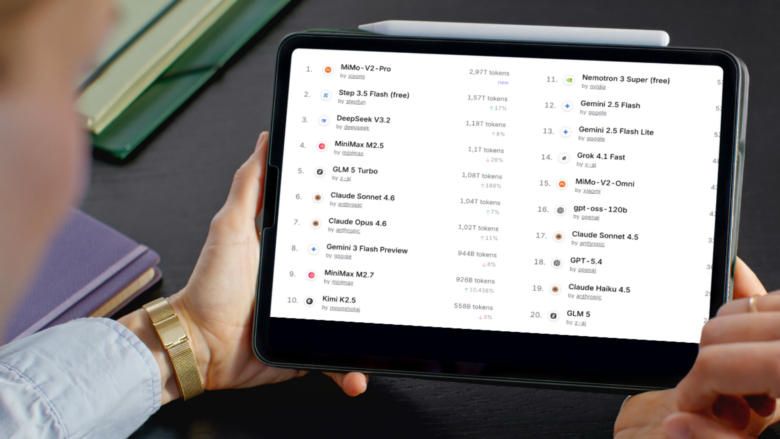
They are no longer called GPT or Claude, but GLM, MiniMax, or Kimi: Since February 2026, Chinese AI models have recorded more token consumption on the OpenRouter platform than their American competitors. This shift is no coincidence, but the result of deliberate strategies around pricing, efficiency, and the growing demand for autonomous AI agents.

What is OpenRouter?​

OpenRouter is the world’s largest aggregation platform for large language models (LLMs). The company was founded by Alex Atallah, the former CTO of the NFT platform OpenSea. Through a unified programming interface (API), OpenRouter offers developers and companies access to more than 400 AI models from over 60 providers worldwide.

The platform functions as a kind of intermediary: instead of signing up directly with OpenAI, Anthropic, or a Chinese provider, users can access and compare all models via OpenRouter. Because OpenRouter publishes detailed usage data, the platform is regarded in the industry as an important indicator of global AI trends, even though it only reflects a portion of worldwide model consumption.

What is a token and why does it matter?​

A token is the smallest unit processed by an AI language model. It can be an entire word, part of a word, a punctuation mark, or a single character. AI providers typically charge for their services based on the number of tokens processed, both for incoming requests (input) and generated responses (output). Token consumption is therefore simultaneously a measure of a model’s usage intensity and a central pricing battleground.

Nvidia CEO Jensen Huang recently emphasized that the production and use of tokens will drive the AI economy of the future. This becomes particularly relevant with the rise of so-called AI agents: while a simple chatbot requires around 30,000 tokens for a summary of Shakespeare’s “Hamlet,” an AI agent can consume up to 20 million tokens for a smaller programming task.

The numbers: Chinese models dominate the rankings​

According to OpenRouter data from February and March 2026, Chinese models account for around 61 percent of total token consumption among the ten most-used models on the platform. In the week of March 16–22, Chinese models recorded a total of 7.36 trillion tokens, an increase of 56.9 percent compared to the previous week.

搜狗截图20260327121922.png

Why are Chinese models so affordable?​

The cost advantage of Chinese AI companies has several causes. First, they benefit from cheaper energy, partly through massive state investment in renewable energies. The Chinese government has explicitly enshrined the linking of energy policy and AI competitiveness as a national priority in its 2026 work plan.

Second, Chinese companies have developed more efficient AI architectures, such as so-called “Mixture-of-Experts” designs, which reduce computational overhead. This focus on efficiency was also driven by US export restrictions on advanced chips, which forced Chinese developers to achieve more with less computing power.

Third, China’s LLMs are simply available via APIs at very low prices.

AI agents as growth drivers​

The boom in Chinese models coincides with a fundamental shift in AI usage. Programming activities now account for more than half of total token consumption on OpenRouter, compared to just 11 percent at the start of 2025. At the same time, AI agents — which autonomously execute multi-step tasks — now generate the majority of output tokens.


Even among US start-ups, the adoption of Chinese models is considerable: venture capitalist Martin Casado of Andreessen Horowitz estimates that around 80 percent of young AI companies using open-source stacks now use Chinese models.

Performance on par with the competition​

The price difference alone does not fully explain the success. Chinese models have made significant technical progress. MiniMax M2.5 achieved a score of 80.2 percent on the SWE-Bench Verified benchmark, a standard test for programming capabilities. Anthropic’s Claude Opus 4.6 is only slightly ahead at 80.8 percent. According to the analytics platform Artificial Analysis, several Chinese models have reached the global top tier, and the gap to leading international models in areas such as programming, multimodality, and long-text processing continues to shrink.

Limitations and risks​

The rise of Chinese models has not been without setbacks. Zhipu AI’s GLM-5 briefly topped the OpenRouter charts in February before demand exceeded available computing capacity. Delays and service outages occurred, the company had to issue a public apology and raise prices. The stock subsequently lost 22 percent in a single day, equivalent to a market value loss of more than 10 billion US dollars.


China’s CR450 just became the world’s fastest train — and it could leave global rivals far behind​

March 27, 2026
Chinese train CR450
A prototype of China's new CR450 train, which will travel at 400 km/h. © CCTV

China, home to the world’s fastest rail services, is preparing to launch a new generation of high speed trains. This upcoming model is expected to run at 400 km/h, making it 80 km/h faster than the French TGV in commercial operation.
While Japan currently holds the absolute speed record with the Maglev train reaching 603 km/h, the fastest train operating on traditional rails remains the TGV, which achieved a record speed of 574.8 km/h during testing. In everyday commercial service, however, the TGV runs at a maximum speed of 320 km/h.

China is now pushing those limits further. Engineers are testing a new prototype from the Fuxing high speed train family, designed to reach a commercial speed of 400 km/h.

The train, known as the CR450 high speed train, will eventually replace the CR400 model, which currently operates at 350 km/h. Chinese broadcaster CCTV recently released footage on YouTube showing early images of the prototype.

According to engineers working on the project, several structural improvements have been made to achieve these ambitious speeds. The train incorporates new materials such as carbon fibre composites and magnesium alloys. These advanced materials allow the train to be both lighter and stronger, improving its ability to withstand higher speeds while maintaining stability and safety.

A quieter and more efficient high speed train​

Reaching speeds of 400 km/h requires more than powerful engines. Engineers have also focused on reducing air resistance, which becomes a major challenge at extremely high speeds.

To minimise drag, designers carefully reshaped parts of the train and even covered the bogies located beneath the carriages. These changes help streamline the train’s movement through the air and improve overall efficiency.

The CR450 also features a new permanent magnet propulsion system, along with more than 4,000 onboard sensors that constantly monitor the train’s performance and safety conditions.

Another key improvement is noise reduction. High speed trains often generate significant sound due to air turbulence and mechanical vibrations. Engineers say they have successfully reduced these noise levels, making the train quieter despite its higher operating speed.

China widening its lead in high speed rail​

At present, China is the only country where conventional rail trains operate regularly at speeds of 350 km/h. Once the CR450 enters service, it will push that benchmark even further, giving China a considerable advantage in high speed rail technology.

So far, the prototype has successfully completed initial tests while stationary and at low speeds. The next phase will involve higher speed trials to verify the train’s performance under real operating conditions.

If these tests proceed as planned, production of the CR450 is expected to begin this year, with commercial deployment following shortly afterward.

With its combination of advanced materials, cutting edge engineering, and record breaking speeds, the CR450 could mark a major step forward in the evolution of high speed rail – and potentially reshape the future of train travel.


Users who are viewing this thread

Pakistan Defence Latest

Latest Posts

Back
Top