Hendarto
Registered Member


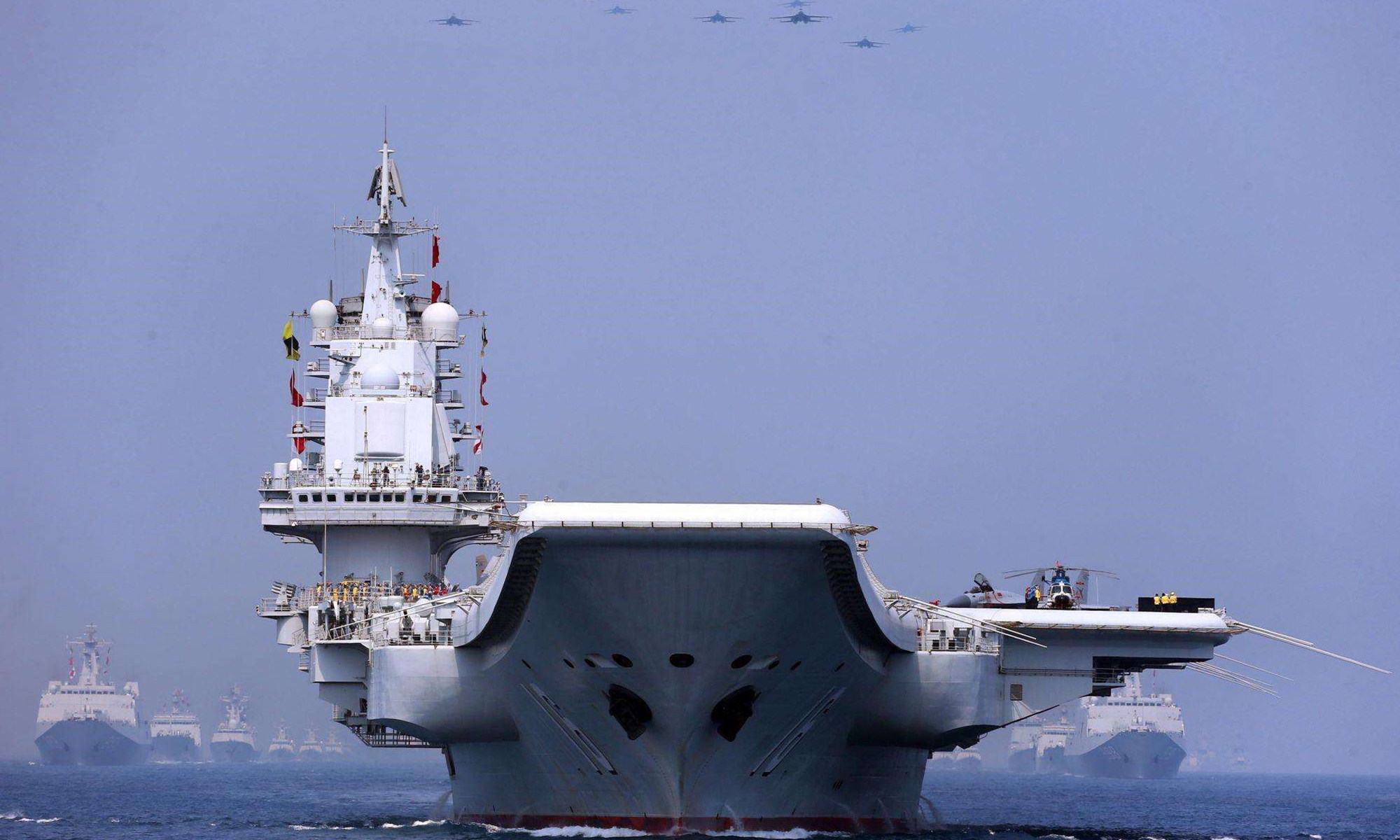
The latest news seems like they tested J-35
 www.scmp.com

Liu Zhen
Published: 9:00pm, 25 May 2025
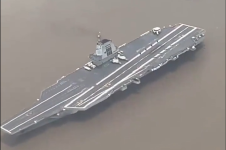
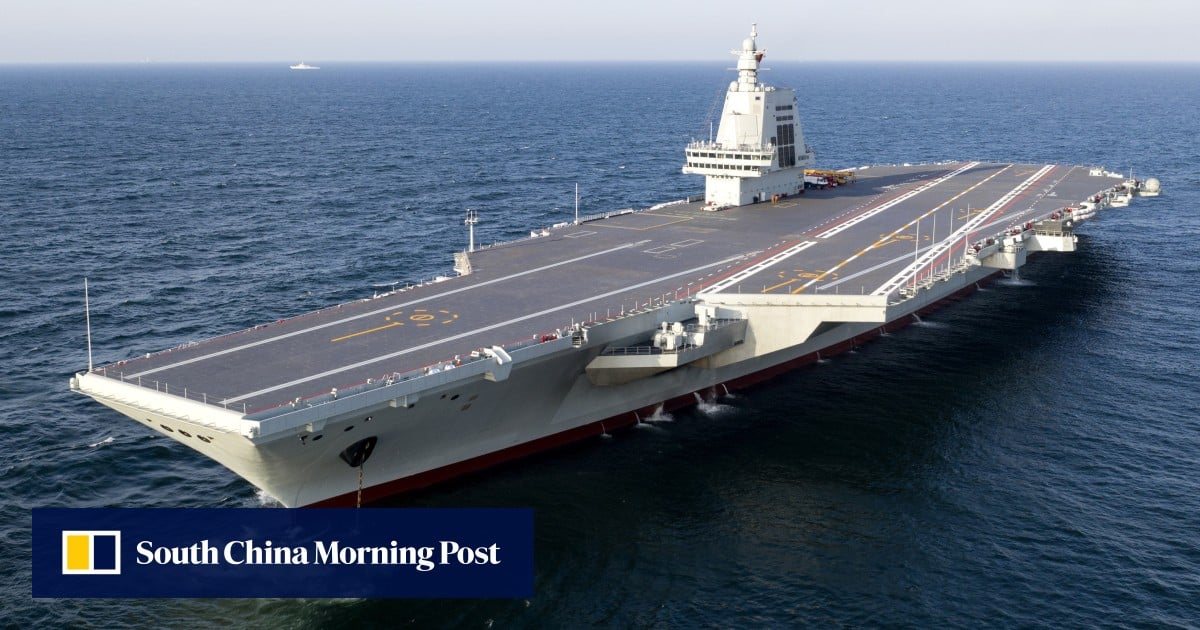
China’s most advanced aircraft carrier, the Fujian, has undergone an “intensive” eighth sea trial, according to state media.
Its ship-borne fifth-generation J-35 stealth fighters, fitted for catapult launch, have also carried out tests and flights, according to a Saturday report by state broadcaster CCTV.
The report did not specify whether the J-35 jets were being launched from the Fujian.
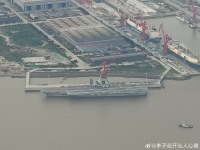
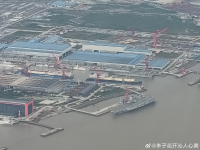
A local maritime safety administration issued traffic control warnings for Wednesday morning for the area near the mouth of the Yangtze River as the Fujian left the Jiangnan Shipyard in Shanghai and sailed towards open waters.
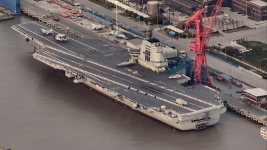
The Fujian is the People’s Liberation Army’s third carrier, and its first equipped with advanced electromagnetic catapults. The report said the Fujian would “greatly enhance” the abilities of the Chinese navy in offshore defence as well as long-distance sea escort operations once it entered service.
The Fujian has reportedly tested its launch catapults, and signs such as tyre marks suggest planes have carried out “touch-and-go” landings on its deck in previous sea trials.
However, there has been no official confirmation that it has conducted full operational trials of its ship-borne fighters, including catapult launches and arrested landings at sea.
The Fujian’s last sea trial was in March.
China claims it has world’s biggest non-nuclear carrier
China says Fujian carrier is world’s largest conventionally powered warship
With a displacement of over 80,000 tonnes, the carrier is the largest conventionally powered warship in the world. It was launched in June 2022 and began sea trials in May of last year.
Operating the complex electromagnetic catapults is a new challenge for the Chinese navy. The US Navy’s USS Gerald Ford is the world’s only aircraft carrier in service that operates this launching system.
Compared to the ski jump decks of previous carriers, the electromagnetic catapults are expected to be able to launch heavier planes – and launch them more frequently. This would allow fighters to be fully loaded with fuel and armaments.
Other large fixed-wing aircraft, such as the KJ-600 airborne early warning and control aircraft, could operate on board the carrier.
The catapult is energy-efficient and flexible to enable the launch of different sizes of drones, according to CCTV.
“With the electromagnetic catapults … the ship will have a very strong ability to fight for air and sea supremacy,” the report said.
CCTV also said that the PLA’s second aircraft carrier, the Shandong, had “expelled” foreign aircraft carriers that had been “showing off power” in the South China Sea, without saying which country or when the incidents took place.
Since delivery in December 2019 to the PLA’s South Sea Fleet, the Shandong has been based in Sanya, Hainan province. It frequently flexes its muscles in the disputed waters. Its training exercises in the South China Sea have sometimes coincided with foreign aircraft carriers’ activities in the same area.
The US Navy regularly conducts exercises in the South China Sea, sometimes jointly with its allies, and sails through the waters.
The report said the Shandong had advanced into the South China Sea “to safeguard national sovereignty, security and development interests”.
China’s advanced Fujian carrier conducts ‘intensive’ eighth sea trial
J-35 stealth fighters also carry out tests and flights, but it is not clear if the jets were launched from the Fujian’s hi-tech catapults.
www.scmp.com
China’s advanced Fujian carrier conducts ‘intensive’ eighth sea trial
J-35 stealth fighters also carry out tests and flights, but it is not clear if the jets were launched from the Fujian’s hi-tech catapults
Liu Zhen
Published: 9:00pm, 25 May 2025
China’s most advanced aircraft carrier, the Fujian, has undergone an “intensive” eighth sea trial, according to state media.
Its ship-borne fifth-generation J-35 stealth fighters, fitted for catapult launch, have also carried out tests and flights, according to a Saturday report by state broadcaster CCTV.
The report did not specify whether the J-35 jets were being launched from the Fujian.
A local maritime safety administration issued traffic control warnings for Wednesday morning for the area near the mouth of the Yangtze River as the Fujian left the Jiangnan Shipyard in Shanghai and sailed towards open waters.
The Fujian is the People’s Liberation Army’s third carrier, and its first equipped with advanced electromagnetic catapults. The report said the Fujian would “greatly enhance” the abilities of the Chinese navy in offshore defence as well as long-distance sea escort operations once it entered service.
The Fujian has reportedly tested its launch catapults, and signs such as tyre marks suggest planes have carried out “touch-and-go” landings on its deck in previous sea trials.
However, there has been no official confirmation that it has conducted full operational trials of its ship-borne fighters, including catapult launches and arrested landings at sea.
The Fujian’s last sea trial was in March.
China claims it has world’s biggest non-nuclear carrier
China says Fujian carrier is world’s largest conventionally powered warship
With a displacement of over 80,000 tonnes, the carrier is the largest conventionally powered warship in the world. It was launched in June 2022 and began sea trials in May of last year.
Operating the complex electromagnetic catapults is a new challenge for the Chinese navy. The US Navy’s USS Gerald Ford is the world’s only aircraft carrier in service that operates this launching system.
Compared to the ski jump decks of previous carriers, the electromagnetic catapults are expected to be able to launch heavier planes – and launch them more frequently. This would allow fighters to be fully loaded with fuel and armaments.
Other large fixed-wing aircraft, such as the KJ-600 airborne early warning and control aircraft, could operate on board the carrier.
The catapult is energy-efficient and flexible to enable the launch of different sizes of drones, according to CCTV.
“With the electromagnetic catapults … the ship will have a very strong ability to fight for air and sea supremacy,” the report said.
CCTV also said that the PLA’s second aircraft carrier, the Shandong, had “expelled” foreign aircraft carriers that had been “showing off power” in the South China Sea, without saying which country or when the incidents took place.
Since delivery in December 2019 to the PLA’s South Sea Fleet, the Shandong has been based in Sanya, Hainan province. It frequently flexes its muscles in the disputed waters. Its training exercises in the South China Sea have sometimes coincided with foreign aircraft carriers’ activities in the same area.
The US Navy regularly conducts exercises in the South China Sea, sometimes jointly with its allies, and sails through the waters.
The report said the Shandong had advanced into the South China Sea “to safeguard national sovereignty, security and development interests”.