Chinese assistances to Pakistan - CPEC

Chinese company to export Mozzarella Cheese to China from Pakistan​

By Yasir Habib Khan | Gwadar ProOct 7, 2025

In a significant move, Chinese company Royal JW Foods, located in Lahore, is flexing muscles to make a head start to export mozzarella cheese to China. It also plans to export it to Europe and Middle East soon.

If all goes well Royal JW Foods, JV partner of Royal Cell Biotechnology, will be credited first company to be exporting mozzarella cheese from Pakistan. All test trails have been successful meeting all required credentials essentially necessitated for the stages from preparation, processing, packaging till branding and logistic prerequisites.

Regarding China, as soon as export protocols are finalized, export of mozzarella cheese will kick in forthwith, Royal JW Foods senior official Dr Nassar told Gwadar pro in an interview.
 
Under a partnership with China Agricultural University, Northwest A&F University, and Yangling Jinhai Biotechnology Co Ltd, China exported 100,000 doses of trivalent inactivated FMD vaccine antigens to Pakistan.

The antigens, tested by the National Institute of Biotechnology and Genetic Engineering (NIBGE) in Faisalabad, were transported through a cold-chain process and will be used to produce local FMD vaccines under Chinese protocols — a step towards self-sufficiency in vaccine production and supply for Pakistan’s domestic needs.

The biotechnology transfer is underpinned by two key projects: “Demonstration and Promotion of Key Technologies for the Prevention and Control of Major Livestock Diseases in Pakistan” and “Demonstration and Promotion of Key Technologies for the Prevention and Control of Major Livestock Diseases in Pakistan.

According to Ali Ahmed, an official with the All-Pakistan Meat Exporters and Processors Association (APMEPA), one of the main challenges in expanding Pakistan’s meat exports to China is the low selling price. Since China is the world’s biggest beef importer, the market is highly competitive.

“If Pakistan is to strengthen its niche in China, it must adopt practices such as forage cultivation, cattle breeding, modern farm construction and management, waste treatment and utilisation, veterinary drugs and vaccines, beef processing, as well as improved storage and refrigerated transportation,” Ahmed added.

Liu Jun, who is associated with the Chinese Meat company Yuhu Cold Chain Chengdu, said that Pakistan needed to step up its beef promotion in China.

“We need to expand our promotional channels to help people gain a better understanding and appreciation of Pakistani beef, which I believe will lead to increased sales,” according to Jun.
 
To view this content we will need your consent to set third party cookies.
For more detailed information, see our cookies page.
 

Pakistani, Chinese Scientists Identify Key Wheat Genes to Fight Fungal Disease, Tackle Climate Change​


By Tahir Ali | Gwadar Pro
Oct 16, 2025

ISLAMABAD - Pakistani and Chinese scientists have identified 47 important genes in wheat that could help develop new varieties resistant to a major fungal disease and better able to withstand climate challenges. The joint research has been published in the international journal Rice (SpringerOpen) in October 2025.

The study was led by Babar Hussain of University of Central Punjab (Pakistan) and Qasim Raza of University of Chinese Academy of Sciences (China), with Dr. Rana Muhammad Atif of University of Agriculture Faisalabad (UAF) serving as the corresponding author. It also involved experts from Australia and the United States.

The research focuses on a group of genes known as MLO (Mildew Locus O), which determine how wheat plants respond to powdery mildew, which is one of the world’s most damaging wheat diseases, capable of cutting yields by more than half if uncontrolled.

“This study provides a compendium of wheat MLO genes, which could be functionally characterized to confirm their roles in PM resistance and further exploited in wheat breeding programs for the development of climate-resilient cultivars,” the authors wrote.

Using the latest wheat genome data, the team mapped 47 of these MLO genes across all 21 wheat chromosomes. They found that 10 of these genes are particularly active when the plant faces disease or environmental stress, making them promising targets for future breeding and gene-editing efforts.

Importantly, key experiments were conducted in China, where researchers tested wheat varieties under controlled conditions. This included N9134, a Chinese wheat line known for its strong resistance to powdery mildew. “Seeds of both genotypes were obtained from Peking University Institute of Advanced Agricultural Sciences, China”, as per the study.

“A PM-resistant wheat line, N9134, that shows high resistance to all Blumeria graminis races in China, along with a susceptible wheat cultivar, Fielder, were selected for quantitative real-time PCR-based expression analysis,” the study explained.

The findings show that previously unused genetic diversity in wheat can be harnessed to build stronger, disease-resistant, and climate-resilient crops.

This breakthrough provides a solid foundation for breeding improved wheat varieties, which is crucial for countries like Pakistan, where wheat is a staple food and climate change is making crop diseases more severe.
 

Attock Petroleum, Huawei sign MoU to develop EV charging network in Pakistan​

By Fatima Javed | Gwadar Pro
Oct 17, 2025

ISLAMABAD,- Attock Petroleum Limited signed a Memorandum of Understanding (MoU) with Huawei Technologies Pakistan Pvt. Ltd. and its partner, AE Power, last week to collaborate on developing electric vehicle (EV) charging infrastructure across Pakistan. The signing ceremony was held at Huawei’s Islamabad office.

Under the agreement, the three organizations will jointly work to establish EV charging stations and promote the use of electric mobility in the country. The partnership aims to contribute to the creation of a sustainable, energy-efficient transportation ecosystem while supporting national efforts to reduce carbon emissions and strengthen clean energy initiatives.

The development of EV infrastructure in Pakistan has gained momentum in recent years, with both public and private sectors showing growing interest in clean transportation.

According to official reports, over 3,800 investors and companies have expressed interest in setting up EV charging stations nationwide, with more than 70 licenses already issued and several stations operational. The government’s National Electric Vehicle Policy (2025–2030) targets the establishment of 10,000 EV charging stations by 2030, supported by tariff reductions of up to 44 percent to encourage investment.

Several provinces have also launched initiatives to expand EV networks. Punjab has proposed installing 2,000 charging stations and introducing 600 electric buses, while Sindh aims to place charging facilities every 50 kilometers along major routes to facilitate intercity travel. Additionally, Pakistan’s fastest 120 kW EV charging station has recently been inaugurated in Islamabad, capable of charging vehicles within an hour.

Public interest in electric vehicles is steadily growing, particularly among users of two- and three-wheelers such as e-bikes and rickshaws, while private car adoption continues to increase gradually as infrastructure improves.

The collaboration between these organizations is expected to further accelerate these developments and support Pakistan’s transition toward a cleaner, greener, and more connected energy future.
 

Pakistan achieves breakthrough in agricultural biotechnology with Chinese collaboration​


By Shafqat Ali | Gwadar Pro
Oct 24, 2025

ISLAMABAD: Pakistan has achieved a major scientific milestone with the approval of the country’s first-ever genetically modified (GM) sugarcane and advanced cotton varieties, marking a new chapter in agricultural biotechnology.

The breakthrough, endorsed by the National Biosafety Committee (NBC), is being seen as a step forward in Pakistan’s ongoing cooperation with China in the fields of biotechnology, agri-research, and sustainable farming.

The NBC, during its meeting chaired by the Secretary of the Ministry of Climate Change and Environmental Coordination (MoCC&EC) Aisha Humera Moriani – who also serves as NBC chairperson - here, approved two environment-friendly GM sugarcane lines, CABB-IRS and CABB-HTS, for commercial use.

The sugarcane lines, developed using indigenous expertise with technical collaboration from Chinese agricultural scientists, were found safe for human and environmental health.

The committee also approved the commercialization of CEMB-AAS3, a Bt. cotton variety developed by the Centre of Excellence in Molecular Biology (CEMB), Lahore, and NIBGE-1601, produced by the National Institute for Biotechnology and Genetic Engineering (NIBGE), Faisalabad. Both varieties demonstrate high pest resistance, superior yield, and improved fiber quality.

In the meanwhile, Pakistan and China are intensifying collaboration through the establishment of a China-Pakistan Research and Development Center for Modern Agriculture and Efficient Water Technologies, focusing on bio-healthy farming and water efficiency.

The two countries are jointly working on a bio-agriculture research laboratory and demonstration park, sharing Chinese experience in genetic improvement, precision farming, and seed technology.

China is also extending short-term technical training to Pakistani agricultural graduates under its G2G Cooperation Program, helping Pakistan build domestic capacity in biotechnology and sustainable agriculture.

Officials said these developments not only enhance Pakistan’s food security and biosafety governance but also align with China-Pakistan Economic Corridor Phase-II’s focus on agricultural modernization and green development.

The approval of GM crops, coupled with Sino-Pak research initiatives, positions Pakistan among the region’s emerging biotechnology innovators, paving the way for higher yields, reduced pesticide use, and a more climate-resilient agricultural future.
 

China-Pakistan Agricultural Cooperation Deepens with Hybrid Rice Knowledge Exchange​

By Mariam Raheem | Gwadar Pro
Oct 22, 2025

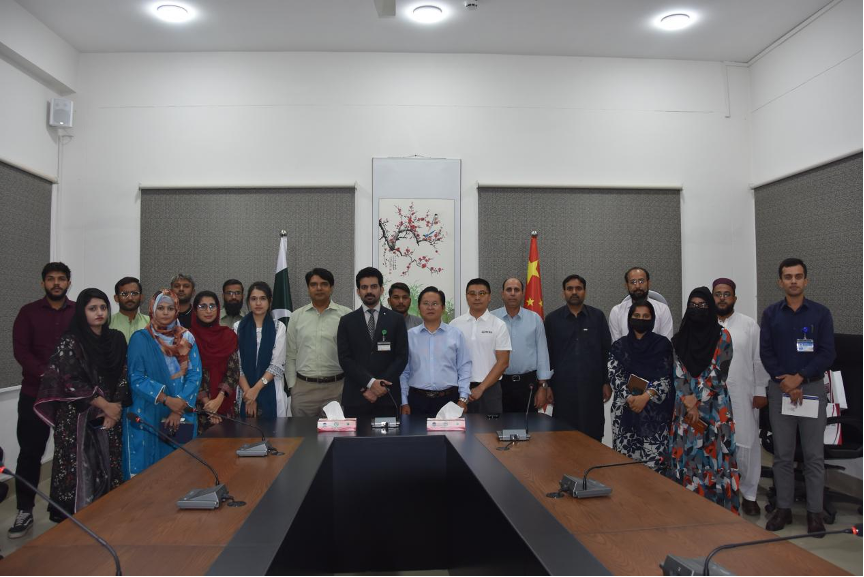
FAISALABAD, A delegation from China’s agricultural technology sector visited the Confucius Institute at the University of Agriculture, Faisalabad (UAF), on October 21, marking a new step in practical agricultural cooperation between the two sides. The visit focused on transferring China’s advanced seed technologies to strengthen Pakistan’s food security and agricultural modernization.

The delegation, led by General Manager Wu Zhonghua and International Market Manager Zhou Yunpeng of Hubei Allwin High-Tech Seed Co., held in-depth discussions with Dr. Saddam Hussain, Dean and Vice President of the Confucius Institute, to establish a framework for long-term collaboration.

China-Pakistan Agricultural Cooperation Deepens with  Hybrid Rice Knowledge Exchange


A technical seminar titled “China’s Pathway to Resilience: Hybrid Rice Innovations for Robust Seed Systems and Sustainable Livelihoods” held at UAF, photo provided to GP

During a technical seminar titled “China’s Pathway to Resilience: Hybrid Rice Innovations for Robust Seed Systems and Sustainable Livelihoods,” Chinese experts shared insights from five decades of hybrid rice development. They highlighted how stress-tolerant Chinese rice varieties achieve higher yields in similar South Asian environments, offering practical solutions for Pakistan’s agricultural challenges.

The visit also featured hands-on sessions between Chinese specialists and young UAF researchers, focusing on adapting hybrid rice technologies to local conditions and developing climate-resilient varieties suited to Pakistan’s landscape.
 

Chinese Honglian hybrid rice delivers impressive yields in Pakistan​


HP4 variety gets official approval, marks milestone in nationwide adoption

Web Desk
November 01, 2025


source app

Source: APP

China’s Honglian hybrid rice has shown promising results in Pakistan, with the three varieties H13, H14, and H15 achieving yields of 11.3 tons per hectare, 12.3 tons per hectare, and 10.8 tons per hectare, respectively.

Among them, H14 stood out for its large panicles and high grain count, boosting yields by over 12% compared with local varieties, according to Prof. Zhu Renshan, Director of the China-Pakistan Joint Research Center for Honglian Hybrid Rice.

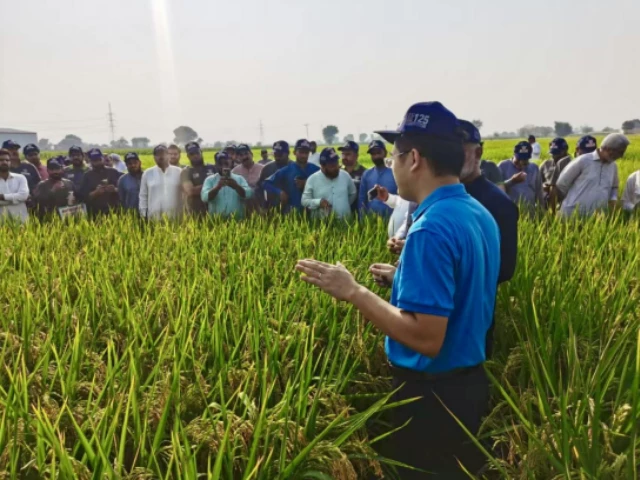
Earlier this month, Xu Zhiyong from Prof. Zhu’s team visited demonstration bases in Lahore, Multan, Sahiwal, and Vehari, meeting representatives from the University of Punjab and leading local agricultural enterprises. On October 19, the center held an on-site meeting in Vehari to promote new technologies, attended by over 200 participants, including farmers, distributors, and agricultural technology experts from Punjab and Sindh.

The project, first introduced in Pakistan in 2018, is a joint initiative of Wuhan University and the University of Punjab. It established the China-Pakistan Joint Research Center for Honglian Hybrid Rice in 2020, together with the Hubei Association for Science and Technology, to enhance domestic food security and boost rice exports. Demonstration plots cover key rice-growing regions in Punjab ensuring the varieties perform well across diverse agro-climatic zones.

Over the past five years, the center has developed experimental and demonstration bases spanning more than 30 acres, conducted five technical training sessions for over 300 Pakistani farmers, technicians, distributors, and government officials, and organized three international seminars on cooperative development. The project also integrates modern technologies such as AI, big data, 5G, and remote sensing to enhance yield, resilience, and mechanized seed production.

Honglian hybrid rice’s heat-tolerance and stable seed-setting rate under extreme weather make it particularly suitable for Pakistan’s climate, offering higher yields for farmers and potential to expand rice exports.

In June 2025, the Honglian HP4 variety received registration from the Rice Variety Evaluation Committee of the Pakistan Agricultural Research Council, marking a milestone in its adoption across the country.

The initiative not only improves domestic food security but also provides a platform for long-term China-Pakistan cooperation in agricultural science and technology, safeguarding mutual food security and deepening strategic ties.
 

PU-786 Hybrid Rice Becomes a Success Story of China-Pakistan Agricultural Cooperation​

By Tahir Ali | Gwadar Pro
Nov 7, 2025

Pakistan's first Honglian hybrid rice variety, PU-786, jointly developed by Punjab University (PU) and Wuhan University of China, has emerged as a major success story, delivering up to three times higher yields than traditional local varieties during its first full-scale harvest across multiple regions of the country.

The hybrid marks a decade-long collaboration between scientists from PU's Department of Plant Breeding and Genetics and Wuhan University, and represents a landmark achievement in China-Pakistan agricultural cooperation under the Belt and Road Initiative (BRI).

In an exclusive interview with Gwadar Pro on Friday, Prof. Dr. Muhammad Ashfaq, Chairman of the Department of Plant Breeding and Genetics at PU, said that PU-786 has been successfully harvested in several regions, including Ouch Sharif, Gujranwala, and Larkana.

“Field results of PU786 hybrid rice in Ouch Sharif, Gujranwala, and Larkana have closely matched on the basis of observation (almost 5600 kg/acre) the initial research-stage projections, particularly in terms of yield, disease resistance, and adaptability,” Dr. Ashfaq said. Sharing specific figures from the recent field trials he said, “During the recent harvest yield was estimated 12.3 tons/hectare in Gujranwala location that is three times more than our traditional local varieties.”
 

Pak-China Friendship Hospital set to get 2 MW electricity​

By Yasir Habib Khan | Gwadar Pro
Nov 12, 2025

GWADAR - The Quetta Electric Supply Company (QUESCO) is all set to provide 2 MW electricity to Pak-China Friendship Hospital (PCFH) Gwadar. The construction of power transmission lines and electricity related infrastructure was completed in the first week of November, 2025.

The provision of 2 MW electricity will enable Pak-China Friendship Hospital to operate all its health apparatus and medical departments at optimum level. Talking to Gwadar Pro, a PCFH official said that power transmission lines have been laid down from the main grid station to dedicated feeder to make sure uninterrupted power supply to the hospital.”

A GDA official told Gwadar Pro that in the absence of electricity, so far to some extent hospital’s power needs were being fulfilled through a diesel generator that operational cost stands at Rs2 million in a month.

Owing to unavailability of power, he said, heavy medical machineries installed in the hospital is out of function. Pak-China Friendship Hospital (PCFH) Gwadar has been providing the best free medical facilities to more than 2,12,000 poor patients of Gwadar as well as various parts of Balochistan especially women and children in both OPD and Emergency sections since its operation last year in June 2024.
 

Pakistan-China Medical Cooperation Strengthened at Global Oncology Conference​

By Mariam Raheem | Gwadar Pro
Nov 10, 2025

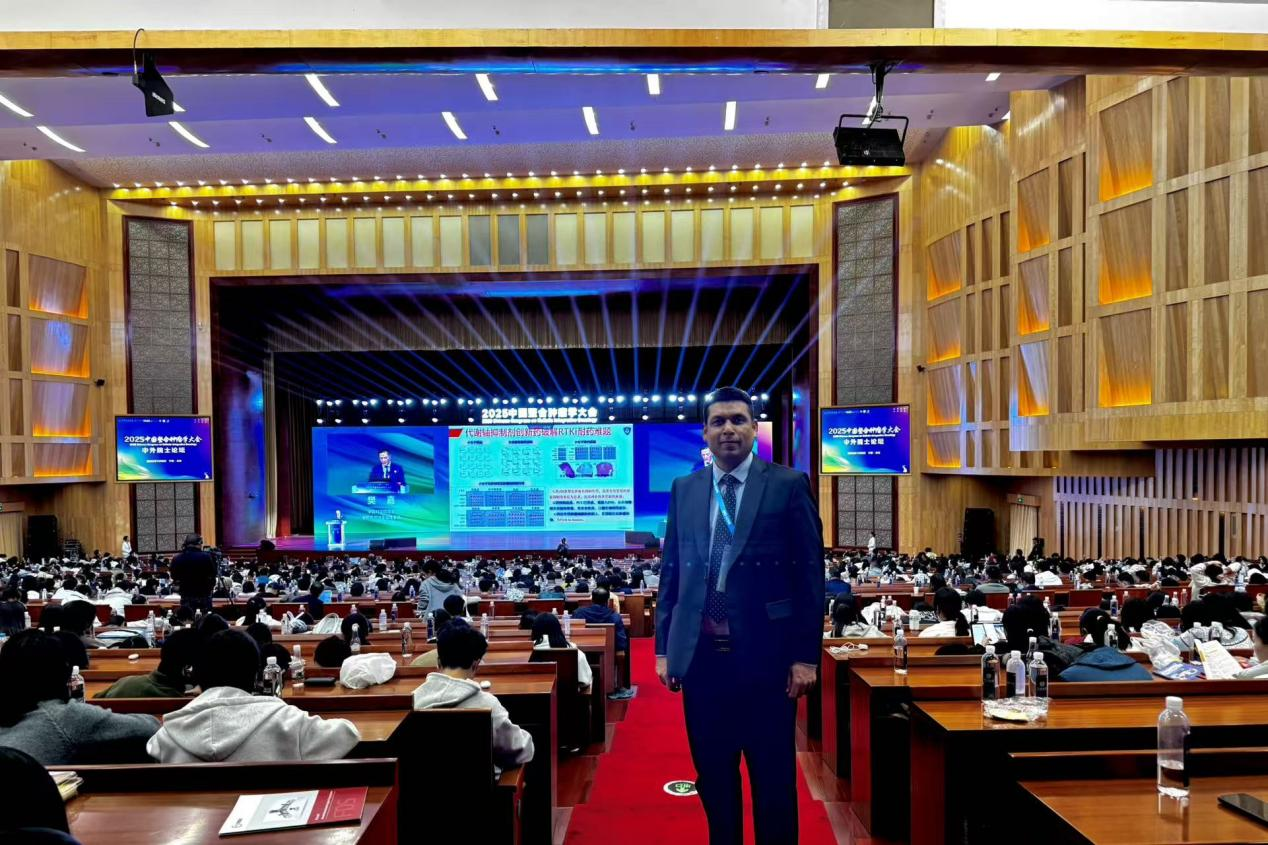
KUNMING- The 2025 China Conference on Holistic Integrative Oncology (CCHIO), held from November 6-9 in Kunming, Yunnan province, concluded as a landmark event in global cancer cooperation, with particular significance for Pakistan through the introduction of Urdu-language clinical guidelines and new regional partnerships.

The conference gathered approximately 100 international experts from 50 countries for academic exchange and collaboration. A major outcome was the establishment of the “South Asia and Southeast Asia Medical Education and Healthcare Alliance – Oncology Sub-Alliance”, with multiple institutions signing cooperation agreements to enhance cancer care collaboration across the region.

Pakistan-China Medical Cooperation Strengthened at  Global Oncology Conference

Dr. Muhammad Shahbaz at the CCHIO 2025, photo provided to GP

Dr. Muhammad Shahbaz, President of the China-Pakistan Medical Association (CPMA), highlighted the importance for Pakistan of receiving the Urdu-translated CACA (China Anti-Cancer Association) Guidelines for Cancer Treatment. “For Pakistani clinicians, this translation is a gift – a readily accessible, evidence-based roadmap that will standardize and elevate our clinical practices, directly benefiting patient outcomes across our nation,” he stated.
 

China-made robot enables Islamabad’s first robotic surgery at PIMS​


By Tahir Ali | Gwadar Pro
Nov 14, 2025

China-made robot enables Islamabad’s first robotic surgery at PIMS


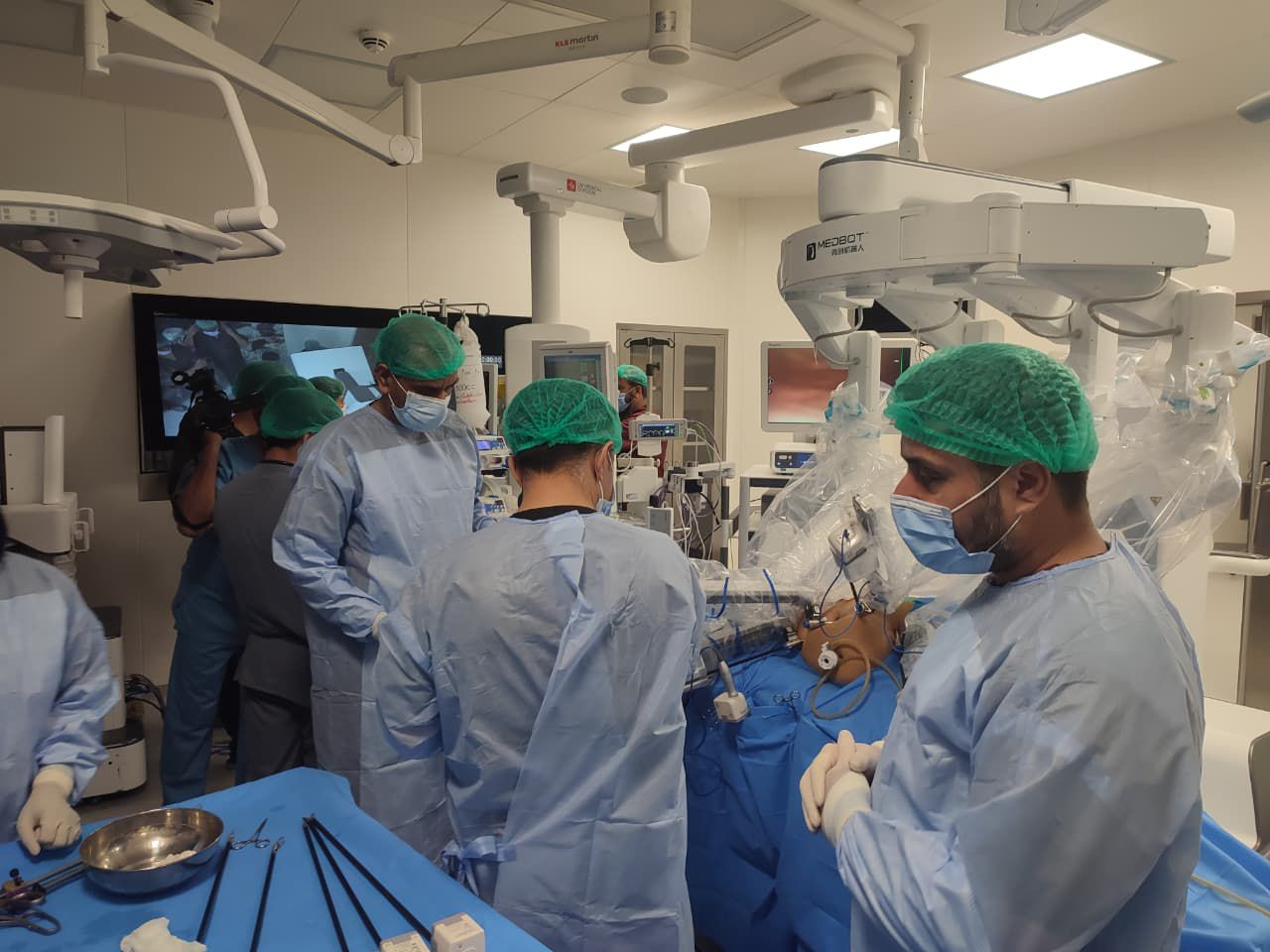
Surgical team gathers around the patient performing robotic surgery. [Photo provided to Gwadar Pro]

ISLAMABAD, Pakistan Institute of Medical Sciences (PIMS) has performed its first-ever fully robotic surgery, using a Chinese-developed surgical system to complete a complex procedure with enhanced precision, which is a breakthrough that places Islamabad’s largest public hospital among the few government institutions in the country offering advanced robotic care.

Hospital officials said the operation of a female patient was carried out with the Toumai Robotic Surgical System, manufactured by Shanghai MicroPort MedBot (Group) Co., Ltd.

The next-generation Chinese platform enabled surgeons to operate through tiny incisions with greater accuracy, stability and control than conventional techniques. The machine installed at PIMS carries the same branding seen on official Toumai units, including the tagline “Hope of Life.”

The hospital’s surgical team, supported by international observers, completed the procedure using the robot’s four-arm system, high-definition 3D imaging and tremor-free instrument control, the features that have positioned Toumai among China’s most advanced surgical technologies.
 

New China-Pakistan training center launched in Islamabad​

By Tahir Ali | Gwadar Pro
Nov 15, 2025

ISLAMABAD - PowerChina International Group Limited have formally launched the Centre of Excellence for Engineering Capacity Building in Islamabad, the first such hub in Pakistan dedicated to training engineers for the China-Pakistan Economic Corridor (CPEC).

According to a statement issued by the Chinese Society of Engineers (CSE) Secretariat, “CSE and PowerChina signed a cooperation agreement on Monday, committing to use the centre to deepen technical exchanges, share Chinese construction know-how, and certify engineers for large-scale clean-energy and water projects across Pakistan.” The agreement was formally concluded on November 10.

The move builds on a mutual-recognition accord reached in June between the CSE and the Pakistan Engineering Council (PEC), a step expected to ease labour bottlenecks for Chinese contractors operating in the South Asian nation.

PowerChina, one of the world’s largest hydropower builders, will host the facility and provide on-site instructors, training modules, and pilot projects, according to a joint statement released after the signing ceremony in Beijing.

Islamabad is now the fourth city, after Johannesburg, Rio de Janeiro and Cairo, to host a CSE-branded training centre, part of China’s broader push to standardize engineering practices across Belt and Road Initiative partner countries.

The initiative aims to produce qualified local engineers to accelerate progress on several power and transport schemes.

In a separate statement issued by POWERCHINA on Friday, the company said the new centre will act as a platform for knowledge sharing, skills development and standards alignment, helping cultivate a new generation of engineers for key bilateral projects. It added that through training programs in China, on-site learning in Pakistan and joint workshops, both countries will leverage their respective strengths to support the professional growth of engineers and deepen technical cooperation.
 

Users who are viewing this thread

Latest Posts

Back
Top