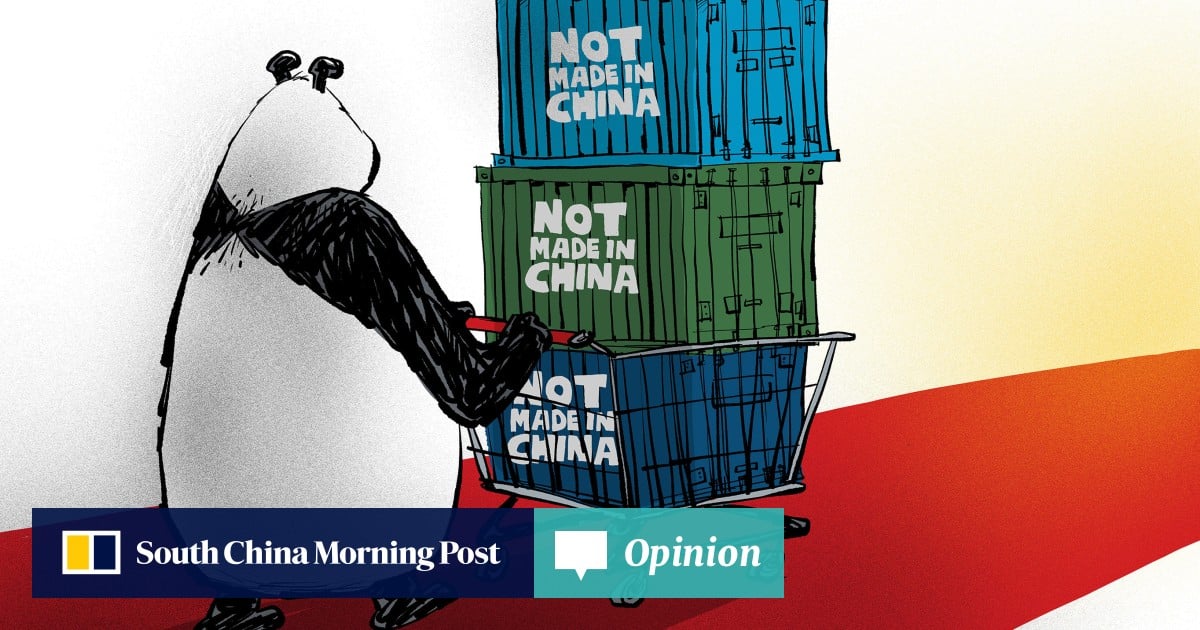
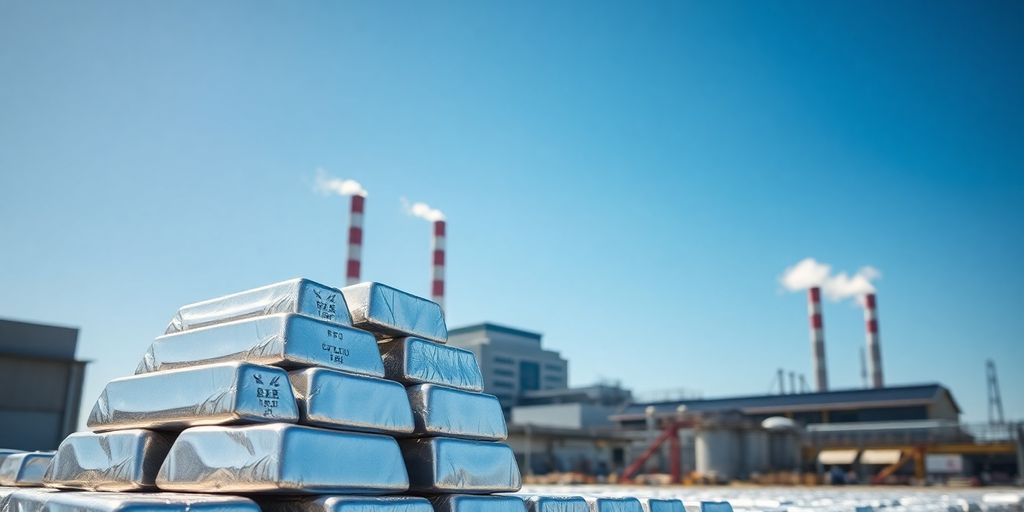
China is significantly stockpiling metal.
Last years' article:
China’s Now Buying Silver Directly From South America
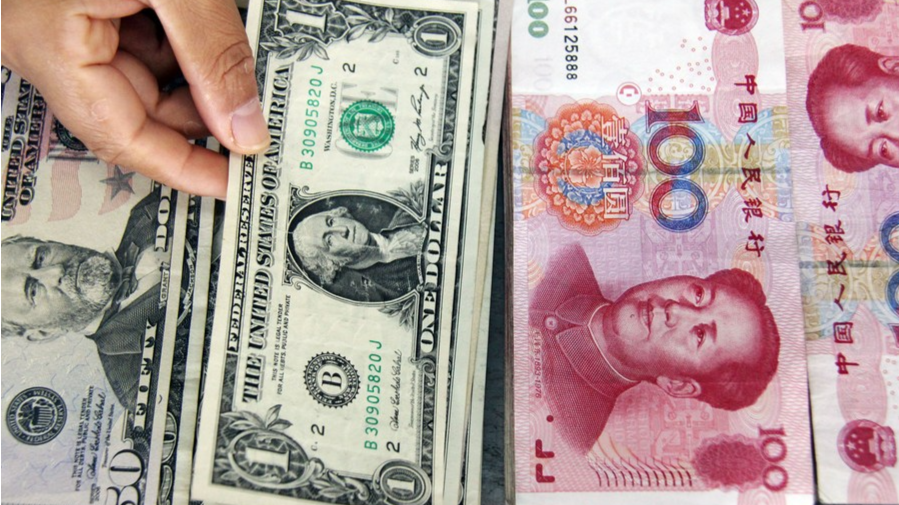
As China ramps up efforts to de-dollarize and secure its financial future, its aggressive stockpiling of key resources, including silver, is causing global unease. This strategic move has significant implications for the precious metals market and global economic stability.
China is rapidly accumulating vast reserves of crucial materials such as crude oil, natural gas, copper, iron ore, cobalt, and especially precious metals like gold and silver. According to reports from The Week and Newsweek, these actions are taking place amidst soaring commodity prices and China’s own economic challenges, raising questions about the country’s motivations.
The most alarming aspect of China’s stockpiling is its approach to silver. According to sources from Zero Hedge, China is buying unrefined silver concentrate from Latin American refiners and miners, effectively laying claim to Latin American silver before it is refined. This tactic allows China to secure silver at higher prices without directly affecting the spot market, crowding out Western buyers and raising concerns about future supply and price stability.
China's domestic silver production is in decline, and with its industrial demand—especially for solar panels—soaring, the country is aggressively securing overseas silver supplies. This strategic stockpiling, coupled with China’s massive consumption needs, poses serious implications for the global silver market.
The current situation suggests that China's actions could lead to a significant increase in silver prices, potentially disrupting global supply chains. Analysts speculate that China’s stockpiling efforts are either a defensive measure against potential conflicts, such as a possible invasion of Taiwan by 2027, or a preparation for an economic downturn.
As China continues to amass key resources and secure its position in the global market, the world watches closely, anticipating the far-reaching impacts of these actions on the economy and international relations.
China's aggressive silver stockpiling raises global concerns, with implications for future supply and prices, as the country secures key resources amidst economic challenges.

www.jpost.com
This year's article from a few months ago:
Why China's Industrial Demand Is Driving the Silver Market
The rise of demand in China
China has become a key player in the global silver market. Its influence can no longer be ignored. It's a bit like when a small stream becomes a mighty river that changes the landscape.
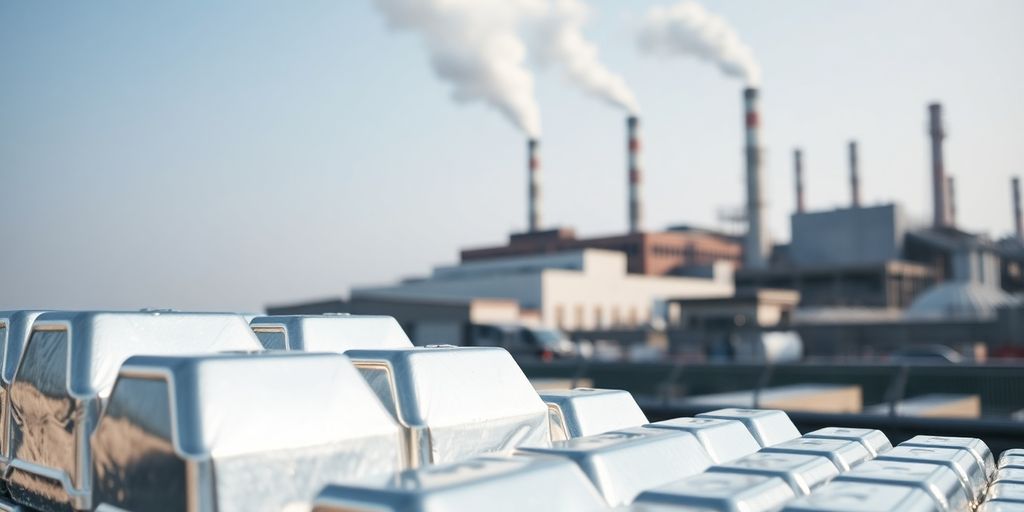
Its appetite for this precious metal has significant consequences for prices and supply and demand dynamics internationally. There is a growing interest in
silver bars as a safe haven.
China's central role in silver demand
China is playing an increasingly important role in global silver demand. The country has become a major consumer, often surpassing other nations in terms of silver imports and usage. This dominant position is due to several factors, including sustained economic growth, rapid industrialization, and increasing purchasing power. Chinese demand is not limited to a single sector but encompasses manufacturing, investment, and jewelry. It's almost as if all the taps were turned on at once.
The reasons for China's appetite for money
Several factors explain China's growing interest in silver:
- Industrial growth: Silver is an essential component in many industrial applications, including electronics, solar panels, and batteries. As a global manufacturing center, China requires significant amounts of silver to power its industries. It's a bit like fuel for a car.
- Technological development: New technologies, such as electric vehicles and renewable energy, require increasingly large sums of money. China is investing heavily in these sectors, further boosting demand. It seems like a race for innovation.
- Investment: Silver is also considered a safe investment by many Chinese, especially in times of economic uncertainty. This helps increase aggregate demand. It's like putting money aside for a rainy day.
China has undergone profound changes in recent decades, fueling its integration into the global economy. Its comparative advantage in labor-intensive products has long defined its role. While this dynamic persists, it is evolving as China establishes trade relationships that go beyond simply providing low-cost supplies to multinationals. Companies are connecting their production networks to China because of its geographic location and integrated supplier base.
Consequences on international markets
Increased Chinese demand has significant repercussions for international silver markets. Silver prices can be influenced by fluctuations in demand in China. Moreover, mining companies around the world are increasingly paying attention to Chinese demand when making investment decisions. It's almost as if China is setting the pace for the dance.
Specificities of Asian silver markets
Asian silver markets have characteristics that make them unique compared to other global markets. These peculiarities stem from a combination of economic, cultural, and regulatory factors. Understanding these specificities is essential to fully grasp the influence of Asian demand on the price of silver.
Influence of regional monetary policies
The monetary policies of Asian central banks have a significant impact on silver markets. Decisions regarding interest rates, reserve requirements, and interventions in the foreign exchange market can influence the demand for and supply of silver. For example, an expansionary monetary policy can lead to an increase in demand for silver as a safe haven, while a contractionary policy can have the opposite effect. It is therefore important to closely monitor the announcements and actions of the region's central banks. Monetary policies can affect the
price of money.
The industrial use of silver in Asia
Asia is a major center of industrial production, and silver is an essential component in many industrial applications. From electronics to solar panels, batteries, and chemical catalysts, industrial demand for silver in Asia is considerable.
Here are some key areas:
- Electronics: Silver is used in electrical contacts, conductors, and solders.
- Solar energy: Silver is an essential component of photovoltaic cells.
- Chemistry: Silver is used as a catalyst in many chemical reactions.
Rapid economic growth in many Asian countries is fueling this industrial demand, which has a direct impact on the global silver market.
Interest rate fluctuations and demand
Interest rates play an important role in the demand for money in Asia.
When interest rates are low, investors may be more inclined to invest in silver because the opportunity cost of holding silver is lower. Conversely, when interest rates are high, investors may prefer to invest in interest-bearing assets, which can lead to a decrease in the demand for money. Interest rates can influence
silver investments.
Here is a simplified example of the impact of interest rates:
| Interest rate | Request for money | Impact on price |
|---|
| Bas | Élevée | Potential increase |
| High | Low | Potential decline |
Money in History and Finance
Gold and States
Gold is a bit like the nation's safe. Most central banks have some, and quite a bit!
The United States, for example, has the largest reserve in the world, stored at the Federal Reserve Bank of New York. It's less well-known than Fort Knox, but just as impressive. Imagine, in 1995, all the banks' gold reserves combined formed a cube 12 meters on each side. That's enormous!
Gold and Finance
Gold remains a major player in the world of finance. It's listed on major stock exchanges, such as New York, London, and Tokyo. And when there are crises, everyone looks at how gold reacts, because it gives a good idea of what's going on. In fact, transactions on
this value are an important economic barometer.
Evolution of the price of gold
Le
Gold prices, it's something that moves all the time. It's expressed in ounces of gold, which is about 31,1 grams. And there are lots of things that make it vary:
- Central bank gold holdings: Whether they sell or buy changes the price.
- Demand for jewelry: Especially in India and China, it matters a lot.
- Industrial demand: Electricity and electronics use gold.
Not to mention speculative buying and selling, which depends on monetary uncertainties. In short, it's a complex market, with a part that remains a bit mysterious due to illegal gold mining, especially in South America. It's not always easy to navigate, but it's fascinating!
The price of silver and how it works
Understanding how the price of silver is determined is essential for any investor or market participant. It's not as simple as a single universal price. In reality, there are different pricing methods that reflect supply and demand at different times and in different places.
Price in the form of a fixing
Fixing is a pricing method that establishes a reference price at specific times of the day. Imagine a snapshot of the market. Key players (banks, governments, investment funds) meet virtually to compare their buy and sell orders.
The price is adjusted until an equilibrium is found, maximizing trading volume. This fixing price then serves as a reference for subsequent transactions.
Continuous courses (real time)
Unlike the fixing, the continuous, or real-time, price fluctuates constantly. It is updated 24 hours a day, from Sunday evening to Friday evening, constantly reflecting changes in supply and demand on global markets. This price is usually expressed in dollars per ounce of silver (24 grams). This is the price you see displayed on trading platforms and financial news sites.
The LBMA and its role
The London Bullion Market Association (LBMA) plays a central role in setting the price of silver. It is an association that brings together a large number of players in the precious metals market, from banks to refiners to investment funds. The LBMA sets the price of silver twice daily in London, at 10:30 and 15:00 GMT, Monday to Friday. These fixings are important benchmarks for the global market. For those interested in investing in gold, it is important to understand the role of central banks.
in the gold market.
In summary, the silver price is a complex indicator, influenced by many factors and determined by different pricing methods. Understanding these mechanisms is essential for making informed decisions in the silver market.
Industrial applications of silver
Pin
Money isn't just something to look pretty or for old-fashioned coins. In fact, it's incredibly important in many different industries. We often talk about gold as a safe haven, but money has a much more concrete role in our daily lives, even if we don't always realize it.
Its versatility and unique properties make it an indispensable material.
Money and industry
Silver is everywhere in modern industry. Its electrical and thermal conductivity is incredible, making it perfect for electronics. It's found in computers, phones, cars... in short, just about everywhere. And that's not all, it's also used in solar panels, because it helps conduct electricity produced by the sun. It's like the Swiss Army knife of metals, always there where it's needed. Industrial demand is a determining factor in
price of money.
Money and Medicine
Did you know that silver has antibacterial properties? That's why it's used in certain medical devices, like bandages and catheters. It helps prevent infections, which is super important in hospitals. It's also found in certain treatments, although it's less common. It's crazy to think that a metal can have such a positive impact on our health.
Money and jewelry
Well, this is more classic, but silver remains a very popular metal for jewelry. It's less expensive than gold, which makes it more accessible, and it has a beautiful, shiny color. It can be used to make rings, necklaces, earrings... anything you want. And then, it's often used as a base for vermeil jewelry, where it's covered with a thin layer of gold. It's a way to get the look of gold without breaking the bank.
Silver is truly a unique metal. It has a rich history, diverse industrial applications, and remains a valuable investment. It's a bit of an unsung hero in the world of precious metals.
Money as a safe haven and investment
Silver, often overshadowed by gold, nevertheless has its own advantages as a safe haven and investment opportunity. Its dual role as both a precious and industrial metal gives it a unique dynamic.
Money, a bulwark against inflation
Inflation, the silent erosion of purchasing power, is forcing investors to seek ways to protect their capital.
Silver, like other precious metals, can serve as a shield against inflation. Unlike fiat currencies, whose value can be affected by monetary policies, silver retains intrinsic value.
However, it's important to note that silver's performance against inflation can vary depending on various economic factors. Strong industrial demand, for example, can support its price, while an economic slowdown could have the opposite effect. Therefore, interest rate movements should be monitored.
Gold and ETFs
Exchange-traded funds (ETFs) are exchange-traded funds that track the performance of an index, commodity, or basket of assets. There are gold-backed ETFs, as well as silver-backed ETFs. These ETFs offer investors a simple and liquid way to gain exposure to the silver market without having to purchase and store the physical metal.
Here are some advantages of ETFs over silver:
- Accessibility: They are easy to buy and sell on stock markets.
- Liquidity: They offer high liquidity, allowing investors to enter and exit the market quickly.
- Diversification: They can be used to diversify an investment portfolio.
Asian Investment in Silver
Asian markets play a crucial role in global silver demand. China, in particular, is a major player, with strong industrial demand and growing investment interest in precious metals. Cultural specificities and regional monetary policies also influence the dynamics of silver supply and demand in Asia. It is important to monitor global gold demand trends.
world of gold to understand silver market trends.
Experts believe that industrial demand for silver is expected to outstrip supply in the coming years. This could lead to higher prices, making silver investment potentially attractive to Asian and global investors.
Factors influencing the demand for money
The price of silver, like that of any commodity, is the result of a complex dance between supply and demand. However, several specific elements make this market particularly interesting, and sometimes downright unpredictable. Let's break it all down together.
Global economic health
The global economy's health is a bit like a barometer of silver demand. When the global economy is healthy, industrial activity increases, and with it, the demand for silver.
Silver is an essential component in many industrial processes, from electronics to solar panels. But when the economy slows, industrial demand declines, which can lower prices. It's a bit like a vicious cycle, or a virtuous one, depending on which way you turn.
Technological advances
Technological advances are a bit of a wild card in the silver market. New technologies can create new uses for silver, thus increasing demand. For example, the rise of electric vehicles has led to an increase in demand for silver for batteries and electronic components. And who knows what other innovations could further boost demand? This is an area to watch closely. It's important to follow the
current trends and imagine different scenarios.
Government policies
Government policies are like the conductor of the silver market. Government decisions, such as subsidies for renewable energy or environmental regulations, can have a significant impact on the demand for silver. For example, policies encouraging the use of solar panels can stimulate demand for silver. Similarly, central bank monetary policies can influence the attractiveness of silver as a safe haven. It's important to monitor
money course closely to understand these dynamics.
Broadly speaking, silver demand is influenced by a mix of economic, technological, and political factors. It's important to keep an eye on all of these elements to understand market fluctuations and anticipate future trends. It's a bit like trying to predict the weather, but with a little method, you can still get an idea.
Several things can change the need for money. For example, if prices rise (this is called inflation), people need more money to buy the same things. Or if the economy is doing well, businesses and people spend more, so they need more money. To understand how this all works and how it can influence your decisions, visit our site to learn more about
money course.
In brief: Silver, a precious metal under Chinese influence
Well, we've seen a lot of things. Basically, China is a bit of a heavyweight in the silver market. Their demand, whether it comes from their factories running at full capacity or from people who just want to keep their money safe, it's moving the lines. When they buy a lot, prices go up, it's logical. And then, there's this whole cultural side; silver is important to them, it helps maintain stable demand. So, if you follow silver, keep an eye on what's happening there; it's a good indicator.
Frequently Asked Questions
Why is Chinese demand for silver so important to the global market?
China is a major player in the silver market. Its strong demand, especially for industrial and investment purposes, has a direct impact on global prices. When China buys heavily, supply decreases and prices rise.
What makes Asian silver markets different?
Asian markets are unique. Consumers there view money in the long term, often tied to traditions. This makes their influence on the market very specific. Silver is also a safe haven in Asia, especially when the economy is uncertain.
How does the industrial use of silver in Asia influence the market?
Silver is widely used in Asian industry, particularly for electronics, solar panels, and medical equipment. This industrial use is a major driver of demand and helps stabilize prices.
What role do interest rates play in the demand for money in Asia?
Interest rates have an impact. When they are low, it's more attractive to invest in silver. Asian central banks can influence the demand for silver with their monetary policies. For example, low rates in China can increase demand.
Why is silver seen as a safe haven, especially in Asia?
Silver is considered a safe haven, a means of protection against inflation and economic crises. Many investors, especially in China, buy silver to protect their money when the future is uncertain.
Learn how industrial demand in China influences the silver market and its global prices.

www.goldmarket.fr
China Silver Imports Surge to 9,000 metric tonnes in 2024 catching up quickly to India
China has emerged as a silver-importing powerhouse, with annual imports reaching an unprecedented 9,000 metric tonnes, challenging India's long-standing dominance in precious metal acquisition.
Key Takeaways
- China's silver demand has surged to over 9,000 tons annually
- Strategic industrial investments driving massive silver consumption
- Geopolitical implications of China's aggressive metal procurement strategy
The Industrial Silver Revolution
China's insatiable appetite for silver is far more than a mere economic trend—it's a strategic imperative driven by rapid technological advancement. A single electroplating industrial park in Zhejiang Yueqing City consumes over 2,000 tons of silver annually, highlighting the metal's critical role in cutting-edge manufacturing.
Strategic Resource Acquisition
President Xi Jinping's direct engagement with Peru, a major silver producer, underscores the geopolitical significance of this metal. This diplomatic maneuver isn't just about securing supply chains; it's a calculated move to position China at the forefront of global industrial innovation.
JPost Videos
Beyond Industrial Demand: A Power Statement
Companies like China Hengtong are not just buying silver—they're making a statement. With inventories of 10,000 tons of silver and 3,000 tons of gold, these holdings dwarf traditional reserve quantities, signaling China's long-term economic strategy.
Global Market Implications
The silver surge represents more than an economic trend. It's a harbinger of the electrified, technologically advanced future we're rapidly approaching. Solar panels, electronics, and emerging technologies all rely heavily on silver, making China's strategic positioning increasingly critical.
Analysis: A Pivotal Moment in Global Commodities
This isn't just about silver. It's about economic power, technological leadership, and the geopolitical chess game of resource acquisition. China is demonstrating that in the 21st century, control of critical resources is as important as military or technological might.
Conclusion
As global markets recalibrate, one thing becomes crystal clear: China's silver strategy is a powerful indicator of its broader economic ambitions. The world is watching, and the implications are just beginning to unfold.
China's silver shopping spree transforms global markets: 9,000 tons imported annually, strategic resource grab signals tech dominance and economic power play reshaping global commodity landscape.
www.jpost.com
The comex has about a half billion ounces of silver. So about half million 1000oz bars.
So place 100.000 contracts of 5000oz and take delivery. It would only cost 25 billion. China can mint these into Panda Coins and given them to Chinese savers.
There are millions of contracts during the year for silver at the comex, rarely does a buyer take delivery, they typically take cash. If a small fraction took delivery at the Western exchanges, we would be at 1000 dollar silver.
Drain the West of silver and gold. Then announce a gold backed currency. Offer to back the euro to be fixed with a gold backed yuan. Get the Europeans against Washington. Have them go to gold and use their gold reserves to pay down debt, fund projects and back their euro.
Getting Europe on your side is key. Without Europe, Trump is isolated.
US with gold and silver supply can crash the price of silver to 10 dollars. This is similar to a drunk with no hangover, no consequences. The US having negative interest rates causes a flight to safety to gold and silver.
If the flight is to Bitcoin, US controls Bitcoin as the release valve investment via promotion. Bitcoin has increased 1 million fold in 15 years. And has not nor would take out the American empire. It protects the empire by drawing investment away from gold and silver, which were money before fiat dollars.
Gold and silver are the real competition to the dollar and the check on the American empire. So if the flight is not to gold as money and it is to Bitcoin, then the US corporations can without consequence borrow 100 trillion in dollars with negative interest rates and buy the global economy. A flight to gold crashes the value of the dollar as the US tries to consume the global economy. As trump is trying to do with trade wars. Bitcoin protects the flanks of the deep state. Gold and silver flank Washington and destroy Washington.
Drain the US of gold and silver and hold the cards to stop the American empire. Then china can revalue gold and silver.