From 105mm firepower to battlefield networking: What makes China’s Type 100 tank different
Edited by:
Aryan Singh / TIMESOFINDIA.COM / Sep 06, 2026, 16:13 IST
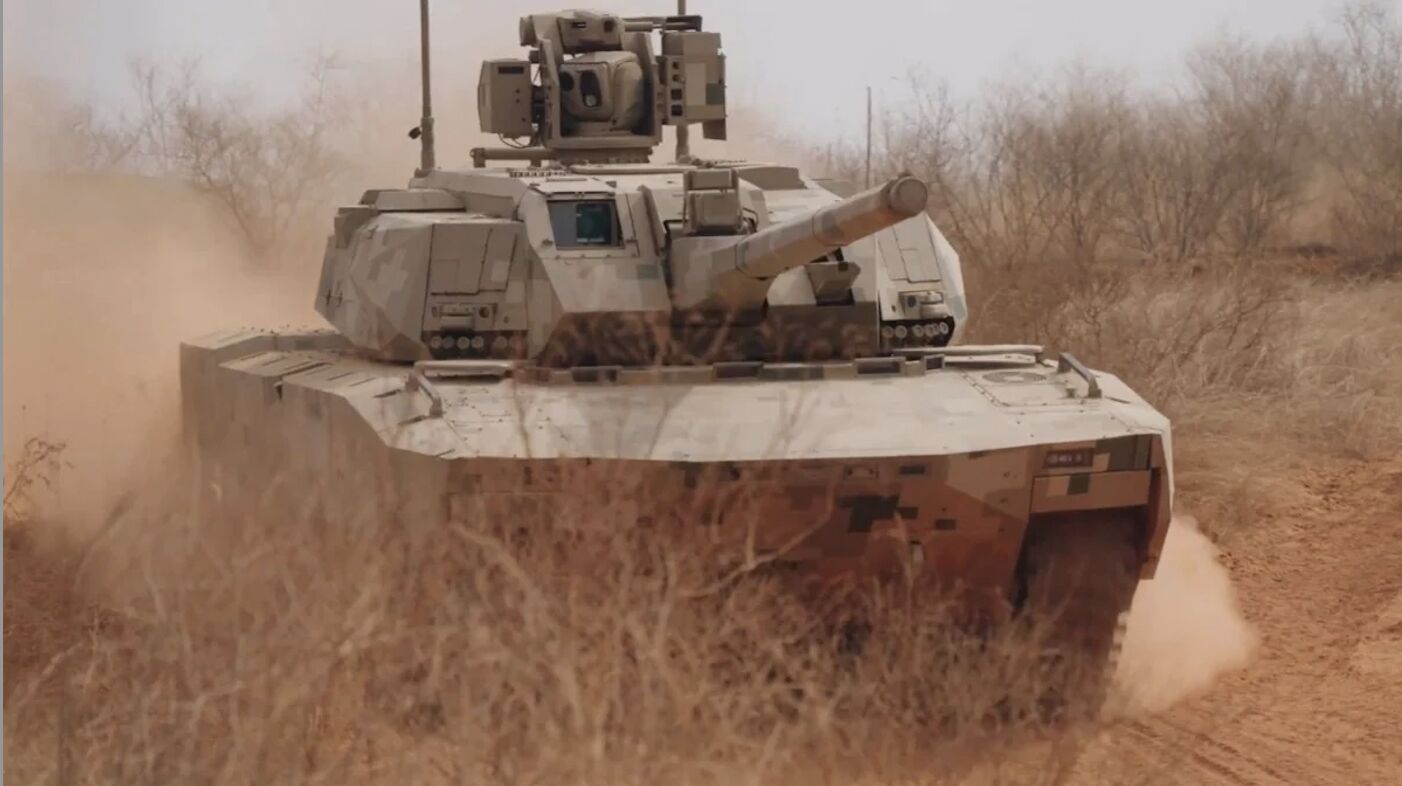
China’s next-generation Type 100 main battle tank has appeared in new footage from an unidentified Chinese city, offering a fresh look at the vehicle in a previously unseen camouflage scheme and potentially signalling that its deployment is moving beyond parade and training appearances.Military Watch Magazine reported the footage on September 5, amid unconfirmed reports that the Type 100 is being introduced in larger numbers.
China’s Ministry of National Defense has confirmed that the tank has been commissioned into the People’s Liberation Army after making its public debut at the September 2025 Victory Day parade.
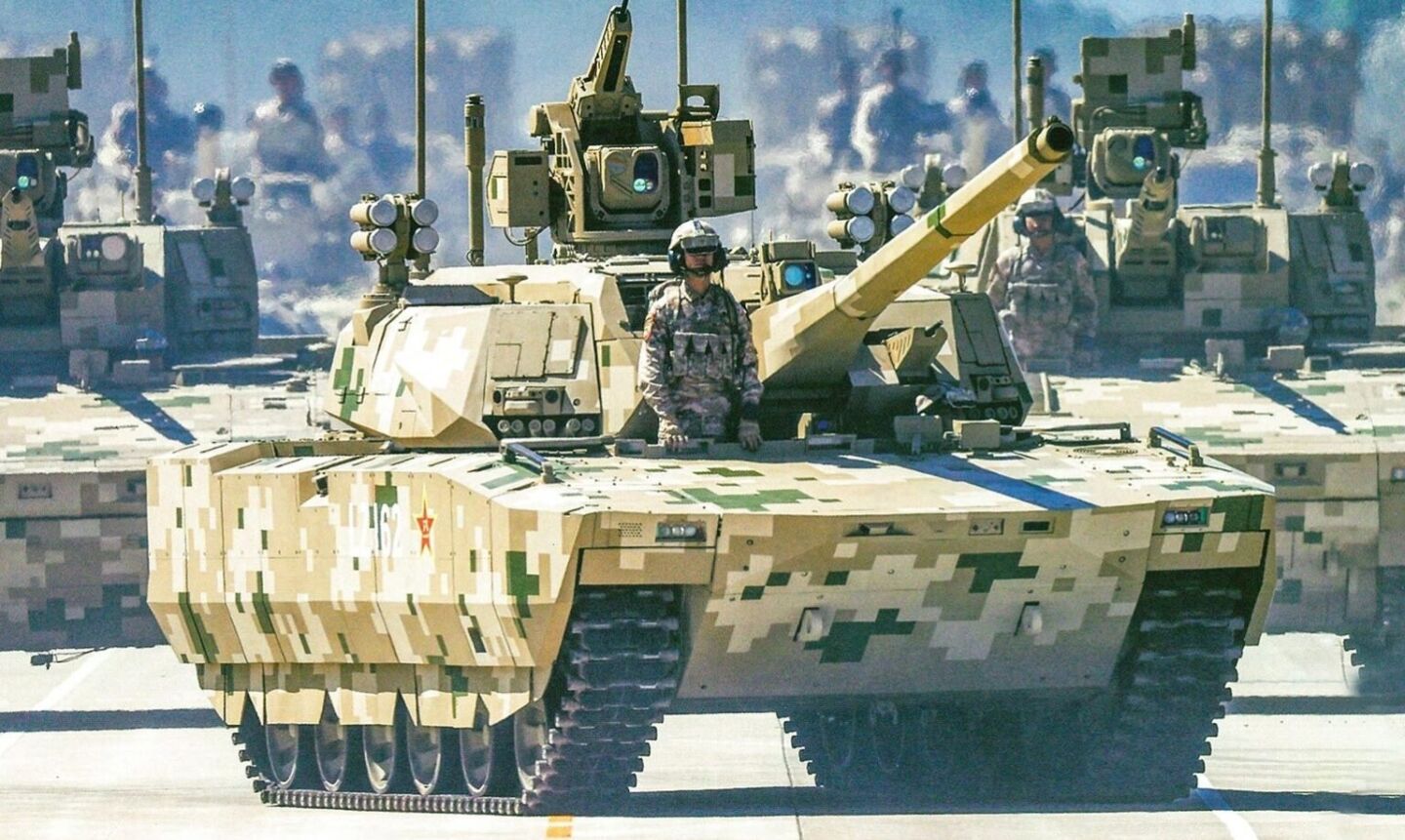
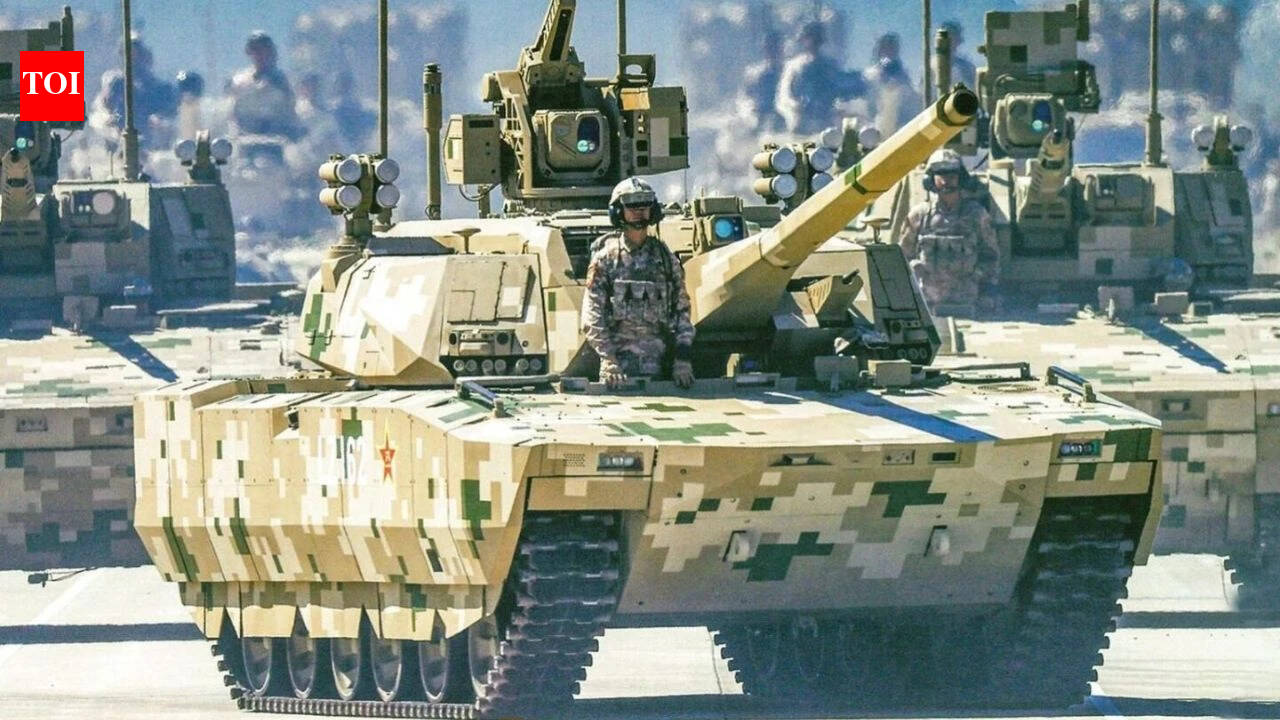
The Type 100 represents a significant shift in China’s approach to armoured warfare, combining conventional tank firepower and protection with an unmanned turret, active protection, advanced sensors, hybrid-electric propulsion and networked battlefield capabilities.
Tank designed for the modern battlefieldChina officially describes the Type 100 as a new-generation main battle tank. Chinese state media has highlighted its unmanned turret, advanced radar, active protection system and augmented-reality technology.
The vehicle appears to be armed with a 105mm main gun, while cameras and sensors positioned around the hull provide its crew with greater visibility and threat detection.
Its active protection system is built around a four-faced phased-array radar designed to detect incoming projectiles, rockets and missiles and cue interceptors against them. The system is intended to provide another layer of protection against threats that increasingly include drones and precision-guided weapons.
The Type 100 also incorporates hybrid-electric propulsion. According to a US Army assessment, the system can generate substantial onboard electrical power for sensors and defensive systems while allowing the tank to operate in partial or full-electric modes. This could reduce its acoustic and infrared signatures in certain operating conditions.
Tank designed for the modern battlefield
China officially Tank designed for the modern battlefielddescribes the Type 100 as a new-generation main battle tank. Chinese state media has highlighted its unmanned turret, advanced radar, active protection system and augmented-reality technology.
The vehicle appears to be armed with a 105mm main gun, while cameras and sensors positioned around the hull provide its crew with greater visibility and threat detection.
Its active protection system is built around a four-faced phased-array radar designed to detect incoming projectiles, rockets and missiles and cue interceptors against them.
The system is intended to provide another layer of protection against threats that increasingly include drones and precision-guided weapons.
The Type 100 also incorporates hybrid-electric propulsion. According to a US Army assessment, the system can generate substantial onboard electrical power for sensors and defensive systems while allowing the tank to operate in partial or full-electric modes.
This could reduce its acoustic and infrared signatures in certain operating conditions.
Unmanned turret changes crew layout
One of the Type 100’s most notable features is its unmanned turret.Unlike conventional tanks where crew members occupy the turret, the Type 100 places its three-person crew inside the hull.
The commander, gunner and driver are therefore separated from the turret and its ammunition systems.
The configuration can potentially improve crew protection while allowing the vehicle to use a more compact turret design.
The approach reflects a broader evolution in tank design as militaries seek to protect crews from increasingly lethal anti-armour weapons, loitering munitions and drone attacks.
More than a conventional tankThe Type 100 is also designed to function as part of a wider digital combat network rather than as an isolated armoured vehicle.The US Army War College has assessed the platform as being intended for long-range rapid deployment, tactical deep assault, urban operations and joint fire guidance.
Its sensors and communications systems can allow the tank to receive and share battlefield information with other elements of a combat formation.
The concept potentially enables the Type 100 to draw on information from drones, satellites and command headquarters to build a broader picture of the battlefield and share targeting information with other units.
This means the tank could engage or support targets beyond the immediate line of sight of its crew, depending on the availability and reliability of the wider network.
The result is a tank designed not simply to move, shoot and survive, but to operate as a networked battlefield node, linking sensors, weapons and commanders across a wider combat formation.
A tank built around survivabilityThe Type 100’s combination of active protection, advanced sensing, hybrid propulsion and crew separation reflects the changing nature of armoured warfare.
Modern tanks face threats from traditional anti-tank missiles as well as drones, loitering munitions, precision artillery and increasingly sophisticated battlefield surveillance.
China’s new platform appears designed around the premise that surviving this environment requires more than thicker armour.
It requires detecting threats earlier, reducing the vehicle’s signature, intercepting incoming weapons and sharing battlefield information faster.
The Type 100 therefore represents a broader evolution in China’s armoured vehicle development, bringing together firepower, protection, mobility and networked warfare in a single platform.
International News: China’s next-generation Type 100 main battle tank has appeared in new footage from an unidentified Chinese city, offering a fresh look at the vehicle .

timesofindia.indiatimes.com











 Pak Navy’s Weakest Link: Aging Helicopters, What are the Options? (10 Viewers)


 Why all countries especially small Muslim states flocking to Pakistan for defense. A debate (28 Viewers)