Satellite Captures Unidentified Chinese Submarine With Unusual Design
June 3, 2026
22:09
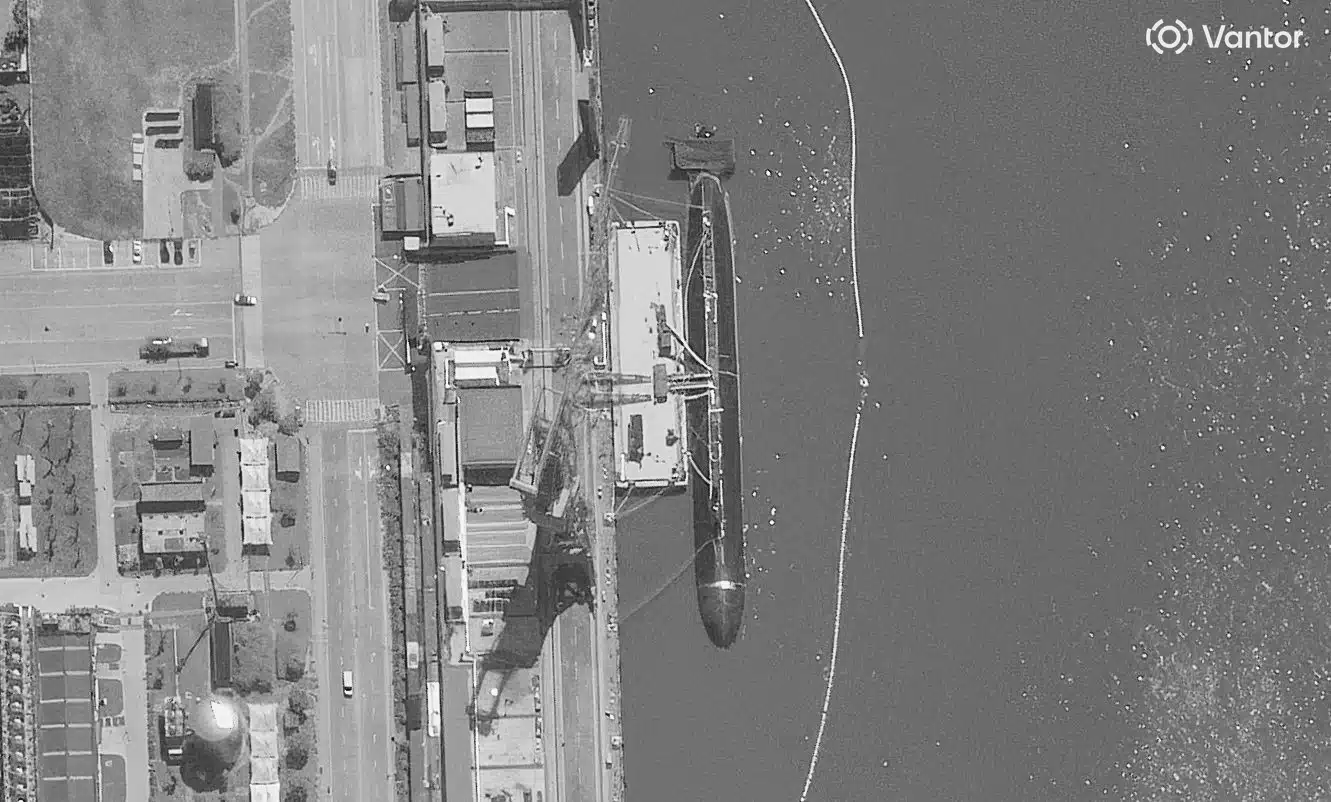
The latest Chinese submarine. Photo credits: Vantor
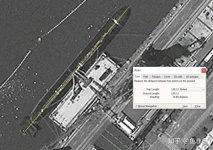
Satellite imagery has captured a previously unknown Chinese submarine featuring a new design that lacks a traditional sail (conning tower).
This was reported by researcher H I Sutton in a
Naval News analysis.
Since there is no official information about the submarine, assessments of its purpose and capabilities are currently based on satellite imagery and expert analysis.
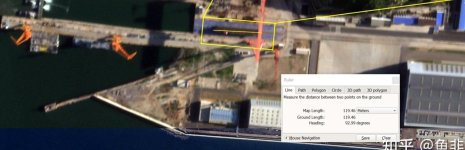
The submarine was spotted in images dated May 31 and June 1, moored near a barge outside the Jiangnan (JN) shipyard in Shanghai.
Although the shipyard is primarily known for building large surface combatants, it also produces non-nuclear submarines.
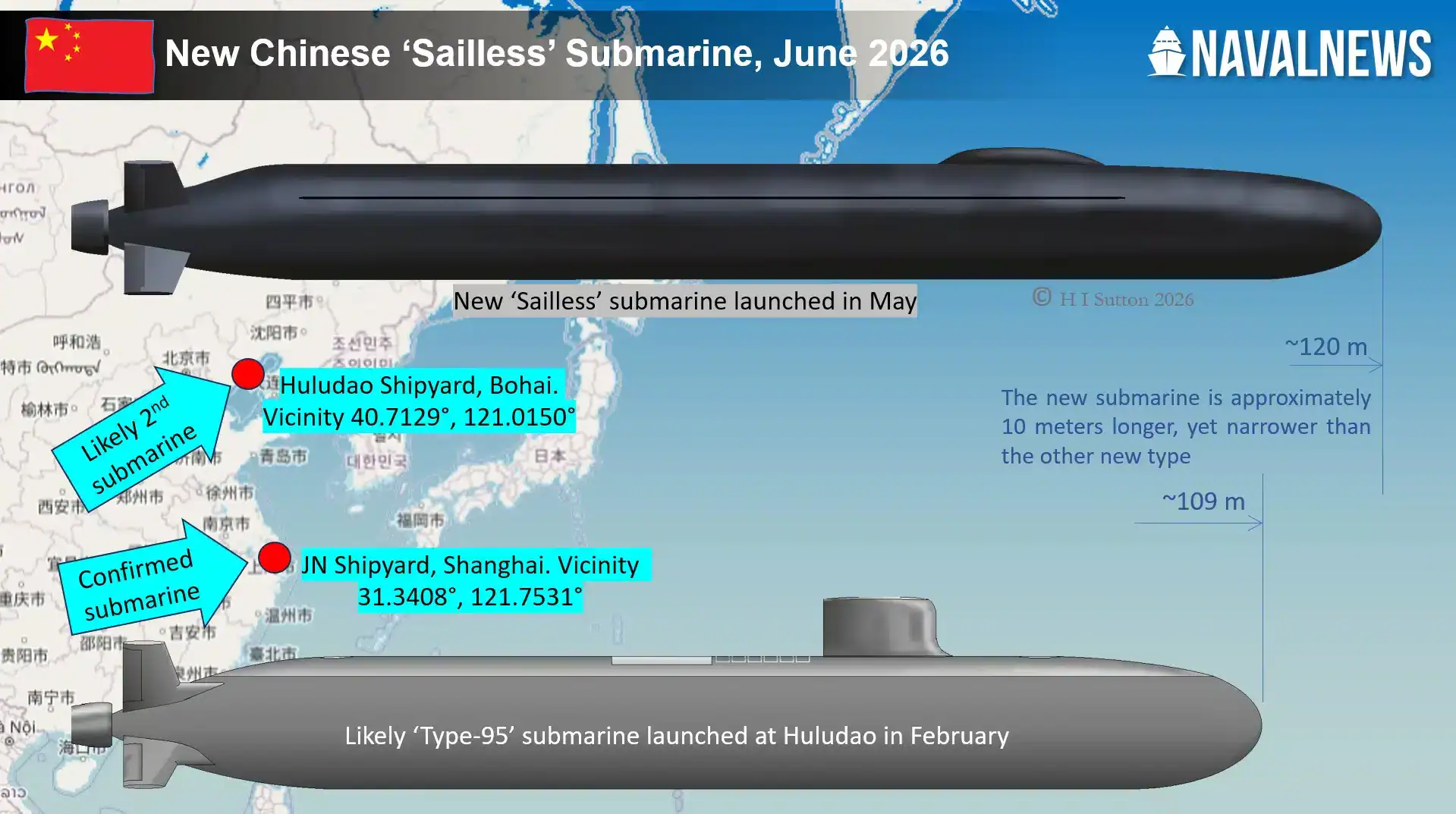
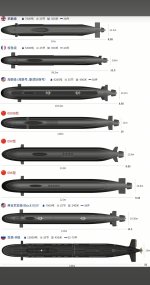
A graphic representation of the new Chinese submarine. Photo credits: H I Sutton/Naval News
Traditionally, China has not officially announced the launch of such submarines, and state media has provided no comment.
Key visible features include a streamlined bow, an X-shaped stern, and an extremely low profile above the waterline.
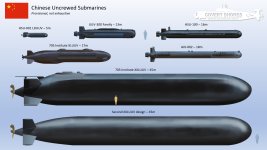
China has previously experimented with submarines without a sail, including prototypes built at the same shipyard. The configuration is believed to reduce hydrodynamic drag.
Around the same time, another submarine may have been launched at the Huludao shipyard in the Bohai Sea, which specializes in nuclear submarine construction.
Although unconfirmed, there is speculation that both submarines may belong to the same program.
According to estimates, the new submarine is approximately 120 meters long and 10-11 meters wide, making it longer but narrower than another recently launched submarine in Bohai. Analysts suggest it represents a new class of submarine.
It is considered unlikely that the platform is a strategic ballistic missile submarine (SSBN), as such a role would likely require a larger hull, particularly given the size of the JL-3 ballistic missile.
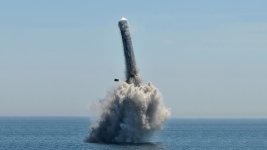
JL-3 intercontinental ballistic missile launch
At the same time, the submarine’s role and propulsion system remain unclear. Given its size, a nuclear power plant is considered the most likely option. If conventionally powered, it could become the largest non-nuclear submarine in the world.
China is also developing compact nuclear power systems in which a low-power reactor serves as an independent energy source without reliance on atmospheric air.
The concept resembles other air-independent propulsion (AIP) systems such as Stirling engines or fuel cells, but could potentially provide higher power output and near-unlimited endurance.
Earlier reports in January
stated that China had become the second-largest operator of nuclear submarines globally, surpassing Russia.
Satellite imagery has captured a previously unknown Chinese submarine featuring a new design that lacks a traditional sail (conning tower).This was reported by researcher H I Sutton in a Naval […]

militarnyi.com