CPEC News and Discussions

China unveils latest missiles, weapons at 2025 Victory Day Parade​


To view this content we will need your consent to set third party cookies.
For more detailed information, see our cookies page.

Wrong thread. Will be deleted
 

PM Shehbaz, Chinese premier reaffirm working on CPEC 2.0 in ‘most productive’ meeting


Prime Minister Shehbaz Sharif and Chinese Premier Li Qiang reaffirmed on Thursday to work together on the China-Pakistan Economic Corridor’s (CPEC) second phase in a meeting that the former termed “most productive”.

Pakistan and China share a longstanding strategic partnership with ties that span various sectors, including trade, energy, defence, and infrastructure. PM Shehbaz is currently on a six-day visit to China, where he attended the Shanghai Cooperation Organisation (SCO) summit held from August 31-September 1.

“Both sides also agreed to continue working closely on the next phase of upgraded CPEC 2.0, with its five new corridors,” said a statement today by the Press Information Department (PID) following the meeting in Beijing.

The prime minister highlighted the “significant contribution” of the CPEC in Pakistan’s socio-economic development in the past decade. He also stressed the need for early implementation of the Main Line-1 (ML-1) railway project, the Karakoram Highway realignment and operationalisation of the Gwadar Port.

In a post on X, PM Shehbaz termed the meeting “warm and most productive”.

“I also invited Chinese companies to enhance their investment footprint in Pakistan,” the premier said, noting the leaders’ agreement on advancing cooperation in information technology, agriculture, minerals, textiles and industry.

PM Shehbaz said: “I thanked the Chinese leadership & the people for their steadfast support to Pakistan’s socio-economic development, particularly through the successful implementation of CPEC, which was now entering its next phase.

“Inspired by President Xi Jinping’s visionary leadership, we remain committed to building a stronger Pakistan-China community with a shared future,” he added.


The PID statement noted the meeting was “warm and friendly”, with both leaders expressing their satisfaction at the positive trajectory of Pak-China relations.

PM Shehbaz expressed his “deepest gratitude to the Chinese leadership and nation for their unflinching support to Pakistan’s territorial integrity, sovereignty, and socio-economic development”.

Both leaders also attended the ceremony of sharing of Memorandums of Understanding (MoUs) and agreements signed related to the “development of CPEC 2.0, science and technology, IT, media, agriculture, etc”.

Recalling the “important consensus” reached between PM Shehbaz and President Xi Jinping in their Tuesday meeting, the statement noted that both premiers reaffirmed their “shared resolve to further strengthen the iron-clad, all-weather strategic cooperative partnership between Pakistan and China”.

“The signing of the Joint Action Plan 2024-2029 was deemed as an important step in this regard.”

The prime minister asserted that the government’s “tireless reform efforts were yielding promising results, made possible through China’s strong support”. In June, China rolled over $3.4 billion in loans to Pakistan to help boost Islamabad’s foreign exchange reserves.

PM Shehbaz also shared Pakistan’s intent to float Panda Bonds, a type of debt security issued by foreign entities denominated in Chinese yuan (RMB), in the Chinese capital market soon.

The prime minister briefed the Chinese premier on the Pakistan-China Business-to-Business Investment Conference held earlier today, where “more than 300 Pakistani and 500 Chinese companies were in attendance”.

He stressed the vast potential for B2B cooperation and investment, identifying agriculture, mines and minerals, textile, industrial sector and IT as priority areas for mutually beneficial economic collaboration.

PM Shehbaz reiterated Pakistan’s support for President Xi’s landmark initiatives to strengthen multilateralism, including the Global Governance Initiative, Global Development Initiative, Global Security Initiative and the Global Civilisation Initiative.

The delegation-level talks were followed by a sumptuous luncheon, hosted by Premier Li in honour of PM Shehbaz and his team, PID added. Both countries would celebrate the 75th anniversary of the establishment of Pak-China diplomatic ties next year, it noted.

The premier’s ongoing visit was expected to mark the formal launch of the second phase of the CPEC-II, which focuses on industrial cooperation.


PM Shehbaz later met Chinese Minister for Information Technology and Industry Li Lecheng and reiterated Pakistan’s vision of deepening bilateral cooperation with China in industries, agriculture, trade, ICT, mining and minerals.

PM Shehbaz hailed CPEC as a central pillar of Pakistan’s socio-economic development and expressed satisfaction at its steady progress in its second phase.

Admiring the government’s economic reform agenda, Minister Li emphasised that China regarded Pakistan as an “ironclad brother and All-Weather Strategic Cooperative Partner”.

He expressed China’s firm resolve to elevate bilateral relations to “new heights of cooperation and collaboration”.

The prime minister also held a series of high-level meetings with senior executives of China’s leading enterprises in Beijing.

He emphasised that industrial cooperation was the cornerstone of Pakistan-China economic cooperation and a “defining pillar” of CPEC’s development in its second phase.

He also invited Chinese companies to consider Pakistan as their preferred investment destination, particularly for relocating industries into special economic zones, saying that the country offered a “unique comparative advantage” with a large pool of skilled and cost-effective labour, competitive input costs and strategic connectivity to regional and global markets.


PM Shehbaz was also set to preside over the B2B conference, which was to “review the outcomes of the first edition, chaired by Shehbaz Sharif in Shenzhen in June 2024, and outline future plans”.

On Tuesday, at the sidelines of the SCO summit, PM Shehbaz and President Xi reaffirmed their commitment to strengthening their “iron-clad and all-weather strategic cooperative partnership”.

In his meeting with the prime minister, President Xi pledged support for Pakistan’s home-grown capacity for development, expressing readiness to build CPEC 2.0 and upgrade the China-Pakistan Free Trade Agreement, and step up cooperation in industries, agriculture, and mining sectors.

PM Shehbaz had stressed the “significance of the CPEC as a flagship project of President Xi’s Belt and Road Initiative (BRI) to help both countries to build an even stronger Pakistan-China community with a shared future”.

During his recent address at Tianjin University, PM Shehbaz reiterated that all endeavours and initiatives of the current government of Pakistan “closely align with Chinese President Xi Jinping’s vision and philosophy”.

The government has sent 1,000 agriculture graduates from Pakistan to China to learn modern techniques, while about 30,000 students from Pakistan have been getting education and training in China, the premier noted.
 
ISLAMABAD:
Pakistan and China have agreed to operationalise the China-Gwadar-Africa shipping corridor with five feeder routes and bonded warehouses for trade expansion under the five-year maritime action plan for 2025-2029.

Sources told The Express Tribune that the two countries are set to finalise the action plan aimed at regional trade corridor development.


Under this plan, Gwadar will be positioned as a model "Green Port." Feasibility studies will be completed, and short-route infrastructure will be developed alongside enhanced connectivity linking Gwadar with the Islamabad-Türkiye-Iran rail and road corridors.

Gwadar is to be developed as a trade hub for Central Asian Republics (CARs), Afghanistan, and West Asia with expanded transshipment facilities.

The two countries also plan to promote Gwadar Free Zone resource utilisation. A total of 15 industries will be developed in the North Free Zone, including seafood, dates, and tuna processing plants, along with petrochemical facilities.

Single Point Mooring connectivity will be expanded, while car manufacturing plants and other industries are expected to be relocated from China.


Memorandums of Understanding (MoUs) will be signed with Pakistani business entities for the operationalisation of Gwadar Port and Free Zone through joint cooperation and collaboration.

Additionally, Pakistan and China will launch blue economy training for 1,000 locals in fisheries, aquaculture, and logistics at the Gwadar Blue Economy Center. These initiatives are projected to generate 25,000 jobs, with a 30% contribution to Gwadar district's GDP by 2027.

Meanwhile, Federal Minister for Maritime Affairs Muhammad Junaid Anwar Chaudhry reaffirmed Pakistan's commitment to strengthening maritime cooperation with China, with the goal of positioning Gwadar as a key regional hub for trade and connectivity.

Chairing a meeting on the five-year maritime action plan for 2025-2029, Chaudhry outlined the framework's focus on advancing marine economy development, sustainable resource use, scientific research, and environmental protection under the China-Pakistan Economic Corridor (CPEC).

He described the initiative as vital for linking Pakistan with Afghanistan, Central Asia, the Middle East, and Africa, while emphasising major infrastructure projects such as Gwadar Port expansion, completion of Free Zone Stage II, and fast-tracking East Bay Expressway Phase II to improve accessibility. Integration of the New Gwadar International Airport with the port was also prioritised to strengthen multi-transit connectivity.

The framework promotes the adoption of electronic data interchange and smart port technologies to link Gwadar with Chinese and global shipping networks. It also includes the development of port-related industries, warehousing, and cold storage facilities to facilitate regional trade and transshipment.

Beyond infrastructure, the plan supports cooperation in science, industry, and tourism. Proposed initiatives include joint marine science research centres, CPEC Industrial Parks for fisheries, shipbuilding, and aquaculture, as well as maritime tourism ventures such as cruises and water sports along Balochistan's coast.

Education and sustainability are central to the plan, with academic partnerships and training exchanges between Pakistani and Chinese institutions aimed at developing skilled manpower in logistics, port operations, and fisheries. The plan aligns with Belt and Road's "green energy and ocean" goals to balance economic growth with environmental protection.

Chaudhry stressed that the 20252029 Action Plan demonstrates Pakistan's resolve to build a resilient maritime economy and consolidate strategic ties with China.
 

Pakistan, China agree to operationalise Gwadar-Africa trade corridor under five-year maritime action plan​


Agreement will enhance Gwadar's role as a regional trade hub, expanding industries and creating thousands of jobs, with an emphasis on connectivity to Central Asia, the Middle East, and Africa


Pakistan and China have agreed to operationalize the China-Gwadar-Africa shipping corridor under a new five-year maritime action plan for 2025-2029. The plan aims to expand trade routes and establish Gwadar as a leading regional trade hub, boosting connectivity with Central Asia, Afghanistan, and West Asia, The Express Tribune reported.


Federal Minister for Maritime Affairs, Muhammad Junaid Anwar Chaudhry, emphasized Pakistan’s commitment to strengthening maritime cooperation with China, particularly focusing on marine economy development, sustainable resource use, and environmental protection under the China-Pakistan Economic Corridor (CPEC).

Key infrastructure projects include the expansion of Gwadar Port, completion of Free Zone Stage II, and the fast-tracking of the East Bay Expressway Phase II to improve accessibility. The integration of the New Gwadar International Airport with the port is also a priority, facilitating multi-transit connectivity.


As part of the plan, five feeder routes and bonded warehouses will be developed to increase trade flow. Gwadar will also be transformed into a “Green Port,” with feasibility studies and infrastructure development underway.

Efforts will also focus on enhancing connectivity between Gwadar and key rail and road corridors, including the Islamabad-Türkiye-Iran routes.

The initiative includes the promotion of Gwadar Free Zone resource utilization, with plans to develop 15 industries in the North Free Zone.


These include seafood, dates, and tuna processing plants, alongside petrochemical facilities. Expansion of Single Point Mooring connectivity is also on the agenda, as well as the relocation of car manufacturing plants and other industries from China to Gwadar.

To support the development of Gwadar and its Free Zone, Pakistan and China will sign Memorandums of Understanding (MoUs) with local business entities for joint cooperation.

The plan also includes the launch of a blue economy training program for 1,000 locals in fisheries, aquaculture, and logistics at the Gwadar Blue Economy Center. These efforts are expected to create 25,000 jobs, contributing 30% to Gwadar’s GDP by 2027.
 
@Pakistan Ka Beta
To view this content we will need your consent to set third party cookies.
For more detailed information, see our cookies page.
 

Suez to Gwadar: The New TradeSuperhighway


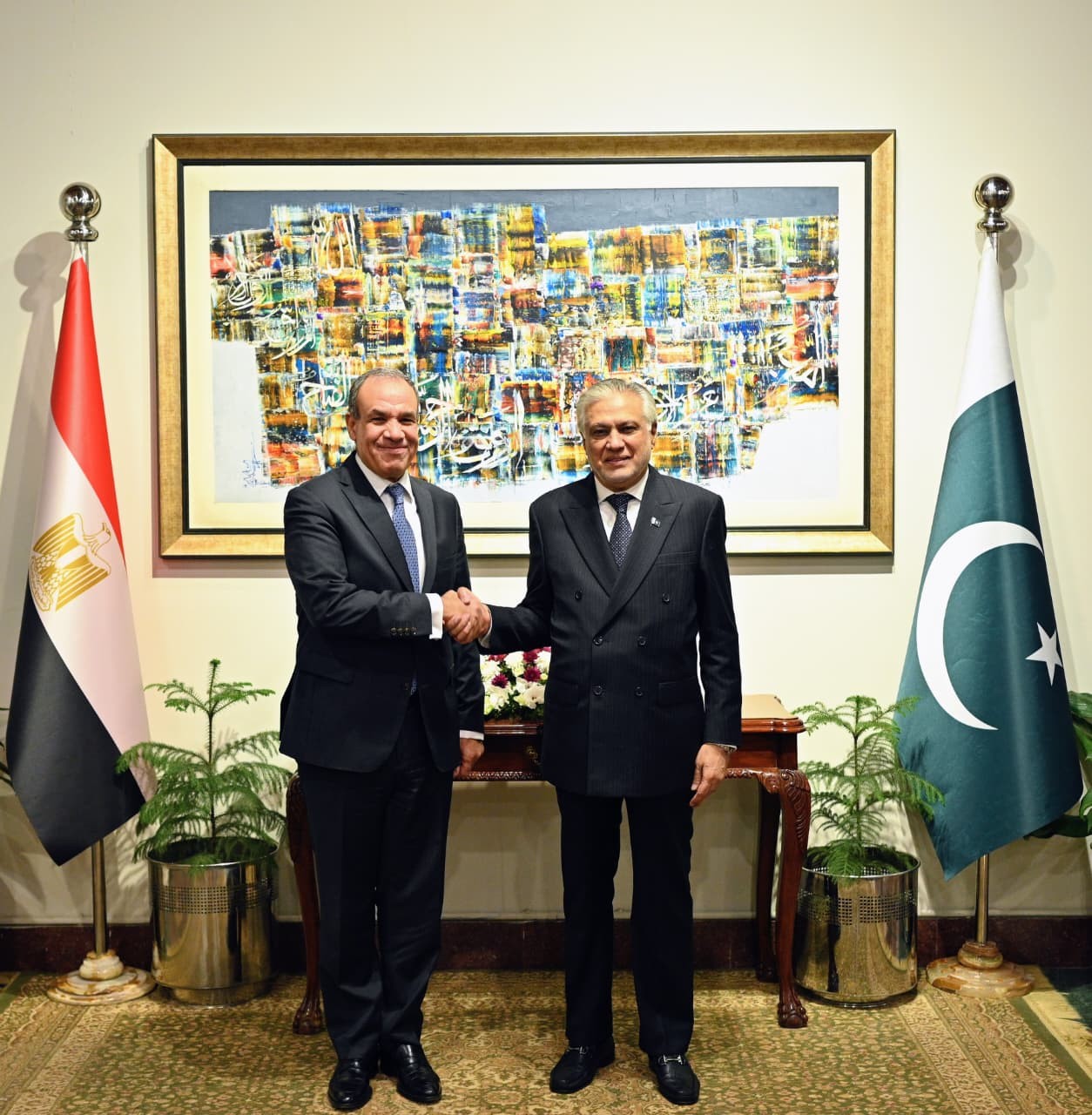
Egypt proposes strategic corridor linking Suez Canal zone with Pakistan’s Gwadar port

 
Try and capture Malabar coast?
No. Their dinghies don't go that far. Besides, unless they are carrying gold biscuits, the Mallus will pelt them with coconuts and drown them.
 
No. Their dinghies don't go that far. Besides, unless they are carrying gold biscuits, the Mallus will pelt them with coconuts and drown them.

Piracy on the high seas has always been technologically demanding and cutting edge.

Malabaris would welcome them as they welcomed Portuguese and the Dutch.
 
Piracy on the high seas has always been technologically demanding and cutting edge.

Malabaris would welcome them as they welcomed Portuguese and the Dutch.
Yes Indeed. The Malabaris are an inclusive and welcoming lot.
 
Yes Indeed. The Malabaris are an inclusive and welcoming lot.

How did you go from Mallus would pelt them and drown them like adivasis to inclusive and welcoming?
 

Users who are viewing this thread

Country Watch Latest

Latest Posts

Back
Top