Developments in armament and military industry in the Kingdom of Morocco

Some of the exhibits:

Locally manufactured IRIF drone with a range of 2000 km.

Electronic warfare and reconnaissance (ISR) aircraft, the latest in term of technology

Korean FA-50 training and combat aircraft; its radar alone surpasses that of any Russian fighter jet.

Locally manufactured Caracal rifles.

Locally manufactured piston and jet engines (for the production of cruise, suicide, and MALE drones).

Locally manufactured soldier equipment and optical systems in partnership with India and Pakistan.

Locally manufactured 6x6 and 4x4 armored fighting vehicles in partnership with ARQUUS.

Locally manufactured 30mm combat turrets and cruise missiles, a 120mm automatic mortar launcher, a 30mm turret with surface-to-air missiles, and an ATGM launcher.

Locally manufactured interceptor drones by ABA TECH and HARMATTAN AI MOROCCO.

Manufactured armored vehicles and drones by INKAS. Canadian locally

And frankly, the list is long..
 
Elbit Military Communication Systems Factory

+Developing command and control systems for the missile defense level
 
On the sidelines of Marrakech Air Show 2026, Minister of Industry and Trade, Mr. Ryad Mezzour, accompanied by the Ministry’s team, held a bilateral meeting with Ms. Zeynep Bodur Okyay, President & CEO of Kale Group. Discussions centered on developing industrial cooperation in turbojet propulsion technologies, defense components, and precision engineering. Both sides also explored opportunities to localize aero-engine parts manufacturing in Morocco and integrate local suppliers into the group’s global supply chains

 
#Exclusive. L3Harris promises the 25 Viper Shield for Morocco's new F-16s for early 2027

 
Morocco and Israel discuss establishing a joint defense industrial base and transferring military technology​

1794340803350.png

Morocco and Israel are discussing establishing an industrial defense base

On Monday, November 9, the Minister Delegate to the Head of Government in charge of National Defense Administration, Abdellatif Loudiyi, received the Director General of the Israeli Ministry of Defense, Amir Baram, at the Administration's headquarters in Rabat, in accordance with royal instructions. Baram is visiting Morocco on an official visit at the head of a high-level delegation.

During the same day, the Israeli official held two rounds of talks, one at the National Defense Administration headquarters and the other at the General Staff Headquarters of the Royal Armed Forces. These talks addressed various aspects of military cooperation between the two countries, according to a joint statement issued by the two institutions.

The discussions covered the legal framework governing this partnership, military equipment and supplies acquisition deals, the defense industry, and joint action plans.

During the meeting at the National Defense Administration, both Abdellatif Loudiyi and Amir Baram expressed their satisfaction with the level of cooperation achieved in the defense field between the two countries.

This cooperation is based on a legal framework that primarily includes the protection of classified and confidential military information and materials, as well as cybersecurity. This framework also regulates the exchange of expertise and experiences between the two sides, as well as training and qualification programs for personnel.

The two officials affirmed the progress made in the partnership related to the acquisition of military equipment and technologies, as well as in the defense industry. They also exchanged views on ways to deepen various areas of bilateral cooperation, with a particular focus on establishing a defense industrial base.

Developing cooperation in the field of cybersecurity was one of the topics discussed, as it is already covered by the legal framework governing relations between the two countries.

On the same day, the Inspector General of the Royal Armed Forces and Commander of the Southern Zone, Lieutenant General Mohamed Berri, received the Israeli official, Amir Baram, at the General Staff Headquarters of the Royal Armed Forces.

Both sides commended the positive momentum in bilateral military cooperation, particularly in the areas of strengthening military capabilities and equipment. This cooperation also extends to the exchange of expertise and experiences, training, and technical cooperation.

The meeting provided an opportunity to reaffirm the shared commitment of both parties to further deepen this cooperation through the implementation of the action plans adopted by the Joint Military Committee between the two countries.

According to the joint statement, this committee is a mechanism for exchanging information, coordinating efforts, and exploring new avenues for military cooperation between Morocco and Israel.

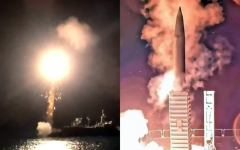
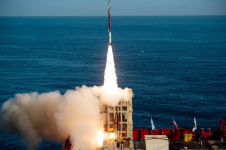
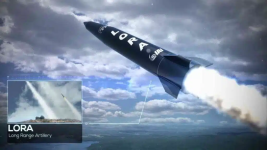
Morocco is considering acquiring Israeli LORA ballistic missiles and the David's Sling system.

1794340932294.png
The German Navy is testing Israel's LORA ballistic missile system in the North Atlantic, as seen in photos released on September 2, 2026. (Deutsche Marine/Instagram

Defense talks between Morocco and Israel are moving towards expanding cooperation in the field of armaments, with reports emerging of advanced negotiations for the acquisition of LORA ballistic missiles from Israel Aerospace Industries (IAI) and the David's Sling air defense system, developed by Rafael Advanced Defense Systems in collaboration with the American company Raytheon.

According to the Israeli newspaper Calcalist on October 8, 2026, negotiations regarding the LORA missiles have reached a very advanced stage, with the two sides nearing a preliminary agreement. The potential financial value of the deal and the number of missiles it might include have not been disclosed.

Reports indicate that the missile has a range of up to 500 kilometers, according to some estimates, while the manufacturer's technical specifications place its range between 90 and 430 kilometers. It is approximately 5.2 meters long, weighs around 1,600 kilograms, and has a declared accuracy of approximately 10 meters.

The LORA missile is distinguished by its ability to carry out long-range precision strikes against strategic targets. It can be launched from land and sea platforms, and an airborne version is also under development. Acquiring it would give the Royal Moroccan Armed Forces an enhanced capability to target military sites and strategic installations at long ranges.

The possibility of combining these missiles with Morocco's existing rocket artillery systems is also noteworthy, particularly the Israeli PULS multiple rocket launchers, some of whose ammunition has a range of up to 300 kilometers, and the American HIMARS systems, which Morocco is preparing to receive.

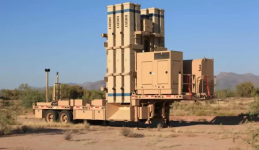
David's Sling System: Intercepting Ballistic Missiles up to 300 Kilometers

1794341054323.png

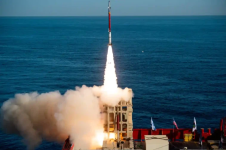
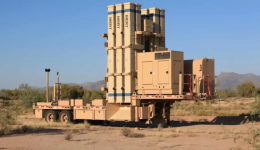
On the defense front, media reports in October 2026 revealed advanced talks between Morocco and Israel regarding the acquisition of the David's Sling system, produced by the Israeli company Rafael in cooperation with the American company Raytheon. No final contract has yet been signed, nor has the number of batteries or the financial value of the deal been announced.

The David's Sling system is capable of intercepting aerial targets at altitudes of up to approximately 75 kilometers.

The system relies on the Stunner interceptor missile, designed to counter ballistic missiles, cruise missiles, and advanced aerial threats. Its declared interception range is approximately 300 kilometers, with an engagement range starting at around 40 kilometers.

The missile utilizes an advanced guidance system that allows it to directly hit the target, instead of relying on a conventional warhead. The system also employs the ELM-2084 radar to provide detection, tracking, and interception guidance capabilities.

If the deal is finalized, the system will complement Morocco's air defense network, which already includes Israeli systems such as the Barak MX with a range of up to 150 kilometers, the medium-range SPYDER system, the Chinese FD-2000B system with a declared engagement range of approximately 200 to 250 kilometers, and the French VL MICA short-range system with a range of approximately 20 kilometers.

Defense Manufacturing and Technology Transfer

These negotiations come within the context of Morocco's move to expand its defense partnership with Israel, moving beyond simply importing ready-made weapons to include local manufacturing, assembly, maintenance, and technology transfer.

In this context, Abdellatif Loudiyi discussed with the Director General of the Israeli Ministry of Defense, Amir Baram, during his visit to Rabat on November 9, 2026, the possibility of establishing a defense industrial base, as well as developing cooperation in the acquisition of military equipment and technologies, cybersecurity, training, and the exchange of expertise.

These talks come amid growing industrial and military cooperation between the two countries, with reports indicating that the value of Israeli defense exports to Morocco has exceeded two billion dollars since the beginning of the current decade, in parallel with the participation of eight Israeli companies specializing in defense industries in the Marrakech Air Show 2026.
 
• Israel’s Rafael unveiled a new cruise missile called “Super Ice,” capable of being launched from land and sea platforms as well as fighter jets such as the “-35F,” “F-16,” and “F-15” without requiring major modifications. As a larger, more powerful version, the missile belongs to the Ice Breaker and Sea Breaker missile family. It carries a warhead weighing around 454 kilograms, compared with around 113 kilograms in the previous generation. The missile has a longer range and high subsonic speed, surpassing the previous generation, which had a range exceeding 300 kilometers. It has a very low observable (VLO) radar signature and flies at low altitudes with terrain-following capabilities to evade radar. It also relies on autonomous navigation and is resistant to jamming.


Morocco is interested in the Ice Breaker and Sea Breaker as well as the Super Ice
 
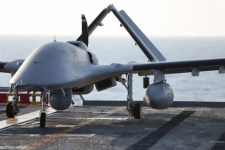
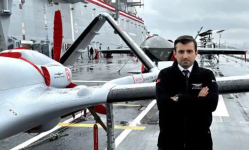
Morocco receives Turkish Bayraktar TB3 drones with combat capabilities and a control range of up to 2,000 km​

1794421602996.png

In a new development that enhances the capabilities of the Royal Moroccan Armed Forces in the field of unmanned aerial vehicles (UAVs), Morocco has received a new batch of Turkish-made Bayraktar TB3 armed drones. This deal was anticipated since the aircraft was showcased to Moroccan military representatives at the Marrakech Air Show in 2024.

The Bayraktar TB3 is a larger and more advanced version of the TB2. It belongs to the category of medium-sized armed drones and is distinguished by its ability to carry a payload of up to 300 kg distributed across six hardpoints, compared to approximately 150 kg across four hardpoints on the Bayraktar TB2. This gives it a greater capacity for carrying out combat and reconnaissance missions.

The introduction of this drone into service reflects Morocco's trend towards expanding its arsenal of Turkish aerial systems, having previously acquired Bayraktar TB2 and Akinci drones. The TB3 is the latest addition to this family, pending the entry into production and export of the Kızılılma stealth drone.

Turkish company Baykar had already signaled Morocco's interest in these systems at the 2024 Marrakech Air Show, when it displayed its Akinci, TB2, and Kizil Elma drones alongside the Moroccan flag. The TB3, however, was not featured in the same way. At the 2026 show, the company returned to display the same systems, this time including the TB3 in the group bearing the Moroccan flag, a move seen as an indication of growing cooperation in this field.

The Bayraktar TB3 offers the Royal Armed Forces enhanced capabilities, particularly in surveillance, reconnaissance, and targeting missions, including strengthening monitoring operations in the southern regions and the buffer zone, especially if a large number of these drones are acquired.

1794421685145.png

One of the most prominent features of the new version is its satellite control capability, allowing for missions beyond line of sight. The control range from the ground command station is approximately 300 kilometers, while this can increase to nearly 2,000 kilometers when using satellite communications. The drone also boasts an endurance of up to 24 hours of continuous flight.

In terms of equipment, the TB3's missions extend beyond airstrikes to include intelligence, surveillance, reconnaissance, and electronic warfare. It can be equipped with electronic intelligence systems capable of detecting enemy radio signals and communications, and locating radars and electronic broadcasting sources.

It can also be fitted with an advanced radar system for detecting and tracking land and sea targets, as well as for mapping land areas. Furthermore, it can be equipped with electro-optical targeting systems that enable target detection and monitoring day and night at long ranges.

Among the equipment that can be integrated into this drone are sonar buoys, which enable it to perform tasks related to monitoring the marine environment and detecting submarines, thus expanding its use to include maritime operations in addition to land operations.

As for armament, the Bayraktar TB3 can carry a variety of missiles and guided munitions, including munitions designed to strike targets at ranges of up to 150 kilometers, depending on the type of weapon used. This gives it a greater ability to carry out strikes from outside the range of some short- and medium-range air defense systems.

With this step, Morocco continues to enhance its capabilities in the field of Turkish drones, following its acquisition of Akinci drones, in addition to an additional deal that included six Bayraktar TB2 drones, before moving on to a more advanced category with greater weapons capability and the ability to perform long-range missions.

The Kizil Elma, the stealth combat drone developed by Baykar, remains one of the most prominent Turkish systems expected to attract Morocco’s attention in the future, especially with the progress of the testing program and the approaching transition to serial production and export phases.
 
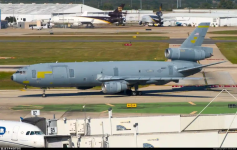
Morocco and Egypt are on the cusp of owning the American monster KC-10.. A giant plane changes the capabilities of the two countries' air forces​


1794422128694.png

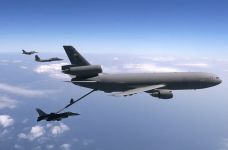
Reports and documents released by the US Air Force have reignited questions about which country will be the first to enter the era of giant refueling aircraft in North Africa: Morocco or Egypt? This comes after the Air Force revealed it has begun assessing the technical requirements of countries shortlisted for a potential deal involving four retired KC-10 Extender refueling aircraft, under the Surplus Defense Equipment Program.

While the identity of the recipient country has not yet been officially announced, sources indicate that Morocco appears to be the frontrunner, given its progress in negotiations to acquire these aircraft. Egypt remains a strong contender, particularly as it currently lacks dedicated strategic fuel tankers.

According to specialized military websites, the significance of the potential deal lies in the KC-10's substantial operational capabilities. With a fuel capacity of approximately 161 tons and a maximum range of around 18,500 kilometers, the aircraft would grant the acquiring air forces greater capacity to conduct long-range air operations with less frequent return to base.

One of the most prominent advantages of this aircraft is its direct compatibility with F-16 fighter jets, which are needed by the air forces of both Morocco and Egypt. The aircraft utilizes a rigid-arm aerial refueling system (a flexible hose ending in a small basket into which the fighter jet inserts the refueling probe), a system compatible with these fighters. This allows for extended flight endurance and a wider range of independent air operations.

A third advantage relates to fleet sustainability and reduced operating costs. The proposed plan calls for operating only two of the four aircraft, with the remaining two designated as spare parts suppliers. This aims to reduce maintenance burdens and extend the operational lifespan of the two operational aircraft.

Egypt and Morocco appear poised to join the ranks of militaries possessing giant refueling aircraft. These strategic assets are not only important for supporting fighter jets but also grant the possessing nations greater capacity to enhance their air power, solidify their logistical depth, and expand their air superiority within their regional sphere of influence.

What will the KC-10 add to the capabilities of the Egyptian and Moroccan air forces?
1794422244552.png

If the deal goes through, the acquisition of KC-10 aircraft by Egypt and Morocco would represent a significant addition to the Royal Moroccan Air Force's capabilities, particularly in conducting extended air operations and enhancing its ability to manage military missions far from its air bases.

Possessing strategic fuel tankers allows fighter jets and other military aircraft to continue operations for longer periods without having to stop and return to bases for refueling, a time-consuming process that can pose additional risks in complex operational environments.

This capability is especially important for Morocco given its strategic geographic location and the breadth of its security and military interests, stretching from the Atlantic coast in the west and the Mediterranean Sea in the north, to its Sahara Desert in the south and its strategic ties to the Sahel region, which constitutes a vital security and geopolitical depth for the Kingdom.

This capability is also of strategic importance to Egypt, given its geographical location linking Africa and Asia, its control of the Mediterranean and Red Seas, and the extension of its security and military interests to the Eastern Mediterranean, the Red Sea, and the Horn of Africa, reaching as far as the strategic depth of Libya, Sudan, and the Sahel region. Protecting the Suez Canal and securing maritime routes and strategic shipping lanes necessitates long-range air capabilities, enabling the Egyptian Air Force to conduct extended operations and provide air support to forces deployed in widely dispersed theaters of operation, without constant reliance on nearby air bases.

These geographical factors also compel Morocco to develop its air and logistical capabilities to address evolving security challenges, particularly in light of the changing nature of terrorist threats and the adoption by armed groups of new and sophisticated methods and tactics in their operations.

In this context, the importance of possessing advanced military systems that keep pace with the rapid transformations in the nature of regional and international threats is increasing. These systems would grant the armed forces greater mobility and rapid response capabilities, enabling them to conduct military operations over long distances while maintaining continuous air operations without being confined to a limited geographical area.

This comes at a time when the Moroccan air force has witnessed remarkable development in recent years, both in terms of fighter jets and drones. Morocco has worked to diversify its fleet of unmanned aerial vehicles (UAVs) and develop its capabilities to conduct advanced operations combining reconnaissance, surveillance, tracking, target identification, and precision strikes.

These capabilities have demonstrated, on more than one occasion, the importance of integrating various operational and technological fields within a comprehensive military system, thereby improving the efficiency of military mission execution.

Morocco's approach is not limited to acquiring advanced military equipment; it extends to developing local aerospace and defense industries. This reflects the Kingdom's desire to acquire the knowledge, expertise, and technology related to this sector, ultimately strengthening its independence in manufacturing and managing military operations.

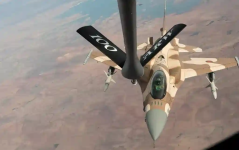
How will the modernization of the Moroccan air force affect the balance of power in North Africa?
1794422299901.png

Air superiority is a fundamental element in determining the outcome of modern military operations. Possessing advanced air capabilities gives nations broader options for conducting operations, addressing threats, and countering enemy attacks.

However, the nature of warfare has undergone significant changes in recent years. Traditional armies alone are no longer capable of keeping pace with all emerging threats, especially with the widespread proliferation of drones and the development of their offensive and reconnaissance capabilities.

Modern military conflicts have demonstrated that countering low-cost drones with interceptor missiles costing millions of dollars imposes a substantial financial burden on nations, particularly when the targeted drones cost only tens or thousands of dollars.

Consequently, developing more flexible and precise military systems and relying on advanced technology has become essential for enhancing the efficiency of armed forces and reducing the costs of confronting modern threats.

Furthermore, the reliance on unmanned systems empowers militaries to execute missions while minimizing the risks to military personnel.

Conversely, reducing risks to soldiers and pilots alleviates the political and public pressures associated with participation in military operations and grants decision-makers greater latitude in managing military missions.

From this perspective, countries that have successfully developed their smart systems and enhanced their technological capabilities possess additional advantages that extend beyond simply carrying out military strikes. These advantages include expanding their geographical reach, improving their rapid response capabilities, and increasing their flexibility in dealing with evolving threats.

Why is Morocco moving towards manufacturing military equipment locally?

The Moroccan military project is not limited to purchasing equipment and weapons from abroad. It is increasingly focused on building a local defense industrial base, leveraging investments and partnerships that international companies have begun developing within the Kingdom.

Through these partnerships, Morocco seeks more than just financial investments in the military sector. One of its primary priorities is the transfer of technology and industrial expertise, enabling the development of its local capabilities in the areas of manufacturing, maintenance, and military development.

Technology transfer is a crucial element in enhancing Morocco's competitiveness within its regional environment, as it allows the country to gradually shift from relying on imported military equipment to acquiring a greater share of the technical expertise necessary for its production and development.

Furthermore, developing military and defense industrial capabilities strengthens Morocco's international standing, particularly given its partnerships with major powers in the fields of defense and military technology.

Strategically, possessing advanced military capabilities contributes to bolstering deterrence and reducing the likelihood of the country being exposed to threats or engaging in armed conflicts by raising the cost of any potential escalation against it.

This development enhances the Kingdom's ability to protect its territory, national security, and strategic gains, and reinforces its image as a nation with growing military and technological capabilities, capable of safeguarding its interests.

The implications of this transformation are not limited to the military sphere; they extend to foreign policy and diplomacy as well. Possessing more sophisticated instruments of power grants Morocco greater flexibility in addressing regional and international issues and strengthens its ability to defend its positions and contribute to efforts to achieve stability and peace in the region.
 
1794422912423.png

The Israeli Defense Minister arrived in Morocco on Monday for a visit aimed at strengthening defense and military ties between the two countries. He is scheduled to meet with the Minister Delegate in charge of National Defense Administration, Abdellatif Loudiyi, as well as officials from the General Staff of the Royal Moroccan Armed Forces.

The anticipated talks will focus on expanding military and security cooperation, particularly in the areas of cybersecurity, the development of offensive and defensive systems, and the transfer of military technology and expertise, thereby enhancing the defense partnership between the two sides.

Among the topics to be discussed are the negotiations for the acquisition of LORA ballistic missiles from Israel Aerospace Industries (IAI) and the David's Sling air defense system from Rafael Advanced Defense Systems, in cooperation with the American company Raytheon.

These developments coincided with the visit of Amir Baram, Director General of the Israeli Ministry of Defense, to Morocco on Monday, November 9, 2026. During his visit, he held talks with Abdellatif Loudiyi, Minister Delegate in Charge of National Defense Administration, and Lieutenant General Mohamed Berriz, Inspector General of the Royal Armed Forces and Commander of the Southern Zone, at the General Staff Headquarters of the Royal Armed Forces.

The meeting addressed ways to develop military cooperation between the two countries, particularly in the areas of acquiring military equipment and technologies, establishing a defense industrial base in Morocco, cybersecurity, protecting classified information and military equipment, as well as exchanging expertise, training, and technical cooperation, and implementing the action plans approved by the Joint Military Committee.

1794422936817.png

1794422967118.png

Among other systems..
 

Users who are viewing this thread

Pakistan Defence Latest

Latest Posts

Back
Top