European Defence News and Discussions

Russia is ready to help China in the energy sector — Russia Today​

Sergey Lavrov stated that the two countries have the opportunity to deepen cooperation in the energy sector independently of external pressures.

14:14 / 15.04.2026

Russia is ready to help China in the energy sector — Russia Today

Russia is ready to increase energy supplies to China. This was announced by Russian Foreign Minister Sergey Lavrov at a press conference in Beijing on Wednesday.

Citing Lavrov's words, Russian news agencies reported that the anticipated visit of Russian President Vladimir Putin to China will take place in the first half of the year. The newspaper "Vedomosti," citing its sources, wrote that this visit will be carried out during the week starting May 18.

Chinese leader Xi Jinping met with Lavrov on Wednesday, reaffirmed friendly relations towards Moscow, and emphasized the need for China and Russia to strengthen mutual trust, deepen cooperation, and protect each other's interests.

Furthermore, US President Donald Trump is also scheduled to meet with Xi Jinping on May 14–15 during his first visit to China in eight years.

According to Lavrov, Russia is ready to provide additional energy supplies to China and other countries to compensate for the energy shortage resulting from the crisis in the Middle East.

"Russia can compensate for the resource shortages faced by China and other countries cooperating with us on an equal and mutually beneficial basis," said the minister.

He also stressed that Russia and China have sufficient capabilities to avoid dependence on US efforts to influence global energy markets through conflicts in the Middle East.

According to Lavrov, existing, reserve, and planned capacities allow for avoiding such pressures, and this is one of the factors that negatively impacts the global economy.

 
That's reassuring by Russia. China can also increase oil and gas supplies from central Asian countries if needed.
 
China helped Russia survive the harsh western sanctions. Now it's Russia's turn to return the favor.
Putin needs money to sustain the war.
Trump needs money to sustain the war.
A pho costs $2, but war is not cheap. A war like Ukraine or Iran costs 1 trillion or more dollars.
 
To view this content we will need your consent to set third party cookies.
For more detailed information, see our cookies page.
 
Putin needs money to sustain the war.
Trump needs money to sustain the war.
A pho costs $2, but war is not cheap. A war like Ukraine or Iran costs 1 trillion or more dollars.

Instead of costing trillion dollar war, China will rather invest trillion dollar to leapfrog its cutting edge technologies into another level which might become totally unrecognizable from now.

I cannot imagine how weak the US will look in front of China within a decade.
 
Instead of costing trillion dollar war, China will rather invest trillion dollar to leapfrog its cutting edge technologies into another level which might become totally unrecognizable from now.

I cannot imagine how weak the US will look in front of China within a decade.
War is like golf, something for rich people.
They have money, they have nothing else to do.
 
War is like golf, something for rich people.
They have money, they have nothing else to do.

When they cannot break through the new cutting edge technologies, they will go to war as a distraction.

The US cannot afford to lose its supremacy to China, therefore the Iran war will serve as a smokescreen to disrupt the entire world.
 
When they cannot break through the new cutting edge technologies, they will go to war as a distraction.

The US cannot afford to lose its supremacy to China, therefore the Iran war will serve as a smokescreen to disrupt the entire world.
Time for Europe to get independence.
There is a German saying “hat die Kuh Langeweile, geht sie aufs Eis“. Trump treats friends and alles as useful idiots. He just forgets, without them the US is just a regional power, not superpower. Without supporting from allies the US will never win the war against Iran.
 

Spain proposes four Navantia Alfa 4000 ships by 2031 for Sweden's Luleå-class frigate competition​


Navantia Chief Operating Officer Gonzalo Mateo-Guerrero officially disclosed a €3 billion commercial offer for the Swedish Luleå-class frigate program. Announced on April 16, 2026, this strategic proposal includes the delivery of four Alfa 4000 ships by 2031 to significantly enhance the maritime defense capabilities of Sweden within the NATO alliance. The new Swedish frigate will provide a sixfold increase in displacement compared to the current Visby-class corvettes, extending endurance and expanded mission profiles in the Baltic Sea.

The proposed Alfa 4000 frigate features a 4300-tonne displacement along with a 16-cell vertical launch system for surface-to-air missiles and advanced sonar suites for anti-submarine warfare. Navantia intends to integrate domestic Swedish technology, including Saab combat management systems and national weapons, to ensure sovereign control over fleet operations. This bid enters a high-stakes competitive field alongside the French FDI design and the Saab Babcock Arrowhead 120 as Stockholm prepares for a final supplier selection in early 2026.


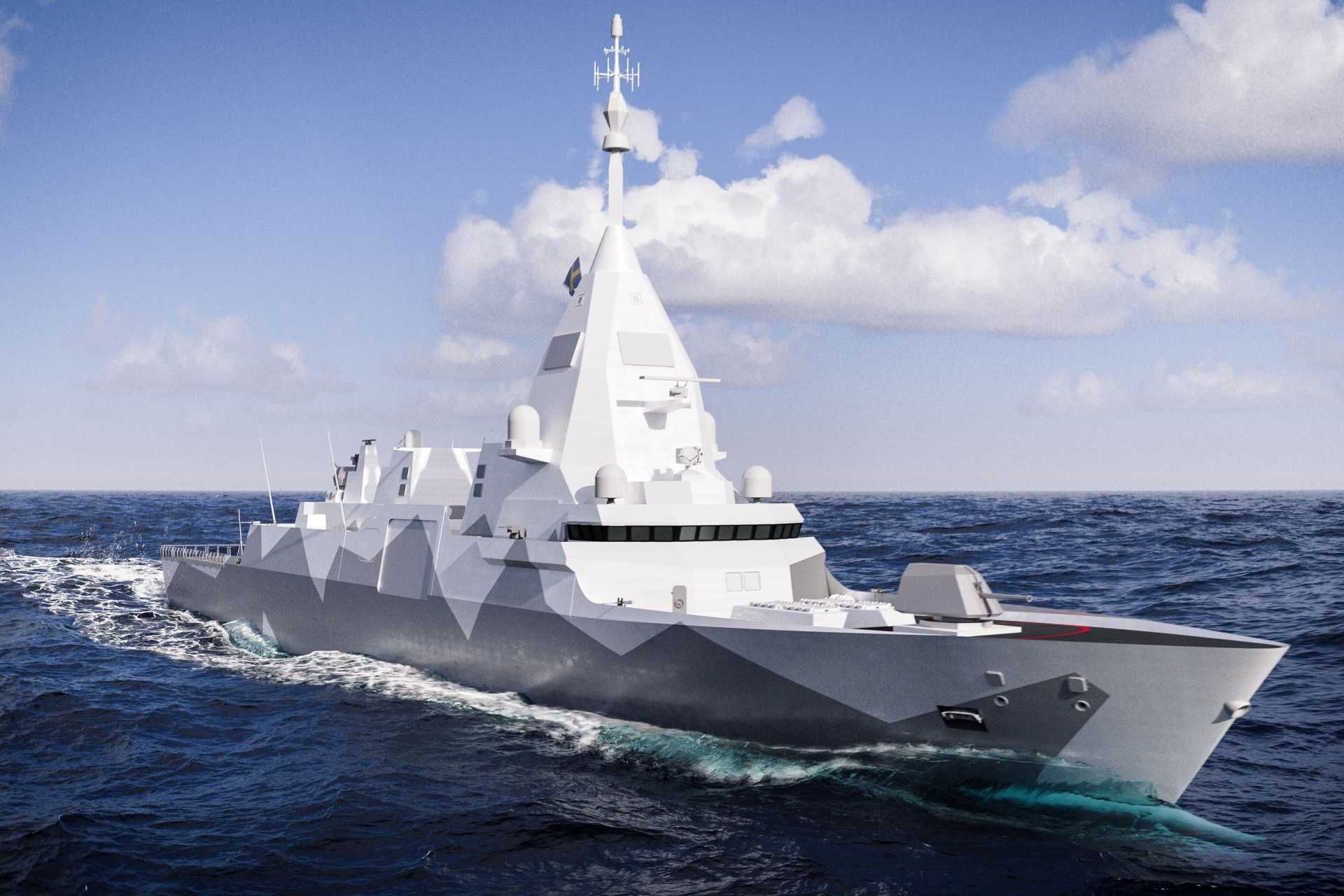
The Alfa 4000 is a 120-meter, 4,300-ton multi-domain frigate with a 16-cell vertical launch system for air defense, long-range anti-ship missiles, and integrated hull and towed sonars for anti-submarine warfare alongside a hangar for medium helicopters like the NH-90 or SH-60. (Picture source: Navantia)

The Alfa 4000 is a 120-meter, 4,300-ton multi-domain frigate with a 16-cell vertical launch system for air defense, long-range anti-ship missiles, and integrated hull and towed sonars for anti-submarine warfare alongside a hangar for medium helicopters like the NH-90 or SH-60. (Picture source: Navantia)

In an interview with Dagens Nyheter on April 16, 2026, Navantia Chief Operating Officer Gonzalo Mateo-Guerrero disclosed the Spanish company’s commercial offer for Sweden’s Luleå-class frigate program, setting a price of €3 billion, equivalent to about SEK 33 billion, for four completed ships delivered without missiles, torpedoes, or long-term support. He also indicated that the final cost could increase depending on the scope of the contract, including whether weapons and maintenance are incorporated, and that the previous contract estimate was within a higher overall cost range of SEK 40 to 60 billion, equivalent to €3.6 to €5.4 billion.


Navantia also announced on April 13, 2026, its commitment to deliver two units to Sweden by 2030 and two additional ships by 2031, as Stockholm prepares to select a supplier in early 2026. The two competing proposals include France's Naval Group with the FDI frigate and Saab in partnership with Babcock on the Arrowhead 120. The Luleå-class's requirement framework specifies ships longer than 120 meters, displacing between 3,000 and 4,500 tonnes, and entering service with an initial operational capability target of 2030. The Swedish requirement has been restructured between 2023 and 2024, reducing the planned fleet from five to four ships while maintaining the objective of replacing the Visby-class corvettes.

The ships displace about 650 tonnes, while Luleå-class vessels are expected to be in the 4,000-tonne category, increasing displacement by a factor of six and enabling extended endurance and expanded mission profiles. The operational requirement also defines three primary roles: air defense based on vertical launch systems, anti-submarine warfare using hull-mounted and towed sonar systems, and surface warfare with anti-ship missiles. The delivery schedule requires two ships by 2030 and the remaining two within a 2030 to 2035 window, reflecting constraints linked to Sweden’s NATO integration after March 7, 2024, and the need to secure Baltic Sea maritime routes under alliance planning timelines.


The Alfa 4000 proposed by Navantia is specified at about 4,300 tonnes full load, with an overall length close to 120 meters and a beam of about 16.2 meters. Using a combined diesel-diesel propulsion system with electric assist through PTO and PTI modes to enable both propulsion and low acoustic operation for anti-submarine missions, the Spanish frigate can reach speeds above 27 knots and a range of about 4,500 nautical miles at 15 knots. The ship is configured for a crew between 100 and 150 personnel, depending on mission configuration, and supports a single medium helicopter such as NH-90 or SH-60 with a hangar and flight deck. Designed for an endurance of about 30 days, the Alfa 4000 is positioned below larger frigates like the 5,700-tonne Type 31 while remaining close to the 4,460-tonne FDI.

The combat system of the Alfa 4000 includes a vertical launch system (VLS) with 16 cells for surface-to-air missiles, with missile type left open to Swedish selection and likely aligned with ESSM-class interceptors, supported by a 3D radar and electronic warfare systems for detection and countermeasures. Surface warfare capability includes between 8 and 16 anti-ship missiles compatible with systems such as RBS-15 and a main gun in the 57 mm or 76 mm class, depending on the customer's requirement. For the third requirement, anti-submarine warfare, the Alfa 4000 integrates a hull-mounted sonar, a towed array sonar, and helicopter-based sensors linked through the combat management system to enable coordinated targeting.

The Spanish frigate is also equipped with two triple torpedo launchers, one close-in weapon system (CIWS), as well as two 30 mm or 40 mm guns complemented with decoy launchers. However, like the FDI, the 16-cell VLS capacity limits sustained air defense compared to vessels equipped with 32 cells, therefore constraining engagement depth in high-intensity scenarios. As noted by Gonzalo Mateo-Guerrero, the cost structure for the Luleå-class program separates the frigate acquisition from combat systems and lifecycle elements, with a baseline price of €750 million per ship for the hull and onboard systems excluding weapons and support.


Earlier Swedish program estimates ranged between SEK 40 and 60 billion, equivalent to €3.6 to €5.4 billion, resulting in a total unit cost between €0.9 and €1.3 billion once missiles, torpedoes, integration, and long-term maintenance are included. This difference logically indicates that non-hull components account for a significant share of total expenditure, estimated between 30 and 70 percent, reflecting the whole cost of sensors, weapons, integration, and sustainment over the operational life of the ships.

The industrial model proposed by Navantia includes the integration of Swedish systems such as Saab’s 9LV combat management system, national sensors, RBS-15 anti-ship missiles, and torpedoes, while allowing hull construction outside Sweden and concentrating domestic work on system integration, outfitting, and long-term support within Swedish facilities. This approach aligns with Sweden’s industrial strategy, which prioritizes control over combat systems and operational support rather than domestic hull construction. This also follows a precedent where hulls are built abroad and completed domestically, preserving high-value industrial competencies while reducing the requirement for local shipbuilding infrastructure.

The delivery schedule proposed by Navantia requires a four-year interval between contract award in 2026 and delivery of the first ship in 2030, which is shorter than the six to eight years typically observed for European frigate programs. Unlike the other two proposals, the Alfa 4000 has not yet been built and therefore lacks an operational reference, introducing possible uncertainties for Swedish planners about design maturity, system integration sequencing, and configuration changes required to meet Swedish specifications. Achieving this schedule requires either a mature design at contract signature or acceptance of concurrency between design and construction.


Both of them increase the exposure to integration risks, particularly in areas such as propulsion systems, combat system architecture, and overall configuration management during the build process, similar to the Constellation-class frigate in the U.S. In the competitive context, the Alfa 4000 is evaluated alongside Naval Group’s FDI frigate, which entered French service in October 2025 with a displacement of about 4,460 tonnes and 16 vertical launch cells (a system which will be upgraded to 32 cells in the future), and the Saab/Babcock Arrowhead 120 design (a shorter variant of the Type 31 frigate), which falls within a displacement range of about 4,000 to 4,650 tonnes with up to 16 VLS cells and modular internal arrangements.

For now, Sweden assesses cost, industrial participation, delivery timelines, and technical risk before a final decision expected in early 2026. To remain neutral, the Alfa 4000 offers the lowest disclosed unit cost but carries higher uncertainty due to the absence of an in-service reference, while the FDI provides a proven configuration with a higher level of design maturity but without any disclosed price and the Saab-Babcock proposal emphasizes domestic industrial participation on a design still under development, creating for the three frigates a trade-off between cost, maturity, and industrial considerations.

Written by Jérôme Brahy

Jérôme Brahy is a defense analyst and documentalist at Army Recognition. He specializes in naval modernization, aviation, drones, armored vehicles, and artillery, with a focus on strategic developments in the United States, China, Ukraine, Russia, Türkiye, and Belgium. His analyses go beyond the facts, providing context, identifying key actors, and explaining why defense news matters on a global scale.
 
To view this content we will need your consent to set third party cookies.
For more detailed information, see our cookies page.
 

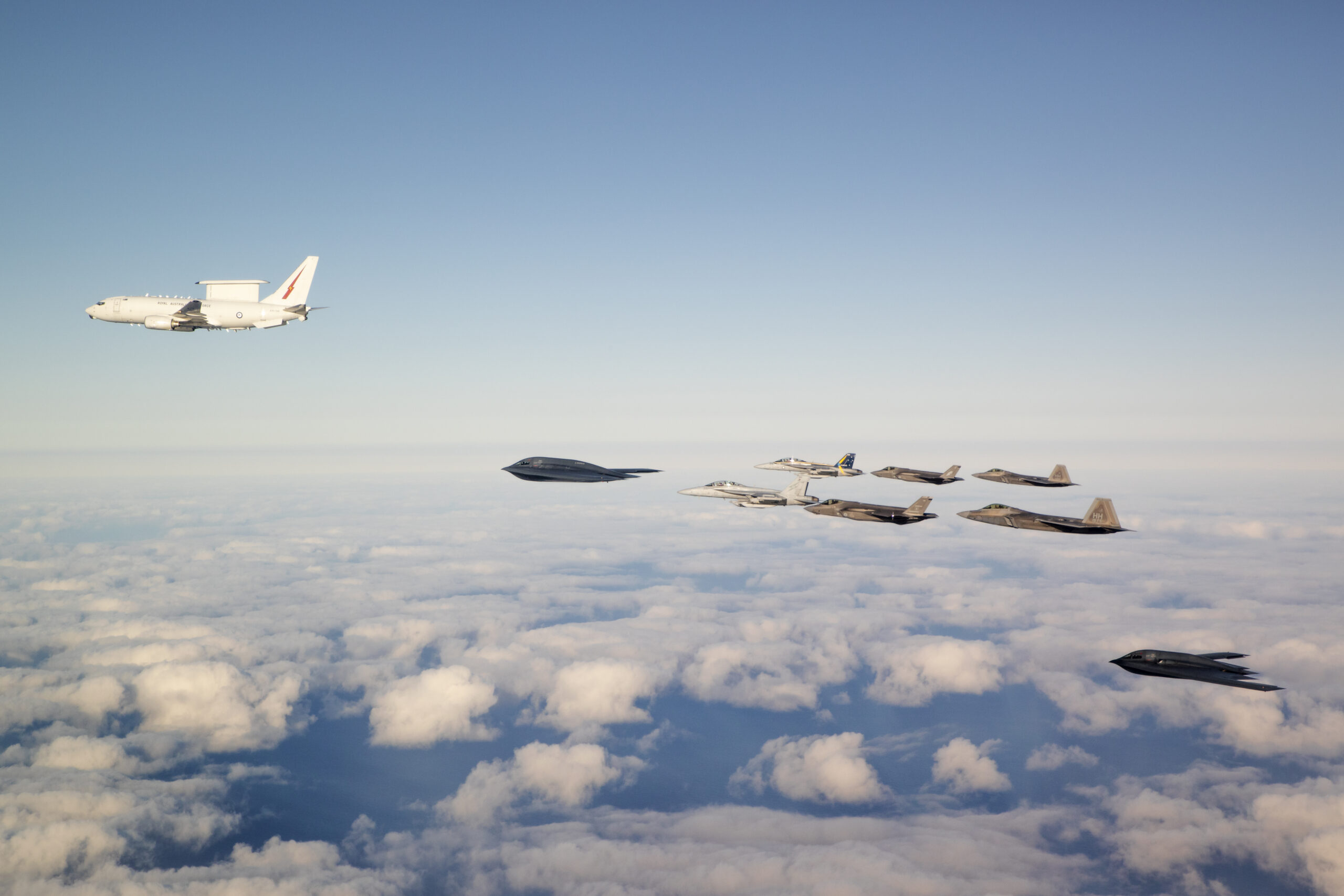
NATO eyes Swedish Saab GlobalEye to replace 14 E-3 AWACS planes in historic shift from the U.S.​


- Interesting news if it happens. It shows how well thought out PAFs investment was in the Swedish platform was, that now NATO will potentially purchase a derivative of PAFs version.

Also the USAF said it was not interested in more new E7's which may have been a factor too in the decision ?


Norway becomes first foreign operator of Leopard 2A8 tanks as Germany begins delivery​


Germany has begun delivering Norway’s Leopard 2A8NOR main battle tanks, making Norway the first foreign operator of the latest Leopard 2A8 variant and significantly strengthening NATO’s armored capabilities on its northern flank. This development comes as Arctic security gains importance amid rising tensions with Russia.

The new tanks introduce advanced firepower, digital connectivity, and active protection systems designed to counter drones and modern anti-tank threats. Their integration into Norway’s forces enhances long-range engagement capability and supports increasingly networked, multi-domain operations in high-intensity conflict environments.

Related topic: Lithuania to assemble 41 Leopard 2A8 tanks following new agreement with Germany

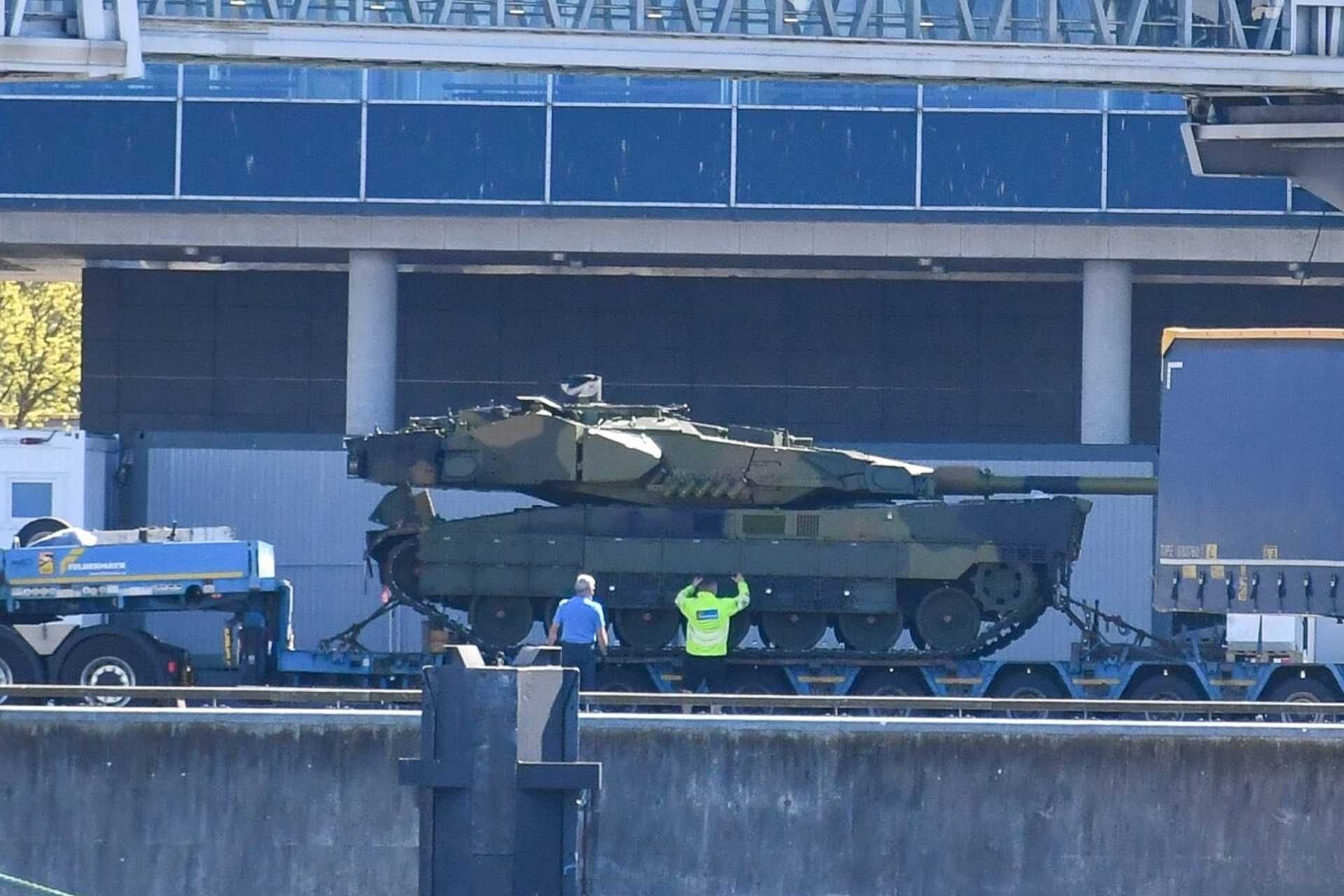
Industrial distribution divides assembly between 37 Leopard 2A8NORs to be completed in Norway by Ritek in Levanger, and 17 units delivered fully assembled from Germany. (Picture source: Kieler Nachrichten via X/@front_ukrainian)

Industrial distribution divides assembly between 37 Leopard 2A8NORs to be completed in Norway by Ritek in Levanger, and 17 units delivered fully assembled from Germany. (Picture source: Kieler Nachrichten via X/@front_ukrainian)

On April 27, 2026, the Kieler Nachrichten photographed the first two Leopard 2A8 NOR main battle tanks during their transfer to Norway, confirming the start of the delivery phase for a procurement approved by the Norwegian parliament in 2023 and valued between NOK 23 and 23.4 billion, equivalent to about €2 billion. The tanks were produced in Germany and transported by road to the port of Kiel before being loaded onto the ferry Color Fantasy for shipment to Oslo, using established heavy transport routes capable of handling vehicles approaching 69 tons. The tanks will then move onward to Rena Camp, where a formal presentation is scheduled for April 30, 2026, in the presence of Norwegian Ministry of Defence officials.

The total program covers 54 Leopard 2A8NOR tanks, with deliveries planned from 2026 through 2028. This presentation will mark the transition from the industrial rollout phase, which began with factory completion in 2025, to initial fielding within the Norwegian Army. The procurement contract was signed in February 2023 with KNDS Germany as prime contractor, initially covering a Leopard 2A7NO configuration before a switch to the Leopard 2A8NOR (or 2A8 NOR) after requirement changes introduced a new baseline standard. The firm order consists of 54 tanks, with an additional option for further units that has not been exercised as of April 2026.

Production is divided between 37 units assembled in Norway by Ritek in Levanger, Trøndelag, and 17 units delivered fully assembled from Germany. Additional industrial participants include Kongsberg, responsible for electronic architecture and integration systems, Teleplan Globe for navigation components, and Nammo for ammunition supply continuity. The contract also includes spare parts packages, training systems, and simulators intended to support long-term sustainment. The industrial structure is designed to increase Norway's control over maintenance, integration, and future upgrades rather than relying entirely on external suppliers.

The Leopard 2A8NOR differs from the standard Leopard 2A8 primarily through its electronic and digital architecture. The core change is the Kongsberg-developed ICS, also referred to as CORTEX, which manages internal data routing across subsystems and external communication with other combat elements. This system integrates additional components, including the FACNAV navigation system from Teleplan Globe and the NorBMS battlefield management system. These elements form a national C4ISR architecture embedded at the vehicle level, modifying internal data flow rather than operating as external add-ons.

The structural implication is that the tank’s electronic architecture is reconfigured to support continuous data exchange with other units and command structures. This enables real-time connectivity between sensors, command networks, and weapon systems across multiple domains. The integration extends beyond tank-to-tank communication to include artillery, air assets, and other ground units. The fire control system is fully digital and stabilized, allowing accurate firing while the vehicle is moving and integrating multiple sensor inputs into a single targeting solution.

The system includes thermal imaging sights for both gunner and commander, a laser rangefinder, and a ballistic computer capable of applying real-time corrections based on environmental data. Engagement ranges are typically within 4 to 5 kilometers, consistent with current main battle tank standards. The FCS also supports laser designation of targets followed by immediate transmission of coordinates to other units, including tanks, artillery systems, and combat aircraft. This function enables coordinated engagement cycles where one unit identifies a target and another executes the strike. The Leopard 2A8NOR tank is therefore integrated into a broader targeting network that includes air defense systems, artillery, rocket artillery, sensors, and drones.

This reduces the time between detection and engagement and allows distributed fire control across multiple platforms in joint fires coordination. The protection follows the Leopard 2A8 new-build standard, using modular composite armor designed to address multiple threat types while allowing replacement or upgrade of armor modules. Protection coverage prioritizes the frontal arc while including modular side protection and enhanced roof protection compared to earlier Leopard variants. This armour is designed to counter kinetic energy penetrators and shaped-charge warheads, reflecting the primary threats faced by heavy armoured units.

The 2A8 also includes the EuroTrophy active protection system, which uses radar arrays to detect incoming threats and countermeasure launchers to intercept them before impact. The threat set addressed by this system includes anti-tank guided missiles, rocket-propelled grenades, and drone threats. As demonstrated by the Leopard 2A7A1, the integration of active protection with passive armor creates a layered defense architecture, which allows future adjustments to protection levels based on evolving threat assessments. The Leopard 2A8NOR's firepower remains consistent with the standard Leopard 2A8, centered on the 120 mm Rheinmetall L55A1 smoothbore cannon with a barrel length of about 6.6 meters.

The gun fires various NATO ammunition, including armor-piercing fin-stabilized discarding sabot (APFSDS) rounds and programmable high-explosive ammunition. The barrel and chamber are designed to withstand higher pressures than earlier L44 and L55 variants, allowing improved ballistic performance. Effective engagement range exceeds 4,000 to 5,000 meters, depending on ammunition type and environmental conditions. The gun is also designed to operate within a digital targeting environment where data from multiple sensors can be used to improve accuracy. Using the MTU MB 873 Ka-501 engine producing about 1,500 hp and a Renk HSWL transmission, the Leopard 2A8NOR retains the capabilities of the Leopard 2A8, such as river crossing, despite a combat weight of approximately 68 to 69 tons.

Norwegian adaptations in this domain are focused on operation in cold-weather environments, although no structural changes to the engine or drivetrain have been confirmed. This maintains compatibility with other Leopard operators and simplifies logistics and training requirements. Within the Norwegian Army, the Leopard 2A8NOR will replace the 36 Leopard 2A4NOs that have been in service since the early 2000s. The primary formation will be the Brigade Nord, with deployment across northern Norway in the Troms region and at the Rena training and readiness hub. 15 tanks are allocated here, including 13 assigned to the Telemark Battalion and two dedicated to training functions. Operational readiness for Rena-based units is expected in 2027, with northern units reaching readiness in 2028 as deliveries continue.

Written by Jérôme Brahy

Jérôme Brahy is a defense analyst and documentalist at Army Recognition. He specializes in naval modernization, aviation, drones, armored vehicles, and artillery, with a focus on strategic developments in the United States, China, Ukraine, Russia, Türkiye, and Belgium. His analyses go beyond the facts, providing context, identifying key actors, and explaining why defense news matters on a global scale.
 
How Germany will looks like in 2027 after taking over by the AFD. Will be exciting.
To view this content we will need your consent to set third party cookies.
For more detailed information, see our cookies page.
 
How Germany will looks like in 2027 after taking over by the AFD. Will be exciting.
To view this content we will need your consent to set third party cookies.
For more detailed information, see our cookies page.

Where have I seen this before?
 
Folks.....reminder......reposts of Twitter posts should be in English or have the ability to translate the original language to English.
 

Users who are viewing this thread

Back
Top