European Defence News and Discussions

Russia’s military activity has Japan fearing a dual-front war

Japan scrambled its fighter jets 448 times in nine months last year. Most of the intercepts involved Russian or Chinese aircraft

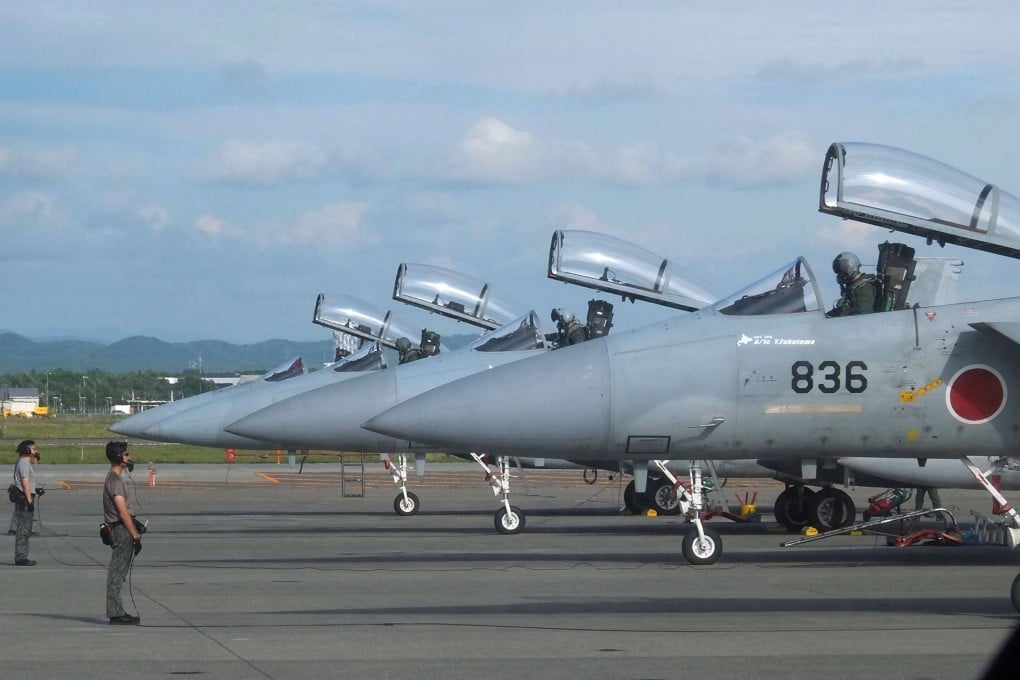
F-15J Eagle fighter aircraft of the Japan Air Self-Defence Force prepare for take-off at Chitose Air Base, Hokkaido prefecture, in 2017. Photo: AFP

Maria Siow
Published: 12:22pm, 27 May 2026Updated: 3:53pm, 27 May 2026

Japan’s call to maintain “impeccable” defences on its northern frontier reflects Tokyo’s deepening concern over growing Russian military activity in the region, analysts say.

They also point to rapid north-south troop deployment exercises as preparation against a potential “diversionary operation” around Hokkaido: a scenario in which Russia could open a second front if Japan were already focused on a crisis with China in the south.

During a visit to military bases in Hokkaido on Saturday, Defence Minister Shinjiro Koizumi expressed alarm over Russia’s increasing military activities in its Far East region, saying this made strengthening the defence of Japan’s northernmost main island essential.

Russia’s military posture in the Far East region “is a cause for serious concern along with its strategic cooperation with China”, broadcaster NHK quoted Koizumi as saying.

“Even as the importance of strengthening the defence of the southwestern regions grows, Hokkaido remains a vital region, and it is necessary to continue maintaining an impeccable defence system here,” he added.

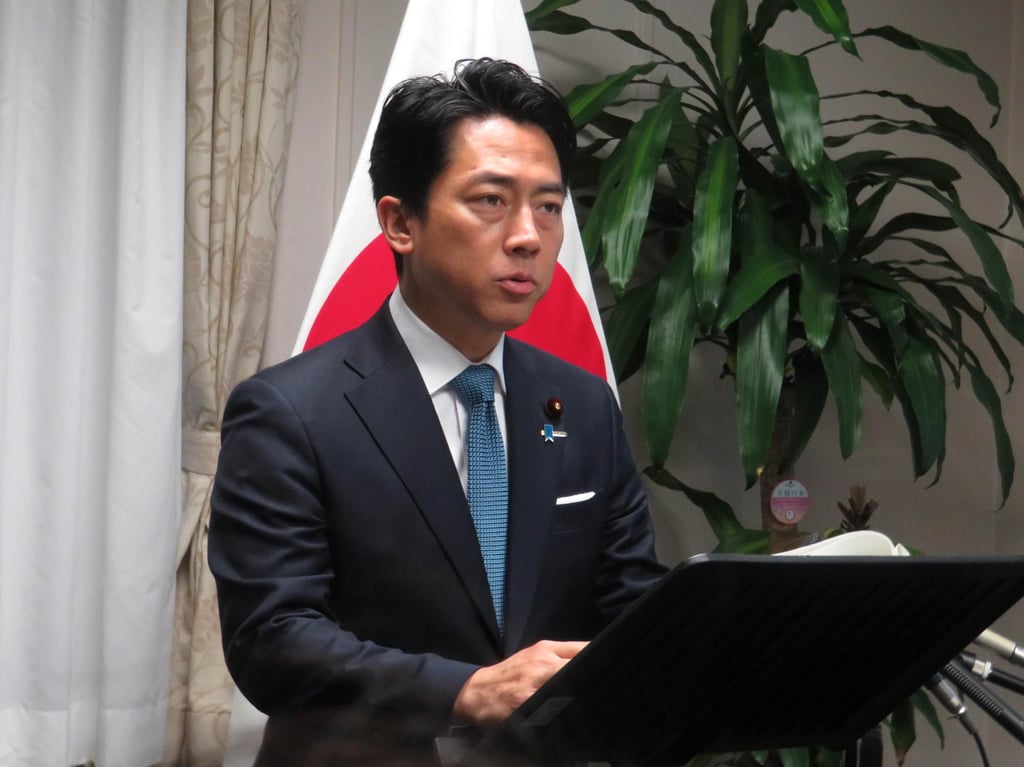
Japan’s Defence Minister Shinjiro Koizumi holds a press conference on May 19. He has called Russia’s military posture around Japan “a cause for serious concern”. Photo: Kyodo

Japan’s Defence Minister Shinjiro Koizumi holds a press conference on May 19. He has called Russia’s military posture around Japan “a cause for serious concern”. Photo: Kyodo

Koizumi had earlier visited the Self-Defence Force’s Makomanai Garrison in Sapporo and Chitose Air Base, around 40km (25 miles) to the southeast.
 

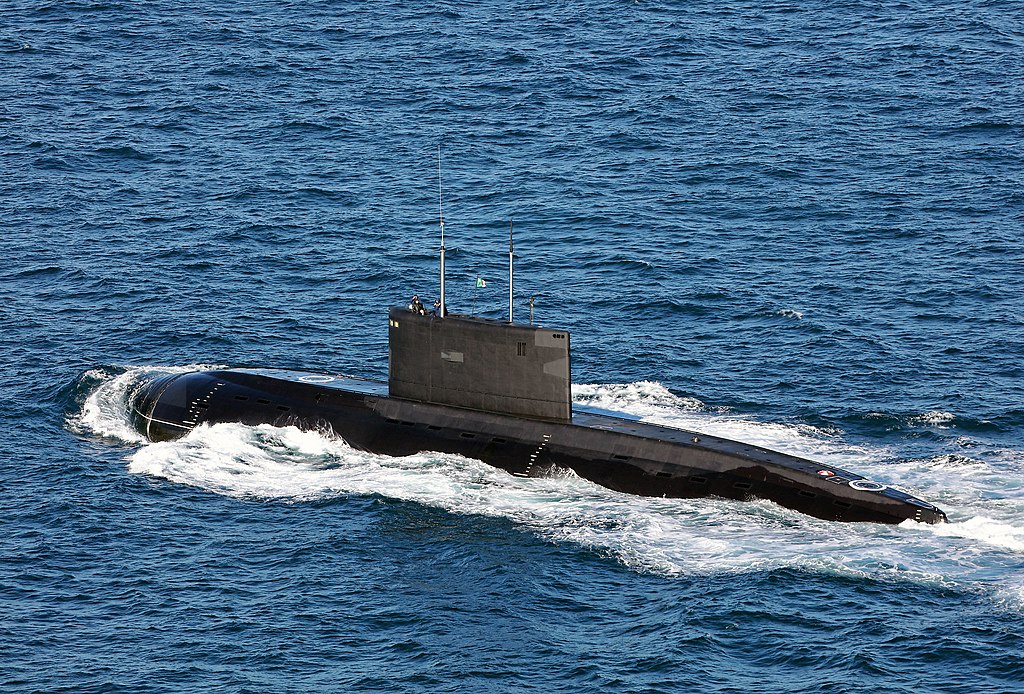
Japan scrambles troops as Putin sends nuclear submarines “to support China”

May. 29 2026

Rysk ubåt
LA(Phot) Guy Pool / Wiki Commons

When you live next door to a massive military power, you pay attention to the small noises across the fence.

Governments watch these subtle shifts closely, moving their own security forces just in case. A quiet chill is settling over the water.

Eyes on the north​

Japanese officials are growing anxious. Moscow is steadily building up a formidable military footprint across the Far East. And Tokyo is reacting fast.

Defence Minister Shinjiro Koizumi recently toured military bases on the island of Hokkaido. He observed that Moscow is teaming up with Beijing in ways that demand immediate attention from local commanders. This sudden shift has everyone on edge.

According to the Japanese broadcaster NHK, Koizumi stated that Russia’s military posture “is a cause for serious concern along with its strategic cooperation with China”.

He made it incredibly clear that the northern island needs heavy protection right now. NHK quoted him saying, “Even as the importance of strengthening the defence of the southwestern regions grows, Hokkaido remains a vital region, and it is necessary to continue maintaining an impeccable defence system here.”

Shifting the troops​

Tokyo is not just watching from afar. The government is quickly rushing armed units toward the Russian border to secure the entire area. It is a massive logistical challenge.

Weapons are already piling up near the Sea of Okhotsk. Moscow recently placed Su-35 fighter jets and heavy missiles on disputed islands right off the Japanese coast.

Shingo Nagata is a visiting researcher at Kanazawa University. He explained that Hokkaido is now a primary shield for the country. Speaking to the Daily Express, he stated, “In light of these mounting tensions, Hokkaido has undoubtedly become the forefront of Japan’s national defence, alongside the southwestern region.”

Preparing for a crisis
Japanese ground forces are actively practicing rapid troop movements to handle the strain. They want to be ready for complex, overlapping conflicts.

Nagata suggested these ongoing drills are meant to counter a specific Russian tactic. He warned of a potential “diversionary operation around Hokkaido to support China during a crisis”.

The looming threat extends deep underwater. Russia is currently expanding its nuclear submarine facilities on the Kamchatka peninsula. They are planning entirely new deep-sea operations.

The South China Morning Post reported that Koizumi highlighted the arrival of the new submarine Khabarovsk. The minister told the publication, “The movements of Russia’s nuclear submarine fleet will remain a major security concern for Japan.”


This is something I have been reading about fir some time now

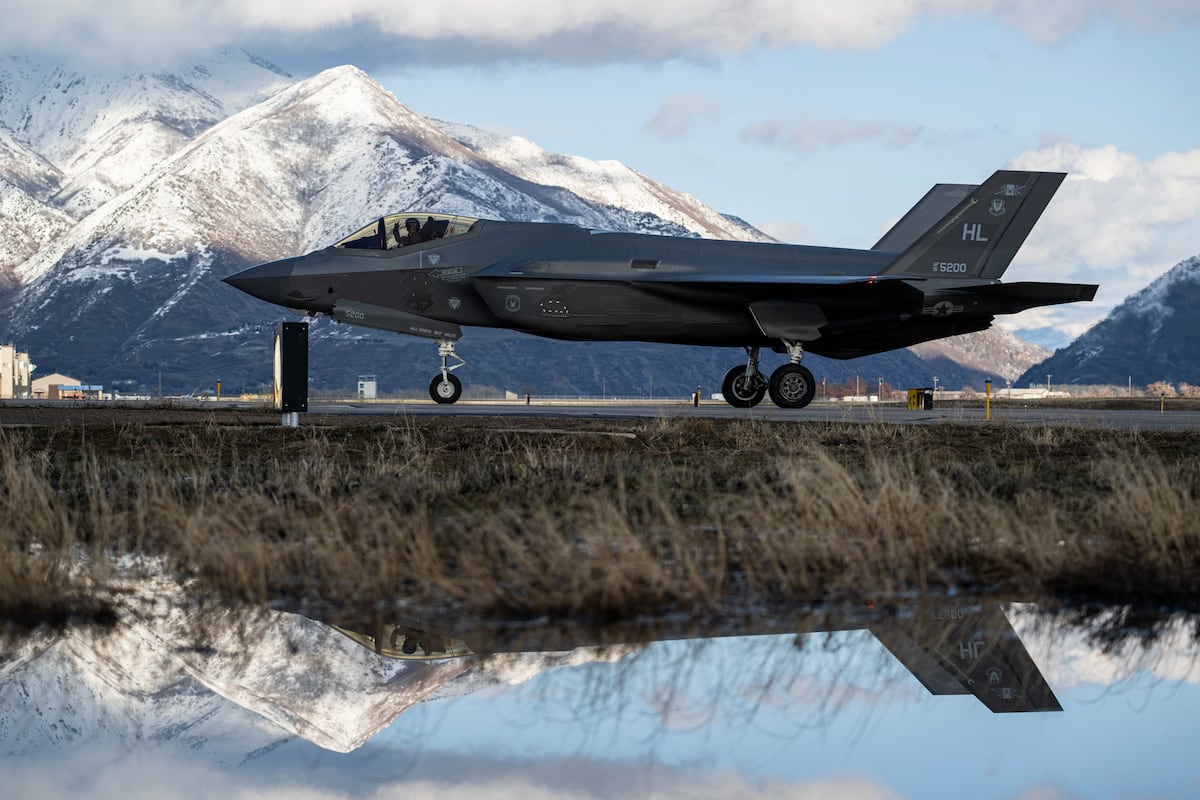
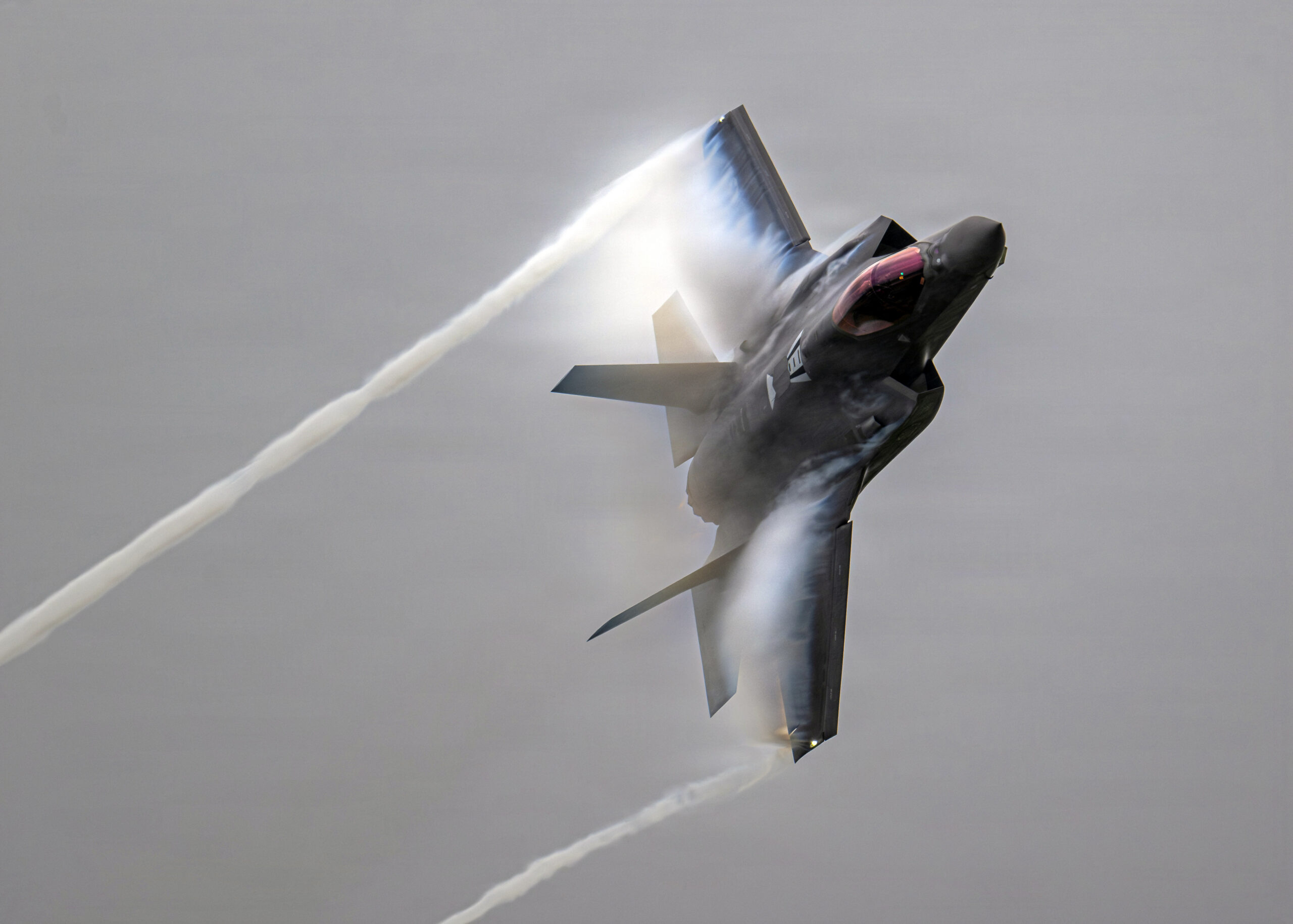
How the 5th generation fighters are horrendous maintenance nitemares with non availablity 24/48 hours after each flight

To house fly and maintain F35 fleet is horrendous

Hence why the likes of Israel order more F15 eagle albeit heavily upgraded versions
 
  • Sad
Reactions: Waz

The other big issues is the weapons load is too limited

Israeli use F15 to obliterate targets savings F35 for highly specialised roles only
 
--Germans and Japanese today think the world is still in the WW II era when the Axis powers can beat up the world esp China, lol. Or dreaming that today's
China is similar to 1985 Japan. Sore losers.


Why Germany’s Push for a Plaza Accord with China is a Historical Miscalculation


Nanmoon

2 days ago



Berlin is apparently feeling nostalgic for the 1980s.

Chancellor Friedrich Merz recently suggested that Europe needs a modern-day Plaza Accord to deal with China. He argues the Renminbi is artificially suppressed by thirty percent. He talks about “overcapacity” flooding European markets. It is a classic move. When you cannot compete, blame the other guy’s currency.

But let us be clear about what the Plaza Accord actually was.

Back in 1985, the United States did not ask Japan nicely to change its exchange rate. It was a demand backed by economic gravity. Japan was a security dependent. It hosted American troops. It needed Washington’s approval to exist as a major power. When the U.S. said jump, Tokyo asked how high.

That is not the world we live in anymore.

China is not a security dependent. It does not host foreign troops. Its central bank does not take calls from Brussels or Berlin telling it how to set monetary policy. Suggesting a coordinated squeeze on the Renminbi today is like suggesting you can hold back the tide with a pitchfork. It is a lot of effort for zero results.

The irony here is thick enough to cut with a knife.

Merz complains about a three-hundred-sixty-billion-euro trade deficit. What he carefully avoids mentioning is the service sector surplus Europe enjoys. In 2025, China actually ran a service trade deficit of forty-eight point three billion dollars with the EU. European firms raked in over ten billion dollars just from licensing patents and intellectual property.

So, the story is not that Europe is losing money. The story is that Europe is buying physical goods but selling high-margin services and technology. That is usually how you want the trade balance to work. But that does not sound as scary as screaming about deficits, so the politicians ignore it.

Then there is the ghost of Japan.

Everyone points to the Plaza Accord as the reason Japan stagnated. That is only half the picture. Japan’s mistake was not just letting the Yen rise. Their mistake was the reaction. To offset the pain of a stronger currency, the Bank of Japan slashed interest rates to the floor. Money poured into real estate and stocks because there was nowhere else to go. They built a house of cards.

Europe seems to think China is just waiting to repeat that mistake.

They are wrong. China watched that happen. They studied it. They have capital controls. They have firewalls. They have an entire playbook dedicated to not becoming Japan. If Europe tries to pop a bubble in China, they will find the Chinese system is designed to absorb external shocks, not amplify them.

Let us talk about this “overcapacity” nonsense.

China makes better and cheaper electric vehicles. They make better and cheaper solar panels. They make better and cheaper batteries. That is called being good at your job. If a German factory cannot compete because its energy costs are triple those of a Chinese rival, that is not a currency problem. That is a European energy policy problem.

It is like losing a race and demanding the winner wear heavier shoes. It does not make you faster. It just makes the sport worse for everyone.

The structural issues in Europe are painful to admit.

Natural gas prices are still sky-high compared to the rest of the world. The workforce is aging rapidly. Labor laws make it nearly impossible to fire anyone, which makes companies terrified to hire anyone new. Regulations pile up like snowdrifts. This is the reality of the European economy.

No amount of currency manipulation will fix a broken regulatory state.

Imagine if Merz actually got his way. Suppose the Renminbi suddenly shot up by thirty percent. What happens on the ground in Munich or Milan?

Everything gets more expensive. The electronics. The appliances. The components that go into European cars and machines. European inflation, which is already a persistent headache, would spike again. The average household would see their purchasing power vanish.

And for what? So that European companies, which have been shielded from competition for decades, can finally face the music? That is not a recipe for a comeback. That is a recipe for a recession.

There is a deeper strategic blindness here.

Europe is trying to use tools from the 20th century to fight a 21st-century competitor. The U.S. could bully Japan because Japan needed the U.S. market more than the U.S. needed Japan. China has the largest consumer market in the world. It does not need Europe the same way Japan needed America.

If Europe pushes too hard, China will simply pivot harder to the Global South. They will sell their EVs in Southeast Asia, Africa, and Latin America. They will build out the infrastructure there. Europe will end up with higher prices and no access to the fastest-growing markets on earth.

It is a self-inflicted wound waiting to happen.

The real tragedy is that this is a distraction. Instead of fixing the energy grid, reforming the pension systems, or investing in AI research, European leaders are playing geopolitical dress-up. They are pretending they are the United States in 1985, when in reality they are more like a wealthy retiree yelling at the neighbors to get off their lawn.

The Plaza Accord was a specific tool for a specific time. It worked because the power dynamic was absolute. Today, that dynamic is gone. The multipolar world does not allow for such simple diktats.

If Europe wants to compete, it needs to build better products. It needs to streamline its bureaucracy. It needs to get its energy costs under control. Blaming the Renminbi is just a way to avoid doing the hard work.

Because at the end of the day, you cannot tariff your way to prosperity. And you definitely cannot devalue your way out of a productivity crisis.


To view this content we will need your consent to set third party cookies.
For more detailed information, see our cookies page.
 
Last edited:
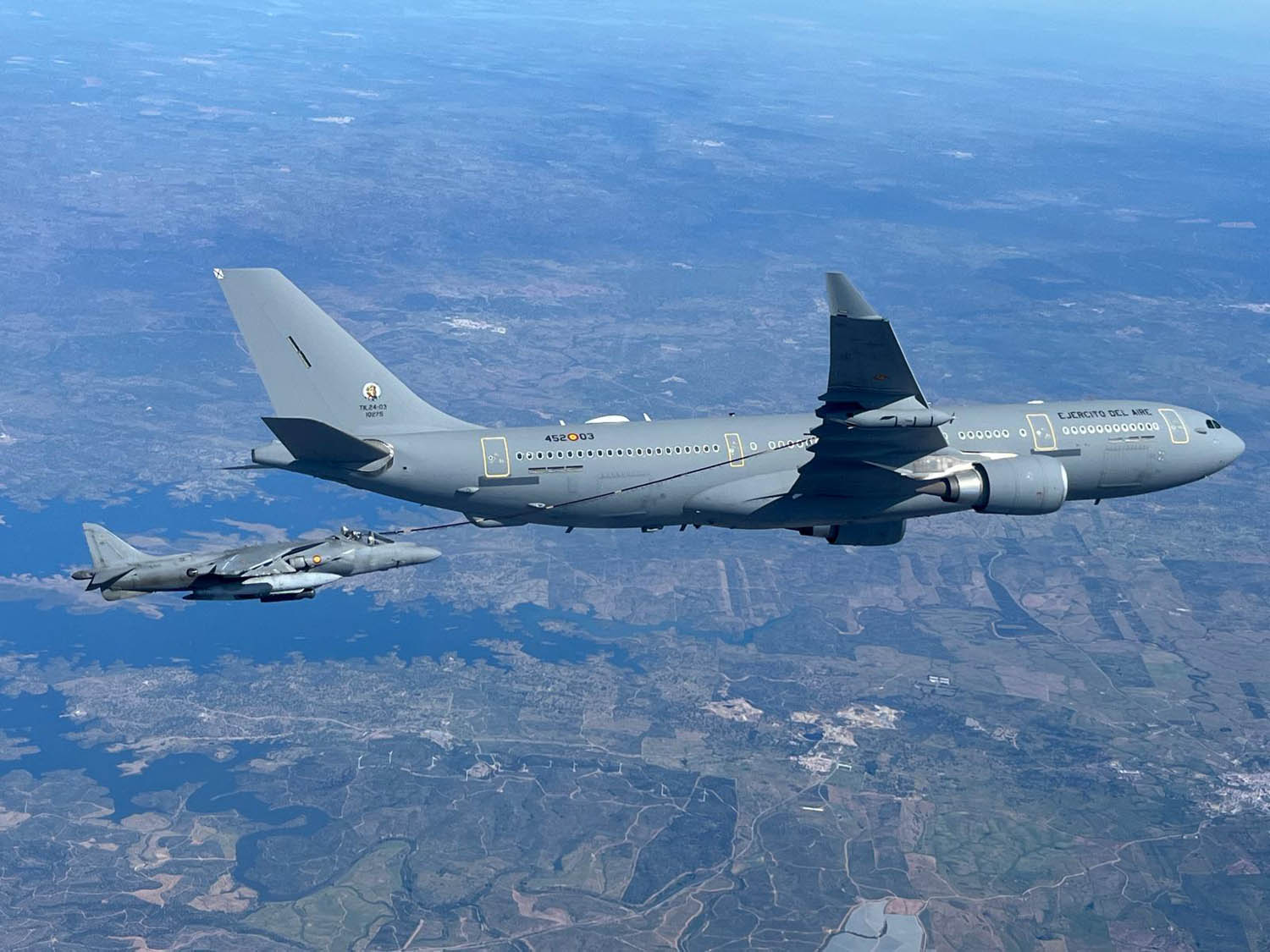
Poland to buy 4 A330MRTT.
The spike in demand makes Airbus to open a second FAL in Seville.


They were close to purchase the KC46, but because Trump abandon the east flank of the NATO, Poland made a 180 degree turn and started to purchase again European and other non US weapons.
 

Hellenic Navy’s Third FDI Frigate HS Formion Begins Sea Trials​

  • Published on 24/06/2026
  • By Naval News Staff
  • In News
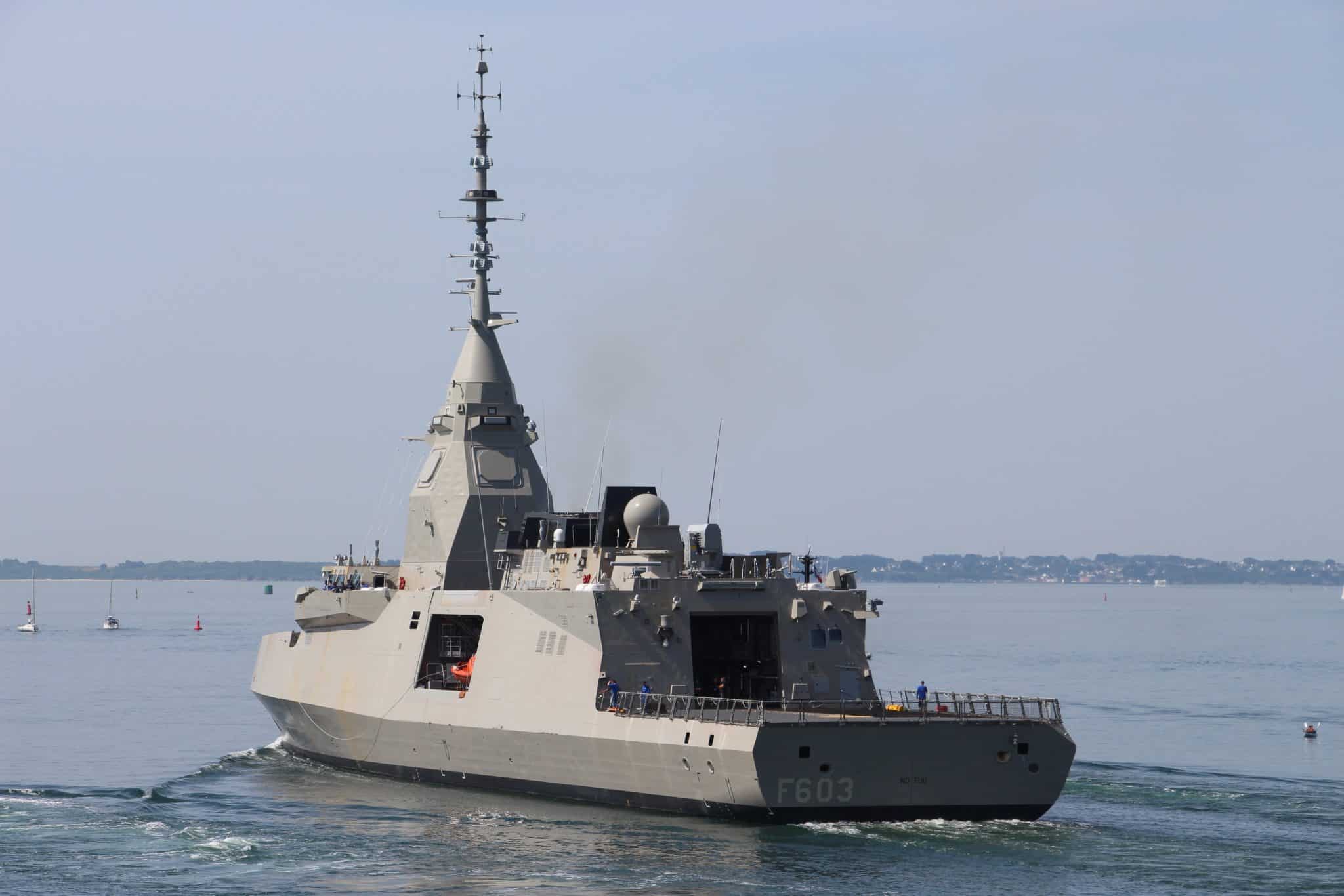
Hellenic Navy’s Third FDI Frigate HS Formion Begins Sea TrialsHellenic Navy’s third FDI Frigate, HS Formion, starting hear sea trials. Naval Group picture.

The third FDI frigate for the Hellenic Navy, HS Formion (F603), started her first sea trials on June 22nd setting sail from the Lorient shipyard. According to Naval Group, the FDI HN program is progressing smoothly and 2026 marks several miletones.


The French Shipbuilder announced the start of sea trials for HS Formion on social media. Formion is the third of four frigates on order for Greece as part of the FDI HN program. According to Naval Group, this first period of two weeks is dedicated to safety
and propulsion (speed, maneuverability…). “Thanks to our production process – hull and PSIM in parallel – main Combat Systems sensors can even be tested starting in this first period.” the shipbuilder added.

Formion will be the first FDI HN frigate to be delivered in the “Standard 2+” variant. The delivery to the Hellenic Navy is set for the end of 2026 as a “Standard 1” vessel. It will remain in France for upgrade to “Standard 2+” and then sail to Greece in April 2027.

The first two ships of the class, HS Kimon was delivered to the Hellenic Navy in December 2025 in the initial (Standard 1) French configuration (FDI). HS Nearchos, the second ship-in-class, will be delivered in October 2026 in the “Standard 2” configuration.

As previously reported by D Mitch, the Greek frigates will undergo a series of incremental upgrades through 2030, progressively transitioning from the Standard 1 configuration which is equivalent to the French Navy’s FDI baseline, to Standard 2, Standard 2+, and ultimately Standard 2++. The final Standard 2++ configuration will feature the integration of additional weapon systems, including 16 ASTER 30 SAM, a 21-round RAM Block 2B SAM launcher, and SYLENA Mk2 AAW DLS, along with major software and systems upgrades to SETIS CMS, sensors, and other electronics as well as the full integration of CAMCOPTER S-100 UAS and enhanced weapon-system integration across the platform.


Facts about FDI HN as shared by Naval Group:

After the delivery in 2025 of HS KIMON, the first FDI of the series of 4 frigates produced for the Hellenic Navy, Naval Group alongside its French and Greek partners are fully committed to the construction of the 3 next FDI : HS Nearchos, HS Formion and HS Themistokles. For the Hellenic Navy, 2026 marks major milestones with:

  • The arrival of HS Kimon in Greece mid-January (after leaving Brest on the 7th of January)
  • The delivery of the 2 following ships, HS Nearchos and HS Formion.

Programme progress


About HS NEARCHOS:

  • Second FDI for the Hellenic Navy;
  • Sea trials started in February 2026;
  • Final acceptance trials and sea readiness activities finalized during the second semester;
  • Delivery October 2026.

About HS FORMION:

  • Third FDI for the Hellenic Navy;
  • First sea trials started on June, 22nd;.
  • This milestone is also the success of Naval Group steady and ambitious Hellenic Industrial
    Participation plan (HIP), as the frigate carries numerous materials produced in Greece, all
    delivered on time : e.g. AKMON (consoles), METLEN (torpedo doors), KAFKAS (electrical
    cabinets), Marita HELLAS (life rafts), MEVACO (marine systems equipment), SALAMIS
    SHIPYARDS (pre-outfitted hull blocks), VIKING NORDSAFE HELLAS (RHIB).
  • Delivery by the end of 2026.

About HS THEMISTOKLES :

  • Fourth FDI for the Hellenic Navy, ordered in November 2025;
  • Pre-outfitted blocks fully manufactured by Salamis Shipyards have been assembled to FDI
    Themistokles;
  • The hull assembly is progressing in the dry-dock and has even recently floated to change
    position in the dry-dock;
  • Assembly and outfitting activities continue (equipment, fluids, insulation, piping, electrical
    systems), propulsion, painting, etc. before its launching in spring 2027;
  • In parallel, the construction of the Panoramic sensor and intelligence module (PSIM) is
    progressing before joining the test platform and its embarkment on HS Formion following its
    launching.
 
Looks very small atleast in picture to be called as frigate.... more like attack or gun boat...
 

Users who are viewing this thread

Pakistan Defence Latest

Latest Posts

Back
Top