ghazi52
THINK TANK: CONSULTANT


- Thread starter
- #46
PA-5336 General Asif Nawaz Janjua
NI (M), S Bt
16 August 1991 - 8 January 1993
General Asif Nawaz Janjua was born on 3 January 1937. He was selected for Royal Military Academy Sandhurst and got commission on 31 March 1957. He remained Chief of Army Staff from 1991 to 1993.
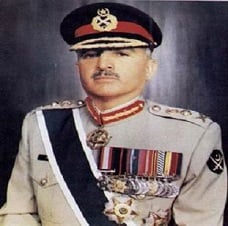
PA-5977 General Abdul Waheed
NI (M), S Bt
12 January 1993 - 12 January 1996
General Abdul Wahid was born on 20 March 1937 and got commission on 18 October 1959. General Wahid Kakar is remembered for starting the Shaheen Nuclear Missile Project. He was appointed Chief of Army Staff on 12 January 1993 and held the office till 12 January 1996.
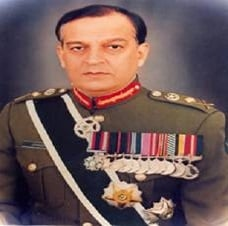
PA-6399 General Jehangir Karamat
NI (M), S Bt
12 January 1996 - 7 October 1998
General Jehangir Karamat got commission on 14 October 1961. General Karamat is a graduate of the U.S. Army Command and General Staff College at Fort Leavenworth, U.S.A. He was appointed Chief of Army Staff on 12 January 1996 and held the office till 7 October 1998.
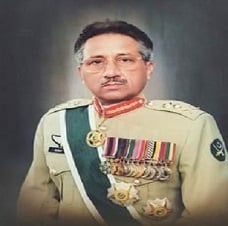
PA-6920 General Pervez Musharraf
NI (M), S Bt
7 October 1998 - 29 November 2007
General Pervez Musharraf was born on August 11, 1943 in Delhi, British India. He got commission from Pakistan Military Academy Kakul on 19 April 1964. In 1998 he was promoted to General and took over as the Chief of Army Staff and he had been holding this office till November 2007.
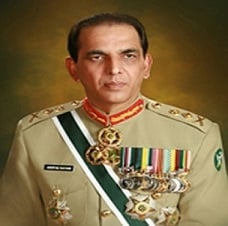
PA-12850 General Ashfaq Parvez Kayani
NI (M), HI
29 November 2007 - 29 November 2013
General Ashfaq Parvez Kayani was commissioned from Pakistan Military Academy, Kakul in Baloch Regiment in 1971. He has served as Director General Inter Services Intelligence. He was appointed Chief of Army Staff on 29 November 2007and held the office till 29 November 2013.
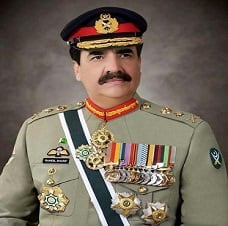
PA-17408 General Raheel Sharif
NI (M), HI(M)
29 November 2013 - 29 November 2016
General Raheel Sharif, NI (M), HI (M) hails from a martial stock. He is younger brother of Major Shabir Sharif, NH, SJ and Capt Mumtaz Sharif, Sbt. He was commissioned in Oct 1976 in 6th Battalion, The Frontier Force Regiment in which his elder brother had embraced Shahadat. He was appointed Chief of Army Staff on 29 November 2013 and held the office till 29 November 2016
NI (M), S Bt
16 August 1991 - 8 January 1993
General Asif Nawaz Janjua was born on 3 January 1937. He was selected for Royal Military Academy Sandhurst and got commission on 31 March 1957. He remained Chief of Army Staff from 1991 to 1993.
PA-5977 General Abdul Waheed
NI (M), S Bt
12 January 1993 - 12 January 1996
General Abdul Wahid was born on 20 March 1937 and got commission on 18 October 1959. General Wahid Kakar is remembered for starting the Shaheen Nuclear Missile Project. He was appointed Chief of Army Staff on 12 January 1993 and held the office till 12 January 1996.
PA-6399 General Jehangir Karamat
NI (M), S Bt
12 January 1996 - 7 October 1998
General Jehangir Karamat got commission on 14 October 1961. General Karamat is a graduate of the U.S. Army Command and General Staff College at Fort Leavenworth, U.S.A. He was appointed Chief of Army Staff on 12 January 1996 and held the office till 7 October 1998.
PA-6920 General Pervez Musharraf
NI (M), S Bt
7 October 1998 - 29 November 2007
General Pervez Musharraf was born on August 11, 1943 in Delhi, British India. He got commission from Pakistan Military Academy Kakul on 19 April 1964. In 1998 he was promoted to General and took over as the Chief of Army Staff and he had been holding this office till November 2007.
PA-12850 General Ashfaq Parvez Kayani
NI (M), HI
29 November 2007 - 29 November 2013
General Ashfaq Parvez Kayani was commissioned from Pakistan Military Academy, Kakul in Baloch Regiment in 1971. He has served as Director General Inter Services Intelligence. He was appointed Chief of Army Staff on 29 November 2007and held the office till 29 November 2013.
PA-17408 General Raheel Sharif
NI (M), HI(M)
29 November 2013 - 29 November 2016
General Raheel Sharif, NI (M), HI (M) hails from a martial stock. He is younger brother of Major Shabir Sharif, NH, SJ and Capt Mumtaz Sharif, Sbt. He was commissioned in Oct 1976 in 6th Battalion, The Frontier Force Regiment in which his elder brother had embraced Shahadat. He was appointed Chief of Army Staff on 29 November 2013 and held the office till 29 November 2016