India Economy Thread

1000043004.jpg
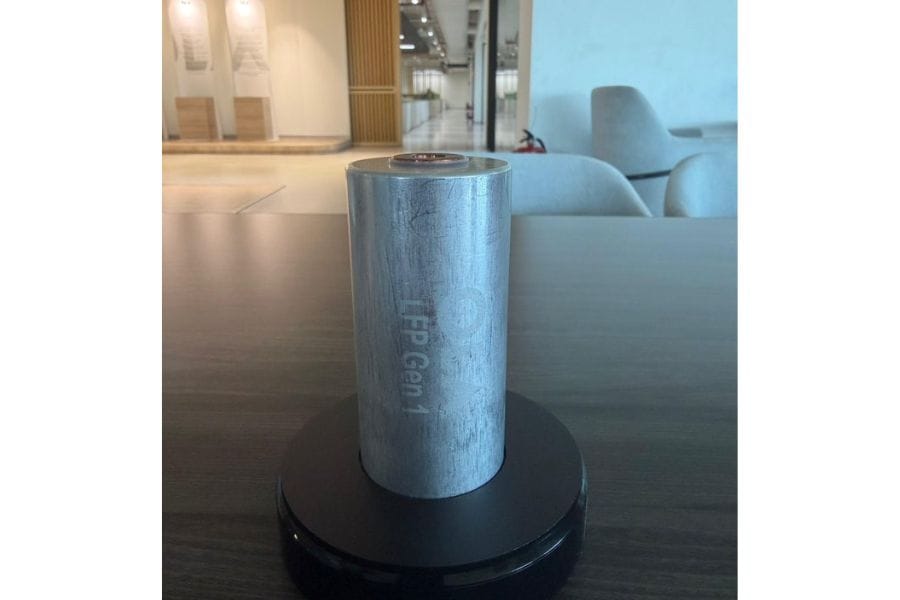
Epsilon Cathode Active Materials (ECAM) announced on April 27 the commercial development of its third-generation lithium iron phosphate (LFP) cathode material, claiming performance metrics that place it alongside Chinese-produced alternatives that have long held a near-monopoly in the global LFP supply chain. The announcement marks one of the few instances of a non-Chinese company bringing high-energy-density LFP cathode material to commercial scale.

The company says its Gen III LFP Cathode Material achieves a discharge capacity of 159 mAh/g or above and an electrode density of 2.51 g/cc or above. ECAM also states the material meets Prohibited Foreign Entity (PFE) compliance standards, a regulatory requirement that determines eligibility for use in US battery manufacturing and automotive supply chains — a distinction that has become commercially significant as North American EV policy tightens its sourcing requirements.

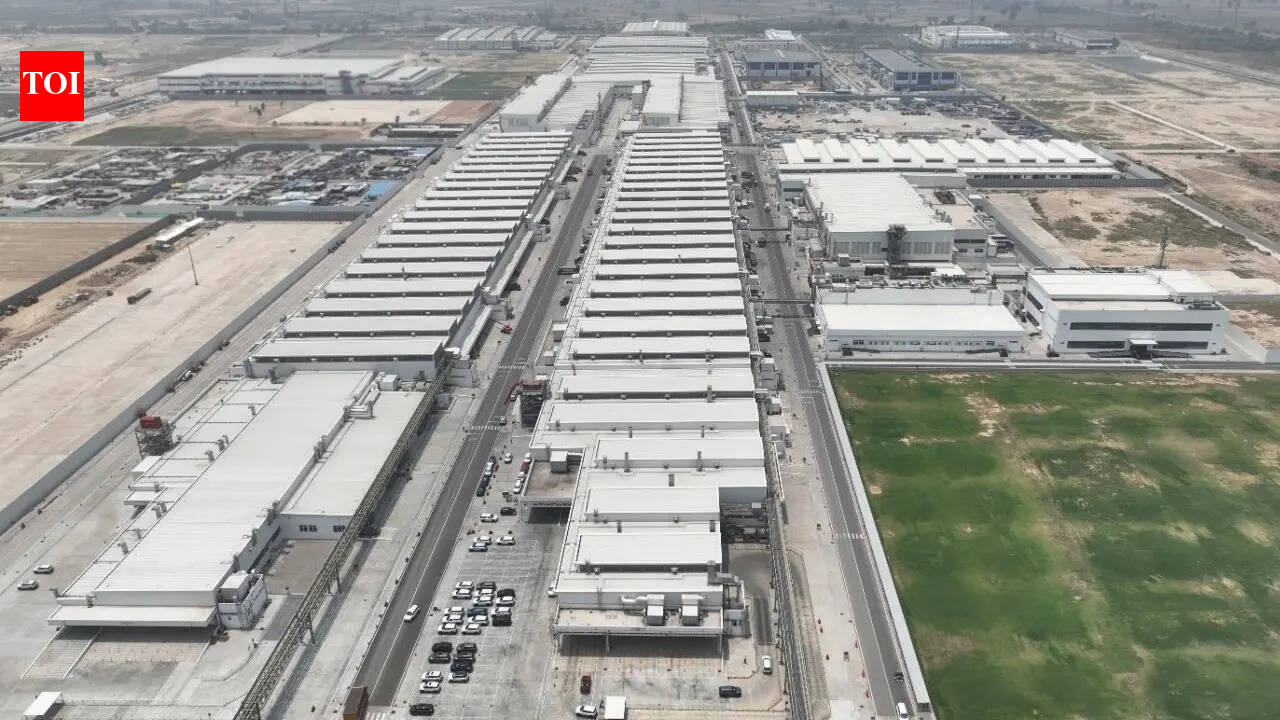
ECAM plans to manufacture the material at a facility in India with a planned capacity of 30,000 tonnes per annum (TPA) by 2030. Research and development will remain at the company's ISO 9001-certified Cathode Technology Centre in Moosburg, Germany, which the company says holds a portfolio of more than 145 active patents in cathode technologies, along with a 250-tonne commercial demonstration plant and advanced cell testing capabilities. The Moosburg centre is described by the company as the global hub for successive development cycles of higher-generation LFP cathode material.

"With our Gen III LFP Cathode Material, we've engineered a formulation that gives EV makers genuine performance differentiation — more energy per cell, denser electrode architecture, and the compliance pathway that matters most for the North American market," said Vikram Handa, Managing Director of Epsilon Group.

A Market Shaped by Chinese Dominance
LFP chemistry, which uses lithium, iron, and phosphate rather than the cobalt or nickel found in other lithium-ion variants, has gained wide traction in the electric vehicle industry for its lower cost, thermal stability, and longer cycle life. The technology is currently dominated by Chinese manufacturers, with companies such as CATL and BYD controlling the largest share of global LFP cathode supply. That concentration has created what industry observers describe as a supply chain vulnerability for automakers and battery cell producers operating outside China.

Until recently, OEMs seeking LFP cathode material at scale have had limited non-Chinese sourcing options, exposing them to both supply chain risk and growing geopolitical uncertainty. ECAM says its Gen III material addresses this gap by combining performance figures comparable to Chinese alternatives with manufacturing located in India — a country increasingly promoted as a credible production base for battery materials — and R&D anchored in Germany.

The company frames this combination as three simultaneous advantages for OEMs: performance parity, supply chain diversification, and regulatory compliance with North American frameworks. It also positions India not merely as a cost-competitive manufacturing destination, but as a node in a geographically distributed battery materials ecosystem.


Regulatory Context: Why PFE Compliance Matters

The announcement comes as governments in North America and Europe continue to implement supply chain diversification policies aimed at reducing dependence on Chinese battery materials. The US Inflation Reduction Act (IRA), signed into law in 2022, restricts EV tax credits for vehicles containing battery components sourced from entities designated as Foreign Entities of Concern (FEOC) — a category that includes a number of major Chinese battery manufacturers. This regulatory structure has made PFE-compliant sourcing a commercial requirement for manufacturers seeking access to US incentives, not merely a preference.

For battery cell manufacturers working within these constraints, the choice of cathode active material has direct financial consequences. A cathode supplier that meets PFE compliance removes a potential bottleneck in qualifying for IRA benefits, which can reach up to $7,500 per vehicle for end consumers and carry significant value for manufacturers structuring their supply chains accordingly.

ECAM says the Gen III material also delivers twice the cycle life of current-generation alternatives and demonstrated performance under high-temperature conditions — factors relevant to battery pack longevity, warranty exposure, and total cost of ownership for vehicle manufacturers. For cell makers, the material is said to optimise both energy density and discharge capacity within a single formulation.

ECAM was established in 2023 as part of the broader Epsilon Group, which is headquartered in Mumbai, India. Despite its recent incorporation, the company draws on research infrastructure that predates its founding. The Moosburg facility, operating as the Cathode Technology Centre, houses the materials science team responsible for the 145-plus patent portfolio and has been conducting cathode materials research at commercial scale for several years.

Epsilon describes the centre as one of a small number of non-Chinese organisations conducting serious cathode materials R&D at commercial scale. The 250-tonne demonstration plant at Moosburg provides the production evidence base from which ECAM says it is now advancing toward the planned 30,000 TPA commercial facility in India.

The India manufacturing expansion is framed by the company as part of a broader commitment to building a resilient, diversified, and sustainable battery materials supply chain for the global EV and energy storage industries — sectors that are expected to require substantially higher volumes of cathode active material through the remainder of the decade as EV adoption continues to grow across major markets.
 
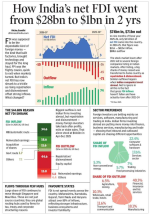
Overvalued market, falling rupee, unreliable taxation rules, no faith in capcity expansion and foreign manufacturers have taken their investment away. The inward FDI is mostly from tax havens, essentially India's black money returning as FDI.

1780040271323.png
 
India's Gross FDI inflows in FY26 at $95 bn; net FDI rises to $7.7 bn
“Foreign manufacturers are taking investment away” doesn’t really match what’s happening on the ground.

In FY25-FY26 alone:

  • Suzuki/Maruti is building a massive manufacturing hub with multiple car plants plus a new Suzuki Motorcycle plant.
  • Toyota is expanding in Maharashtra and adding a third Bidadi plant with nearly $2 billion worth of investment plans.
  • Hyundai announced a ₹45,000 crore India investment push.
  • AISIN is investing roughly ₹1,800-1,900 crore in India for automatic transmissions and EV drivetrains under a Japan METI-backed strategic program.
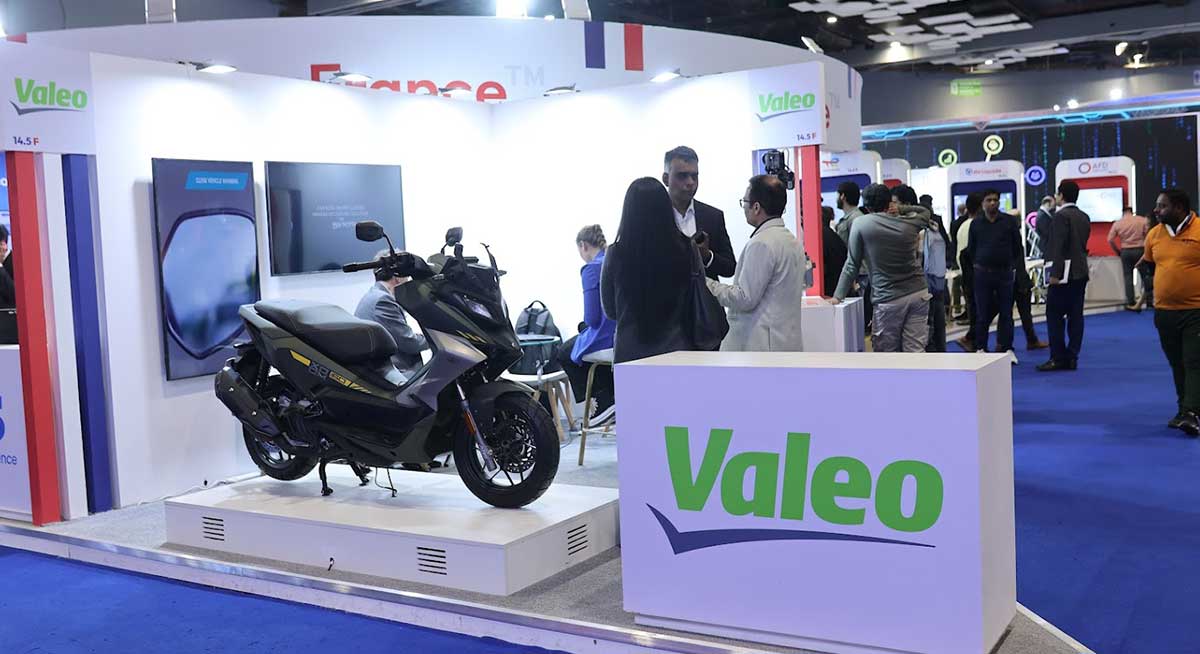
  • Valeo announced over €200 million investment in India for EV electronics, ADAS, smart cockpit systems and camera manufacturing.
  • ZF is expanding localisation and production of advanced braking and safety systems in India.
Hyundai India is localising higher-value systems like:

  • TPMS
  • NOX sensors
  • panoramic sunroof systems
  • automatic transmissions
  • EV power electronics
  • ADAS cameras
  • braking electronics
  • telematics systems
Hyundai has already achieved 100% localisation for several critical components including alternators, catalytic converters, disc brakes, clutch assemblies, shark fin antennas and RPAS sensors through Indian suppliers.

If companies had “no faith” in India, they wouldn’t be expanding manufacturing capacity, supplier ecosystems, R&D centres and export hubs simultaneously.
 
Last edited:
View attachment 199259
Epsilon Cathode Active Materials (ECAM) announced on April 27 the commercial development of its third-generation lithium iron phosphate (LFP) cathode material, claiming performance metrics that place it alongside Chinese-produced alternatives that have long held a near-monopoly in the global LFP supply chain. The announcement marks one of the few instances of a non-Chinese company bringing high-energy-density LFP cathode material to commercial scale.

The company says its Gen III LFP Cathode Material achieves a discharge capacity of 159 mAh/g or above and an electrode density of 2.51 g/cc or above. ECAM also states the material meets Prohibited Foreign Entity (PFE) compliance standards, a regulatory requirement that determines eligibility for use in US battery manufacturing and automotive supply chains — a distinction that has become commercially significant as North American EV policy tightens its sourcing requirements.

ECAM plans to manufacture the material at a facility in India with a planned capacity of 30,000 tonnes per annum (TPA) by 2030. Research and development will remain at the company's ISO 9001-certified Cathode Technology Centre in Moosburg, Germany, which the company says holds a portfolio of more than 145 active patents in cathode technologies, along with a 250-tonne commercial demonstration plant and advanced cell testing capabilities. The Moosburg centre is described by the company as the global hub for successive development cycles of higher-generation LFP cathode material.

"With our Gen III LFP Cathode Material, we've engineered a formulation that gives EV makers genuine performance differentiation — more energy per cell, denser electrode architecture, and the compliance pathway that matters most for the North American market," said Vikram Handa, Managing Director of Epsilon Group.

A Market Shaped by Chinese Dominance
LFP chemistry, which uses lithium, iron, and phosphate rather than the cobalt or nickel found in other lithium-ion variants, has gained wide traction in the electric vehicle industry for its lower cost, thermal stability, and longer cycle life. The technology is currently dominated by Chinese manufacturers, with companies such as CATL and BYD controlling the largest share of global LFP cathode supply. That concentration has created what industry observers describe as a supply chain vulnerability for automakers and battery cell producers operating outside China.

Until recently, OEMs seeking LFP cathode material at scale have had limited non-Chinese sourcing options, exposing them to both supply chain risk and growing geopolitical uncertainty. ECAM says its Gen III material addresses this gap by combining performance figures comparable to Chinese alternatives with manufacturing located in India — a country increasingly promoted as a credible production base for battery materials — and R&D anchored in Germany.

The company frames this combination as three simultaneous advantages for OEMs: performance parity, supply chain diversification, and regulatory compliance with North American frameworks. It also positions India not merely as a cost-competitive manufacturing destination, but as a node in a geographically distributed battery materials ecosystem.


Regulatory Context: Why PFE Compliance Matters

The announcement comes as governments in North America and Europe continue to implement supply chain diversification policies aimed at reducing dependence on Chinese battery materials. The US Inflation Reduction Act (IRA), signed into law in 2022, restricts EV tax credits for vehicles containing battery components sourced from entities designated as Foreign Entities of Concern (FEOC) — a category that includes a number of major Chinese battery manufacturers. This regulatory structure has made PFE-compliant sourcing a commercial requirement for manufacturers seeking access to US incentives, not merely a preference.

For battery cell manufacturers working within these constraints, the choice of cathode active material has direct financial consequences. A cathode supplier that meets PFE compliance removes a potential bottleneck in qualifying for IRA benefits, which can reach up to $7,500 per vehicle for end consumers and carry significant value for manufacturers structuring their supply chains accordingly.

ECAM says the Gen III material also delivers twice the cycle life of current-generation alternatives and demonstrated performance under high-temperature conditions — factors relevant to battery pack longevity, warranty exposure, and total cost of ownership for vehicle manufacturers. For cell makers, the material is said to optimise both energy density and discharge capacity within a single formulation.

ECAM was established in 2023 as part of the broader Epsilon Group, which is headquartered in Mumbai, India. Despite its recent incorporation, the company draws on research infrastructure that predates its founding. The Moosburg facility, operating as the Cathode Technology Centre, houses the materials science team responsible for the 145-plus patent portfolio and has been conducting cathode materials research at commercial scale for several years.

Epsilon describes the centre as one of a small number of non-Chinese organisations conducting serious cathode materials R&D at commercial scale. The 250-tonne demonstration plant at Moosburg provides the production evidence base from which ECAM says it is now advancing toward the planned 30,000 TPA commercial facility in India.

The India manufacturing expansion is framed by the company as part of a broader commitment to building a resilient, diversified, and sustainable battery materials supply chain for the global EV and energy storage industries — sectors that are expected to require substantially higher volumes of cathode active material through the remainder of the decade as EV adoption continues to grow across major markets.
Now look at Epsilon’s Gen III LFP cathode breakthrough. This is where things become strategically important.

China almost monopolises global LFP cathode chemistry today. So when an Indian company develops commercially viable high density LFP cathode material outside China, that is not a small development. Cathode material is literally one of the most critical parts inside a lithium-ion cell.

India is finally attempting the hardest part of the EV value chain: actual cell chemistry and manufacturing.
 
Reliance’s battery giga-factory in advanced stage of commissioning as green energy push accelerates

India's Apple component exports to China surge to record $2.5 billion under ECMS scheme
 
1000043013.webp
Indigenous semiconductor start-up Netrasemi flagship AI chipset, A2000, has achieved silicon bringup and getting ready for commercial production this year, the company said on Thursday.

Backed by Zoho and supported by the government's design-linked incentive (DLI) programme, the A2000 system on chip (SoC) will facilitate smart vision and real-time video analytics capabilities enabling on-device AI for smart cameras and edge AI platforms.

"Netrasemi has announced the launch of its flagship AI system on chip A2000. The chip has now achieves successful silicon Bringup and getting ready for commercial production," the company said in a statement.

A system on chip integrates multiple functions on a semiconductor, which generally includes circuits for data processing and storage function.

A chip design achieves final close with tape-out process and it is then sent to wafer fabrication plant for sample production. The physical sample of the chip then goes through silicon bringup process, which is validating all its functions as envisaged at the time of design. The commercial production of the chip is initiated only after it successfully achieves silicon bringup.

Use cases for A2000 include surveillance through drones and CCTVs, robotics, intelligent video gateways and industrial automation.

The chip fabricated at Taiwan's TSMC 12 nano-meter technology node. The chip size smaller than the chip that is initially planned to be produced in India at Tata Electronics semiconductor facility at Dholera in Gujarat.

"Our SoCs go beyond conventional AI and ML integration by combining proprietary hardware acceleration IPs with domain-specific optimisations tailored for high-performance, real-time edge AI. The architecture is designed specifically for compact, power- and cost-sensitive edge devices. We are currently working with several leading OEMs to facilitate early sample evaluations, co-development, and advanced R&D initiatives," Netrasemi Co-founder and CEO Jyothis Indirabhai said.
 
India runs one of the world’s largest biometric ecosystems through: Aadhaar, telecom KYC, banking verification, attendance systems, access control. Now imagine if millions of these systems gradually shift toward Indian-designed secure silicon instead of imported controllers.

Once engineers learn semiconductor-grade discipline, it improves: automotive electronics, robotics, medical devices, telecom systems, industrial automation. India’s factories think using Indian silicon, India’s infrastructure senses using Indian silicon, India’s machines communicate using Indian silicon, India’s AI increasingly runs on locally designed architectures.

That changes industrial sovereignty itself.

This is how East Asian manufacturing ecosystems became world-class.
 
NEW DELHI, May 29 (Reuters) - U.S. chipmaker Intel (INTC.O), opens new tab and 3DGS Inc. USA will invest about $3.3 billion to set up ‌a substrate manufacturing plant in the eastern Indian state of Odisha, the Indian government said on Friday.

Here are some details:
The ⁠project is expected to create, opens new tab more than 1,800 direct high-skilled jobs.
Substrates are the bedrock material on which elements of a semiconductor device are attached.
New Delhi has pledged billions of dollars in subsidies to attract semiconductor plants ‌and ⁠related manufacturing as a part of Prime Minister Narendra Modi's wider push to build more products locally.
The ⁠plant, planned to be set up in the Bhubaneswar-Khurda region over a period ⁠of five to six years, will focus on advanced packaging ⁠glass core substrates, high-density interconnect substrates and associated semiconductor technologies.
 
To view this content we will need your consent to set third party cookies.
For more detailed information, see our cookies page.
 

Users who are viewing this thread

Pakistan Defence Latest

Back
Top