View attachment 138996
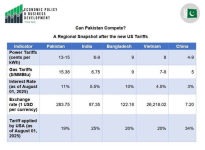
Tariffs will mostly be paid by those who source products into the country, by retailers, or by those who pass them on to consumers.
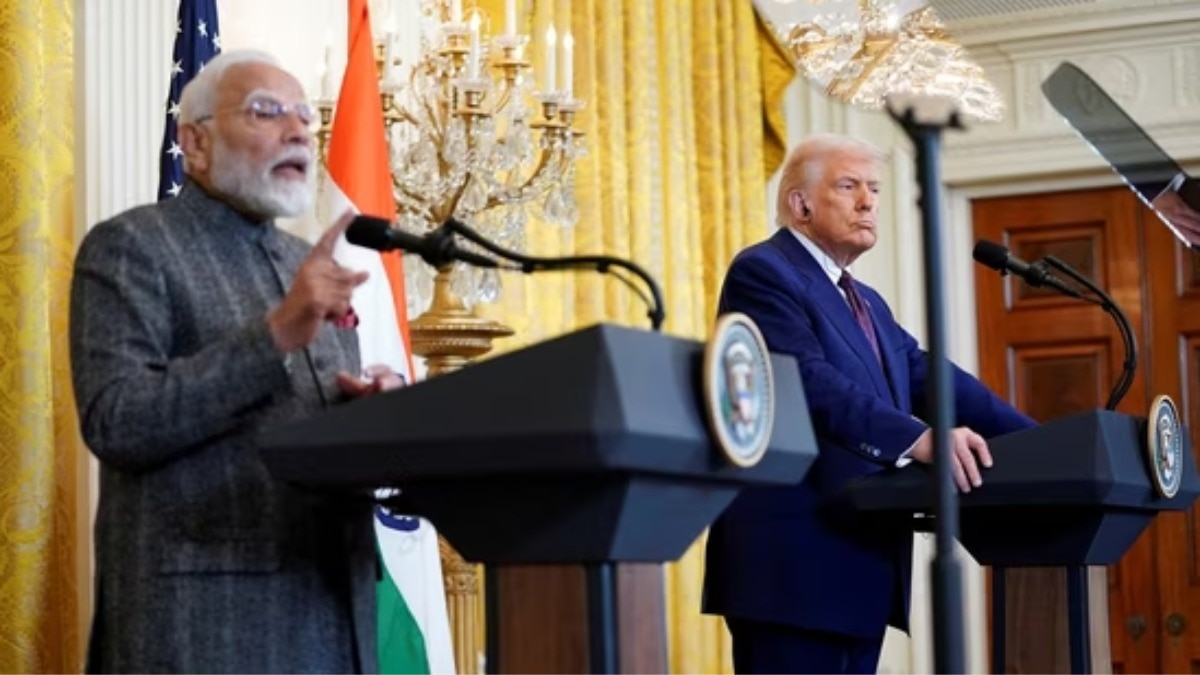
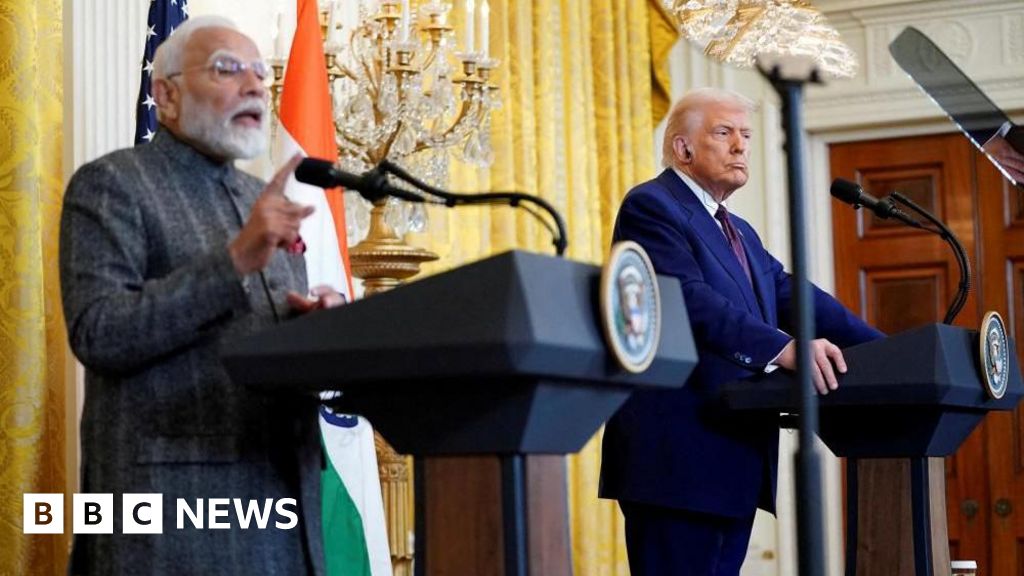
Trump hasn't won a trade deal with any major country, and Pakistan can't even be considered a major country economically, where Trump can claim a home run victory. The main tension between Trump and India is the trade negotiations; the main sectors it wants to open up for its export markets are agriculture and dairy. The Indians are hesitant, as more than half of their population relies on this sector and has heavy barriers to entry. The U.S. agriculture sector is badly hurt due to Chinese restrictions and is sourcing more of the products from South America and Australia. [The agriculture and dairy sector is also an issue between Canada and the U.S.]
The second sector is energy; the U.S. wants enough access for India to become reliant on it and not on Russia. The Indians do not want to be energy dependent on a single source; they don't want to solely rely on U.S. LNG and other fossil fuels, but have diversification. As the current rates are, its purchasing has allowed international rates to be maintained along with domestic prices, and is a factor in its output of goods, as energy costs are a main input.
Do note, Trump asked other Quad members to choose if they would go to war with China; to date, there has been a muted public response from non-Indian member states.
First, Pakistani's were up in the air, they need to choose to confront China, then it comes to Russia, and India must choose from other sources, I'm wondering what it will be tomorrow. I don't know if I should laugh or cry at my countrymen.
For all intents and purposes, Trump thinks like a businessman and nothing else; he's not a politician. He thinks everything in terms of monetary gain.
Note: To this day, the West, including the U.S., is purchasing raw materials from Russia; it itself isn't practicing what it's preaching, so this should tell you the issues are elsewhere. He's trying to dangle a threat in front of India.
India is sticking to its neutral stance, and even when there's U.S. pressure, it's taking a pragmatic approach; it's not going to be a decision akin to flipping a switch overnight, it doesn't operate like Pakistan under the weight of a threat.
In all this, I wonder if Pakistan is evaluating its stance. It's trying to cozy up to the U.S., and with Gulf Allies in the U.S. camp, what will it do when the time comes? The Pakistanis do not have much moat to weather a storm when it comes their way.