Krptonite
INT'L MOD

The Su-57/FGFA example actually contradicts your point.The question you raised is not the main point, nor does any issue exist in this regard.
The real issue lies in the terms of negotiation set by the various parties involved.
How much funding is India willing to contribute? And what share of the ultimate benefits does it expect to receive?
If India is willing to join GCAP or FCAS in the same manner it originally participated in the "PAK FA (T-50/Su-57)" project, I imagine all parties would be more than happy to welcome its participation. After all, who wouldn't want a client that contributes nothing but cash while demanding absolutely no technical deliverables in return?
India didn’t walk away because it was happy to just fund and buy. It walked away because it wasn’t getting sufficient workshare, design visibility and access to core technologies.
This was widely reported at the time.
The Indian Air Force raised concerns over lack of access to source codes, limited role in design, and dissatisfaction with the level of technology transfer being offered. There were also concerns around engine and stealth performance.
That’s not the behavior of a passive “cash-only” partner. It’s the opposite. India exited because it wasn’t getting enough participation.
So using FGFA as an example of India being a passive funding partner is quite a creative interpretation of how that program actually unfolded.
Do the European fighter consortium will accept India ?
It is just India side intention. India need to get acceptance first to join the program
You’re describing the negotiation process correctly, but the framing is off.
Yes, these programs involve long negotiations around cost share, workshare, technology access and procurement. That applies to any partner, not just India. That’s how these programs are structured.
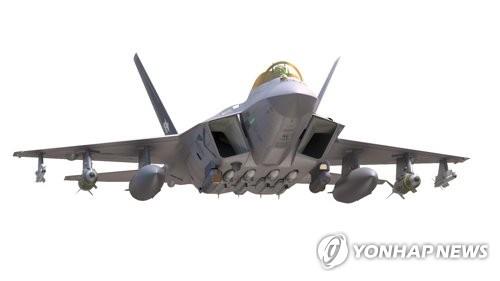
The KF-21 comparison doesn’t really hold. That was a South Korea–led program where Indonesia joined as a junior funding partner, with limited workshare and no real design authority. South Korea retained program control, and even Indonesia’s participation was constrained by funding delays and restrictions on technology access. That’s a very different setup from multiple advanced partners negotiating entry on comparable footing.
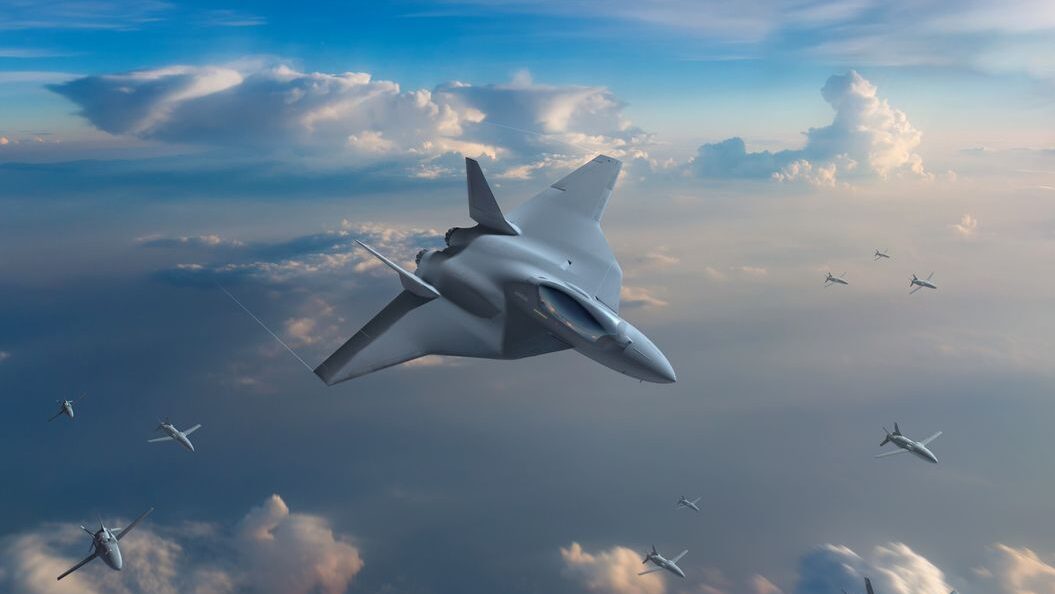
GCAP and FCAS are structured differently. GCAP itself was formed by merging the UK–Italy Tempest program with Japan’s F-X program, so Japan didn’t join as a passive partner but came in with its own program, funding and industrial base, which required the structure to be reworked. Even within FCAS, roles and workshare are still being negotiated between France, Germany and Spain. These programs aren’t fixed or invite-only, the structure evolves based on what each partner brings.
And that’s really the point. A country doesn’t need to be “invited” in the way you’re suggesting. It needs to bring enough to make restructuring worthwhile. In India’s case that would be funding, a large procurement base, and a growing industrial ecosystem. Not parity with existing partners, but enough to justify a negotiated role.
So framing this as a simple “India needs to be accepted first” issue doesn’t really hold up when you look at how these programs actually evolve