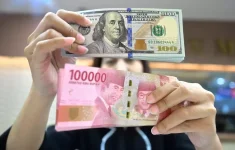
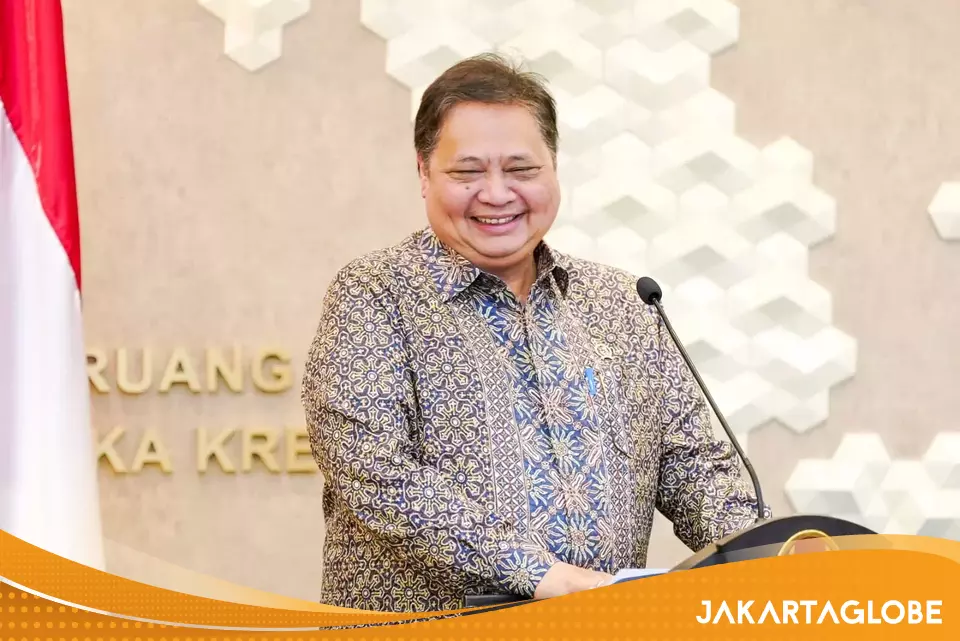
Indonesia Leads EM Rally as Carry Appeal, Growth Lure Investors

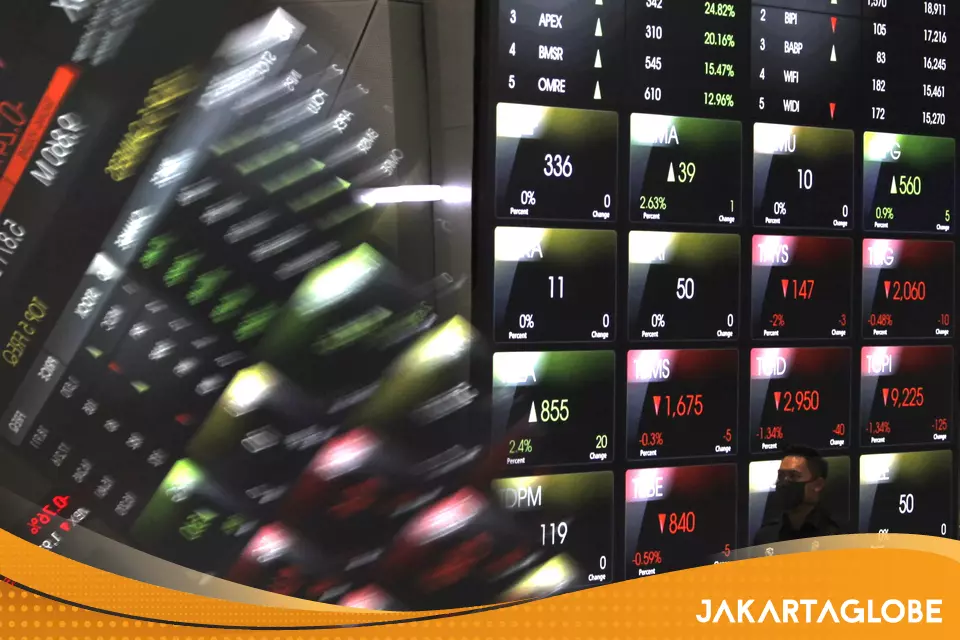
Jakarta Composite Index Hits New Record as Market Sentiment Remains Positive​


Faisal Maliki Baskoro

September 14, 2024 | 10:56 am


Jakarta. The Jakarta Composite Index (JCI) set a new record over the weekend, rising 0.18 percent to 7,812.131 from its previous high of 7,798.154 on Thursday. Market capitalization also hit an all-time high, climbing 4.46 percent to Rp 13,390 trillion ($868.82 billion).

For the week, the JCI gained 1.17 percent, closing at 7,812.131 from 7,721.846. Foreign investors posted a net buy of Rp 17.95 trillion on Friday, bringing the total net buy for 2024 to Rp 51.40 trillion.

Average daily transaction value surged 40 percent to Rp 14.98 trillion, while daily trading volume increased 10.79 percent to 23.34 billion shares. The frequency of daily transactions also rose by 1.66 percent to 1.14 million.

NH Korindo Sekuritas expects the JCI to remain buoyed by regional market sentiment and speculation of a potential US Federal Reserve rate cut during the September 17-18 FOMC meeting. Despite a higher-than-expected 0.2 percent rise in the US Consumer Price Index (CPI) for August, attention remains focused on the anticipated Fed decision.

“The JCI remains in positive territory, with weekly gains nearing 1 percent. A 'let your profit run' strategy, paired with a trailing stop, has proven effective,” NH Korindo noted in its report on Friday.

As of Sept. 13, 106 bond and sukuk issuances from 64 issuers, totaling Rp 89.69 trillion, have been recorded. The Indonesia Stock Exchange (IDX) now lists 587 bond and sukuk issuances worth Rp 462.16 trillion and $60.12 million. Additionally, 186 series of Government Securities (SBN) and nine Asset-Backed Securities (EBA) are listed, with a total nominal value of Rp 6,182.86 trillion and $502.10 million.

On the global front, US stocks ended the week higher, driven by gains in technology stocks like Microsoft and Broadcom. The S&P 500 rose 0.5 percent, nearing its record high, while the Dow Jones Industrial Average added 297 points. Anticipation of a Federal Reserve rate cut next week also bolstered market sentiment.
 

Indonesia's Trade Surplus Extends to 52nd Consecutive Month​


The Jakarta Globe

September 17, 2024 | 2:01 pm

1726573125616.webp

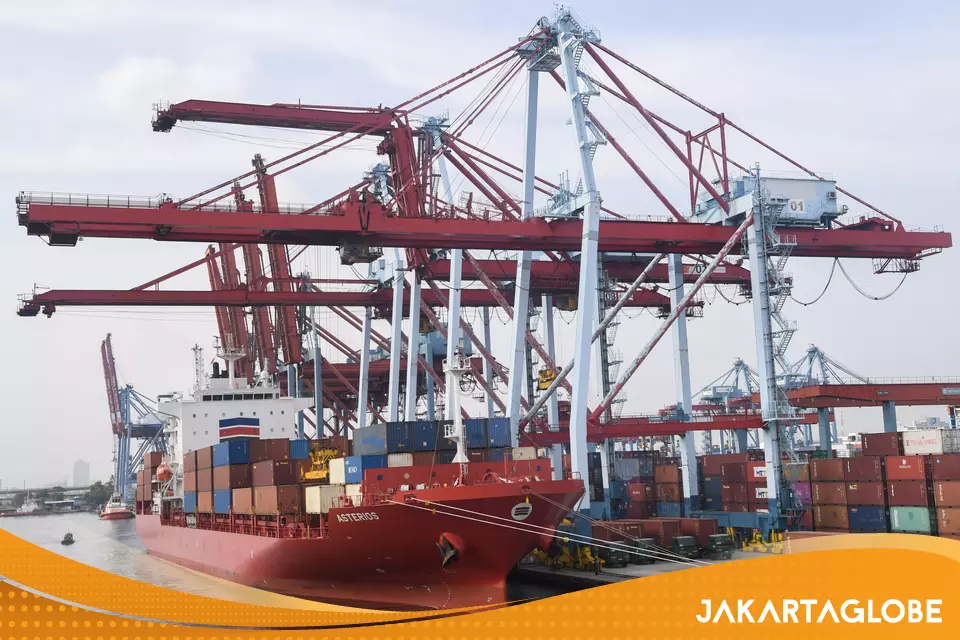
Jakarta. Indonesia reported a trade surplus of $2.9 billion for August, marking the 52nd consecutive month of surplus, up from the $2.04 billion surplus in July, the Central Statistics Agency announced on Tuesday.

The trade surplus streak, which began in May 2020, continued despite the August figure being $220 million lower than the same period last year.

Indonesia's exports for August totaled $23.56 billion, a 5.97 percent increase from July and a 7.13 percent rise compared to the same month last year.

In contrast, imports fell by 4.93 percent to $20.67 billion compared to the previous month, though they saw a year-on-year growth of 9.46 percent.

In terms of bilateral trade, Indonesia's largest surplus was with the United States, amounting to $1.7 billion, followed by India with $1.08 billion, and the Philippines with $847.3 million.

However, the country recorded its largest trade deficit with China, at $1.1 billion, along with a $549.7 million deficit with Australia and $312.8 million with Singapore.

For the eight months ending in August, Indonesia's cumulative trade surplus stood at $18.85 billion.


Indonesia parliamentary body approves higher spending for incoming govt​

Updated

Sep 17, 2024, 07:06 PM


Facebook Telegram


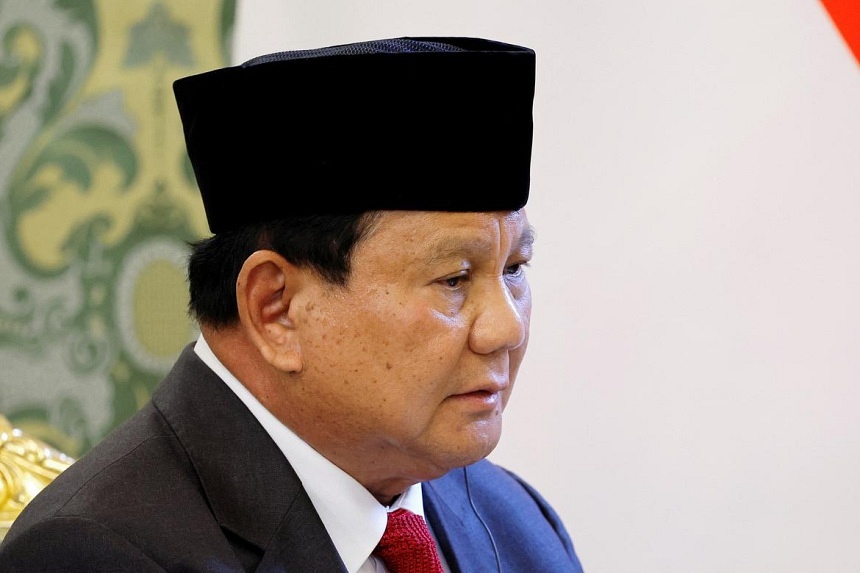
JAKARTA - Indonesia's key parliamentary budget committee approved on Tuesday increased spending for the incoming government of President-elect Prabowo Subianto, who is set to take office next month.

The committee approved a 6% rise in spending to 3,621.31 trillion rupiah ($236.2 billion), versus an estimate of 3,412.2 trillion rupiah in 2024, its chair said.

The budget accommodates key programmes of the new government, including a free meal policy for kids which will cost 71 trillion rupiah, free health check-ups, building hospitals and renovating schools, and food security initiatives.

Prabowo sees these programmes as necessary to help meet his target of lifting economic growth to 8% from 5%.

"The 2025 budget was designed to support an effective government transition," Said Abdullah told a parliamentary meeting.

A wider parliamentary vote scheduled for Thursday, Sept. 19 to approve the committee's decision is still needed, though it usually endorses the decision.

The country's 2025 fiscal deficit was maintained at 2.53% of GDP, smaller than this year's outlook at 2.70%, as revenues are expected to rise by 7.2% to 3,005.1 trillion rupiah next year.

Prabowo aims to increase Indonesia's tax to GDP ratio to 18% from around 10% through the establishment of a specialised body, or state revenue agency.

In his maiden budget, the revenue target from taxes, customs and excises, was set at 2,490.91 trillion rupiah in 2025, 12.3% more than the 2,218.4 trillion rupiah expected to be raised this year.

The revenue target does not factor in a potential value-added tax rate increase to 12% from the current year at 11%, the committee chair said, adding the hike will be discussed again between the state and parliament next year.

BMI, a unit of Fitch Solutions, said in its Sept. 5 report that Prabowo's fiscal targets are too ambitious, saying the deficit forecast might widen to 2.8% or near the legal ceiling at 3% due to potentially higher spending.

The approved budget assumes the economy will grow 5.2% next year, just above 5.1% in the current year's outlook, while inflation is expected to be maintained at 2.5% for 2025.

Prabowo will start his five-year term on Oct. 20. REUTERS

 
Our Finance Minister cried during last meeting with parliament. New administration will be started in 20 October inshaAllah.

Thank you bu Sri for the service

To view this content we will need your consent to set third party cookies.
For more detailed information, see our cookies page.
 

Indonesia's parliament passes Prabowo's maiden budget​

By Reuters
September 19, 2024
11:08 AM GMT+7
Updated 19 min ago

JAKARTA, Sept 19 (Reuters) - Indonesia's parliament on Thursday passed President-elect Prabowo Subianto's maiden budget for 2025, with spending set at 3,621.3 trillion rupiah ($237 billion) and the fiscal deficit projected to be 2.53% of gross domestic product.

The budget assumes economic growth of 5.2%, a small increase from 2024's forecast of 5.1%, and a revenue target of 3,005.1 trillion rupiah.

The budget accommodates key programmes of Prabowo's incoming government, including a free meal policy for children which will cost 71 trillion rupiah, free health check-ups, the building of hospitals and renovating schools, and food security initiatives.

Prabowo will start his five-year term on Oct. 20.
($1 = 15,272 rupiah)


BI’s Move Surprises Market, Boosts Rupiah​


Business Today Editorial
-
September 20, 2024

In a surprising decision that defied market expectations, Bank Indonesia (BI) reduced its interest rate by 25 basis points to 6.00%. Governor Perry Warjiyo stated that the “time is right” for this move, emphasising that the decision aligns with inflation remaining within target, a stable and strengthening IDR, and the need to boost economic growth.

The central bank has indicated its expectation that the Federal Reserve will implement three additional rate cuts of 25 basis points each this year, followed by four more cuts next year. BI also anticipates continued strength in the IDR and plans to intervene in the foreign exchange market through spot transactions, Domestic Non-Deliverable Forwards (DNDF), and government bonds. Additionally, BI is monitoring opportunities for further reductions in policy interest rates. Our economist forecasts another 50 basis points cut this year, potentially lowering the rate to 5.50%, and a cumulative 75 basis points reduction next year, targeting 5.00%.

The surprise cut is perceived as a positive signal to the markets, suggesting that BI is gaining confidence in the global macroeconomic environment, which is becoming more supportive of the IDR. Following the announcement, the USDIDR exchange rate remained stable, while the 1-month USDIDR Non-Deliverable Forward (NDF) traded significantly lower.

Prior to this decision, BI had maintained a relatively hawkish stance compared to other Asian central banks, indicating that efforts were focused on strengthening the IDR through the third quarter of 2024. The recent rate cut is expected to bolster support for Indonesian government bonds (GBs), as the central bank appears to be initiating an easing cycle. Following the announcement, both short and long-term yields fell in response to the decision, with strong inflows into Indonesian bonds further supporting the currency.

In the immediate aftermath of the Federal Reserve’s recent decision, the outlook for emerging market currencies, including the IDR, appears mixed. Although the Fed implemented a significant 50 basis point cut, their overall tone was not overtly dovish. The dot plots suggest only an additional 50 basis points of cuts this year, with Fed Chair Jerome Powell cautioning against assumptions of further substantial rate reductions. Despite this, the IDR has emerged as a regional outperformer, with the positive signal from BI countering the Fed’s less dovish approach.

Looking ahead, particularly into October, there is potential for a rebound in the USDIDR as uncertainties surrounding the US elections begin to factor into the market. However, our medium-term outlook for the IDR remains bullish, based on several factors: the commencement of an easing cycle by BI, robust economic fundamentals that support a maintained trade surplus, anticipated inflows into emerging market equities as the Fed eases and growth remains stable, and a manageable fiscal position, with a 2025 forecast of 2.53% of GDP (budget deficit) well below the legal ceiling of 3.00% of GDP. Therefore, we maintain our forecasts, expecting the USDIDR to trend downwards.


Bullish bets steady on Asian currencies as Fed easing bets soften dollar, Reuters poll shows​

Story by Sameer Manekar
• 23h • 3 min read


Analysts were long on the Indonesian rupiah for the fourth consecutive iteration of the poll - the longest since May 2023 - underlining the recent appreciation stemming from robust economic fundamentals and growing inflows into emerging markets.

The rupiah has appreciated more than 6% since July and is expected to continue marching on after Bank Indonesia's (BI) surprise rate cut decision to support growth, front-running the Fed.


Jokowi’s Second Presidential Term Attracts Nearly Rp 6,000 Trillion in Investments​


Arnoldus Kristianus

September 30, 2024 | 4:11 pm


Jakarta. Domestic and foreign investments during President Joko "Jokowi" Widodo’s second term have reached an impressive Rp 5,931 trillion ($391.8 billion), nearly double the total from his first term.

Investment Minister Rosan Perkasa Roeslani announced on Monday that investment has grown at an average rate of 18 percent annually over the past five years.

"Compared to five years ago, investment growth has surged by 90.2 percent. The total investment during Jokowi’s first term amounted to Rp 3,400 trillion ($224.6 billion)," Rosan said in Jakarta.

He also highlighted the shift in investment distribution, noting that economic activity is no longer concentrated in Java, as other islands are receiving a larger share of investments.

During Jokowi’s second term, the Advanced Indonesia Cabinet has created 7.1 million jobs over the last five years, Rosan added.

“Job creation remains a continuous priority for the government,” he said.


Mapped: Law and Order Around the World in 2024​


Published
14 hours ago
on November 1, 2024
By Dorothy Neufeld

1730711964087.jpeg

Mapped: Law and Order Around the World in 2024​


This was originally posted on our Voronoi app. Download the app for free on iOS or Android and discover incredible data-driven charts from a variety of trusted sources.


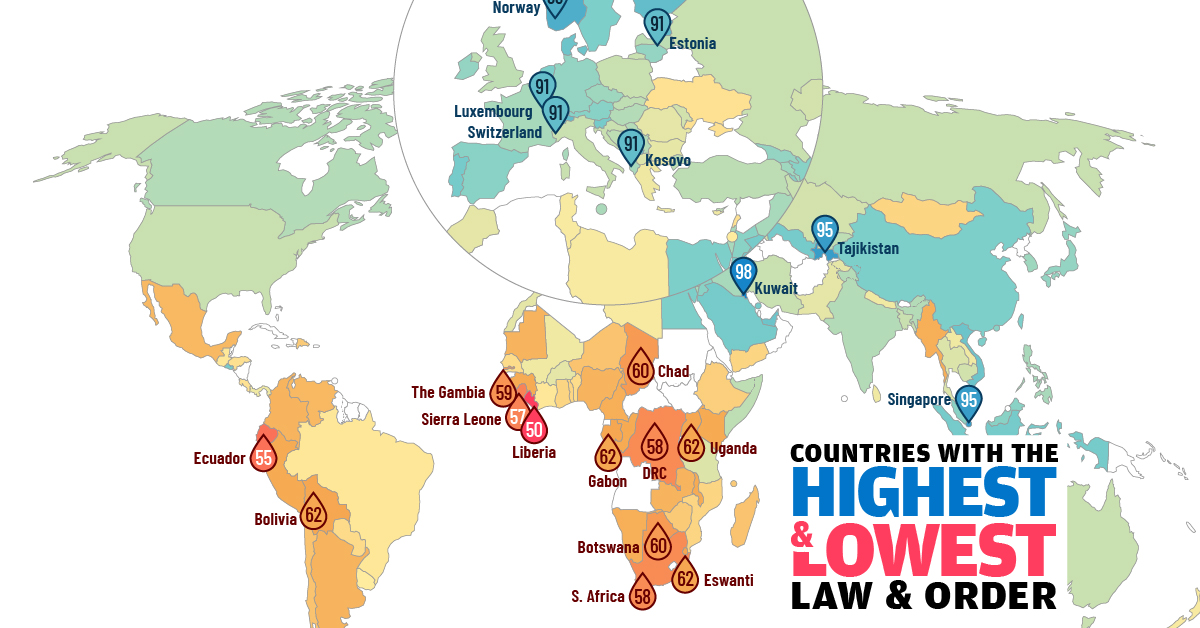
Many prosperous countries are among the safest globally, highlighting the link between economic stability and physical security.


Despite global conflicts reaching their highest levels since World War II—currently at 56—the public’s sense of safety has improved over the past decade. This rise in perceived safety is largely attributed to greater trust in law enforcement, which remains a key factor in how secure people feel, regardless of a country’s economic standing.


This graphic shows Law and Order Index scores by country, based on data from Gallup’s Global Safety Report 2024.

Methodology​


The Law and Order Index reflects public perceptions of safety, based on a survey of 146,000 people from 140 countries. Respondents were asked about their perceptions on three key areas:


  • Feelings of personal safety
  • Confidence in police
  • Experience of assault and theft
 

Indonesia’s Foreign Exchange Reserves Rises to $151.2 Billion​


Indah Handayani

November 7, 2024 | 11:41 am

1731131703110.webp
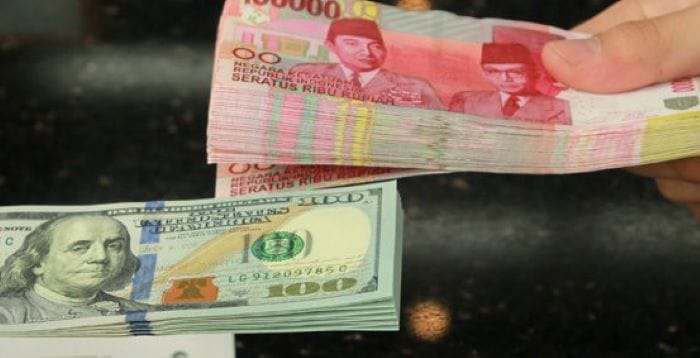
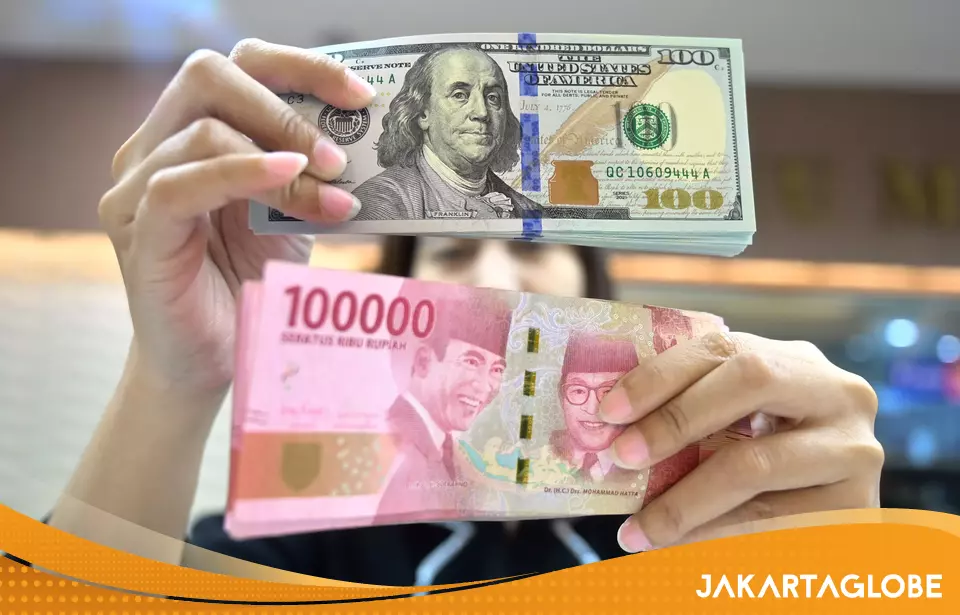
A staff shows American dollar and Indonesian rupiah banknotes at a money changer in Jakarta on Nov. 6, 2024. (Antara Photo/Rivan Awal Lingga)


Jakarta. Bank Indonesia reported Thursday that the country’s foreign exchange reserves had gone up to $151.2 billion as of end-October.

This marked a $1.3 billion increase from $149.9 billion as of end-September, the central bank revealed. Bank Indonesia’s spokesman Ramdan Denny Prakoso attributed the increase to the government’s tax and service revenues. The foreign debt withdrawals had also caused the figures to go up. Denny said the foreign exchange reserves would allow Indonesia to cover 6.6 months worth of imports.

“It is equivalent to covering 6.4 months of imports and the government’s foreign loan payments. This already tops the international benchmark of 3-months coverage,” Denny said in a statement.

Denny added: "Bank Indonesia considers the foreign exchange reserves can support [the country's] external resilience and maintain macroeconomic and financial system stability.”

Indonesia’s foreign exchange reserves will likely remain adequate in the future. Southeast Asia’s largest economy will also likely keep up its positive export trends. Investors are also upbeat about Indonesia’s economy and their investment returns, according to the central bank.


Government Debt Hits $537.34 billion, Still Within Safe GDP Ratio​


Arnoldus Kristianus

November 12, 2024 | 9:43 am

1731391004139.webp
A staff shows American dollar and Indonesian rupiah banknotes at a money changer in Jakarta on Nov. 6, 2024. (Antara Photo/Rivan Awal Lingga)


Jakarta. Indonesia’s government debt rose by 0.14 percent to Rp 8,473.9 trillion ($537.34 billion) as of Sept. 30, up from Rp 8,461.93 trillion the previous month. This debt level represents 38.55 percent of the nation’s GDP, well below the 60 percent threshold set by the State Finance Law.


The Finance Ministry said in a statement that the government "prudently manages its debt to maintain an optimal portfolio while supporting the growth of the domestic financial market."


Government securities (SBN) account for the majority of the debt at Rp 7,483.09 trillion (88.31 percent), with the remaining Rp 990.81 trillion (11.69 percent) in loans. Domestic SBN amounts to Rp 6,103.90 trillion, while foreign currency SBN comprises Rp 1,379.19 trillion.


According to the Finance Ministry, domestic investors hold the majority share (85.3 percent) of SBN, while foreign ownership stands at 14.7 percent, including holdings by foreign governments and central banks.
Within domestic holdings, financial institutions hold 41.4 percent of SBN, with banks holding 19.5 percent, insurance and pension funds holding 18.7 percent, and mutual funds holding 3.2 percent.

Government securities play a critical role for financial institutions by supporting investment, liquidity management, and risk mitigation. Bank Indonesia holds approximately 25 percent of the domestic SBN, using it as a tool for monetary policy management.


To expand the investor base and improve public financial literacy, the government has promoted individual ownership of SBN. This category has grown steadily, from less than 3 percent in 2019 to 8.7 percent as of September 2024. The remaining domestic SBN is held by various institutions for their investment and financial management needs.


Breaking down SBN further, domestic SBN includes Rp 4,871.6 trillion in government bonds and Rp 1,232.3 trillion in Sharia-compliant securities. Foreign currency SBN consists of Rp 1,045.64 trillion in bonds and Rp 333.55 trillion in Sharia-compliant instruments.


Loans total Rp 990.81 trillion, with Rp 39.93 trillion in domestic loans and Rp 950.88 trillion in foreign loans. Foreign loans are distributed among bilateral loans (Rp 257.76 trillion), multilateral loans (Rp 569.05 trillion), and commercial bank loans (Rp 124.07 trillion).


Indonesia’s Digital Economy On Track to Reach $90 Billion in 2024, Led by E-Commerce​


Agnes Valentina Christa

November 14, 2024 | 9:50 am


Jakarta. Indonesia’s digital economy is projected to reach a gross merchandise value (GMV) of $90 billion (Rp 1,422 trillion) this year, marking a 13 percent increase from the previous year, according to a joint report by Google Indonesia, Temasek, and Bain & Company.


“The sectors include e-commerce, food delivery, transportation, online travel, online media, and digital financial services. E-commerce remains the main driver of Indonesia's digital economy,” Veronica Utami, Country Director of Google Indonesia, said during a presentation at Google Indonesia’s office in Jakarta on Wednesday.


This growth cements Indonesia’s status as the largest digital economy in Southeast Asia, with other countries in the region also experiencing double-digit increases.


“All sectors are growing by over 10 percent compared to last year. Some countries are seeing growth rates above 20 percent. Indonesia, with its 13 percent year-on-year growth, continues to lead Southeast Asia as the largest digital economy,” Utami added. “The economy is projected to end the year around $90 billion, sustaining strong growth despite its large base.”


Advertisement


Utami attributed Indonesia’s threefold increase in digital economy size to collaborative efforts within the ecosystem, aimed at tackling key challenges.


“First, there’s improved internet access. Second, we’re seeing a skilled Indonesian workforce increasingly able to compete online. Third, the focus on digital trust, funding, and monetization is crucial for sustained growth,” she explained.


Average internet speeds in Indonesia have surged, rising from 2.5 Mbps in 2014 to 25 Mbps in 2024. This improvement has fueled connectivity across the country, with internet penetration reaching 77 percent in 2024, up from 35 percent a decade ago. More than three-quarters of Indonesians now have internet access, transforming how they work, learn, and connect.


Utami anticipates further growth in the digital economy, driven by a robust economic foundation and the potential for AI to foster inclusive development.


Former President Joko "Jokowi" Widodo projected that Indonesia’s digital economy will reach Rp 5,522 trillion by 2030. He also predicted that digital payments would expand 2.5 times by 2030, reaching Rp 12,300 trillion, supported by Indonesia's demographic dividend, with 68 percent of the population in productive age groups, including Gen Y, Gen Z, and Gen Alpha.


Currently, Indonesia has 354 million active mobile devices, surpassing its population of 280 million, providing a solid foundation for digital transformation. The country is also banking on its 64 million micro, small, and medium enterprises (MSMEs) to adapt to this digital shift, opening doors to further growth in the sector.

 
Nvidia CEO praised Indonesia’s great potential in the technology sector

1731855062503.jpeg

November 16, 2024 20:55

Jakarta, CNBC Indonesia - CEO of Nvidia, Jensen Huang, visited Indonesia to attend the Indonesia AI Day 2024 event held by Indosat Ooredoo Hutchison (IOH) on Thursday (11/14/2024). The event presented a variety of important figures, including SOE Minister Erick Thohir and GoTo CEO Patrick Walujo.


In the discussion session, Huang praised Indonesia’s great potential in the technology sector, especially thanks to the advancement of internet infrastructure that has been built so far.


“Indonesia is one of the most developed countries in Southeast Asia that is building internet infrastructure. Now we will build new infrastructure, and more importantly, there will be many startups, various new capabilities and services for the community, "said Huang quoted Saturday (16/11/2024).

The technology infrastructure in question is artificial intelligence (AI). Nvidia is a major player in the development of AI infrastructure in the world.


In Indonesia, Nvidia is working with IOH to develop the AI platform 'Merdeka Cloud' that can be utilized by AI companies and startups in developing their services.


In addition, the collaboration between Nvidia and IOH also gave birth to the first AI center in Indonesia, namely Solo Technopark.


Huang explained that internet access provides a variety of information needed. However, AI will add to the benefits of the internet by allowing one to have a personal tutor who teaches relevant things related to day-work.


“Like the internet infrastructure that speaks HTML, this new infrastructure will speak Indonesian and summarize all the data. It's an amazing thing," he explained.


Prabowo Secures $18.5 Billion Deals from First Foreign Trip​


Jayanty Nada Shofa

November 22, 2024 | 1:50 pm

1732266789165.webp
President Prabowo Subianto departs for his first-ever foreign trip from Jakarta on Nov. 8, 2024. (Photo Courtesy of Presidential Press Bureau)


Jakarta. President Prabowo Subianto revealed that he had secured business deals worth $18.5 billion so far from his first-ever foreign trip, an amount he said was beyond his expectations.


Prabowo -- who has just passed the one-month mark in office -- is currently on a multi-nation tour. He departed on Nov. 8 and has yet to come home ever since.


Prabowo’s overseas trip began in Beijing. Indonesian and Chinese companies sealed $10 billion worth of deals in sectors spanning food security, renewable energy, and mining industrialization, among others. Prabowo then headed to the US and flew to Peru afterward for the Asia-Pacific Economic Cooperation (APEC) meeting before heading to the G20 Brazil Summit. He touched down in London on Wednesday local time. Aside from meeting UK Prime Minister Keir Starmer, he also saw the executives of some British large corporations.


According to Prabowo, these British investors have pledged to invest $8.5 billion in Indonesia. Some $7 billion of those commitments comes from BP. The British oil and gas giant has agreed to invest in a gas recovery project in West Papua, which could unlock 3 trillion cubic feet of additional gas resources.

“[The business deals that we have sealed so far] are somewhat beyond my expectations. I will go home with $18.5 billion worth of deals. This proves how the world trusts the Indonesian economy,” Prabowo told reporters in London.


The ex-army general added: "Of course, we have to be more careful. We are a very clean government. These [investors] really appreciate our ethics.”

1732266884811.webp
President Prabowo Subianto meets British investors at the CEO Roundtable Forum in London on Nov. 21, 2024 local time. (Photo Courtesy of Presidential Press Bureau)

Prabowo met with American businessmen during his Washington visit, many of whom represented organizations that have long invested in Indonesia. This includes mining giant Freeport and energy company Chevron. Prabowo did not close any new American investment commitments. But he had told these American senior executives to report directly straight to him if they encountered any public corruption in Indonesia. The 73-year-old politician also promised APEC investors more incentives and a favorable investment climate.


Official government figures show that China is Indonesia’s third-largest source of foreign direct investment (FDI) in January-September 2024. FDI inflows from China totaled $5.8 billion. The UK has invested $611.5 million in Indonesia over the said period.


Prabowo will wrap up his world tour with a visit to Abu Dhabi. He is set to return to Jakarta this weekend.


Balance of Payment Surplus Reflects External Economic Resilience: Gov't​


The Jakarta Globe
November 22, 2024 | 6:05 pm

1732411417103.webp
Chief Economic Affairs Minister Airlangga Hartarto. (Photo Courtesy of Coordinating Ministry for Economic Affairs)


Jakarta. Indonesia's balance of payment surplus shows that Indonesia remains resilient against external shocks, according to the Coordinating Ministry for Economic Affairs.


Bank Indonesia recently reported that Indonesia's balance of payments recorded a $5.9 billion surplus in Q3-2024. The country posted a $600 million deficit in the previous quarter. The government attributed the improved balance to a decrease in the current account deficit to $2.2 billion (0.6 percent of gross domestic product or GDP). This was quite the improvement compared to the $3.2 billion deficit (0.9 percent of GDP) in the second quarter.


"Other factors include the improvement in the Services Account deficit from $5.1 billion to $4.2 billion [...] as more foreign tourists visited Indonesia," the ministry wrote in its press statement.


Indonesia also reported that its primary income account deficit had dropped from $9.6 billion to $8.9 billion. Data showed that the secondary income account surplus had gone up from $1.5 billion to $1.7 billion due to an increase in government grants and transfers from Indonesian migrant workers.


Other factors behind the balance of payment surplus included the capital and financial transaction surplus which had improved from $3 billion in Q2-2024 to $6.6 billion the following quarter. Direct investment surplus had gone up to $5.2 billion, driven by high foreign capital participation in the form of equity, especially in the manufacturing, mining and quarrying, and wholesale and retail trade sectors. Indonesia's portfolio investment surplus also rose to $9.6 billion.


As of end-September, Indonesia reported that its foreign exchange reserves had increased to $149.9 billion. This is equivalent to financing 6.4 months of imports and paying government's debts. It is also above the international standard of 3 months of imports.


The government has come up with some strategies to make sure that Indonesia remain resilient to global pressures, including the strengthening US dollar. As a case in point, Indonesia has pursued local currency transaction mechanisms in its foreign trade to reduce dependence on American dollar.


"The government -- alongside Bank Indonesia -- have established a national local currency transaction task force. We aim to increase the use of local currency transactions by 10 percent in 2024 and 2025," Chief Economic Affairs Minister Airlangga Hartarto was quoted as saying in a recent press statement.


The government also continues to establish economic cooperation in multiple forums to boost foreign direct investment inflows and expand market access for Indonesian goods. For instance, Indonesia has partnered with the Indo-Pacific Economic Framework (IPEF) to create a resilient global supply chain. Indonesia is also in the process of joining the Organization for Economic Cooperation and Development (OECD). An OECD membership is expected to encourage Indonesia to make policy reforms that align with the standards of developed countries. This will make Indonesia a more attractive investment destination for international institutions, according to Airlangga.


Bank Indonesia estimates that the 2024 balance of payments will continue its positive trend with a current account deficit kept between 0.1 percent and 0.9 percent of GDP.


Users who are viewing this thread

Country Watch Latest

Latest Posts

Back
Top