Indonesia state owned enterprise super-holding will be started with asset at 1 trillion USD (2024)

1767603378247.png

1 December 2025

  • The combined arms revenues of the three Indian companies in the Top 100 increased by 8.2 per cent to $7.5 billion on the back of domestic orders.
  • The four German companies in the Top 100 saw their combined arms revenues go up by 36 per cent to $14.9 billion, boosted by increased demand for ground-based air defence systems, ammunition and armoured vehicles due to the perceived threat from Russia.
  • US company SpaceX appeared in the SIPRI Top 100 for the first time, after its arms revenues more than doubled compared with 2023, to reach $1.8 billion.
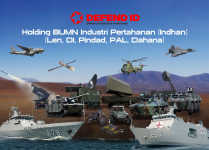
  • For the first time, an Indonesian company entered the Top 100. DEFEND ID reported a 39 per cent increase in its arms revenues to $1.1 billion, boosted by industry consolidation and increased domestic procurement.


BRIN, Danantara step up R&D to drive downstream push​


Senin, 1 Desember 2025 11:28 WIB

1764777106305.webp
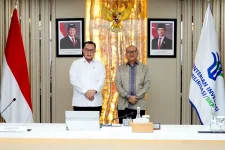
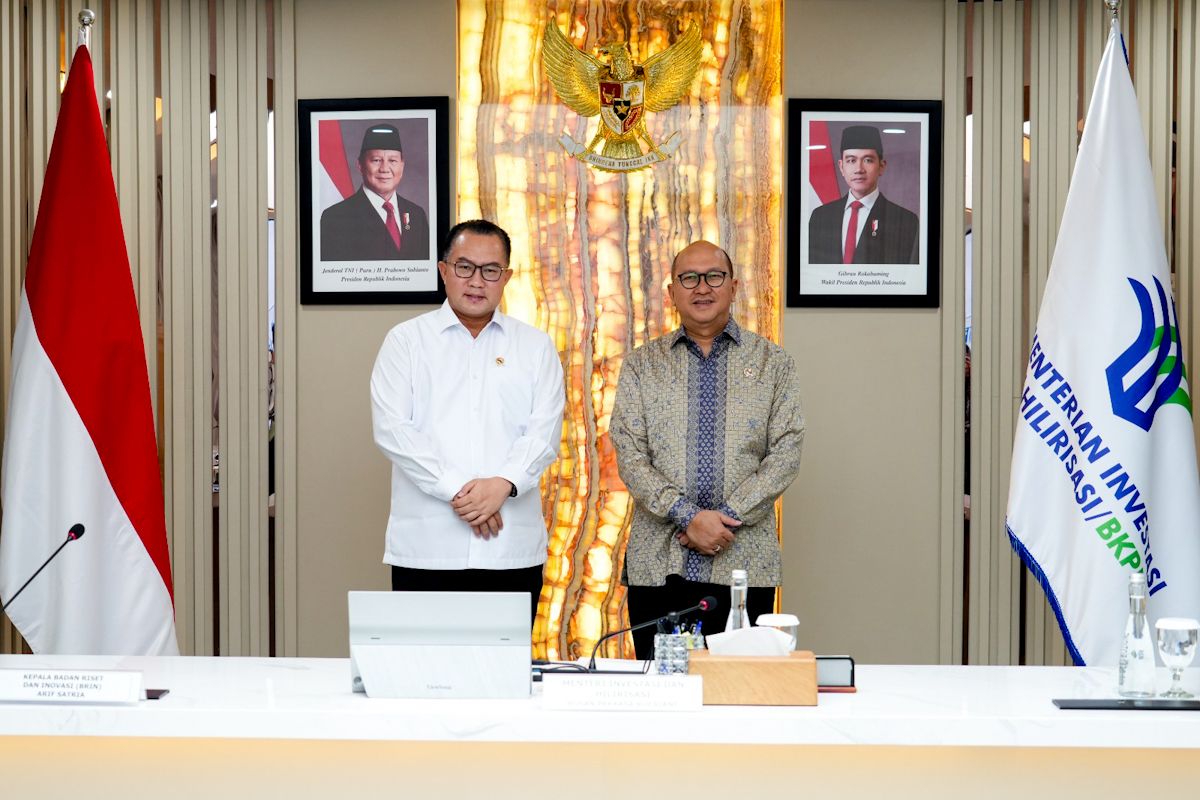
Head of the National Research and Innovation Agency (BRIN) Arif Satria (left) meets with Minister of Investment and Downstreaming and Danantara CEO Rosan Perkasa Roeslani in Jakarta, Friday (Nov. 28, 2025). ANTARA/HO-BRIN.


Jakarta (ANTARA) - Indonesia’s National Research and Innovation Agency (BRIN) and state-run strategic investment holding Danantara are stepping up joint research efforts to accelerate the country’s downstream industrial push and strengthen national technological capabilities.

In a statement issued in Jakarta on Monday, BRIN Head Arif Satria outlined three research pathways to Minister of Investment and Downstreaming and Danantara CEO Rosan Perkasa Roeslani, focusing on grassroots innovation, strategic state firms, and faster foreign technology transfer.

He said BRIN aims to help achieve the government’s 8 percent growth target through innovation for MSMEs, Red and White Village Cooperatives, the Red and White Fishing Village initiative, the Free Nutritious Meals program, and other grassroots initiatives.

The second pathway targets research and development support for Danantara’s strategic state-owned enterprises (BUMN) in aerospace, shipbuilding, defense and energy.

“I came here to strengthen research and development (R&D) cooperation to support Danantara’s important mission of building a strong national industry,” he said.

Arif added that the third pathway will focus on ensuring Indonesia gains core technologies from foreign investment, warning the country must avoid being limited to assembly roles.

“Accelerating technology transfer requires strategy and strong coordination between BRIN and Danantara,” he said.

Rosan welcomed BRIN’s approach, stressing that Danantara seeks investments that bring technological value. He said downstreaming will only succeed with strong national R&D capacity.

“As instructed by the President, investments in Danantara carry a minimum return above our cost of capital, but if there is technology transfer and job creation, we are willing to accept a lower return. That makes technology transfer crucial,” he said.

Rosan said sectors including transportation, shipbuilding, food, and electric-vehicle ecosystems are being prepared for joint research, adding that Danantara has requested battery research collaboration with BRIN.

 
Pindad Prepares National Car Factory in Subang, Targeting 500,000 Units Annually


10 Desember 2025, 16:21 WIB


1765431101682.png

PT Pindad has prepared an industrial site in Subang, West Java, as part of Indonesia’s effort to accelerate the development of a national car program. The facility is designed to support vehicle production of up to 500,000 units per year, with the initial production stage scheduled for 2028, targeting 100,000 units.


To view this content we will need your consent to set third party cookies.
For more detailed information, see our cookies page.

Pindad vehicle used by President Prabowo Subianto during his inauguration at the MPR/DPR RI Building in Jakarta on Sunday (10/20/2024). (Pindad Documentation)


According to Pindad President Director Sigit P. Santosa, the national car initiative must go beyond being a government program. It requires technological piloting and the development of a complete supporting ecosystem.


“The development of a national car cannot just be a program; we must conduct piloting for technological innovation and build the ecosystem,”
Sigit said on Tuesday (12/9/2025).

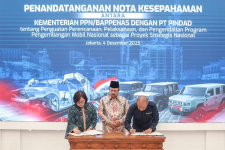
This step aligns with the signing of a Memorandum of Understanding (MoU) between the Ministry of National Development Planning (PPN/Bappenas), the Indonesian Industrial Estate Association (HKI), and PT Pindad. The MoU aims to strengthen planning for priority industrial zones under the 2025–2029 National Medium-Term Development Plan (RPJMN).


The agreement is expected to accelerate the National Car Program, which has been designated a National Strategic Project (PSN), as well as form the foundation for harmonizing future national automotive industry policies.


Strengthening Supply Chains and Industrial Infrastructure


To view this content we will need your consent to set third party cookies.
For more detailed information, see our cookies page.

One of Indonesian Private Sectors in Component Production


Minister of National Development Planning/Head of Bappenas Rachmat Pambudy described the collaboration as a new phase in Indonesia’s journey toward automotive industry independence. He emphasized that building a factory alone is not enough without strong industrial zones and a reliable supply chain.


“This is a new milestone to continue unfinished work. We can build cars, we can build car factories, but establishing a complete national automotive industry is another challenge,” Rachmat said.
“Without dedicated industrial zones, a successful national automotive industry must also build its supply chain ecosystem.”


To view this content we will need your consent to set third party cookies.
For more detailed information, see our cookies page.

New Subang Industrial Zone, West Java


HKI Chairman Ahmad Ma’ruf Maulana added that 170 industrial zones are ready to support PSN implementation and downstream industrial development. He expressed hope that the MoU would be monitored closely through the implementation stage so field challenges can be resolved more quickly, while supporting regulatory discussions and global promotion of Indonesia’s industrial zones.


Through this MoU, all three parties agreed to:


  • Develop environmentally friendly industrial zones
  • Strengthen the domestic automotive supply chain
  • Advance high-standard manufacturing technology


Danantara, Tariffs, Purbaya: Indonesia’s Economic Surprises of 2025​


Jayanty Nada Shofa

December 31, 2025 | 12:41 pm

1767247928828.png
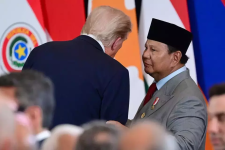
President Prabowo Subianto converses with his American counterpart Donald Trump at the Gaza summit in Sharm el-Sheikh on October 13, 2025. (Photo Courtesy of Presidential Press Bureau)


Jakarta. US tariffs, the sovereign wealth fund Danantara, and the blunt Finance Minister Purbaya Yudhi Sadewa have turned 2025 into quite an eventful year for Indonesia’s economy.

US President Donald Trump’s tariff hikes have sent countries across the globe into panic mode. President Prabowo Subianto is banking on Danantara to bump up growth and investment inflows. Investors and ministries have been keeping a close eye on Purbaya since his cabinet debut in early September. As we are only less than 24 hours away from 2026, here are some of the economic surprises that struck Indonesia throughout this year.


To view this content we will need your consent to set third party cookies.
For more detailed information, see our cookies page.

42 kilometer Greater Jakarta LRT built by SOE consortium


New Character Unlocked: Danantara

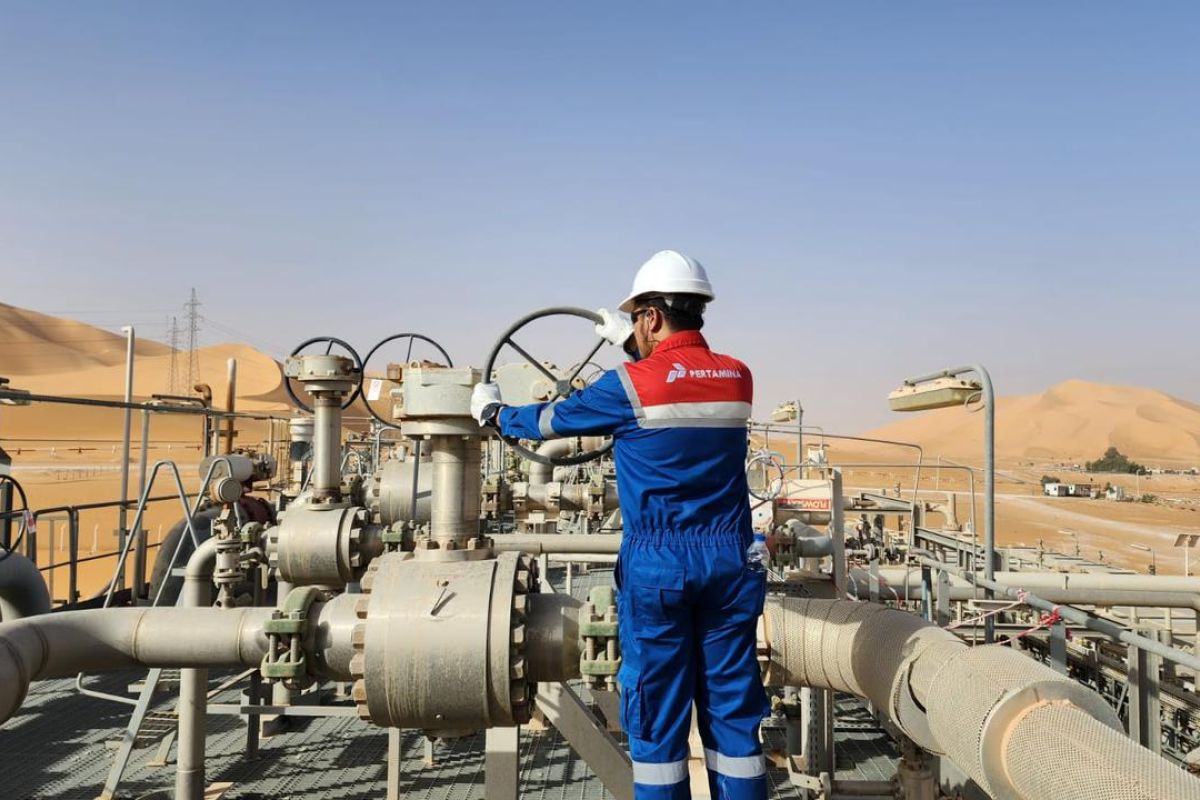
Danantara officially came to life in February as Indonesia’s second sovereign wealth fund after INA, and quickly climbed to the top of Prabowo’s economic agenda. The agency oversees all Indonesian state-owned enterprises, including the country’s largest banks and oil giant Pertamina, with assets totaling around $1 trillion.
“Danantara is set to be one of the world’s largest sovereign funds. … This is a solution that is not only strategic but also efficient in optimizing our state enterprises. We are not only investing the dividends in growth-creating industries, but we’ll turn our state enterprises into global leaders in their respective fields,” Prabowo said when he unveiled the fund in February.

Within its first year, Danantara had set up a $4 billion joint fund with Qatar Investment Authority to co-invest in industrial processing and other strategic sectors. Prabowo has allowed foreigners to take leadership roles at state enterprises, starting with the flag carrier Garuda Indonesia.

Danantara’s boss Rosan Roeslani admitted that he would keep the international recruitment option open for other companies, although this is still subject to review. The fund also once made headlines when it issued “patriot bonds” at below-market yields to raise up to Rp 50 trillion ($3 billion) from the country’s wealthiest tycoons.

And now Danantara is about to step into 2026 with a long to-do list.


The fund has stepped in to resolve the mounting Chinese debt that had derailed the $7.3 billion Jakarta-Bandung high-speed train project. Danantara is leading Prabowo’s ambition of constructing a Hajj Village for Indonesian pilgrims in Mecca, with up to $2 billion worth of investment in the pipeline. The agency has just signed a $500 million conditional purchase to acquire hotel and land plots close to Masjid al-Haram.


The freshly minted body has spent the past few months preparing the nationwide waste-to-energy project, which has gained traction among Chinese investors. Danantara also seeks to trim the number of state enterprises, from the current 1,000 to just above 200, for greater efficiency.

Surviving Trump Tariff Wrath

1767248141706.png
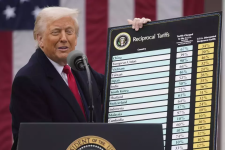
US President Donald Trump announces his reciprocal tariff plans in the Rose Garden at the White House on April 2, 2025. The list alleges that Jakarta has been charging 64% tariffs (including trade barriers and currency manipulation) on American goods. (AP Photo/Mark Schiefelbein, File)


In early April, Trump unveiled a policy that kept Indonesian government officials and businesspeople awake during the Eid holidays: the “Liberation Day tariffs”. Trump wants to liberate his country from goods trade deficits, which neared $18 billion with Indonesia last year, US data showed. The import duty rates on Southeast Asia’s biggest economy have evolved over the past nine months as the negotiations progress.


The American politician originally intended to slap 32% tariffs on Indonesian goods, but later dropped the rate to 19% after a phone call with Prabowo. Jakarta promised to let American goods enter its market at zero tariff, on top of $15 billion energy purchases. The tariff scare has prompted the resource-rich Indonesia to give Trump access to its critical minerals, which Washington needs for automotives and arms production.

"We made a deal with Indonesia. I spoke to their really great president, very popular, very strong, smart. ... We have full access to Indonesia, everything. As you know, Indonesia is very strong on copper. ... We will pay no tariffs. So they are giving access into Indonesia, which we have never had," Trump said, commenting on the deal back in July.

Prabowo's chief negotiator Airlangga Hartarto has traveled to Washington a couple of times to convince the Trump administration to grant more concessions. His recent trip saw the US agreeing to eliminate the import tax on Indonesian palm oil.


But Trump's protectionism has brought the world closer as countries rush to sign their trade deals. Jakarta finally wrapped up the negotiations for a long-awaited trade agreement with the European Union after almost a decade of talks. The year is also about to end with more trade pacts for Indonesia, be it with the Moscow-led Eurasian Economic Union, Canada, and Peru, respectively.


Sri Mulyani's Successor

1767248205622.png
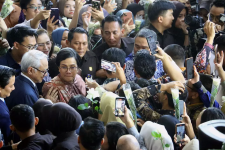
Finance Minister Purbaya Yudhi Sadewa gives a thumbs-up at the 2025 Investor Daily Summit in Jakarta on Oct. 9, 2025. (B-Universe Photo/David Gita Roza)


Prabowo’s giant cabinet said goodbye to the long-serving Finance Minister Sri Mulyani in September, following nationwide protests over economic inequalities. The well-respected woman had assumed the role for a total of 13 years, and Purbaya is facing expectations to see whether he can turn things around. His first economic move was to inject Rp 200 trillion ($12 billion) into state lenders to jumpstart lending. The money had come from state funds once parked at the central bank.


At one point, Purbaya was mulling slashing the money allotted for Prabowo’s brainchild, the nationwide free meal rollout, as the program’s spending remains sluggish. As of Dec. 15, the meal rollout had spent about 74.6% of the entire Rp 71 trillion ($4.2 billion) budget, totaling Rp 52.9 trillion. Purbaya even threatened to freeze Customs if they fail to improve their performance amidst mounting smuggling of illegal goods.

1767248365426.png
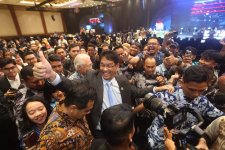
Finance Ministry employees sends off their former boss Sri Mulyani, as she passes the baton to her successor Purbaya Yudhi Sadewa, in Jakarta on September 9, 2025. (B-Universe Photo/Joanito de Saojao)


The combination of early economic moves and a no-nonsense communication style has caused Purbaya’s fame to skyrocket, even making him a possible vice president candidate for 2029. Purbaya claimed he had no interest in the elections, citing that he was only getting started with his ministerial tenure.


“It has only been a month. You are crazy,” Purbaya told reporters in October, when asked if the veep seat ever crossed his mind.

More surprises await Indonesia in 2026. The tariff talks are still ongoing, although Prabowo is set to head to Washington by end-January to sign the trade agreement. Danantara is set to remain at the center of Prabowo’s attention. And only time will tell what Purbaya’s next breakthroughs will be.


After Palm Oil and Nickel, Indonesia Discovers a New Pillar in Gold​


Heru Andriyanto, Ria Fortuna Wijaya

January 2, 2026 | 8:02 am


To view this content we will need your consent to set third party cookies.
For more detailed information, see our cookies page.


Jakarta. After building its global commodity clout on palm oil, coal, and nickel, Indonesia is now making a deliberate push to elevate gold as a new pillar of its economy, anchored by the launch of the country’s first bullion banks and a fully integrated domestic gold-processing capability.

The initiative comes at a moment of unusually strong momentum: global gold prices are repeatedly hitting record highs, while Indonesia has, for the first time, achieved the ability to produce fine gold domestically — from raw ore to bullion — following technological advances at Freeport Indonesia’s smelting facilities.


“With the presence of gold banks, Indonesia can build an integrated gold ecosystem from upstream to downstream, where management, storage, financing and trading of gold are conducted entirely within the country,” said Damar Latri Setiawan, president director of state pawnshop firm Pegadaian.

To view this content we will need your consent to set third party cookies.
For more detailed information, see our cookies page.


Pegadaian and Bank Syariah Indonesia (BSI) have been designated by the government as the country’s two official bullion service providers. Damar said the development would reduce Indonesia’s reliance on imports of fine gold, a long-standing anomaly for a country with large gold reserves.

Before being designated a bullion bank, Pegadaian’s gold business focused mainly on retail investment. Its gold assets under management have since risen sharply, reaching 132.3 tons as of the end of November 2025, he told the Jakarta Globe.


Pegadaian now offers gold deposits, gold-backed working capital loans, physical gold trading and custodial services for retail and corporate clients. Bullion services at BSI, by contrast, are focused more on religious-related uses, including gold savings products for hajj and umrah expenses.


A Perfect Moment
Domestic gold prices rose sharply in 2025, with gold bars from state-owned miner Aneka Tambang climbing by around Rp 1 million ($60) per gram over the year. Prices rose from Rp 1.52 million per gram on Jan. 2, 2025 to Rp 2.50 million by Dec. 31.


Weeks before the bullion banks were formally launched, Freeport Indonesia delivered its first domestically produced fine gold bars — 125 kilograms — to Antam, marking a milestone for Indonesia’s downstream mining ambitions.


“Freeport Indonesia has processed approximately 12.56 tons of anode slime at its subsidiary, PT Smelting, producing 189 kilograms of gold bars. This includes 125 kilograms of fine gold with 99.99 percent purity,” Freeport Indonesia chief executive Tony Wenas said at the time. Freeport and Antam have also signed a five-year sale and purchase agreement covering 30 tons of gold valued at $12.5 billion.


Read More:​

Gold Prices Rise in Indonesia and Worldwide as China Expands Bullion Reserves

Government estimates show Indonesia’s gold ore production has risen from about 100 tons per year to 160 tons. President Prabowo Subianto said at the launch of the bullion banks in February 2025 that bullion services could add Rp 245 trillion ($14.7 billion) to gross domestic product and create 1.8 million jobs.


“We have only just realized that we are a wealthy country,” Prabowo said.


Limited Short-Term Growth Impact
Economists say the introduction of bullion banking is unlikely to deliver an immediate boost to real economic activity.


“In theory, bullion banks are more closely linked to financial deepening than to directly driving real economic growth,” said Wisnu Nugroho, an economist at Gadjah Mada University (UGM).


Indonesia produced around 100 metric tons of gold in 2024, well below major producers such as China, Australia and Canada. However, its gold reserves stood at about 3,600 metric tons as of January 2025, exceeding those of Canada and China and surpassing reported US holdings, based on US Geological Survey data.


“Countries with large gold reserves are strong not simply because of gold, but because they have diversified economies and strong financial institutions,” Wisnu said.


The gap between relatively modest production and large reserves underscores gold’s role in Indonesia as a strategic financial asset rather than an industrial input, he added, though reserves can provide a buffer for currency stability.


Read More:​

Antam Buys 30 Tons of Freeport Gold for $12.5 Billion

Fellow UGM economist Diny Ghuzini said bullion banking would need deeper links to the real economy to drive growth.


“To drive economic growth, there must be channels that connect the real sector with the financial sector,” she said, citing trading, refining, logistics, leasing and precious-metals financing as potential sources of jobs and income growth.


Damar, the Pegadaian CEO, however, remains confident that bullion services will have a significant long-term impact, citing experiences in India, Turkey, Malaysia, Singapore, and Thailand.


“The presence of bullion services places Indonesia in line with international best practices in building an integrated gold ecosystem from upstream to downstream, while strengthening the country’s position in the global gold value chain,” he said.


Pertamina Confirms Its Oil Assets in Venezuela Unaffected by U.S. Attacks​

By Vicki Febrianto
Senin, 5 Januari 2026

To view this content we will need your consent to set third party cookies.
For more detailed information, see our cookies page.


Jakarta (ANTARA)
PT Pertamina International Exploration and Production (PIEP) has confirmed that its oil assets in Venezuela have not been affected following the United States’ attacks on the country.

PIEP holds a 71.09 percent stake in French oil and gas company Maurel & Prom (M&P), which owns assets in Venezuela.

“In relation to the latest developments, based on ongoing monitoring, there has so far been no impact on M&P’s assets and staff in Venezuela,” said PIEP Manager of Relations Dhaneswari Retnowardhani in a written statement received in Jakarta on Monday.

As a precautionary measure, Dhaneswari stated that PIEP continues to coordinate with the Embassy of the Republic of Indonesia (KBRI) in Caracas.

This effort forms part of the company’s commitment to ensuring worker safety and maintaining normal operational activities.

PIEP has been actively acquiring and managing oil and gas fields in various countries to support domestic energy needs while also strengthening Indonesia’s national energy security.

To date, Pertamina owns upstream oil and gas assets in 11 countries, including Algeria, Malaysia, Iraq, France, Italy, Tanzania, Gabon, Nigeria, Colombia, Angola, and Venezuela.

Venezuela’s political situation has come under increased international scrutiny following the arrest of President Nicolás Maduro and his wife, who were taken to the United States.

U.S. attacks on civilian and military installations have also caused major explosions in several Venezuelan states.

U.S. President Donald Trump stated that his administration would temporarily take control of Venezuela until a political transition takes place. He also announced plans for multi-billion-dollar investments by U.S. oil companies to restore oil production in the South American country.

Meanwhile, the Indonesian government has called on all parties to prioritize dialogue, exercise restraint, and adhere to international law, including the United Nations Charter and international humanitarian law.


Prabowo, Danantara CEO Review $6 Billion Investment Pipeline​


The Jakarta Globe

January 4, 2026 | 9:10 pm

1767602374321.png
President Prabowo Subianto, right, receives Danantara CEO Rosan Roeslani at his private residence in Bogor, West Java, Sunday, Jan. 4, 2026. (Photo courtesy of the Cabinet Secretariat)


Jakarta. President Prabowo Subianto on Sunday met with Rosan Roeslani, who also serves as chief executive officer of Danantara Indonesia, to discuss a slate of downstream industrialization projects valued at $6 billion.


The meeting took place at Prabowo’s private residence in Bogor, according to Cabinet Secretary Teddy Indra Wijaya.


Five strategic downstream projects are scheduled to be launched by Danantara in several provinces early next month, Teddy said in an Instagram post.


“The meeting discussed progress on five downstream-sector projects by Danantara, which are set to break ground early next month,” he said. “These programs will be carried out in multiple provinces with a total investment of $6 billion, or around Rp 100 trillion.”


The discussions also covered the development of waste-processing projects aimed at converting landfill waste into energy.

“With this project, the volume of open waste will not only be reduced, but it will also generate significant economic value,” Teddy said, without providing further details.


Earlier, the government announced that it had prepared land in Tangerang Regency for the construction of a waste-to-energy facility valued at Rp 3 trillion ($181 million). The project has been designated a national strategic initiative and is scheduled to begin this year.

1767602779180.png
An aerial photo taken on Oct. 24, 2025, shows the Jatiwaringin Landfill and surrounding piles of waste in Tangerang Regency, Banten. The government has ordered local authorities to cover the landfill to prevent the spread of microplastics and other airborne pollutants harmful to nearby communities. (Antara Photo/Putra M. Akbar)

The facility will be financed by Danantara and is expected to take about two years to complete once construction starts. Local government officials said the plant will be able to process up to 3,000 tons of waste per day, serving Tangerang Regency as well as Tangerang City and South Tangerang City.


Similar waste-to-energy facilities are planned in other cities as part of broader efforts to address Indonesia’s growing urban waste challenges.


Read More:​

Public Works Ministry to Build 34 Waste-to-Energy Plants to Boost Clean, Sustainable Cities

 
To view this content we will need your consent to set third party cookies.
For more detailed information, see our cookies page.


Danantara: Powering Indonesia's Future (World Economic Forum 2026)​

 
To view this content we will need your consent to set third party cookies.
For more detailed information, see our cookies page.


Main Points of the Article​

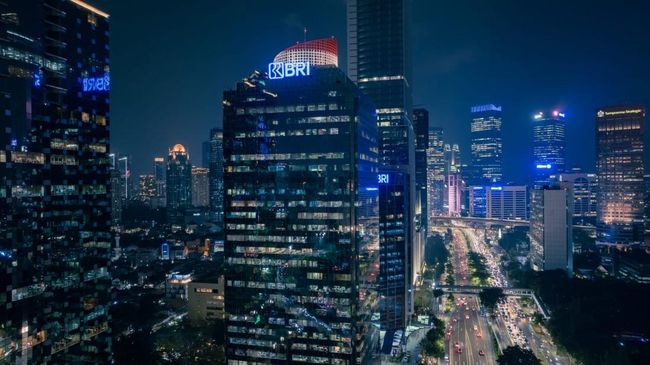
  • Global Recognition: BRI was named Bank of the Year 2025 (Indonesia) by The Banker (Financial Times Group).
  • Peer Group: BRI is ranked alongside top global banks from Hong Kong, Singapore, Japan, France, and Germany.
  • Transformation Strategy: The award highlights BRI’s BRIVolution Reignite transformation as strategically sound and globally acknowledged.
  • Core Focus:
    • Strengthening CASA (low-cost funding)
    • Improving credit quality
    • Supporting MSMEs and grassroots economy
  • Sustainable Finance Leadership:
    • Issued Rp5 trillion (US$299m) sustainable social bond (June 2025)
    • Part of a Rp20 trillion ESG-aligned program
    • 1.31× oversubscription, Rp6.57 trillion investor demand
  • Use of Funds: Infrastructure, housing, job creation, food security, and micro-enterprise financing.
  • Technology & AI:
    • BRIBrain (AI-driven internal banking intelligence)
    • BRImo Voice Assistant (conversational mobile banking)
    • BRIAPI for digital integration
  • Strategic Positioning: BRI is positioned as a driver of inclusive and sustainable economic growth in Indonesia.
 
Complete List of Danantara’s Strategic Projects and Their Investment Values

Denis Riantiza Meilanova


To view this content we will need your consent to set third party cookies.
For more detailed information, see our cookies page.

PT PAL Indonesia CEO talks to CNBC Indonesia


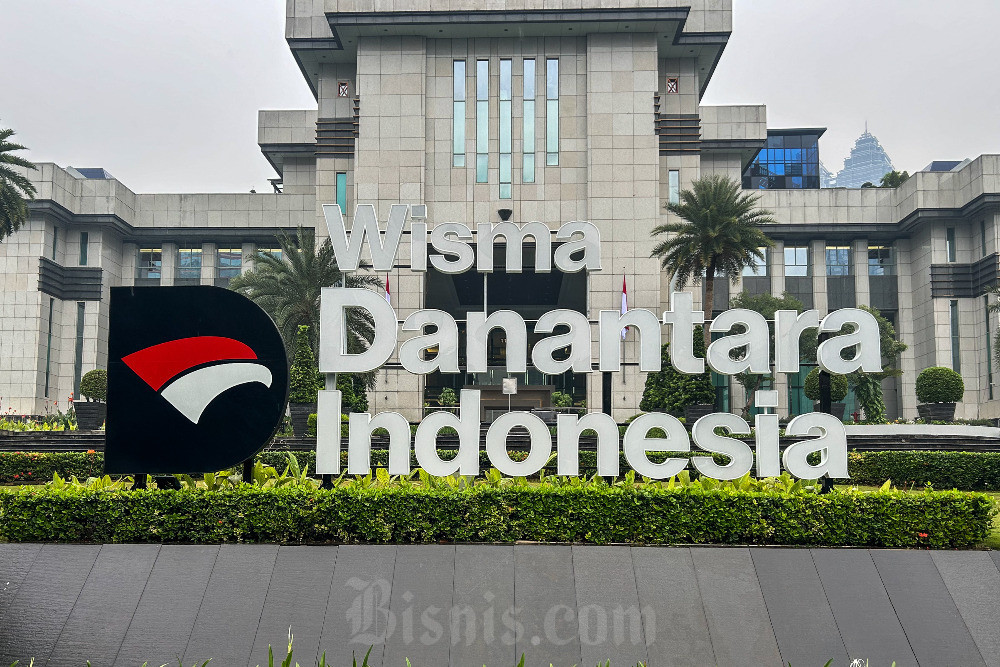
Jakarta, Bisnis.com — The Daya Anagata Nusantara Investment Management Agency (Danantara) is preparing to begin the development of a number of strategic projects in 2026.

Among the flagship projects scheduled to break ground this year are several waste-to-energy power plant (PSEL) projects in multiple locations, as well as the Hajj Village (Kampung Haji) project in Mecca, Saudi Arabia.

Based on Danantara’s report titled Addressing Future Waste Challenges, cited on Wednesday (21/1/2026), the groundbreaking process for the PSEL projects is targeted to take place gradually between March and June 2026.

Danantara stated that the implementation of the program is divided into four main phases. At present, the focus is on four initial regions deemed the most ready: Bekasi, Greater Bogor, Bali, and Yogyakarta.

Meanwhile, according to Bisnis records, construction of the Hajj Village complex is planned to begin in Q4 2026.

In addition to these flagship programs, Danantara also plans to commence construction on six strategic downstream (value-added) industrial projects.

According to Danantara Chief Executive Officer Rosan Roeslani, six downstream projects are scheduled to break ground in February 2026. These projects include bauxite-to-aluminum processing in Kalimantan, bio-aviation fuel (bioavtur), and oil refinery development.

“There is also poultry farming in five locations,” Rosan said on Wednesday (14/1/2026).

In addition, Danantara is preparing a coal gasification project into dimethyl ether (DME), which is expected to enter the groundbreaking phase next month. Rosan noted that the technology aspect of the DME project is still under internal analysis.

Rosan detailed that in Mempawah, West Kalimantan, Danantara will build an aluminum smelter from alumina with an investment value of US$2.4 billion, as well as a smelter-grade alumina (SGA) facility from bauxite valued at US$890 million. These projects are aimed at strengthening control over the aluminum value chain from upstream to downstream.

Meanwhile, in Central Java, specifically at the Cilacap Refinery, Danantara is developing a bioavtur production facility with an investment of US$1.1 billion. This project is intended to support the energy transition and the development of a sustainable aviation industry.

Beyond these projects, Danantara is also developing a bioethanol facility valued at US$80 million, as well as an integrated coconut downstream project in Morowali worth US$100 million, which is already underway. In the food sector, Danantara is also developing five poultry farming facilities out of a total of twelve planned locations.

Overall, Danantara is assessing 18 downstream projects with a total investment value of US$38.63 billion, or approximately Rp618.13 trillion.

According to Bisnis records, of these 18 projects:

  • 8 projects are in the mineral and coal downstream sector,
  • 2 projects focus on energy security,
  • 2 projects support the energy transition,
  • 3 projects involve marine and fisheries downstreaming, and
  • 3 projects relate to agricultural downstreaming.
The article then provides a detailed table listing the projects scheduled for groundbreaking in 2026, followed by a list of priority downstream and energy-security projects under review, including their locations, investment values, employment absorption, and strategic objectives such as import substitution, domestic industrial strengthening, energy security, and people-based economic empowerment.


Main Points of the Article​

1. Strategic Direction​

  • Danantara will start large-scale strategic project development in 2026.
  • Focus is on downstream industrialization, energy security, and energy transition.

2. Flagship Projects (2026)​

  • Waste-to-Energy (PSEL) projects
    • Locations: Bekasi, Greater Bogor, Bali, Yogyakarta
    • Timeline: Groundbreaking March–June 2026
    • Estimated cost: Rp2–3 trillion per project
  • Hajj Village (Kampung Haji) in Mecca
    • Investment:
      • ~US$500 million (hotel acquisition)
      • US$700–800 million (further development)
    • Construction starts Q4 2026

3. Key Downstream Industrial Projects​

  • Aluminum value chain (West Kalimantan)
    • Aluminum smelter: US$2.4 billion
    • Smelter-grade alumina: US$890 million
  • Bioavtur (Cilacap, Central Java): US$1.1 billion
  • Bioethanol (East Java): US$80 million
  • Integrated coconut downstreaming (Morowali): US$100 million
  • Coal-to-DME gasification: Technology under review
  • Poultry farming: 5 facilities (part of 12 planned)

4. Overall Investment Scale​

  • 18 downstream projects
  • Total investment: US$38.63 billion (~Rp618.13 trillion)

5. Sector Breakdown​

  • Minerals & coal downstreaming: 8 projects
  • Energy security: 2 projects
  • Energy transition: 2 projects
  • Marine & fisheries downstreaming: 3 projects
  • Agricultural downstreaming: 3 projects

6. Economic Impact​

  • Tens of thousands of jobs across Indonesia
  • Strong emphasis on:
    • Import substitution
    • Domestic industrial strengthening
    • Energy resilience
    • People-based and inclusive economic growth


PalmCo Manages More Than 600,000 Hectares of Indonesia’s Palm Oil Plantations

By Septian Deny – Liputan6.com
To view this content we will need your consent to set third party cookies.
For more detailed information, see our cookies page.

Key Points / Important Takeaways

  • 🌴 PalmCo manages over 600,000 hectares of palm oil plantations, making it a major player in Indonesia’s palm oil sector.
  • 🔄 The company’s transformation is seen as real execution, not merely planning or slogans.
  • 🏭 Danantara Asset Management views PalmCo’s modernization as critical to food security, energy independence, and economic sovereignty.
  • 🔗 PalmCo operates an integrated upstream-to-downstream value chain, including renewable energy utilization from waste.
  • 🌱 The smallholder replanting program has distributed 2.56 million superior seedlings to 8,900+ farmers since 2021.
  • 📉 The initiative targets the structural productivity gap between smallholder and corporate plantations.
  • 🚜 PalmCo adopts modern agricultural technology, such as irrigation automation, drone spraying, and biological pollination systems.

JAKARTA – The ongoing transformation carried out by PT Perkebunan Nusantara IV PalmCo, a sub-holding of PTPN III (Persero), is no longer viewed as mere rhetoric, but as having entered a phase of real and concrete execution.

Danantara Asset Management (DAM) sees PalmCo’s palm oil business modernization efforts as an important foundation for strengthening national food and energy self-sufficiency, as well as economic sovereignty.

“Transformation in the plantation sector cannot stop at planning alone. What we see here is consistency and the courage to execute change comprehensively, from upstream to downstream. This is crucial to support food and energy self-sufficiency as well as economic sovereignty,” said Setyanto Hantoro, Managing Director Business 2 of Danantara, on Sunday (January 25, 2026).
PalmCo currently manages more than 600,000 hectares of national palm oil plantations. During the visit, Danantara’s management directly reviewed PalmCo’s integrated business value chain, ranging from seedling development and cultivation to processing and the utilization of waste as a source of new and renewable energy.

The visit began at the Sei Pagar Plantation nursery center, one of seven certified superior palm oil seedling centers in Riau. This facility serves as the backbone of the smallholder palm oil replanting program launched in 2021. To date, approximately 2.56 million superior palm oil seedlings have been distributed to more than 8,900 farmers.

The program aims to narrow the productivity gap between smallholder plantations and corporate estates—one of the longstanding structural challenges in Indonesia’s palm oil industry.

In its nursery operations, PalmCo integrates technology and mechanization, including sprinkler irrigation systems, the use of drone sprayers, and the development of elaeidobius pollinating insect breeding, which plays a critical role in palm oil productivity.


Managing 1.7 Million Hectares, Agrinas Palma Records Rp 4.3 Trillion in Revenue in Its First Year of Operations


By InfoSAWIT Editorial Team


To view this content we will need your consent to set third party cookies.
For more detailed information, see our cookies page.


Key Points / Important Takeaways

  • 🌴 Agrinas Palma manages 1.7 million hectares, with 774,000 hectares already planted with oil palm.
  • 🚀 The company achieved rapid expansion within its first year of operations.
  • 💰 Agrinas Palma recorded Rp 4.3 trillion in revenue and Rp 1.6 trillion in net profit.
  • 🏛️ It has contributed Rp 530 billion to the state treasury and placed Rp 1 trillion in bank deposits.
  • 🌱 Productive, planted plantations are the main revenue-generating assets.
  • ⚡ The B40 biodiesel production target (1.5 million kiloliters) remains a long-term goal, still under research and feasibility studies.
  • 🔄 The company transformed from an infrastructure-focused SOE (PT Indra Karya) into a palm oil plantation enterprise.

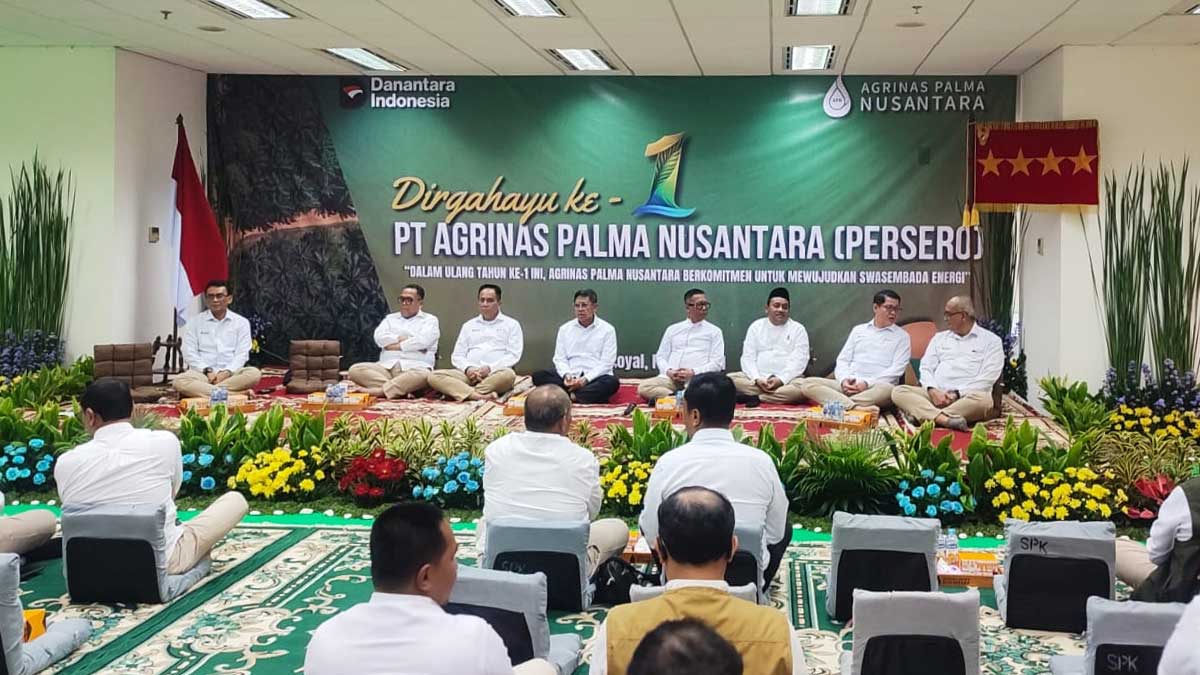
JAKARTA – InfoSAWITPT Agrinas Palma Nusantara (Persero) recorded rapid growth throughout its first year of operations. The state-owned enterprise managed a total land area of 1.7 million hectares in 2025, with approximately 774,000 hectares already planted with oil palm trees.

President Director of Agrinas Palma Nusantara, Agus Sutomo, stated that this achievement was realized in less than one year since the company began executing its mandate to manage oil palm plantations in February 2025.

Agus explained that when Agrinas Palma first received its mandate on March 10, 2025, the company managed only 221,000 hectares, of which around 159,000 hectares were already planted with oil palm.

“Eventually, we received land assignments five times. The most recent was on December 23, 2025. Now the total area reaches 1.7 million hectares, but those with oil palm trees amount to 774,000 hectares,” Agus said during the company’s 1st anniversary celebration at Menara Palma, South Jakarta, on Friday (January 23, 2026).
According to Agus, the planted areas are the company’s main operational focus because they represent productive assets that can immediately generate revenue. From managing these assets, Agrinas Palma claims to have delivered strong financial performance.

During its relatively short operational period, Agrinas Palma recorded revenue of Rp 4.3 trillion, with net profit reaching Rp 1.6 trillion.

“We have generated revenue of Rp 4.3 trillion, with net profit of Rp 1.6 trillion. We have contributed Rp 530 billion to the state treasury, and we have placed Rp 1 trillion in bank deposits,” Agus said.
He emphasized that these achievements were the result of the collective hard work of the entire organization, operating professionally, collaboratively, and in line with the mandate entrusted by the state.

“To this day, we continue to be trusted by the leadership and by the state to carry on our service in managing oil palm trees,” he added.

Energy Production Targets Still Under Review

On the same occasion, Head of Communications and Institutional Affairs of Agrinas Palma, Renaldi Zein, explained that the national target of producing 1.5 million kiloliters of B40 biodiesel remains a long-term objective that requires a lengthy process and substantial investment.

“This is a long-term target—possibly a medium-term one—to produce biodiesel fuel, which is a blend of palm oil and diesel,” Renaldi told reporters.
However, he stressed that such development is currently still in the research and in-depth feasibility study stage.

“And that requires a significant amount of investment,” he added.

Transformation from Infrastructure Consultant to Palm Oil SOE

Agrinas Palma Nusantara was previously known as PT Indra Karya (Persero), a state-owned enterprise originally focused on the infrastructure sector. Following a strategic shift, the company transformed into an entity operating in the oil palm plantation industry.


Danantara Accelerates Consolidation of SOE Hotels, Targets Completion by 2026

By Gagas Yoga Pratomo – Liputan6.com (5–6 minutes)


To view this content we will need your consent to set third party cookies.
For more detailed information, see our cookies page.


Key Points / Important Takeaways

  • 🏨 Danantara targets the full consolidation of over 100 SOE-owned hotels by 2026.
  • 🔄 The process has moved from operator consolidation to full asset ownership integration.
  • 🏢 All SOE hotel operators are now coordinated under Hotel Indonesia Natour (HIN) within InJourney.
  • 🤝 Post-consolidation, Danantara plans to explore joint ventures with strategic partners.
  • ⛏️ Danantara has established Perminas, a new SOE to manage idle mining assets, separate from MIND ID.
  • 🌍 President Prabowo positioned Danantara as a US$1 trillion sovereign wealth fund at WEF Davos.
  • 🚀 Danantara is framed as a key vehicle for future industries, capital efficiency, and economic sovereignty.

JAKARTADanantara Indonesia is pushing to complete the consolidation of all state-owned enterprise (SOE/BUMN) hotel networks by 2026. This agenda is part of a broader effort to revamp Indonesia’s tourism business model.

Currently, SOEs collectively own more than 100 hotels spread across various regions in Indonesia. This fragmented ownership structure is a legacy of past policies, when individual SOEs each held their own hotel assets.

Chief Operating Officer (COO) of Danantara Indonesia, Dony Oskaria, explained that the restructuring process actually began the previous year through the consolidation of hotel operations. In the initial phase, several SOE-owned hotels were brought under the coordination of Hotel Indonesia Natour (HIN), the tourism-sector operating holding under PT Aviasi Pariwisata Indonesia (InJourney).

“The number of SOE hotels may exceed 100. Last year, we carried out the operator consolidation process, and we brought all of them under Hotel Indonesia Natour,” Dony said during a discussion in Jakarta on Wednesday (January 28, 2026).
Entering this year, the consolidation has moved to a more fundamental stage—the merger of ownership of all SOE hotel assets. Danantara is targeting the completion of this asset integration process by the end of 2026.

Once asset consolidation is completed, Danantara plans to move to the next phase by opening opportunities for cooperation with strategic partners. One option under review is the formation of a joint venture to further develop the hotel portfolio.


Danantara Establishes New SOE to Manage Mining Assets

Previously, Dony Oskaria, in his capacity as COO of Badan Pengelola Investasi Daya Anagata Nusantara (BPI Danantara), revealed that Danantara has established a new state-owned enterprise to manage idle and underutilized mining assets.

The newly formed SOE is named Perusahaan Mineral Nasional (Perminas). According to Dony, Perminas is a newly established entity operating separately under Danantara’s ownership.

“Perminas. So we have formed a new national mineral company,” he said at the event Danantara: Mobilizing the Giant, Powering Indonesia’s Economic Engine, on Wednesday (January 28, 2026).
Dony emphasized that Perminas is not part of MIND ID, the existing mining SOE holding that manages Indonesia’s mining sector.

He added that Perminas will carry out specific government assignments, including the management of certain mines such as the Martabe mine in North Sumatra, which was previously operated by PT Agincourt Resources.

“No, it’s not part of the holding. Perminas is a standalone company, fully owned by Danantara,” he concluded.

Prabowo Showcases Danantara as Indonesia’s Future Economic Power at WEF Davos

Earlier, Prabowo Subianto, President of Indonesia, introduced Danantara to the international community at the World Economic Forum (WEF) in Davos, Switzerland, on Thursday (January 22, 2026).

On that occasion, Prabowo explained that Danantara was established in February 2025 to support economic growth through strong state governance and efficient capital allocation and deployment.

“Danantara means the energy to drive Indonesia’s future. Danantara is a sovereign wealth fund with assets under management reaching US$1 trillion,” Prabowo said.
“With Danantara, I can stand here before you as an equal partner. Indonesia today is not only a country of peace and stability, nor just a country of great opportunity,” he emphasized.

Financing Indonesia’s Future Industries

According to Prabowo, Danantara enables Indonesia to co-invest with foreign partners and is designed to finance the country’s future industries.

“That is why we built Danantara with strong oversight and institutional accountability. We are striving to find the best executives to lead it, whether Indonesian or foreign nationals,” he said.
“This is how we now run Indonesia—from social programs, to maximizing the use of our natural resources, to achieving food and energy self-sufficiency. All of this is now accompanied by strict oversight and capable leadership,” Prabowo added.


Danantara Instructs State-Owned Enterprises to Purchase Products from PT PAL and INKA

By Annasa Rizki Kamalina & Aprianus Doni Tolok – Bisnis.com (5–6 minutes)

To view this content we will need your consent to set third party cookies.
For more detailed information, see our cookies page.

Key Points / Important Takeaways

  • 🏭 Danantara issued an internal directive requiring SOEs to procure strategic products from PT PAL and INKA.
  • 🚢 All SOE shipping companies (Pelni, ASDP, PIS) must build new vessels at PT PAL.
  • 🚆 INKA is prioritized for national railway procurement, including 30 new KRL trainsets.
  • 🔐 The policy provides off-taker certainty, critical for sustaining heavy industries.
  • 📉 The strategy aims to reduce import dependence and deepen SOE industrial synergies.
  • 🧱 INKA’s transformation and facility upgrades are embedded in its 2026 RKAP.
  • 🇮🇩 The directive supports industrial self-reliance and long-term manufacturing capacity building.
  • ⏳ Delivery of 30 KRL trainsets is targeted within one year, not earlier than H2 2026.
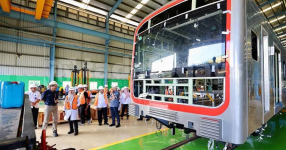
JAKARTABadan Pengelola Investasi Daya Anagata Nusantara (Danantara Indonesia) has issued a strategic internal directive regarding the procurement of products from Indonesia’s strategic industries within state-owned enterprises (SOEs/BUMN).

Under this policy, SOEs—particularly those operating in the shipping and railway sectors—are required to purchase or place orders with two national strategic manufacturers: PT PAL Indonesia (Persero) and PT Industri Kereta Api (Persero) / INKA.

The instruction was conveyed by Dony Oskaria, Chief Operating Officer of Danantara, during a public discussion in Jakarta in late January 2026.

This move forms part of Danantara’s broader strategy to strengthen Indonesia’s domestic strategic industrial base, improve synergy among SOEs, and reduce dependence on imported products. The policy is widely viewed as a form of state alignment in favor of long-term national manufacturing capacity development.


Strengthening the Shipbuilding Industry and PT PAL Procurement

One of the key focuses of the directive is ship procurement by state-owned shipping companies. Danantara requires all SOEs operating in the maritime sector—such as PT Pelayaran Nasional Indonesia (Pelni), PT ASDP Indonesia Ferry (Persero), and PT Pertamina International Shipping (PIS)—to build all new vessels at the national shipyard, PT PAL Indonesia.

This instruction applies as an internal SOE policy, intended to reinforce the position of Indonesia’s national shipbuilding industry within the domestic market.

According to Dony, the policy aligns with the completed consolidation of PT PAL, and with guaranteed demand from the SOE group, Indonesia’s shipbuilding industry is expected to see significant improvements in production capacity, employment absorption, and overall competitiveness.

He emphasized that without clear state alignment and protection, the growth and advancement of strategic manufacturing sectors would be difficult to achieve.

Danantara does not view this directive as merely a local preference. Instead, it underscores the importance of demand certainty (off-taker guarantees) to ensure the sustainability of heavy industries and to generate positive spillover effects across supporting sectors.


To view this content we will need your consent to set third party cookies.
For more detailed information, see our cookies page.

Inka first factory, Madiun, East Java


INKA’s Role and the National Strategy for Industrial Self-Reliance

Beyond shipbuilding, Danantara also highlighted the strategic role of INKA in strengthening Indonesia’s national manufacturing value chain.

Dony explained that INKA’s transformation agenda has been incorporated into its 2026 Corporate Work Plan and Budget (RKAP), including efforts to improve financial performance and strengthen production facilities at INKA’s plant in Banyuwangi, East Java.


To view this content we will need your consent to set third party cookies.
For more detailed information, see our cookies page.

Design 3D Workshop PT INKA (Persero) Banyuwangi​


This transformation aligns with the national railway modernization plan, as PT Kereta Api Indonesia (KAI) prepares to renew its aging fleet of railcars and locomotives.

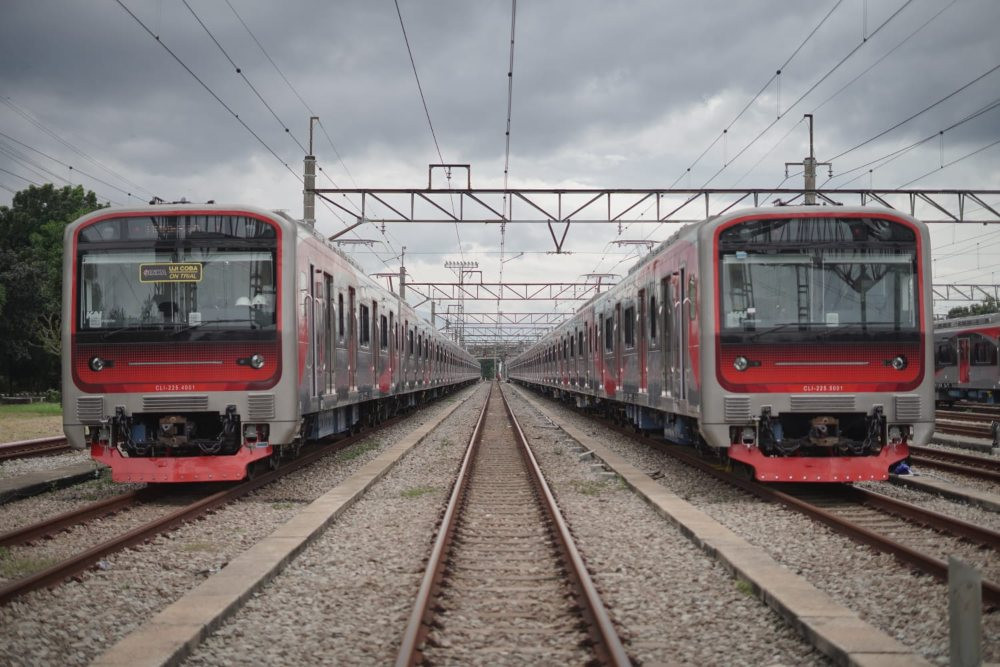
Meanwhile, Bobby Rasyidin, President Director of KAI, has reaffirmed that domestic production will be prioritized in the procurement of 30 new electric multiple unit (EMU/KRL) trainsets.

Despite tight procurement timelines, Bobby confirmed that instead of importing, KAI will optimize domestic content (TKDN) using an investment budget of Rp 5 trillion.

“We committed to optimizing local content. Therefore, we are prioritizing domestic industry,” Bobby said, as quoted on Thursday (January 29, 2026).

1770620105249.png
INKA train for Greater Jakarta Commuter line


Accordingly, KAI will rely on INKA for the procurement of the 30 EMU trainsets requested directly by Prabowo Subianto, President of Indonesia.

Bobby explained that the procurement process is currently progressing and has entered the design phase for both rolling stock and supporting electrical infrastructure.

President Prabowo has given KAI a one-year deadline, ending in late 2026, to deliver the 30 trainsets.

“It won’t be possible in the first half of 2026. Building trains takes time, and the overhead power supply system also needs upgrading. The commitment was one year,” Bobby said.


Indonesia Bullion Bank Users Rise to 5.7 Million as Gold Demand Surges​


Antara
March 6, 2026 | 8:23 pm

To view this content we will need your consent to set third party cookies.
For more detailed information, see our cookies page.


Jakarta. The number of customers using Indonesia’s bullion banking services has climbed sharply over the past year, reflecting rising public interest in gold as global economic uncertainty drives demand for safe-haven assets.


Chuef Economic Affairs Minister Airlangga Hartarto said the number of bullion bank customers has increased from 3.2 million in February 2025 to 5.7 million today.


Indonesia’s bullion banking ecosystem was officially launched by President Prabowo Subianto on Feb. 26, 2025. State pawnshop operator Pegadaian and Bank Syariah Indonesia became the first two financial institutions licensed to operate the service.

“The amount of gold pawned at Pegadaian has increased to 144.7 tons from 94 tons previously. Loans backed by gold have also risen by 38.5 tons, equivalent to Rp102 trillion,” Airlangga said in Jakarta on Friday.

Gold holdings at Bank Syariah Indonesia have also expanded, reaching 22 tons, he added.


Airlangga said growing interest in gold has been fueled in part by global uncertainty. When Indonesia launched its bullion banking initiative last year, gold prices were around $3,000 per troy ounce. Prices have since climbed to roughly $5,000 per ounce.


Geopolitical tensions and economic volatility have encouraged investors and households to shift toward gold as a safer store of value, he said.


Data from the World Gold Council show that global gold demand reached a record 5,002 tons in 2025. The increase was largely driven by investment demand amid geopolitical and economic uncertainty.


Global purchases of gold bars and coins totaled 1,374 tons, equivalent to about $154 billion.


Airlangga also pointed to improvements in Indonesia’s financial inclusion landscape. According to the 2025 National Financial Literacy and Inclusion Survey conducted by the Financial Services Authority and Statistics Indonesia, the country’s financial inclusion index reached 92.74%.


The figure is significantly higher than the financial literacy index, which stood at 66 6%.


Airlangga said Indonesia’s inclusion level is relatively strong, exceeding the average of countries in the Organisation for Economic Co-operation and Development.


More than 10 million people have also participated in the National Financial Literacy Movement, known as GENCARKAN, he said.


Digital payment systems such as QRIS and the nationwide network of Laku Pandai agents — many of them micro, small and medium enterprises — have helped expand financial access across Indonesia’s 514 regencies and cities.


Looking ahead, the government is preparing to establish the National Financial Well-being Council (DNKK), which will complement the National Council for Financial Inclusion (DNKI). The initiative is part of the broader institutional framework introduced under the Financial Sector Development and Strengthening Law.


Read More:​

Indonesian Consumers Buy 48 Tons of Gold in 2025 Despite Record Prices


Users who are viewing this thread

Pakistan Defence Latest

Back
Top