Indonesian EV Battery Development

ITB Students Propose Utilizing Nickel Tailings to Produce Cost-Efficient LFP Battery Cathodes​


Jumat, 20 - Maret - 2026

1774060432975.png

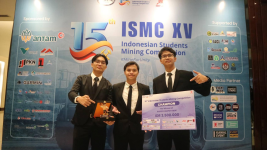
A team of three students from the Bandung Institute of Technology (ITB) has developed an innovative idea to utilize nickel tailings for the production of Lithium Iron Phosphate (LFP) battery cathodes, aiming to create a more cost-efficient and sustainable solution.

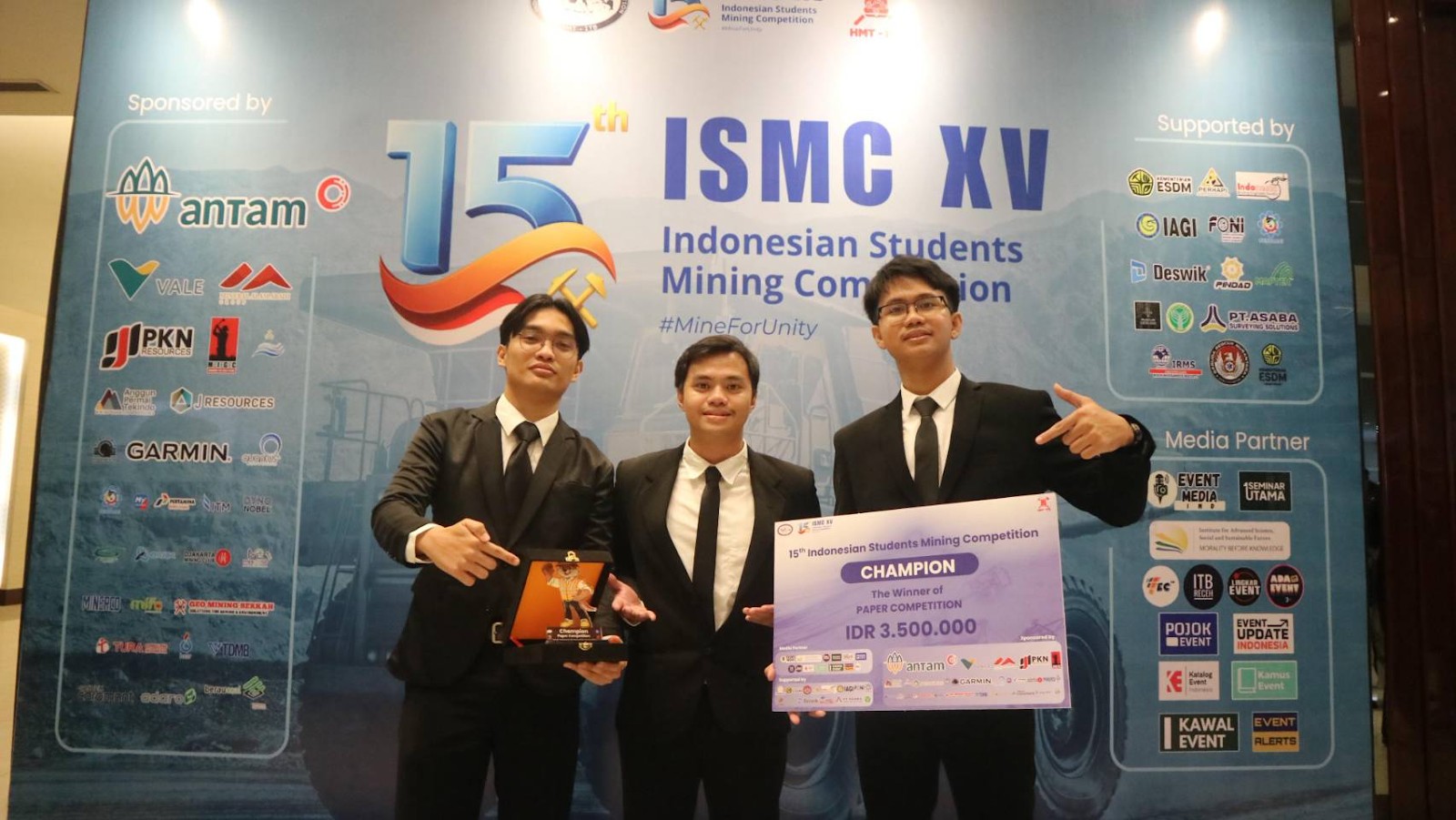
The idea was presented in a mining competition organized by the Mining Engineering Student Association (HMT-ITB). The team—Kornelius Candra Hutabarat, Adyatma Putra Fausta Hariyadi Said, and Nikolo Albertgati Barasa—submitted a project titled:

“Low-Cost LFP Battery Cathode Production from HPAL Nickel Tailings: A Techno-Economic Feasibility Study and Circular Business Model at IMIP Morowali.”


Turning Waste into Valuable Battery Materials​

The team highlighted the issue of high volumes of tailings generated from the High Pressure Acid Leaching (HPAL) process, commonly used to process low-grade nickel ores in Indonesia.

  • Producing 1 ton of nickel can generate up to 100 tons of tailings
  • These tailings are largely underutilized
Through literature studies, the team found that HPAL tailings still contain significant amounts of iron (Fe), which can be processed into a key component of LFP battery cathodes.

“We see a huge opportunity in this underutilized waste. The iron content can be processed into an important component for LFP batteries, whose demand continues to grow,” said Kornelius.

Aligning with Global Energy Transition​

The project is closely linked to global trends, particularly:

  • Energy transition
  • Net-zero emission targets
  • Rapid growth in electric vehicle (EV) demand
While Nickel-Manganese-Cobalt (NMC) batteries still dominate, the market is gradually shifting toward LFP batteries, which are:

  • More stable
  • Safer
  • More cost-efficient

Integrated Industrial Ecosystem Approach​

The team analyzed not only the technical aspects but also:

  • Economic feasibility
  • Business model design
They used the IMIP Morowali industrial area as a case study, where integrated infrastructure allows:

  • Easier access to raw materials (iron, lithium)
  • Reduced logistics costs
  • Higher potential profit margins
“We approached this from upstream to downstream—focusing not only on production, but also on how the business model could realistically operate,” the team explained.

Circular Economy Model​

The team proposed a circular business model, inspired by Indonesia’s Domestic Market Obligation (DMO) policy in coal:

  • LFP cathodes are prioritized for domestic use (supporting local content / TKDN)
  • Excess production can be exported
This model supports both industrial development and national supply chain resilience.


Environmental Innovation​

From an environmental perspective, the innovation promotes sustainability by:

  • Utilizing waste as raw material
  • Reducing environmental impact of tailings
The team also explored:

  • Enhanced Volatilization and Recovery (EVR) technology to recycle phosphoric acid
  • Lower-temperature processing to improve energy efficiency

Challenges and Future Development​

Despite its potential, the innovation is still at an early stage:

  • Current technology is laboratory-scale
  • Requires industrial-scale development
Key challenges include:

  • Scaling up the technology
  • Managing lithium price volatility

Economic Potential​

Based on initial simulations:

  • Production capacity: ~60,000 tons per year
  • Estimated payback period: ~3.2 years
However, these results are based on secondary data and require validation using real industrial data.


Conclusion​

This project demonstrates a comprehensive approach combining:

  • Technical innovation
  • Economic feasibility
  • Policy alignment
“A good idea is one that is not only innovative, but also relevant and applicable in the real world,” the team stated.
The initiative not only offers a solution for mining waste management, but also opens opportunities to strengthen Indonesia’s domestic battery supply chain using local resources—supporting a more sustainable industrial future.


To view this content we will need your consent to set third party cookies.
For more detailed information, see our cookies page.
 

US$4 Billion Investment: GEM Group Builds a Complete Nickel Downstream Industrial Chain in Morowali​


30/03/2026,

1775010657995.png
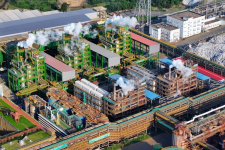
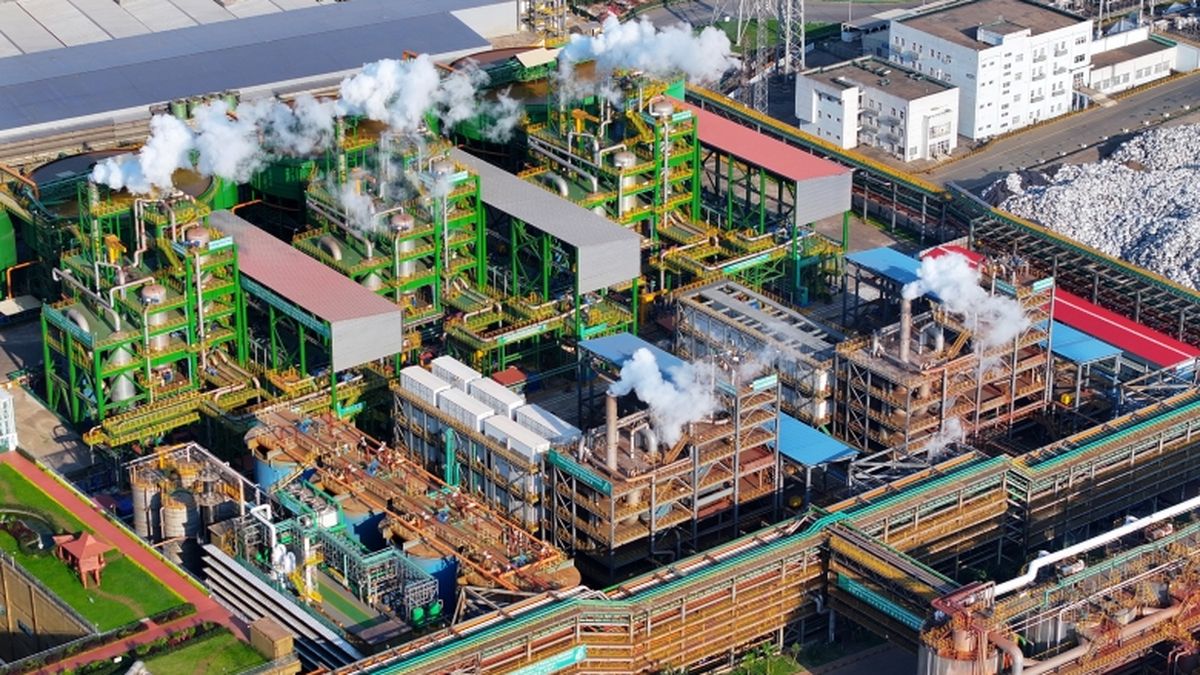
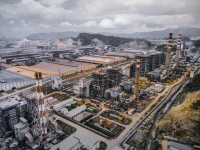
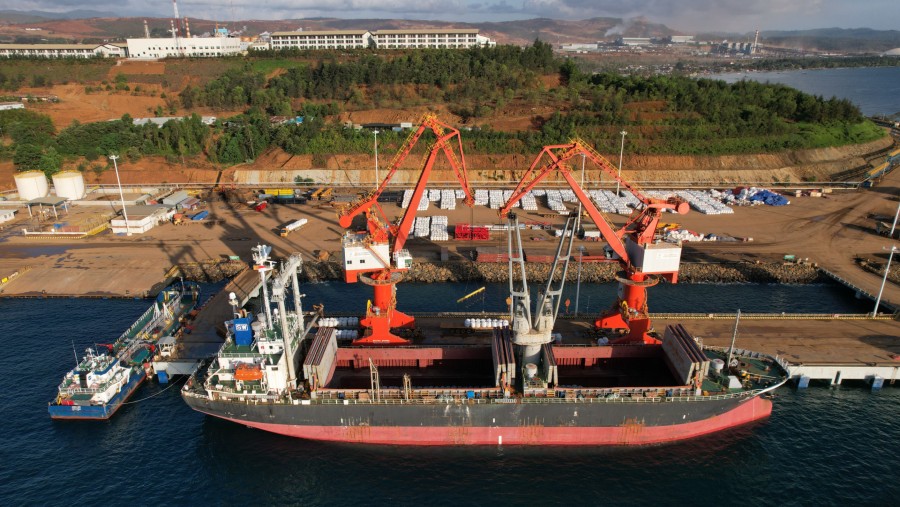
PT QMB New Energy Materials in the Morowali Industrial Area operates a high-pressure acid leach (HPAL) hydrometallurgical system to process low-grade laterite nickel ore into electric vehicle battery materials. (Doc. QMB)


KOMPAS.com — For years, nearly half of Indonesia’s nickel reserves went to waste due to the lack of economically viable processing methods.

Low-grade laterite nickel ore, with a content of around 0.8–1.2%, was discarded as mining waste, while the national nickel industry was only capable of processing high-grade saprolite ore above 1.7%.

At that time, with ongoing mining intensity, high-grade ore reserves were estimated to last for less than 20 years.


Turning “Waste” into Valuable Assets​

GEM Group (GEM Co., Ltd), a circular economy pioneer from China, saw an opportunity behind this issue. Since 2017, the group has entered Sulawesi and conducted in-depth studies on the potential of low-grade laterite ore that had previously been neglected.

GEM engineers discovered that this low-grade ore contains:

  • Nickel
  • Cobalt
  • Manganese
with a ratio of approximately 10:1:3, which matches the standard composition of high-nickel ternary battery materials.

The ore previously considered waste was in fact an ideal raw material for the electric vehicle (EV) battery industry. However, no technology had been able to process it economically.

Several companies in Morowali had invested hundreds of millions of dollars since 2015 to test hydrometallurgical processing of this ore, but without success.

Globally, similar projects in New Caledonia and Papua New Guinea required investments exceeding US$600 million per 10,000 tons of nickel, yet failed to generate profits.


Technological Breakthrough​

GEM Group took a different approach. Under the leadership of Chairman and Founder Prof. Xu Kai Hua, the company managed to:

  • Reduce investment costs to below US$200 million per 10,000 tons of nickel
  • Lower production costs to below US$10,000 per ton of nickel
This achievement was the result of intensive on-site efforts. In 2020, during the pandemic, GEM’s scientific team spent 24 months in Sulawesi, building engineering laboratories from scratch—from 10-liter reactors to 100-cubic-meter systems—to solve the technical challenges of processing low-grade laterite ore.

The results were significant. By September 2022, all production lines in GEM’s Morowali industrial area were fully operational.

The group successfully developed the world’s first independently designed, built, and operated high-pressure acid leach (HPAL) system with a capacity of 1,168 cubic meters, enabling the simultaneous extraction of nickel, cobalt, and manganese in a single integrated process.


1775010743971.png

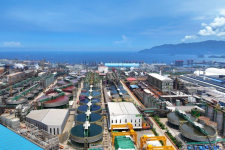
The GEM Group industrial area in Morowali has become the first nickel downstream industrial chain in Indonesia to integrate the processing of laterite ore into global electric vehicle battery materials.​

Building a Complete Industrial Chain​

This technological achievement became the foundation for building a complete nickel downstream industrial chain in Indonesia.

Over five years, GEM Group invested US$4 billion to establish a fully integrated production chain in Morowali, including:

  • Processing of low-grade laterite ore
  • Production of high-purity nickel sulfate crystals
  • Production of electrolytic nickel
  • Production of ternary precursor materials for EV batteries
Production capacity includes:

  • 100,000 tons/year of battery-grade nickel sulfate
  • 30,000 tons/year of high-purity nickel plates
  • 50,000 tons/year of ternary battery precursor materials
This makes GEM’s Morowali industrial area the first fully integrated, world-class nickel downstream industrial chain in Indonesia.


Expanding Indonesia’s Role in the Global Supply Chain​

This transformation has had broader impacts. By recovering cobalt from ore containing only 0.08–0.1% cobalt, GEM’s operations have helped position Indonesia as the world’s second-largest cobalt producer.


Measurable Economic Impact​

The investment and production capacity have begun to generate tangible economic results.

During 2024–2025, GEM’s Morowali industrial area recorded:

  • US$2.5 billion in exports
  • US$400 million in tax payments
  • Creation of more than 10,000 jobs
These figures demonstrate that technology-driven nickel downstreaming can generate real value—not only for industry players but also for:

  • Government revenue
  • Local employment

From Raw Material Exporter to Global Supply Chain Player​

This shift has positioned Indonesia not merely as a supplier of raw nickel, but as a core player in the global EV battery material supply chain.

According to internal estimates, this transformation has accelerated Indonesia’s entry into the new energy industry by more than two decades ahead of previous projections.


QMB as Operational Backbone​

Behind GEM Group’s achievements, PT QMB New Energy Materials, located in the Indonesia Morowali Industrial Park (IMIP), serves as the operational backbone in Indonesia.

QMB represents GEM’s vision of integrating the entire nickel value chain into a sustainable industrial ecosystem, from laterite ore to ready-to-use battery materials for the global EV industry.


Indonesia dominates around 60 % of world nickel production.

1775960261325.png
 

Vale Indonesia Lands $750 Million Green Loan to Fund Nickel Expansion​


Muawwan Daelami
April 24, 2026

1777099356771.png
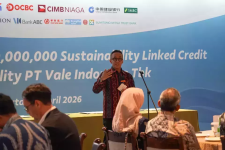
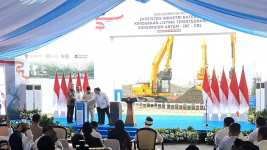
Vale Indonesia Chief Executive Officer Bernardus Irmanto during the signing ceremony for the company's $750 million sustainability-linked loan facility in Jakarta on Friday, April 24, 2026. (Vale Indonesia/Handout)


Jakarta. Vale Indonesia (IDX: INCO) secured a $750 million (Rp 12.96 trillion) sustainability-linked loan, with an option to increase the facility by a further $250 million, in a deal that drew strong demand from global lenders as nickel producers position for the energy transition.

The syndicated facility, Vale Indonesia’s first sustainability-linked loan, was oversubscribed by 1.7 times and backed by a consortium of 14 international banks, indicating investor appetite for companies tied to electric-vehicle supply chains and lower-carbon mining.

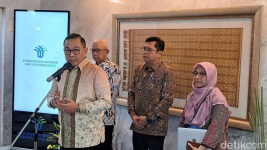
Chief Executive Officer Bernardus Irmanto said the facility reflects the company’s push to embed sustainability into strategic decision-making. “This marks an important step in aligning our financing strategy with decarbonization goals and long-term growth,” he said in Jakarta on Friday.

The financing will boost the company’s balance sheet while funding expansion projects and aligning operations with global sustainability standards, the Jakarta-listed unit of Vale S.A. said in a statement Friday.


Hormuz Disruption Raises Supply Risks, Vale Says Sulfur Stocks for Nickel Smelters Remain Secure​


Azura Yumna Ramadani Purnama


To view this content we will need your consent to set third party cookies.
For more detailed information, see our cookies page.


JAKARTA — Amid concerns over potential disruption in the Strait of Hormuz, Vale Indonesia stated that its sulfur supply for nickel smelters remains secure, even as global supply risks increase.

Vale is currently developing three major mining and processing projects in Bahodopi, Pomalaa, and Sorowako, integrated with HPAL (High Pressure Acid Leach) facilities, with total investment reaching:

$8.5 billion USD

📊 Project Progress​

The largest project is:

  • IGP Pomalaa
    • Investment: $4.5 billion USD
    • Partners: Ford & Huayou
    • Construction progress:
      • HPAL plant: 65%
      • Mining sector: 72%
    • Workforce: 5,000+ employees
    • Target operation: August 2026
    • Capacity: 120,000 tons MHP/year
Meanwhile:

  • IGP Morowali (Bahodopi)
    • Operational since: Q1 2025
    • Phase 1 mining: 100% completed
    • Nickel ore sold (early 2026): 2.2 million tons
    • HPAL plant (GEM & EcoPro):
      • Progress: 27%
      • Capacity: 66,000 tons MHP/year
      • Investment: $2 billion USD
  • IGP Sorowako (South Sulawesi)
    • Area: 70,566 hectares
    • Mining progress: 42%
    • HPAL progress: 18%
    • Capacity: 60,000 tons MHP/year
    • Target operation: 2027

⚠️ Global Sulfur Supply Risk​

Around:

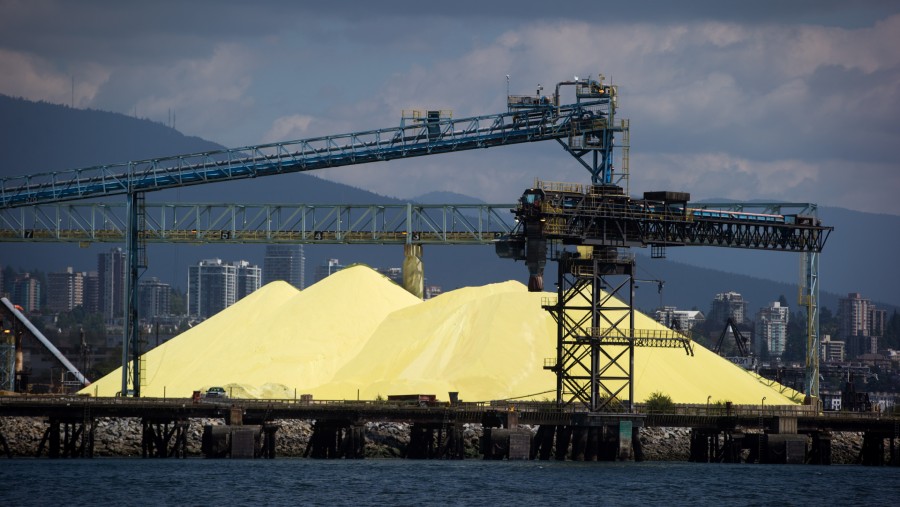
  • 50% of global sulfur supply (~20 million tons/year)
    comes from the Middle East (Persian Gulf region)
Key exporters include:

  • Saudi Arabia
  • UAE
  • Qatar
  • Kuwait
  • Iran
All shipments must pass through the Strait of Hormuz.


📉 Indonesia’s Exposure​

According to Shanghai Metal Market (SMM):

  • >75% of Indonesia’s sulfur imports (2025) come from the Middle East
Major suppliers:

  • Saudi Arabia: 1.76 million tons
  • Qatar: 967,000 tons
  • UAE: 918,000 tons
  • Canada: 515,000 tons
  • Kuwait: 366,000 tons
This concentration creates vulnerability:

A disruption in Hormuz could directly affect raw material supply for Indonesia’s nickel processing industry

🔋 Impact on Nickel Industry​

Sulfur is critical for HPAL processing:

  • 1 ton of MHP requires ~11.7 tons of sulfur
MHP (Mixed Hydroxide Precipitate) is a key intermediate for:

  • Electric vehicle (EV) batteries

🧠 Clean analytical sentence​

Despite heavy reliance on Middle Eastern sulfur, Vale’s secured supply highlights the importance of supply resilience as Indonesia’s nickel-to-EV battery ecosystem expands rapidly.


Indonesia, Philippines Forge Nickel Corridor to Strengthen Regional Supply Chain​


RRI

1778762739493.png
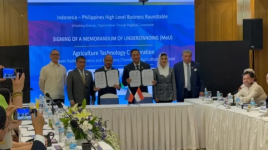
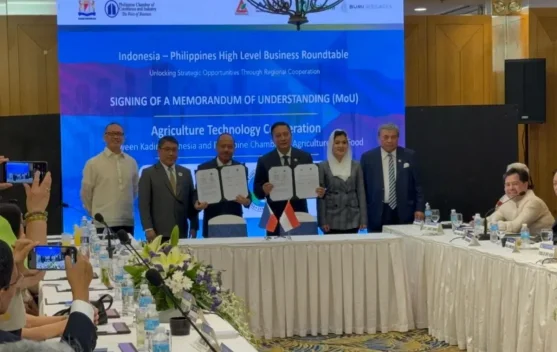
Indonesia-Philippines High Level Business Roundtable. The Indonesian Chamber of Commerce and Industry beliieves that a new strategic partnership with the Philippines in the critical minerals sector will elevate both countries’ positions in the global market. (Photo: Kadin)


RRI.CO.ID, Jakarta - The Indonesia Chamber of Commerce and Industry (Kadin) believes that a new strategic partnership with the Philippines in the critical minerals sector will not only reinforce regional supply chains but also elevate both countries’ positions in the global market.

Speaking in Jakarta on Saturday, May 9, 2026, Kadin’s Deputy Chairman for International Relations, Bernardino Moningka Vega, described the Indonesia-Philippines Nickel Corridor initiative as a fresh model of regional economic cooperation.

Unlike traditional commodity trade, he said, the partnership focuses on building stronger industrial value chains.

The initiative was unveiled during the Indonesia-Philippines High-Level Business Roundtable in Cebu, organized by Kadin Indonesia and the Philippine Chamber of Commerce and Industry (PCCI), coinciding with President Prabowo Subianto’s official visit to the Philippines for the 48th ASEAN Summit.

“Aligned with this year’s ASEAN theme -- Navigating Our Future, Together -- the roundtable has mapped out a roadmap not only for bilateral cooperation but also for ASEAN’s readiness to face current geo-economic realities,” Bernardino explained, as quoted by Antara.

Collaboration between the Indonesian Nickel Miners Association (APNI) and the Philippine Nickel Industry Association (PNIA) will cover data and information exchange, policy dialogue, cross-border investment promotion, ESG methodology development, and workforce capacity building.

Indonesia produced around 2.6 million metric tons of nickel in 2025, while the Philippines contributed 270,000 metric tons. Together, the two nations accounted for 73.6 percent of global nickel output, according to the United States Geological Survey (USGS).

Indonesia holds an estimated 62 million metric tons of reserves, compared to the Philippines’ 4.8 million metric tons. For Indonesia, the partnership secures raw material supplies for its expanding downstream nickel industry, while for the Philippines, it opens opportunities to add value through regional processing and investment.

Beyond nickel, the forum also produced agreements on strategic chamber-to-chamber cooperation, agricultural technology collaboration, and aviation partnerships -- including a deal between Garuda Maintenance Facility and JAR Aviation Services valued at approximately USD 80 million.

Plans were also announced for a nickel processing facility in the Philippines, to be developed by Agro Investama Group with RBN Solutions Inc. and Ploutus Inc., with a supply commitment of at least 200,000 metric tons per month starting June 2026 to support the battery and electric vehicle supply chain.

PCCI President Ferdinand Ferrer emphasized the broader significance of the partnership. “ASEAN will be strongest when acting as one. At the heart of this unity is the robust bilateral relationship between Indonesia and the Philippines, representing nearly 400 million people,” he concluded.

This landmark cooperation signals a shift toward deeper integration of critical mineral industries in Southeast Asia, positioning the region as a key player in the global energy transition. **


Users who are viewing this thread

Latest Posts

Back
Top