Indonesian EV Battery Development

China's CNGR planning $10 bln battery material facility in Indonesia​

By Fransiska Nangoy
October 30, 20241:58 PM
GMT+7Updated 4 days ago

JAKARTA, Oct 30 (Reuters) - Chinese battery material maker CNGR Advanced Material Co (300919.SZ) , opens new tab is planning to build an integrated production facility worth $10 billion in nickel-rich Indonesia, a local official for the company said on Wednesday.

The investment will take place over 10 to 15 years and the company is looking for a suitable location for the plant, Magdalena Veronika, a director at CNGR Indonesia told reporters.

She said the project has been granted national strategic project status from the government, which will provide certain benefits including land procurement. It will require 3,000 to 5,000 hectares (7,413 to 12,355 acres) of land, she added.

"The investment can reach $10.5 billion which will be divided into three stages," she said.

The project is the latest venture by a Chinese-backed firm in top nickel miner Indonesia, which banned nickel ore exports in 2020 to try to establish a fully integrated battery industry and electric vehicle ecosystem at home.

CNGR, which already produces Class-1 nickel product from Indonesia, aims to produce battery precursor products at the planned new facility, Veronika said.

The company is also open to have their partners build a processing plant at their planned site.

"Our clients has said that once an integrated facility has been built, they would be happy to join us," she said, with CNGR focusing their investment in battery materials while other companies may invest in battery or other products.


Prabowo to Try to Secure Ford, Volkswagen Investments in First Foreign Trip​


Jayanty Nada Shofa

November 4, 2024 | 3:53 pm


Nickel miner Vale has partnered with Ford and Chinese cobalt supplier Huayou to build a $4.5 billion nickel processing plant in Kolaka, Southeast Sulawesi. According to media reports, Vale was seeking to work with Volkswagen for the high-pressure acid leach facility -- which extracts valuable metals from laterite ores -- in the South Sulawesi village of Sorowako. The Indonesian government has a 34 percent stake in Vale via the state mining holding company: MIND ID.

 
Battery is likely become our future propulsion system

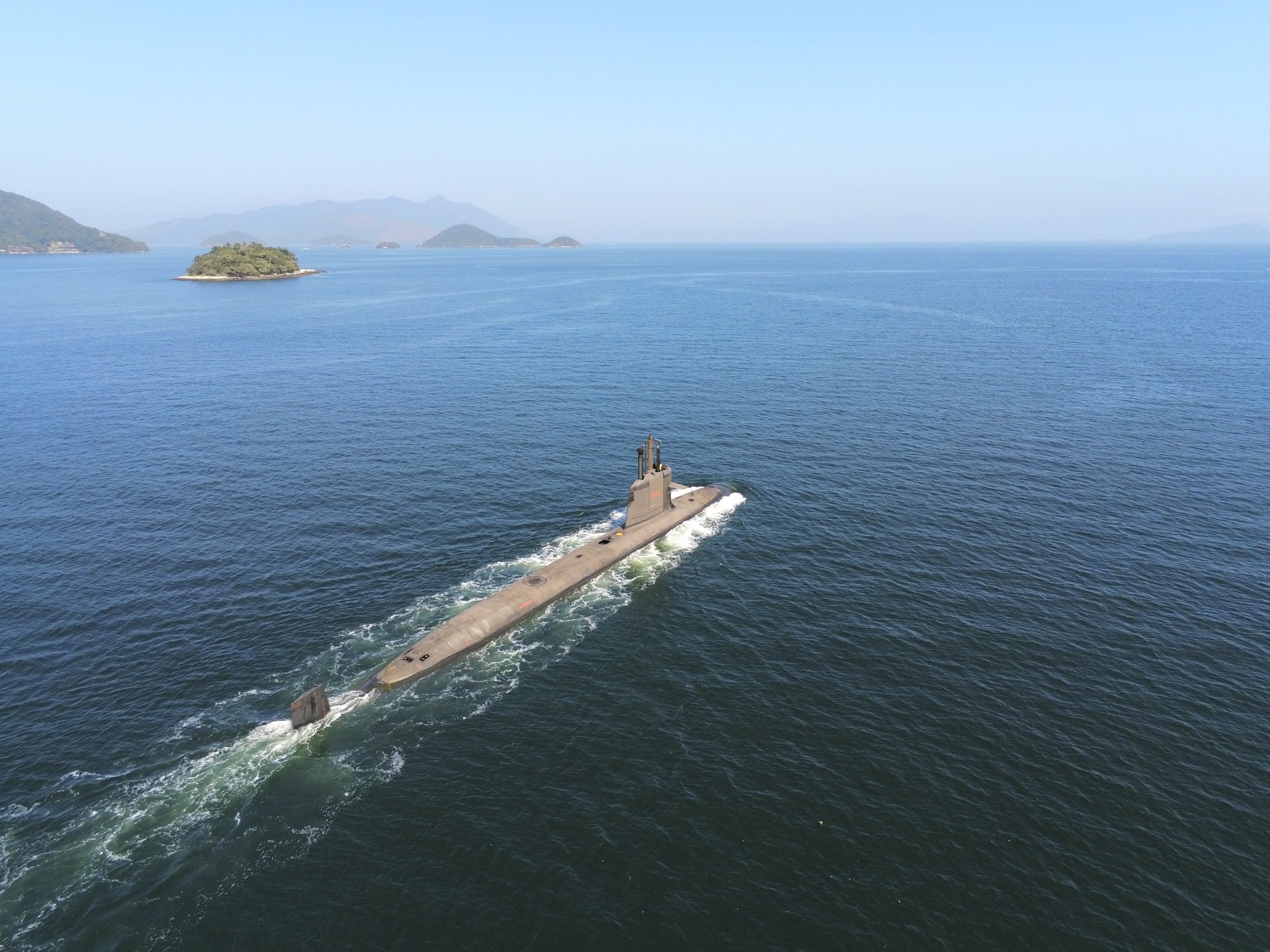
Even Indonesia is going to make Scorpene submarine with full Lithium Ion Battery as its propulsion system


-------------------------

Indonesia Inks Contract with Naval Group and PT Pal for 2 Scorpène Evolved submarines​


On March 28th 2024, Indonesia chose Naval Group and PT PAL to strengthen the capabilities of the Indonesian Navy with two Scorpène Evolved Full Lithium-Ion battery (LiB) submarines to be built in Indonesia in PT PAL shipyard, through a transfer of technology from Naval Group.​


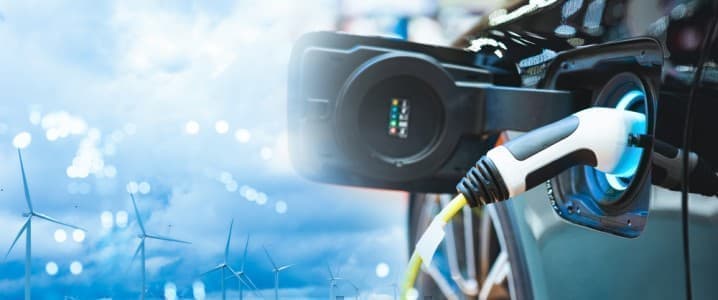
The Remarkable Evolution of the Electric Vehicle​


By Charles Kennedy - Oct 13, 2024, 4:00 PM CDT

  • While the electric car has only recently become a mainstream product, it has a history dating back to the late 19th century.
  • Early attempts at electric vehicles were limited by battery technology and competition from gasoline-powered cars.
  • Recent advancements in battery technology, government incentives, and increased consumer awareness have led to a resurgence in electric car popularity.
Electric vehicles have undoubtedly gone mainstream, heralded as the answer to our environmental woes and the future of transportation. But while it might seem like a sudden, revolutionary breakthrough, EVs have actually been around for over a century. Their story is one of bursts of innovation, long stretches of stagnation, and then fresh surges in popularity thanks to a mix of technological advances and growing environmental awareness.

More recently, demand for electric vehicles has dropped dramatically, with their gasoline counterparts continuing to dominate the market - but the ultimate rise of the electric vehicle does still appear to be inevitable.

The origins of the electric car go back to the late 19th century when inventors like Thomas Edison and William Morrison were tinkering with electric-powered vehicles. While their prototypes were far from perfect—slow, heavy, and limited in range—they showed that electric cars had potential as a real alternative to gasoline engines. At that time, EVs competed head-to-head with steam and internal combustion engines, but it wasn’t long before gas-powered cars took the lead. They were lighter, faster, and, most importantly, they could go much further on a single refueling.

By the early 20th century, gasoline cars had a firm grip on the market. The rapid expansion of gas stations, coupled with assembly-line manufacturing pioneered by Henry Ford, made these cars cheaper and easier to fuel up, pushing EVs to the sidelines.

Even so, electric vehicles never completely disappeared. They resurfaced occasionally, especially during times of crisis. For example, the oil embargoes and energy shortages of the 1970s sparked a brief revival of interest, as did growing concerns about air pollution. But once again, the limitations of battery technology—big, heavy, and not very efficient—kept EVs from becoming a viable option for the average driver.

The real game-changer came in the early 2000s, when lithium-ion batteries hit the scene. These batteries were smaller, lighter, and could store more energy, making them a perfect fit for EVs. Suddenly, an electric car could drive hundreds of miles on a single charge and recharge in a matter of hours rather than days. This shift, combined with increasing public awareness of climate change and strong government incentives, brought EVs back into the mainstream conversation.

Gasoline Still Dominates the Road

Despite all the excitement surrounding electric vehicles, traditional gasoline-powered cars are still the kings of the road. As of 2023, internal combustion engine (ICE) vehicles account for around 90% of all passenger cars worldwide, leaving EVs with just about 10% of the market share. Even this 10% includes both battery-electric vehicles (BEVs) and plug-in hybrid electric vehicles (PHEVs), which shows just how dominant gas-powered cars remain.

In some regions, EVs are making more progress. In Europe, for instance, they accounted for around 12% of new vehicle sales in 2022, while in the U.S., the number was a more modest 7.6%. Despite these gains, when you consider the 1.4 billion gasoline-powered cars still on the roads globally, the number of EVs—about 26 million—is just a tiny drop in the automotive bucket.

This continued dominance of gas-powered cars boils down to a few key factors. Gasoline cars are still cheaper upfront and more convenient, especially in areas with limited charging infrastructure. Additionally, the variety of available gasoline models—from tiny economy cars to massive SUVs—gives consumers more options at different price points and use cases. So while EVs are catching on, they still have a long way to go before they truly challenge the global footprint of gasoline cars.

In 2024, demand for EVs has slumped, highlighting just how much more work there is for the industry to do, but the rise of electric vehicles does ultimately seem inevitable.

A Look at the Road Ahead


Of course, any conversation about today’s electric cars inevitably leads to Tesla. Founded by Elon Musk, Tesla didn’t just make electric cars—they made them cool. By combining futuristic designs, high-tech interiors, and software updates that keep cars up-to-date long after they’ve been sold, Tesla changed the way people thought about EVs. Suddenly, an electric car wasn’t just a green choice—it was a status symbol. This sparked a wave of interest and pushed other automakers to scramble to develop their own electric models to keep pace.

Now, it seems like every major car manufacturer is jumping on the EV bandwagon. The increased competition has led to faster innovation and lower prices, making EVs more accessible to a broader audience. But challenges remain. A sparse charging network in many parts of the world, ongoing concerns about battery lifespan, and the environmental impact of producing and disposing of batteries are all issues that have to be overcome.

Despite these obstacles, the future of electric vehicles looks bright. Advances in battery technology continue to push the limits of range and charging speed, while governments are investing heavily in expanding charging infrastructure. Several countries have even set timelines for phasing out the sale of new gasoline-powered cars entirely.

While the rate of change remains uncertain, it’s clear that the EV market has reached a tipping point. As technology keeps pace with consumer expectations and infrastructure catches up to demand, electric cars are poised to become the new normal. Ultimately, this isn’t just about swapping one engine for another—it’s a fundamental shift in how we think about transportation and sustainability.

The electric car’s journey has been anything but smooth, but it feels like we’ve reached a pivotal moment. From early experiments to niche prototypes to the widespread adoption we’re starting to see today, EVs are set to reshape the way we move over the next century. And this time, they’re here to stay.

 
Aion Will Make Indonesia a Production Base, Ready to Export


To view this content we will need your consent to set third party cookies.
For more detailed information, see our cookies page.


09/11/2024, 13:02 WIB


JAKARTA, KOMPAS.com - Aion Indonesia plans to make Indonesia as the main production base in the Southeast Asia region (ASEAN) with Thailand.Incorporily, the Chinese electric car company not only focuses on selling products, but will also build factories to produce electric vehicles in the country.

Aion Indonesia Vice President Major Qin said that Aion has exported its products to more than 20 countries around the world. Currently, Indonesia is one of the key countries in the Aion expansion plan.

"The cooperation with Indomobil is not only for sales, but also for the production of electric cars," Qin said in a press conference at Pantai Indah Kapuk (PIK), Jakarta, Friday (8/11/2024).

"The plan with Indomobil is we want to make Indonesia as a production base and will be able to be exported abroad," he added.Aion already has a factory in Thailand. However, they plan to expand production capacity by setting up a new plant in Cikampek, West Java, which is scheduled to start operating in the first quarter of 2025.

READ MORE: Hyundai confirms Genesis presence in Indonesia

Later this factory will have a production capacity of 50,000 units per year and focus on SUV-type electric cars, a segment that is popular in the ASEAN region."Indonesia has great potential as an electric car production market and center," Qin said."Factors in Indonesia will focus on SUV products," he added.

 
To view this content we will need your consent to set third party cookies.
For more detailed information, see our cookies page.


The Future of Electric Aviation – Collins Aerospace​

 
Indonesian local train manufacturer also develops battery powered tram

To view this content we will need your consent to set third party cookies.
For more detailed information, see our cookies page.
 

China, Indonesia seal $10 billion in deals focused on green energy and tech​

By Reuters
November 10, 202410:36 PM GMT+7
Updated 3 days ago

Prabowo, who won Indonesia's presidential election in February, also chose China for his first visit as president elect, underscoring Jakarta's commitment to stronger strategic ties with Beijing.

In a joint statement after the leaders' meeting, the countries agreed to enhance collaboration in sectors such as new energy vehicles, lithium batteries, photovoltaics, and the digital economy.

They also pledged to strengthen partnership on the global energy transition and jointly ensure the security of global mineral supply and industrial chains, the statement said.

On Sunday, Chinese battery materials producer GEM (002340.SZ), opens new tab signed a deal with PT Vale Indonesia to build a high-pressure acid leaching plant in Central Sulawesi, partly to secure nickel resources, a Shenzhen filing showed. Prabowo witnessed the signing.


Indonesia's Nickel Supremacy: China's Backing and Australia's Decline​

16 Feb 2024
By Dr Teesta Prakash
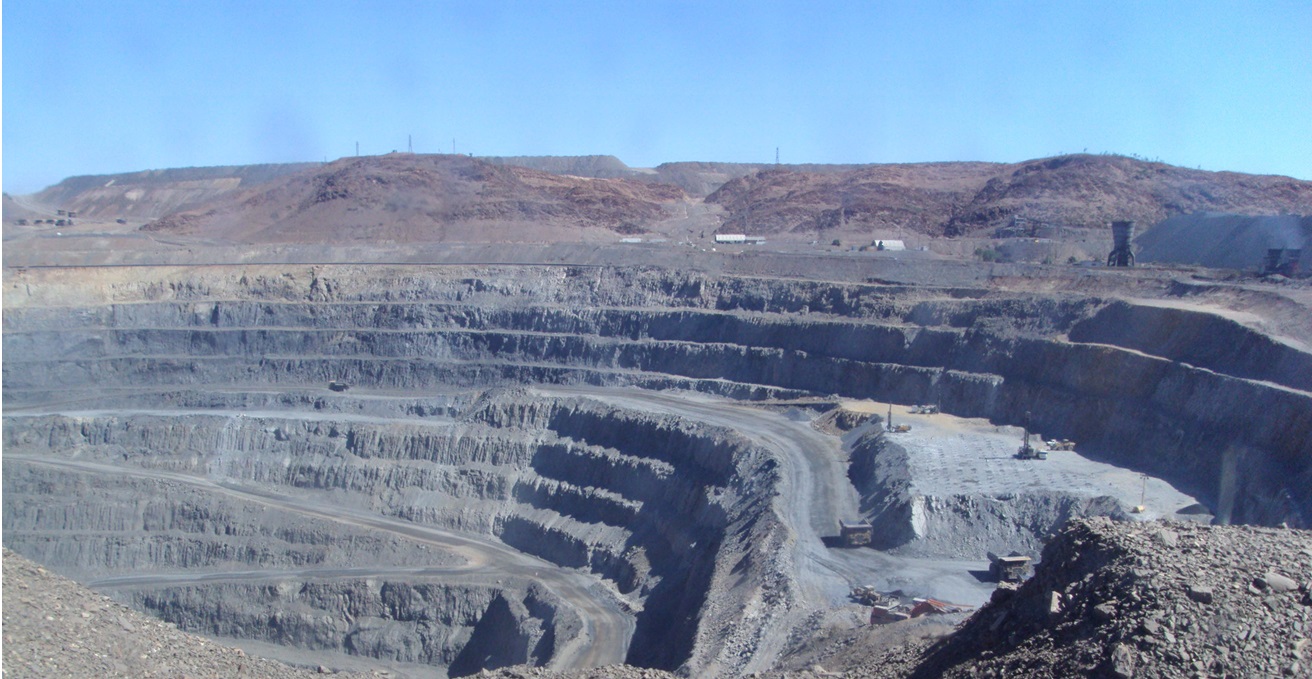
Open mine near the Mt Isa. Source: Denisbin / https://t.ly/gu0PB

Share
Share on facebookShare on twitterShare on linkedin
Australia is no longer competitive in the nickel market, largely due to Indonesia’s recent domination in the sector. This domination strategy has been carefully planned by Indonesia as it looks to boost its downstream industrial policy in critical minerals processing with the backing of Chinese investments.

Since 2014, there has been strategic planning by Jakarta in how it would onshore the added value of nickel supply chains. It started with Indonesia banning nickel exports that year, which immediately withdrew a large proportion of nickel from the global supply chain. Unsurprisingly, this export ban was met with international criticism, with the EU complaining to the World Trade Organization (WTO) about this policy, considering it an anti-competitive trade-restricting measure. While the WTO ruled against Indonesia, finding that it could not demonstrate an imminent critical shortage of nickel for its domestic market, Jakarta has since appealed against this ruling.

Indonesia has argued that this is a case of protecting its national economic interests, and that global trading rules are unfairly detrimental to developing nations. The Indonesian Coordinating Minister for Economic Affairs, Airlangga Hartarto, called them a form of “economic imperialism” when the International Monetary Fund (IMF) called for Jakarta to scale back its export ban.

Along with this controversial ban, the support of Chinese foreign direct investment (FDI), as well as concessional financing, helped Indonesia secure its place as the world’s top refined nickel producer. Chinese policy lending banks and state-owned enterprises started investing early. One of the largest Chinese investment projects in Indonesia, the Sulawesi-based Morowali Industrial Park, set up in 2013, and was funded by the Chinese Development Bank, China Export-Import Bank, Industrial and Commercial Bank, and China’s stainless steel giant Tsingshan Holdings. This helps Indonesia diversify its nickel production, especially as it looks to manufacture electric vehicles (EVs) and solidify its presence in the global supply and value chain.

China also financed supporting infrastructure needed for nickel processing. Many coal fired power plants, on which nickel smelting depends, were set up in Indonesia through China’s “Belt and Road Initiative” (BRI).

This downstream industrial policy reform in Indonesia has mostly been a success, making it the world’s largest nickel producer. But the most significant achievement is that it now produces processed nickel, which adds value to its exports. Before the ban, Indonesia only supplied raw nickel ore, valued at US$6 billion in 2013. By 2022 this figure increased to US$30 billion, due to refinement.

Additionally, this policy was aimed at attracting manufacturers of EV batteries, which has also been achieved. European companies, such as BASF and Eramet, are looking to invest, as are South Korea’s Hyundai and LG. Overall, Indonesia’s nickel bet has paid off.

Nonetheless, there are some environmental and social concerns despite these successes. Counterintuitive as it may seem, Indonesia’s transition to clean energy (through EV battery manufacturing) is burning more fossil fuels as coal-fired power plants are employed to smelt nickel. Furthermore, these newly built power plants are mostly financed by China. This raises questions about the costs of the energy transition, not just for developing countries but also for developed countries.

From a broader relational angle, Indonesia’s success has been Australia’s loss. It’s alleged flooding of the nickel market has resulted in Australian nickel mine closures, adding to further challenges in the global slump in demand for critical minerals, with lithium now also facing a loss in value. US lithium giants like Albamarle, for instance, have cancelled plans to invest in Australia as they scale back production.

For Indonesia, its two-pronged strategy of changing its industrial and trade policy, despite international backlash and economic partnership with China, has helped it take advantage of its market power. In Australia, Nickel has been excluded from Australia’s critical minerals list, and is now not viewed as advantageous for Australia miners (while it remains on the US critical minerals list). On this, Canberra is relying heavily on the US should there be supply chain issues with nickel. This reliance questions the Albanese government’s critical minerals boost policy that is intended to enable Australia’s transition to clean energy.

Furthermore, the job losses resulting from the loss of competitive edge in the nickel market will undoubtedly have domestic impacts. These challenges will mainly result in rising unemployment in the mining sector which will be particularly acute in Western Australia where most of these mines are. Regional towns in Australia, like Hopetoun where 30 percent of the jobs are being cut, are facing greater uncertainty and are likely to put pressure on the Albanese government to do more to protect mining, particularly in nickel.

These impacts highlight the significant financial concerns for the Australian mining economy which have become more volatile as international markets face new pressures and challenges.

In the short term, at least, the China-Indonesia economic partnership has proven beneficial, not just for Indonesia’s nickel sector, but also in securing intra-regional connectivity. For Indonesia’s president Joko Widodo, who oversaw most of this policy change, these economic partnerships undoubtedly help cement his legacy. For Australia, it is now a time to diversify its critical minerals strategy and re-think its critical mineral partnerships.

Dr Teesta Prakash is a policy analyst with expertise in strategic and foreign policy in the Indo-Pacific. She has a PhD in Australia’s strategic foreign policy during the Cold War and has worked at the Lowy Institute and Australian Strategic Policy Institute previously.

This article is published under a Creative Commons Licence and may be republished with attribution.

 
Minister of Industry Appreciates IWIP, Nickel Precursor Export for EV in Early 2025

1734318924837.jpeg
Minister of Industry (Minister of Industry) Agus Gumiwang Kartasasmita when visiting the Veda Bay Project Industrial Estate in Central Halmahera, North Maluku, Thursday (11/28/2024). IWIP )


Kompas.com - 03/12/2024, 19:33 WIB
Dwi NH,A P Sari


KOMPAS.com - Minister of Industry (Minister of Industry) Agus Gumiwang Kartasasmita gave high appreciation to PT Indonesia Weda Bay Industrial Park IWIP(IWIP) for the rapid progress achieved in supporting the electric vehicle industry in Indonesia.

One of its biggest achievements is the nickel precursor export plan for electric vehicle battery production that is scheduled to begin in early 2025."I really appreciate and thank all the ranks of PT IWIP for their dedication in making the Veda Bay Industrial Estate as the first integrated industrial area in Indonesia that supports mineral processing and production of electric vehicle battery components," said Agus.

The statement was conveyed by Agus when visiting the Veda Bay Project Industrial Area in Central Halmahera, North Maluku, Thursday(11/28/2024).

READ MORE: 50 U.S. companies meet Prabowo, Rosan: They are confident in Indonesia's economic growth

To note, PT Huaneng New Material one of the tenants of IWIP plans to export 50,000 tons per year Precursor Nickel Cobalt Manganese Hydroxide (NCM), the main raw material for the production of electric vehicle batteries. The main markets for these exports are North America and Europe.

In addition, the Veda Bay Project will also continue to grow with plans to produce electric vehicle batteries (EV) and energy storage systems (energy storage) that will be managed by PT REPT Battero Energy Co. Ltd.The production of this battery is scheduled to begin in March 2026 with a capacity of 8 Gigawatt hours (GWh), which will increase to 20 GWh by 2027.

This condition is expected to open jobs for about 2,800 workers.Not only the battery, the area will also produce Off Road Pure Electric Mining Dump Truck with a battery capacity between 282 kilowatt hours (kWh) to 375 kWh. The first truck is scheduled to be assembled in December 2025.In addition, PT Progress Aluminium Industry in Veda Bay will produce aluminum ingot with a capacity of 1 million tons per year, with a total investment value of about 655 million United States (US) dollars. In line with the government efforts.

On the occasion, Agus emphasized the importance of developing an electric vehicle ecosystem as a strategic step in line with the government’s commitment to achieve sustainable development goals and reduce greenhouse gas emissions (GRK).

He explained that the government is committed to the GHS Emission reduction policy at the international level, with a reduction target of 31.89 percent by 2030 through national efforts and 43.20 percent with international support

In addition, Indonesia aims to achieve Net Zero Emission (NZE) in 2060 or earlier. One of the main initiatives in this effort is the development of a battery-based electric motor vehicle ecosystem (KBLBB)," Agus added.

He asserted that the acceleration of the development of the KBLBB ecosystem will continue to be encouraged, one of them through projects such as those in the Veda Bay.

"This project is expected to strengthen the electric vehicle ecosystem and have a positive impact on the Indonesian economy, especially in North Maluku and Central Halmahera," Agus added.

On the same occasion, IWIP President Director (President) Xiang Binghe expressed his gratitude and gratitude for the government's support, including the Ministry of Industry (Ministry of Industry), to the company's significant development.

According to him, the significant development of IWIP, which now employs more than 80,000 people, is inseparable from solid cooperation between companies and governments.

“The success of IWIP to reach more than 80,000 employees is ineparable from the overwhelming support from the government, including the Ministry of Industry. We hope that this support and cooperation continues to be established, so that this project can grow rapidly and provide great benefits for the people of Indonesia, especially in North Maluku and Central Halmahera, "explained Xiang.

 
VinFast has already established a representative office named VinFast Indonesia. Last month, they unveiled plans to invest $1.2 billion in a new assembly plant, intending it to be a regional production base for right-hand drive electric vehicles.


According to VinFast Indonesia's marketing director, Surachman Nugroho, the Indonesian plant will supply right-hand drive EVs to Thailand, Singapore, Malaysia, and Australia. Additionally, the assembly plant will produce EV batteries and electric scooters.


On its website, VinFast claims to be one of the largest manufacturing plants in ASEAN, with an annual capacity of up to 300,000 cars and 500,000 e-scooters.


BYD to Begin Production in Indonesia Next Year​

Jayanty Nada Shofa

January 3, 2025 | 10:27 am

To view this content we will need your consent to set third party cookies.
For more detailed information, see our cookies page.

Patimban Port development, Subang, West Java

Jakarta. Chinese automaker BYD will begin its local production of its electric cars in Indonesia starting in 2026, according to Investment Minister Rosan Roeslani.


BYD, which made its Indonesia debut last year, is setting up a production plant in Subang, West Java. The company has purchased 126-hectare land in the Subang Smartpolitan industrial estate, in a deal with the publicly-listed construction firm Surya Semesta Internusa. BYD started with 108 hectares of land but had just bought an additional 18 hectares in the last quarter.


Speaking to reporters after updating President Prabowo Subianto on Indonesia’s foreign investors, Rosan said that some Chinese investment plans, including that coming from BYD, are in the pipeline.


“BYD has purchased land in Subang. We hope their manufacturing process to start early next year,” Rosan told reporters at the State Palace in Jakarta on Thursday.


Rosan did not say how much BYD had actually invested in its local manufacturing.

When BYD officially entered the Indonesian market early last year, Chief Economic Affairs Minister Airlangga Hartarto said that the Chinese auto giant would invest $1.3 billion in a local assembly plant. Fast forward to October 2024, the Industry Ministry revealed that BYD’s investment plans were worth Rp 11.7 trillion ($721.3 million). Despite the differences in numbers, both ministries said that the annual production capacity of this facility would stand at 150,000 units.


Indonesia is trying to encourage the nationwide move to EVs to cut carbon emissions. Rosan’s latest BYD updates also came not long after the news of Chinese automaker Xpeng planning to penetrate into Southeast Asia’s biggest economy.


The Indonesian Automotive Industry Association (Gaikindo) data shows that wholesales of battery electric vehicles amounted to 23,045 units in January-August 2024. The figures encompass the units sold by the factories to the respective dealers. BYD Seal became the third-most-popular electric car among Indonesians, selling about 3,240 units over the said period. In total, BYD was able to sell a total of 6,461 electric cars in Indonesia last year as of August.


China ranked third among Indonesia's top sources of foreign direct investments (FDI). Chinese investment in Indonesia amounted to around $5.8 billion in the first 9 months of 2024.

 
Largest Nickel Miner in Indonesia (PT Vale Indonesia/INCO)

President Commissioner: Muhammad Rachmat Kaimuddin
Vice President Commissioner: Emily Marie Olson
Commissioner : M Jasman Panjaitan
Commissioner : Edi Permadi
Commissioner: Fabio De Souza Queiroz Ferraz
Commissioner: Kristina Janet Gauthier
Commissioner: Yusuke Niwa
Independent Commissioner: Rudiantara
Independent Commissioner : Ir Marita Alisjahbana
Independent Commissioner: Retno Lestari Primansari Marsudi

 
Vale Indonesia (INCO) also remains strategically located to benefit from the nickel downstream initiative in Indonesia, especially with high pressure pressure leaching (HPAL) smelter projects in Morowali and Pomalaa. HPAL Smelters will drive medium to long-term demand growth.


"The Vale Indonesia projects offer significant potential for improvement, as construction progresses and downstream sectors," Rizkia explained.

The INCO stock-coded issueer has several giant projects, which support downstream nickel processing and clean energy integration. Total investment of US $ 9 billion or now equivalent to Rp 145 trillion.

Meanwhile, the production of mixed hydroxide precipitate (MHP) by 2027 is projected to contribute 40% to INCO revenue, while matte nickel is estimated to account for 58%. Furthermore, by 2029, revenue is estimated to be balanced between 49% matte nickel and 48% MHP.


Users who are viewing this thread

Country Watch Latest

Latest Posts

Back
Top