So what have we gained in return? They recently bombed a cancer hospital full of kids and re-instated the blockade.
The blockade hurts the US just as much and is an example of Trump's stupidity. Gas prices were why he was so eager to sign some sort of ceasefire with Iran and end the last blockade. Read the below article.
Strait of Hormuz Tanker Traffic Erodes Further as Oil Prices Rise
Very few ships passed through the waterway on the first full day of the U.S. naval blockade of Iran.
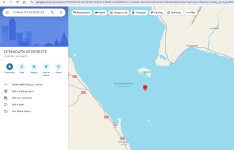
Just 13 ships passed through the Strait of Hormuz on Wednesday, the first full day of the reinstated U.S. naval blockade on maritime traffic to and from Iranian ports in the vital waterway.
Traffic through the strait declined markedly,
down from 21 the day before, according to Kpler, a maritime data firm. Most of the vessels passed through Iranian waters, using the route Tehran has mandated.
But the U.S. naval blockade was likely to severely diminish Iran’s hold over the strait and its ability to act as a gatekeeper of traffic and bring in revenue through sales of its oil. U.S. Central Command
said on Wednesday that it had intercepted two ships that were trying to cross the blockade.
Of the ships that transited the strait on Wednesday, five were sanctioned, according to Kpler. Some ships sail with their tracking devices turned off, obscuring their precise routes and making it hard to have a complete picture of shipping activity.
The stealth tactics also make it hard to immediately know where ships ended up after passing through the strait.
The dwindling traffic comes as fighting between Iran and the United States over the strait, which is a critical thoroughfare for oil and gas shipments, extended into a sixth day. The blockade has added to the uncertainties facing shippers looking to move oil in and out of the region. Before the start of the war, more than 130 vessels passed through the strait on average each day.
During the first U.S. blockade, in effect from April until mid-June, forces redirected more than 140 ships and disabled nine near the Strait of Hormuz and further afield, preventing them from reaching their final destinations and depriving Iran of billions in oil revenue.
The renewed blockade could hit oil prices harder than the first one, which saw prices soaring as high as $120 a barrel by the end of April. Now, after months of fighting, global oil reserves are even lower as national and commercial stockpiles were tapped to minimize shortages.
Neither the United States nor Iran wants the strait to be completely closed, but neither side appears willing to make significant concessions, said Ben May, the director of global macroeconomic research at Oxford Economics. Prolonged tension seems inevitable, he said.
“As a result, shipping firms will limit or stop voyages through the strait and Gulf states will redouble efforts to diversify routes, eventually reducing the strait’s strategic importance,” he said.
Oil prices rise as diesel hits $5 a gallon.
- On Thursday, Brent crude, the international benchmark for oil, was up slightly from the previous day to $84 a barrel; prices have remained elevated since the hostilities were reignited this week. West Texas Intermediate crude, the U.S. benchmark, inched up to nearly $80 a barrel
- The average price of diesel in the United States rose above $5 a gallon again on Thursday, up 7 cents from the day before and 33 percent since the start of the war with Iran. Diesel prices first surpassed $5 in March before retreating when Iran and the United States agreed to a tentative cease-fire that has since fallen apart. But the renewed fighting as well as reduced refinery capacity is once again pushing up prices at the pump.
- Stocks were subdued on Thursday. S&P 500 futures indicated that trading would open lower when markets opened in the United States. Europe’s benchmark index Stoxx 600 also fell. Markets in Asia finished lower, with Japan’s Nikkei 225 declining 2.8 percent and South Korea’s KOSPI tumbling 6.4 percent.