JF-17 PFX program

Maybe Pakistan investigate option of Al31 and WS10 both for J10 sometime back but later decided to go for WS10. Just a wild guess.
 
@Oscar i know you are busy man. can you share your view on Al31 F .how it would helpful for paf. i mean we are using ws 10. how russians can help us ?
The WS-10 is a different engine - there is some aspect of similarity but they are different cores. There was reportedly Russian involvement in the WS-10 program but not to the extent that somehow having AL-31 expertise will change a lot.
 
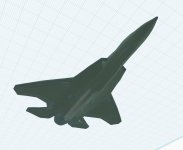
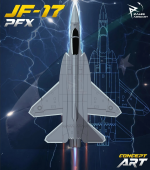
Pakistan Air Force (PAF) : PFX Fighter Project
[This information is available in public domain; I have consolidated it]

Consolidated Design & Requirements

1. Program Overview
  • Name: Pakistan Fighter Experimental (PFX)
  • Role: 4.5-generation to 5th-generation multirole fighter (officially “4.5-generation ++”)
  • Strategic Need: Replace ~100 aging aircraft:
    • F-7, Mirage III/V (retiring now)
    • Older JF-17 Block I/II
    • Eventually older F-16s
  • Timeline: Development through the 2020s, entry into service in the 2030s
  • Primary Partner: China (Chengdu Aircraft Corporation – CAC)
    • We already know that Pakistan can't do this alone.

2. Two Conceptual Design Streams

The PFX exists in two parallel concepts. One was shown officially, the other emerged from detailed analysis.

Stream A – Official IDEAS 2024 Model (Heavyweight)
  • Configuration: Twin-engine, with canards
  • Philosophy: Direct evolution of JF-17 → stretched fuselage, increased size
  • Dimensions (estimated):
    • Length: ~20.4 m
    • Wingspan: ~13.5 m
    • Height: ~4.5 m
  • Weights:
    • Empty: ~19,000 kg
    • Max Takeoff: ~37,000 kg
  • Propulsion: Two WS-19 class engines (~110–130 kN each)
  • Stealth: Reduced RCS using composites & RAM, but canards increase signature
  • Internal Weapons Bay: Yes (smaller than dedicated 5th-gen)
  • Supercruise: Yes (modest)
  • Role: Air dominance / heavy multirole

Stream B – Medium-Weight Alternative
  • Configuration: Twin-engine, no canards (cleaner stealth shaping)
  • Philosophy: Compact, carrier-capable option, similar to J-35
  • Dimensions (estimated):
    • Length: 16.5 – 17.5 m
    • Wingspan: 11 – 12 m
    • Height: 4 – 4.2 m
  • Weights:
    • Empty: 12,000 – 14,000 kg
    • Max Takeoff: 24,000 – 28,000 kg
  • Propulsion: Two smaller engines (still 110–130 kN class each – scaled down)
  • Intakes: Diverterless supersonic inlet (DSI), compact
  • Stealth: Better than canard design – angular faceting, no large control surfaces forward
  • Internal Weapons Bay: 4–6 AAMs or mixed load
  • Supercruise: Yes, but less than J-20
  • Combat Radius: 900 – 1,200 km
  • Max Speed: Mach 1.8 – 2.0
  • Role: Multirole (air-to-air + strike), carrier-capable variant possible
3. Common Design Features (Both Streams)

These elements appear in both concepts:

FeatureSpecification
EnginesTwin-engine, Chinese WS-19 or WS-13 derivative
RadarAESA (locally produced under Chinese license)
Missiles (primary)PL-15 (long-range BVR), PL-10 (short-range)
CockpitGlass cockpit with Wide Area Display (WAD)
StealthComposite materials, radar-absorbent coatings
IntakesDiverterless supersonic inlet (DSI)
IRSTYes (integrated)
EW SuiteAdvanced electronic warfare, sensor fusion


4. Performance Expectations (Medium-Weight Stream B)

ParameterValue
Max SpeedMach 1.8 – 2.0
Combat Radius900 – 1,200 km
Service Ceiling~16,000 m
SupercruiseYes (Mach 1.4–1.6 possible)
Internal Payload4–6 AAMs or 2,000 kg of bombs
External PayloadOptional (but compromises stealth)


5. Visual Description (Medium-Weight Concept)

Overall silhouette:

  • Looks like a smaller, canardless J-20 or a land‑based J-35.
  • Angular, stealthy faceting.
  • Shorter nose and tighter fuselage than the heavy IDEAS model.
  • Compact wing‑body blend.

Key angles & details:
  • Front: DSI intakes flush with fuselage, no canards, faceted chin for IRST.
  • Side: Stepped canopy, sharp leading edge, twin canted vertical tails (outward angled).
  • Top: Cranked delta wing (possibly), blended fuselage, no horizontal stabilizers (elevons only).
  • Rear: Two engine nozzles (likely serrated for stealth), deep tail stinger between engines.
  • Weapons bay doors: Visible on underside – two side‑by‑side bays or one long bay.

Comparison dimensions :

Real AircraftLengthWingspan
JF-1714.0 m9.4 m
J-35~17.3 m~11.5 m
F-35A15.7 m10.7 m
PFX (Medium)16.5 – 17.5 m11 – 12 m


6. Chinese Assistance needed (Pakistan can't do it alone)

AreaSpecific Help
Design & EngineeringCAC co‑development, J‑20 derived aerodynamics & composites
EnginesWS-19 supply or co‑production
Radar & AvionicsAESA, EW suite, sensor fusion, IRST
WeaponsPL-15, PL-10 integration
ProductionPAC Kamra facility expansion, local component manufacturing
TrainingPilot and maintenance training for 5th-gen operations


7. Dual-Track Development Strategy (PAF Plan)

  • PFX‑Alpha: Immediate risk reduction, modified JF-17 testbed for AESA/EW/sensor fusion.
  • PFX Final: Full new airframe (heavy or medium) entering service in 2030s.
  • Parallel high‑end option: Potential J‑35E purchase (40 aircraft reported) as interim 5th‑gen capability.
 
Last edited:
Pakistan Air Force (PAF) : PFX Fighter Project
[This information is available in public domain; I have consolidated it]

Consolidated Design & Requirements

1. Program Overview
  • Name: Pakistan Fighter Experimental (PFX)
  • Role: 4.5-generation to 5th-generation multirole fighter (officially “4.5-generation ++”)
  • Strategic Need: Replace ~100 aging aircraft:
    • F-7, Mirage III/V (retiring now)
    • Older JF-17 Block I/II
    • Eventually older F-16s
  • Timeline: Development through the 2020s, entry into service in the 2030s
  • Primary Partner: China (Chengdu Aircraft Corporation – CAC)
    • We already know that Pakistan can't do this alone.

2. Two Conceptual Design Streams

The PFX exists in two parallel concepts. One was shown officially, the other emerged from detailed analysis.

Stream A – Official IDEAS 2024 Model (Heavyweight)
  • Configuration: Twin-engine, with canards
  • Philosophy: Direct evolution of JF-17 → stretched fuselage, increased size
  • Dimensions (estimated):
    • Length: ~20.4 m
    • Wingspan: ~13.5 m
    • Height: ~4.5 m
  • Weights:
    • Empty: ~19,000 kg
    • Max Takeoff: ~37,000 kg
  • Propulsion: Two WS-19 class engines (~110–130 kN each)
  • Stealth: Reduced RCS using composites & RAM, but canards increase signature
  • Internal Weapons Bay: Yes (smaller than dedicated 5th-gen)
  • Supercruise: Yes (modest)
  • Role: Air dominance / heavy multirole

Stream B – Medium-Weight Alternative
  • Configuration: Twin-engine, no canards (cleaner stealth shaping)
  • Philosophy: Compact, carrier-capable option, similar to J-35
  • Dimensions (estimated):
    • Length: 16.5 – 17.5 m
    • Wingspan: 11 – 12 m
    • Height: 4 – 4.2 m
  • Weights:
    • Empty: 12,000 – 14,000 kg
    • Max Takeoff: 24,000 – 28,000 kg
  • Propulsion: Two smaller engines (still 110–130 kN class each – scaled down)
  • Intakes: Diverterless supersonic inlet (DSI), compact
  • Stealth: Better than canard design – angular faceting, no large control surfaces forward
  • Internal Weapons Bay: 4–6 AAMs or mixed load
  • Supercruise: Yes, but less than J-20
  • Combat Radius: 900 – 1,200 km
  • Max Speed: Mach 1.8 – 2.0
  • Role: Multirole (air-to-air + strike), carrier-capable variant possible
3. Common Design Features (Both Streams)

These elements appear in both concepts:

FeatureSpecification
EnginesTwin-engine, Chinese WS-19 or WS-13 derivative
RadarAESA (locally produced under Chinese license)
Missiles (primary)PL-15 (long-range BVR), PL-10 (short-range)
CockpitGlass cockpit with Wide Area Display (WAD)
StealthComposite materials, radar-absorbent coatings
IntakesDiverterless supersonic inlet (DSI)
IRSTYes (integrated)
EW SuiteAdvanced electronic warfare, sensor fusion


4. Performance Expectations (Medium-Weight Stream B)

ParameterValue
Max SpeedMach 1.8 – 2.0
Combat Radius900 – 1,200 km
Service Ceiling~16,000 m
SupercruiseYes (Mach 1.4–1.6 possible)
Internal Payload4–6 AAMs or 2,000 kg of bombs
External PayloadOptional (but compromises stealth)


5. Visual Description (Medium-Weight Concept)

Overall silhouette:

  • Looks like a smaller, canardless J-20 or a land‑based J-35.
  • Angular, stealthy faceting.
  • Shorter nose and tighter fuselage than the heavy IDEAS model.
  • Compact wing‑body blend.

Key angles & details:
  • Front: DSI intakes flush with fuselage, no canards, faceted chin for IRST.
  • Side: Stepped canopy, sharp leading edge, twin canted vertical tails (outward angled).
  • Top: Cranked delta wing (possibly), blended fuselage, no horizontal stabilizers (elevons only).
  • Rear: Two engine nozzles (likely serrated for stealth), deep tail stinger between engines.
  • Weapons bay doors: Visible on underside – two side‑by‑side bays or one long bay.

Comparison dimensions :

Real AircraftLengthWingspan
JF-1714.0 m9.4 m
J-35~17.3 m~11.5 m
F-35A15.7 m10.7 m
PFX (Medium)16.5 – 17.5 m11 – 12 m


6. Chinese Assistance needed (Pakistan can't do it alone)

AreaSpecific Help
Design & EngineeringCAC co‑development, J‑20 derived aerodynamics & composites
EnginesWS-19 supply or co‑production
Radar & AvionicsAESA, EW suite, sensor fusion, IRST
WeaponsPL-15, PL-10 integration
ProductionPAC Kamra facility expansion, local component manufacturing
TrainingPilot and maintenance training for 5th-gen operations


7. Dual-Track Development Strategy (PAF Plan)

  • PFX‑Alpha: Immediate risk reduction, modified JF-17 testbed for AESA/EW/sensor fusion.
  • PFX Final: Full new airframe (heavy or medium) entering service in 2030s.
  • Parallel high‑end option: Potential J‑35E purchase (40 aircraft reported) as interim 5th‑gen capability.
PFX is just another concept like FGFA under Project Azm.


It's conspiracy theory time:
Project Azm was only a front to steal fifth generation technology that would be applied to the fifth generation aircraft that Pakistan would induct one day. Similar to how the F-16 technology was transferred to the JF-17 Thunder program.

It's only a conspiracy theory though.
 
PFX is just another concept like FGFA under Project Azm.


It's conspiracy theory time:
Project Azm was only a front to steal fifth generation technology that would be applied to the fifth generation aircraft that Pakistan would induct one day. Similar to how the F-16 technology was transferred to the JF-17 Thunder program.

It's only a conspiracy theory though.
tbh PFX is likely just supposed to be an upgrade of the JF-17, with JF-17 OCU and PFX Alpha basically being the total sum of what to expect (i.e., radar + avionics upgrades of the JF-17). It's good enough for the role, IMO, and the PAF can keep getting mileage out of the existing production overhead at PAC.
 
tbh PFX is likely just supposed to be an upgrade of the JF-17, with JF-17 OCU and PFX Alpha basically being the total sum of what to expect (i.e., radar + avionics upgrades of the JF-17). It's good enough for the role, IMO, and the PAF can keep getting mileage out of the existing production overhead at PAC.
Personally speaking, this is the only definition of PFX that I believe is the truth. Since the nature of this project is very murky - as is the case for most defence related projects in Pakistan - everything else is just speculation and wishful thinking, until we see something concrete in the next IDEAS.
 

Users who are viewing this thread

Pakistan Defence Latest

Latest Posts

Back
Top