Interesting story not very well-known.
When the F-16 and F-18 were competing for the next US air force light combat aircraft contract and entered the competition as the YF-16 & YF-17, the result was the YF-16 winning and the YF-17 then being taken by the US Navy ending up as the F/A-18 Hornet.
The reasons why the F-16 won the original competition was several factors. Its fly-by-wire tech was revolutionary and made it so easy to fly along with its bubble canopy, its 30-degree reclined pilot seat and single-engine. But the Navy liked what it saw in the YF-17 and wanted to begin acquiring the next carrier platform to the F-14 Tomcat which at the time was suffering growing pains and its maintenance was excessive.
So they asked Northrop to make the YF-17 carrier capable by reinforcing the landing gear, adding an arrester hook and a few other small customizations. The fact that it was a dual engine also made it appealing to the US Navy as that is one of its primary requirements for its aircraft, is they must be dual engine which makes the F-35C a little bit of a deviation from that philosophy, but that is another story for another day.
Those modifications to the YF-17 would become the F/A-18 Hornet (I don't know why it wasn't labeled the F/A-17 since that's what the original YF desigation of the aircraft was).
Once General Dynamics found out that the US Navy was thinking of selecting the YF-17, it decided to offer a naval prototype variation of the F-16 to the navy to steal the contract and have both! Essentially to monopolize the industry.
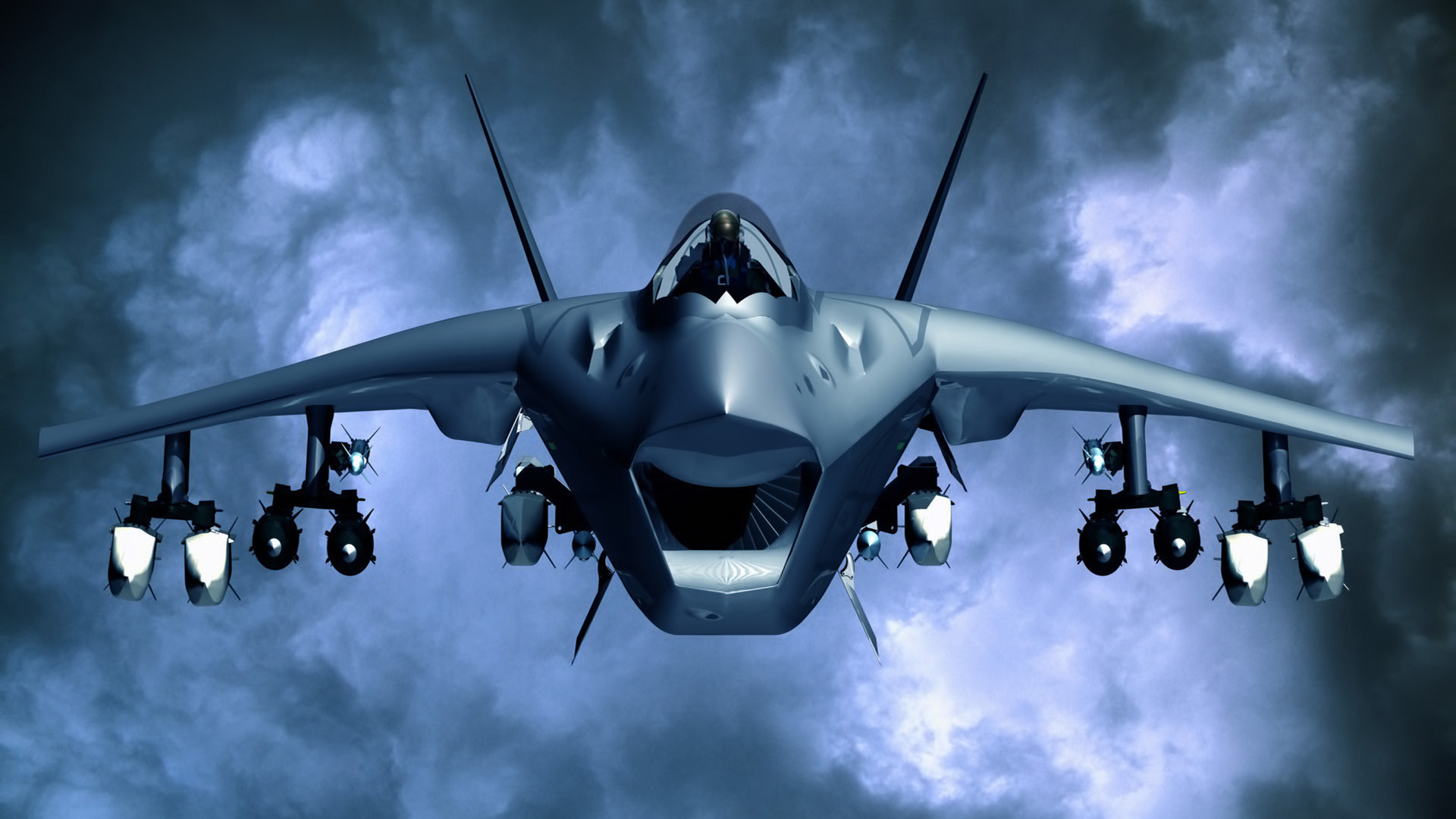
So they came up with a navalized, multi-role variant of the F-16 and this is what it looked like with a two-toned light blue & white naval camo.
Notice the pointy radome.


CGI
On May 2nd, 1975, the US Navy opted out of the F-16 program offer, favoring the aircraft derived from the YF-17, which eventually evolved into the McDonnell Douglas F/A-18 Hornet. Nevertheless, an interesting story that had a profound effect of the history of both those venerable fighter jets.