
Navigation
Install the app
How to install the app on iOS
Follow along with the video below to see how to install our site as a web app on your home screen.
Note: This feature may not be available in some browsers.
More options
Style variation
You are using an out of date browser. It may not display this or other websites correctly.
You should upgrade or use an alternative browser.
You should upgrade or use an alternative browser.
Lebanon-Israel War | 2023-present
- Thread starter Persian Gulf
- Start date
More options
Who Replied?
Hassan Al-Somal
Elite Member


 ️
️ ️ Israeli Warcrime Minister Israel Katz speaks about Lebanon:
I said that southern Lebanon would become Gaza. We will apply the Rafah model.
We will destroy everything there. We will deal with them in precisely this way.
And that is what we did.
The infrastructure has been destroyed. Homes in 24 villages along the border have been demolished - villages that had existed for hundreds of years and were used by Hezbollah as military positions against Israel.
The army systematically razed the villages to the ground using bulldozers and explosives. Ninety percent of the homes have disappeared. Between 15,000 and 20,000 homes have been destroyed.
Khorasan Black Flags
Trusted Member
Khorasan Black Flags
Trusted Member
Khorasan Black Flags
Trusted Member
Khorasan Black Flags
Trusted Member
May the zionists go to hell as soon as possible without western, Jordan and PGCC regimes support
Shags101
Trusted Member
May the zionists go to hell as soon as possible without western, Jordan and PGCC regimes support
To be fair I think it started in Gaza the shortage and Hezbollah has doubled down on it these overpriced tanks are not even worth to rebuild them and the idf still hasn’t started production on their new generation of tanks yet seriously the iaf is what basically keeps the whole military from falling apart
Khorasan Black Flags
Trusted Member

RescueRanger
Meme Lord

Lebanon, the Paris of the Middle East
 .
.
Khorasan Black Flags
Trusted Member
Lebanon, the Paris of the Middle East

In first, Lebanese army deploys in southern ‘pilot zone’ after Israeli withdrawal
Deployment in Zawtar al-Gharbiyeh is a test of the US-brokered plan for IDF pullout; Lebanese Armed Forces urges displaced residents to not return to their homes yet
By Emanuel Fabian, Lazar Berman, and Agencies Today, 3:26 pm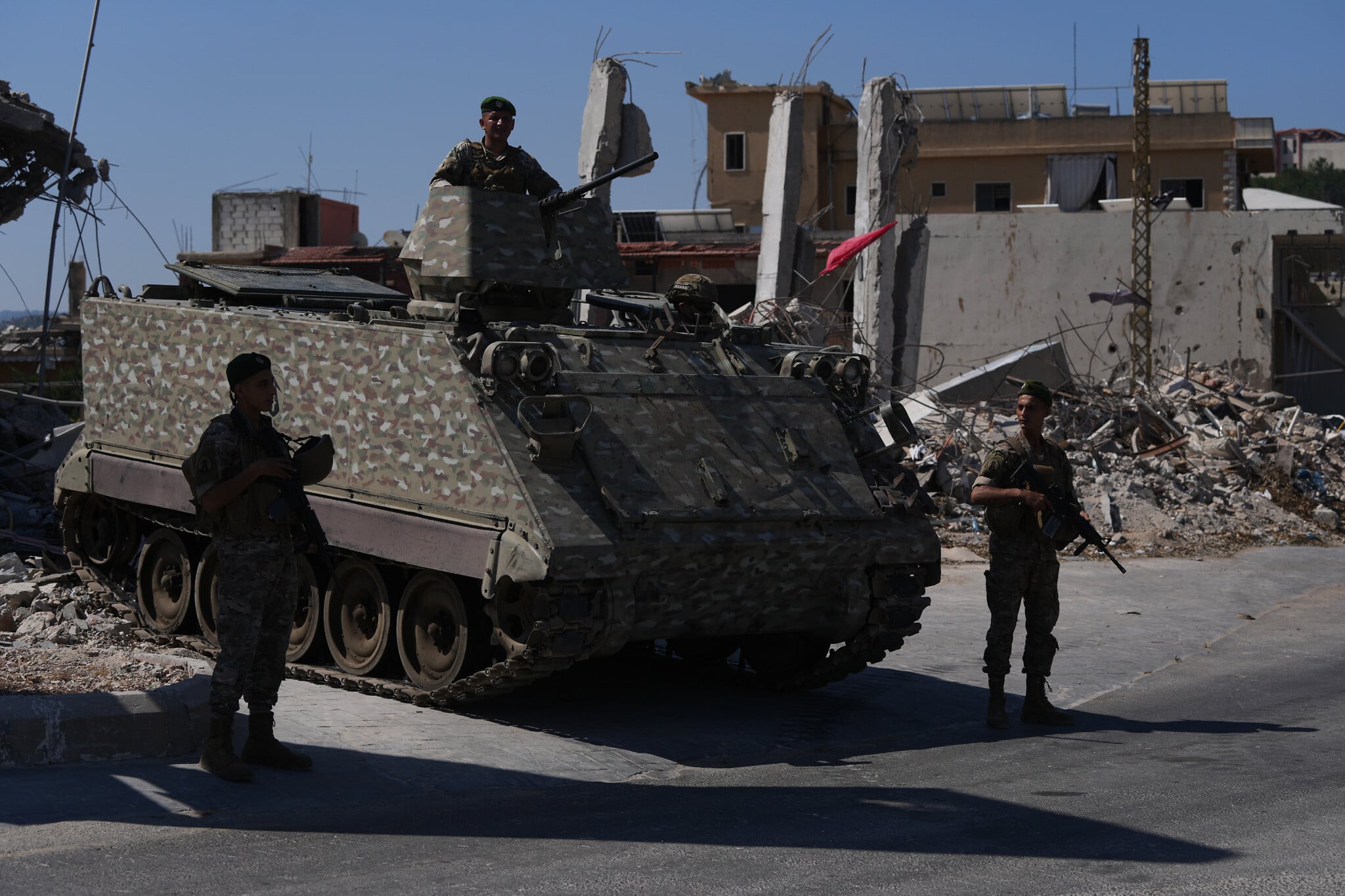
Lebanese soldiers stand beside an armored personnel carrier near buildings damaged during the Israel-Hezbollah war in Ghandouriyeh village, southern Lebanon, July 21, 2026. (Hassan Ammar/AP)
Lebanese army troops began deploying in the southern Lebanese town of Zawtar al-Gharbiyeh Tuesday after Israeli forces withdrew from the area, the Lebanese Armed Forces (LAF) said in a statement, in line with a US-brokered plan for “pilot zones” in the south.
The LAF statement was referring to the initial pullout by the Israel Defense Forces units laid out as part of the plan, which envisions Lebanese army troops confiscating weapons from the Iran-aligned Hezbollah terror group in parts of southern Lebanon and phased withdrawals of Israeli troops, who are eventually meant to leave Lebanon.
The Israeli military said a day earlier that the plan, dubbed the pilot zone program, has begun, but did not immediately confirm Tuesday it has withdrawn forces from any areas in south Lebanon.
The handover of territory is the first test of the pilot, which Lebanon hopes will enable it to restore control over a strip of land about 10 kilometers (6 miles) deep into the country that remains occupied by Israeli troops in a self-declared “security zone.”
Dozens of villages have been razed in that area, and public infrastructure has been destroyed, including hospitals, power stations and water pumps, amid fighting with Hezbollah. Tens of thousands of Lebanese who call the area home have been unable to return.
The Lebanese army said its units began deploying in Zawtar al-Gharbiyeh in the Nabatieh region.
The army renewed a call for residents “not to head to the town until the security situation stabilizes, and to comply with the instructions of the deployed military units to ensure their safety.”
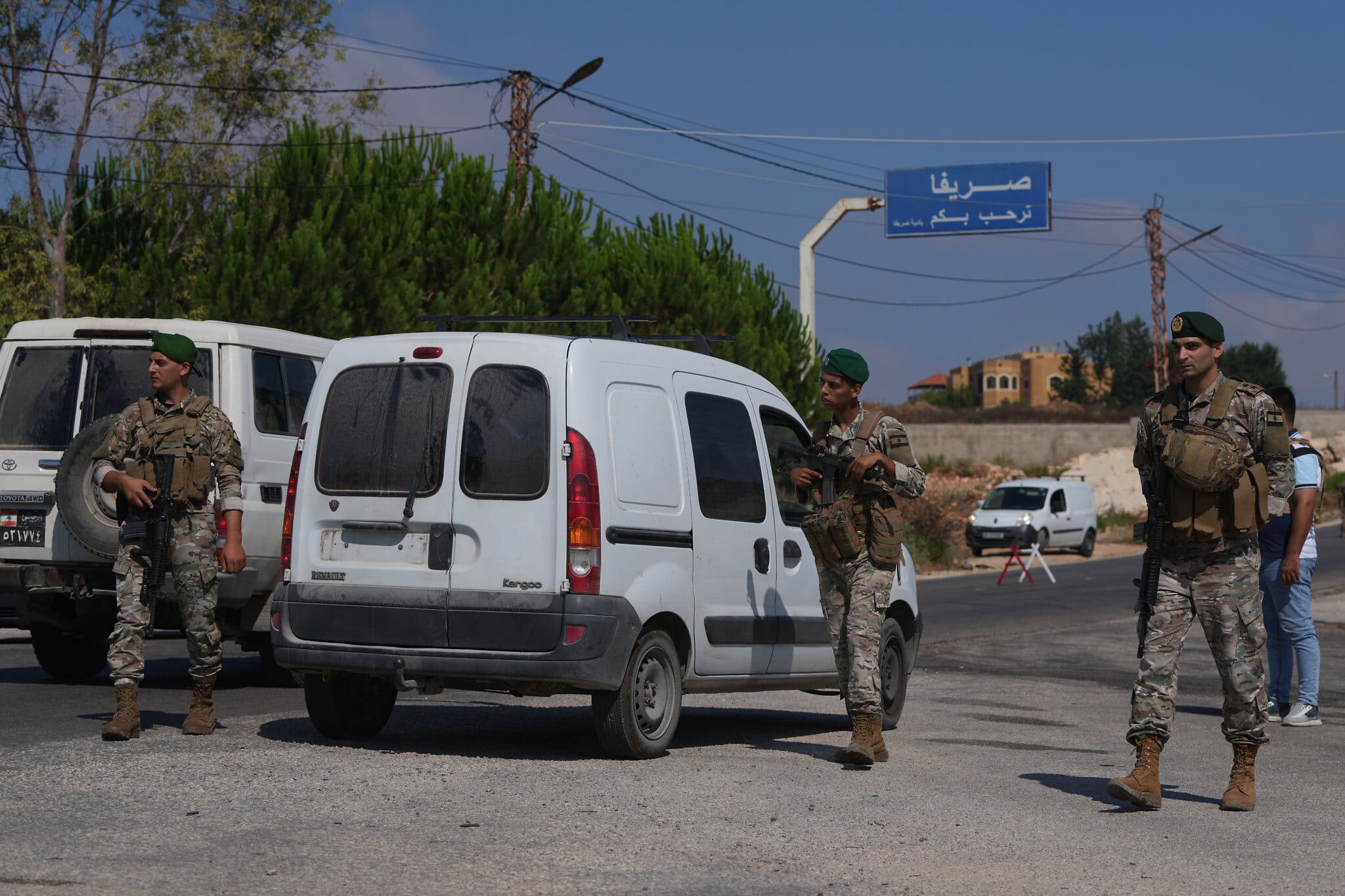
Lebanese soldiers search vehicles at a checkpoint at the entrance to Srifa village, in southern Lebanon, July 21, 2026. (Hassan Ammar/AP)
“The pilot serves as a test of the Lebanese Armed Forces’ sovereignty in the three pilot villages, as the sole official authority authorized to bear arms in the area,” an Israeli military official said on Monday after the US had announced the deployment of the LAF to some areas.
Aside from Zawtar al-Gharbiyeh, the areas of Froun and Srifa are also part of the pilot. The pilot zones are intended to try out the approach in a handful of villages straddling the Litani River before it is extended to other areas.
Lebanese President Joseph Aoun was due later on Tuesday to meet US President Donald Trump in Washington to present a plan on how to disarm Hezbollah and secure Israel’s withdrawal from Lebanon.
A Lebanese official said Aoun believes only Trump possesses the leverage needed to pressure Israel to withdraw its troops and help Lebanon restore its sovereignty. The official said that Aoun, in addition to asking the US president to press Israel to withdraw, would also present Trump with a written proposal on how to decommission Hezbollah’s massive arsenal.
Hezbollah dragged Lebanon into war when, at the start of March, it attacked Israel in support of its patron Tehran, two days after the United States and Israel launched strikes against Iran. Relentless Hezbollah rocket and drone attacks disrupted the lives of tens of thousands of Israelis in the north of the country, causing deaths, injuries and damage.
The framework, signed by Lebanon, Israel and the United States on June 26, after several rounds of direct negotiations, envisions a phased Israeli pullback from positions in south Lebanon.
In exchange, the Lebanese Armed Forces are to assume sole security control of vacated areas and certify that they have been cleared of Hezbollah weapons and infrastructure.
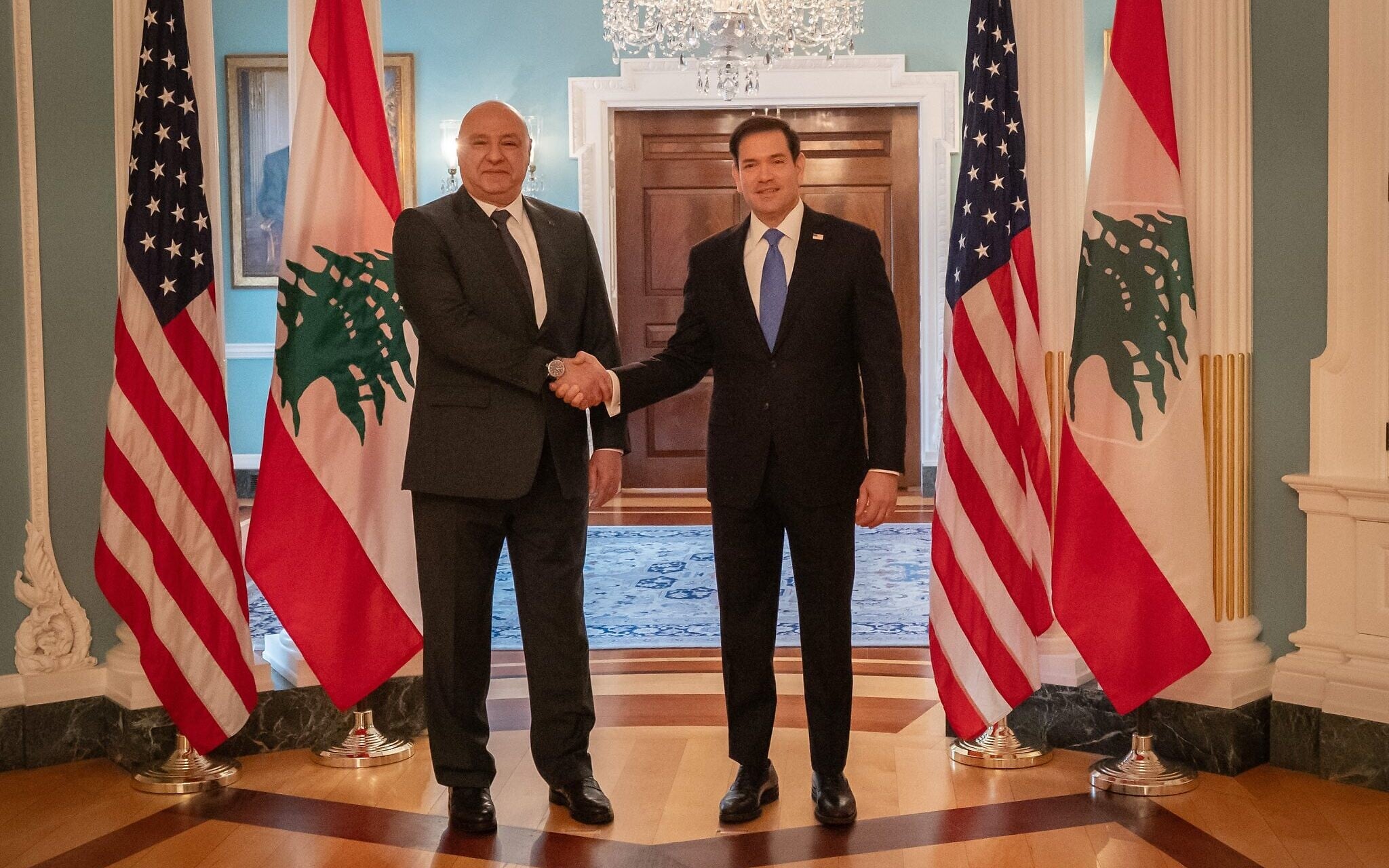
US Secretary of State Marco Rubio (R) meets with Lebanon’s President Joseph Aoun at the State Department in Washington, DC, July 19, 2026. (Secretary Marco Rubio/X)
Israeli officials have voiced skepticism about Lebanon’s ability to disarm Hezbollah, but Israel sees the deal as a vital step toward building peace with Lebanon in the long run.
Hezbollah’s forces long held sway in southern Lebanon before the area was taken by the IDF, despite a 2006 UN Security Council resolution that mandated its disarmament. The terror group has rejected the framework, insisting any arrangement in Lebanon be linked to wider negotiations between Washington and Tehran. It has not said whether it will resist implementation of the pilot zones in the designated areas.
In the event of violations of the ceasefire by Hezbollah, the IDF said it will work with a US-led coordination cell to resolve them. Israeli officials have vowed that their forces will remain in the “security zone” 10 kilometers (six miles) deep along the frontier for as long as Hezbollah remains armed.
Meanwhile, Syrian authorities said Tuesday that they had foiled an attempt to smuggle over 200 grenades into Lebanon, apparently destined for Hezbollah.
The Syrian General Authority for Borders and Customs said it seized 226 grenades that were hidden inside a car that was heading into Lebanon at a border crossing near Damascus. Last week, Syria said it stopped a large shipment of advanced weapons and missiles heading over the border from Iraq that were destined for Hezbollah in Lebanon.
Israel still launches occasional strikes in southern Lebanon and carries out detonations in villages it occupies near the border. Hezbollah and Israel fought a previous round of conflict in 2023-2024, after Hezbollah began firing at Israel in the wake of the Hamas-led October 7, 2023, onslaught.
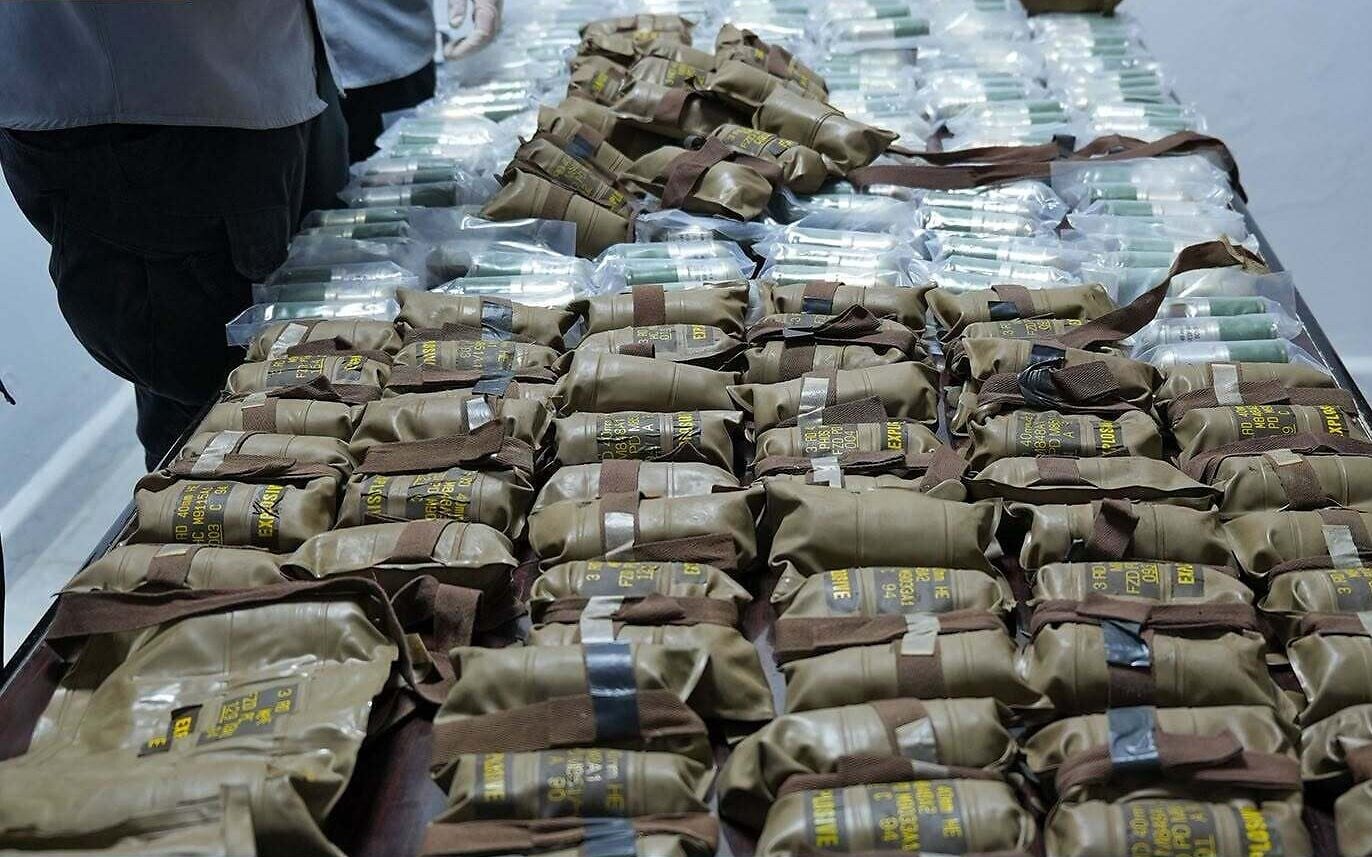
Grenades captured by Syrian authorities in a car heading into Lebanon, in a photo published July 21, 2026. (Syrian General Authority for Borders and Customs)
‘Weaponization of cultural heritage’
Meanwhile, Israel called on the UNESCO World Heritage Committee “to reject the cynical weaponization of cultural heritage,” citing Hezbollah’s use of the Beaufort Castle in southern Lebanon as a military base.The 48th session of the committee convenes Tuesday in Busan, South Korea.
“For years, Hezbollah has systematically weaponized and desecrated this historic Crusader fortress, converting it into a military stronghold,” Israel says of the castle, which is currently held by IDF forces after the site was captured during the recent fighting.
“Hezbollah constructed a massive network of terror tunnels directly beneath the ancient site and launched approximately 400 rockets at Israeli civilians from this compound,” the Foreign Ministry continued in a statement, adding that the Lebanese state “bears full responsibility for allowing a terrorist organization to exploit its sovereign territory and sensitive heritage sites.”
Hezbollah launched hundreds of rockets from the Beaufort Ridge toward northern Israel during the current round of fighting, mainly at the border community of Metula, the military says.
“UNESCO’s silence on Hezbollah’s systematic desecration of Beaufort, while targeting Israel’s defensive operations, is a moral abdication,” Israel said.
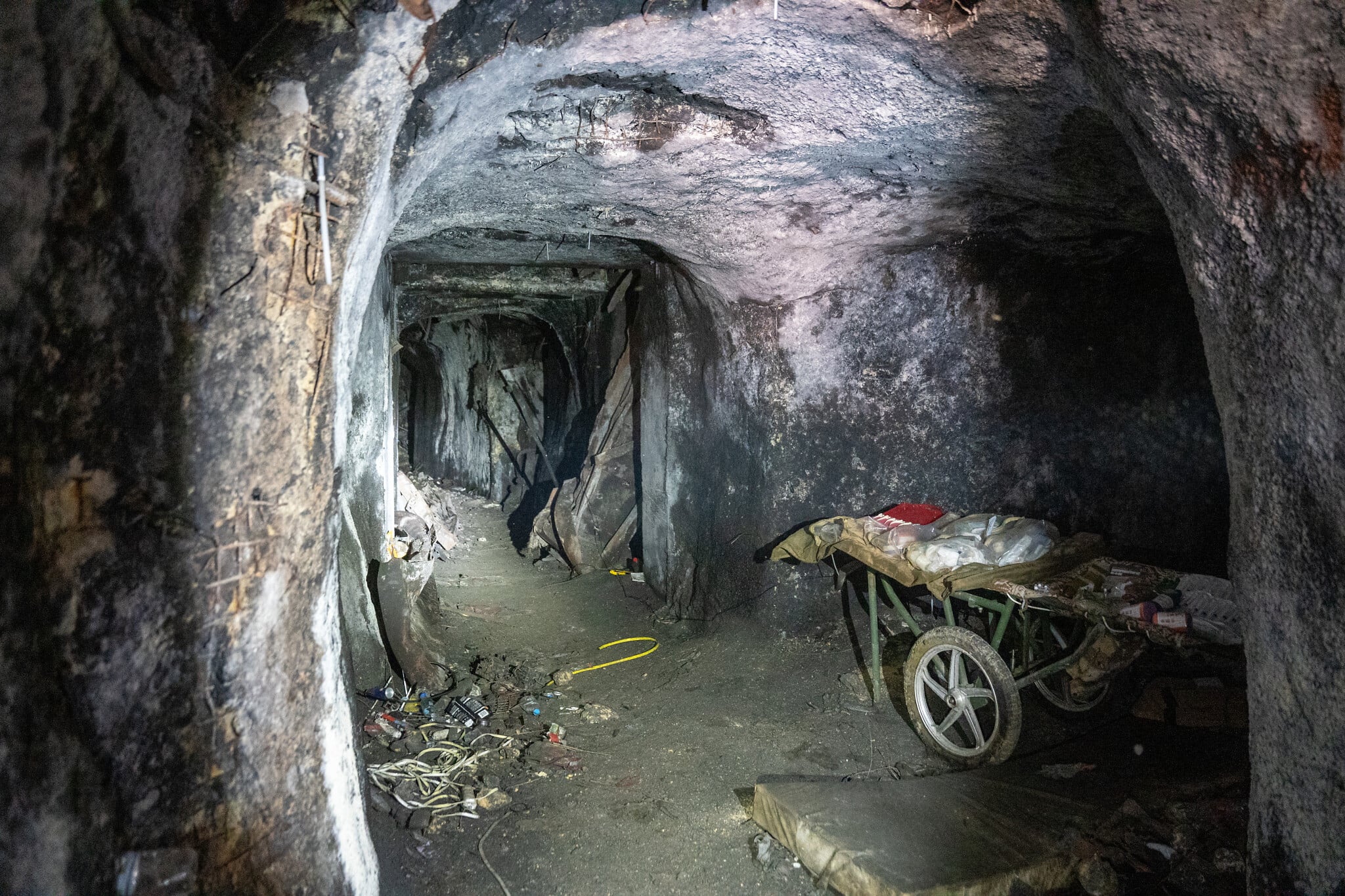
Inside a Hezbollah tunnel near the Beaufort Castle in southern Lebanon, July 7, 2026. (Emanuel Fabian/Times of Israel)
The Foreign Ministry also blasted the Palestinian delegation to UNESCO for trying to turn the West Bank site of Sebastia into a UNESCO World Heritage Site.
“Sebastia is the historic, biblical capital of the ancient Kingdom of Israel,” said the Foreign Ministry. “The attempt to portray the site as facing an emergency is entirely unsupported by professional evaluation, and serves only as a political tool to erase the site’s profound, well-documented Jewish and Christian history.”
“The real threat to Sebastia is the Palestinian Authority’s own record of neglect and complicity, which has allowed the ancient ruins to suffer rampant vandalism, theft, and desecration,” it said.
“UNESCO cannot remain silent when terrorists systematically hijack heritage sites,” the statement continued, “nor can it allow its platform to be exploited to erase well-documented history.”
Israel has accused the organization of being biased against the Jewish state and of diminishing its connection to the Holy Land. Israel also objected to UNESCO’s acceptance of Palestine as a member state. In 2019, during US President Donald Trump’s first term, Israel and the US both quit UNESCO. The US, which subsequently rejoined the agency under former president Joe Biden, is slated to again withdraw at the end of the year.
Hassan Al-Somal
Elite Member
Khorasan Black Flags
Trusted Member
mofoss
'Land for arms': Can Israel finally make a peace deal with Lebanon work?
DIPLOMATIC AFFAIRS: After decades of failed formulas, Israel is testing a new approach in Lebanon - one that seeks to change Beirut's behavior rather than Jerusalem's.
Follow us on Google
Historically, Lebanon is the land where the best-laid plans go to die.
Israel has repeatedly convinced itself that it has finally found the formula for stability to its North. In the early years of the state, many believed Lebanon – as the forward-looking “Switzerland of the Middle East” – would become the first Arab state to make peace with Israel. In the 1980s, prime minister Menachem Begin believed president Bashir Gemayel could deliver that peace. Later, Israel concluded that a security zone in southern Lebanon would ensure lasting quiet.
None of those assumptions survived contact with Lebanon’s reality. Again and again, it has proven wrong those convinced they had finally found the formula for stability.
Israelis, therefore, have good reason to greet with skepticism the launch this week of a pilot program under which the IDF withdraws from villages in southern Lebanon, the Lebanese Armed Forces (LAF) move in, clear out Hezbollah, and gradually reassert Beirut’s sovereignty.
History is not the only reason for caution. After all, this is the Middle East, where powerful regional and outside forces with conflicting interests lurk seemingly around every corner, intent on tripping up any progress.

'Land for arms'
Nevertheless, what happened this week was a tiny – but potentially significant – step forward.On Tuesday, Lebanese army troops deployed in the town of Zawtar al-Gharbiyeh in the Nabatieh region after the IDF withdrew from the area. It was the first of several pilot zones Israel is to evacuate under a framework agreement reached with Lebanon under American auspices in late June.
What makes that agreement potentially historic is that it goes well beyond another temporary ceasefire. A product of five rounds of the first direct political negotiations between Israel and Lebanon in more than 40 years, it establishes a permanent security framework by explicitly linking Israeli withdrawal to Hezbollah’s disarmament.
Call it land for arms.
That linkage is what distinguishes this initiative from nearly every previous attempt to stabilize southern Lebanon.
Earlier efforts focused primarily on changing Israel’s behavior – persuading it to withdraw, relying on international peacekeepers, or assuming that time itself would somehow calm the border.
This framework instead seeks to change Lebanon’s behavior by making Israeli withdrawal contingent on Hezbollah’s removal. Whether that formula succeeds remains to be seen, but it represents a fundamentally different framework.
Under the agreement, Israel will withdraw from territory it captured to establish a buffer zone only after Hezbollah has been verifiably removed from those areas. In accepting that formula, the Lebanese government has effectively acknowledged for the first time that Hezbollah’s weapons are the principal obstacle to a full Israeli withdrawal.
Trump calls deal great agreement
That commitment was reinforced publicly on Tuesday when Lebanese President Joseph Aoun met US President Donald Trump at the White House. Trump described the arrangement as “a great agreement” and said Israel was already “in the process” of redeploying its forces.Even more significant were Aoun’s own remarks. Asked about criticism from Parliament Speaker Nabih Berri, who termed the agreement “sedition,” Aoun dismissed suggestions that the agreement required parliamentary approval, saying it was a constitutional prerogative of the presidency and declaring simply, “We are committed to it.”
Another important innovation is that this time the United States – not the notoriously ineffective UNIFIL – is responsible for overseeing implementation and verification.
The agreement is significant for another reason. It shifted the Israeli-Lebanese conflict from the border and southern Lebanon into a question of who controls the Lebanese state.
Will Lebanon emerge as a normal, sovereign, Western-backed state exercising an exclusive monopoly over military force? Or will it remain subordinate to Hezbollah, whose independent arsenal and Iranian patronage have long eclipsed the authority of the state?
The agreement, in effect, forces Lebanon to decide what kind of country it wants to become. And here there have been several encouraging developments that Israel would be wise to encourage.
Hezbollah weakened
Unlike previous rounds of diplomacy, this initiative comes after Hezbollah has suffered major military, political, and financial setbacks. The organization has by no means disappeared, but it can no longer dictate Lebanon’s national agenda as it did in the past.That weakening – as well as the weakening of Iran – helped create the political conditions that brought to power both a president and a prime minister who appear genuinely committed to restoring the state’s sovereignty at Hezbollah’s expense.
Desire, however, is one thing. Ability is another.
The central question now is not whether Beirut wants to disarm Hezbollah. It is whether it has the will, the ability – or both – to do so.
It is precisely Israel’s skepticism that Aoun can translate those intentions into reality that explains Jerusalem’s caution.
Aoun himself implicitly acknowledged the tremendous challenge during his White House meeting with Trump. He said he had asked the American president for only two things: continued political backing and support for the Lebanese Armed Forces, which he described as “the backbone of security and stability.”
Without a strong Lebanese army, he warned, “everything will collapse,” recalling that when the army disintegrated in 1975, militias filled the vacuum and southern Lebanon became a launching pad for Palestinian attacks against Israel.
Trump responded with an unusually strong public endorsement. “I fully trust the LAF. I fully trust the leadership of the LAF,” he said. He also praised the agreement with Israel as “a great step forward.”
That public vote of confidence matters. Unlike previous Lebanon initiatives, Washington has invested significant political capital in the current process and in trying to establish the LAF as the country’s sole legitimate military authority, replacing Hezbollah rather than coexisting alongside it.
But there is still a significant gap between Washington’s confidence and the realities on the ground. The LAF may, as Aoun said alongside Trump, be the country’s most respected national institution, but it is not currently equipped or financed to wage a sustained campaign against an organization as well entrenched and with as much firepower as Hezbollah.
LAF Commander Gen. Rodolphe Haykal has warned that the army lacks the resources needed to implement such a mission, while years of economic collapse have left its soldiers poorly paid and the institution heavily dependent on foreign support. He warned that attempting to forcibly dismantle Hezbollah, a Shi’a terror group, could place an enormous strain on the army itself – which is made up of Sunni, Christian and Shi’a soldiers – and risk reopening Lebanon’s internal sectarian fault lines.

Agreement places US in charge of verification
For Jerusalem, however, the strategic value of this framework lies not just in its text, but in its architecture. Unlike previous diplomatic attempts that collapsed under the weight of weak international coalitions unwilling to confront Hezbollah, this agreement intentionally positions the US – not France or UN-led peacekeepers – in charge of the verification mechanism.Israel has long viewed Paris with deep suspicion when it comes to Lebanon, seeing French policy as overly accommodating toward Hezbollah’s political wing. This is to say nothing of the distrust engendered by what Jerusalem views as France’s one-sided policies when it comes to the Palestinians.
By contrast, this framework is Washington-centric and will utilize US Central Command (CENTCOM) to actively verify that Hezbollah has been removed from an area before Israel moves out. In Israel’s eyes, American oversight means that a failure by the LAF to clear out a missile cache will actually carry diplomatic and financial consequences, rather than being buried in a routine UNIFIL complaint file.
Yet even the best American verification mechanism cannot compensate for a Lebanese army that lacks the resources to carry out the mission. And this is where the plan hits a wall.
While some envisioned Saudi Arabia stepping in to help bankroll the plan and fund the LAF, Riyadh’s actual contribution has been confined to low-cost diplomatic theater. A decade after choking off a landmark $3 billion defense grant to Lebanon due to Hezbollah’s dominance, the Saudis are now offering more diplomatic cover than hard cash.
Crown Prince Mohammed bin Salman (MBS) provided some economic help on June 11 by lifting a five-year trade ban, and even phoned Aoun on the eve of his White House trip to endorse the plan. But none of that substitutes for actually writing checks, and the Saudis have pointedly not opened up their wallets to pay LAF soldiers’ salaries or buy new military hardware.
That is why Israeli skepticism persists. The question is not whether Aoun wants to strengthen the Lebanese state. It is whether the army – the state’s principal instrument of power – is strong enough and has enough money to carry out the task.
There are, therefore, ample reasons to be skeptical. But there are also a few reasons to be cautiously optimistic: a substantially weakened Hezbollah and Iran, a Lebanese leadership publicly acknowledging that Hezbollah’s weapons are the problem, an American administration deeply invested in the agreement’s success, and an Israeli withdrawal explicitly conditioned on Hezbollah’s removal.
Whether those new realities will finally overcome Lebanon’s long history of frustrating even the best-laid plans remains to be seen. But by pulling out of Zawtar al-Gharbiyeh on Tuesday, Israel signaled that despite all the reasons for doubt, it believes this framework is worth putting to the test.
Khorasan Black Flags
Trusted Member
Users who are viewing this thread
Total: 3 (members: 0, guests: 3)
Pakistan Defence Latest
-
Federal cabinet gives nod to imposition of emergency in KP; summary sent to president (33 Viewers)
- Latest: iron shrapnel
-
-

-

-

Country Watch Latest
-

-
-
-
TF-X / KAAN / Hürjet Turkish Fighter & Trainer Aircrafts News & Discussions (5 Viewers)
- Latest: hyperman
-

Latest Posts
-

-
Federal cabinet gives nod to imposition of emergency in KP; summary sent to president (33 Viewers)
- Latest: iron shrapnel
-
-

-