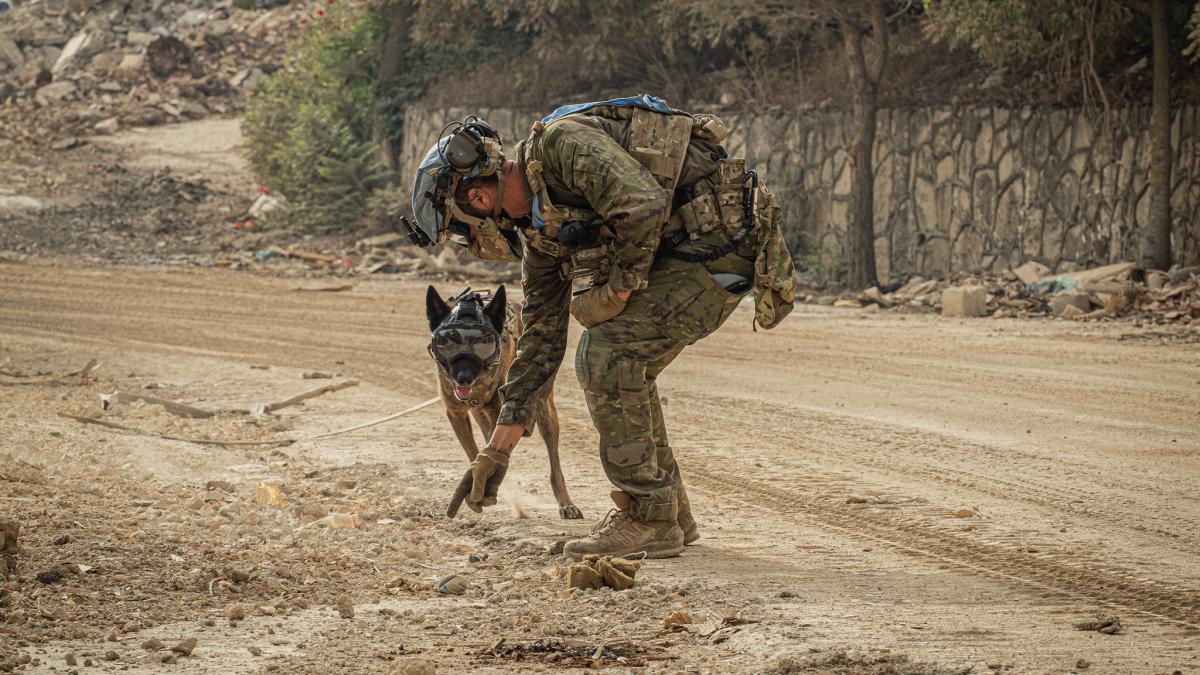
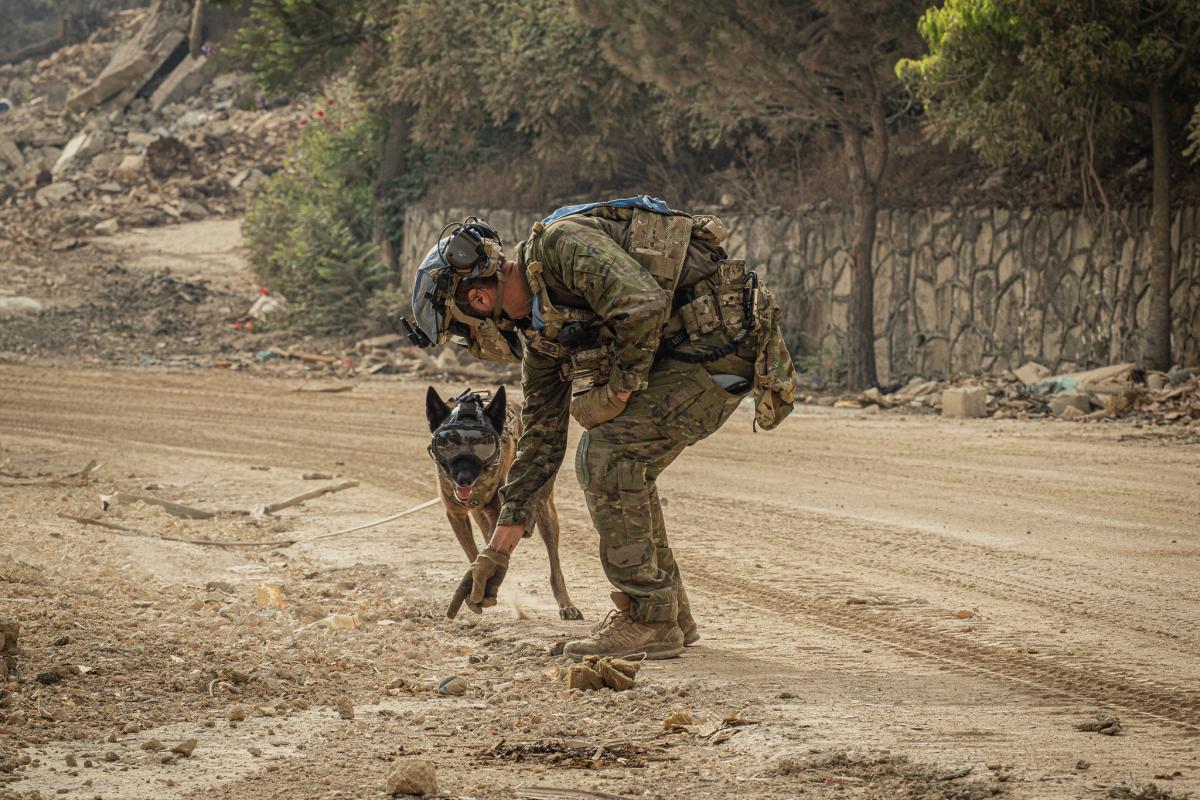
As UNIFIL expands its operational activities following the reduction in violence in southern Lebanon, peacekeepers continue to encounter explosive hazards left behind by the conflict. Supporting patrols and checks of routes used by peacekeepers, UNIFIL’s Explosive Ordnance Disposal (EOD) specialists help make key routes safer, allowing peacekeepers to carry out their tasks more safely while reducing risks that could also affect local communities as they gradually return.
With increased operational activities on the ground, clearing explosive hazards has become an increasingly important part of UNIFIL’s work. EOD specialists support patrols and route checks by identifying, assessing and safely neutralizing explosive threats before they can endanger peacekeepers or disrupt the Mission's work.
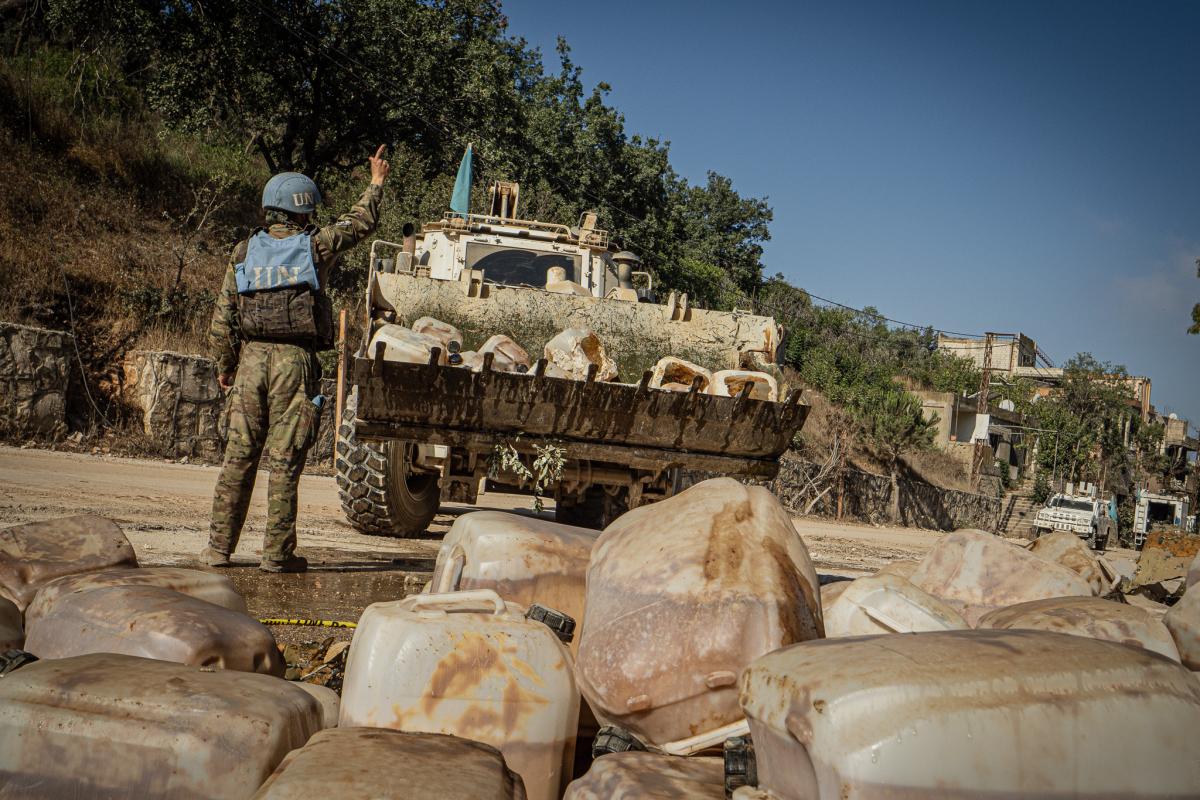
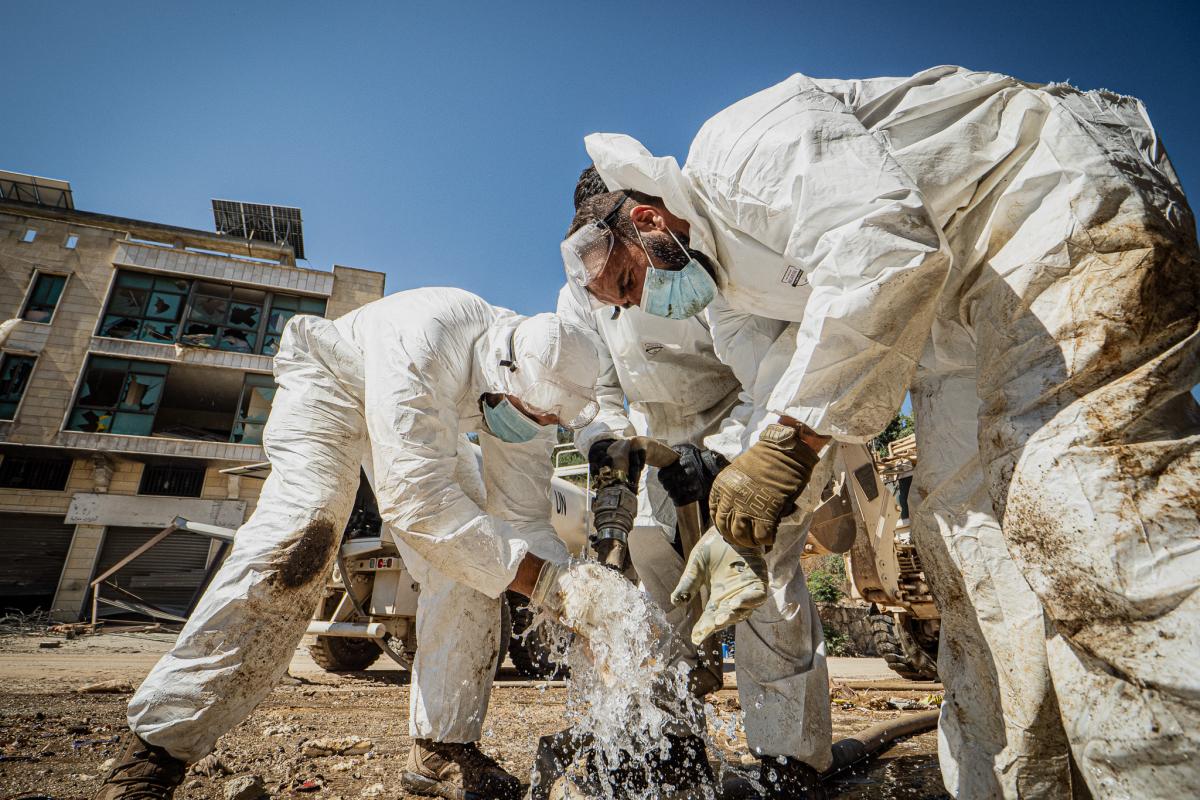
One such discovery was made on 2 July during a routine route check near Houla. Peacekeepers found 385 containers abandoned inside a building, containing approximately 4,000 kilograms of explosive material, consisting mainly of ammonium nitrate compounds.
After carefully assessing the hazard, UNIFIL’s EOD specialists later carried out on-site procedures to render the material inert, making it safe and removing the risk it posed.
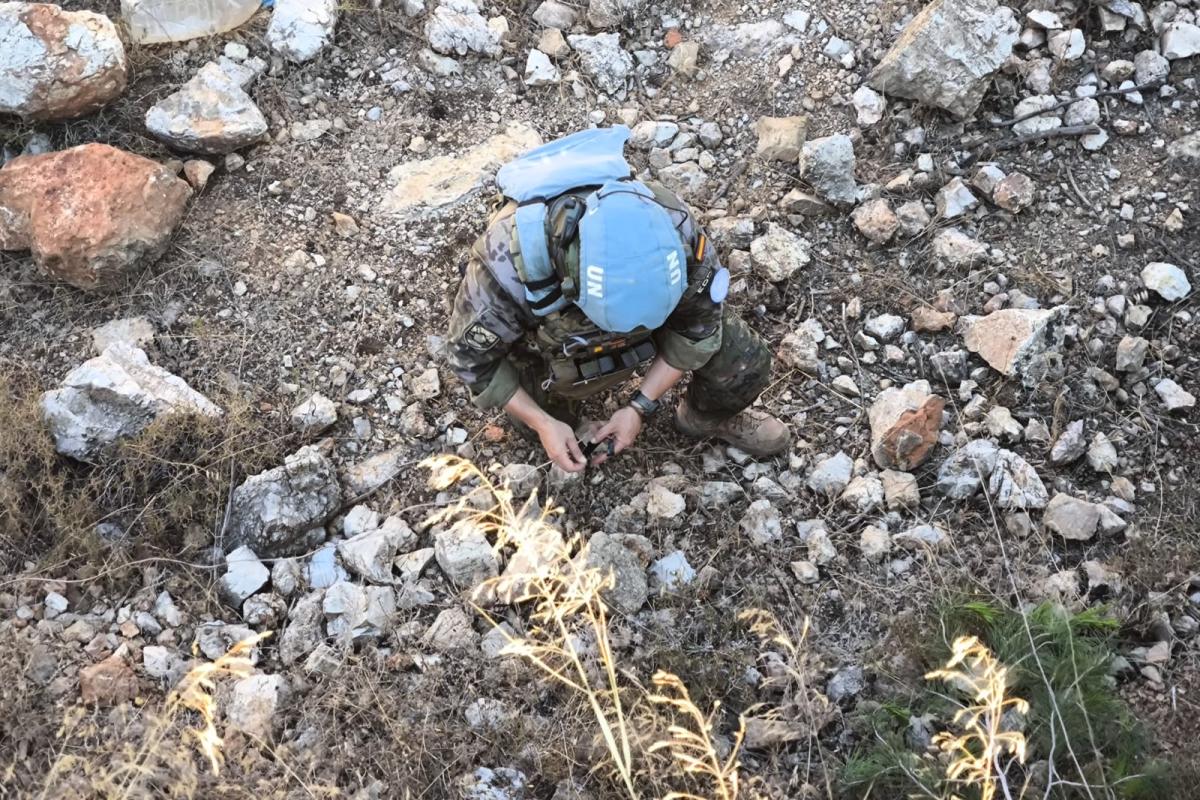
On 10 July, another patrol discovered the remains of an unmanned aerial vehicle (UAV) near a UN position in southern Lebanon. The area was immediately secured while EOD specialists examined the UAV. After confirming that explosive components remained inside, the team safely neutralized the hazard on site without incident.
“As UNIFIL expands its operational activities, reducing the risks posed by explosive hazards is essential to ensuring our peacekeepers can carry out their mandate,” said the Head of Mission and Force Commander Major General Diodato Abagnara. “Every explosive hazard safely neutralized helps create safer conditions for our operations and contributes to longer-term stability in southern Lebanon.”
Although the security situation has improved in recent weeks, explosive remnants and other hazardous materials continue to pose risks across parts of southern Lebanon. By identifying and safely neutralizing these hazards, UNIFIL's EOD specialists help make key routes safer for peacekeepers carrying out their mandated tasks today, while contributing to safer conditions for communities as they gradually return to their villages, farms and daily activities.









 Federal cabinet gives nod to imposition of emergency in KP; summary sent to president (37 Viewers)


