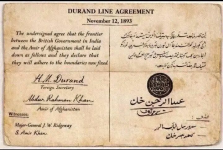
The Durand Line Agreement is known as the Durand Line Agreement, which was signed on November 12, 1893, between Amir Abdul Rahman Khan, the then King of Afghanistan, and General Henry Mortimer Durand, the Foreign Secretary of British India. This agreement actually determined the border between Afghanistan and British India (present-day Pakistan) and included seven short articles: Determination of the border: The eastern and southern borders of Afghanistan from Wakhan to the Iranian border were determined based on a map attached to the agreement.
Non-interference: The parties pledged not to interfere in the affairs of the areas beyond the designated line; Britain in the areas on the Afghan side and the Amir in the areas on the British Indian side.
Ceded areas: According to this agreement, areas such as Waziristan, Chagi, Chaman, Karam, Peshin and Sibi came under British influence, and in return, the Asmar region was ceded to Afghanistan.
Financial assistance: In exchange for accepting this agreement, the British government pledged to increase annual aid to Afghanistan by 600,000 rupees. Afghanistan: Most Afghan governments since 1947 have questioned the validity of this agreement and considered it imposed. Recently, statements by some political figures such as Mohammad Mohaqiq regarding the recognition of this line have caused widespread reactions.





 Another Evidence of involvement of Afghan national in cross-border terrorism.


