Pakistan Exports / Imports - Updates

Air cargo services crippled by Iran-US conflict, exporters demand govt action​


Thousands of tons of goods, including perishables, remain stuck as air cargo rates soar due to flight cancellations

Talib Fareedi
March 04, 2026
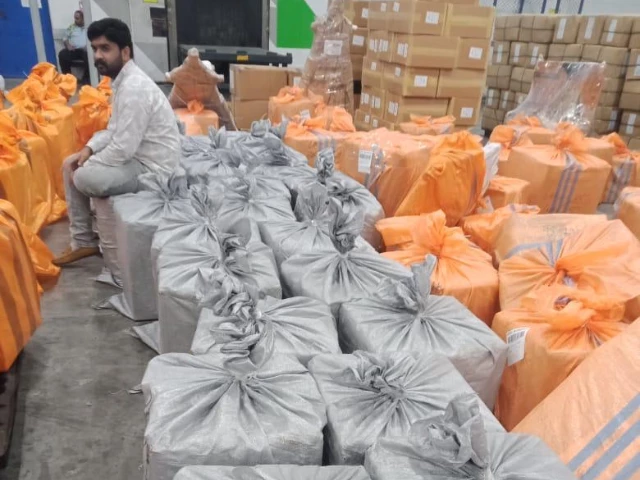
thousands of tons of cargo are seen stuck at airport warehouses photo express


Thousands of tons of cargo are seen stuck at airport warehouses. PHOTO: EXPRESS

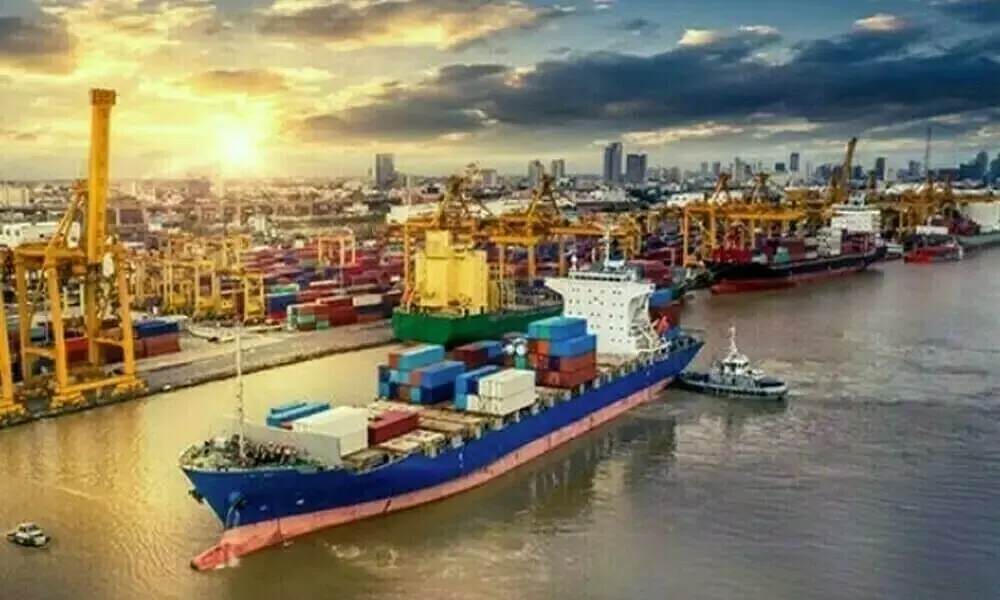
LAHORE: The Iran-US conflict has disrupted the air cargo system, causing a massive backlog of goods at airports across Pakistan, including Lahore’s Allama Iqbal International Airport. Thousands of tons of cargo are stuck in airport warehouses, and major air cargo service providers have raised their prices, with some charging double or triple the usual rates.

The conflict has severely impacted air cargo services. According to sources working within the airport, over the past five days, more than 700 flights have been cancelled at Allama Iqbal International Airport and across the country. Shipments containing food items, fruits, vegetables, meat, and other goods have been unable to leave the region for the past five days. Goods that were supposed to be shipped via air cargo from airports like Lahore, Islamabad, Karachi, Multan, Faisalabad, and Sialkot are stuck in warehouses.
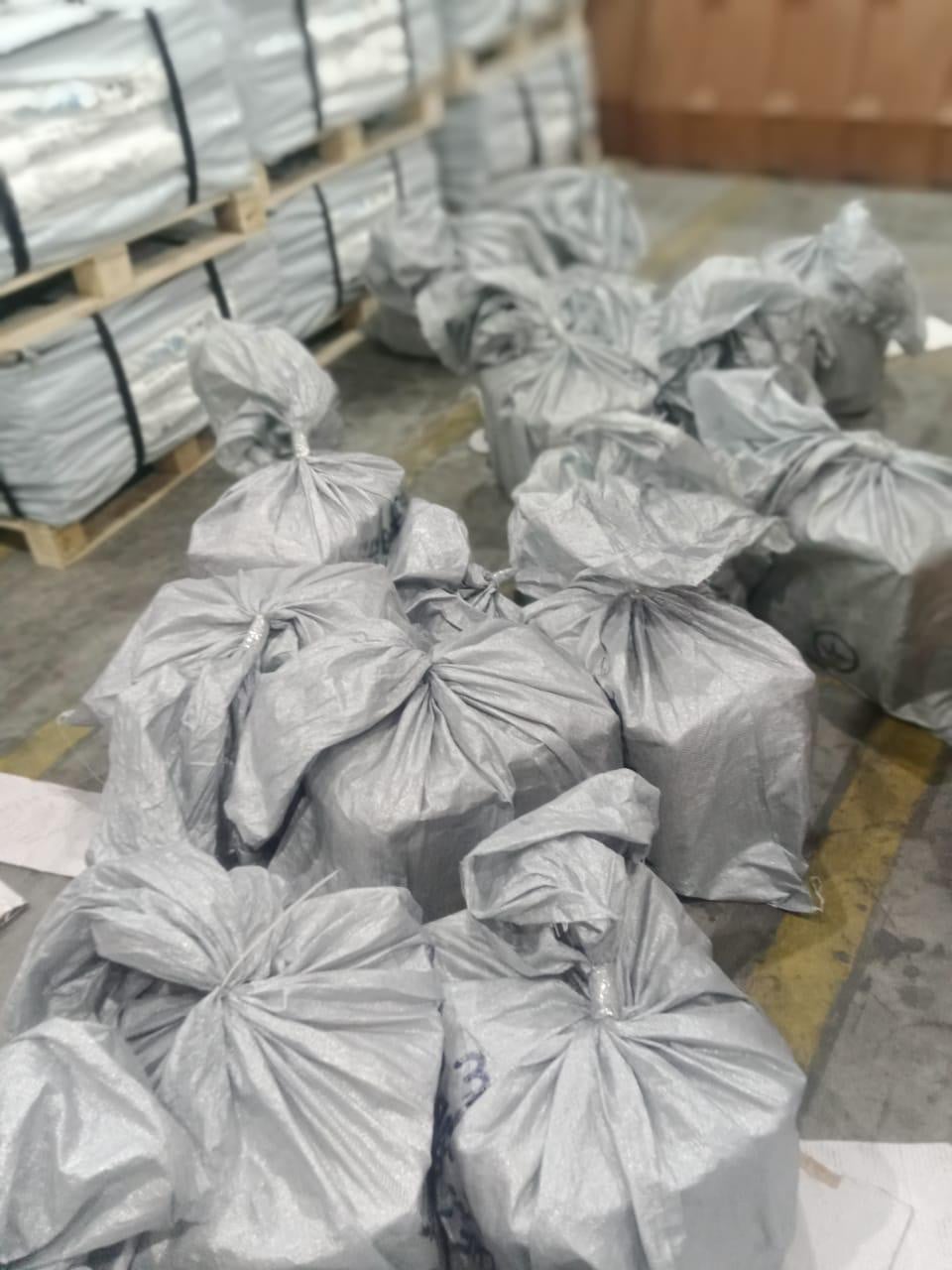
 
At Lahore Airport, around 200 to 300 tons of goods were previously shipped daily via air cargo to destinations like Dubai, Abu Dhabi, Sharjah, Bahrain, Kuwait, Qatar, Saudi Arabia, and other countries. Now, cargo is not moving, and exporters are frustrated.

goods1772612270-0.jpeg

Goods stuck at the airport. PHOTO: EXPRESS

The companies handling these shipments have also significantly increased their rates, adding another difficulty for exporters.

Customs clearing agents are also facing unemployment, as many agents previously handled 200 to 300 tons of cargo daily. According to a customs clearing agent in Riyadh, no shipments have been sent for the past five days, and agents are waiting in the hope that air routes will be restored soon. However, as the Iran-US conflict intensifies, no clear resolution is in sight.
 
Bookings were made, but flights were cancelled at the last minute and, as a result, goods have not reached Saudi Arabia or the UAE. The few airlines that are still providing air cargo services have more than doubled their rates, making it almost impossible to ship goods. These soaring costs are making it financially unfeasible to send the cargo.

Mansoor urged the government to take immediate action and reinstate air cargo services to allow the thousands of tons of goods that are stuck at Lahore, Karachi, Islamabad, and other airports to be sent out. If these shipments are not sent soon, the exporters will face losses in the millions of dollars. The air cargo companies have also demanded that the government consult with airlines and work to resume cargo services to prevent the mass unemployment of thousands of families relying on air cargo.

Mansoor said that only a few shipments to European countries, the US, and Canada have been sent, but they too were dispatched at double the normal rates out of necessity.

Alongside the losses faced by airlines and cargo service providers, the government is also suffering a loss of billions of rupees in customs duties and taxes. While garments and other items can be held up for one or two weeks, the situation with perishable goods is critical, and the long delays are causing goods to spoil.
 
A China-backed joint venture has announced a $120 million expansion plan in Pakistan’s tyre sector, aiming to scale up production and push exports beyond $100 million during the next fiscal year.

An announcement said the delegation informed the prime minister that the company was on track to achieving an export target of $70 million by June and aimed to cross $100m during the next financial year. This milestone would place it among Pakistan’s leading non-textile exporters.

Global market

The meeting was further informed that Pakistan had made significant progress in the global tyre market, with exports to the United States and Brazil increasing rapidly. Pakistan has emerged as the fifth-largest exporter of tyres to the United States and the seventh-largest to Brazil, marking a notable shift from virtually no presence in the two countries just a few years ago.

This growth is being attributed to transfer of technology and expertise through collaboration with Chinese partners. It has enabled local manufacturers to meet international standards and compete globally.
 
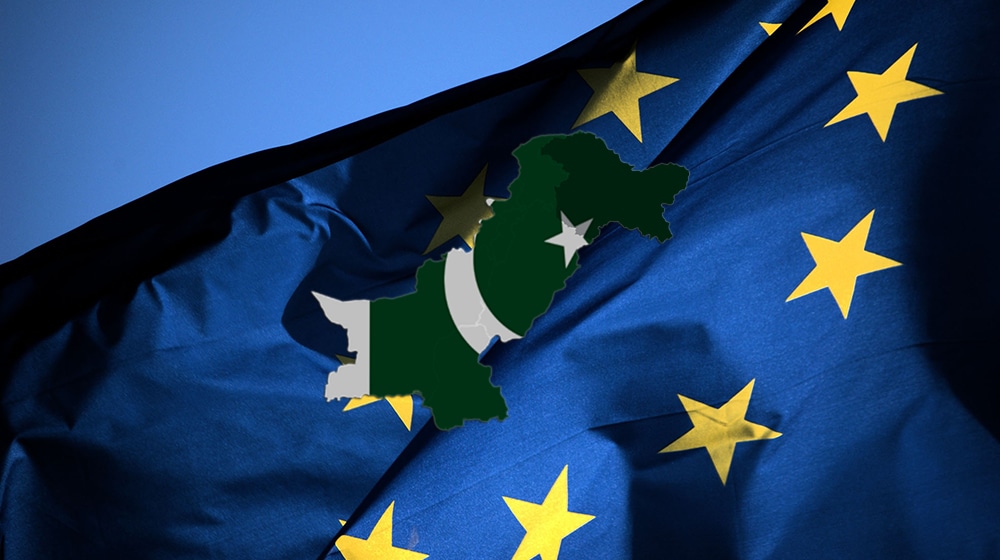
In FY25, the exports to the EU rose 7.44pc to $8.86bn, up from $8.24bn in the previous fiscal year. In comparison, in FY24, Pakistan’s exports to the EU had dipped 3.12pc to $8.24bn despite its GSP+ status.

Northern and Western Europe

Exports to northern Europe slightly dipped by 0.85pc to $557.31m in 9MFY26, from $562.13m in the corresponding months last year.

Western Europe, which includes countries such as Germany, the Netherlands, France, and Belgium, accounts for the largest share of Pakistan’s exports to the EU.

Exports to this region slightly fell by 3.14pc to $3.30bn in 9MFY26, from $3.41bn in FY25:

Germany: Exports down 2.97pc to $1.24bn
Netherlands: Exports down 1.78pc to $1.1bn
France: Exports down 2.62pc to $411.89m
Belgium: Exports down 4.73pc to $402.86m

Southern and Eastern Europe

However, there is a slight increase in exports to eastern and southern Europe.

Exports to southern Europe grew by 6.47pc to $2.43bn in the 9MFY26, from $2.28bn in the corresponding period last year.

Spain: Exports up 7.44pc to $1.18bn

Italy: Exports up 4.26pc to $880.13m

Greece: Exports down 8.44pc to $98.16m

Exports to eastern Europe grew 5.06pc to $566.92m in 9MFY26 from $539.63m in the corresponding period last year.

United Kingdom

Before Brexit, Pakistan’s major export destination was the United Kingdom. In the post-Brexit period, Pakistan’s exports to the UK decreased slightly to $1.62bn in 9MFY26 from $1.62bn in the corresponding period last year, a decline of 0.23pc.

In FY25, Pakistan’s exports to the UK increased by 7.19pc to $2.16bn from $2.02bn in the preceding year.
 

Pakistan’s import bill to rise

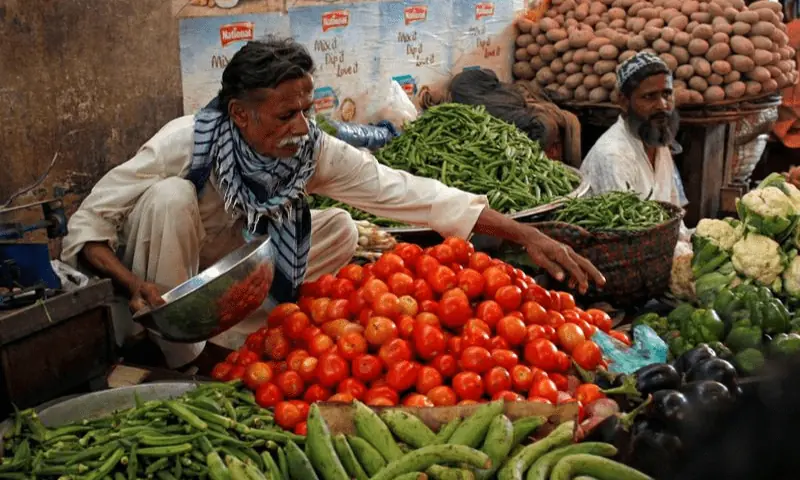
This highlights the failure of Pakistan and everything wrong with Pakistan and the Feudal system also. Pakistan is meant to be an Agrarian economy with the bulk of people working in that field, yet it still is a net importer of food and not exporter.

Pakistan should have done land reforms at birth and ensured that all that land was actually put to real productive use.
 

Users who are viewing this thread

Pakistan Defence Latest

Country Watch Latest

Back
Top