Pakistan-Saudi Arabia mutual defense pact: News & Discussion

US Equipment and Technology + Pakistani Military = 1 Deadly Combo!!

There should be no force on earth which would like to face the above, a perfect combination for defense or offense.


No one is doubting Pakistans fighting capabilities. Big problem is . When US and Saudis attacked their enemies Yemen and Iran because they thought they were weak but really it was Washington and Riyadh were geographically so ignorant., tactically foolish, and strategically, clueless. I worry Pakistani military does not get drawn into this nonsense the straits and Bab Al Mandab are death traps. We mustn’t take words of warlords Houthis that they would not attack our PN bc of US or Saudis do.
 
No one is doubting Pakistans fighting capabilities. Big problem is . When US and Saudis attacked their enemies Yemen and Iran because they thought they were weak but really it was Washington and Riyadh were geographically so ignorant., tactically foolish, and strategically, clueless. I worry Pakistani military does not get drawn into this nonsense the straits and Bab Al Mandab are death traps. We mustn’t take words of warlords Houthis that they would not attack our PN bc of US or Saudis do.
For now, it is much too premature to say what will happen with the Bal-el-Mandeb and the Red Sea blockade, this is no doubt a concerning development for not just Pakistan but the entire world.

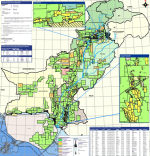
Our own Oilfields produce approx 81,426 barrels a day, whilst our daily consumption is between 420,000 to 450,000 barrels a day, meaning we import the bulk of our oil, and all of that comes from Saudi Arabia, Kuwait and the UAE.
1784881821495.png
With supply lines threatened not just in the PG but also the Red Sea, like every other nation Pakistan has to look at its strategic options, unlike India who have ditched the OGCC nations for now and signed deals with Nigera and Angola for oil supply, we simply do not have that luxury due to our current fiscal state.
 
For now, it is much too premature to say what will happen with the Bal-el-Mandeb and the Red Sea blockade, this is no doubt a concerning development for not just Pakistan but the entire world.

Our own Oilfields produce approx 81,426 barrels a day, whilst our daily consumption is between 420,000 to 450,000 barrels a day, meaning we import the bulk of our oil, and all of that comes from Saudi Arabia, Kuwait and the UAE.
View attachment 207885
With supply lines threatened not just in the PG but also the Red Sea, like every other nation Pakistan has to look at its strategic options, unlike India who have ditched the OGCC nations for now and signed deals with Nigera and Angola for oil supply, we simply do not have that luxury due to our current fiscal state.


So we’re trying to open a strait for our oil shipping that was already open before the US and Saudis shenanigans started great All this proved the most powerful military proving US and Arabs is just how ineffective they’ve been in the Bab-Al- Mandab US actually are. Maybe talks with Houthis may be a better option for us?
can Islamabad please after this crisis switch to Iran completing Iran pipeline this Arab and Iranian rivalry ain’t our problem anymore. It’s so frustrating our planners didn’t see a crisis in this coming in this unstable part of the world. and had no alternative plans getting oil from another country.
 
So we’re trying to open a strait for our oil shipping that was already open before the US and Saudis shenanigans started great All this proved the most powerful military proving US and Arabs is just how ineffective they’ve been in the Bab-Al- Mandab US actually are. Maybe talks with Houthis may be a better option for us?
can Islamabad please after this crisis switch to Iran completing Iran pipeline this Arab and Iranian rivalry ain’t our problem anymore. It’s so frustrating our planners didn’t see a crisis in this coming in this unstable part of the world. and had no alternative plans getting oil from another country.
if you think Iran is a more reliable ally then KSA I have bridge to sell you. come out of your sectarian politics and look at the bigger picture.
 
So we’re trying to open a strait for our oil shipping that was already open before the US and Saudis shenanigans started great
Speaking objectively Saudis are not really belligerents in this, you have to understand the conflict in Yemen was a "frozen conflict" just like any other frozen conflict it was an inevitability that it would reignite given a flashpoint.

This conflict in a wider context started with the closure of the SoH and that has many pieces of the puzzle, we had the initial conflict when the Israelis and the US launched an unjust campaign against Iran, we then had the lull in fighting during the Memorandum of Misunderstanding and the short window of restive normalcy that followed, then we had the incident involving the MV Ever Lovely 7.5 nautical miles southeast of Oman's port of Dahit, followed by two further attacks on July 14th on vessels belonging to Stolt Shipping off the Omani coast.

This gave the US the excuse to blame Iran for breaching the MOU and restarting the conflict, what is right and what is wrong is pointless at the moment given the current direction of the conflict, it now impacts the global economy and fuel market, Pakistan is not immune to this.
All this proved the most powerful military proving US and Arabs is just how ineffective they’ve been in the Bab-Al- Mandab US actually are.
Lets not really make this about "Arabs" not that I have any love loss for them, this is about free international shipping lanes if anything else too, I would be disingenuous if I didn't say that KSA should have predicted this exact outcome and should have worked harder to focus on confidence building with the Houthis. But these blockades, they set a very dangerous precedent.
Maybe talks with Houthis may be a better option for us?
Its not for Pakistan to talk with the Houthis, their beef is with KSA, KSA and Egypt have already proposed a set of measures to discuss with Yemini counterparts.
can Islamabad please after this crisis switch to Iran completing Iran pipeline this Arab and Iranian rivalry ain’t our problem anymore.
What Pakistan SHOULD do is work on multiple redundancies, reliance on one single supplier for something as critical as energy supply exposes a critical flaw in our energy supply chain. Pakistan and Nigera have very cordial relations, Nigeria is one of the largest oil producing nations in the world, Pakistan should explore having multiple suppliers. If this multipolar world has shown us anything, it's that having your eggs in one basket is a strategic blunder
It’s so frustrating our planners didn’t see a crisis in this coming in this unstable part of the world. and had no alternative plans getting oil from another country.
I do not think our planners didn't see this as an eventuality, the problem is the situation is so fluid, no one could possibly predict the speed, severity and complexity of this conflict. Before we go blaming our planners, the Western world with all its wherewithal was caught short in all of this as well.

I think a lot of times we are much too harsh and self-critical when it comes to Pakistan.
 
if you think Iran is a more reliable ally then KSA I have bridge to sell you. come out of your sectarian politics and look at the bigger picture.


Hoping we can stay out of this forever war between GCC ISRAEL US IRAN. . If it’s in Pakistanis interests to be drawn into this conflict. I just see it as. fools errand to join it bc this war has no end goal and proper plan to it.
 
So we’re trying to open a strait for our oil shipping that was already open before the US and Saudis shenanigans started great All this proved the most powerful military proving US and Arabs is just how ineffective they’ve been in the Bab-Al- Mandab US actually are. Maybe talks with Houthis may be a better option for us?
can Islamabad please after this crisis switch to Iran completing Iran pipeline this Arab and Iranian rivalry ain’t our problem anymore. It’s so frustrating our planners didn’t see a crisis in this coming in this unstable part of the world. and had no alternative plans getting oil from another country.
What a bucket full of crap ! Bottom lines is soH is closed and Bab Al Mandeb is under threat... Pakistan needs to secure her oil supply...Iran , Saudi and GCC can go to hell.... Pakistan is a regional power, no pussyfooting and no need to overanalyze things.... it's our moral obligation and strategic responsibility to keep these straits open to the best of our ability....Iran is a neighbour and we wish him well , however we have negligible economic interest with her and we don't trust her long term strategic trajectory.....we can't be held hostage by her proxies in Pakistan.
 

Asim Munir used oil venture with IRGC chief to protect Saudi Arabia in war, says Israeli media report​


Pakistan army chief warned IRGC commander Ahmad Vahidi that attacks on the kingdom during Israel-US-Iran conflict could threaten their lucrative oil transport venture, says Times of Israel.​


New Delhi: Pakistan Army Chief Field Marshal Asim Munir used his financial ties with a senior Iranian commander to shield Saudi Arabia from Tehran’s missile attacks during the US-Israel war against Iran, says a report by The Times of Israel published Thursday.

Munir and Ahmad Vahidi, the head of Iran’s Islamic Revolutionary Guard Corps (IRGC), are linked to a private company that has transported Iranian oil to Pakistan since late 2025. Munir allegedly used the prospect of keeping the oil operation running as leverage to persuade Tehran to stop targeting Saudi Arabia, the report said, citing three officials familiar with the matter who spoke anonymously.

The report comes as the US and Iran enter a second consecutive week of strikes.
The latest escalation is part of the conflict between the US and Israel, and Iran that began on 28 February this year. After a ceasefire arrangement secured under a 17 June memorandum of understanding faltered, US President Donald Trump said on 8 July that he believed the ceasefire was “over” as strikes resumed.

The agreement mediated by Munir was reached in late March, during the opening weeks of the US-Israel-Iran war. Saudi Arabia, which had faced repeated Iranian attacks during the conflict’s first month alongside other countries in the region, then largely escaped further Iran-attributed attacks for more than three months.

However, Iran launched a missile towards the kingdom over the last weekend, marking the first such attack in months.

Munir then warned Vahidi that further strikes could jeopardise their joint oil business, a Middle Eastern diplomat told the Israeli publication. No additional Iranian missiles are reported to have been fired at Saudi Arabia since.

The oil company has reportedly generated significant profits for both military leaders, particularly as the US blockade of Iranian ports restricted Tehran’s regular energy exports through the Strait of Hormuz. The venture, therefore, gave Munir direct financial leverage over one of Iran’s most powerful security officials.

The arrangement also underlines Pakistan’s attempt to balance its longstanding relations with Saudi Arabia against its geographical and economic ties with neighbouring Iran.

An intelligence official quoted in the report said Islamabad sought to strengthen its relationship with Riyadh, particularly by making the kingdom more dependent on Pakistani mediation and security support.

Pakistan and Saudi Arabia signed a mutual defence pact on 17 September last year in Riyadh, which further reinforced their close military relationship.

But Munir’s deal has attracted criticism. A Middle Eastern diplomat argued that the agreement “legitimised ransom payments” allegedly being demanded by Iran from regional countries in exchange for avoiding attacks during the conflict.

The UAE and Qatar have faced similar allegations of reaching informal financial understandings with Tehran to avoid being targeted, although both countries have denied such claims.
 

Asim Munir used oil venture with IRGC chief to protect Saudi Arabia in war, says Israeli media report​


Pakistan army chief warned IRGC commander Ahmad Vahidi that attacks on the kingdom during Israel-US-Iran conflict could threaten their lucrative oil transport venture, says Times of Israel.​


New Delhi: Pakistan Army Chief Field Marshal Asim Munir used his financial ties with a senior Iranian commander to shield Saudi Arabia from Tehran’s missile attacks during the US-Israel war against Iran, says a report by The Times of Israel published Thursday.

Munir and Ahmad Vahidi, the head of Iran’s Islamic Revolutionary Guard Corps (IRGC), are linked to a private company that has transported Iranian oil to Pakistan since late 2025. Munir allegedly used the prospect of keeping the oil operation running as leverage to persuade Tehran to stop targeting Saudi Arabia, the report said, citing three officials familiar with the matter who spoke anonymously.

The report comes as the US and Iran enter a second consecutive week of strikes.
The latest escalation is part of the conflict between the US and Israel, and Iran that began on 28 February this year. After a ceasefire arrangement secured under a 17 June memorandum of understanding faltered, US President Donald Trump said on 8 July that he believed the ceasefire was “over” as strikes resumed.

The agreement mediated by Munir was reached in late March, during the opening weeks of the US-Israel-Iran war. Saudi Arabia, which had faced repeated Iranian attacks during the conflict’s first month alongside other countries in the region, then largely escaped further Iran-attributed attacks for more than three months.

However, Iran launched a missile towards the kingdom over the last weekend, marking the first such attack in months.

Munir then warned Vahidi that further strikes could jeopardise their joint oil business, a Middle Eastern diplomat told the Israeli publication. No additional Iranian missiles are reported to have been fired at Saudi Arabia since.

The oil company has reportedly generated significant profits for both military leaders, particularly as the US blockade of Iranian ports restricted Tehran’s regular energy exports through the Strait of Hormuz. The venture, therefore, gave Munir direct financial leverage over one of Iran’s most powerful security officials.

The arrangement also underlines Pakistan’s attempt to balance its longstanding relations with Saudi Arabia against its geographical and economic ties with neighbouring Iran.

An intelligence official quoted in the report said Islamabad sought to strengthen its relationship with Riyadh, particularly by making the kingdom more dependent on Pakistani mediation and security support.

Pakistan and Saudi Arabia signed a mutual defence pact on 17 September last year in Riyadh, which further reinforced their close military relationship.

But Munir’s deal has attracted criticism. A Middle Eastern diplomat argued that the agreement “legitimised ransom payments” allegedly being demanded by Iran from regional countries in exchange for avoiding attacks during the conflict.

The UAE and Qatar have faced similar allegations of reaching informal financial understandings with Tehran to avoid being targeted, although both countries have denied such claims.

Posting Israeli psycops yaar
 

Asim Munir used oil venture with IRGC chief to protect Saudi Arabia in war, says Israeli media report​


Pakistan army chief warned IRGC commander Ahmad Vahidi that attacks on the kingdom during Israel-US-Iran conflict could threaten their lucrative oil transport venture, says Times of Israel.​


New Delhi: Pakistan Army Chief Field Marshal Asim Munir used his financial ties with a senior Iranian commander to shield Saudi Arabia from Tehran’s missile attacks during the US-Israel war against Iran, says a report by The Times of Israel published Thursday.

Munir and Ahmad Vahidi, the head of Iran’s Islamic Revolutionary Guard Corps (IRGC), are linked to a private company that has transported Iranian oil to Pakistan since late 2025. Munir allegedly used the prospect of keeping the oil operation running as leverage to persuade Tehran to stop targeting Saudi Arabia, the report said, citing three officials familiar with the matter who spoke anonymously.

The report comes as the US and Iran enter a second consecutive week of strikes.
The latest escalation is part of the conflict between the US and Israel, and Iran that began on 28 February this year. After a ceasefire arrangement secured under a 17 June memorandum of understanding faltered, US President Donald Trump said on 8 July that he believed the ceasefire was “over” as strikes resumed.

The agreement mediated by Munir was reached in late March, during the opening weeks of the US-Israel-Iran war. Saudi Arabia, which had faced repeated Iranian attacks during the conflict’s first month alongside other countries in the region, then largely escaped further Iran-attributed attacks for more than three months.

However, Iran launched a missile towards the kingdom over the last weekend, marking the first such attack in months.

Munir then warned Vahidi that further strikes could jeopardise their joint oil business, a Middle Eastern diplomat told the Israeli publication. No additional Iranian missiles are reported to have been fired at Saudi Arabia since.

The oil company has reportedly generated significant profits for both military leaders, particularly as the US blockade of Iranian ports restricted Tehran’s regular energy exports through the Strait of Hormuz. The venture, therefore, gave Munir direct financial leverage over one of Iran’s most powerful security officials.

The arrangement also underlines Pakistan’s attempt to balance its longstanding relations with Saudi Arabia against its geographical and economic ties with neighbouring Iran.

An intelligence official quoted in the report said Islamabad sought to strengthen its relationship with Riyadh, particularly by making the kingdom more dependent on Pakistani mediation and security support.

Pakistan and Saudi Arabia signed a mutual defence pact on 17 September last year in Riyadh, which further reinforced their close military relationship.

But Munir’s deal has attracted criticism. A Middle Eastern diplomat argued that the agreement “legitimised ransom payments” allegedly being demanded by Iran from regional countries in exchange for avoiding attacks during the conflict.

The UAE and Qatar have faced similar allegations of reaching informal financial understandings with Tehran to avoid being targeted, although both countries have denied such claims.

LOL Isralis are making up stuff as they go along.
 

Asim Munir used oil venture with IRGC chief to protect Saudi Arabia in war, says Israeli media report​


Pakistan army chief warned IRGC commander Ahmad Vahidi that attacks on the kingdom during Israel-US-Iran conflict could threaten their lucrative oil transport venture, says Times of Israel.​


New Delhi: Pakistan Army Chief Field Marshal Asim Munir used his financial ties with a senior Iranian commander to shield Saudi Arabia from Tehran’s missile attacks during the US-Israel war against Iran, says a report by The Times of Israel published Thursday.

Munir and Ahmad Vahidi, the head of Iran’s Islamic Revolutionary Guard Corps (IRGC), are linked to a private company that has transported Iranian oil to Pakistan since late 2025. Munir allegedly used the prospect of keeping the oil operation running as leverage to persuade Tehran to stop targeting Saudi Arabia, the report said, citing three officials familiar with the matter who spoke anonymously.

The report comes as the US and Iran enter a second consecutive week of strikes.
The latest escalation is part of the conflict between the US and Israel, and Iran that began on 28 February this year. After a ceasefire arrangement secured under a 17 June memorandum of understanding faltered, US President Donald Trump said on 8 July that he believed the ceasefire was “over” as strikes resumed.

The agreement mediated by Munir was reached in late March, during the opening weeks of the US-Israel-Iran war. Saudi Arabia, which had faced repeated Iranian attacks during the conflict’s first month alongside other countries in the region, then largely escaped further Iran-attributed attacks for more than three months.

However, Iran launched a missile towards the kingdom over the last weekend, marking the first such attack in months.

Munir then warned Vahidi that further strikes could jeopardise their joint oil business, a Middle Eastern diplomat told the Israeli publication. No additional Iranian missiles are reported to have been fired at Saudi Arabia since.

The oil company has reportedly generated significant profits for both military leaders, particularly as the US blockade of Iranian ports restricted Tehran’s regular energy exports through the Strait of Hormuz. The venture, therefore, gave Munir direct financial leverage over one of Iran’s most powerful security officials.

The arrangement also underlines Pakistan’s attempt to balance its longstanding relations with Saudi Arabia against its geographical and economic ties with neighbouring Iran.

An intelligence official quoted in the report said Islamabad sought to strengthen its relationship with Riyadh, particularly by making the kingdom more dependent on Pakistani mediation and security support.

Pakistan and Saudi Arabia signed a mutual defence pact on 17 September last year in Riyadh, which further reinforced their close military relationship.

But Munir’s deal has attracted criticism. A Middle Eastern diplomat argued that the agreement “legitimised ransom payments” allegedly being demanded by Iran from regional countries in exchange for avoiding attacks during the conflict.

The UAE and Qatar have faced similar allegations of reaching informal financial understandings with Tehran to avoid being targeted, although both countries have denied such claims.
Don't understand the need for posting such garbage , it's a crude attempt at psyops by the Israeli.....omc and refineries are happy that oil smuggling from Iran is under control... refineries are working full throttle and their shares prices are going up even on red index days.
 
Hoping we can stay out of this forever war between GCC ISRAEL US IRAN. . If it’s in Pakistanis interests to be drawn into this conflict. I just see it as. fools errand to join it bc this war has no end goal and proper plan to it.
In an ideal world, yes, Pakistan should stay out of it. But geopolitics rarely gives countries that luxury. We are heavily dependent on imported energy, our economy is closely tied to the Gulf, and millions of Pakistanis work in GCC countries, sending back over $30 billion in remittances annually. That means complete neutrality isn't really an option.

In reality, Pakistan has already made its strategic choices through decades of defence, economic, and security cooperation with the GCC, particularly Saudi Arabia. The sensible approach was exactly what Pakistan tried to do, push for de escalation and diplomacy to prevent the conflict from expanding. Unfortunately, when diplomacy fails, countries have to deal with the strategic realities they face, not the ones they wish they had.
 
This thread is nothing but some dudes competing in mental masturbation. All the things being discussed here have their own threads,,,,, but no.
 
Don't understand the need for posting such garbage , it's a crude attempt at psyops by the Israeli.....omc and refineries are happy that oil smuggling from Iran is under control... refineries are working full throttle and their shares prices are going up even on red index days.

Pakistan's peace efforts has made her more enemies than friends.
 

Users who are viewing this thread

Country Watch Latest

Back
Top