hydrabadi_arab
SpeedLimited

View attachment 206470
Each square is one in a hundred of Pakistan’s 1.83 million tubewells and lift pumps, by power source.
The social meaning is as important as the engineering. The colonial canal system created remarkable agricultural production, but it also made access to water dependent on settlement policy, official schedules, irrigation officials and upstream users.
The tubewell gives a farmer greater command over timing. It is a limited emancipation from the state and from the collective discipline of the watercourse.
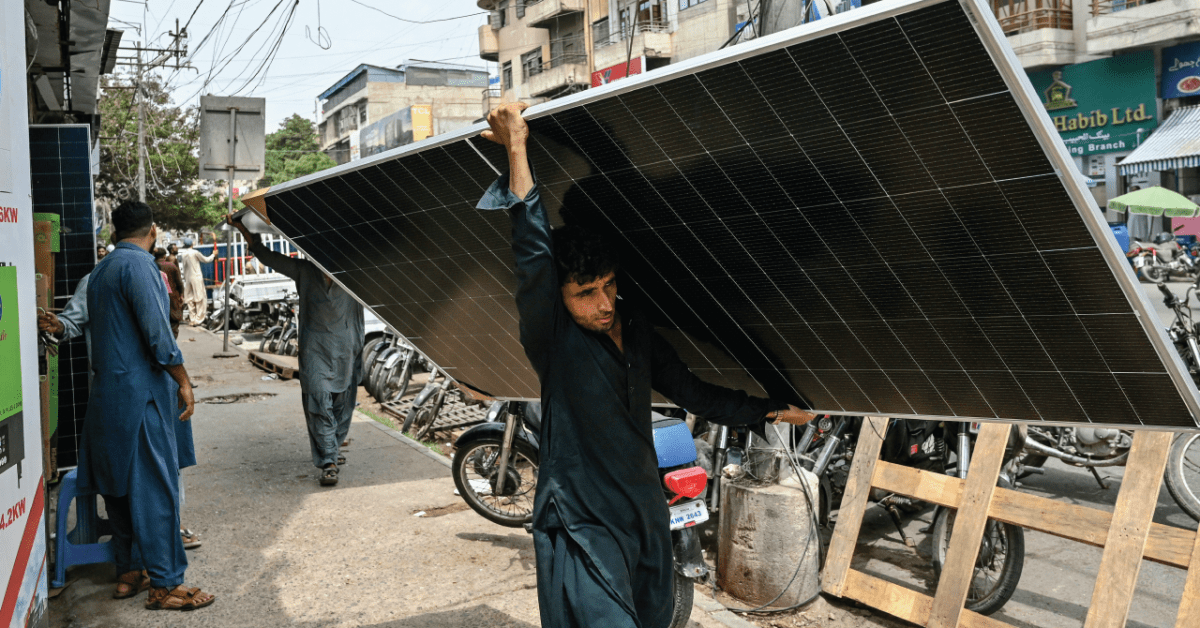
Solar power strengthens that autonomy by replacing a recurring diesel or electricity bill with an upfront investment. Would this mean stronger rural classes or sub classes and their relative bargaining terms with urban classes? These are consequences that require more detailed study.
Each square is Pakistan’s irrigated land, split by source. Private tubewells (red) nearly doubled their share — from 18% to 31% — as surface canals lost ground.
But private freedom can create a public crisis.
A farmer who pumps groundwater receives the immediate benefit, while the falling water table, salinity and declining aquifer quality are shared by neighbours and future generations. Solar makes each additional hour of pumping appear almost costless.
The transition therefore demands much more research: Where are water tables falling fastest? How much pumping is replenished? Who can afford deeper wells? How are groundwater and river flows connected?
This census was done when solar adoption didn't even peak. By 2030 solar tubewells will be 90%, saving billions in $ diesel imports.
Pakistan need to work on attracting investment in solar/battery manufacturing though and save $ as much as possible along with creating hundreds of thousands of jobs.