Pakistan Solar Power: News & Updates

pakistan-solar-just-overtook-coal-as-the-largest-single-v0-j5zlmdudl32h1.jpeg
 
The gist of the article is that the government has not helped much in this phenomenonal expansion of solar sector. Infact it has implemented 18% sales tax and reduced benefits of net metering. On my street where l live 8 out of 10 houses have solar systems.
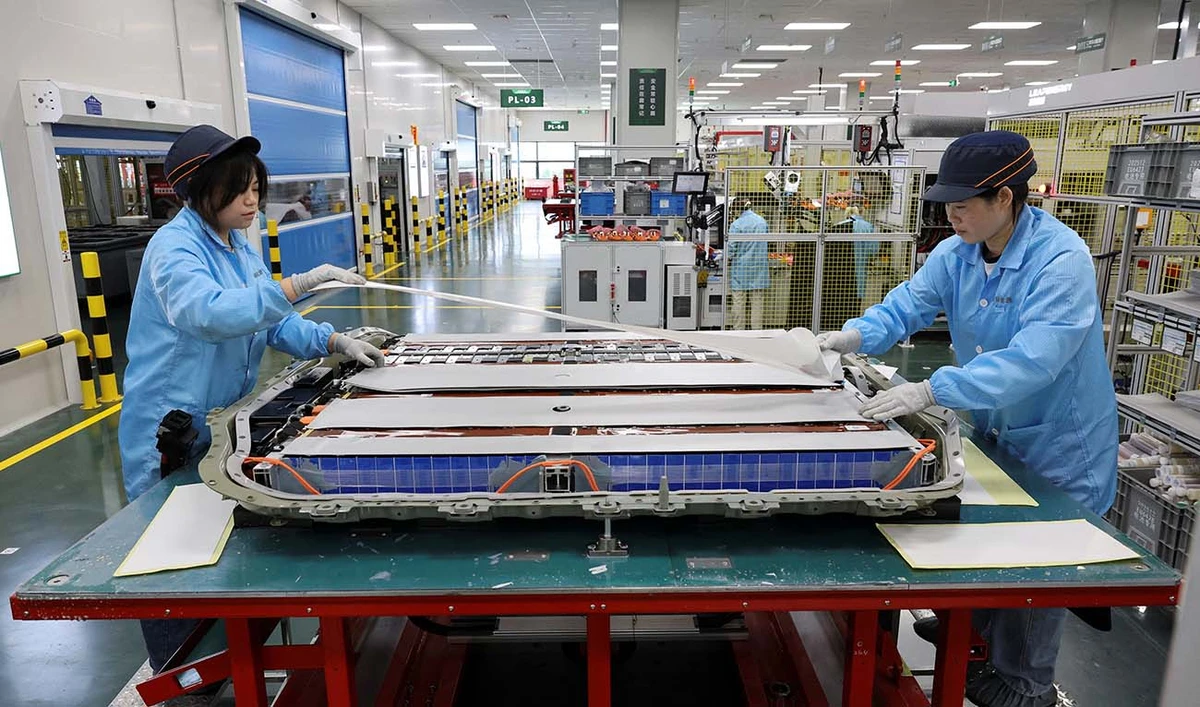
These days solar panels are available but solar batteries are difficult to get. No wonder a Chinese company is investing 15m $ to set up a factory. This sector is going places.
So I quickly checked on Google Maps, just random area around the centre of Lahore, and I was really surprised to see vast majority of roofs having solar panels on them.

This adoption is much faster than I realised. I thought the large figures associated with solar panel imports must've been bloated, but this is truly amazing.

From negligible capacity to such a high capacity in just 3-4 years is akin to the launch of the web in 1993 and moden smart phones in 2007.

I am almost lost for words.
 
To view this content we will need your consent to set third party cookies.
For more detailed information, see our cookies page.


This reflects what people can do if they stop relying on the government.
What the government handed the people is a debt burden and overpriced unreliable grid on the backs of IPPs... indebting the whole nation... while foregoing cheap oil and gas from neighboring states in bilateral currencies... promoting balanced trade and a freer economy. That scales with demand... instead one that chases a mirage... fiat from global economy to fill landfills. And impoverished populace that keeps getting it's wealth siphoned off shore.

The grid in Pakistan is what IMF wants to preserve to TAX the people... and feed the sharks!
 
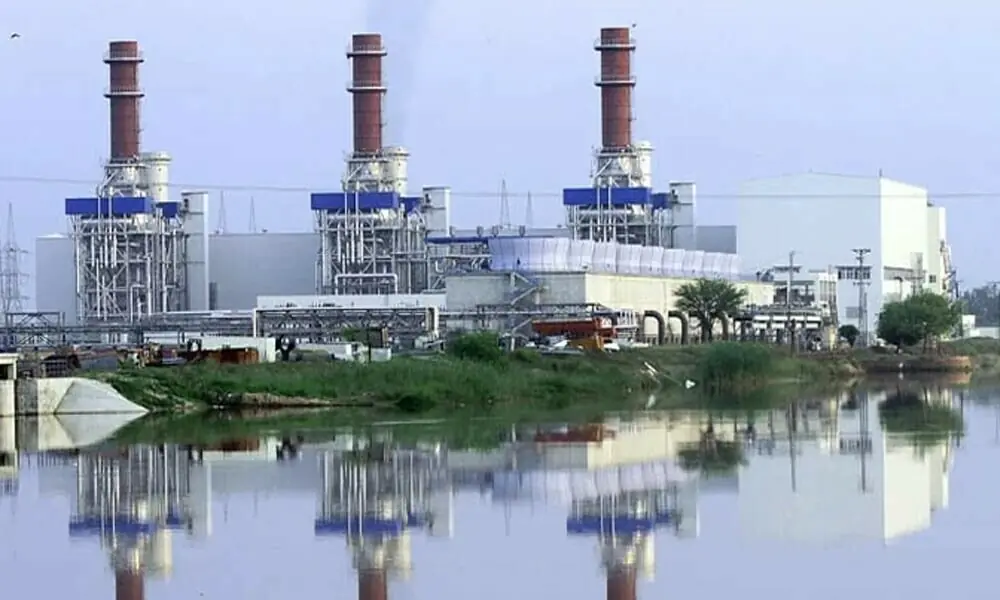
This is all good but what will happen to government circular debt .. as the consumption dried down due to solar... but government has to pay capacity payments. Eventhough the fossil fuel cost should be down . A country like pakistan can adopt more solar and wind turbines with battery backup to eliminate usage of gas, coal and other fossil fuel powered plants
 
This is all good but what will happen to government circular debt .. as the consumption dried down due to solar... but government has to pay capacity payments. Eventhough the fossil fuel cost should be down . A country like pakistan can adopt more solar and wind turbines with battery backup to eliminate usage of gas, coal and other fossil fuel powered plants

Large part of capacity payments are debt that govt have to pay one way or another. CPEC IPPs debt will be paid off by 2030-2032, after that capacity payments from these plants will be halved.
 
Good

But Pakistan should establish a large solar manufacturing and production plant and battery banks in Pakistan rather than buying everything from China
 
This is all good but what will happen to government circular debt .. as the consumption dried down due to solar... but government has to pay capacity payments. Eventhough the fossil fuel cost should be down . A country like pakistan can adopt more solar and wind turbines with battery backup to eliminate usage of gas, coal and other fossil fuel powered plants
Some of the IPP contracts have already been renegotiated, some are up for sale and the Chinese Government has been asked to intervene on some of them.


Good

But Pakistan should establish a large solar manufacturing and production plant and battery banks in Pakistan rather than buying everything from China
Work is in progress on those fronts as well.


This is all good but what will happen to government circular debt .. as the consumption dried down due to solar... but government has to pay capacity payments. Eventhough the fossil fuel cost should be down . A country like pakistan can adopt more solar and wind turbines with battery backup to eliminate usage of gas, coal and other fossil fuel powered plants

Maybe time to declare Force Majeure on the contracts ? Given that people are not using the grid, why does it need to pay for capacity?
 
Maybe time to declare Force Majeure on the contracts ? Given that people are not using the grid, why does it need to pay for capacity?
At some point, Pakistan needs to do something in that regard. It will not be popular. The World Bank and IMF will be up our A**. Something like a hostile takeover or default to not pay at all. With options for them to move the plants out or for Pakistan to pay a one-time fee and take over the plant itself. And focus on alternate cheap energy. Solar, wind, water/ hydel, nuclear, and coal [local] production. Get rid of all gas-based production units. or minimize them.
 
At some point, Pakistan needs to do something in that regard. It will not be popular. The World Bank and IMF will be up our A**. Something like a hostile takeover or default to not pay at all. With options for them to move the plants out or for Pakistan to pay a one-time fee and take over the plant itself. And focus on alternate cheap energy. Solar, wind, water/ hydel, nuclear, and coal [local] production. Get rid of all gas-based production units. or minimize them.
Most of the capacity payments are made to local investors including our politicians.
 
Force Majeure is not appropriate for Chinese friends.

Wild Suggestion:

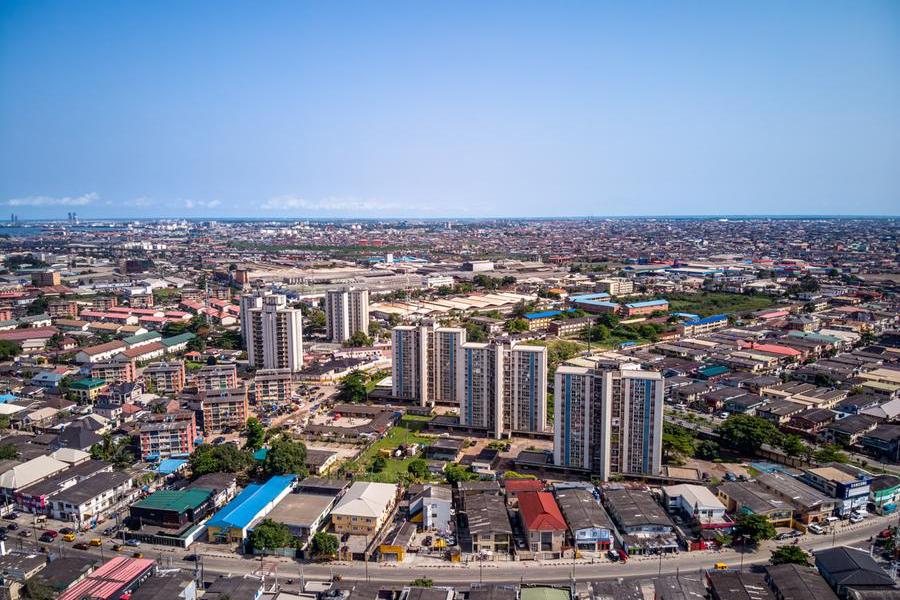
If Chinese powerplants can be relocated to Nigeria, which has the financial resources and is power hungry.

Few hundred millions of USD cost for relocation vs billions of USD for capacity payments.

Relocation can be achieved in less than a year.

The country has only been able to enjoy a maximum of 5,000 megawatts of electricity, less than a quarter of its minimum requirement at any time, over the past 50 years. Presently, it has an installed capacity of roughly 13,000 MW, but the grid rarely manages to distribute more than 4,000 MW to 5,000 MW for a population exceeding 200 million. In contrast, nations with similar populations often produce upwards of 100,000 MW.


Lagos State’s ambition to eliminate electricity band classifications and achieve near-constant power supply will only succeed if electricity generation and investment improve significantly across the state and the wider country.

Lagos alone requires significantly more electricity than it currently receives from the national grid.

“Lagos demand is about 9,000 to 12,000 megawatts,” he said.

He said that the electricity currently allocated to Lagos represents only a fraction of what the state actually needs to sustain homes, businesses, and industries.

“That’s why you see generators everywhere,” he stated.

 
Last edited:
Most of the capacity payments are made to local investors including our politicians.
not 100% TRUE. It made its way to the power houses where local politicians and investors are partners along with external investors.
 

Users who are viewing this thread

Pakistan Defence Latest

Back
Top