Saudi Arabia strategic Projects: news, discussions & updates

Saudi Aramco’s $100 billion Jafurah shale gas project begins production​


Aramco CEO Amin Nasser has called Jafurah a crown jewel in the company’s portfolio.

RIYADH

The first phase of oil giant Aramco’s Jafurah gas plant is complete and production has begun with a capacity of 450 million cubic feet per day, the Saudi finance ministry said on Tuesday.

In its 2026 budget statement, the ministry listed the milestone as an achievement reached in 2025.

Jafurah is potentially the biggest shale gas project outside the US and is expected to reach sustainable production of two billion cubic feet per day by 2030.

Aramco CEO Amin Nasser, who has called Jafurah a crown jewel in the company’s portfolio, said during an earnings call last month the first phase was on track for completion by the end of this year.

Aramco earlier this year raised $11 billion from a lease and leaseback agreement of its Jafurah gas processing facilities with a consortium led by Global Infrastructure Partners, part of BlackRock.

The $100 billion Jafurah project, estimated to contain 229 trillion standard cubic feet of raw gas, is central to Aramco’s ambitions to become a major global player in natural gas and boost its gas production capacity.

Its output will help free up crude for export that is currently used for domestic power generation.


Aramco's Jafurah gas plant begins output, Saudi finance ministry says​

By Reuters

December 3, 2025 3:05 PM GMT+1 Updated December 3, 2025
1768477811175.png
FILE PHOTO: The Saudi Aramco logo is pictured at Hyvolution exhibition in Paris, France, February 1, 2024. REUTERS/Benoit Tessier/File Photo Purchase Licensing Rights

DUBAI, Dec 2 (Reuters) - The first phase of oil giant Aramco's (2222.SE), opens new tab Jafurah gas plant is complete and production has begun with a capacity of 450 million cubic feet per day, the Saudi finance ministry said on Tuesday.
J
afurah is potentially the biggest shale gas project outside the U.S. and is expected to reach sustainable production of 2 billion cubic feet per day by 2030. The finance ministry, in its 2026 budget statement, listed the milestone as an achievement reached in 2025.

Jafurah's gas output will be used for domestic power generation, freeing up crude for export that is currently used for power in the kingdom. Aramco has said its unconventional gas programme at peak production is expected to generate electricity equivalent to displacing 500,000 barrels per day of oil.

The $100 billion Jafurah project, estimated to contain 229 trillion standard cubic feet of raw gas, is central to Aramco's ambitions to become a major global player in natural gas and boost its gas production capacity.

Aramco's gas production was 12.6 billion cubic feet per day at the end of September, up from 12 bcfd a year earlier. Aramco last month said it was boosting its gas growth target to 80% above 2021 levels from a previous targeted growth of 60%. In its 2021 annual report, Aramco said it reached a single-day record gas output at the time of 10.8 bcfd.

Aramco CEO Amin Nasser, who has called Jafurah a crown jewel in the company's portfolio, said during an earnings call last month the first phase was on track for completion by the end of this year.

Aramco earlier this year raised $11 billion from a lease and leaseback agreement of its Jafurah gas processing facilities with a consortium led by Global Infrastructure Partners, part of BlackRock (BLK.N), opens new tab.

Aramco declined to comment.


Saudi Arabia kicks off gas production from $100 billion-plus megaproject​

Aramco carrying out phased development of $100 billion-plus Jafurah project
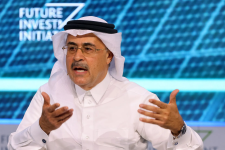
1768477793305.pngAramco chief executive Amin Nasser.Photo: AFP/SCANPIX


Location:

1767537126482.png


1767537145619.png


1767537164151.png


With the EU banning Russian gas at the latest by the end of 2027, KSA will definitely replace some of the Russian gas to EU. The surplus that is not used for local consumption.

Even though KSA has some of the largest gas reserves on the planet, with much exploration yet to be done and new gas findings being found on an yearly basis, KSA has only used gas for local energy consumption.

With the growth of local renewables (solar, wind, hydropower) which is some of the cheapest in the world, if not the cheapest, there should be a lot of room for exporting LNG, CNG and HGL's.

Saudi Arabia Awards Five Renewables Projects Worth $2.4 Billion​

By Charles Kennedy - Oct 28, 2025, 11:30 AM CDT

Saudi Arabia has awarded one wind power and four solar power projects in the country worth a total estimated investment of $2.4 billion (9 billion Saudi riyals), the official Saudi Press Agency reports.

Saudi Power Procurement Company, the principal buyer of the projects, awarded the five projects with a total capacity of 4.5 gigawatts (GW), as part of the sixth phase of the Kingdom’s National Renewable Energy Program.

Saudi Arabia, the world’s biggest crude oil exporter, aims to hike the share of renewable electricity generation as part of its Vision 2030 economic development program.

The Kingdom’s National Renewable Energy Program is aimed at diversifying the energy mix used in electricity production by increasing the shares of gas and renewables in it.

“The kingdom aims at have the energy mix that is optimal, most efficient, and least costly, by replacing liquid fuel with natural gas, in addition to renewables, which are going to make up around 50% of the energy mix used to produce electricity by 2030,” the Energy Ministry says.

Of course, replacing liquid fuels and direct crude burn with wind and solar electricity would help Saudi Arabia free up more crude oil for exports, the pillar of its economy and budget revenues.

In the latest $2.4-billion renewable energy tender, Saudi Power Procurement Company awarded a project for the Dawadmi Wind IPP Plant in the province of Riyadh with a capacity of 1.5 GW. The winning bid from a consortium comprising Korea Electric Power Corporation (KEPCO), Nesma Renewable Energy Company Ltd, and Etihad Water and Electricity Company, has a levelized cost of electricity (LCOE) of 1.33803 U.S. cents per kWh. This is a new world record for the lowest LCOE of wind power generation, Saudi Arabia says.

The 1.4-GW Najran Solar Energy Project in the Najran region will be developed in partnership with Abu Dhabi Future Energy Company (Masdar), with an LCOE of 1.09682 U.S cents per kWh. This is the second-lowest in the world for the cost of electricity generation from solar energy, following the Shuaiba 1 Project, which is also located in the Kingdom.

Saudi Arabia expects its total tendered renewable energy generation capacity to reach 64 GW by the end of 2025.

By Charles Kennedy for Oilprice.com

To view this content we will need your consent to set third party cookies.
For more detailed information, see our cookies page.


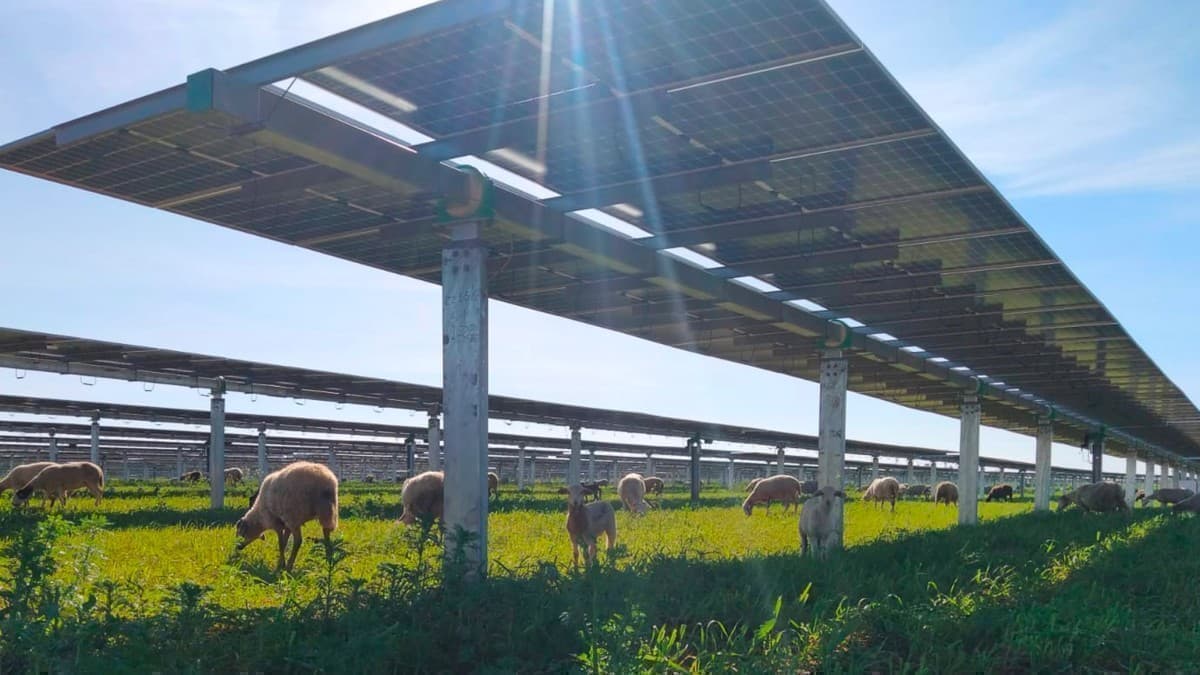
The largest solar energy projects in the world, the Shuaibah Station in Makkah Al-Mukarramah:
* More than 5 million solar panels.
* Production of 2600 megawatts.
* The location with the most radiation throughout the year.
* Project area of 55 square kilometers.

This is one of the fruits of our blessed vision #رؤية_السعودية_2030 (Saudi Vision 2030) led by our inspiring prince #محمد_بن_سلمان (MbS)

A little reminder why KSA could/should be a world leader in renewables
 

Saudi Arabia’s AMAK claims finding 11 million tonnes of gold, other mineral resources​

Sakina Fatima Follow on Twitter| Published: 30th November 2025 9:18 pm IST| Updated: 30th November 2025 10:03 pm IST

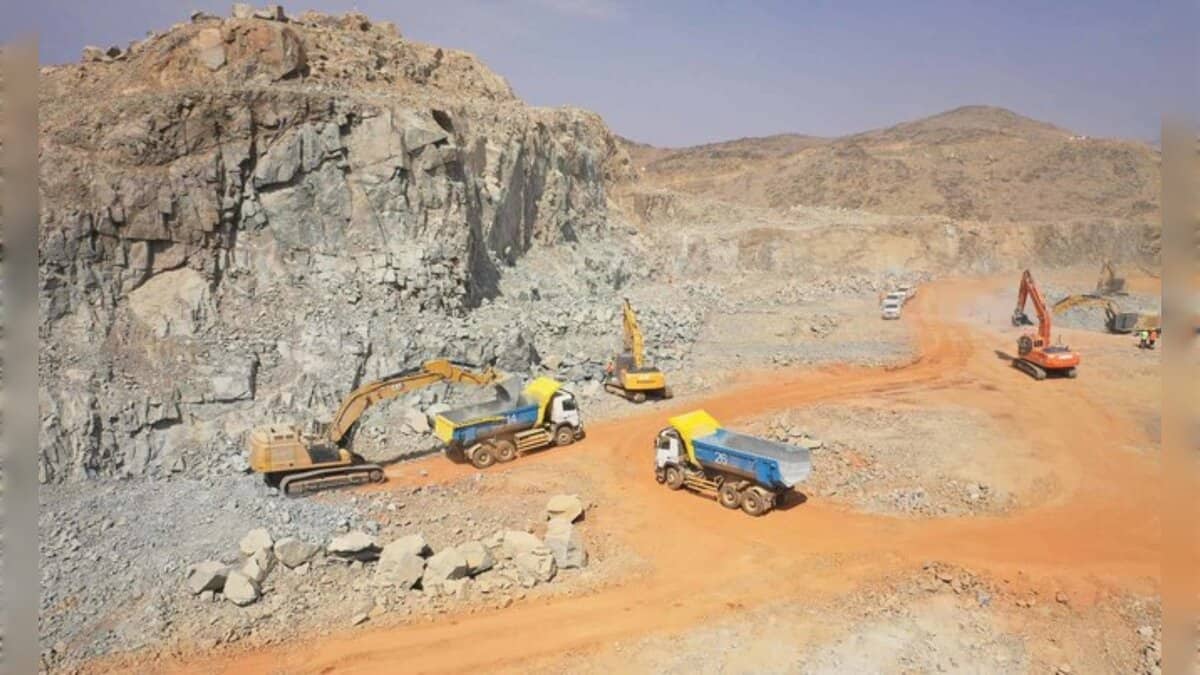
Aerial view of heavy machinery and trucks operating at a mining site in a rocky desert area in Saudi Arabia


Heavy machinery and trucks operate at a mining site in Saudi Arabia’s Najran region. Photo: AMAK/X

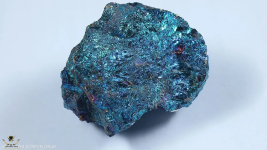
Almasane Alkobra Mining Company (AMAK), one of Saudi Arabia’s leading mining operators, has claimed the identification of around 11 million tonnes of potential economic mineral resources within one of its exploration licences in the Najran region.

The resources include gold, copper, zinc and silver ores, according to a disclosure published on Saudi Stock Exchange (Tadawul) website and an update shared on the official LinkedIn page.

Source: Saudi Stock Exchange

AMAK began exploration immediately after receiving the licence in September 2024. An intensive drilling programme launched in February 2025 has covered less than 10 percent of the licensed area so far, with more than 27,000 metres drilled. The company said early assessments indicate strong potential for additional resources as exploration continues.

In an interview with Al Arabiya Business, Chief Executive Officer (CEO) Jeffrey MacDonald-Day said the discovery aligns with AMAK’s long-term strategy to expand its contribution to the Kingdom’s mining sector.

He continued,“We have started exploring a small part of these resources, and this confirms that the resources will continue to increase to reach about 20 million tonnes. This also confirms our investment plan and gives sustainability to our operations in the near and distant future as well.”

To view this content we will need your consent to set third party cookies.
For more detailed information, see our cookies page.


MacDonald-Day added that the expected growth in resources will lead to increased company investment and expansion of AMAK’s factories to significantly boost production. He noted that only 10 percent of the licensed area has been excavated, highlighting substantial opportunities to advance development work and uncover additional mineral resources.

The exploration site lies roughly 100 kilometres from AMAK’s existing processing complex, a distance the company says will enhance future operational efficiency through shared infrastructure.

These developments come as the global mining industry faces mounting pressure from rising costs, commodity price volatility, and stricter environmental and regulatory demands. According to an S&P report, Saudi Arabia is bucking the international slowdown by positioning mining as a central pillar of Vision 2030, continuing to accelerate sector growth despite challenges affecting other markets.

In a statement on Sunday, November 30, AMAK also announced that it has been granted a 10-year mining exploitation licence for the Katina site in Najran by the Ministry of Industry and Mineral Resources.

The licence covers 9.84 square kilometres and focuses on the extraction of gold ore—an expansion AMAK says reinforces its growth strategy and supports the momentum of Saudi Arabia’s rapidly developing mining sector.

Further geophysical surveys and additional drilling are planned throughout 2026, with a JORC-compliant mineral resources report expected in the second half of the year. AMAK has also begun studies to convert the exploration licence into a mining licence, with findings due next year.

Established in 2008 and listed on Tadawul, AMAK is licensed by the Ministry of Industry and Mineral Resources and is regarded as one of Saudi Arabia’s key players in the mining sector.


Absolutely amazing but not that surprising.

Just a little reminder:

1767537183010.png


And this part of Western KSA/Hijaz/Western Arabian Shield is one of the richest areas in the world in terms of mineral wealth.

To view this content we will need your consent to set third party cookies.
For more detailed information, see our cookies page.


In fact one of the oldest recorded gold mines in the world was/is located in Hijaz. Operating for over 5.000 years.


To view this content we will need your consent to set third party cookies.
For more detailed information, see our cookies page.
 
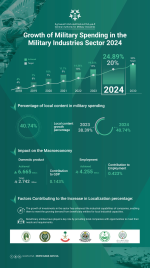
The Military Industries Sector @GAMI_KSA achieved a remarkable growth at View attachment 163540:
— The Numbers:
• Contribution exceeding 6.5 billion riyals
• Increase in local spending from 4% in 2018 to 25% by the end of 2024
• Development of +140 industrial capabilities including drones and land and naval equipment
• 344 licensed companies and 34 thousand workers with 64% localization

To view this content we will need your consent to set third party cookies.
For more detailed information, see our cookies page.


1768478040593.png


The development going in the right direction at a rapid pace.

To view this content we will need your consent to set third party cookies.
For more detailed information, see our cookies page.


The Global "The Spectator Index":

The Saudi economy continues its steady progress, driven by a 9.3% year-on-year increase in industrial production, signaling the strength of the industrial transformation within Saudi Vision 2030.

To view this content we will need your consent to set third party cookies.
For more detailed information, see our cookies page.


"Dreaming of entering the military industries field?
Well, listen up, you might not know this, but the Saudi National Academy for Military Industries was actually established.

The Academy was announced in 2022, and today it's become a reality on the ground, with its location in Riyadh spanning over 80,000 square meters, accommodating around 2,000 male and female students every year.

And its current specializations are distributed across four key tracks:

• Electronics Technology in Defense
• Mechanical Technology in Defense
• Electrical Technology in Defense
• Chemical Technology in Defense


And the great thing is that the General Authority for Military Industries GAMI has focused on developing the capabilities of our young men and women “civilians in the technical and scientific fields related to military industries.

And this thing actually raises their awareness and skills in a field that, unfortunately, many people were ignorant of before 2016, but today the situation is starting to change, because the goal is to enhance true awareness of the importance of military industries, so that the new generation knows exactly what it means to manufacture defense systems, and how electronics and mechanics and electricity and chemistry work within this sensitive sector.

And more important than awareness?
Enhancing localization.

Having an academy like this creates a generation that's understanding, qualified, and trained in a scientific way, and this is exactly what supports the state's direction in localizing military industries by 50% and more, because without trained and aware local cadres, there won't be a real industry, nor technology transfer, nor internal development.

And this is a big step because it doesn't just raise the level of individuals

— it raises the level of the entire sector and supports the Kingdom's independence in manufacturing, reduces our reliance on the outside, and opens up massive opportunities for the coming generation.

Official account of the Academy for more info:
@theadiksa

To view this content we will need your consent to set third party cookies.
For more detailed information, see our cookies page.


"There are countries that establish military companies within their territories, then recruit foreign engineers and experts from multiple countries to manufacture their products, and afterward describe these products as “national industry”.It is true that manufacturing within the country contributes to supportingits economy, but the reality is entirely different in the Kingdom of Saudi Arabia. Here, when we say “national industry”, we mean it literally:
Industry by the hands of the sons of the homeland, with their expertise, and with their capabilities that are being developed and empowered to become an actual part of the national defense system"

1767538590679.png


SAMI is going to present (per rumors) a lot of interesting things during the World Defense Show in Riyadh next month.


To view this content we will need your consent to set third party cookies.
For more detailed information, see our cookies page.


1768478239257.png
 
To view this content we will need your consent to set third party cookies.
For more detailed information, see our cookies page.


"Lucid Motors CEO:

Lucid's factory facilities in #SaudiArabia have been completed and production will begin before the end of 2026, while the company's vehicles will be developed using artificial intelligence technologies through the research and development center in Riyadh, with the participation of Saudi expertise."

To view this content we will need your consent to set third party cookies.
For more detailed information, see our cookies page.


To view this content we will need your consent to set third party cookies.
For more detailed information, see our cookies page.


Key figures of the electric train project that will connect Riyadh to Doha:

-The high-speed train extends over a distance of 785 kilometers, connecting the two capitals Riyadh and Doha, passing through major stations including the cities of Al-Hofuf and Dammam.

-It connects King Salman International Airport and Hamad International Airport.

-The train's speed exceeds 300 kilometers per hour, contributing to reducing travel time to approximately two hours between the two capitals.

-The high-speed train will serve more than 10 million passengers annually.

-The project will contribute to providing more than 30 thousand direct and indirect jobs.

-The economic impact of the project is estimated at approximately 115 billion riyals for the gross domestic product of the two countries.

-Project implementation duration is six years.


To view this content we will need your consent to set third party cookies.
For more detailed information, see our cookies page.


Great step.

To view this content we will need your consent to set third party cookies.
For more detailed information, see our cookies page.


Saudi-Qatari Business Council: We are discussing a proposal to establish a joint investment company between the two countries.

Just a little reminder. KSA and Qatar alone have sovereign wealth funds with a combined wealth that is slowly but steadily approaching 3 trillion USD as well as untold amount of investments across the entire globe.

The GCC as a whole has sovereign wealth funds with a combined wealth slowly approaching 6 trillion USD (!!!). Of course by far more than anybody else. Closest competitor is 1.4 billion big China with around 2.8 trillion USD. Only others that are even remotely comparable are Norway (2 trillion USD) and Singapore (2 trillion USD).
 
Last edited:

Jouf olive presses start annual production season​

ARAB NEWS
21 October 2025

  • Every year, the region celebrates production through the Jouf International Olive Festival
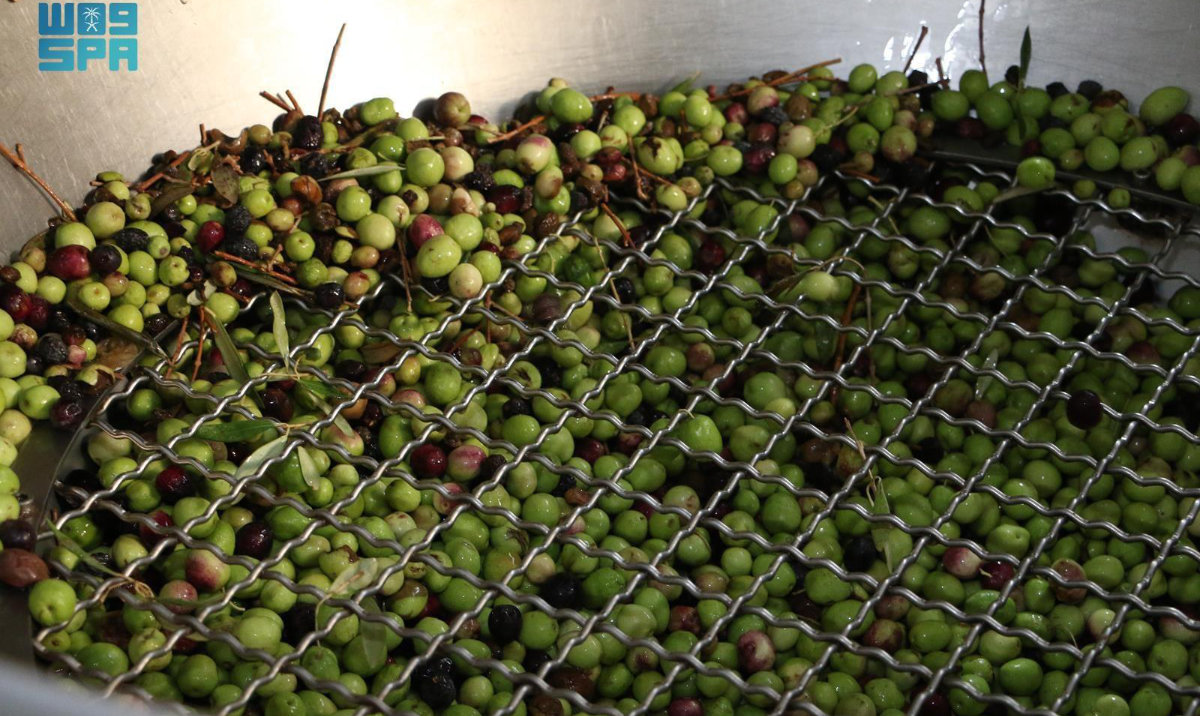
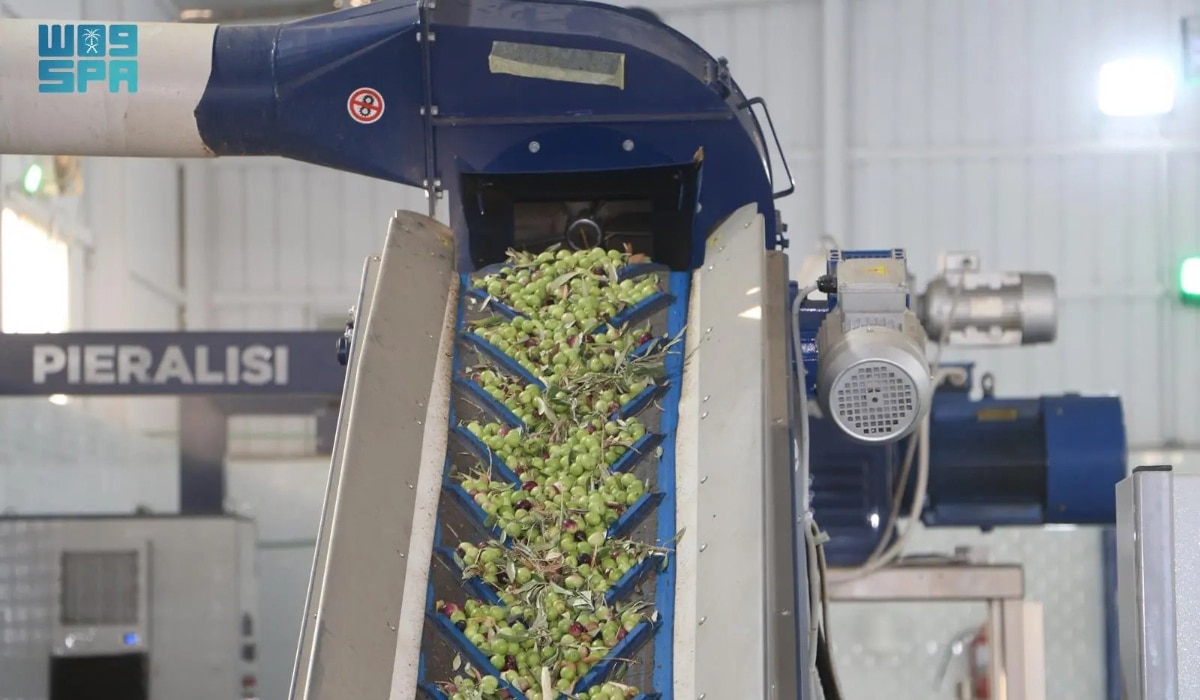
RIYADH: Olive presses in the Jouf region have begun production, supplying olive oil and pressed olives to local and international markets, marking the start of a busy season for agricultural holdings and projects.

Mohammed Al-Fadel, chairman of a local multipurpose cooperative association, highlighted his organization’s efforts to meet the region’s growing production.

He said the association recently upgraded its press with the latest Italian technology, increasing capacity from 18 to 60 tonnes per 24 hours, the Saudi Press Agency reported.

Al-Fadel added that the press, serving farmers since the 1990s, now operates around the clock during the season, which typically runs until January.

Last year, it processed the produce of 215 farmers, ensuring product safety through laboratory testing in cooperation with the Ministry of Environment, Water and Agriculture.

Bassam Al-Owaiesh, associate professor of environment and agriculture at Jouf University’s biology department, said the region has more than 25 million olive trees, with production starting in early October.

The region cultivates numerous varieties, including Arbequina and Picual, valued for their oil content and fruit size, he added.

Every year, the region celebrates production through the Jouf International Olive Festival. Organized by the regional municipality, the event showcases the region’s olive oil and table olives, as well as related industries like olive soap, pickles and cosmetic products.


AL-JOUF OLIVE PRESSES EXPAND TO MEET RISING FARMER DEMAND​

Oct 21, 2025 | Agriculture, Industry, Manufacturing

SPA — Olive presses in Al-Jouf have begun operating at full capacity for the 2025 harvest season. They are processing olives from local farms and large-scale agricultural projects. The presses produce olive oil and table olives for markets in Saudi Arabia and abroad. This signals a strong season for the region’s expanding olive industry.

Mohammed Al-Fadel, the chairman of the Al-Jouf Multi-Purpose Cooperative Society, said the olive press has been upgraded. This upgrade is to keep pace with the region’s rising production and meet local farmers’ demand. Since its establishment in 1416 AH, its daily capacity has grown from 18 to 60 tons. The introduction of advanced Italian olive oil extraction systems supports this growth.

The cooperative’s imported presses, launched last year, operate continuously throughout the harvest period, which extends until January. In the previous season, the cooperative processed olives from 215 farmers and carried out comprehensive quality and safety testing with the Ministry of Environment, Water, and Agriculture.

According to Dr. Bassam Al-Owaish, Associate Professor of Environment and Agriculture at Al-Jouf University, the region is home to more than 25 million olive trees. These trees are cultivated across both smallholdings and large farms. Annual production typically begins in early October. Popular varieties include Arbequina, Koroneiki, Arbosana, Sourani, Zayti, and Picual. Each cultivar offers distinct characteristics in oil yield and fruit size, reflecting the region’s agricultural diversity.

Al-Jouf’s olive economy extends beyond farming and pressing. The International Olive Festival, held annually by the Al-Jouf Municipality, has become a major platform for promoting Saudi olive products and their derivatives. The festival highlights olive-based industries such as soap, pickles, cosmetics, olive tea, and salads. It also encourages innovation through competitions, with awards reaching SAR 500,000.

With its advanced technology, agricultural expertise, and growing market appeal, Al-Jouf continues strengthening its position as Saudi Arabia’s leading olive production hub.

The expansion of olive presses in Al-Jouf signals a new phase of Saudi Arabia’s agricultural modernization. Tradition and technology combine to enhance food security, economic diversification, and rural prosperity. With upgraded production capacity and international-standard processing systems, Al-Jouf continues establishing itself as the Kingdom’s capital of olive cultivation. This sector is increasingly aligned with Vision 2030’s sustainability and agri-innovation goals.

The Al-Jouf Multi-Purpose Cooperative Society’s upgrade to advanced Italian extraction systems marks a significant leap. It improves production efficiency and quality assurance. Expanding daily capacity from 18 to 60 tons reflects the Kingdom’s commitment to integrating cutting-edge technology into traditional agricultural industries. This ensures global competitiveness and sustainability.

The cooperative model reinforces inclusive growth and community participation by supporting over 200 local farmers and maintaining continuous harvest operations. This framework enhances rural livelihoods and promotes cooperative entrepreneurship. It exemplifies Vision 2030’s objective of strengthening non-oil sectors through local empowerment.

Home to over 25 million olive trees and multiple high-yield cultivars, Al-Jouf represents a model of agricultural diversification. The region’s ability to produce world-class olive varieties such as Arbequina and Picual highlights Saudi Arabia’s growing sophistication. They are managing crop diversity, water efficiency, and land productivity.

The International Olive Festival amplifies the region’s economic potential by integrating tourism, industry, and innovation. The festival showcases how local agriculture can evolve by promoting olive-based products — from cosmetics to culinary goods. It can turn into a full value chain of creative and sustainable industries.

Al-Jouf’s olive sector reflects the Kingdom’s broader pursuit of agricultural self-sufficiency, export competitiveness, and rural revitalization. Its success embodies the national vision to transform Saudi Arabia into a leader in sustainable agri-innovation and environmental stewardship.

Al-Jouf’s olive press expansion is more than an operational milestone. It is a symbol of Saudi Arabia’s agricultural evolution. The region stands as a living example through modernization, local empowerment, and sustainable innovation. Vision 2030 is transforming Saudi agriculture from heritage to high-tech excellence.


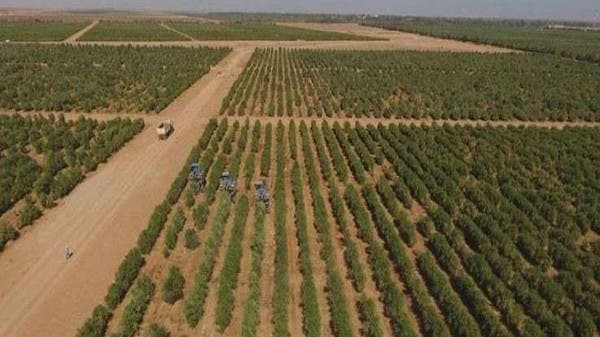
Largest olive farm in the world is located in the ancient Al-Jawf province in KSA.

7,713 hectares.


1767742736115.png


1767742778185.png


To view this content we will need your consent to set third party cookies.
For more detailed information, see our cookies page.


To view this content we will need your consent to set third party cookies.
For more detailed information, see our cookies page.


EDIT:

Not directly related to developments within KSA (even though this conversion occurred within KSA like that of almost all well-known people that have converted in modern times) but it is interesting that almost 99.99% of all non-Muslims of a certain standing (well-known people who have accomplished something) are almost always converting either within KSA/GCC or to a certain sect that 90 % + of all Muslims believe in. I wonder why?

To view this content we will need your consent to set third party cookies.
For more detailed information, see our cookies page.


Professor Dr. Henry Classen, one of Harvard University's doctors and the discoverer of stem cell medicine, has announced his conversion to Islam and pronounced the Two Testimonies of Faith.

@Falcon29 educated non-Muslims can easily see which sect (s) are utterly false and which one is not. Aside from the theological arguments that confirm our sound and correct positions, historical evidence etc., such moments and 1000's of others throughout history further confirm this position.
 
Last edited:
To view this content we will need your consent to set third party cookies.
For more detailed information, see our cookies page.


The #Jazan region records a notable presence on the Kingdom's industrial and mining map @mimgov, with mineral wealth exceeding 127 billion riyals in value.

— Key figures:

• 63 mining licenses

• 11 mining complexes

• Investments exceeding 4 billion riyals

• The world's largest titanium smelter

• 189 operating factories

To view this content we will need your consent to set third party cookies.
For more detailed information, see our cookies page.


His Excellency the Minister of Finance, Mohammed Al-Jadaan @MAAljadaan , during the #InternationalMiningConference, speaks about the future of the mining sector and its role in the economy:

— What he confirmed:

• The Kingdom is heading to become a global hub in mining

• Mining is not just exploration but long-term growth

• Minerals are a strategic element in the upcoming phase

To view this content we will need your consent to set third party cookies.
For more detailed information, see our cookies page.


The National Center for Industrial Development @ic_gov_sa signs an agreement to localize yellow phosphorus derivatives for the first time in the Kingdom

— What the agreement means:

• Localizing the yellow phosphorus industry domestically

• Exploring investment opportunities in the value chain

• Partnership with Italmatch Chemicals

• Investment estimated at 700 million riyals

To view this content we will need your consent to set third party cookies.
For more detailed information, see our cookies page.


The Kingdom continues its progress in maritime transport @Saudi_TGA, achieving the second highest growth in tonnage cargo among G20 countries during 2025.

— By the numbers:

• Maritime fleet growth of 32% compared to 2024

• Strengthening the Kingdom's role as a global logistics hub

• Supporting supply chains and international trade

To view this content we will need your consent to set third party cookies.
For more detailed information, see our cookies page.


SDAIA @SDAIA_SA lays the foundation stone for the Hexagon data center as the largest government data center in the world in terms of planned capacity.

— The numbers:

• The largest worldwide for government entities

• Operational capacity of up to 480 megawatts

• Area exceeding 30 million ft²

• Serves government entities managed by SDAIA
 
To view this content we will need your consent to set third party cookies.
For more detailed information, see our cookies page.


Saudi Life Shield Company
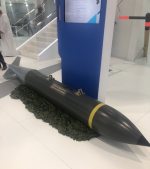
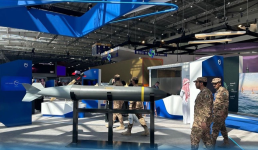
@Life_shield for Defense Industries develops one of the most powerful locally-made super bombs, LS/PENB 2000-109 SA.

— Key features that distinguish it:

• Fully Saudi-made manufacturing

• Specialized for penetrating fortifications and fortified targets

• High penetration capabilities to handle complex combat environments

1768509525282.png

1768509541117.png

1768509558107.png

To view this content we will need your consent to set third party cookies.
For more detailed information, see our cookies page.


1768509582509.png

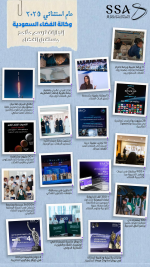
Achievements in the space sector in 2025:

To view this content we will need your consent to set third party cookies.
For more detailed information, see our cookies page.


1768509605285.png

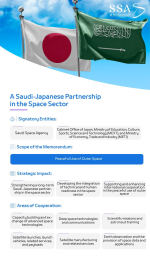
More information about the booming (like almost every single sector within KSA) Saudi Arabian Space Agency:


To view this content we will need your consent to set third party cookies.
For more detailed information, see our cookies page.


#Public Investment Fund and Red Sea Aluminium Holding Company Sign Preliminary Agreements to Establish an Advanced and Integrated Aluminum Complex in Yanbu City, Aiming to Found One of the Largest Continuous Casting Aluminum Plants in the Middle East, to Produce a Wide Range of Advanced, High-Value Aluminum Products

8-10 major updates from various projects just from today.


Too many updates and giga- and mega projects ongoing all across KSA to report in virtually every sector. It is quite frankly amazing what is going on. Every single day there is new progress. Lost track of much of it due to the gigantic scale of it all and the frequent updates.
 
Last edited:
To view this content we will need your consent to set third party cookies.
For more detailed information, see our cookies page.


Completion rate 92%
The Governor of the Jazan Region inspected the operational progress at #Jazan_International_Airport, scheduled to open this year

- 32 platforms for completing travel procedures

- 5 bridges for passengers

- 12 travel gates

- 13 aircraft parking stands

- 5.4 million passengers annually

To view this content we will need your consent to set third party cookies.
For more detailed information, see our cookies page.


Mead Magazine:The Jeddah Governorate Development Authority issues an invitation to submit proposals to consulting companies for the design of the Blue Line from the #Jeddah_Metro project, which will connect King Abdulaziz International Airport to the Haramain High-Speed Railway station in Sulaymaniyah, with a length of 35 kilometers and 15 stations.

To view this content we will need your consent to set third party cookies.
For more detailed information, see our cookies page.


Promise 2030

Construction works commence at the #Expo_2030_Riyadh site ahead of the scheduled timeline, spanning an area exceeding 6 million square meters, where the global event is expected to attract over 40 million visitors throughout its duration.

To view this content we will need your consent to set third party cookies.
For more detailed information, see our cookies page.


The #AlUla_International_Airport expansion project, recently launched, includes increasing the area of terminal buildings by a growth rate of nearly 44%, and raising the capacity from 400 thousand to 700 thousand passengers annually, with the aim of accommodating the growing numbers of tourists and enhancing AlUla's status as a global destination that combines history, nature, and culture.

To view this content we will need your consent to set third party cookies.
For more detailed information, see our cookies page.


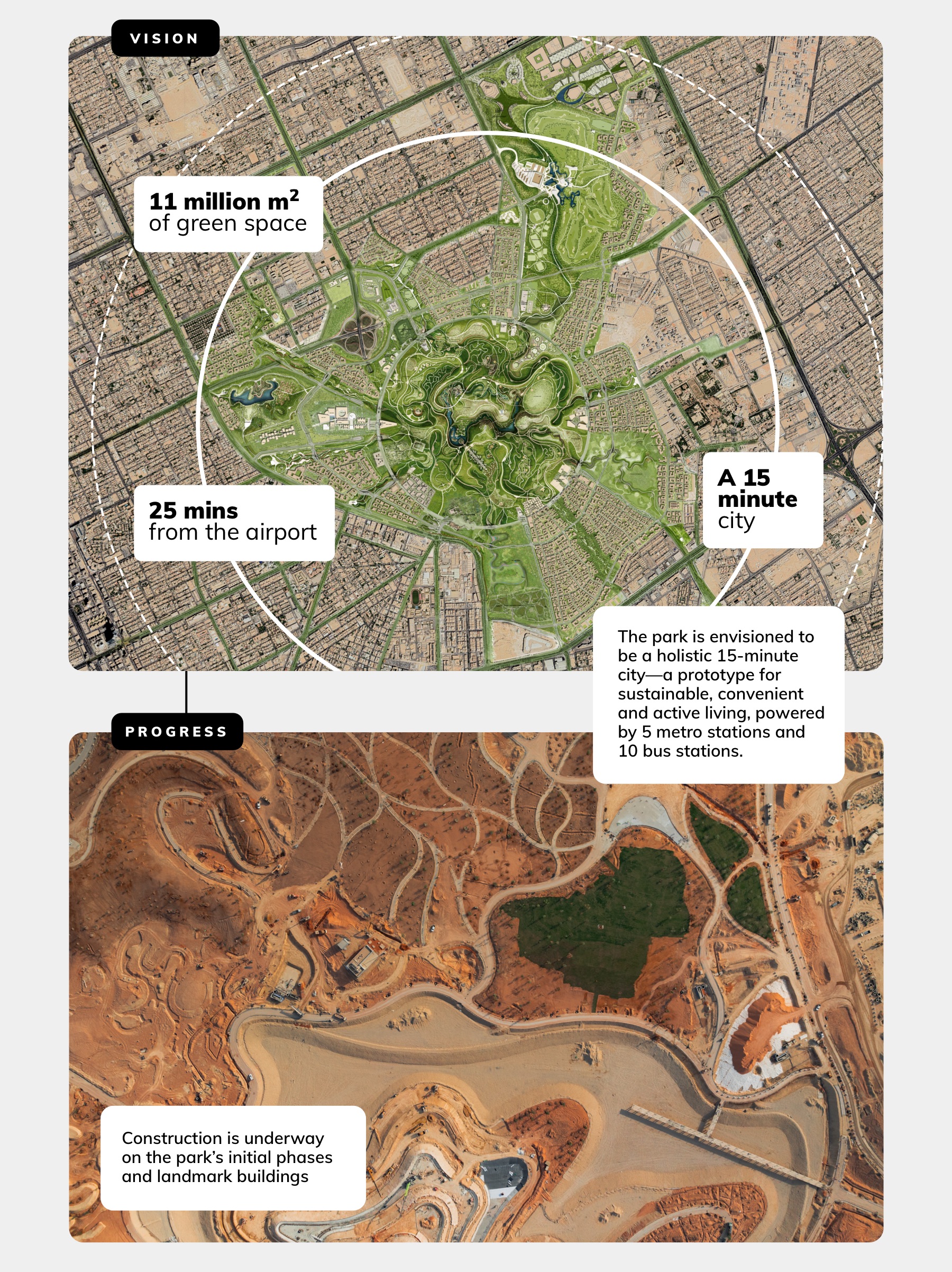
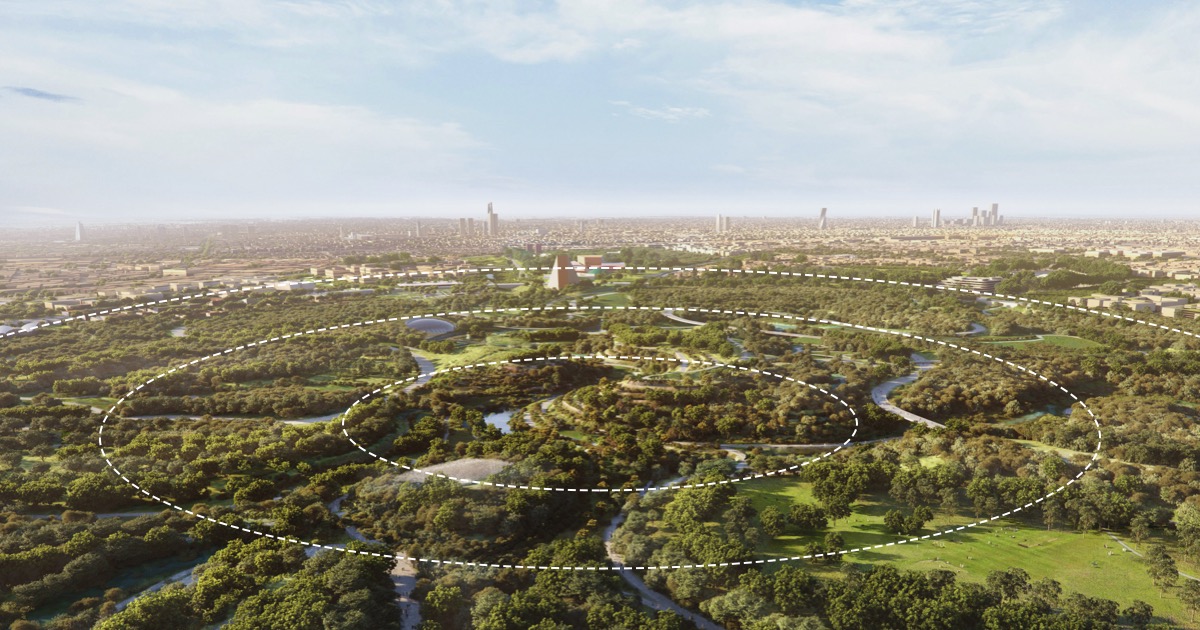
Gardens Within a Garden

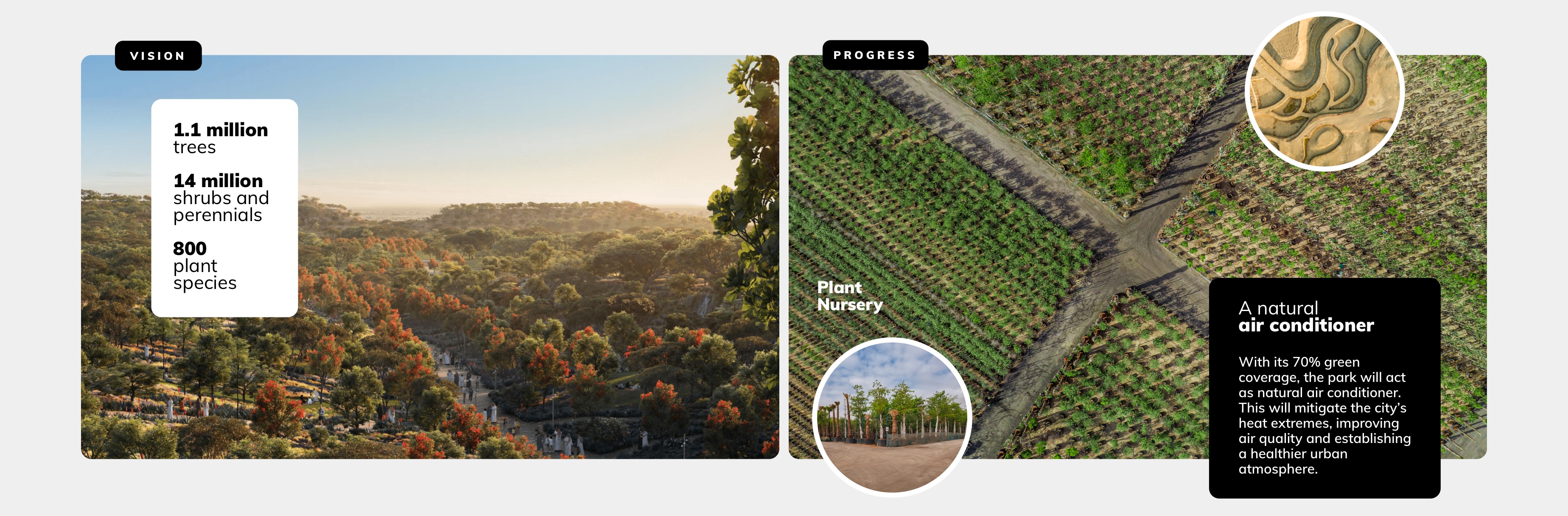
A recent snapshot highlighting the progress of construction work on the Arts Garden, one of the sub-gardens within #KingSalmanPark in Riyadh, located in the vicinity of the Royal Arts Complex, with a natural design featuring a vast lake and pedestrian pathways surrounded by trees and green spaces


Inline_1_D.jpg


Inline_2_D.jpg


Inline_3_D.jpg


Inline_4_D.jpg


1768510207747.png


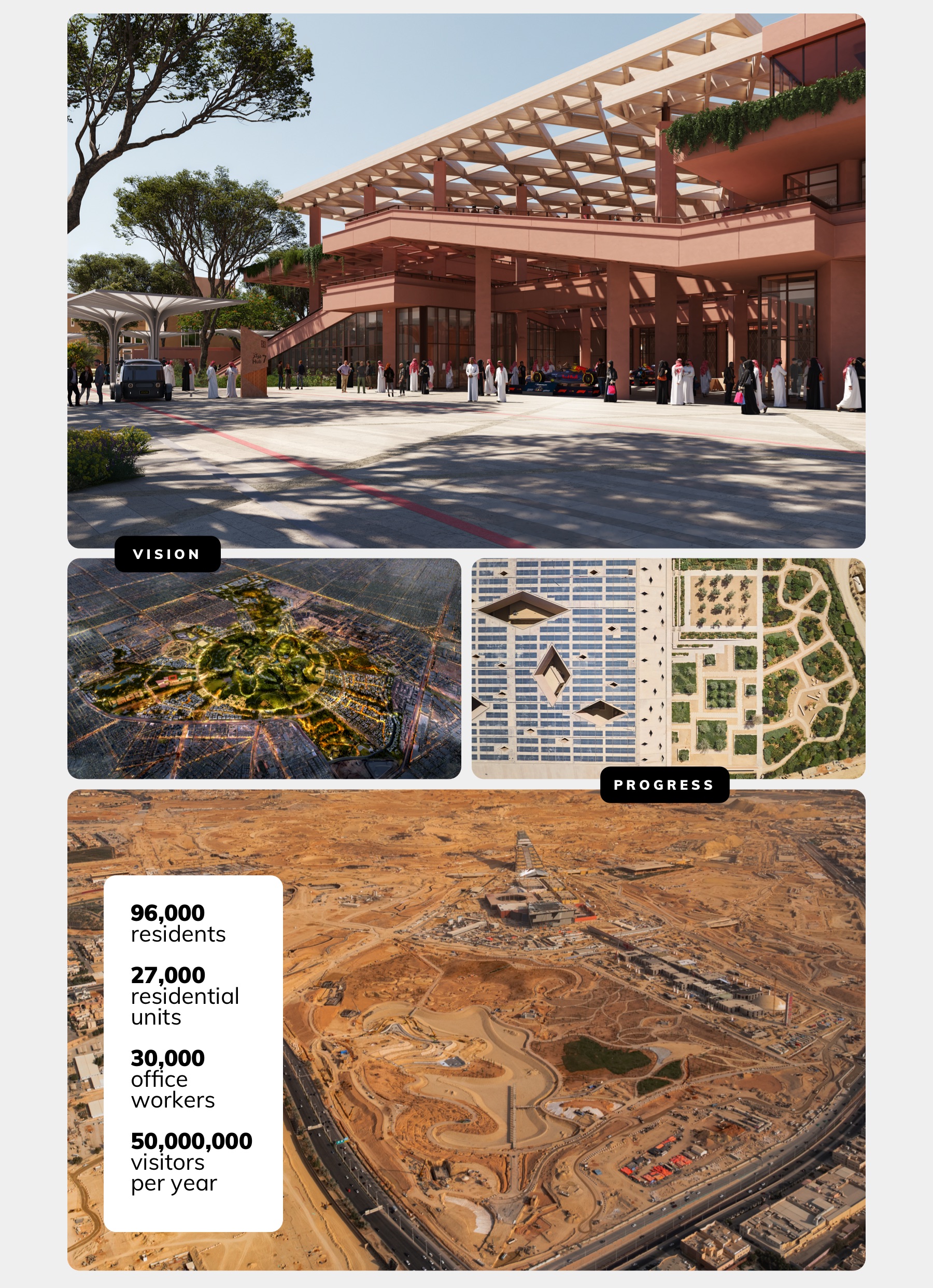
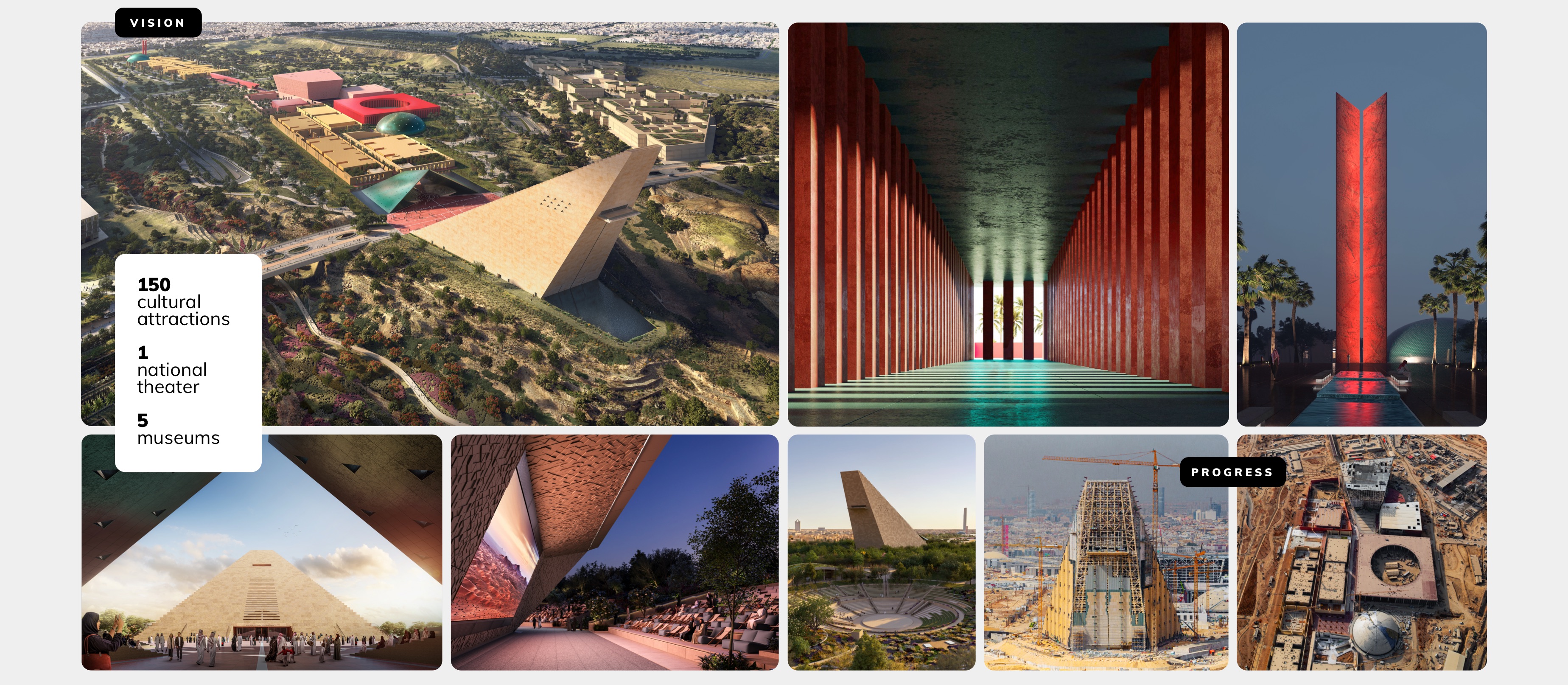
Just a little reminder. The King Salman Park is going to be the world's largest urban park.

Seven times larger than Hyde Park in London and 5 times larger than Central Park in NYC.


Saudi Arabia is in talks with Egypt and Somalia to establish a military alliance

Informed sources revealed to Bloomberg on January 16 that Saudi Arabia is close to concluding a deal to establish a “new military alliance” with Somalia and Egypt.

The sources said, “Somali President Hassan Sheikh Mohamud will soon travel to Saudi Arabia to complete the deal, which aims to strengthen strategic cooperation in the field of Red Sea security, in addition to expanding military cooperation.”

A Somali government spokesman confirmed that the deal was underway, but did not provide further details.

The Saudi and Egyptian governments did not respond to requests for comment.

A senior Egyptian diplomat told Middle East Eye in September that “Egypt proposed a regional defense force under the 1950 Joint Defense and Economic Cooperation Treaty, with the aim of establishing a quick-response alliance to protect member states from external threats, especially Israel,” but the move faced opposition from some countries.

A new regional system?


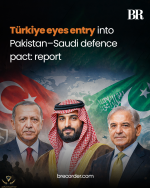
News of the military alliance that Riyadh is seeking to establish comes in conjunction with reports revealing that Türkiye is seeking to join a defense agreement between Saudi Arabia and Pakistan that was first established in September.

Turkish sources stated that “Turkey does not want to present this initiative as a NATO-like agreement, but rather as a defense cooperation mechanism that may eventually include Pakistan and Saudi Arabia,” adding that Ankara is also seeking to strengthen relations with Egypt this year.

The rise in defense agreements and military cooperation with Saudi Arabia indicates growing interest in establishing a cohesive Arab defense force to counter Israel's influence.

https://www.bloomberg.com/news/arti...alks-with-egypt-somalia-on-military-coalition
 
Pakistani Defense Production Minister: The tripartite agreement between Pakistan, Saudi Arabia and Turkey is already under preparation

To view this content we will need your consent to set third party cookies.
For more detailed information, see our cookies page.


1768585101304.png

The draft agreement is ready and is on the leaders' table and awaiting their final approval..🇵🇰🇸🇦🇹🇷

1768585601077.png
 
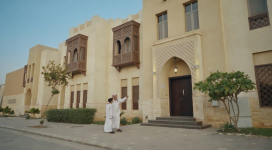
This might not really belong in this thread in terms of the usual mega projects covered and larger projects in general, due to the small scale of the project involved, however it is important for another reason altogether.

Namely the revival of traditional local Arabian architecture, in this case Hejazi, being revived and used actively with a modern twist today and in future projects. I have seen this in numerous projects within Najd as well and other regions of KSA.

I think that I have wrote about this, in this very thread, long ago, that it was a travesty, that so much ancient architecture was razed/destroyed, rather than preserved (like in most of the Middle East - Yemen and Oman probably being the only exceptions to this) in the name of modernity or due to rapid population growth, and replaced by generic and often blend US inspired architecture.

I know that it is unrealistic for all of KSA to look like this below, but too much was removed.

The women skateboarding is cringe but not the architecture shown:

To view this content we will need your consent to set third party cookies.
For more detailed information, see our cookies page.


To view this content we will need your consent to set third party cookies.
For more detailed information, see our cookies page.


It is great to see that a lot of it is being rebuilt.

If I recall correctly I think that this is even one of the many goals of the Saudi Vision 2030, to retain the cultural identity of each historical region and province within KSA.

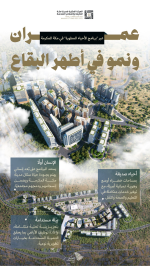
This is in Makkah in an area where illegal slums initially created by illegal migrants (not far from the historic center of Makkah) were built until they were razed to the ground a few years ago.

1769120254602.png

Large scale projects:

1769120266393.png

A short overview of a small amount of the mega projects and their current status:

To view this content we will need your consent to set third party cookies.
For more detailed information, see our cookies page.


Qiddiya inaugurates Six Flags Park (covered earlier in this thread by me)


, Expo 2030 witnesses the start of construction works, Diriyah continues to achieve progress, Lahej Island Bridge nears completion, King Salman Airport begins construction of a new runway, and Trojena achieves remarkable developments
Dreams Under Implementation | December 2025 Sponsored by @sa_liwan

To view this content we will need your consent to set third party cookies.
For more detailed information, see our cookies page.


To view this content we will need your consent to set third party cookies.
For more detailed information, see our cookies page.
 
Last edited:
Pakistani Defense Production Minister: The tripartite agreement between Pakistan, Saudi Arabia and Turkey is already under preparation

To view this content we will need your consent to set third party cookies.
For more detailed information, see our cookies page.


View attachment 172719

The draft agreement is ready and is on the leaders' table and awaiting their final approval..🇵🇰🇸🇦🇹🇷

View attachment 172724

Well seems like a good combination Saudis have the money turkey definitely needs a boost to kaan financially and it’s military industry and Pakistan has a lot of expertise overall it would be good for Pakistan to wean off of china
 

Foreign investment in Saudi Arabia could near SAR 150B in 2025​


Minister of Investment, Khalid Al-Falih, confirmed that the cumulative volume of foreign investment in Saudi Arabia exceeded SAR 1 trillion by the end of Q3 2025.
Speaking at a government press conference, Al-Falih added that the fixed capital formation surpassed SAR 1.44 trillion for the first time by the end of 2024 — a growth of over 120% compared with 2017 levels — and is projected to top SAR 1.5 trillion by 2025-end.
Further, foreign investment inflows in 2025 are expected to range between SAR 140 billion and SAR 150 billion, he pointed out.
Private investment, according to the minister, accounted for more than 75% of total investments. Meanwhile, the combined contributions from the government and the Public Investment Fund (PIF) did not exceed 25%.
He highlighted that foreign companies have contributed to the employment of 1.5 million people, including 500,000 jobs for Saudi nationals, indicating that the average wage for Saudis in the private sector has increased by around 45%.
The minister identified Regional Headquarters (RHQ) as the most important foreign investment driver in the Kingdom.
The number of international companies establishing RHQ in Saudi Arabia has surged from just five to more than 700 within five years. Many of these HQs cover not only the region but also Africa and Europe, according to Al-Falih.
Addressing the automotive sector, he stressed that Saudi Arabia is the world’s car largest importer without domestic factories. However, manufacturing has recently begun Kingdom-wide, with three automotive companies slated to produce around half a million vehicles in the coming years.
Elsewhere, the number of licensed foreign investors in the Kingdom has risen to 62,000, from fewer than 7,000 previously. “In comparison, Saudis hold around 1.8 million commercial registers, representing the vast majority,” he stated.
Al-Falih also confirmed that work is underway to launch an updated investment strategy, after achieving the goals of the current one. The newly-crafted strategy will focus on high-impact sectors, led by artificial intelligence, advanced industries, and knowledge localization.
Source:Argaam


PS - the localized car manufacturers that he is mentioning are Lucid, CEER and Hyundai- all located in Industrial Valley 2-KAEC. With Lucid already assembling cars since last year and will move to full manufacturing over the next 18months
 

Users who are viewing this thread

Country Watch Latest

Back
Top