冖_冖
Registered Member


Six countries sign agreement to develop rail on China – Iran – Europe route
Container traffic on the China – Iran route grew by 2.6 times in the first months of 2025. Such strong demand for rail services seems…
 www.railfreight.com
Six countries sign agreement to develop rail on China – Iran – Europe route
Container traffic on the China – Iran route grew by 2.6 times in the first months of 2025. Such strong demand for rail services seems…
Six countries sign agreement to develop rail on China – Iran – Europe route
Published on 12-05-2025 at 14:12
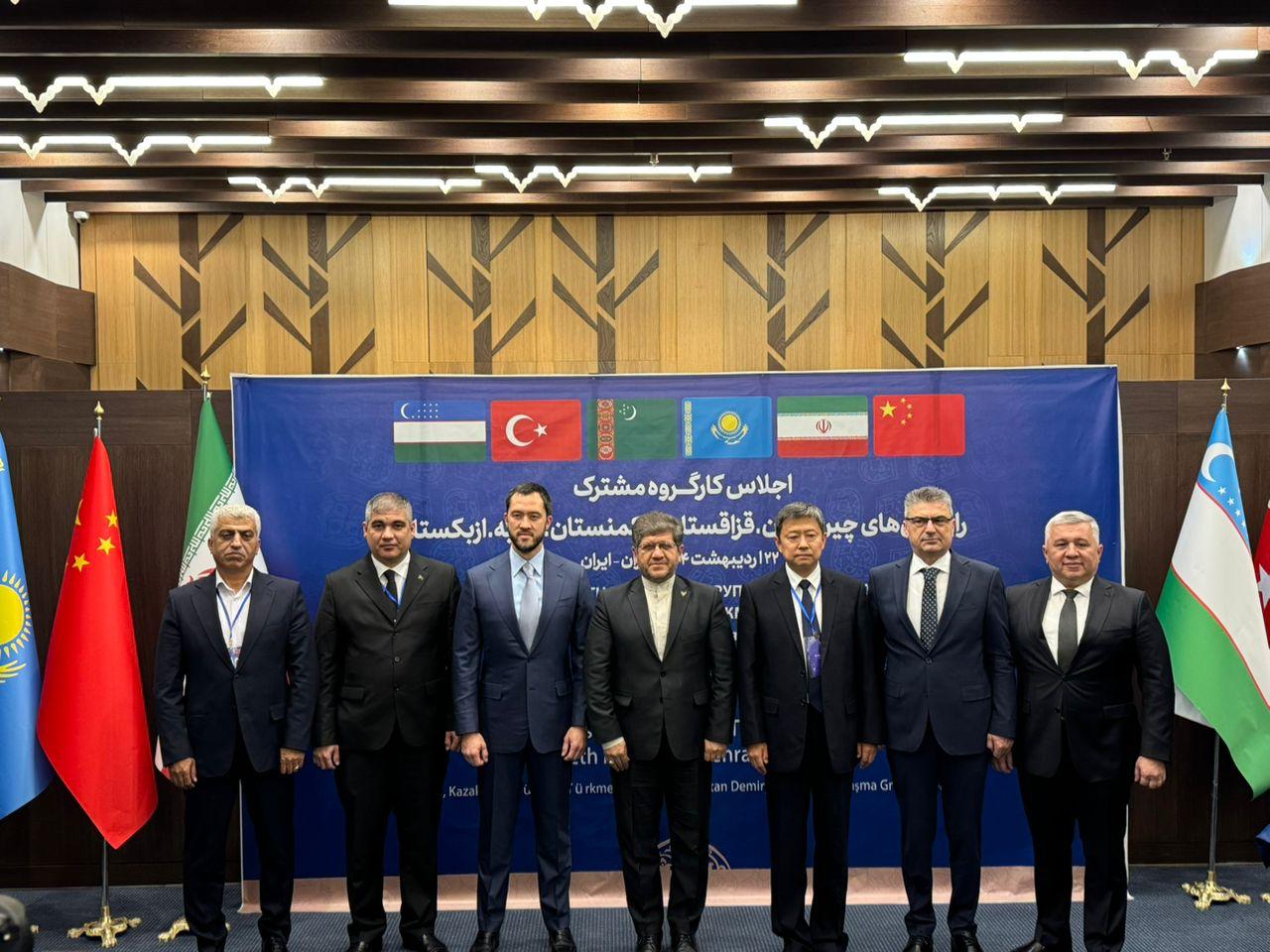
Container traffic on the China – Iran route grew by 2.6 times in the first months of 2025. Such strong demand for rail services seems promising for the future. Consequently, six countries decided to come together and agree on steps to develop the route.
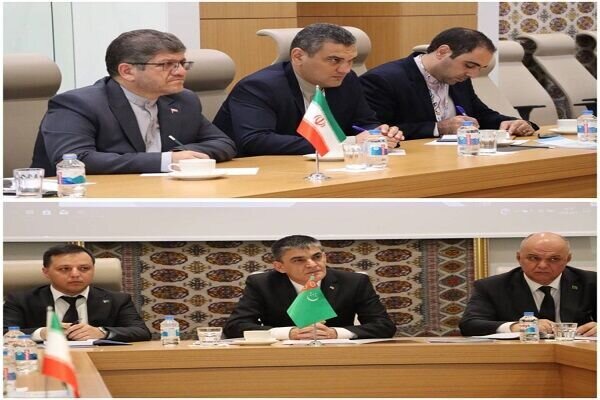
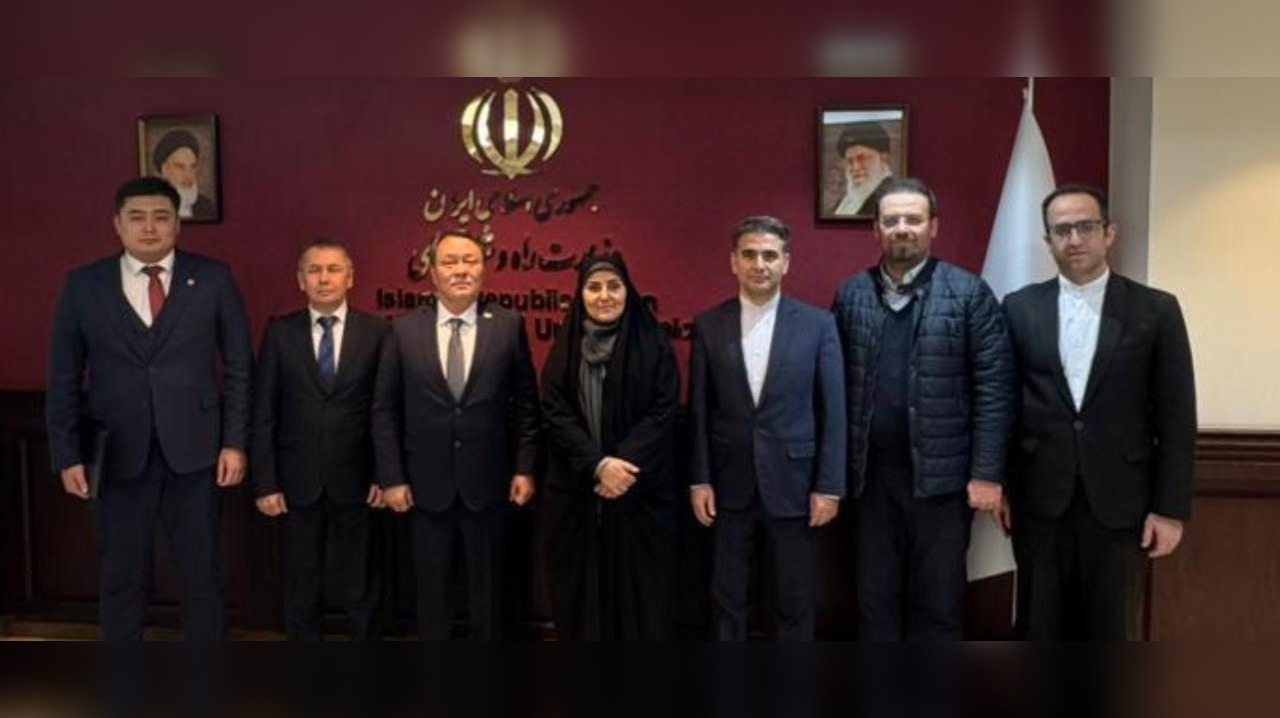
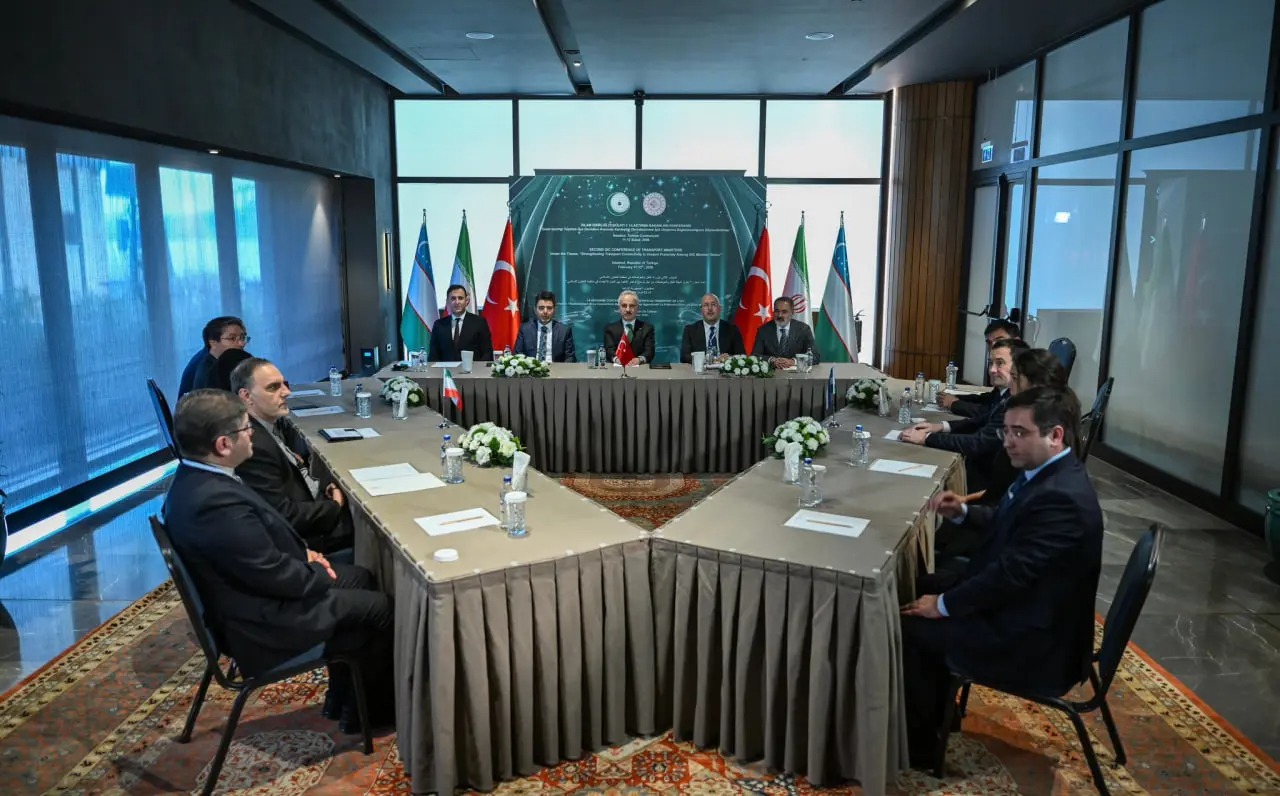
Representatives from Kazakhstan, China, Uzbekistan, Turkmenistan, Iran, and Türkiye met in Tehran to discuss the development of the Eurasian transport corridor. The meeting, led by Kazakhstan Railways' Deputy Chairman Yerlan Koishibaev, focused on enhancing multilateral cooperation for an efficient transport route connecting China, Kazakhstan, Uzbekistan, Turkmenistan, Iran, and Türkiye/Europe.

Kazakhstan Invests in Development of Bandar Abbas Port in Iran
Kazakhstan invests in the development of Bandar Abbas Port to strengthen its logistics network and create a stable transit route through Iran to global maritime
 www.railway.supply
Kazakhstan Invests in Development of Bandar Abbas Port in Iran
06.05.2025Kazakhstan invests in the development of Bandar Abbas Port to strengthen its logistics network and create a stable transit route through Iran to global maritime lanes. This is reported by the railway transport news portal Railway Supply.
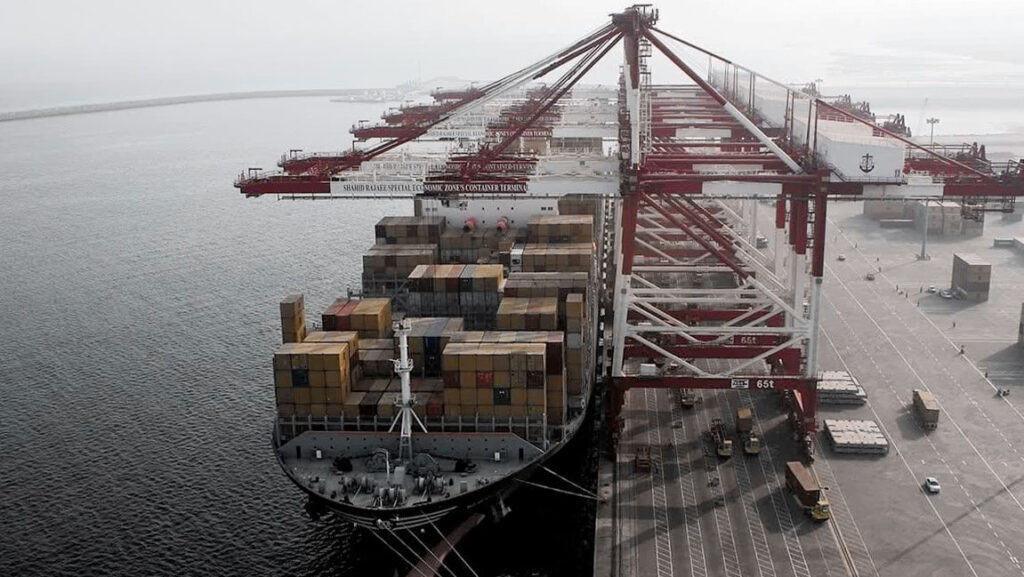
Photo: Shahid Rajaee Port
On April 29, 2025, Kazakhstan and Iran signed a memorandum of understanding aimed at the joint development of the Shahid Rajaee Port. The Iranian news agency Tasnim reported the agreement, citing PMO.
Under the agreement, Kazakhstan will submit a business plan within 30 days to build a terminal and logistics center in the coastal zone. PMO’s executive board will review and approve the project.
Kazakhstan Develops Logistics Hub for Central Asia
The planned terminal will handle not only Kazakhstan’s cargo but also shipments from neighboring Central Asian countries. This will expand international transit through Iran’s southern ports.The project gives Kazakhstan access to the Indian Ocean and supports the creation of reliable supply routes to Asia, the Middle East, and Europe. It will also enhance the country’s competitiveness in global trade.
Kazakhstan Strengthens Partnership with Iran Through Investment
Iran is seeking new partners to modernize its port infrastructure. Kazakhstan’s support will strengthen bilateral economic ties and lay the groundwork for future joint ventures.The agreement aligns with Kazakhstan’s strategy to expand foreign economic relations and promote outbound investment. It will reinforce its position in transregional logistics chains.
Bandar Abbas Port is set to become a key node in Eurasian logistics, and Kazakhstan’s involvement in its development opens new prospects for regional transit and trade.

Iran aims to move 54m tons of freight by rail in 2025
TEHRAN – Iran is on track to achieve its 2025 target of transporting 54 million tons of domestic and international freight by rail, the head of the Islamic Republic of Iran Railways (RAI) said, citing improved locomotive readiness across the network.
 www.tehrantimes.com
Iran aims to move 54m tons of freight by rail in 2025
April 15, 2025 - 15:5TEHRAN – Iran is on track to achieve its 2025 target of transporting 54 million tons of domestic and international freight by rail, the head of the Islamic Republic of Iran Railways (RAI) said, citing improved locomotive readiness across the network.
Jabarali Zakeri, head of RAI, told a meeting of the national railway transport commission that close coordination among all departments—especially deputies and mid-level managers—will be key to achieving the rail system’s freight targets for the Iranian year 1404, which ends in March 2026.
Zakeri, who also serves as deputy transport and urban development minister, said that more than 570 freight locomotives were operational at the beginning of the current Iranian year, and that the target of 54 million tons is “fully achievable” based on the operational plans of regional departments.
He stressed that performance assessments for both headquarters and regional managers would be based on their ability to meet freight goals, and warned that no excuse would be accepted for any shortfalls given the current locomotive capacity.
Zakeri praised the northeastern Khorasan region for its strong growth in international rail freight over the past year and highlighted the strategic roles of both Khorasan and Hormozgan in expanding Iran’s transit capacity. He said growth in these regions would be central to achieving the goal of moving 8 million tons of international transit freight by rail.
To boost both domestic and international freight volumes, Zakeri urged regional directors to engage more actively with freight forwarding companies and support their operations.
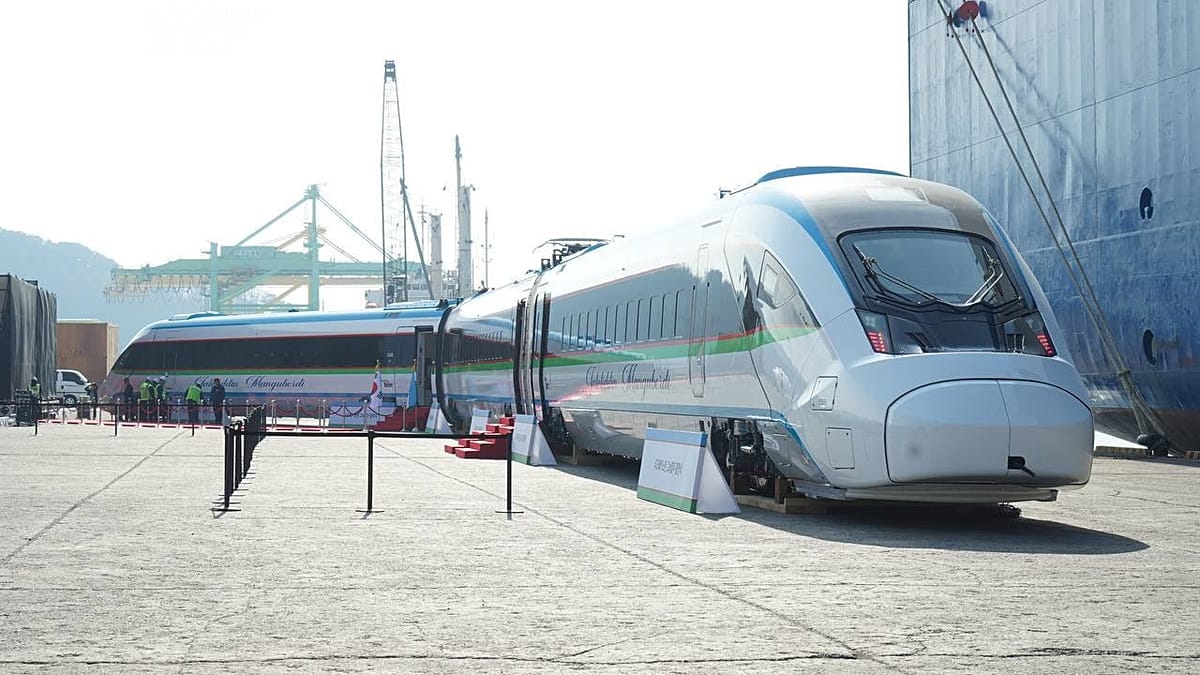
Zakeri also announced that additional high-speed trains with a maximum speed of 160 km/h will be added to the Tehran-Mashhad line starting this summer. The route is considered a flagship passenger service for the national railway system.
He called for a thorough review of unnecessary delays at railway stations and urged an acceleration of the replacement of old rail switches with modern concrete ones.
Zakeri reiterated the ministry’s goal of increasing average speeds on the Tehran–Mashhad passenger line to 160 km/h and cutting the travel time to between 6 and 8 hours.
Source:
/
/