Death of Europe’s fighter jet dream deepens Franco-German rift
James Rothwell, Henry Samuel, Joe Barnes
________________________________________
Nine years after futuristic project was unveiled, France and Germany still bicker over who will build it
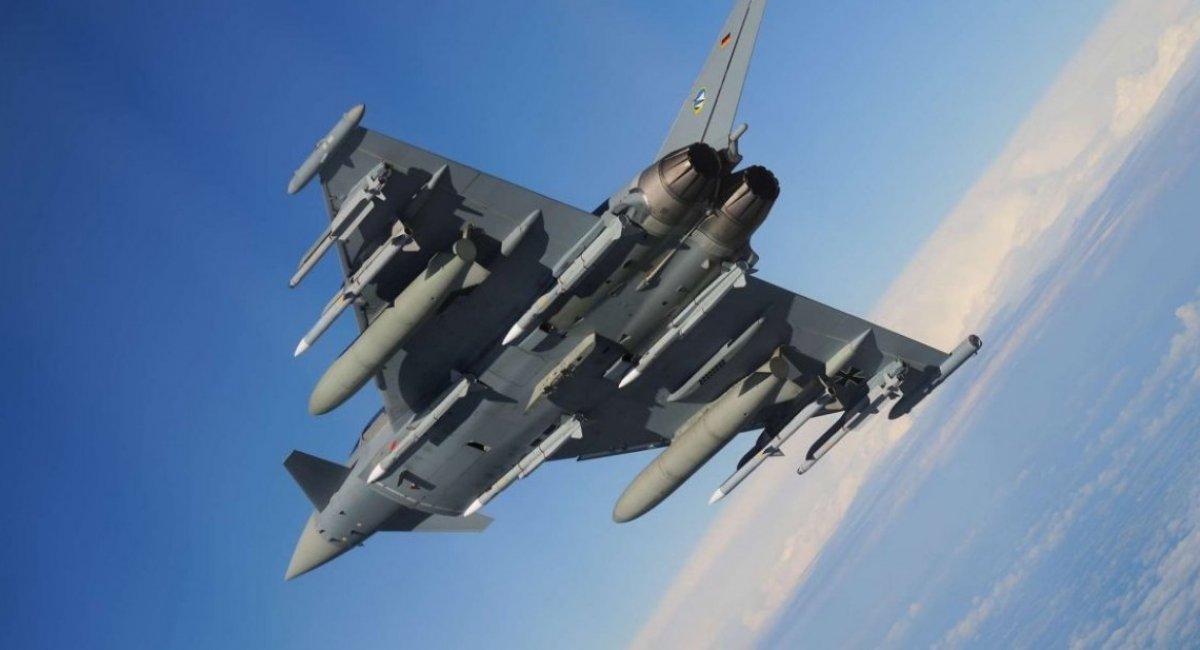
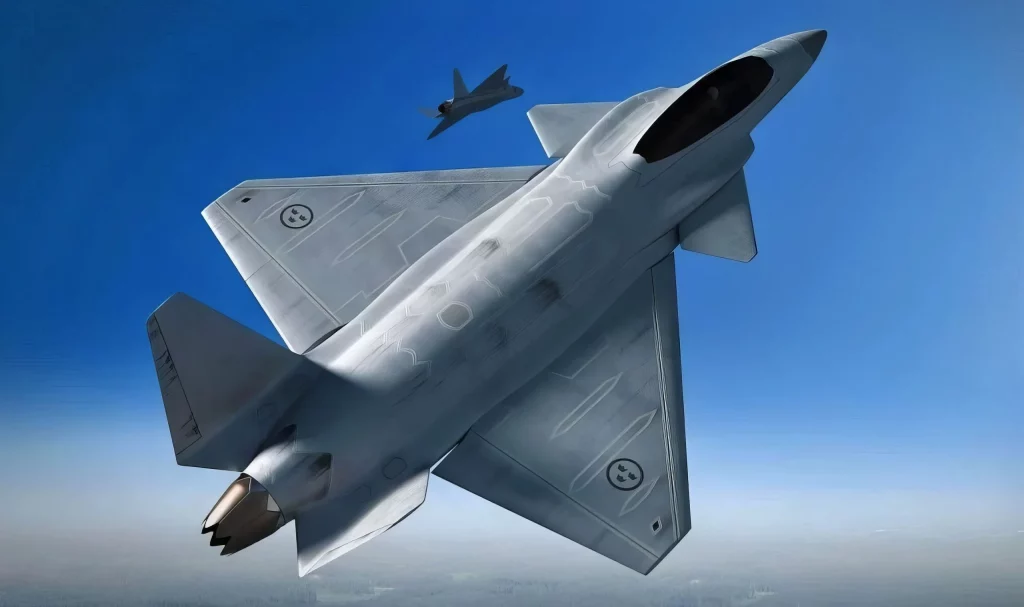
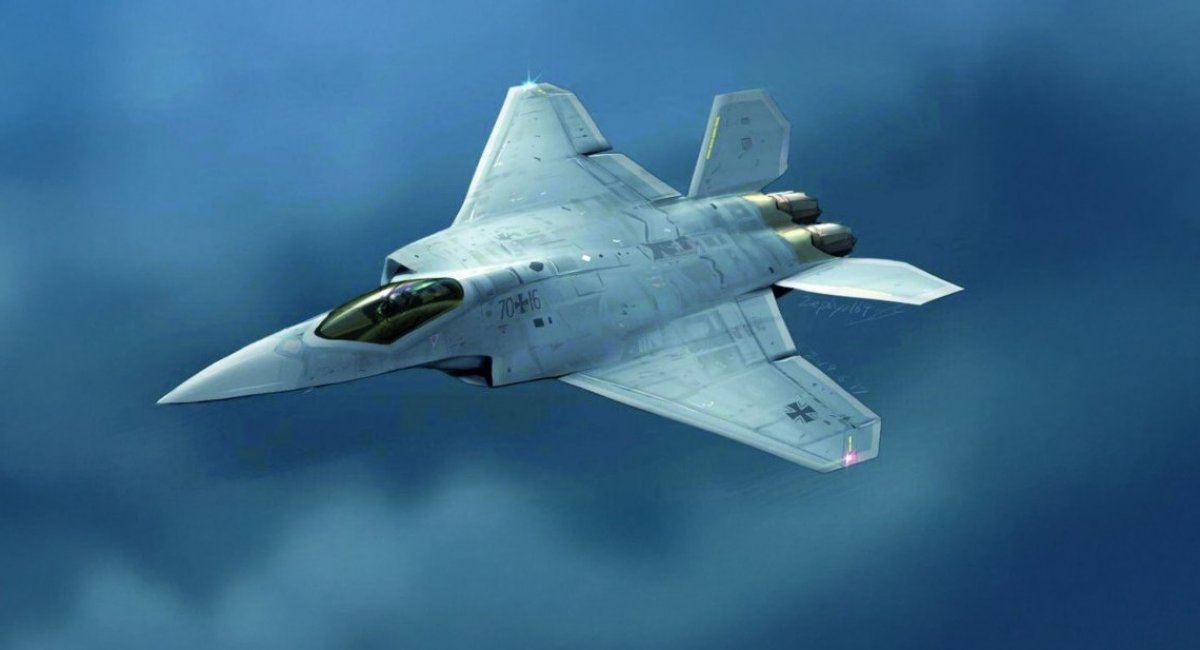
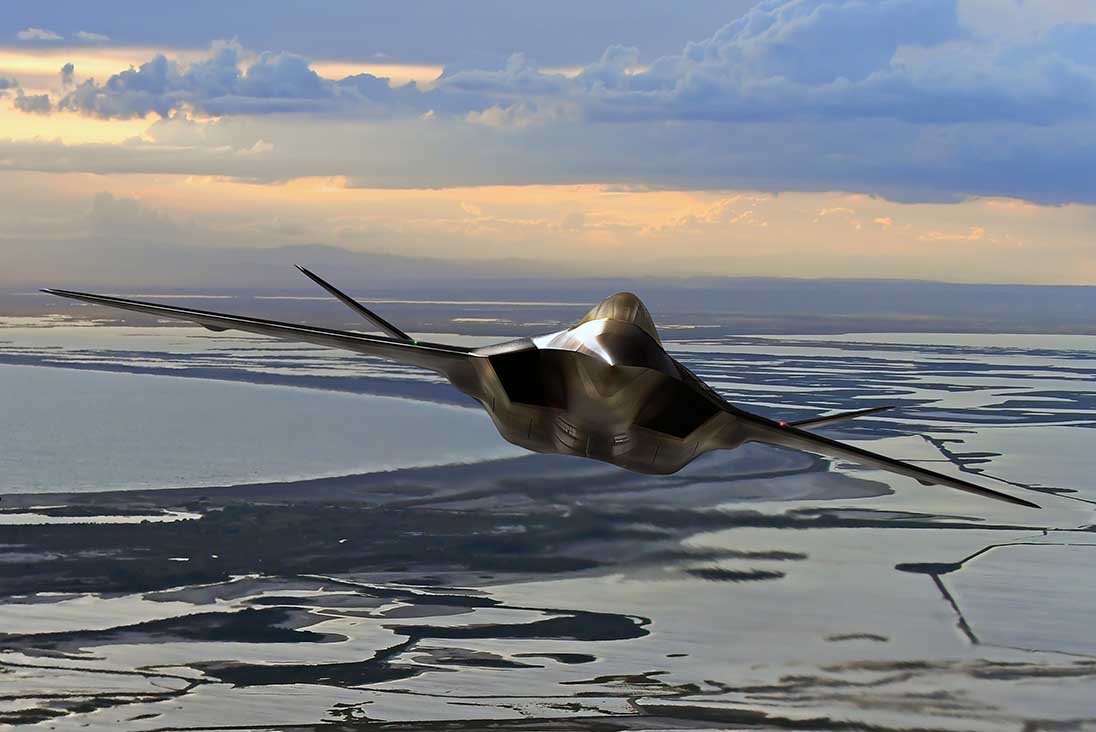
It was designed to be Europe’s most advanced fighter jet – fast, deadly and flanked by a swarm of armed drones.
Unveiled by the leaders of France and Germany in 2017, the scope and ambition of the €100bn (£87bn) Future Combat Aircraft System (FCAS) beggared belief, with “remote carriers” and a “combat cloud”.
But nearly a decade on, the project looks less like the pinnacle of European aspiration and more like a messy divorce, symbolic of a malaise at the heart of French-German relations – the “engine” of the European Union.
And the project is in danger at a time when security co-operation is needed more urgently than ever, with Russia looming over Nato’s eastern flank.
This week, Emmanuel Macron, the French president, was forced to defend the jet after Germany’s largest trade union published an impassioned column in Handelsblatt, the business newspaper, warning that it was on the brink of collapse.
Jürgen Kerner, the deputy head of the IG Metall union, and Marie-Christine von Hahn, head of the German Aerospace Industries Association, wrote: “FCAS was originally planned as a joint project between equal partners and operated as such for a long time.
“Those who now demand absolute control should not be surprised if there are consequences.” They went on to suggest that it was time for Berlin to make its own purely German fighter jet.
Their barbed words came as no surprise. The two main companies behind the project, Dassault Aviation in France and Airbus in Germany, have been squabbling for years.
From the beginning, they clashed over fundamental aspects of FCAS, such as who was in charge and who was actually going to build it.
They have also been at odds over its purpose, despite the ambitious designs, including armed drones to swarm the enemy and a “combat cloud” connecting with an array of other systems.
The futuristic system would connect a piloted jet to a series of unmanned drones
Ulrike Franke, a German security expert at the European Council on Foreign Relations, told The Telegraph: “There were design problems for a long time, such as agreeing to do a shared aircraft together when the French and Germans wanted different things from it.
“The French want to carry nuclear weapons, and they want a lighter plane, and the Germans want a plane that can fly further. This was always a problem but it kept being pushed into the future, this question of what exactly they were going to build.”
On the French side, Dassault Aviation, the military aircraft producer, felt that Germany’s only real contribution needed to be financial.
Éric Trappier, the chief executive, said last year: “I don’t mean to sound arrogant, but whose skills do I need besides my own to build a fighter jet?”
He was referring to the fact that Dassault produced the elite Rafale fighter jet entirely on its own, whereas Germany has not been capable of doing so since the Second World War.
Catherine Vautrin, the French defence minister, poured salt in the wound by complaining that “Germany today does not have the ability to build an aircraft”.
French engineers feared that Airbus, the German firm, wanted to use the project to learn aircraft-building skills from Dassault – which, outside the context of the FCAS project, is its competitor.
The Telegraph understands that Germany’s eagerness to take a bigger role on security breached, in France’s view, an unspoken understanding of their partnership – namely that Berlin provides the cash, and Paris does the work.
“The frontiers are now blurred and there are attempts to intrude into each other’s domain,” a French source told The Telegraph in March 2024, during another rough patch in Franco-German defence relations.
To German ears, that criticism is deeply unfair. While German officials admit that, for decades, Berlin took a back seat on security, their foreign policy has changed fundamentally since the 2022 Russian invasion of Ukraine.
In response to the invasion, Olaf Scholz, the chancellor at the time, declared a “Zeitenwende” (turning point) on foreign policy, sending tens of billions of euros to Ukraine in defence equipment and aid.
Then Friedrich Merz, the current chancellor, brought Germany into uncharted territory as he scrapped strict limits on public borrowing and approved a de facto unlimited defence fund for Europe.
On Tuesday, Mr Macron made it clear that he was determined to save FCAS despite the turmoil of the past decade.
In an interview with Le Monde, he replied “non” when asked if the project was dead, saying: “It’s a good project, and I haven’t heard anything from the German side to suggest that it isn’t... For my part, I believe that things must move forward.”
Friedrich Merz, the German chancellor, and Emmanuel Macron, the French president, are facing turmoil in their shared defence project Credit: Ludovic Marin/AFP via Getty
Last week, that view was echoed by Patrick Pailloux, the former head of France’s national cybersecurity agency and previously the technical director of its foreign intelligence service.
“Believe me, we are doing everything we can to try to save this programme – we’re working like mad. We’ll see how it all lands,” said Mr Pailloux.
Mr Macron’s likely successors, Marine Le Pen and Jordan Bardella of the National Rally party, are much softer on Russia than he is, and may even end the project if they win next year’s presidential election.
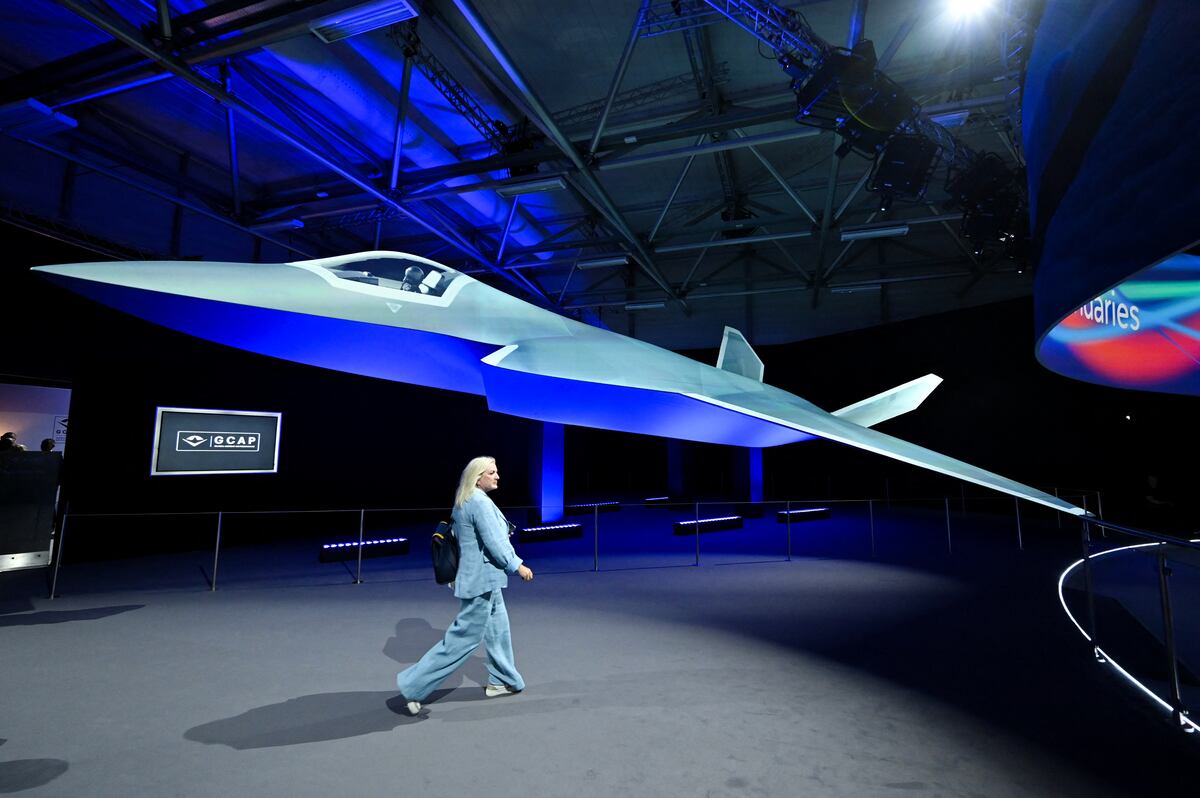
And there is the suspicion that Germany might start to look longingly in the direction of a less-troubled fighter jet project: GCAP, or the Global Combat Air Programme – a sixth-generation stealth fighter commonly referred to as Tempest.
Led by Britain, Japan and Italy, GCAP was launched much later, in 2022, yet its fighter jet is due to be ready for service by 2035. That timeline is much shorter than FCAS, which will not be operational until 2040 at the earliest.
There is reason to think that the future of defence co-operation in Europe might lie with Germany and Italy, not Germany and France.
In January, Mr Merz and Giorgia Meloni, his Italian counterpart, signed a sweeping agreement on enhancing defence co-operation.
However, experts are sceptical about the demise of France’s critical role on security. “I don’t think the Franco-German relationship as such is the problem, and I don’t think the Italians can replace this,” said Ms Franke.
In other words, France and Germany are still married – a marriage if not of happiness, then of necessity.
Perhaps some couples therapy is needed to get FCAS off the ground.