
SABRE
Registered Member

Saved me from giving detailed briefing on this.
Follow along with the video below to see how to install our site as a web app on your home screen.
Note: This feature may not be available in some browsers.

I wouldn't know. You can enlighten me as you seem to be an expert on this matter.Wasn’t present day Pakistan basically the ancient world’s Laem Chabang, a stopover for armies heading into India? Calling the IVC Pakistani is a bit like calling the USS Abraham Lincoln Thai. I’d probably go easy on the 'many fathers' joke

It's funny to see Sindhis complaining about Lashkari posing a threat to their language but are so keen on becoming English experts.

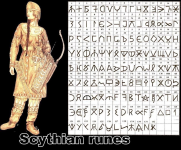
Like AtaTurk changed the Turkish alphabet. He ended up destroying the real language.I think we should have adopted a printed alphabet to make reading easier for our own people. Such as a modified Scythian alphabet.
I second you.Sind has done an exceptional job in preserving the language and culture.
I second you.
Neither was Saudi ArabiaWell Iran was never colonized. They kept their culture and system for a longer time.
And that explains why even to this day they don't get along with western powers and facing sanctions and war. They are very proud people who cant be subdued. Not like pakistan where US and other western powers has a huge influence in decision making.
Not only that, but the term "hindu" in religious contexts and "hinduism" -a British construct- needs to be written out.
Also "Iranian" needs to stop being equated with Iranic, which is what the article was referring to.
The two terms are distinct.
"Indic" needs to stop being used interchangeably with Indo-Aryan.
While most of the article presents great arguments that I have made going back over two decades, the author still shows signs of confusion which is common in Pakistan such as in the terminology.
Also a lot of these Pakistanis who advocate reviving out pre-Islamic heritage- which I support- still seem to have an issue with Lashkari (later renamed "urdu" by a Delhi poet) as our national language.
Citing it to be of "North Bharati" origin rather than of Punjab. Not forgetting it was called "Hindavi" meaning "Of the Indus" which is Punjab, not Delhi.
"Hindavi" as a term contrasts "Dehlavi" not to forget it was also called Lahori once upon a time.
And I argue Pakistan is not a civilizational state, rather an heir to ancient civilization, as what modern Italy is to ancient Roman civilization.
Bharat on the other hand falsely claims to be a civilizational state which it's not.
Jiye bhutto Clan.Yes, if one visits Sind, they don't have to invoke too much imagination to envision life in 2500BCE.
Yes but the house of Saud betrayed all Muslims unfortunately.N
Neither was Saudi Arabia

ancient civilization ?? Any scripts we can decipher, any kings or empires centered on modern Pakistan
just a bunch of settlements
Like AtaTurk changed the Turkish alphabet. He ended up destroying the real language.
The Urdu alphabet we use today represents a history and civilization. Making people forget about it would be a crime.
Well Iran was never colonized. They kept their culture and system for a longer time.
And that explains why even to this day they don't get along with western powers and facing sanctions and war. They are very proud people who cant be subdued. Not like pakistan where US and other western powers has a huge influence in decision making.


