
Navigation
Install the app
How to install the app on iOS
Follow along with the video below to see how to install our site as a web app on your home screen.
Note: This feature may not be available in some browsers.
More options
Style variation
You are using an out of date browser. It may not display this or other websites correctly.
You should upgrade or use an alternative browser.
You should upgrade or use an alternative browser.
Tree Plantation in Pakistan
- Thread starter ghazi52
- Start date
More options
Who Replied?
SiliconBit (silicon0000)
Trusted Member
SiliconBit (silicon0000)
Trusted Member
SiliconBit (silicon0000)
Trusted Member

SiliconBit (silicon0000)
Trusted Member

SiliconBit (silicon0000)
Trusted Member
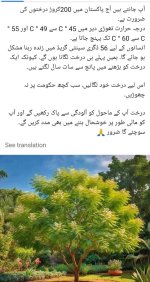
 ہم نے کالونستان بننا ہے
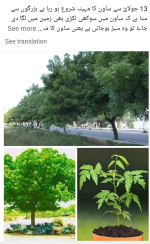
 ہم نے ملتان مظفرگڑھ شجاع آباد جلالپور کوٹ ادو شہر سلطان علی پور ایریا میں ہزاروں ایکڑ پر موجود دنیا کے نایاب آموں کے باغ اجاڑ دیئے
ہم نے ہر دریا ہر نہر ہر کھالے ہر بنے اور سڑکوں کے ساتھ ساتھ بے تحاشہ کیکر نیم شیشم پیپل بوہڑ سکھ چین کے نایاب اور قیمتی درخت
 کھا لئے اس میں ہمارے پکھی واس بھی بڑا کردار ادا کرتے ہیں
 ان کا طریقہ واردات یہ ہے کہ کسی دن درخت کے ساتھ گند اکٹھا کر کے آگ لگا دیتے ہیں اس سے درخت
کا چھال جل جاتی ہے اور درخت کچھ عرصہ بعد سوکھ جاتا ہے اور گر جاتا ہے دوسرا طریقہ واردات درخت
کی چھال یعنی چھلکا خواتین اور بچے اور ان کے لڑکے چھرے کے ساتھ اتار دیتے ہیں کہ یہ بالن ہے اور جلانے کیلئے لے جارہے ہیں اس کے کچھ عرصہ بعد درخت سوکھنا شروع ہو جاتا ہے اور آخر کار گر جاتا ہے یا گرا دیا جاتا ہے
تیسرا ہم خود درخت
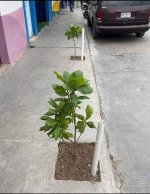
لگانے کے بعد اس کے اردگرد کی جگہ پختہ کر دیتے ہیں جس سے درخت کو خوراک نہیں ملتی اور وہ کمزور ہونے کی وجہ سے آندھی وغیرہ میں گر جاتا ہے اس کے لئے ہمیں دائرہ کی شکل میں چند فٹ جگہ خالی اور کچی چھوڑنی چاہئے تاکہ درخت
کو پانی دیا جاسکے اور وہ پھلے پھولے دیسی شییشم یعنی ٹالی کو گرمی میں بخار ہونے کی وجہ سے سوکھ جاتی ہے یا پھر سی وی حملہ کر دیتی ہے یہ بہت قیمتی لکڑی ہے اس درخت کو پانی لازمی دیتے رہیں
کیونکہ زمین کا پانی کا لیول بہت نیچے چلا جاتا ہے گرمیوں کی وجہ سے یا بارشیں نہ ہونے کی وجہ سے
اور دوسرا پختہ سڑکیں اور گلیاں اور گھر بھی درختوں کی خوراک میں حائل ہو جاتے ہیں
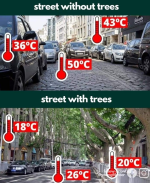
پاکستان ماحولیاتی تبدیلیوں کی زد میں ہے اور دو چار سال میں درجہ حرارت 55 تک پہنچ جائے گا
جہاں انسانی حیوانی اور فصلوں درختوں کی ذندگی ناممکن ہو جائے گی
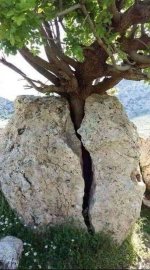
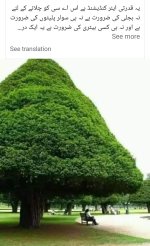
اسلئے درخت لگائیں
اپنے لئے اور اپنی آنے والی نسل کیلئے
 خشک سالی غالب ہونے سے پہلے، آئیں زمین کو درختوں اور ہریالی کی سرسبز چادر اوڑھائیں
 تاکہ ہماری زمین بنجر ہونے سے بچ جائے اور زیر زمین پانی کو کڑوا اور نایاب ہونے سے بھی بچایا جا سکے۔ اس کا واحد حل جنگلات کی بحالی اور گھنی شجرکاری ہے۔
درخت لگائیں، زمین بچائیں! ہماری اور ماحول کی بقا اسی میں ہے، اور آنے والی نسلوں کا صحتمند مستقبل بھی اسی سے وابستہ ہے۔ آئیں، سب مل کر درخت لگائیں اور ماحول کو خوبصورت بنائیں۔ کاپی پیسٹ
#GreenEarth #SaveTrees #PlantATree #HealthyFuture
#tree_ambassador
SiliconBit (silicon0000)
Trusted Member



SiliconBit (silicon0000)
Trusted Member
Pakistan should prioritize this as a national emergency.
What came out of 10 Billion Tree implantation of previous government ?
Without Stopping Timber Mafia and Tangible Actions against them, nothing gonna happen.

maverick
Trusted Member
who are these timber mafia ?Without Stopping Timber Mafia and Tangible Actions against them, nothing gonna happen.

SiliconBit (silicon0000)
Trusted Member
Gang who illegally cut down thousand of Forest trees and nobody cares, as, money is pouring into their pockets...
We are unfortunate that we have came that far.

@maverick
Tree Plantation for Karachi:
Planting trees is an important first step, but our real responsibility begins beyond that. Caring for the new trees, nurturing them to maturity and making sure they can truly flourish. Apart from this, cutting of trees and stopping the timber mafia is the most important issue at the moment. When the existing trees are cut, not only all our hard work is wasted, but we feel that we have been exploited by the timber mafia and because of a few vested interests, those who plant new trees are also discouraged. Try to plant such trees which are fruitful and shady and their wood is not used by timber mafia. First the sapwood was planted, then conocarpus and now emphasis is being put on planting Neem and Shethum so that the valuable wood of Neem and Shethum will be used by the timber mafia. So try to plant such trees which are fruitful and shady and their wood is not used by timber mafia.
Fruit and Shade Trees for Karachi's Hot, Humid Climate (Wood Not Ideal for Timber):
Here are a few plants that thrive in hot, humid tropical conditions (Karachi Weather), providing both fruit and shade, but have wood not particularly useful:
Banana (Musa spp.)
Fast-growing and reaching maturity in just 15-20 months, banana plants offer a generous amount of shade with their large leaves. They produce edible fruits that are a staple food source in many tropical regions. However, the banana plant itself is not a tree, but rather a giant herb. Its pseudostem, while providing some structural support, is not suitable for timber due to its high moisture content and fibrous nature.
Jacaranda (Jacaranda mimosifolia)
Known for its stunning display of vibrant purple flowers in spring, the Jacaranda is a beautiful flowering tree that thrives in hot and humid climates. It matures into a large tree with a wide-spreading canopy, providing ample shade. Jacaranda does produce wood, but it's weak and brittle, making it unsuitable for timber purposes.
Mango (Mangifera indica)
The iconic mango tree is a popular choice for tropical landscapes. Not only does it provide a dense, shady canopy, but it's also known for its delicious and commercially important fruit. Mango wood is technically used in some applications, but it's known to warp and crack easily, limiting its usefulness for timber.
Coconut Palm (Cocos nucifera)
This iconic palm tree is a mainstay in many tropical regions. Coconut palms grow tall and slender, offering shade with their large fronds. They are famous for their coconuts, a versatile fruit with a hard outer shell and a delicious inner nut meat and milk. While coconut wood can be used for some applications like furniture, it is generally considered weak and not suitable for large-scale construction due to its splintery nature.
Gulmohar Tree (Royal poinciana)
Gulmohar tree are fast-growing trees and can reach maturity in just a few years. They produce beautiful flower and provide decent shade. Gulmohar tree wood is generally considered weak and brittle, not suitable for timber.
Moringa oleifera
Moringa oleifera is a fast-growing, drought-resistant tree of the family Moringaceae, native to the Indian subcontinent and used extensively in South and Southeast Asia. The moringa tree's leaves and seeds are packed with nutrients and antioxidants, making it a valuable source of food and potentially offering health benefits and used as vegetables and for traditional herbal medicine. It's also used for water purification. Tree wood is soft and doesn't hold up well as building material and timber use.
Citrus trees (Orange tree / Lemon tree)
Lemon and orange trees certainly provide fruit and some shade in tropical environments but typically don't grow as large as the other options mentioned previously. Their canopies tend to be more open and may not provide extensive shade. Citrus wood is similar to mango wood. It can be used for some applications but is known to be weak and prone to warping, making it unsuitable for timber use.
Guava (Psidium spp.)
Guava trees are known for their prolific production of sweet and tangy fruits. They grow into large shrubs or small trees, offering decent shade with their dense foliage. Guava wood is generally considered weak and brittle, not suitable for timber.
Papaya (Carica papaya)
Papaya trees not provide good shade but are fast-growing trees and can reach maturity in just a few years. They produce delicious, pear-shaped fruits throughout the year. Papaya trees have a hollow trunk and soft wood, making them unsuitable for timber.
Starfruit (Averrhoa carambola)
Starfruit trees are known for their unique star-shaped fruit with a sweet or slightly tart flavor. They grow into small to medium-sized trees with a wide canopy, providing good shade. Starfruit wood is soft and not very strong, limiting its use in construction.
Here are a few more plants that are not native but can grow well in Karachi's hot, humid tropical conditions:
Dragon fruit tree
Dragon fruit cactus (Hylocereus spp.) is native to Central and South America, perfectly adapted to hot, humid tropical climates. They require minimal care and flourish in Karachi's weather. Dragon fruit vine climbs on structures and can reach up to 20 feet in height. The mature plant produces beautiful white flowers at night and delicious pink or white colored fruit. The green stems of the dragon fruit cactus are not woody and cannot be used for timber purposes.
Mangosteen (Garcinia mangostana)
The mangosteen is a tropical fruit tree prized for its exquisite flavor. It grows into a medium-sized tree with dense foliage, offering good shade. While the wood can be used for some applications, it's generally considered weak and not very durable for timber.
Durian (Durio zibethinus)
Durian is known for its large, spiky fruit with a pungent odor that some find offensive. However, the flesh inside is prized by many for its rich, creamy texture and unique flavor. Durian trees grow large and provide ample shade. The wood is soft and not particularly strong for construction purposes. (Important Note: Durian fruit can be very heavy and fall from the tree unexpectedly. Use caution when planting near walkways or structures.)
Ficus (Ficus spp.)
With a vast variety of species, ficus trees are popular choices for tropical landscapes. Many ficus varieties grow large and develop dense canopies, perfect for creating shade. Some species, like the edible fig (Ficus carica), even produce delicious fruits. While some ficus trees can produce wood, it's generally considered soft and not very durable, limiting its use for timber.
Rambutan (Nephelium lappaceum)
This unique fruit tree is native to Southeast Asia and thrives in hot, humid climates. It produces hairy red fruits with a sweet and slightly tart flavor. The tree itself grows large and bushy, providing excellent shade. Rambutan wood is not very strong and is susceptible to rot, making it unsuitable for construction. While not native to Pakistan, rambutan trees can be grown successfully in Karachi with proper care.
Jaboticaba (Myrciaria cauliflora)
Also known as the Brazilian grape tree, jaboticaba is a fascinating fruit tree native to South America. Unlike most fruit trees, jaboticaba produces its purple fruits directly on its trunk and larger branches. The tree itself is relatively slow-growing but can reach a good size, offering decent shade. Jaboticaba wood is soft and brittle, limiting its use in construction. Jaboticaba trees are not commonly grown in Karachi, but they may be possible with special care and a protected location.
Canistel (Pouteria campechana)
Often called the eggfruit because of its oval-shaped fruit with a bright yellow interior, canistel is a popular fruit tree in tropical regions. The fruit has a sweet, custard-like flavor and can be eaten raw or used in desserts. Canistel trees grow large and provide good shade. However, the wood is soft and not very durable. Canistel trees are well-suited to Karachi's climate and can be grown successfully.
Black Sapote (Diospyros nigra)
Also known as the chocolate pudding fruit, black sapote is a unique fruit tree native to Mexico and Central America. The fruit has a dark brown, almost black flesh with a rich, chocolate-like flavor. Black sapote trees grow tall and can provide good shade. The wood is soft and not very strong, limiting its use for construction purposes. Black sapote trees are not typically grown in Karachi, but they may be possible in a protected location with careful management.
The list offers several options for plants, but it's not exhaustive. I'd be happy if you add some additional plants.
By planting trees (which sustain) and working together, we can create a better environment for ourselves and future generations.
If possible, share this with others.
Users who are viewing this thread
Total: 1 (members: 0, guests: 1)
Pakistan Defence Latest

Country Watch Latest

Latest Posts
-

-
India Emerges as key diesel supplier to Turkiye amid Russia Middle East disruptions (19 Viewers)
- Latest: Nimble
-
-
-
BREAKING NEWS: Erdogan raises Kashmir issue at UNGA; calls for resolution as per UN resolutions (15 Viewers)
- Latest: KingQamaR