2. What does Opec do?
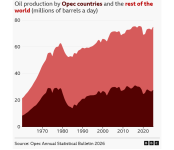
Opec aims to influence the global price of oil by agreeing how much its oil members sell. When they agree to sell more it is in an attempt to help lower prices by making sure supply is plentiful, and when they reduce supply, their aim is to keep prices high when demand is lower.
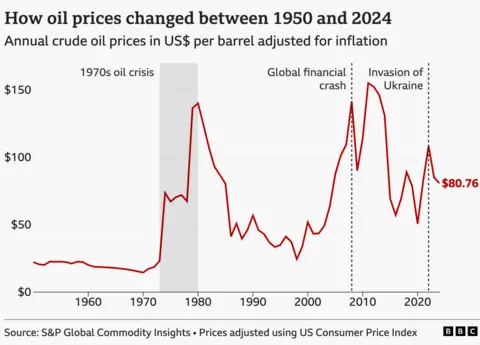
A key example is in October 1973, Arab oil producers placed an embargo on a group of countries led by the US over their support for Israel during the Yom Kippur war. That policy came alongside a co-ordinated cut to oil production.
Oil prices more than doubled, there was fuel rationing, and the significant knock-on effects were compounded by a second oil shock in 1979 with the Iranian Revolution.
More recently, when the price of crude oil crashed due to a lack of buyers during the coronavirus pandemic, Opec+ slashed production to boost prices.
Its response to soaring oil prices after Russia's full-scale invasion of Ukraine in early 2022 was more muted - it
pledged to raise production slightly, before slashing it later that year.
Critics, including US President Donald Trump, argue it has used its influence to keep prices higher than they otherwise might have been by limiting supplies.
Over the past few decades Opec's influence on oil prices has "varied", says Maurizio Carulli, global energy analyst at Quilter Cheviot.
A historic difficulty in Opec being effective in influencing the oil price is because when it has made a decision, individual members "often do not actually respect the commitment" and either produce more because they want a greater market share, or less due to technical difficulties.
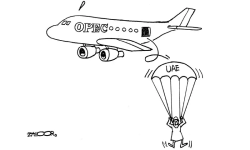
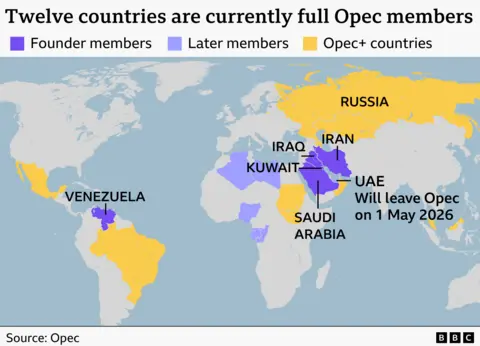
He says this has been "widespread" - mentioning instances of Kazakhstan and UAE increasing production to more than what was agreed.