Wildlife in Pakistan

1636586075155.png


Our Guest Birds are here to enjoy not to die.
Pease Ban on hunting.
In every winter thousands of migratory birds like these beautiful flamingos come from as far as Siberia to this lake near village Sankar in Tharparkar Desert of Sindh ..
 
1638306372821.png


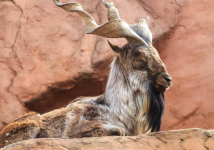
An Elusive Animal Rarely Photographed, A Markhor Posed Against Rugged Crags Chitral, Circa 1937.
 
The Himalayan Ibex is a sturdy goat found mainly in Gilgit Baltistan, Pakistan.

Image


Image


Image
 
A beautiful view of Ruhi Cholistan


1599497922201.png
 
986a3d1b98b1dce8e5f320d9a62713ad.jpg


Chukar Partridge

stock-photo-chukar-partridge-birds-of-pakistan-1067696939.jpg


Spotted Owlet -

stock-photo-spotted-owlet-birds-of-pakistan-1073168561.jpg


Bar-headed Goose

stock-photo-bar-headed-goose-bird-of-pakistan-1068014168.jpg


Falcon with prey

stock-photo-falcon-with-prey-pakistan-1093214897.jpg
 

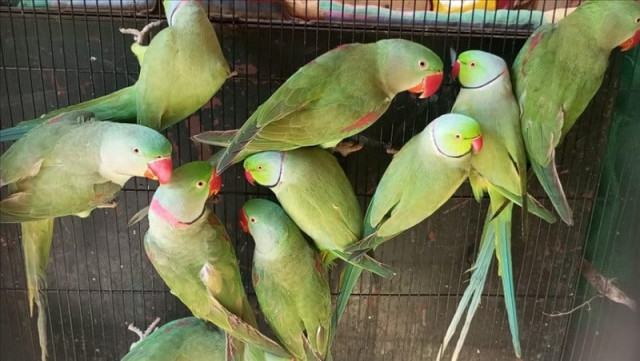
Punjab mandates parrot registration to curb smuggling​


Approved birds will be inspected and tagged with identification rings

Asif Mehmood
November 15, 2025


human behavior is mostly to blame for the decline into locally endangered status of parakeets photo anadolu agency


Human behavior is mostly to blame for the decline into locally endangered status of Parakeets. PHOTO: ANADOLU AGENCY


LAHORE. Punjab has made the registration of pet parrots mandatory, triggering a surge in applications from households that keep these birds. Under the new regulation, introduced by the provincial Wildlife Department, owners are required to pay an annual fee of Rs1,000 per parrot.

While some bird enthusiasts were surprised by the policy, others see it as a positive step toward protecting their pets.
 

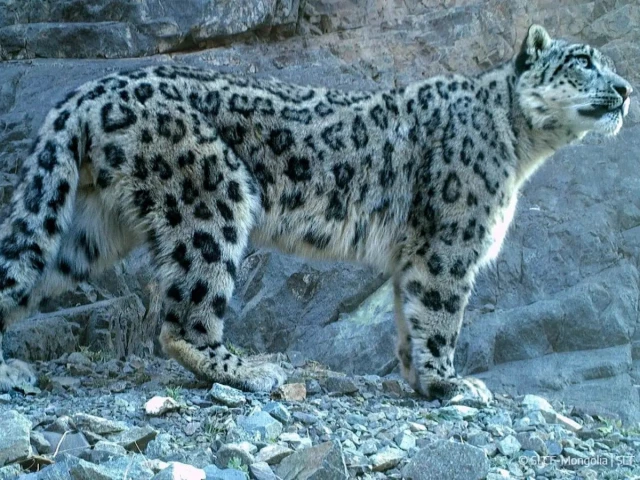
Snow leopard spotted in Munoor Valley, Chitral​


Snow leopards are found in the mountain ranges of Lower Garam Chashma, Gabor Valley, Arkari Valley, and Manur Valley

Ahtisham Khan
November 20, 2025


photo snow leopard trust


Photo: Snow Leopard Trust

A snow leopard, an endangered species, has been sighted in the populated Munoor Valley of Garam Chashma, Chitral, according to the Khyber-Pakhtunkhwa Wildlife Department.

“The number of snow leopards in Chitral, one of the world’s rarest species, ranges between 26 and 32,” said Farooq Nabi, Chitral’s Divisional Forest Officer. The snow leopard that was seen two days ago was last sighted in that location in 2015.

According to Farooq Nabi, the care and monitoring of snow leopards is being carried out by the Wildlife Department in collaboration with the Snow Leopard Foundation. Snow leopards are found in the mountain ranges of Lower Garam Chashma, Gabor Valley, Arkari Valley, and Manur Valley. “Chitral is among the few regions in the world where the local community protects this rare species instead of harming it.”
 
The snow leopard sighted in Chitral appeared in an area located six to seven hours away from Chitral town. Residents of this valley receive financial support through the Snow Leopard Foundation. Locals keep goats and sheep and release them into the forest as prey for snow leopards, which helps keep the cats from entering populated areas. The recently sighted leopard was also left unharmed by the locals, which Farooq described as a very positive sign.

”The snow leopard appeared here after nearly ten years. Its arrival brought both excitement and some fear among the locals. However, due to the awareness campaigns conducted earlier, no one attempted to harm it,” said watcher Saddaruddin, who is responsible for monitoring snow leopards in Manur Valley and for guiding the community on how to protect them.

He explained that each village has two to three watchers who are paid by the government and the Snow Leopard Foundation. Their duties include raising awareness about this rare species, providing food, and continuously keeping villagers informed about the presence and movement of snow leopards.


Dera Ismail Khan’s first bird tower gives urban birds a new home​


Structure inspired by Iranian pigeon houses aims to support local bird population

Ramzan Seemab
November 22, 2025


tribune


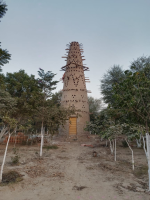
In a first-of-its-kind initiative for Dera Ismail Khan, the city’s Forest Department has constructed a bird tower in its urban forest near Qureshi Mor, located in the heart of the city.

The structure, designed to provide local birds with shelter and nesting spaces, has been built using traditional methods involving mud and wood, highlighting the blend of heritage techniques and modern conservation efforts.

MNA Faisal Amin Gandapur, the driving force behind the project, revealed that the idea was inspired by the historic pigeon towers of Iran. These towers, built during the Safavid era, were originally designed to collect pigeon droppings, which served as a natural fertilizer for watermelons and other crops.

Gandapur emphasized that if this pilot tower proves successful, two additional towers may be established in Dera Ismail Khan and in other cities across the province, providing urban birds with safe habitats as the number of trees in cities continues to decline
 

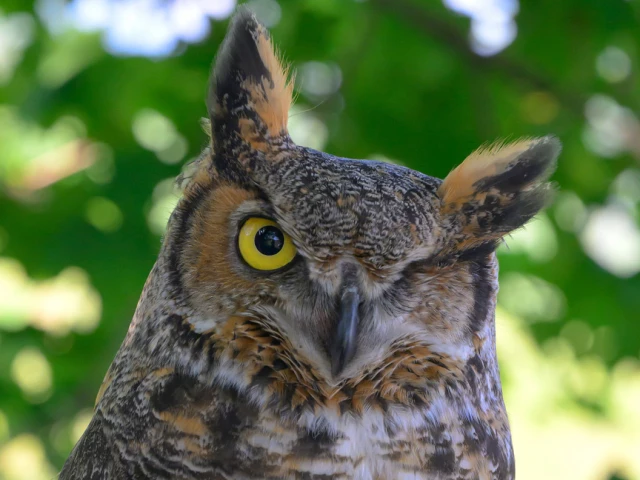
Pakistan’s owls in decline as urbanisation, poaching take toll​


Deforestation, pollution, unplanned urban expansion have eliminated many natural nesting sites

Web Desk
November 25, 2025


tribune


Pakistan’s owl population is experiencing a sharp drop, wildlife experts warn, as unchecked habitat destruction, shrinking prey, and illegal poaching threaten the survival of these nocturnal birds. Their decline, they say, could have major ecological repercussions.

According to wildlife specialists, deforestation, pollution, and unplanned urban expansion have severely reduced tree cover and eliminated many natural nesting sites. Many owl species rely on tree cavities or the old nests of larger birds to raise their young, habitats that are disappearing fast.

At the same time, the conversion of agricultural lands into housing developments has fractured the owls’ prey base. Small animals like rodents, reptiles, birds, and insects, the main diet of many owl species, are becoming scarcer, putting even greater pressure on their populations.

Illegal poaching remains another major threat. Owls are reportedly being trapped for the illegal pet trade and even for traditional practices. There have also been disturbing reports of these birds falling victim to superstitious beliefs: some are killed or injured so their body parts can be used in black-magic rituals.
 
Pakistan is home to around 16 owl species, but comprehensive data on their numbers is lacking. In southern Sindh province alone, authorities have recorded at least 10 species, including Indian and collared scops owls, pallid scops owls, rock eagle owls, and barn owls.

Some small owl species, however, appear to be adapting to urban life. Researchers have observed little owls and spotted owlets taking advantage of abandoned rooftops and ledges in densely populated cities. These structures often provide refuge, especially when they are left unused or house water tanks.

According to a Karachi-based wildlife researcher, unoccupied rooftops offer surprisingly suitable sanctuaries for these birds, mimicking the tree holes and ledges owls naturally prefer. The researcher noted that as cities grow, these novel spaces may provide partial relief to some urban-tolerant owl species.

Still, the bigger picture remains bleak. Declining owl numbers in many regions suggest that several species are retreating or disappearing altogether. Localized studies hint that Himalayan barred owlets and certain scops owls may already have vanished from areas like Margalla Hills National Park in Islamabad, where they once were routinely observed.

Experts argue that stronger legal protection is needed. Under current wildlife laws, not all owls receive protection, and in some areas, hunting licenses may still be granted, a loophole that enables illegal trade. Conservationists are calling for stricter regulations to preserve the owls’ ecological role as bio-regulators. By controlling populations of rodents and reptiles, owls help maintain healthy forest and agricultural ecosystems.
 

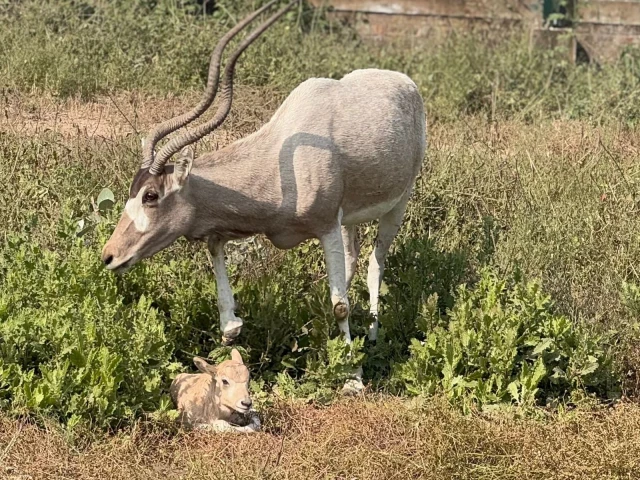
Baby Addax, Arabian Oryx born at Lahore Safari Park​


Addax conserves moisture by feeding on desert plants, adjusting its activity to avoid extreme heat

Asif Mehmood
November 26, 2025


baby addax arabian oryx born at lahore safari park

Baby Addax, Arabian Oryx born at Lahore Safari Park

The birth of baby Addax and Arabian Oryx at Lahore Safari Park has increased the herd’s population. According to park management, one newborn has been recorded in each species, bringing the total number of Addax to fourteen and Arabian Oryx to nine. The current Addax herd consists of four males, seven females, and three young ones, while the Oryx herd includes three males, three females, and three young ones.

According to Dr. Rizwan Khan, Director of Veterinary Services at the Wildlife Safari Zoo, these animals were brought to Lahore in March 2024 under the Safari Upgradation Project. “The non-native species are provided round-the-clock veterinary care, along with spacious enclosures where they are kept alongside other compatible species,” he said.

The addax, or white antelope, is a critically endangered species native primarily to the Sahara Desert of North Africa, where it inhabits semi-arid plains, coastal deserts, and sparse shrublands. Its pale coat, broad sand-adapted hooves, and ability to survive for days without drinking water make it exceptionally suited to harsh desert climates.

The addax conserves moisture by feeding on desert plants and adjusting its activity to avoid extreme heat. Once widespread across North Africa, its wild numbers have been drastically reduced by habitat loss and poaching, leaving only small, fragmented populations in remote areas.
 

Users who are viewing this thread

Back
Top