Wildlife in Pakistan

Pakistan has once again drawn global attention in the world of trophy hunting. A single permit to hunt the rare Astore markhor in Gilgit-Baltistan has been sold for a record-breaking $370,000.

This is now the highest fee ever paid for a hunting license anywhere in the world. The Astore markhor, Pakistan’s national animal, is considered one of the most prized trophies among international hunters due to its rarity and unique spiral horns.

The auction has placed Pakistan at the center of global discussions, with both praise and criticism. While the program is controversial, officials highlight that the majority of the funds are directed towards local communities and wildlife conservation efforts.


1757253297770.png
 

Top 5 fish found in Karachi’s waters​


Local marine species to keep an eye out for on your next fishing trip

Our Correspondent
September 13, 2025


tribune


Karachi, with its coastline along the Arabian Sea, hosts a wide variety of marine life that supports both commercial fisheries and recreational angling. Among the many species, some stand out for their ecological role, unique features, or popularity among local fishing communities. Here are five notable fish found in Karachi’s ocean waters as described by FishBase.se.

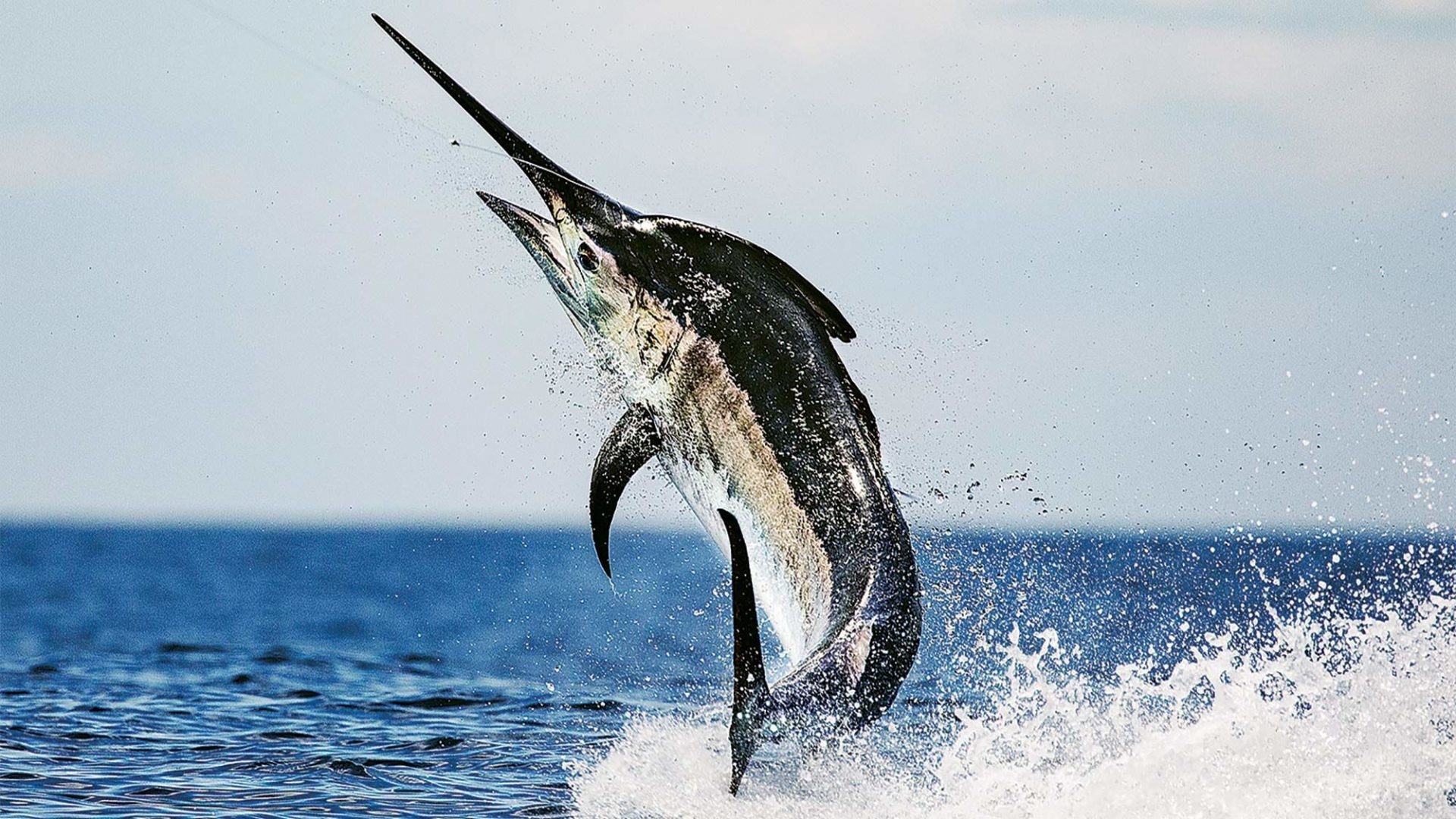
1. Marlin

Marlins are among the fastest and most powerful fish in the ocean, known for their elongated bodies and sharp, spear-like bills. While not commonly found near the shore, they are an exciting target for deep-sea anglers off Karachi’s coast. Marlins can swim at speeds exceeding 80 kilometers per hour, making them one of the fastest fish in the world.


black-marlin-gulf-of-chiriqui-1-qbmorky2evnen7ix1n1757754322-0.jpg


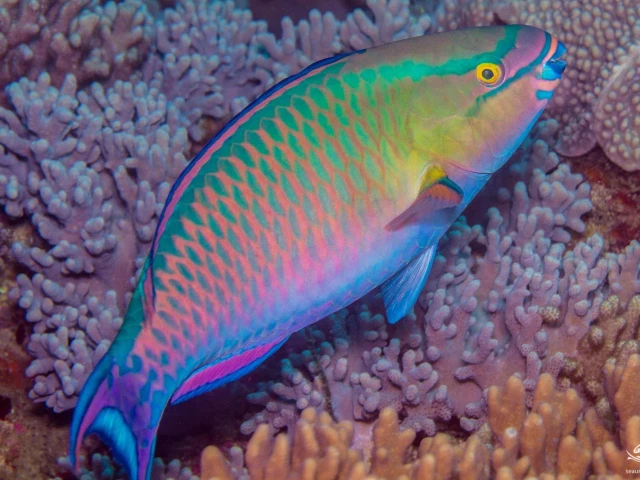
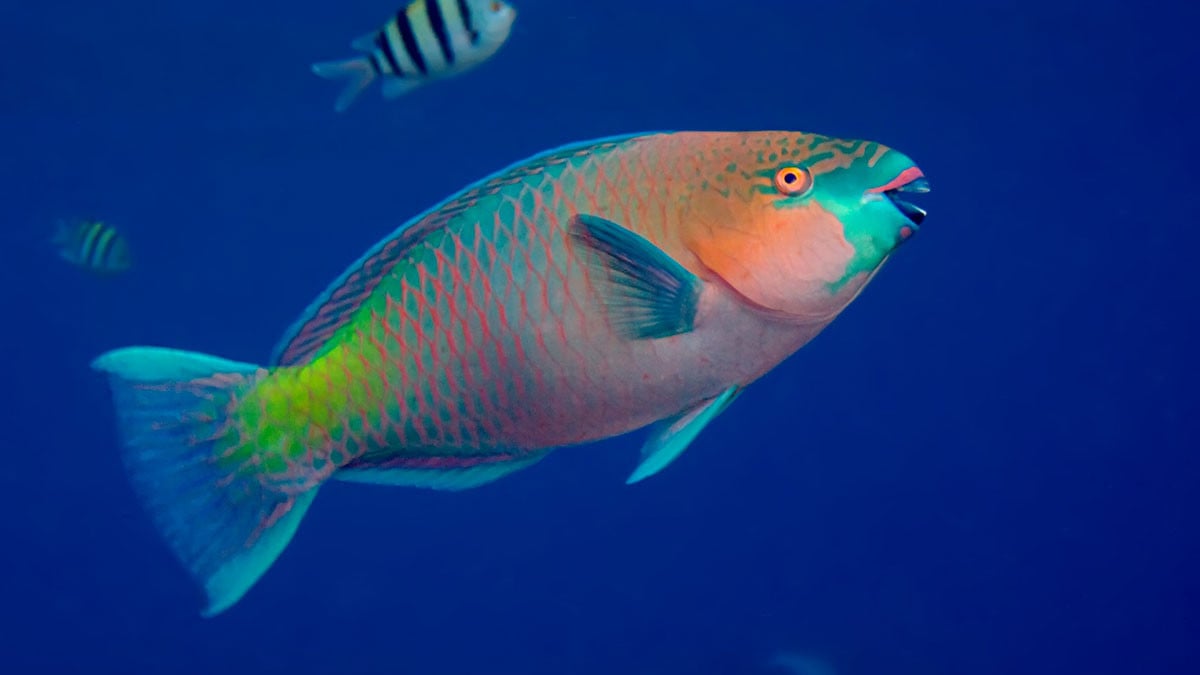
2. Parrotfish

Parrotfish are brightly colored reef dwellers known for their beak-like teeth, which they use to scrape algae off coral and rocks. Their feeding habits play an important role in maintaining the health of coral reefs. A fascinating detail about parrotfish is that some species excrete sand after digesting the algae they consume, making them natural contributors to sandy beaches.


parrotfish-adobestock-3866305581757754367-0.jpg


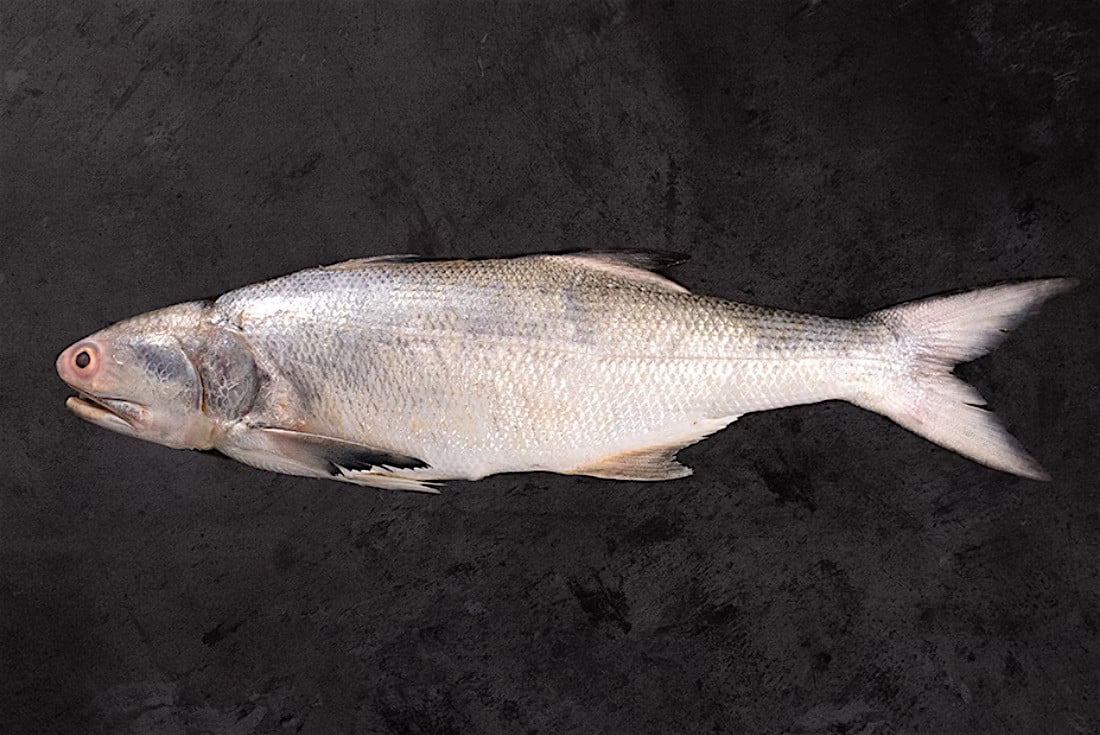
3. Indian Salmon (Ramus)

Locally called ramus, the Indian salmon is a prized catch for Karachi’s fishermen. This mid-sized fish is valued for its flavor and is a staple in local seafood markets. It is considered one of the most nutrient-rich fish in South Asia, valued for its high protein content and omega-3 fatty acids, making it a popular choice in local diets.

indian-salmon-whole-1-2f37abe28e0d1757754306-0.jpg


4. Indo-Pacific Sailfish

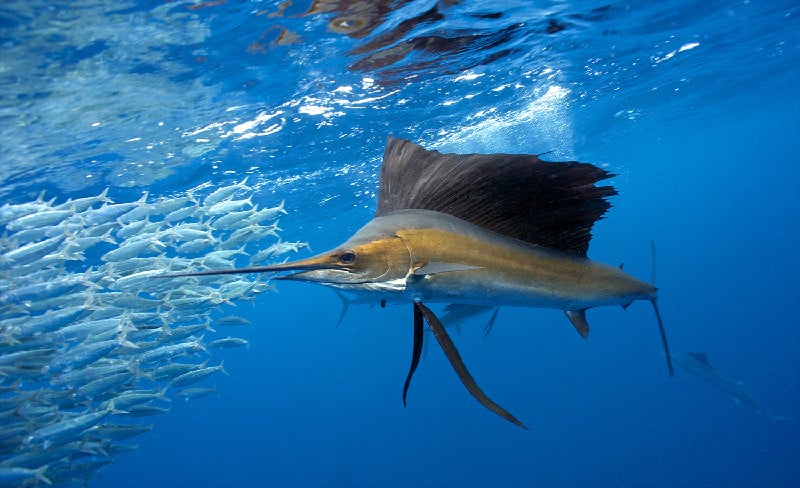
Recognizable by their large, sail-like dorsal fins, Indo-Pacific sailfish are another fast species inhabiting the Arabian Sea. These fish are known to leap dramatically out of the water when hooked, which makes them popular in sport fishing. They can also change the color of their bodies, flashing bright hues to confuse prey or signal to other sailfish.

1732439248154-7878757031757754292-0.jpeg


5. Queenfish


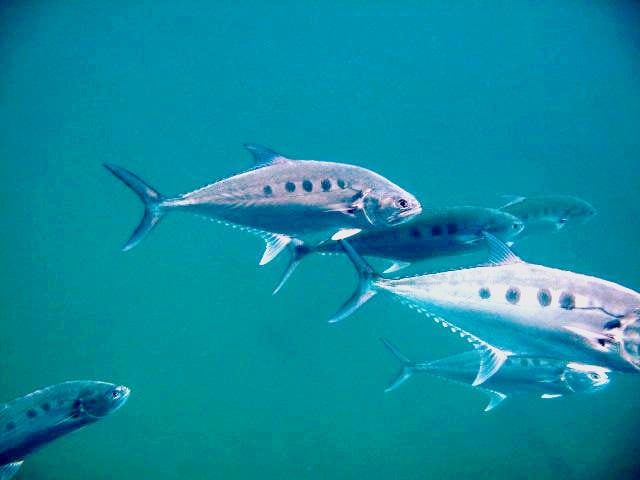
Queenfish are sleek, silver-bodied predators that thrive in Karachi’s coastal waters. They are often found near the surface and are a common catch for both commercial fishermen and recreational anglers. Known for their strong fight when caught, queenfish are also significant in maintaining balance in the marine food chain by feeding on smaller schooling fish.


scomberoides-commersonnianus1757754278-0.jpg


The waters of Karachi are home to a diverse mix of marine life. These species not only support local fisheries and recreational fishing but also highlight the ecological richness of the Arabian Sea.
 

Permission for markhor hunting at Chitral Gol National Park resented


Zahiruddin
September 23, 2025

CHITRAL: The president of the Gahiret-Golen conservancy has demanded of the wildlife department to revoke its decision of shifting the Kashmir Markhor hunting permit of his conservancy to the buffer zone of Chitral Gol National Park (CGNP) for the forthcoming hunting season.

Talking to reporters at the Chitral Press Club here on Monday, Faizur Rehman said that residents of villages from Gahiret to Golen had been engaged in conservation of markhor since early 1990s, which had led to a significant increase in the population of the wild goat from the brink of extinction.

He said that the driving force behind the successful community-based conservation was the trophy hunting introduced by the wildlife department in 1998, whose 80 per cent proceeds went to the local village conservation committees to be spent on collective development of the community.

Mr Rehman regretted that this year, the wildlife department had decided to select the CGNP buffer zone for trophy hunting, sending shockwaves across the area supporting hundreds of trophy-sized markhors.

Gahiret-Golen conservancy head threatens protest against wildlife dept’s decision

He insisted the buffer zone at Singur Dok had never been the habitat of Kashmir Markhor due to its proximity to the human settlements and scarcity of fodder and forage there.

He said the people of Gahiret-Golen would launch a protest movement to get the ‘controversial’ decision annulled.

He stressed that trophy hunting in the national park area was absolutely prohibited as per the Wildlife Act.

Rizanullah, divisional forest officer of CGNP wildlife division, told Dawn that the buffer zone of the national park at Singur Dok had a considerable population of markhor with many of them being the trophy-size.
 

Floods ravage fragile wildlife habitats​


Displacement increases risks of human-wildlife conflict and retaliatory killings, say experts

Anadolu Agency
October 06, 2025


tribune


KARACHI: Pakistan's floods – among the deadliest in the country's recent history — swept away villages, submerged farmland and forced over 2 million people from their homes, mainly in the northeastern Punjab province.

The consequences, however, are not limited to humans. The catastrophic deluge has also devastated the country's already fragile wildlife.

"Entire habitats have been submerged, encompassing everything from scrub forests and rangelands to critical wetlands that act as wildlife sanctuaries," Rafiul Haq, a Karachi-based ecologist, told Anadolu.

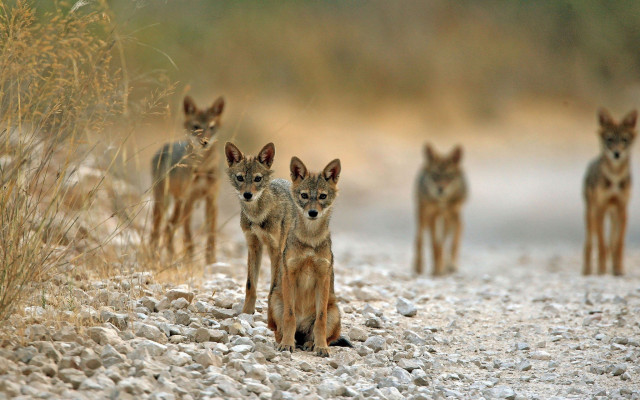
Displaced jackals, wild boars, chinkara antelope, and even elusive jungle cats are now venturing into villages in search of food and shelter, he added.

Such encounters bring new dangers. Studies show human-wildlife conflict rises sharply after floods, and Pakistan is no exception.

"Rural areas, now burdened with displaced carnivores and omnivores, are witnessing increased attacks on livestock including goats, sheep and poultry, leading to retaliatory killings that threaten to push rare species further toward extinction," Haq said.

Uzma Khan, a wildlife conservation specialist with the WWF-Pakistan, said fragmented habitats are weakening the resilience of local ecosystems, leaving wildlife populations more vulnerable to conflicts with humans.

"Numerous snakes have entered communities in recent days," she said. "Many were rescued, but some, including pythons, were killed."

She warned that floods can also spark disease outbreaks in livestock that spill over into wild populations. Stagnant water, she said, provides breeding grounds for insects that spread infections.

"This requires close monitoring and vaccination of livestock to reduce the risk of outbreaks," she added.
 
Animals swept across borders

Floodwaters often carry ungulates such as sambar deer and hog deer from across the border in India into Pakistan, further straining the country's stressed ecosystems.

"These deer, which include rare chinkara species, usually get injured after being struck by rocks and trees in the rivers, and require proper treatment before their release," Kamran Bukhari, a senior conservator at the Punjab Wildlife Department, told Anadolu, adding that they are closely monitored.

So far this year, dozens of hog deer, which are classified as endangered, have been rescued, he added.

Altaf Ali Shah, a wildlife department official in northwestern Khyber Pakhtunkhwa province, said torrential rains and glacial lake outburst floods (GLOFs) have displaced Himalayan ibex in Chitral district and destroyed habitats for birds, rodents, and reptiles.

Aquatic species equally hit

Experts warn that danger extends beneath the water's surface. Fisheries and aquatic biodiversity are also under threat as floods disrupt river systems and wetlands.

Aquatic species endemic to Pakistan, including the Indus River dolphin, freshwater turtles and crocodiles, are at risk, Haq explained.

"Strong currents sweep these vulnerable creatures into irrigation canals and distributaries where chances of survival are slim," he said. "Rescue teams often find dolphins stranded far from their river habitats – one of Pakistan's recurring ecological tragedies."
 
The Indus dolphin, locally known as "bhulan," is found almost exclusively in Pakistan. Dwelling mainly in a 1,300-kilometer (807-mile) stretch of the Indus River, the endangered mammal is functionally blind, relying on echolocation to navigate the muddy waters.

A related species lives in the Ganges and Brahmaputra systems of India, Bangladesh and Nepal, but the Indus dolphin is genetically distinct and considered one of the world's most endangered freshwater cetaceans.

Haq urged more coordinated rescue and conservation efforts.

Floods also bring renewal

Despite the devastation, Haq noted that the rains and floods carry a "dual nature," sometimes boosting wildlife populations.

"Floodwaters breathe life back into arid zones," he said. "Species like chinkara deer and wild cattle often find freshly sprouted grasses at their doorsteps after rains, potentially boosting their populations in the short term."

Scientific studies, he added, show that periodic floods increase primary productivity in rangelands and wetlands, sparking herbivore booms and drawing migratory birds in greater numbers.

Uzma Khan of WWF-Pakistan agreed, noting that natural floods, though increasingly unpredictable under climate change, also rehabilitate habitats that support fisheries, waterfowl and endangered riverine species like hog deer.

"The most important step needed is protecting floodplains from human encroachment," she said.
 
"The most important step needed is protecting floodplains from human encroachment," she said.

"As well as linking rivers and associated lakes, which not only helps manage floods but also creates reservoirs that sustain communities as well as wildlife like waterfowl and freshwater turtles."

She warned that unchecked leasing of land around wetlands and forests undermines natural defenses.

"Protecting forests is very crucial as they shield land from the devastating impacts of cloudbursts and flash floods, which are increasing in both frequency and intensity because of climate change," she said.

Haq said the long-term solution lies in creating wildlife corridors, restoring habitats and adopting sustainable floodplain management.

"Without that, Pakistan risks losing crucial biodiversity and the ecological safety nets that support its natural heritage and, ultimately, its people," he said.
 
That is because Pakistan is the only country where such permits are sold and other countries generally ban such hunting.

Pakistan was the pioneer of this program. Due to its remarkable success in conservation, the program has since then spread across most countries aiming to conserve their Markhor populations. Other countries have expanded it to other endangered animals, including in Africa.
 
Last edited:

Punjab’s flood-affected ecosystems under spotlight in ambitious biodiversity survey​


Floods disturb migratory bird habitats complicating efforts to record species counts

Asif Mehmood
October 07, 2025


lahore birds

Lahore birds

A comprehensive biodiversity survey is underway in Punjab, covering the province’s wildlife, flora, and fauna under the International Union for Conservation of Nature’s (IUCN) National Survey Programme.

After completing assessments of terrestrial and aquatic reptiles, experts say that nearly 90 percent of the flora survey has also been finalized, while the migratory bird census is expected to begin on October 2. However, biologists warn that the recent floods could distort bird population estimates due to significant ecological disruptions across aquatic and terrestrial habitats.

According to National Manager of the IUCN Survey Project Asim Jamal, four of the five ecological zones in Punjab have been fully surveyed so far. “Reptile surveys were conducted during the monsoon season when most species emerge from underground habitats,” he explained. “The flora assessment is almost complete, and the bird survey is scheduled for the third week of October.”

Jamal cautioned that the floods had disturbed migratory bird habitats, complicating efforts to record accurate species counts. “The first survey will provide baseline data, but to understand true trends in breeding, migration, and survival, at least three consecutive years of data collection are essential,” he added.

Director of the Punjab Wildlife Survey Programme and Additional Chief Wildlife Ranger Mudassar Hassan, confirmed that the project will conclude by June 30, 2026. “This is the first time a province-wide, scientifically structured wildlife and flora survey is being conducted using advanced equipment,” he said. “In the past, the Wildlife Department relied on limited field data, but the IUCN Red List requires extensive, high-quality datasets.”

Several rare and endangered species from Punjab are already listed in the IUCN Red List, including the Indus dolphin, marsh crocodile, Indian pangolin, barasingha, Punjab urial, chinkara, nilgai, and dhole (wild dog).

Among birds, the houbara bustard, white-rumped vulture, long-billed vulture, red-headed vulture, and white-headed duck are categorized as vulnerable or endangered. The region’s flora includes rare coral plant species, while reptiles such as the black pond turtle and gharial are also part of the index.

Head of the University of Punjab Zoology Department Dr Zulfiqar Ali, head of the Zoology Department at the University of the Punjab, suggested delaying the migratory bird survey to November, when most species have settled in their temporary habitats. “Although floods have impacted certain ecological zones, the majority of survey sites remain unaffected,” he noted. “Migratory birds typically roost downstream along river systems, assessing water conditions before landing.”

Jamal further emphasized that relying solely on a one-time survey would be counterproductive. He has recommended that the Wildlife Department train its staff in modern data collection techniques to enable long-term, locally led monitoring. The Secretary for Forests and Wildlife and Director General Wildlife Punjab have reportedly endorsed this plan, with training sessions for field staff already in progress.

Experts believe that if the three-year consecutive surveys are completed successfully, Punjab will have its first internationally recognized biodiversity database one that could serve as a foundational reference for regional conservation and environmental policy.
 
1760024915906.png


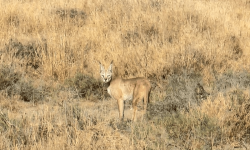
A rare caracal (wild cat) was seen in Cholistan desert of Rahim Yar Khan.

The caracal — among the beautiful and rare cats — is considered an expert on hunting desert animals, especially rabbits, birds, rats and deer by flying up to 9.8 feet. They typically give birth to one to six kittens.

According to the wildlife ranger, Cholistan is considered its a natural habitat.

The caracal is a medium-sized wild cat native to Africa, the Middle East, Central Asia, and arid areas of Pakistan and northwestern India. It is characterised by a robust build, long legs, a short face, long tufted ears, relatively short tail, and long canine teeth.

Its coat is uniformly reddish tan or sandy, while the ventral parts are lighter with small reddish markings. It reaches 40–50 centimetres at the shoulder and weighs eight to 19 kilograms.

The cat was first scientifically described by German naturalist Johann Christian Daniel von Schreber in 1776 according to Wikipedia.

Caracal sightings offer hope as Pakistan’s rare wild cat nears local extinction

Anadolu Agency
October 9, 2025

1760025069747.png

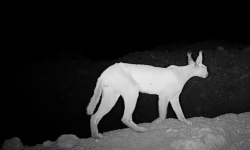
Camera-trap footage shows an adult male caracal in Kirthar National Park, Oct 5. — Image courtesy of the Indus Fishing Cat Project

In the dry hills west of Karachi, a caracal moves silently across rocky terrain, its long, black-tufted ears twitching at every sound. A hidden camera captures the fleeting moment, offering rare evidence that one of the country’s most elusive wild cats still survives.

The caracal, a medium-sized wild cat native to arid regions of Africa, the Middle East, Central Asia and South Asia, is now critically endangered in Pakistan. Wildlife experts warn that habitat loss, increasing human intrusion and retaliatory killings have pushed the species to the brink of local extinction.

“Local people either kill the cat to protect their sheep, goats, deer and other small animals, or in retaliation for its preying on small livestock,” wildlife expert Saeedul Islam told Anadolu.

Hunting for the illegal pet trade poses another threat.
 

Rs90m project aims to save turtles​


Turtle Excluder Devices to help meet sustainability standards, regain access to US seafood market

Our Correspondent
October 10, 2025


tribune


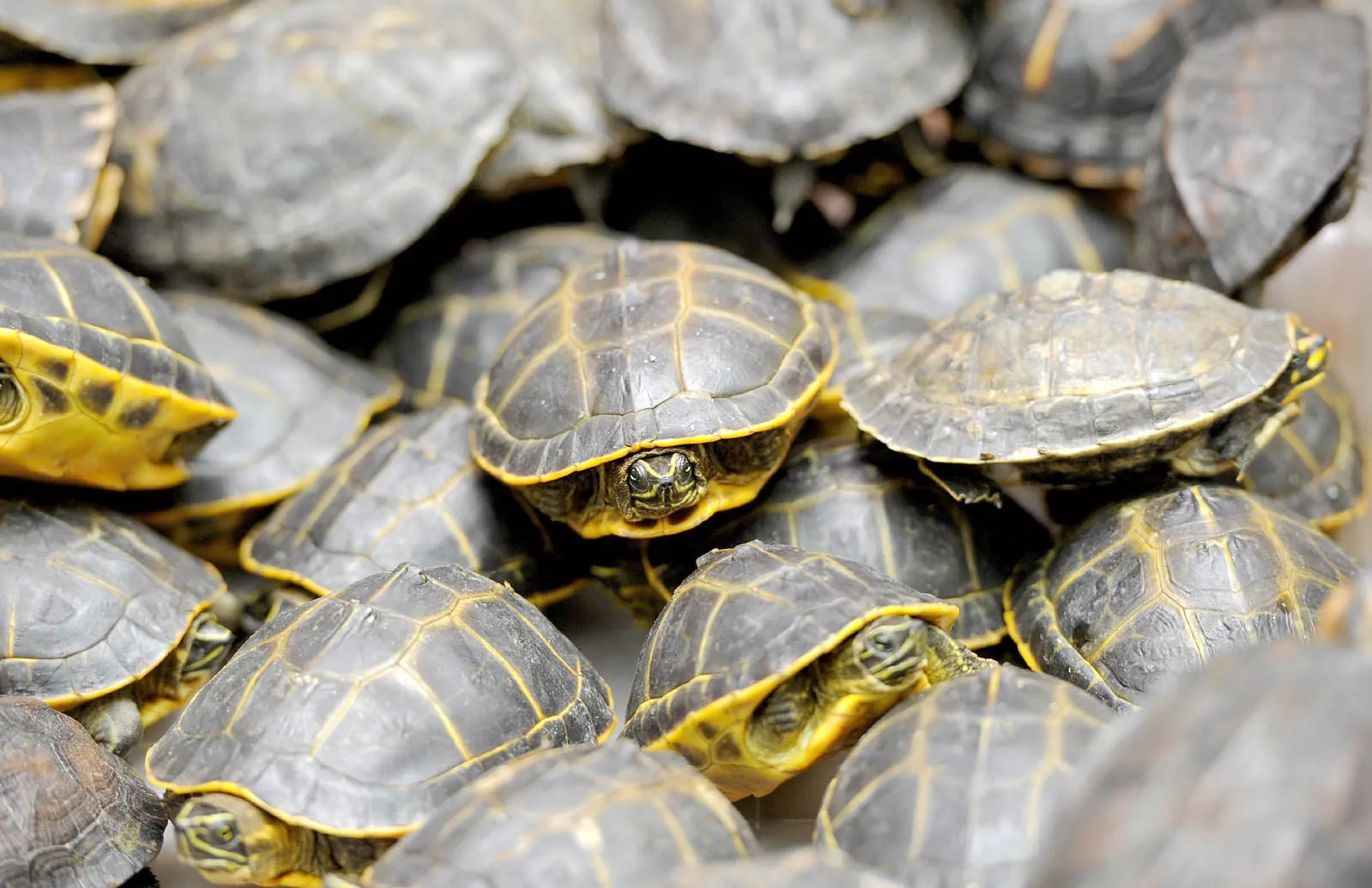
ISLAMABAD: Federal Minister for Maritime Affairs Muhammad Junaid Anwar Chaudhry has announced the launch of a Rs90 million project to protect sea turtles during shrimp trawling operations. The initiative aims to conserve marine biodiversity and ensure the long-term sustainability of Pakistan's ocean resources.

According to an official statement issued on Thursday, the project includes the free distribution and installation of standardised Turtle Excluder Devices (TEDs) at no cost to fisherman, training workshops for trawler crews, and data collection to assess their impact on shrimp catch and net performance.


A Turtle Excluder Device is a specialised grid fitted into shrimp trawl nets that allows sea turtles and other large marine animals to escape while retaining shrimp. The minister said the introduction of TEDs will reduce the accidental capture of endangered turtles and help Pakistan regain US certification – key to resuming shrimp exports to the American market.

Chaudhry said the project aligns with Pakistan's global commitments on marine sustainability and seafood traceability. "This initiative will demonstrate Pakistan's commitment to responsible marine management and enhance its reputation in global seafood trade," he said.

He noted that shrimp trawling often traps non-target species, and turtles caught in nets can drown. The minister directed the Karachi Fisheries Harbour Authority, Sindh Fisheries Department, and Marine Fisheries Department to ensure full TED compliance at sea and dockside.

"One hundred percent TED compliance and credible enforcement will be ensured. Continued non-compliance risks further deterioration of Pakistan's seafood exports under international traceability regimes," he warned.
 

Indian wolf declared endangered amid rapid population decline: IUCN​


Only 269 to 290 adult Indian wolves remain in Pakistan, including 42 breeding pairs

Asif Mehmood
October 18, 2025


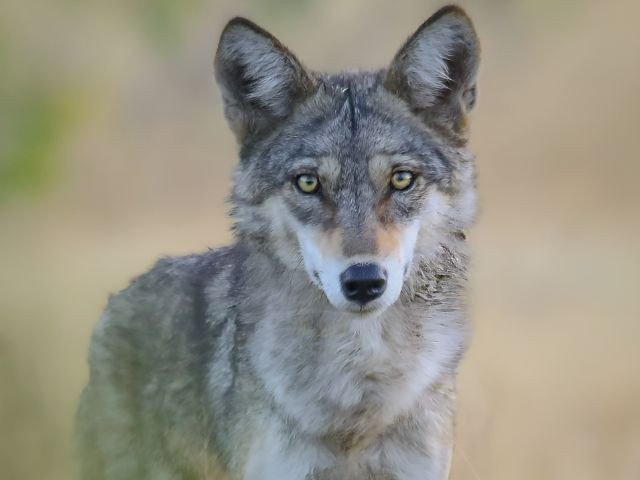
an image of indian wolf photo wikimedia commons


An image of Indian wolf.

The Indian wolf, a rare South Asian subspecies, has been officially classified as endangered in the latest IUCN Red List of Threatened Species amid rapid population decline, habitat loss, and human pressures.

Genetic research indicates only 269 to 290 adult Indian wolves remain in Pakistan, including 42 breeding pairs. Most inhabit unprotected landscapes across Cholistan, the Salt Range, and Sindh’s Tharparkar region.

“The wolf’s greatest threat is not the gun—but the bulldozer,” said wildlife biologist Umer Khayyam. “Agricultural expansion, infrastructure, and depletion of natural prey are driving this decline, while diseases from feral dogs and illegal killings further threaten survival.”

The Salt Range has recently provided confirmed sightings. Punjab’s Wildlife Department captured the first government-documented photograph of an Indian wolf near Kalabagh, marking a milestone in conservation.

“For the first time, we now have digital evidence proving the presence of the Indian wolf in Punjab,” said Mudassar Riaz Malik, Secretary for Forests and Wildlife. A video recorded along the M-2 Motorway in April 2025 was later verified by authorities.

The Indian wolf’s population is declining at 3% annually, potentially falling 30–40% over the next 15 years if current trends continue. Experts stress that protection of grasslands, community-based herding, and cross-border cooperation with India are essential.

Dr. Hira Fatima of the University of Education, Attock, said, “Without formal conservation frameworks, the species’ survival in Pakistan is at serious risk.” The nationwide survey launched in September 2024, covering Punjab, Sindh, and Balochistan, aims to provide a reliable population estimate, currently believed to be between 200 and 300 individuals.

The IUCN describes the Indian wolf as a “living relic of South Asia’s evolutionary heritage,” with a lineage dating back 110,000 years.

Conservationists urge Pakistan to incorporate the species into national wildlife policy to safeguard habitats in Cholistan, Potohar, and Thar, offering the last chance to maintain ecological balance.
 
Role of wolves in ecosystem balance

Pakistan holds over 23,000 square kilometers (8,880 square miles) of suitable wolf habitat, spread across remote and inaccessible areas that are connected by natural corridors, according to Kabir.

Sharifuddin Baloch, the chief conservator of Balochistan’s Wildlife Department, said the government has declared several national parks and game reserves as protected areas for the Indian wolf in an effort to conserve its population.

“The Indian wolf has already been designated as a protected species in Balochistan and the rest of Pakistan. However, conservation efforts have not yielded the desired results due to continued retaliatory killings, climate change, and the wolves’ own predatory behavior,” Baloch explained.

“Conservation efforts have produced satisfactory results in protected areas, but they have been largely ineffective in other regions due to ongoing human-wildlife conflict,” he added.

One of the primary reasons behind this conflict, he noted, is the way wolves hunt livestock.

“They attack in packs and kill multiple animals at a time, unlike other carnivores that target only a single or a couple of animals for food. This makes them the number one enemy of farmers and shepherds,” Baloch said.

Livestock is a primary source of livelihood in rural Pakistan, particularly in Balochistan, where retaliatory killings of wolves are common.

“The vast patrolling areas of wolves also make it difficult to protect them from human encounters and other dangers,” he added.

Kabir, the wildlife researcher, emphasized the critical role of wolves in regulating prey populations and maintaining ecosystem balance.

“Wolves are among the least studied carnivores in Pakistan and have been largely ignored in research and conservation programs. As top predators in their habitats, they regulate the population of other prey species,” he said.

“Their absence would lead to an unchecked increase in prey populations, causing overgrazing, habitat degradation, resource competition, and ultimately the collapse of prey populations,” he warned.

A decline in wolf populations, he added, could also lead to an increase in smaller predators, further disrupting the ecological balance.

“As predators, wolves help control the spread of disease by targeting sick, old, and weak prey animals. Without them, disease could spread more rapidly among prey populations,” he noted.
 

Users who are viewing this thread

Latest Posts

Back
Top