Housing could be the most pivotal development of his mayoralty, (and the core pillar of the state and national Democrat platform for at least the foreseeable future), barring any major tragedy, God Forbid.
Zohran’s biggest accomplishment, in his first year in office could be line up all the projects and give a reason for voters in New York City and in the region (surrounding suburbs) to vote for democrats in 2026, and ultimately 2028, to get funding from Albany and Washington. If Zohran appears to get the ball rolling on housing throughout his 4 year term, he could easily win re-election in 2029, with a Democrat in the White House and Democrat control of congress backing him up.
There were also 6 ballot initiatives on the ballot, initiatives 2-4 (maybe 5) are the most consequential about building affordable housing. which voters had to either make the incoming mayor’s job easier or harder on addressing building new housing. Mamdani before the election didn’t say how he would vote on them and only revealed on the day of his position.
(Trying to find the clip of how Zohran said he voted on those initiatives)
26:30-
This is how those ballot initiatives went, summary they gave the mayor more power to get affordable housing built.
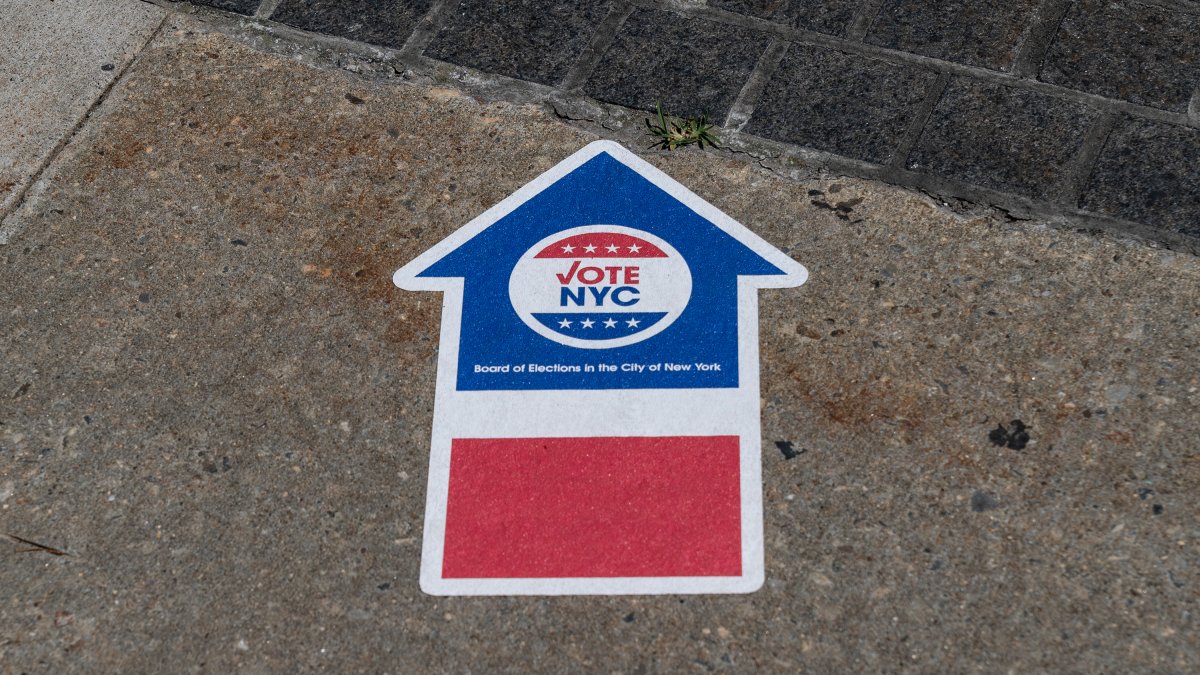
While much of the attention in Tuesday’s election was focused on the New York City mayoral contest, voters were also asked to decide half a dozen ballot proposals, including one up for statewide consideration. They voted yes across the board, except for one proposal. Results continue to be...

www.nbcnewyork.com
Ballot proposal 2 - result yes - This proposal would create two new processes to fast-track certain affordable housing projects. The first process is for publicly financed affordable housing projects. The second process is for affordable housing projects in the 12 community districts with the lowest rates of affordable housing development.
Ballot proposal 3 - result yes -
Simplify review of modest housing and infrastructure projects.
This proposal would create a faster review process for certain land use projects, like smaller projects to change how land is used and to prepare the city for extreme weather or other future challenges.
For most of these projects, the proposed process would remove final review by the City Council.
Ballot proposal 4 - result yes -
Establish an Affordable Housing Appeals Board with City Council, borough, and citywide representation.
NYCVotes says this proposal would change the current land use review process when the City Council rejects or changes an affordable housing project. The proposal would create an Affordable Housing Appeals Board comprised of the local Borough President, Speaker of the City Council, and mayor.
The proposal would
allow the Appeals Board to reverse the City Council’s decision with a two-to-one vote.
Ballot proposal 5 - result yes -
Create a digital city map to modernize city operations.
This proposal would make the Department of City Planning (DCP) responsible for creating, maintaining, and digitizing a single city map.
Not just electing Mamdani but voting for Ballot measures 2-4 are his mandate in the internal politics of New York City.
Wall Street is celebrating the passing of these ballot initiatives:
Red tape and how power is distributed in city politics are part of the reason the city can’t build enough housing:
Republicans are catching on to the bring back “cutting the red tape rhetoric”
1:45-
Mamdani would be smart to do visible cutting red tape events and putting it out on social media, the same way Trump did executive order press conferences; People like to see things getting done.

For Mamdani, his greatest supporters are what I call the “Duppies” (as opposed to the yuppies). The Duppies are the
Downwardly Mobile Urban Professionals. Basically the working class overeducated, but aspiring to be middle class, especially amongst the Millennials and Gen. Z. The republicans don’t speak to this demographic, with a plan to make their lives easier. Mamdani offers at least a possibility to have cheaper housing and public transportation, eventually, because for too many a house and a car are unaffordable.
With boomers starting to die out over the coming decades, the needs of this class will have to be addressed, more and more. Otherwise this will be the voting block, that will vote to cut benefits for seniors to support the needs of the working age population.