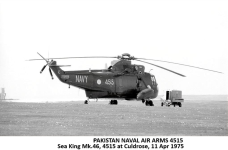
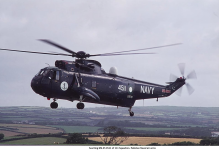
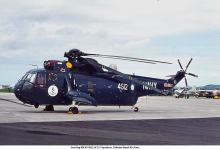
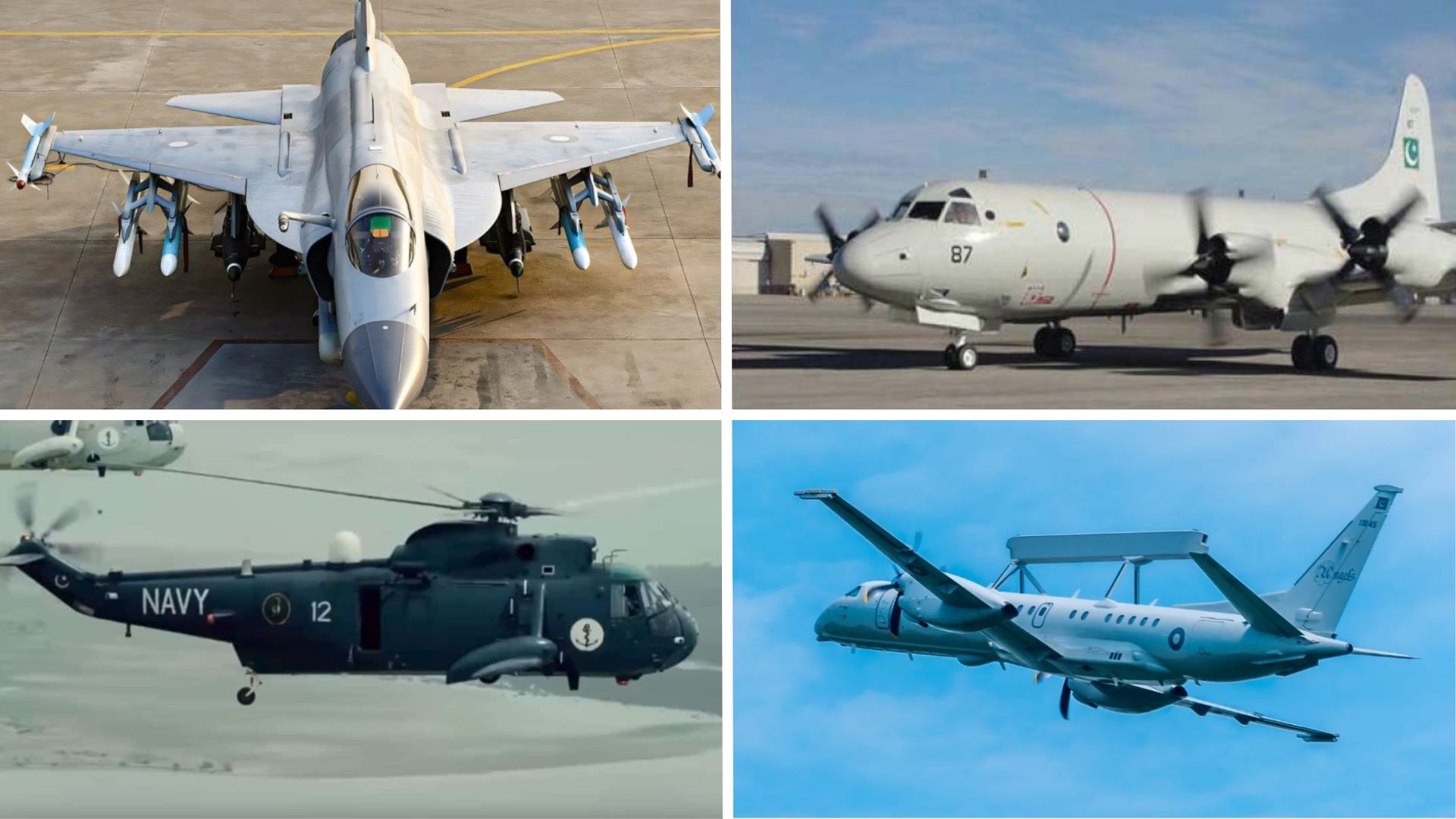
Pakistan Navy Aviation

the reality is there actually is not a good enough solution available on the market.

This is literally all it boils down to.

if pn could, theyd have bought MH60R's.

The Augusta Westland solutions arent ideal for our mission, theyre built on a specific doctrine, one we dont employ.

Russia nope

NH-90 is something i believe the PN is actively interested in but they're plagued with issues, though apparently they were fixed by the time qatar ordered!

Leaves China only:
Z9EC is probably not ideal. I wonder whether the PN wants a helo capable of launching an AShM? Something Z9 obviously cant do. Also, the Z9s electronics suite is not great, reliant on 'inspiration' from older cold war American designs.

Z20 i dont think is up for sale yet...
 
No actual selection for helicopter for new ships .. may be PN DONT have funds or waiting for some special heli
Perhaps GHQ wants PN to adopt a common helicopter alongside the Air Force and the Army. If the Z-20 is deemed meeting requirements, and adopted, it could be a matter of waiting on China to allow the export and for GHQ to arrange the financing. Perhaps the hope is to see if Pakistan can secure a FMS of the Blackhawk/SeaHawk.
 
neglecting the rotary wings for all 3 branches of the military is a historical issue

we really need to address it , from AH-1 to those stupid looking Lamas

we need a proper helicopter program
 
Skip to contentSkip to footer
Quwa


Pakistan-Naval-Airpower.jpg

Analysis: Pakistan’s Underrated Maritime Air Presence – and its Future Challenges​

Pakistan Market Intelligence by Bilal Khan

Bilal Khan​

Executive Summary​

Since its decisive naval defeat in the 1971 war, Pakistan has methodically constructed a sophisticated anti-access/area-denial (A2/AD) capability in the Northern Arabian Sea. This report details the multi-decade strategic effort by the Pakistan Air Force and Navy to build a layered, network-enabled shield designed to deter India’s larger naval forces.

Our analysis charts this evolution through three distinct phases:

  1. Foundational Response (1970s): The initial pairing of long-range surveillance aircraft with Exocet-armed Mirage fighters established the core doctrine.
  2. Stagnation and Vulnerability (1980s-1990s): Sanctions halted modernization, creating a dangerous capability gap as India’s naval power grew.
  3. Network-Enabled Resurgence (2000s-Present): The introduction of the JF-17 fighter, advanced P-3C Orion patrol aircraft, and indigenous tactical data links (Link-17 and Link-Green) created a modern, integrated force. The JF-17 Block 3, with its AESA radar, now provides a crucial qualitative edge.
Today, Pakistan’s maritime airpower presents a credible deterrent. However, this position is now challenged by India’s procurement of advanced Rafale-M fighters. To understand how Pakistan plans to counter this threat with next-generation patrol aircraft (Sea Sultan), advanced drones, and potentially new fighters, subscribe for the full, in-depth report.
CLICK HERE TO GET THE FULL REPORT
 
To view this content we will need your consent to set third party cookies.
For more detailed information, see our cookies page.
 

vsr700 carries the same sonar kit as the MH60R, a small but capable radar and EO/IR. Can also deploy depth charges.

I wonder, if this type of setup could be a really handy stand in solution for the PN to deploy onboard ships as an interim solution alongside Z9's.

Use the Z9's as shooters, the VSR's as sensors- which is how airbus is pitching it anyway.

Could be an interesting solution to the PN's ASW problem.

Could even use fixed wing drones to drop a torp in an AOR outlined by the VSR, thus, once again, offering an interesting interim ASW solution.

Then again, most of these ASW choppers use mots thales kit, nothing stopping PN from pulling a sea sultan but for choppers.
 

Users who are viewing this thread

Back
Top