North Korea reveals new images of its first nuclear submarine
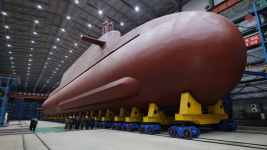
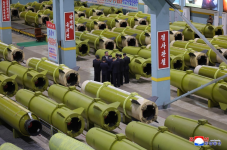
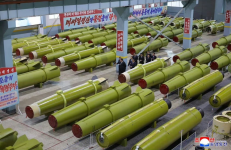
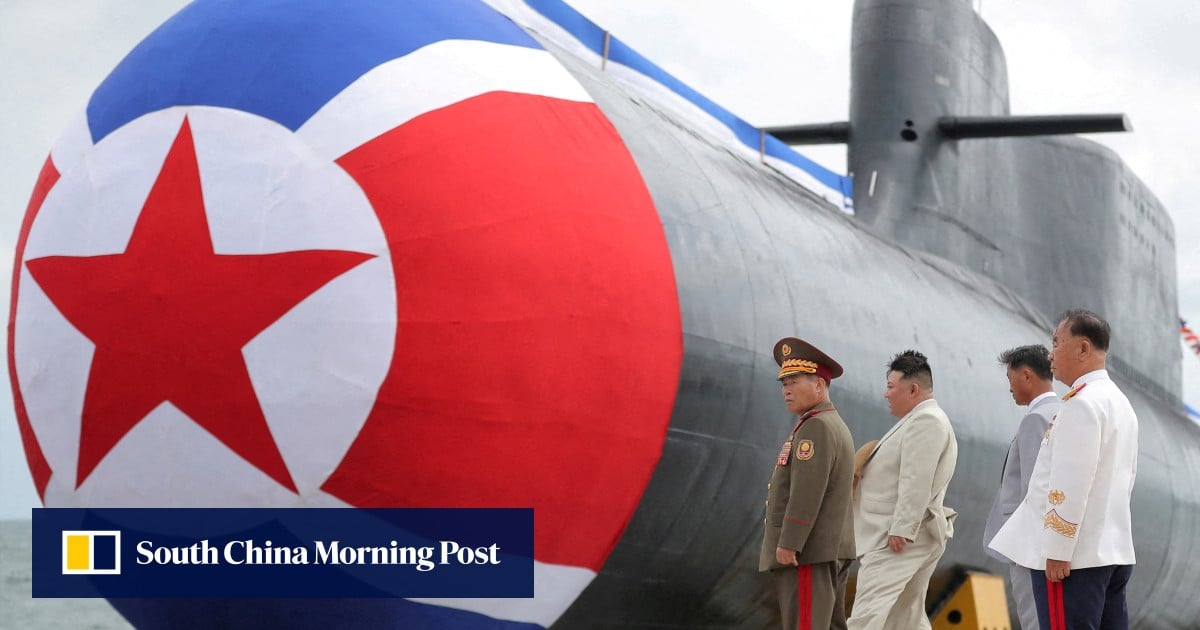
Photos released by state media showed the leader, Kim Jong Un, inspecting the guided-missile submarine at an internal construction facility, suggesting it has not yet been commissioned.
Building a nuclear submarine has been a goal that Kim has long pursued, and he discussed it for the first time at the ruling party congress in 2021. However, the recent approval of the Trump administration by South Korea, its rival, to develop its own nuclear submarines appears to have increased the urgency of Kim’s plans.
These submarines have many advantages, as they are able to remain submerged for long periods, up to years if they carry enough supplies for the crew, while most conventional submarines are forced to rise to refuel to operate diesel engines, which in turn charge their batteries to operate in the depths.
They are also generally faster than conventional submarines, and often less noisy. Currently, only the United States, Russia, China, France, the United Kingdom, and India have this technology.
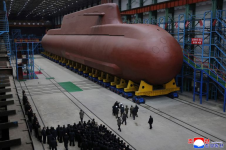
The North Korean leader was quoted by the Korean Central News Agency as confirming that the comprehensive modernization of nuclear capabilities and the strengthening of the navy has become an “inevitable necessity,” in light of what he described as “an international reality that is not conducive to peace.”
He also warned that South Korea's efforts to develop a nuclear-powered submarine, with support and coordination with the United States, would lead to escalation of tension on the Korean Peninsula and represent a direct threat to his country's national security, which would require taking corresponding measures.
In a related context, Pyongyang's official media criticized the recent entry of a nuclear-powered American submarine into a South Korean port, and considered this a "dangerous escalation of military tension" on the peninsula and the surrounding area.
North Korea stated earlier that it sees indications of Japan's intention to possess nuclear weapons, noting that these trends are fueled by Seoul's moves to develop a nuclear submarine.
https://arabic.cnn.com/world/articl...images-of-its-first-nuclear-powered-submarine








 Federal cabinet gives nod to imposition of emergency in KP; summary sent to president (27 Viewers)


