Forget The F-22 And F-35: China Is Now Building 120 J-20 Mighty Dragon Stealth Fighters Every Year
By
Reuben Johnson
Published JAN 16, 2026
Summary and Key Points: Fifteen years after its first flight, China’s J-20 is positioned for a major modernization push that targets the areas Beijing believes still lag behind top-tier U.S. fighters.
-Chinese commentary describes upgrades to radar and avionics, longer-range air-to-air weapons with stronger anti-interference performance, engine improvements, and deeper AI integration to support beyond-visual-range combat decision-making.
-The J-20 has already been showcased in networked operations alongside drones and airborne early warning aircraft, reinforcing its role as a node in a wider kill chain. The bigger story is scale: high monthly production and an upgrade path meant to keep the fleet evolving.
China’s J-20 Stealth Fighter Turns 15—and Beijing Has a Big Upgrade Plan
When it
first flew on 11 January 2011, the Chengdu J-20 was seen as a sign that the People’s Republic of China’s (PRC) military aircraft industry had come of age.
Yesterday thus marks the 15-year anniversary of that event and “officially” the first time the aircraft had actually been airborne.
Slightly more than 6 years later, in March 2017, the J-20 entered Initial Operational Capability (IOC).
WHAT MAKES THE J-20 FIGHTER SPECIAL
Up to this point, the country’s fighter aircraft factories had been turning out copies of the Russia-designed Sukhoi Su-27, Su-30, and Su-33 models and the J-10, which appeared to be a very close analogue to the 1980s
Israel Aircraft Industries (IAI) Lavi.
The J-20 was the first example of the PRC being able to design and build what, at least visually, appeared to be an attempt at a 5th-generation stealth fighter, taking to the air more than two decades after the US flew its YF-22 and YF-23 prototypes.
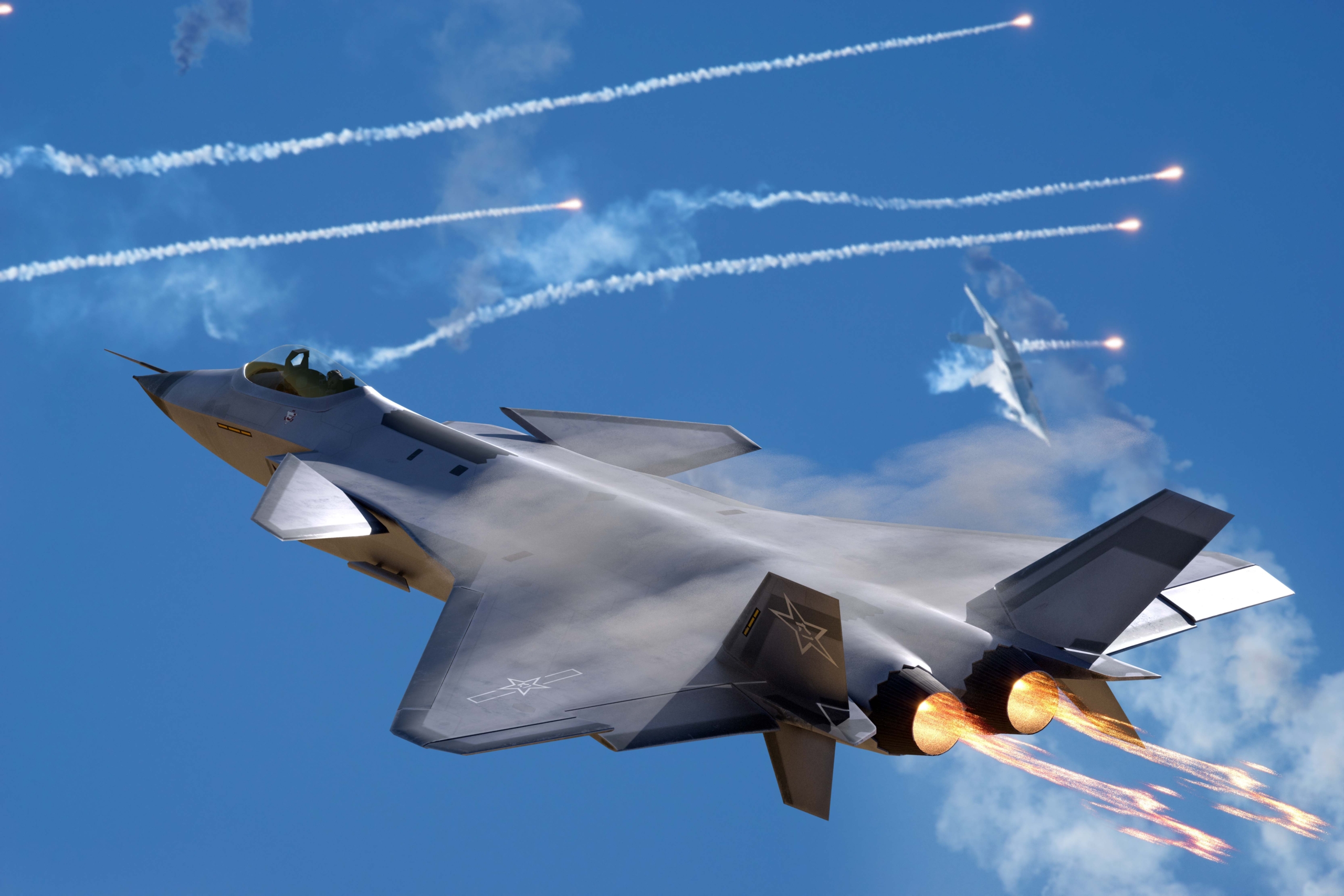
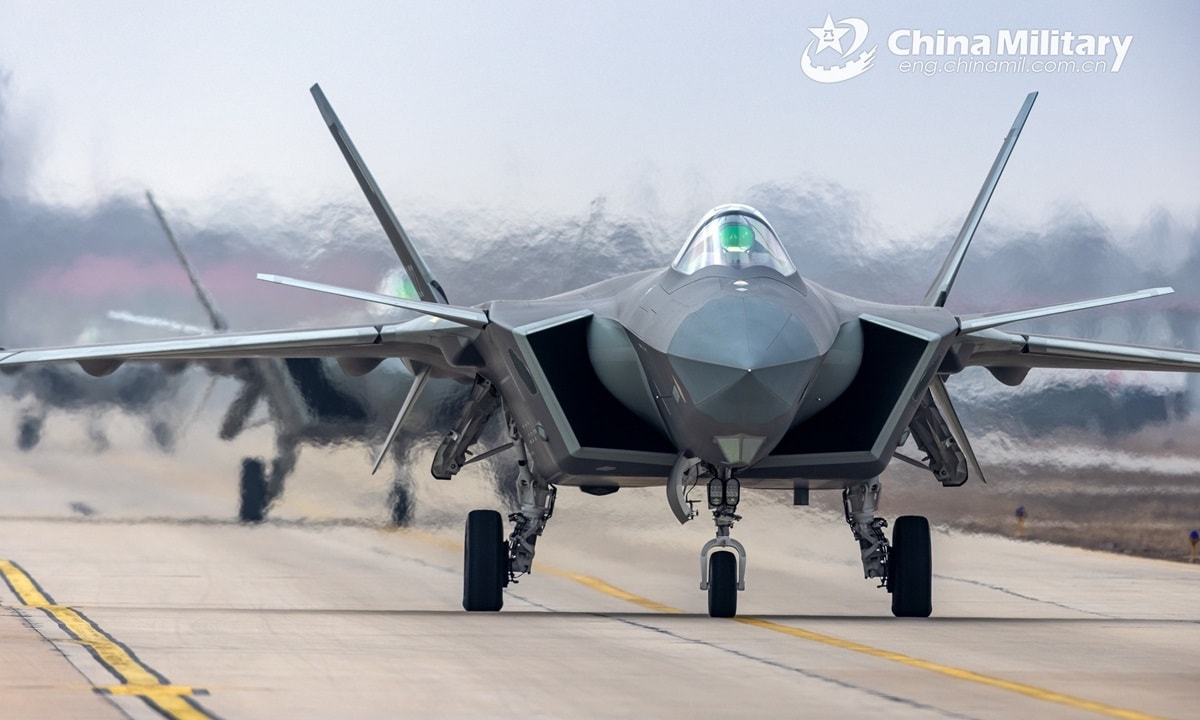
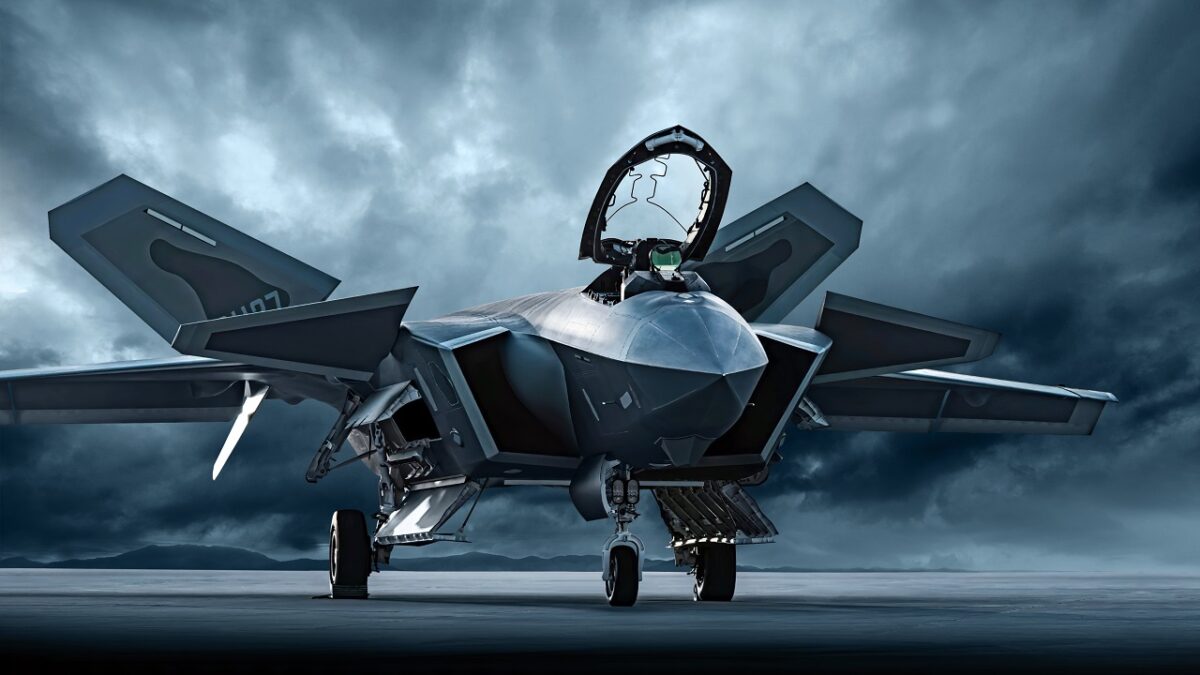
J-20 fighter. Image Credit: Chinese military.
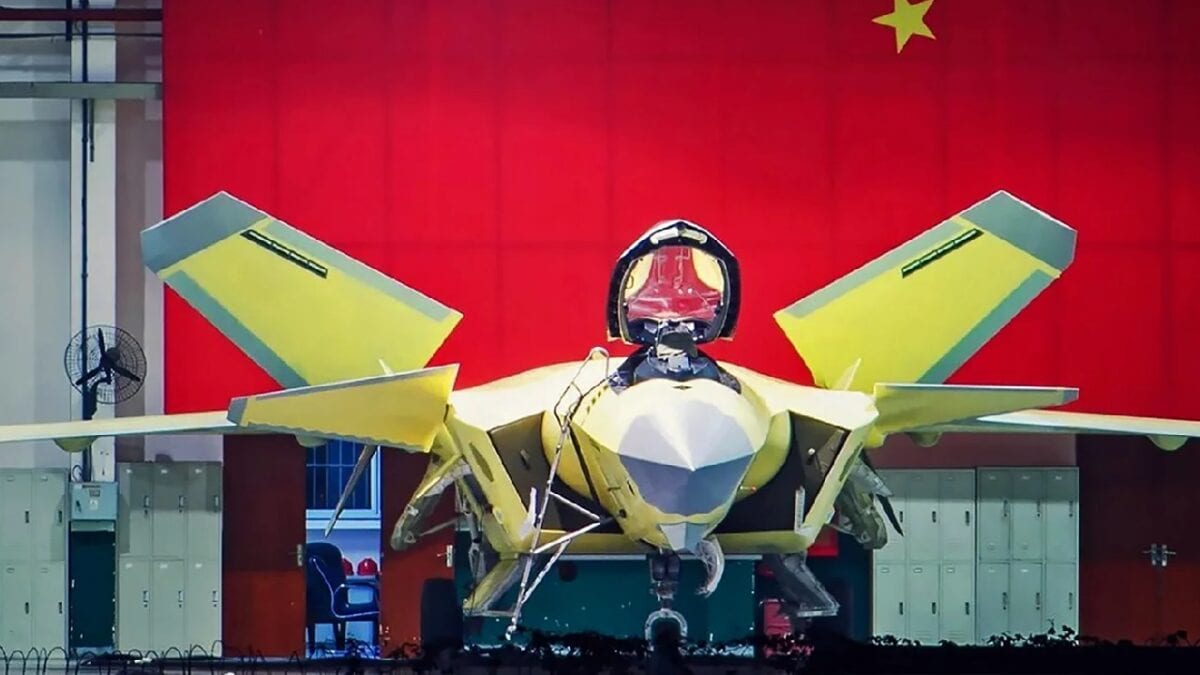
J-20. Image Credit: Chinese Internet.
THE J-20 MIGHTY DRAGON IS TRULY GETTING AN UPDATE
However, in a recent interview with a PRC-based publication, a Chinese military analyst has detailed the set of
improvements to be made to the J-20.
According to the long-time English-language Hong Kong newspaper, the
South China Morning Post (SCMP), the aircraft is due for an extensive program of major improvements.
The former Crown Colony daily writes the
J-20 stealth fighter with be receiving “avionics upgrades to its radar, engines, and AI integration to cement the fifth-generation jet’s pivotal position in aerial warfare.”
The military commentator who spoke to the SCMP, Zhang Xuefeng, appeared on a Saturday program for the state-controlled China Central Television (CCTV).
He explained that the J-20 has already demonstrated the ability to datalink in joint operations with People’s Liberation Army Air Force (PLAAF) stealth attack drone – as well as airborne early warning and control (AEWC) aircraft.
LEVELING THE PLAYING FIELD WITH THE U.S. AIR FORCE F-22
The initial goal of Chengdu Aerospace Corporation (CAC) was to develop an aircraft that would be an
effective counter to the US F-22.
Therefore, the J-20 was not just an achievement of the PRC’s industry in developing a new-generation fighter; it was also a challenge to the US Air Force (
USAF).
The twin-engined J-20 was also the first visible sign that the PLAAF was becoming a modern force, no longer tethered to Russian designs and technology as it had been since the 1980s.
The PRC had thought that having the J-20 in its arsenal would “level the playing field” with the US in the tactical aircraft sphere, as a retired defense intelligence officer from a NATO nation explained to
19FortyFive.
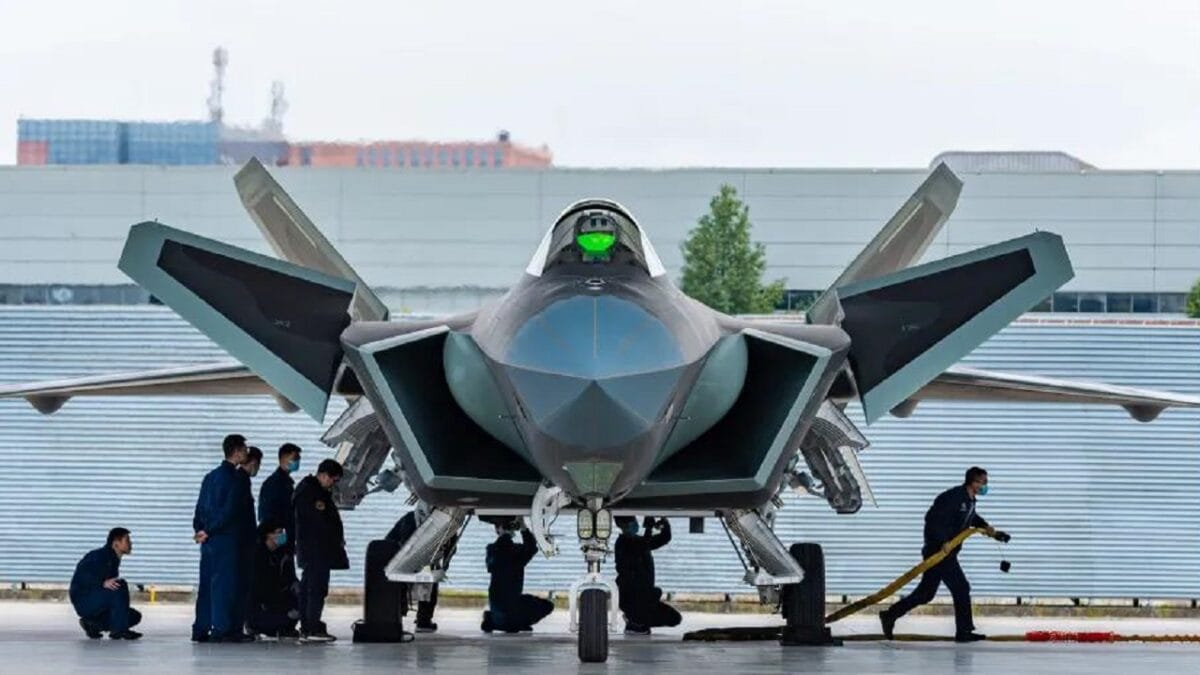
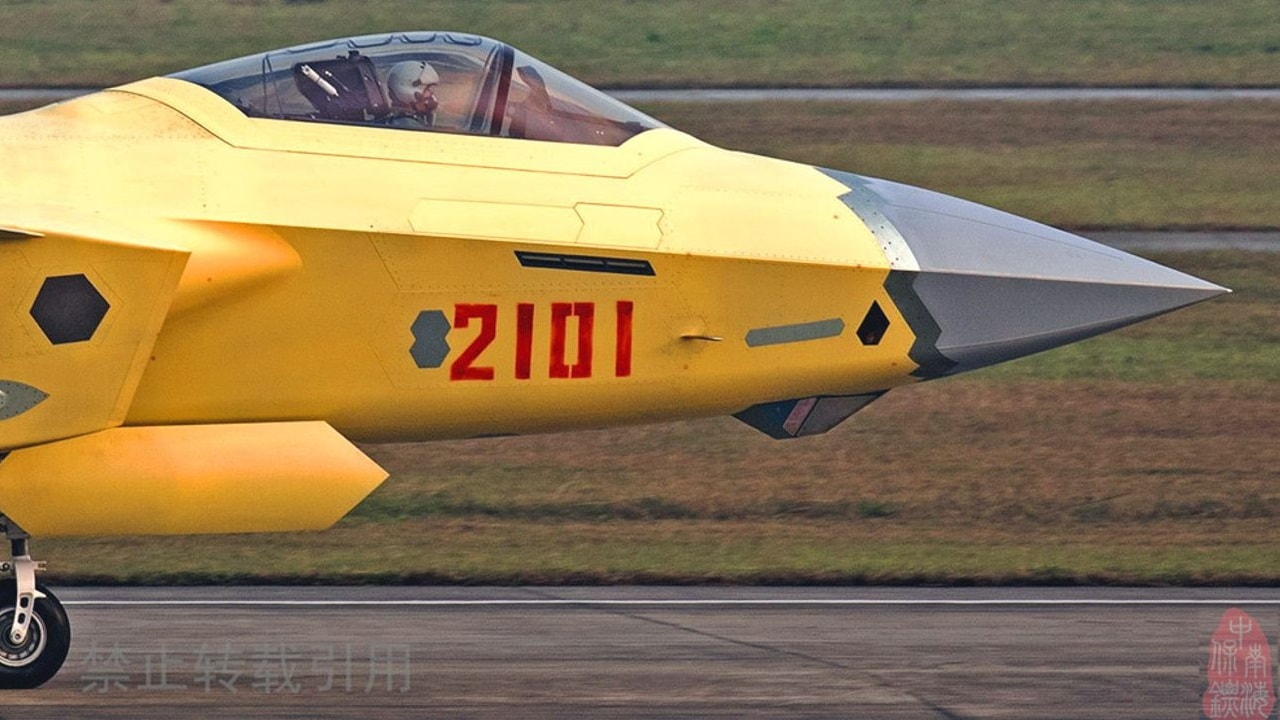
J-20 Stealth Fighter. Image Credit: Creative Commons.
J-20 Stealth Fighter. Image Credit: Artist Rendering/Creative Commons.
The problem from the Chinese perspective, as he explained, “is that the US and its allies have not been suitably terrified by the J-20.” It has proven to
demonstrate less than the F-22 level of stealth and has not been seen as equally capable as the US aircraft in
performance.
The
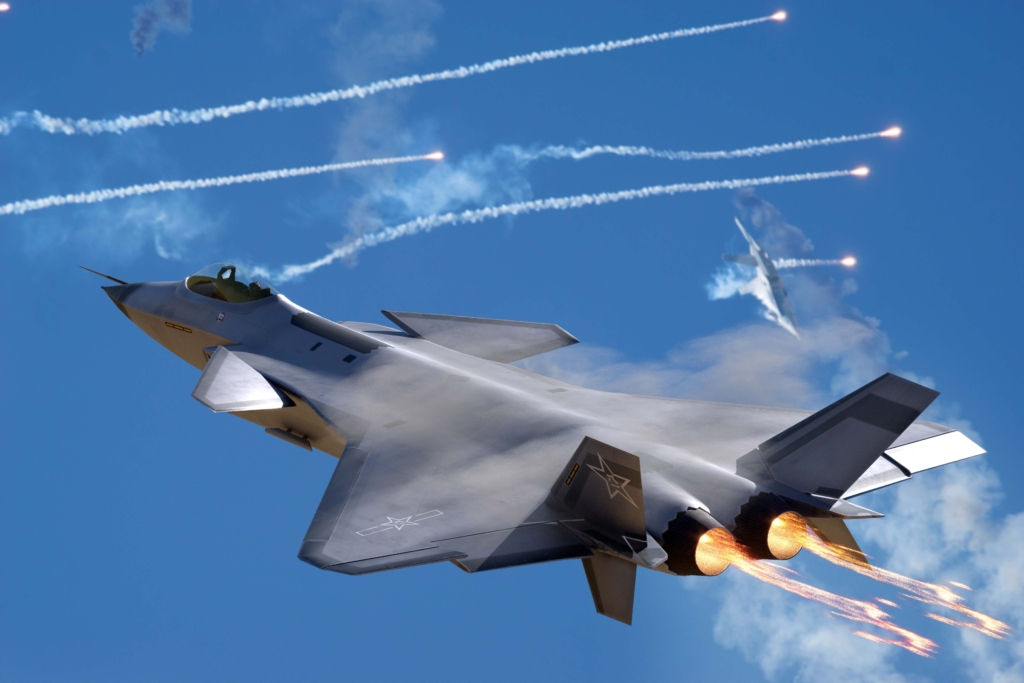
Chengdu Aircraft Corporation design team has created the J-20 with a blended body shape that reduces reflection, features radar-absorbent external coatings, and has its ordnance housed in an internal weapons bay.
The fighter jet is also capable of supercruise performance, super manoeuvrability, and the combat functions provided by advanced
avionics.
ROOM FOR IMPROVEMENT
Despite these officially-declared capabilities, PRC military experts are now saying that the aircraft’s existing technologies need to be refined.
“It needs to improve the performance of its avionics system, such as its radar and infrared searching and tracking,” Zhang said. “Its airborne weapons, or air-to-air missiles, will undoubtedly have increasingly longer ranges and stronger anti-interference capabilities. It is also crucial to continuously upgrade its engines.”
The J-20s were initially powered by Russian Saturn AL-31 engines – the same as flown in the Russian Su-27s in PLAAF
service.
More than a decade later, in September 2021, the design team switched to the WS-10C engines, which are said to have been designed and manufactured in China.
The last engine change was to the
Shenyang WS-15 Emei engine, which was always planned to power the
aircraft.
Zhang then added that AI integration, a worldwide military trend, would be another highlight of future developments for the J-20.
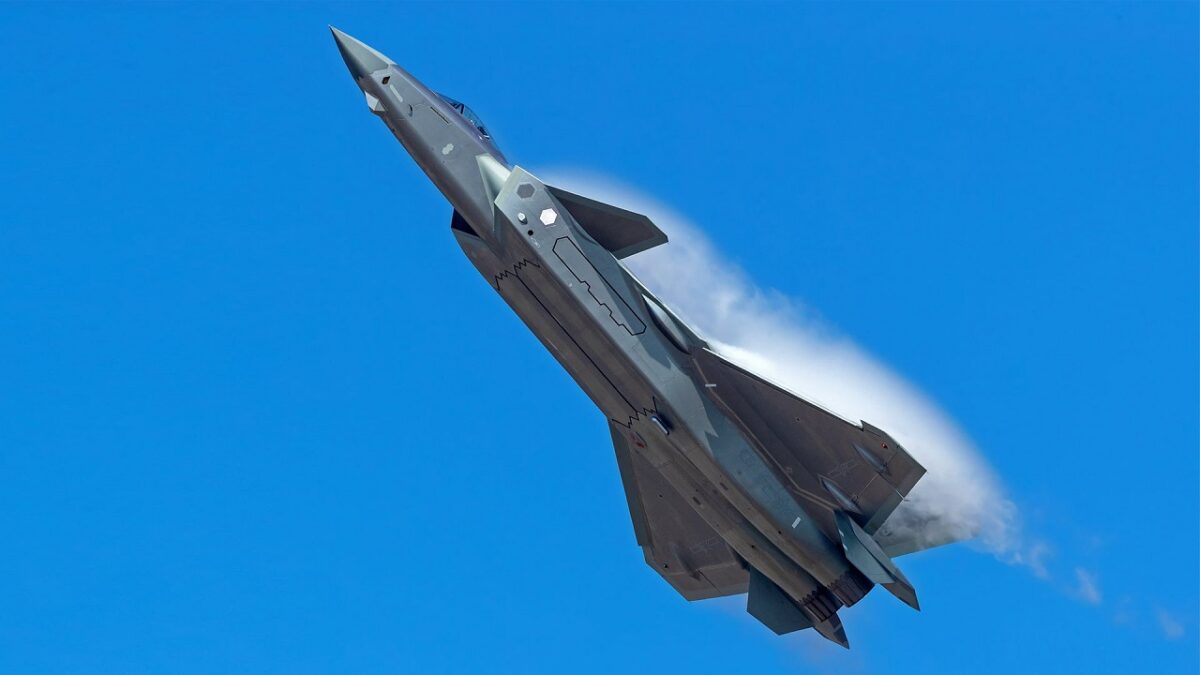
Chinese J-20 fighter. Image Credit: Creative Commons.
“If we equip our J-20s with an AI system in the future, it will be like having an extra assistant, which will enable the aircraft to leverage AI in air combat, particularly in medium-to-long-range and beyond-visual-range (BVR) battles to maximise the aircraft’s performance.”
At present, CAC is building 10 single-seat J-20A and two-seat J-20S every month for a total of 120 per year. This is a production tempo several orders of magnitude beyond that of almost all Western aircraft manufacturing
centers.
“If CAC are able to keep building at this rate – as well as upgrade all of the models turned out in previous production runs – they will pose a serious challenge to the US and its allies in the Asia-Pacific theatre,” said the NATO intelligence officer.
China’s J-20 hits 15 years and is slated for radar, engine, weapons, and AI upgrades—plus a high production tempo aimed at the Pacific fight.

www.19fortyfive.com

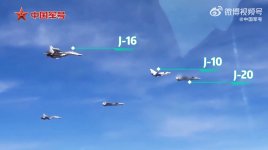





 Top: two-seat J-20S


 (@TheDeadDistrict)


 (@Xixi_2328857214)