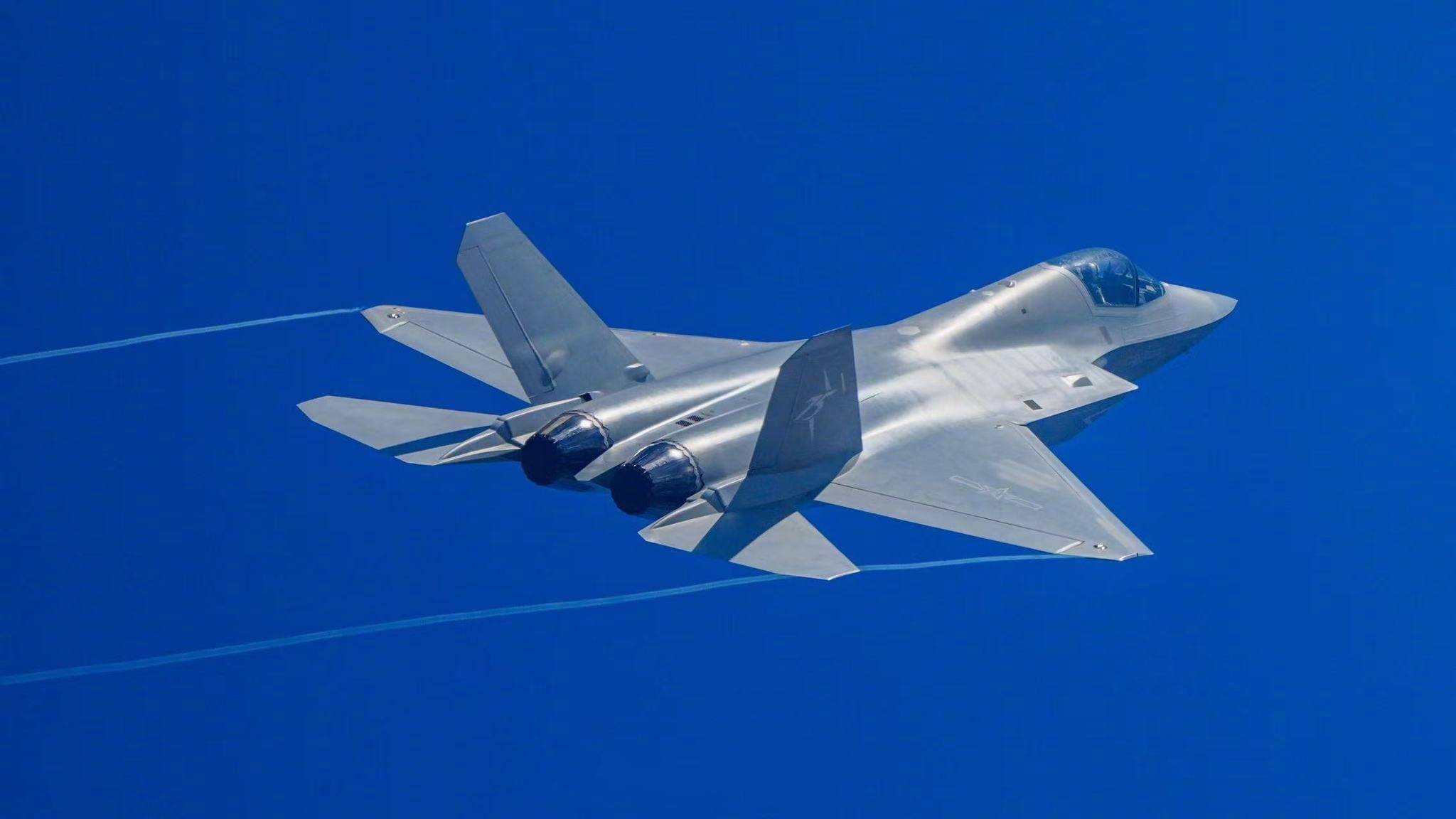
Why Egypt Chose the WJ-700: A Strategic Leap in Unmanned Combat Aviation
Introduction: Hard Lessons from Modern Battlefields
Field operations over the past decade—from Syria and Libya to Ukraine, Sudan, and regional confrontations across the Middle East—have exposed a systemic vulnerability in conventional turboprop-powered UAVs, even high-cost platforms. Three critical failure points emerged:
Factor Operational Deficiency Battlefield Evidence
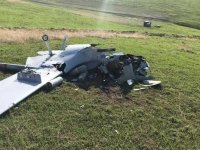
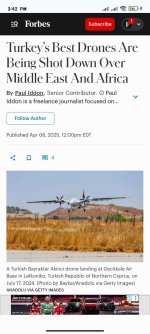
Speed 150–220 km/h prolonged exposure to air defense systems Significant attrition of Bayraktar TB2s against mid-tier Russian/Iranian air defenses (2020–2024). Source: Oryx (open-source visual confirmation)
https://www.oryxspioenkop.com)
Thermal Signature Turboprop exhaust easily tracked by IR systems Like PW-6 / Ivchenko-Progress Motor Sich AI-450T turboprop Mass losses of Sudanese UAV fleets (2025) to MANPADS and Chinese FK-2000 systems
Electronic Warfare Vulnerability Weak datalinks susceptible to jamming/spoofing Severe disruption of UAV operations during India-Pakistan clashes (mid-2025) via electronic countermeasures
Why Turkish UAVs as the benchmark? They dominate African and regional inventories including states with adversarial postures toward Egypt making them the most operationally relevant case study. Israeli UAVs, while advanced, remain limited in regional proliferation.
Strategic Conclusion: Investing in costly turboprop UAVs is no longer rational for militaries facing even mid-tier integrated air defense systems (IADS).
I. Why the WJ-700? A Paradigm Shift in Survivability Design
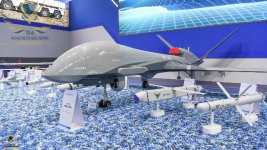
The Chinese WJ-700 is not merely a faster drone it represents a fundamental re-engineering of combat survivability:
Parameter Specification and Tactical Impact
Propulsion Turbojet/Turbofan (1,000 kgf thrust) 700–800 km/h cruise speed → outruns engagement envelopes of short-range SAMs (e.g., Pantsir-S1) before mission completion
Payload Capacity 800–1,200 kg Modular mission flexibility: ISR suites + EW pods + up to 4 miniature cruise missiles
Max Takeoff Weight 3,500–4,000 kg Optimal balance: 20-hour endurance (3,000+ km range) + operations from short/semi-prepared airstrips
Radar Cross-Section Aerodynamically refined airframe + RAM coatings 40–60% reduction in detectability vs. turboprop equivalents
 Egypt's Strategic Move:
Cairo did not purchase a "ready-made system." It acquired a re-engineerable platform—preserving core performance while enabling full indigenous redesign. This accelerates development timelines and de-risks first-of-type engineering. Notably, Egypt pioneered advanced UAV operations as early as 1988 with the Teledyne Ryan Scarab Model 324—decades before regional peers recognized the strategic value of unmanned systems.
II. Egypt's Strategy: From Consumer to Industrial Partner
The WJ-700 program transcends an arms deal—it anchors a sustainable national defense industrial base through four pillars:
1- Engine Supply Chain Sovereignty Avoiding dependency on politically volatile Ukrainian AL-222 engines
- Repurposing legacy WP-11 turbojets (from HY-2/HY-4 anti-ship missiles produced by Sakr factories in the 1980s)
- Integrating globally available alternatives (e.g., Teledyne CAE J69) with potential for local production under embargo scenarios
2 - Electronic Warfare Hardening
Hybrid integration of Western (German/Italian/French) datalink technologies with Chinese airframes:
- Multi-layer encryption (AES-256 + experimental quantum-resistant protocols)
- Anti-jamming via frequency-hopping spread spectrum (FHSS)
- Dual-redundant command links (LOS + SATCOM with failover channels)
3 - Modular Design Philosophy
Airframe redesigned to utilize 70% locally matured components (leveraging SW-EJUNE-30/Belarus co-development heritage)
- Enables rapid production of mission-specific variants:
- Long-range ISR variant
- Dedicated EW/stand-off jamming variant
- Strike variant armed with indigenous munitions (e.g., Egyptian MRT-ER cruise missile produced under license by Amston)
4 - Operational Economics
- Cost-per-kill at 1,000 km range (WJ-700 + miniature cruise missile) ≈ 20% of manned fighter
expenditure (including pilot risk, fuel, maintenance)
- Domestic demand (200+ units over 10 years) drives unit cost reduction by ≥40%, enabling
future export viability
III. Integration into a Layered Combat Ecosystem
Egypt's vision extends beyond a single platform—it embeds the WJ-700 within a tiered UAV architecture:
Tier Platforms Role
Tier 1 SW-EJUNE-30, AHMOS Short-range ISR + laser designation
Tier 2 WJ-700, CH-9D/CH-5C, Wing Loong 2/3 Deep strike + EW escort + miniature cruise
missile carrier
Tier 3 Future heavy UCAVs (technology transfer path) High-value target prosecution
This layered approach enables distributed operations across dozens of dispersed UAV pads—not just major airbases—ensuring mission continuity even after conventional infrastructure degradation (a critical lesson from Ukraine). Egypt has systematically expanded UAV-specific landing sites across the Western Desert, Sinai, and Upper Egypt to enable this distributed basing model.
IV. Technology Transfer Without Political Friction: A Unique Model
Egypt avoids the "reverse engineering trap" that alienates original equipment manufacturers (e.g., China's restrictions on Pakistan) through:
- Transparent licensing agreements with Chinese partners permitting local redesign under fair royalty terms
- Hybridization strategy: Integrating non-Chinese subsystems (engines, datalinks) transforms the platform into an "Egyptian-Chinese hybrid" exempt from Chinese export controls
- Legacy asset repurposing: Converting older Wing Loong 2s to civilian roles (cloud seeding, climate monitoring) maximizes return on prior investments
V. Why This Program Sets a Regional Benchmark
1- Operational Realism: Rejection of overpriced Western UAVs with proven battlefield
vulnerabilities (Sudan/Ukraine) and Iranian platforms relying on quantity over quality focusing instead on regionally relevant threat envelopes.
2 - Industrial Sustainability: Building genuine local manufacturing capability through intelligent
technology absorption—not mere import dependency.
3 - Tactical Agility: Converting tactical platforms (e.g., Czech UAVs) into strategic assets by
extending range from 250 km to 3,000 km through indigenous upgrades.
4 - Economic Warfare: Minimizing cost-per-effect—a decisive factor in protracted conflicts.
Final Assessment: Egypt's WJ-700 program is not about acquiring weapons—it's about constructing a survivable, sovereign, and scalable unmanned combat ecosystem. In an era where air defense systems evolve faster than platforms, survivability—not payload or range—determines battlefield relevance. Egypt is building the template others will follow.
Note: All operational data referenced aligns with open-source verification standards (Oryx, IISS, Janes). Specific attrition percentages reflect conservative estimates from visually confirmed losses to avoid overstatement.

www.oryxspioenkop.com
https://www.twz.com/air/ukraines-tb...king-russian-forces-again-after-a-long-hiatus
aviation-safety.net
https://theaviationist.com/2023/05/05/ukraine-shot-down-own-tb2-drone/
https://aviation-safety.net/wikibase/312108
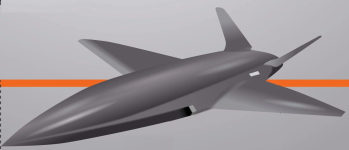
NEXT STAGE
We must not forget the historical cooperation with China through requesting upgrades to Chinese-supplied drones to surpass the capabilities of original versions such as the WING LONG-1E/G, the MQ-1C, and other models.
American equivalent MQ-20


is in advanced talks with the Swedish company Saab
to acquire the GlobalEye early warning aircraft.


 .
.