Meengla
Elite Member


Plus there was no acceptable way to topple the Iranian govt.
 www.ynetnews.com
For weeks, U.S. President Donald Trump tried to project that he was under no pressure: not from oil prices, not from the stock market, not from political considerations and not from the approaching midterm elections. But this week, at the G-7 summit in France, came the moment of admission: Trump publicly acknowledged that continuing the war with Iran could have led to an “economic catastrophe” — and that this was a central factor behind the decision to pursue an agreement.
Trump himself put it bluntly at the summit, saying that if people wanted to understand what chaos would look like, they should consider that U.S. stockpiles could be depleted in about four weeks. He also warned that had the strait not reopened, the world would have been nearing what he described as an economic catastrophe, hinting that such a scenario would have drawn comparisons between him and Herbert Hoover, the president in office when the 1929 crash and the Great Depression began.
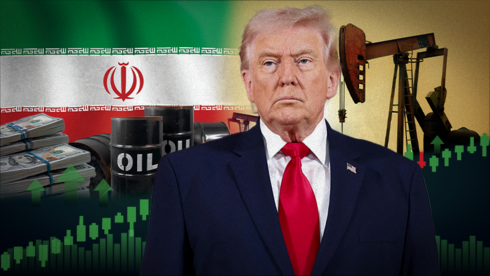
Behind Trump's confession: the 'oil catastrophe' that pushed him to cut losses in Iran
After months of dismissing oil prices, markets and midterms, Trump admitted the war could have sparked 'economic catastrophe'; Hormuz has reopened but stockpiles are low and markets warn the deal may have come too late
www.ynetnews.com
Behind Trump's confession: the 'oil catastrophe' that pushed him to cut losses in Iran
After months of dismissing oil prices, markets and midterms, Trump admitted the war could have sparked 'economic catastrophe'; Hormuz has reopened but stockpiles are low and markets warn the deal may have come too late.
Behind Trump's confession: the 'oil catastrophe' that pushed him to cut losses in Iran
After months of dismissing oil prices, markets and midterms, Trump admitted the war could have sparked 'economic catastrophe'; Hormuz has reopened but stockpiles are low and markets warn the deal may have come too late
For weeks, U.S. President Donald Trump tried to project that he was under no pressure: not from oil prices, not from the stock market, not from political considerations and not from the approaching midterm elections. But this week, at the G-7 summit in France, came the moment of admission: Trump publicly acknowledged that continuing the war with Iran could have led to an “economic catastrophe” — and that this was a central factor behind the decision to pursue an agreement.
Trump himself put it bluntly at the summit, saying that if people wanted to understand what chaos would look like, they should consider that U.S. stockpiles could be depleted in about four weeks. He also warned that had the strait not reopened, the world would have been nearing what he described as an economic catastrophe, hinting that such a scenario would have drawn comparisons between him and Herbert Hoover, the president in office when the 1929 crash and the Great Depression began.
Last edited: