Chinese Economy: General News, Updates and Discussions

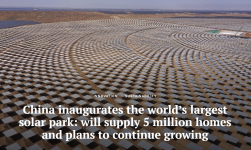
China inaugurates the world’s largest solar park: will supply 5 million homes and plans to continue growing
搜狗截图20251014102727.png
13 October, 2025

In a new milestone for the global energy transition, China is advancing with the construction of the world’s largest solar park.

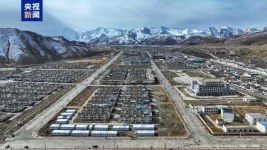
This is the Talatan Solar Park, in Gonghe County, Qinghai Province.

This is part of a broad system of renewable energies that China is expanding day by day.

In this way, the Asian nation is getting to work to achieve a constant 3% annual reduction in emissions and meet its goal of carbon neutrality by 2060.

What the world’s largest solar park is like

Currently, the Talatan Solar Park has a capacity of 16,930 megawatts.

However, the facility continues to expand, aiming to grow up to 10 times the area of Manhattan in three years.

Thus, although it is already the largest park in the world with 420 km2 (seven times the area of Manhattan), 610 km2 are projected for the future.

Additionally, near the park, China also operates wind energy (4,700 megawatts) and hydroelectric dams (7,380 megawatts).

The project, equipped with 7,000,000 solar panels, will generate electricity for five million Chinese homes.

This will arrive through high-voltage lines that transport electricity over more than 1,600 kilometers.

Parque solar Talatan en China
Parque solar Talatan en China.

China advances in clean energy with massive investments

The magnitude of the project is part of a massive investment by China in clean energy.

Between January and June 2025, 212 GW of solar capacity were installed, a figure that alone surpasses the total accumulated in the United States.

This expansion had an immediate effect: the country’s carbon emissions decreased by 1% in the first half of 2025.

According to Li Shuo of the Asia Society Policy Institute, it is a “moment of global significance” that demonstrates that emission reduction can coexist with economic evolution.

As of today, photovoltaic energy already surpasses hydro as the main source of clean generation in China, and is approaching wind energy.

Thus, by 2030, China is expected to reach 1,200 GW of combined energy between solar and wind.

More than energy: the ecological restoration

Additionally, the Tibetan solar park will not only produce electricity.

This is because the panels also function as wind barriers, reduce soil evaporation, and allow for vegetation regeneration.

On the other hand, the installation enables thousands of sheep to graze in the shade of the panels, benefiting their habitat.

Thus, this ecological combination transforms the territory in the following ways:

  • reduces erosion;
  • decreases evapotranspiration;
  • favors vegetation and local fauna, and;
  • creates a productive ecosystem that integrates energy generation and environmental restoration.
Parque solar Talatan en China

Cleaner energy to boost electric mobility

On the other hand, the expansion of clean energy is essential in a key business where China aims to be a pioneer: electric mobility.

This is because, for the advancement of electric vehicles without dependence on fossil sources, the expansion of clean generation and the strengthening of the electrical grid are essential.

A reliable renewable grid would boost the deployment of fast charging stations and a more sustainable automotive fleet.

The Tibetan plateau: China’s large-scale clean energy laboratory

The Talatan Solar Park is just part of the extensive network of clean energy industries that China is building on the Tibetan plateau, the highest in the world.

The goal is to harness the region’s intense sun, low temperatures, and extreme altitude to produce low-cost renewable energy.

To supply the plateau with almost all the electricity it needs, including artificial intelligence data centers, China even had an original idea.

They managed to have the wind turbines -also present in the park- capture the night breezes that balance the daytime energy of the solar panels.

No other country takes advantage of great altitudes to generate solar, wind, and hydroelectric energy on a comparable scale.

This effort exemplifies how China has come to dominate the clean energy sector.

This was achieved through investment and government planning, allowing it to reduce its dependence on fossil fuel imports.

China’s climate commitment

Although China still burns as much coal as the rest of the world combined, President Xi Jinping made a remarkable promise before the United Nations.

He stated for the first time that the country will reduce its greenhouse gas emissions across its entire economy and sextuple renewable energy in the coming years.

Today, renewable energy supplies 48,000 kilometers of high-speed railways and China’s growing fleet of electric cars.


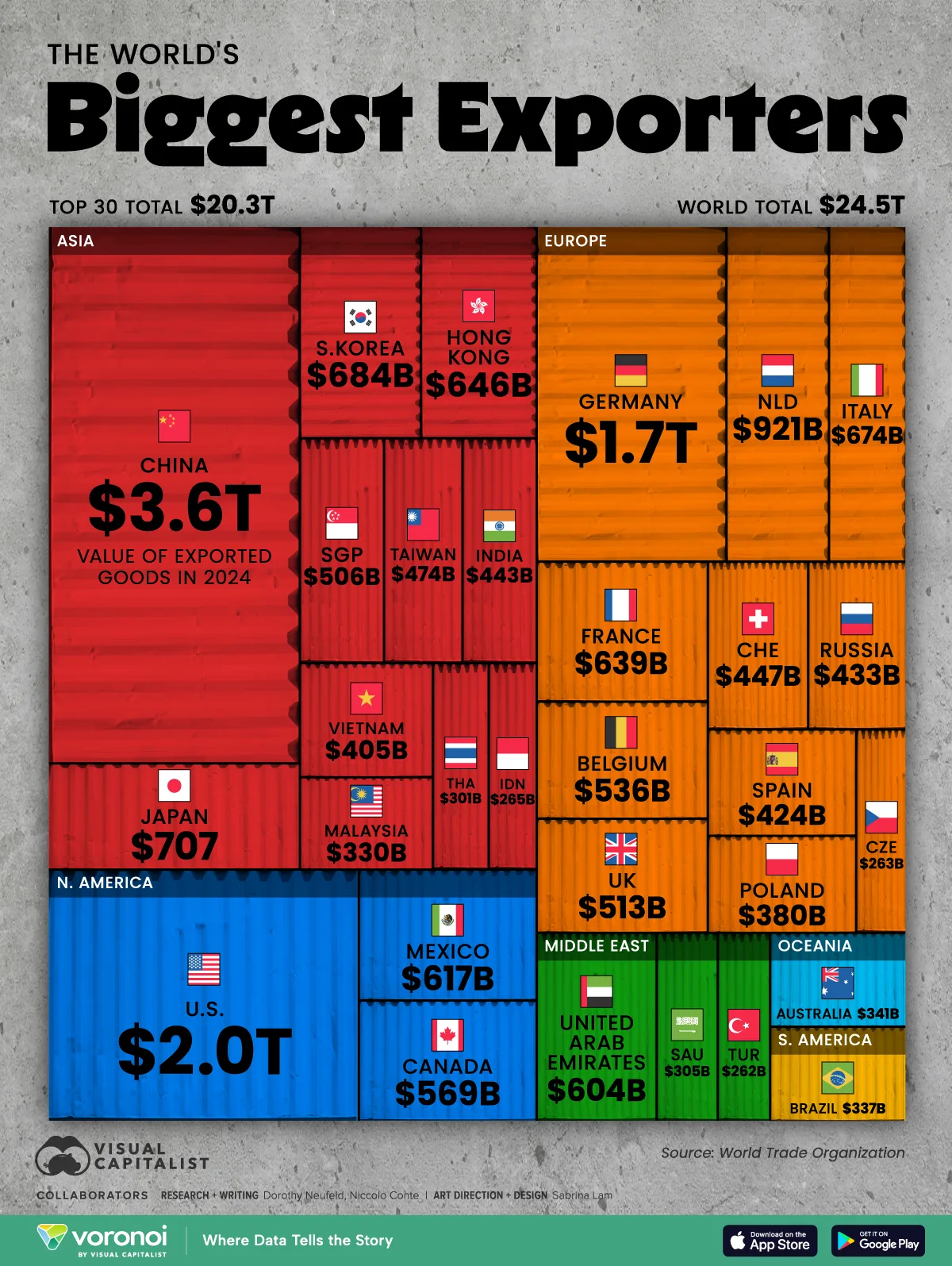
Ranked: The World’s Top 30 Countries by Exports​

October 13, 2025

The-Worlds-Biggest-Exporters_website_Oct9.webp


Key Takeaways​

  • China accounted for 14.6% of global exports of goods in 2024, the highest share overall.
  • Vietnam, Hong Kong SAR, and France each saw double-digit export growth, while exports contracted the sharpest in Australia.
Outside of America, the world is buying China’s goods more than ever.

Despite being a primary target of U.S. tariffs, China has deepened trade ties across Africa, Southeast Asia, and Europe in 2025. Yet as China cements its position as a global trading powerhouse, America is increasingly focusing on becoming more self-sufficient.

This graphic shows the top 30 biggest exporters in the world, based on data from the World Trade Organization.

微信图片_2025-10-14_221237_989.png
China grew its exports by 6% in 2024 to reach $3.6 trillion, further widening its lead over America.

To look at it another way, 36% of global export containers hold Chinese goods. Not only that, China is on track to see record shipments in 2025 across Latin America, Africa, and Asia.

The U.S. remains the world’s second-largest exporter, with $2.1 trillion in exports last year. Between January and July 2025, Canada and Mexico accounted for roughly 30% of American export demand.

Ranking in third is Germany, with exports shrinking 1% over the year to $1.7 trillion, while the Netherlands followed with $921 billion in exports.

Meanwhile, Vietnam, Hong Kong SAR, and France saw the fastest export growth—rising 14%, 12%, and 11%, respectively. In particular, Vietnam’s surge was fueled by strong shipments of oil, coffee, and rice amid shifting global supply chains.
 
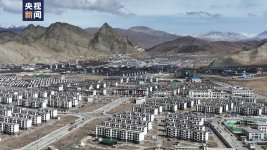
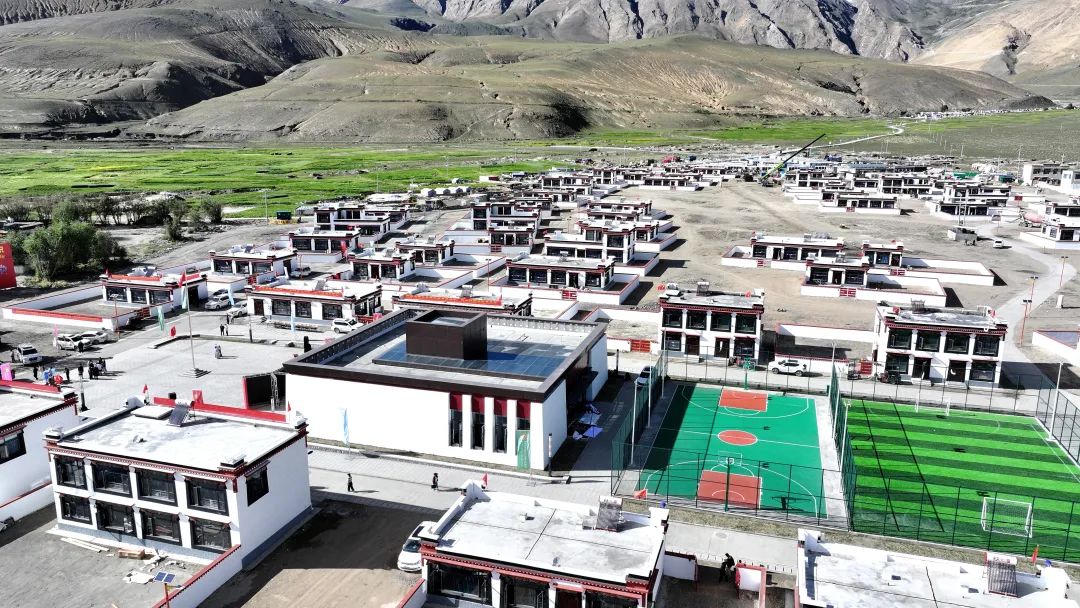
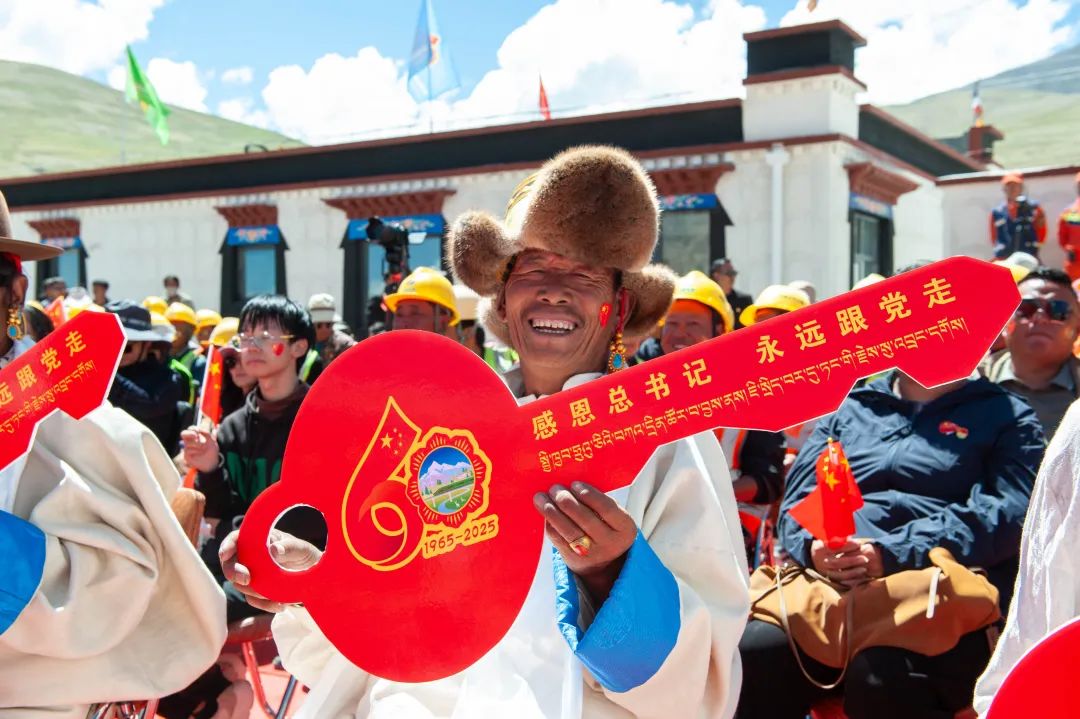
Tibetan earthquake victims moved into newly government built earthquake resistant houses in August, half a year after the massive earthquake which destroyed their old houses early this year.

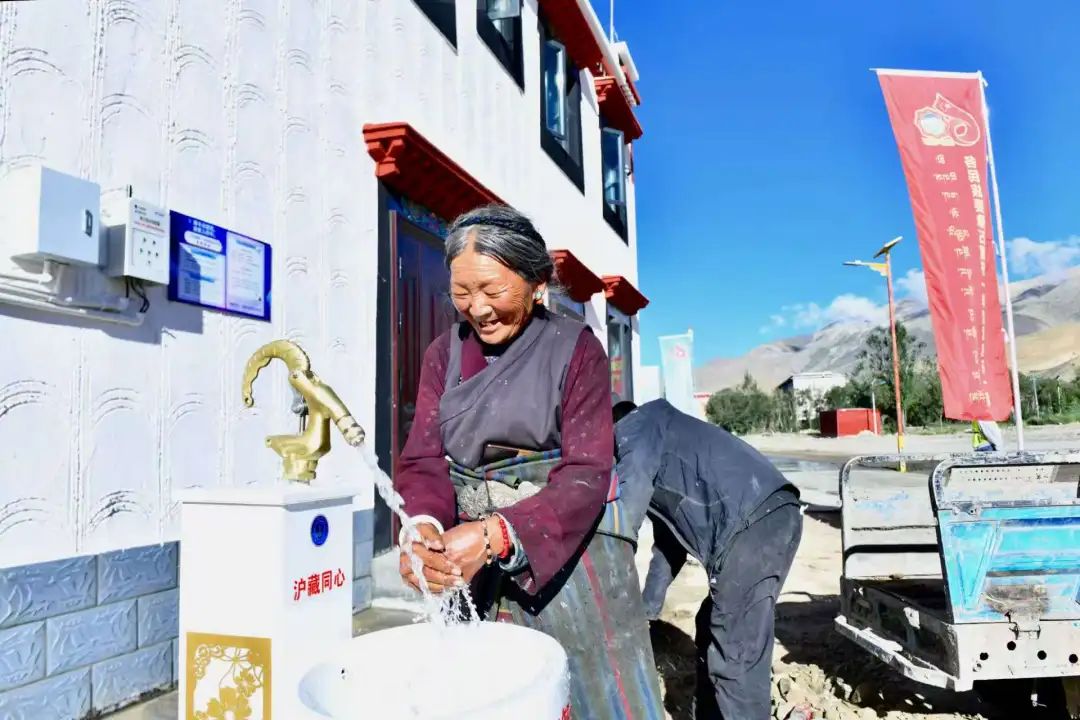
All new houses are eathquake resistant together with all modern facilities such as hot water, flush toilet, central heating, gas for cooking, high speed internet...

To view this content we will need your consent to set third party cookies.
For more detailed information, see our cookies page.
 
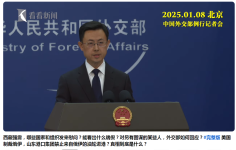
"Tibetan loving" Indian and western government didn't give a penny to Tibetan quake victims while the central government provides billions, once again general Tibetan population witness "Tibetan lovers" hypocracy.

Which part of government you don't know?
did China asked for donations from western govts? and why China needs penny from western govts, you have multi- trillion economy, didn't you? stop propaganda
 
did China asked for donations from western govts? and why China needs penny from western govts, you have multi- trillion economy, didn't you? stop propaganda
Do countries need to ask help for such a massive disaster? Since US and the west as a whole seem so concerned about "human rights" in Tibet, why they all became silent after seeing Tibetans suffer in this huge earthquake?
 
西藏定日6.8级地震灾后重建最新进展
Tingri County Tibet is the worst hit region in the earthquake.
Now all quake victims moved into their new government built quake resistant homes before the arrival of winter.

78310a55b319ebc4c8bd34b9d2c579f31f17163f.webp
1c907522987b9d5e2c152aa07856f5e7.jpeg
 
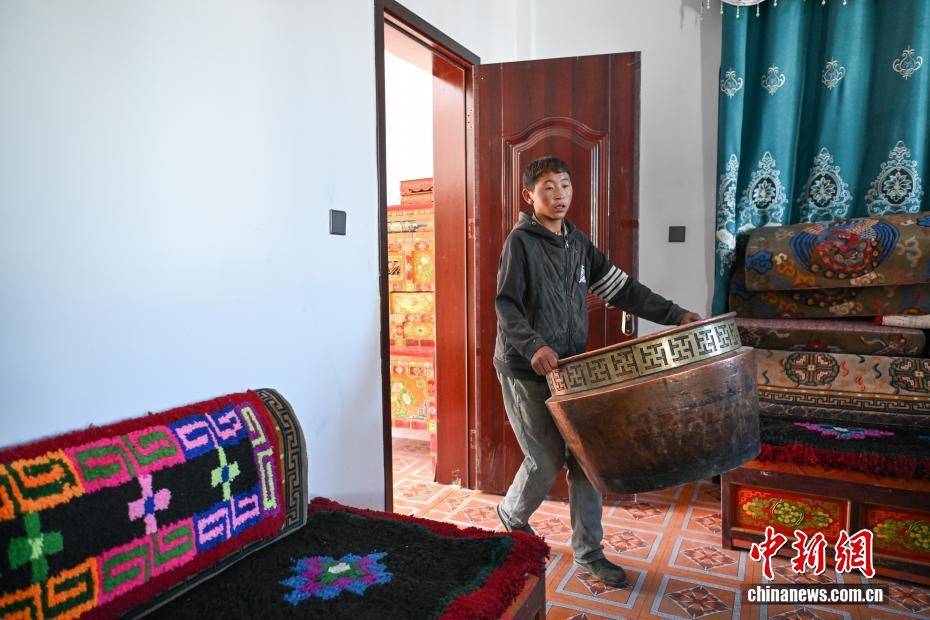
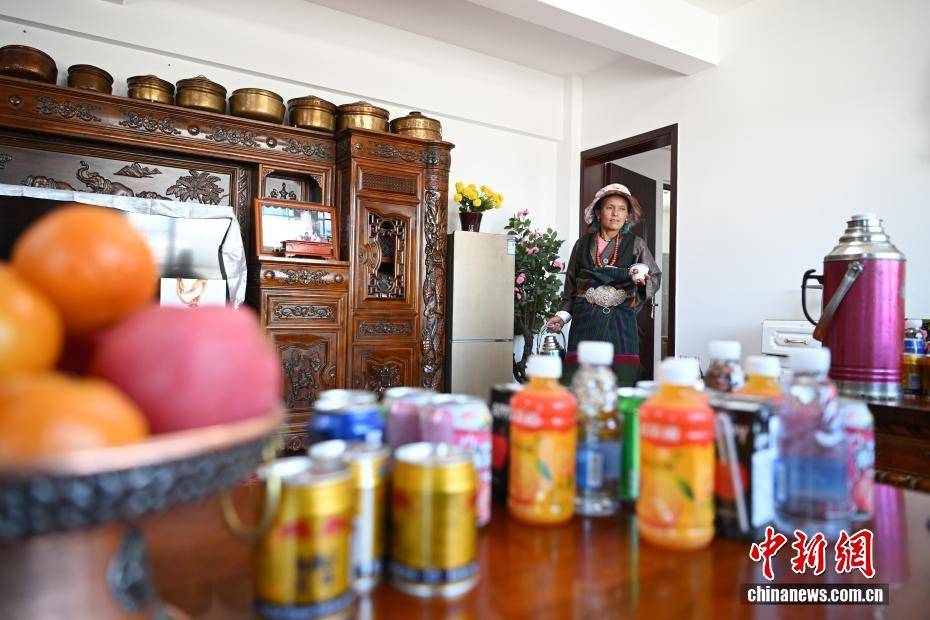
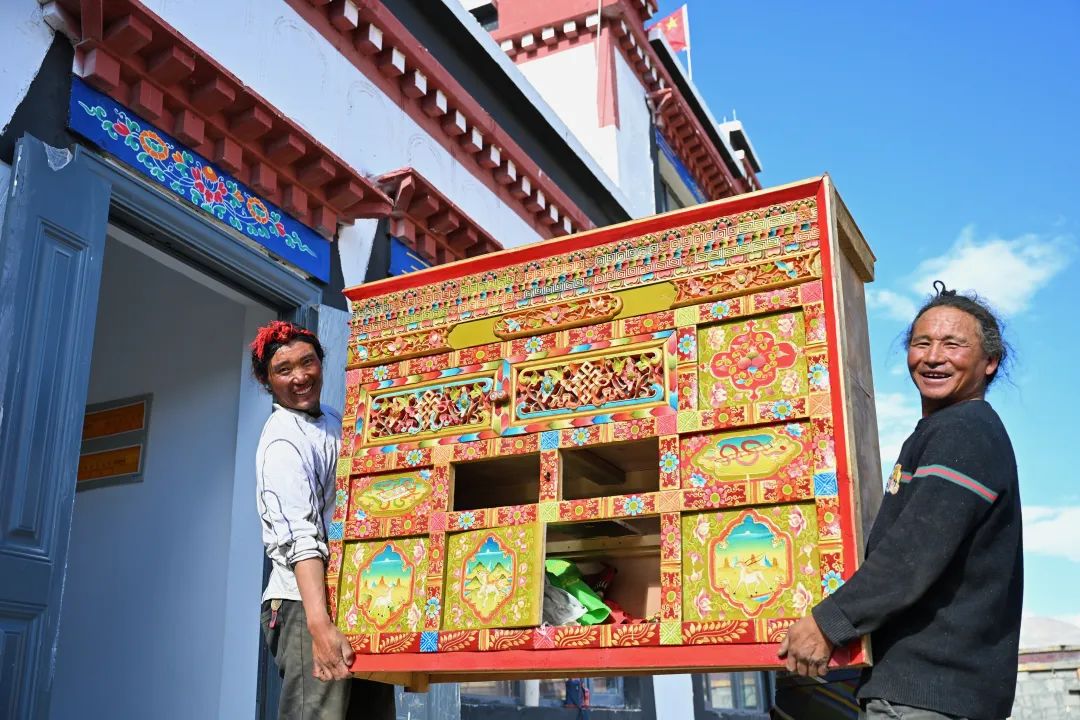
Quake victims started to move into new homes in August, half a year after the earthquake which razed their old houses to the ground.

New home warming ceremony in August.
hNEcOABMunIrbuku.jpg

fUKO9kEwC7H6Watl.jpeg

XxOcIHCxjeiSH6E3.jpg

zdpfCS7DtbekFURu.jpg
 
Last edited:
Do countries need to ask help for such a massive disaster? Since US and the west as a whole seem so concerned about "human rights" in Tibet, why they all became silent after seeing Tibetans suffer in this huge earthquake?
Yes, effective country must appeal to the world for donations and need a foreign help, because that effective country has no funds and man power to manage the disaster,, just like inn 2004 earthquake in Indonesia and in 2005 Kashmir earthquake where Pakistan appeal to the world we need assistance from the world

and Last how the world knows that effective country needs a foreign help and donations from the world without appealing? Sorry dude you have NO LOGIC
 
Quake victims started to move into new homes in August, half a year after the earthquake which razed their old houses to the ground.

New home warming ceremony in August.

Lm9BMeCgzRpOlKIB.jpg

AR89D4hIfVKaNrxY.jpg

gcC214sX0doi1QJu.jpg

TixXtREtw7iCRKQY.jpg
 
Last edited:
Yes, effective country must appeal to the world for donations and need a foreign help, because that effective country has no funds and man power to manage the disaster,, just like inn 2004 earthquake in Indonesia and in 2005 Kashmir earthquake where Pakistan appeal to the world we need assistance from the world

and Last how the world knows that effective country needs a foreign help and donations from the world without appealing? Sorry dude you have NO LOGIC
23 governments sent condolences and offered help, not including US.
微信图片_2025-10-15_004239_328.png
 
Quake victims started to move into new homes in August, half a year after the earthquake which razed their old houses to the ground.

New home warming ceremony in August.
f361546de94b44c090c024f98b9a0e85.jpeg

5ac9cea449214bf0835bfa7af7ac7464.jpeg

1826dae1dc1d4e80b5d851408a3ca68e.jpeg

0ddb1e5d96d341d9ac4b5f61d86414c5.jpeg

992fd3b288c74f9f855fc69e2a9edb8a.jpeg

9b928a4ad0544a93a4edcf908d01272d.jpeg
 
Quake victims started to move into new homes in August, half a year after the earthquake which razed their old houses to the ground.

New home warming ceremony in August.
W020250816420922637043.jpg

W020250816420922604465.jpg

W020250816420922622802.jpg

W020250816420922647985.jpg

W020250816420922661741.jpg

W020250816420922670041.jpg
 
3月3日,震后第55天,灾后恢复重建工作启动;

5月11日,震后第124天,首栋民房主体封顶;

8月15日,震后第220天,首批2578户12139人入住新居。

On March 3, 55 days after the earthquake, post-disaster recovery and reconstruction work began.

On May 11, 124 days after the earthquake, the main structure of the first residential building was topped out.

On August 15, 220 days after the earthquake, the first 2,578 households and 12,139 people moved into their new homes.
 

Users who are viewing this thread

Back
Top