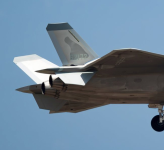
China’s Top Stealth Fighters Launch Air-to-Air Missiles from Stratosphere in Latest Combat Exercises
Military Watch Magazine Editorial Staff
August-5th-2026
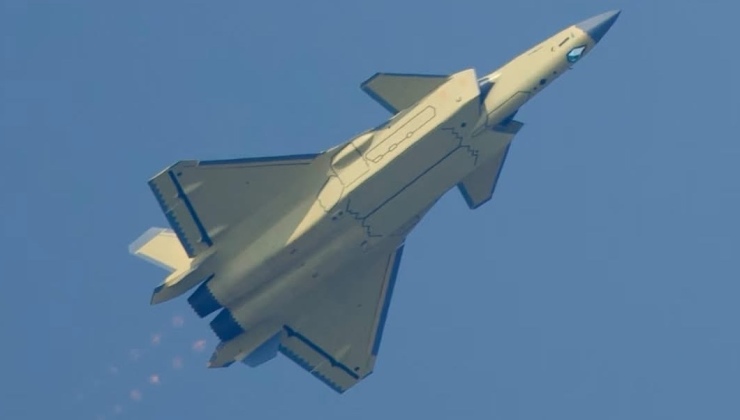
Footage recently released by Chinese state media has provided a rare look at the People's Liberation Army Air Force's most capable fighter type, the J-20, conducting an air-to-air missile launch during a training exercise.
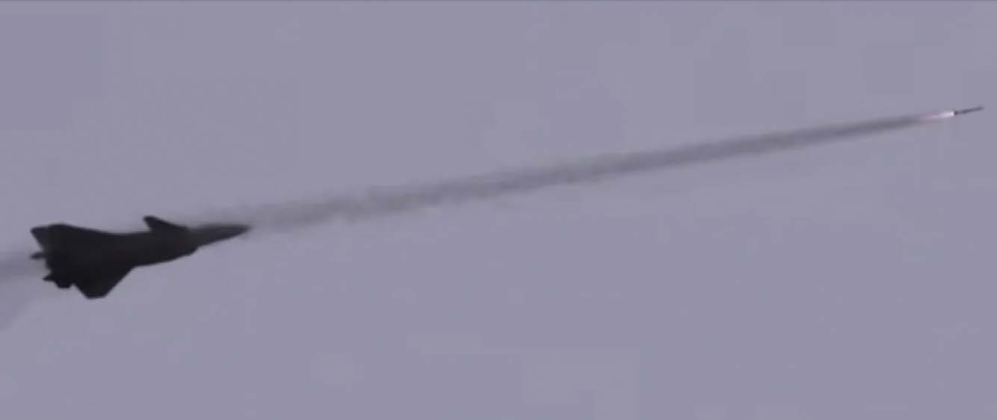
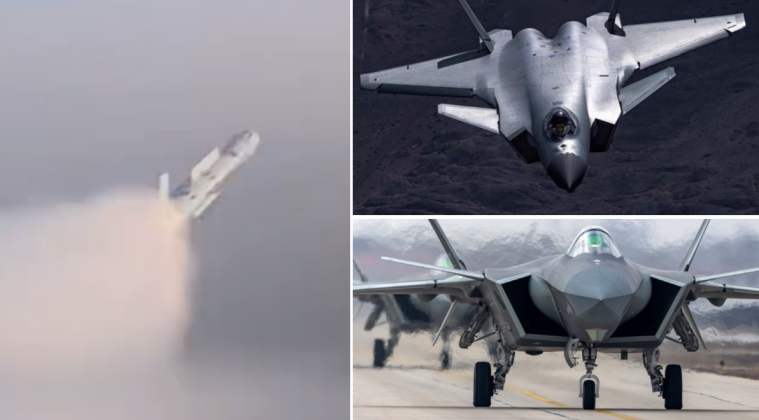
The footage shows a J-20 releasing a PL-10 short-range infrared-guided air-to-air missile while flying at high altitude, before the missile successfully intercepts its target. Such footage remains uncommon, as China has traditionally released only limited imagery of the operational employment of its premier combat aircraft.
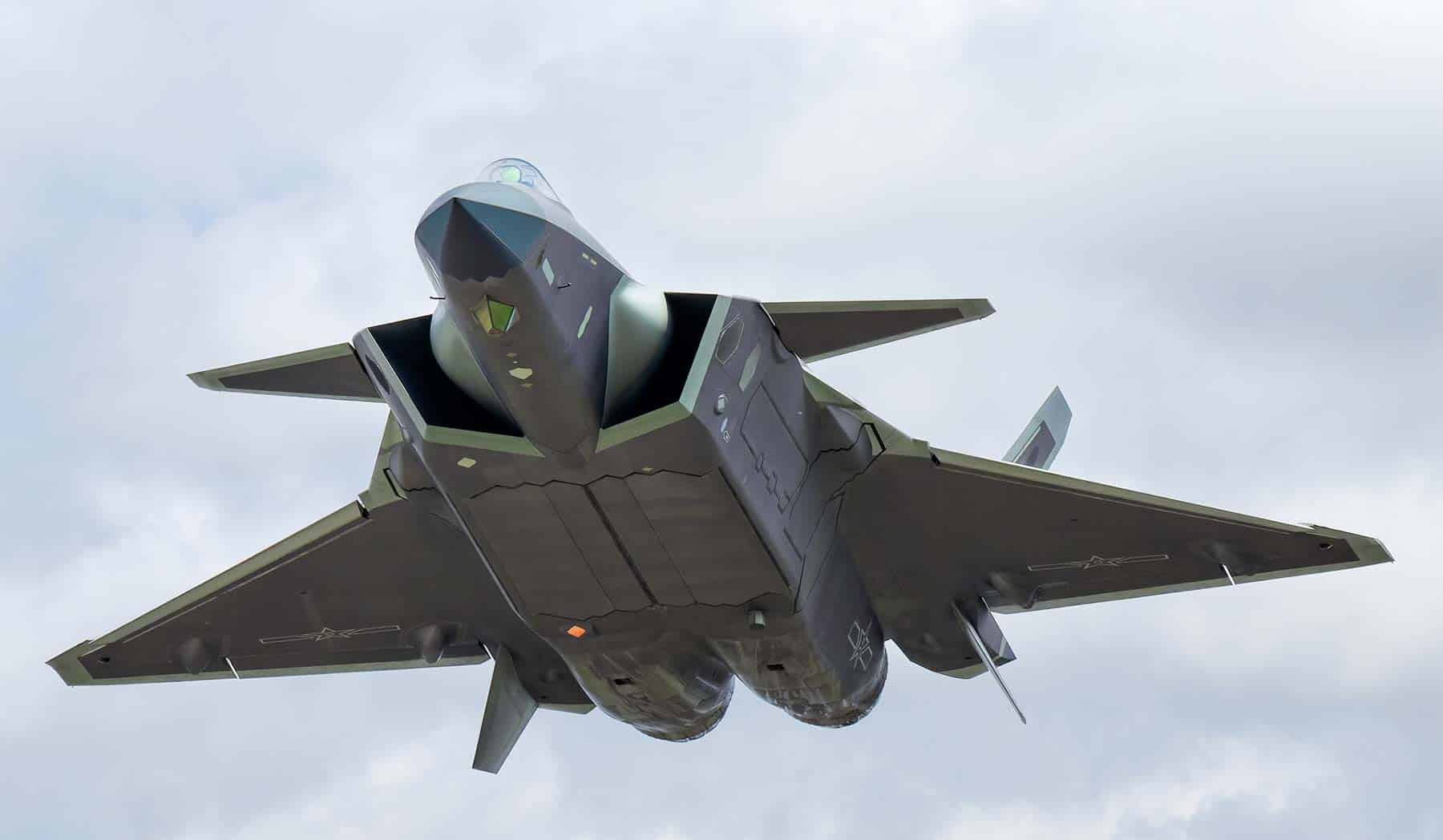
The J-20 was the first fifth generation fighter type developed outside the United States to enter service, and is widely considered the world's most capable fighter in terms of air-to-air combat potential.
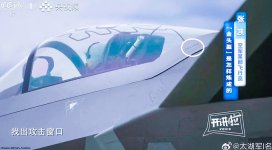
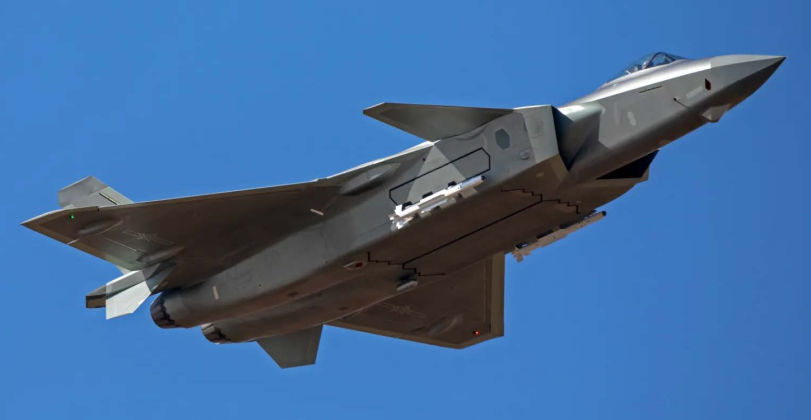
J-20 with PL-10 Missiles in Firing Position
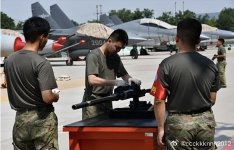
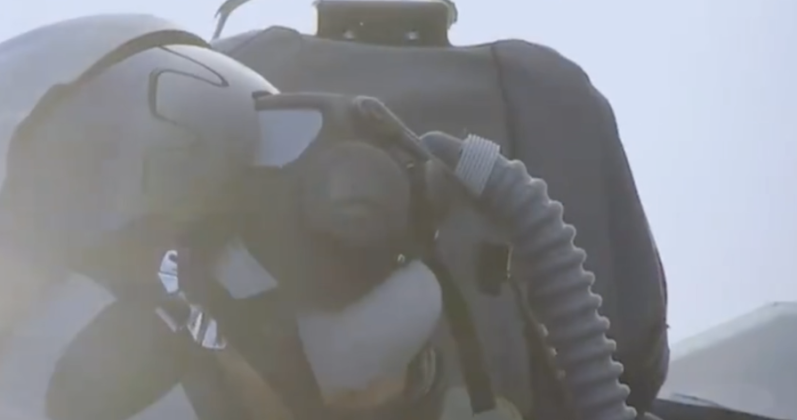
J-20 fighters were shown participating in an offensive air combat exercise, engaging aerial targets as part of beyond-visual-range and within-visual-range combat training. Commenting on the significance of the exercises, a J-20 pilot observed: “We must resolutely shatter any illusions held by those who seek to provoke trouble and stir up unrest.” “Advanced fighter jets alone are not enough; we must also possess the heroic spirit to overpower the enemy and fear no formidable foe, so that we can safeguard the security of our motherland's airspace,” he added.
His statement was made at a time of rising tensions, as the Western Bloc states led by the United States prioritise Northeast Asia for deployment of their own fifth generation fighters, namely F-35s, and as the U.S. plans to bring a next generation stealth bomber, the B-21, into service in 2027 primarily for Pacific operations.
J-20 Pilot During Air-to-Air Combat Exercises
The footage also highlights one of the principal design characteristics of the J-20. Unlike the F-35, which places a greater emphasis on multirole strike missions, the J-20 was developed primarily as a long-range air-superiority platform optimised for counter-air operations. Its large internal fuel capacity, advanced sensors, very low observable airframe and long-range missile armament allow it to engage hostile aircraft at considerable distances while maintaining low observability.
The latest J-20A variant has double the range and 193 percent as much thrust as the F-35, while integrating a much larger, more powerful radar, and having a superior flight performance in almost all aspects including more than twice the cruising speed.
First Open Source Image of a J-20 Firing a PL-10 Missile
The PL-10 missile featured in the footage serves as China's standard high-agility infrared-guided air-to-air missile for close-range engagements, and is considered a close contender for the title of most capable missile of its kind in service worldwide. It makes use of thrust vector controls and a gimballed imaging infrared seeker to facilitate high off boresight targeting at angles exceeding 90 degrees.
The missile’s distinct advantages have been widely acknowledged by Western sources, with the British Royal United Services Institute observing that the missile had a “superior kinematic performance to the American AIM-9X Sidewinder.”
J-20A with WS-15 Engines
Chinese People’s Liberation Army Air Force’s J-20 fleet is estimated to have exceeded 500 fighters, compared to approximately 430–450 F-35A fighters in the U.S. Air Force. Where deliveries of the J-20 have surged, however, and are estimated at 100-120 fighters per year, deliveries of F-35A fighters
have fallen to just 24-40 per year.
No other air force has procured a fighter in such large numbers since the end of the Cold War, which is all the more outstanding considering the J-20 high cost heavyweight twin engine design.
The
integration of twin WS-15 engines, which has revolutionised the fighter type’s combat potential, is considered a primary factor in the decision to significantly expand production. The expected entry of
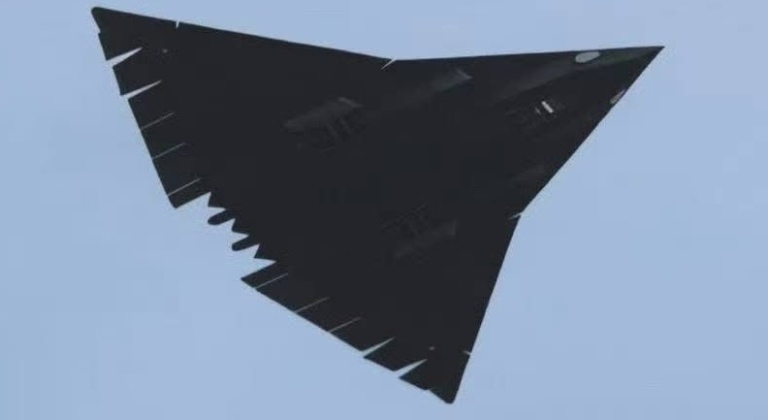
Chinese sixth generation fighters into service in the early 2030s, close to a decade before the rest of the world, is likely to lead to a reduction in J-20 production numbers.
Footage recently released by Chinese state media has provided a rare look at the People's Liberation Army Air Force's most capable fighter type, the J-20, conducting an

militarywatchmagazine.com



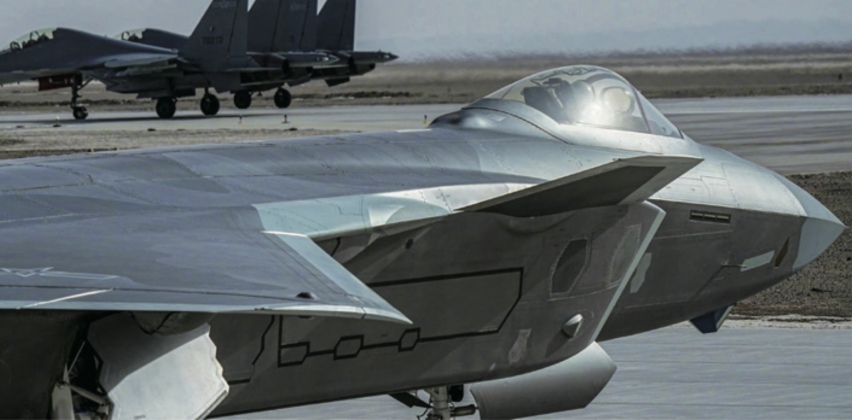

 Chengdu J-20 des forces aériennes de l'APL
 meta-defense.fr