Chengdu J-20 5th Generation Aircraft News & Discussions

Yes, but they simply don't want or cannot understand ... in case someone is interested!

To view this content we will need your consent to set third party cookies.
For more detailed information, see our cookies page.

Only indians are delusional and retarded enough to compare themselves with China
 
China does not need J-20s to deal with the Indians. They're just there for just in case F-35s show up. The J-10s and J-11 are more than enough to shoot down everything the Indians have.

True - but if the opportunity arises, why not use it to train the best in the PLAAF with combat experience ?
 
Do you remember the images released showing J-11 and a J-16 at the PLAAF engineering academy posted a few weeks ago? … there is also the rarely seen J-20 prototype no. 2004 - aka the renumbered no. 2002 - in the middle of the lineup.

IMG_3045.jpeg
 

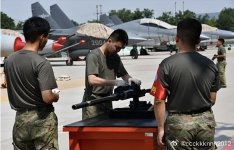
First J-20 Stealth Fighter Delivered to China’s Air Force Engineering University: Expanding Fleet Increases Need for Skilled Ground Crews​

August-1st-2026

article_6a6dcc3e2df764_12702758.jpeg

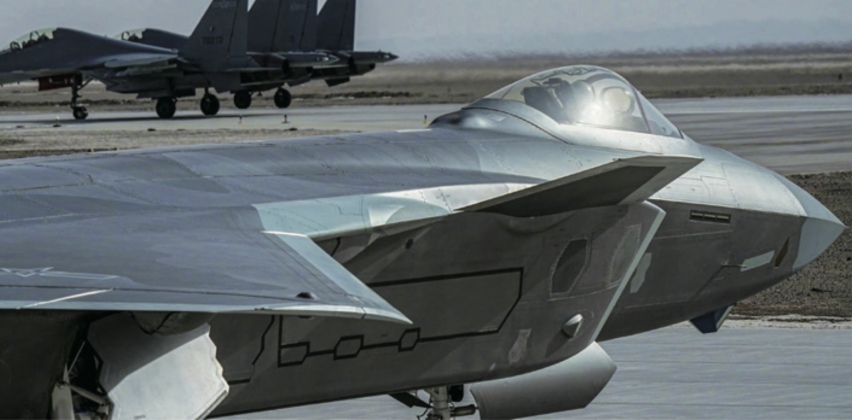
J-20 Fighter with J-16s in the Background

A J-20 fifth generation fighter prototype has for the first time been delivered to the Aviation Maintenance NCO School under the Air Force Engineering University, where it will be used to train future aircraft maintenance personnel. The aircraft, carrying the serial number 2004, is among the original prototypes developed for the fighter’s flight test program, marking the transition of a historically significant airframe from developmental testing to technical education. Photographs from the school show the prototype displayed alongside a J-7 fighter, with both aircraft now serving as hands-on instructional platforms for ground crew training.

Two technology demonstrators were built for the J-20 program before it reached prototype stages, including the aircraft designated ‘2001,’ which made the program’s first flight in January 2011, and ‘2002’ which appeared 16 months later in May 2012. After the two were transferred from Chengdu to the China Flight Test Establishment at Xi’an, the ‘2002’ airframe was renumbered ‘2004’ and used for initial testing of a unique side bay missile launch system for PL-10 visual-range air-to-air missiles. Some reports indicate it may have also integrated a radar. The J-20 program progressed from first flight to operational service in approximately six years, compared to roughly fifteen years for both the American F-22 and F-35, with incremental improvements between test airframes having been significant, bringing the type closer to its serial production standard before the first serial airframes were delivered to the Air Force in 2016.

The transfer provides a rare opportunity to examine the earliest configuration of the J-20, with the two demonstrators having different significantly from production fighters. They were finished in a distinctive black paint scheme rather than the low-observable grey camouflage used today, retained an untrimmed vertical tail, featured a nose-mounted flight-test pitot tube, employed a frameless canopy, and were powered by Russian-built AL-31FM2 turbofan engines. These aircraft were intended exclusively for developmental flight testing and incorporated numerous experimental features that would later be refined or discarded.

Subsequent Batch 01 prototypes, identified by 201X serial numbers, introduced many of the changes that shaped the fighter’s final production configuration. Among the most visible modifications were vertical stabilisers enlarged by approximately 15 percent before being clipped into their now-familiar shape, while the wing actuators and ventral fins were substantially reduced in size to improve aerodynamic performance and reduce radar observability. These refinements reflected the rapid maturation of the design as testing progressed toward serial production.

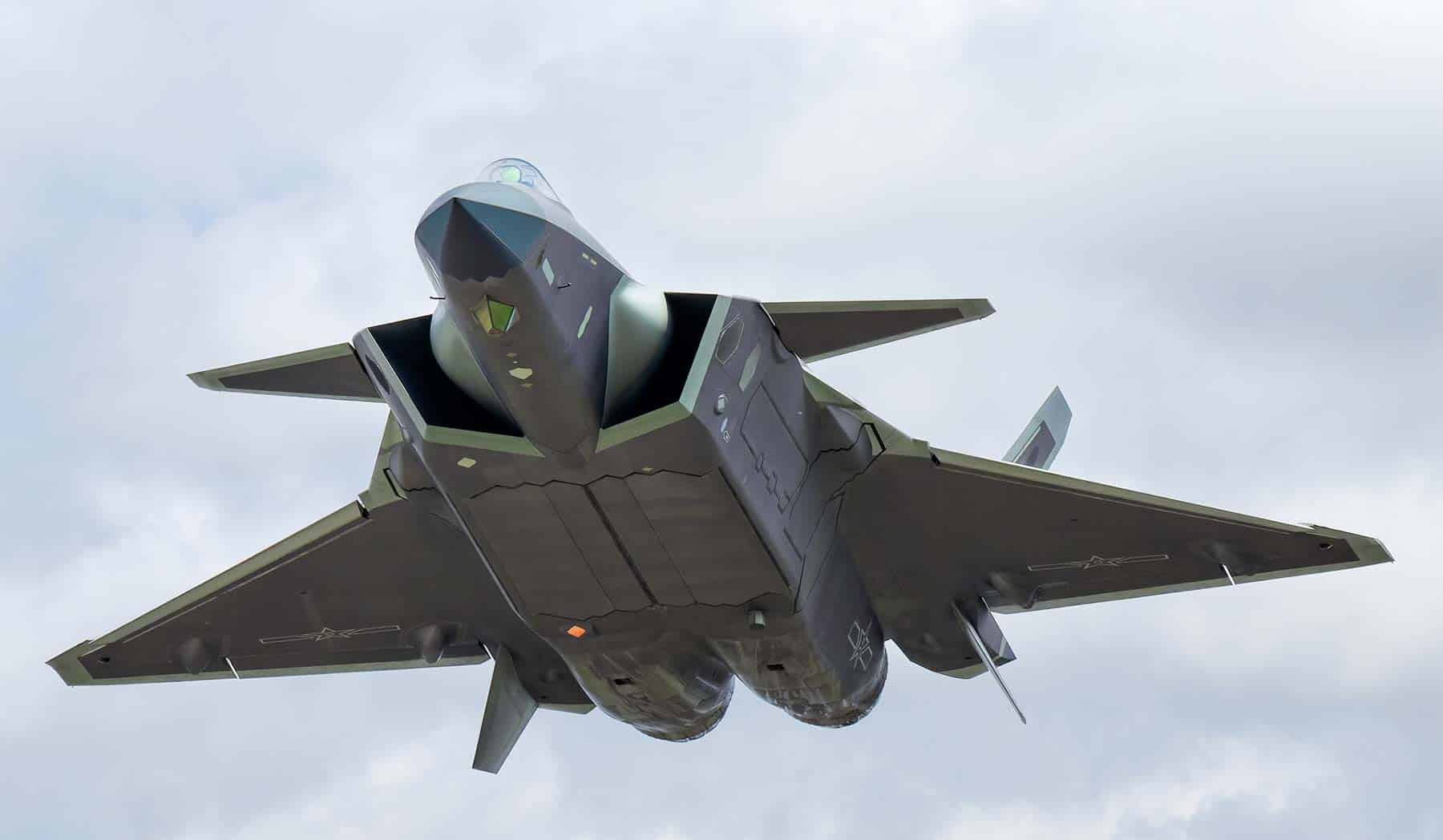
The J-20 has undergone continuous evolution since entering production. Aircraft entering service from 2021 used indigenous WS-10C engines facilitating significantly improved flight performances, while the latest J-20A variant has introduced the more powerful WS-15 next generation engines providing the type with the highest thrust in the world. Incremental improvements between batches, continued improvements to avionics, and the reported recent integration of an entirely new radar, have helped to widen the fighter type’s advantages over rival fighters developed abroad. The J-20 is today considered in a league of its own in terms of sophistication alongside its lighter counterpart, the J-35, and the U.S. F-35.

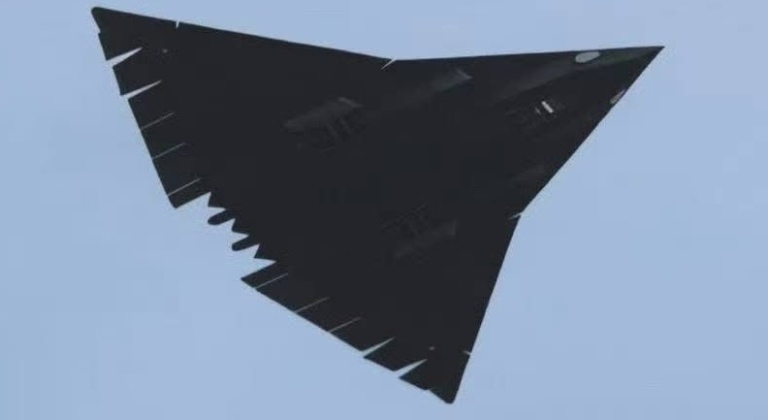
Prototype of China`s Ultra-Long Range Sixth Generation Fighter Developed to Succeed the J-20

Prototype of China`s Ultra-Long Range Sixth Generation Fighter Developed to Succeed the J-20

The decision to transfer prototype 2004 to a maintenance training institution reflects the increasing maturity of the J-20 program. Rather than preserving early prototypes solely as museum exhibits, the Air Force is using them to familiarise future technicians with stealth aircraft construction, maintenance procedures, and systems architecture. This approach may be influenced by the fast growing size of China’s fifth generation fighter fleet, which increasingly requires large numbers of highly trained maintenance personnel to sustain operations. The J-20 is currently being produced on a much larger scale by the Air Force than any other fighter type is by any other service in the world, with procurements estimated at close to 120 per year, compared to only 24-40 F-35s being procured annually by the U.S. Air Force. This is despite the F-35 being a much smaller single engine design.

 
• CCTV channel released a video showing an H-6N strategic bomber belonging to the Air Defense Forces of the Chinese Army , equipped with a high-precision "Jinglei-1" ballistic missile capable of carrying nuclear warheads, accompanied by two J-20 fighter jets. This is the first time the H-6N equipped with the "Jinglei-1" missile has been displayed, representing an official announcement that consecrates the completion of China's nuclear triad.

To view this content we will need your consent to set third party cookies.
For more detailed information, see our cookies page.
 
Interesting detail; J-20 cn. CB11324, aka the 324th J-20 overall built within the 11th batch was spotted. We know, J-20 no. 63106 as CB10300 aka the 300th built since the Changchun Air Show 2025 & so this one is likely one of the higher numbers within the 19th AB at Zhangjiakou.

However we also know, the 19th AB got its first J-20 by August 2024 and so the J-20s this unit operates are likely built in early 2024 which is further strong evidence—if not outright confirmation—that there are now well over 500 J-20s.

IMG_0568.jpeg
 
Last edited:
To view this content we will need your consent to set third party cookies.
For more detailed information, see our cookies page.
 
To view this content we will need your consent to set third party cookies.
For more detailed information, see our cookies page.


In my opinion, no: If you look at it, the 19th AB was confirmed in August 2024, followed by the 131st (early 2025), the 2nd & 41st (both mid-2025). So I would actually go so far as to say that Block 11 was followed by at least two, if not three, batches of regular J-20s.
 

China’s Top Stealth Fighters Launch Air-to-Air Missiles from Stratosphere in Latest Combat Exercises​

Military Watch Magazine Editorial Staff
August-5th-2026

Footage recently released by Chinese state media has provided a rare look at the People's Liberation Army Air Force's most capable fighter type, the J-20, conducting an air-to-air missile launch during a training exercise.

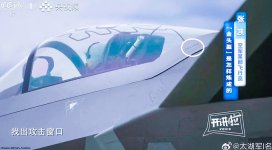
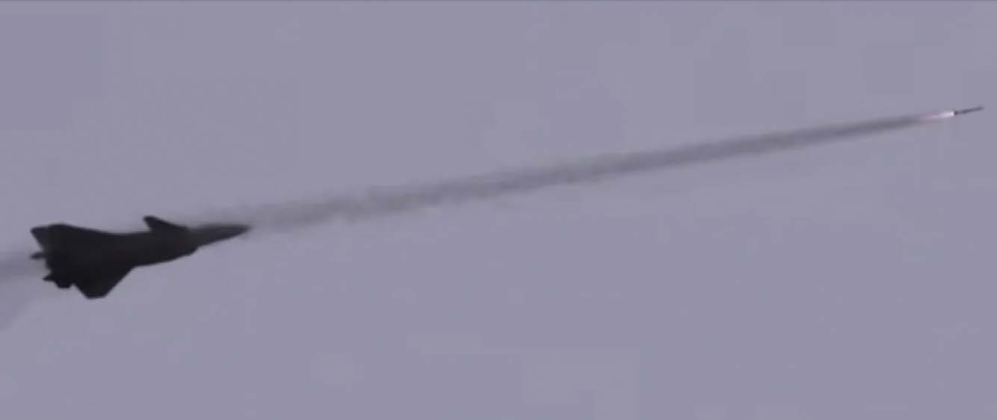
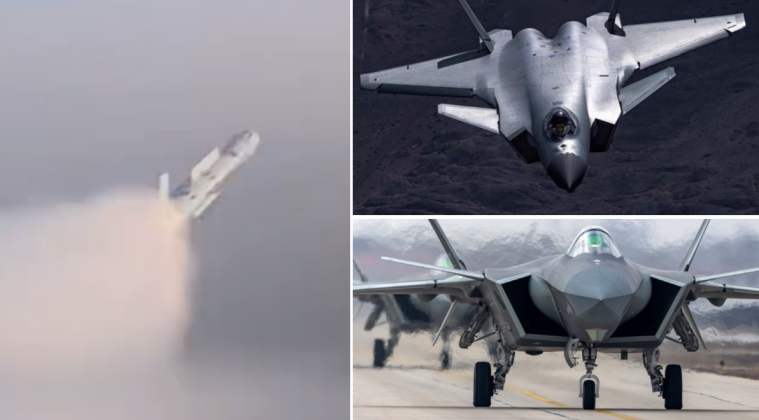
The footage shows a J-20 releasing a PL-10 short-range infrared-guided air-to-air missile while flying at high altitude, before the missile successfully intercepts its target. Such footage remains uncommon, as China has traditionally released only limited imagery of the operational employment of its premier combat aircraft.

The J-20 was the first fifth generation fighter type developed outside the United States to enter service, and is widely considered the world's most capable fighter in terms of air-to-air combat potential.

J-20 with PL-10 Missiles in Firing Position

J-20 with PL-10 Missiles in Firing Position

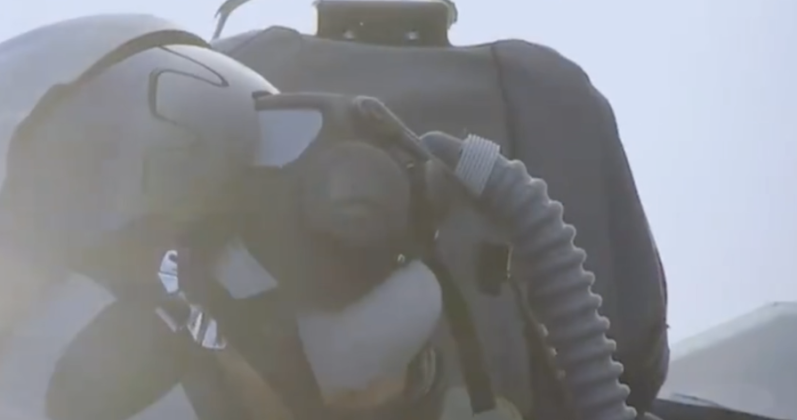
J-20 fighters were shown participating in an offensive air combat exercise, engaging aerial targets as part of beyond-visual-range and within-visual-range combat training. Commenting on the significance of the exercises, a J-20 pilot observed: “We must resolutely shatter any illusions held by those who seek to provoke trouble and stir up unrest.” “Advanced fighter jets alone are not enough; we must also possess the heroic spirit to overpower the enemy and fear no formidable foe, so that we can safeguard the security of our motherland's airspace,” he added.

His statement was made at a time of rising tensions, as the Western Bloc states led by the United States prioritise Northeast Asia for deployment of their own fifth generation fighters, namely F-35s, and as the U.S. plans to bring a next generation stealth bomber, the B-21, into service in 2027 primarily for Pacific operations.

J-20 Pilot During Air-to-Air Combat Exercises

J-20 Pilot During Air-to-Air Combat Exercises

The footage also highlights one of the principal design characteristics of the J-20. Unlike the F-35, which places a greater emphasis on multirole strike missions, the J-20 was developed primarily as a long-range air-superiority platform optimised for counter-air operations. Its large internal fuel capacity, advanced sensors, very low observable airframe and long-range missile armament allow it to engage hostile aircraft at considerable distances while maintaining low observability.

The latest J-20A variant has double the range and 193 percent as much thrust as the F-35, while integrating a much larger, more powerful radar, and having a superior flight performance in almost all aspects including more than twice the cruising speed.

First Open Source Image of a J-20 Firing a PL-10 Missile

First Open Source Image of a J-20 Firing a PL-10 Missile

The PL-10 missile featured in the footage serves as China's standard high-agility infrared-guided air-to-air missile for close-range engagements, and is considered a close contender for the title of most capable missile of its kind in service worldwide. It makes use of thrust vector controls and a gimballed imaging infrared seeker to facilitate high off boresight targeting at angles exceeding 90 degrees.

The missile’s distinct advantages have been widely acknowledged by Western sources, with the British Royal United Services Institute observing that the missile had a “superior kinematic performance to the American AIM-9X Sidewinder.”

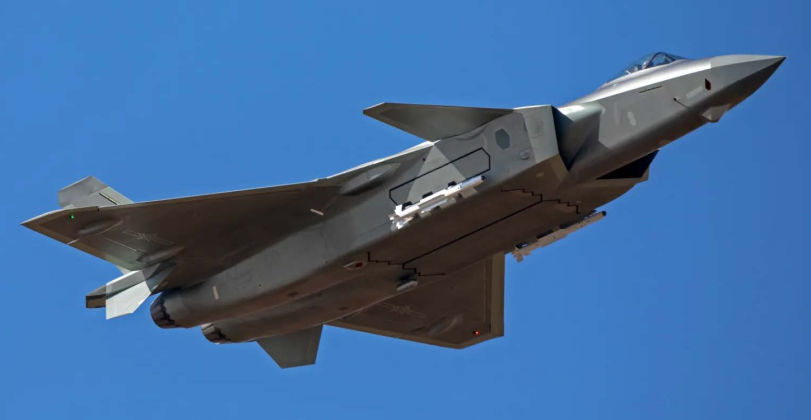
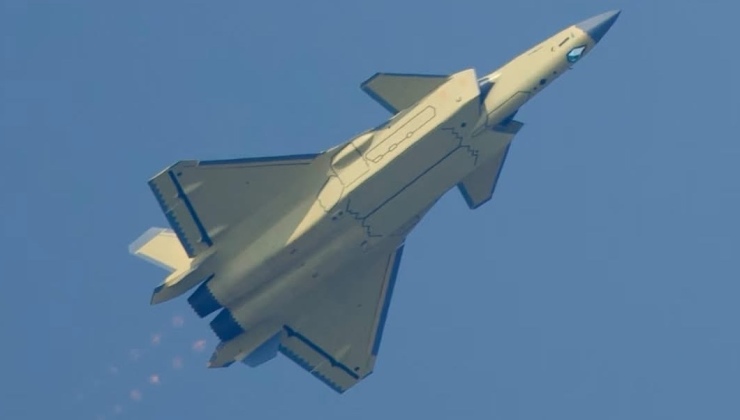
J-20A with WS-15 Engines

J-20A with WS-15 Engines

Chinese People’s Liberation Army Air Force’s J-20 fleet is estimated to have exceeded 500 fighters, compared to approximately 430–450 F-35A fighters in the U.S. Air Force. Where deliveries of the J-20 have surged, however, and are estimated at 100-120 fighters per year, deliveries of F-35A fighters have fallen to just 24-40 per year.

No other air force has procured a fighter in such large numbers since the end of the Cold War, which is all the more outstanding considering the J-20 high cost heavyweight twin engine design.

The integration of twin WS-15 engines, which has revolutionised the fighter type’s combat potential, is considered a primary factor in the decision to significantly expand production. The expected entry of Chinese sixth generation fighters into service in the early 2030s, close to a decade before the rest of the world, is likely to lead to a reduction in J-20 production numbers.


Users who are viewing this thread

Pakistan Defence Latest

Country Watch Latest

Back
Top