China Science And Technology News

China Poised to Overtake U.S. as Top Public Science Funder Within Two Years, Report Says​

Published: Mar. 27, 2026 3:31 p.m. GMT+

China is on pace to eclipse the U.S. as the world’s largest funder of public science within the next two to three years, marking a structural tipping point in global research and development, according to a late March analysis by the Nature Index, which tracks high-quality research output in the natural and health sciences globally.

The analysis draws on research from the Frontiers of Science and Innovation Policy (FSIP) program at the University of California, San Diego. Data shows that in the decade from 2013 to 2023, adjusted for purchasing power parity, Chinese government research and development spending grew by about 90% to reach $133 billion. Over the same period, U.S. spending grew by about 12% to $155 billion, Nature reported.


Robert Conn, co-director of the FSIP program, noted that the window for China to surpass the U.S. in public research spending could arrive as early as 2028, or around 2029, Nature reported.

 
Nearly Half Of New Drug Candidates In Trials Now Come From China

Mar 26, 2026

To view this content we will need your consent to set third party cookies.
For more detailed information, see our cookies page.


China’s pharmaceutical industry is booming — and Big Pharma can’t look away. From groundbreaking biotech to billion-dollar deals with the world’s largest drugmakers, China is reshaping the global medicine game faster than anyone imagined. CNA

Correspondent finds out why China’s pharma industry is rising and what it means for the future of medicine and your next prescriptions.
 

China Is Rapidly Overtaking the United States as the World’s Scientific Superpower​

The Trump administration has been a disaster for science.
By Victor Tangermann
Published Mar 28, 2026 6:00 AM EDT

The Trump administration's fumbling the lead by cutting research funding could allow China to become the world's top scientific superpower.

The Trump administration has taken a bulldozer to science funding over the last year and change, wiping out more than 7,800 research grants, cutting 25,000 scientists from government agencies, and proposing tens of billions of dollars in further scientific funding cuts — scientific bloodshed that’s disproportionally targeting research into misinformation, vaccines, infectious diseases, and other crucial topics.

It could easily backfire. The administration’s war on science could greatly undermine the country’s decades-long stance as the global leader in research and development investment since the end of the Second World War, a recent forecast by science policy researchers found. That could allow China, which has dramatically increased public spending on R&D while the US has been pulling back, to surge ahead as the US continues to suffer a stomach-churning brain drain.

As The Atlantic points out, China’s population is four times as large and “unabashedly pro-science,” handing out twice as many STEM degrees compared to the US and almost double the PhDs. While it’s not exclusively a numbers game — more scientific papers don’t necessarily guarantee scientific breakthroughs — the sheer scale of China’s highly-educated pool of scientists and their research will likely give it an edge over the floundering US.

Whether China will stand the chance of overtaking the US as the dominating scientific superpower will likely remain difficult to gauge directly. For one, scientific achievements often take a while to be recognized. The cutting-edge research being done right now may also take years to trickle through peer review.

Nonetheless, the early signs are there. China’s contribution to the Nature Index, which tracks the top papers appearing in natural-science and health-science journals, is expected to be double that of the US by the end of 2026, according to Nature.

Meanwhile, China’s government pledged earlier this month to boost overall R&D expenditure by at least seven percent over the next five years, billions of extra dollars a year that scientists will have at their disposal.

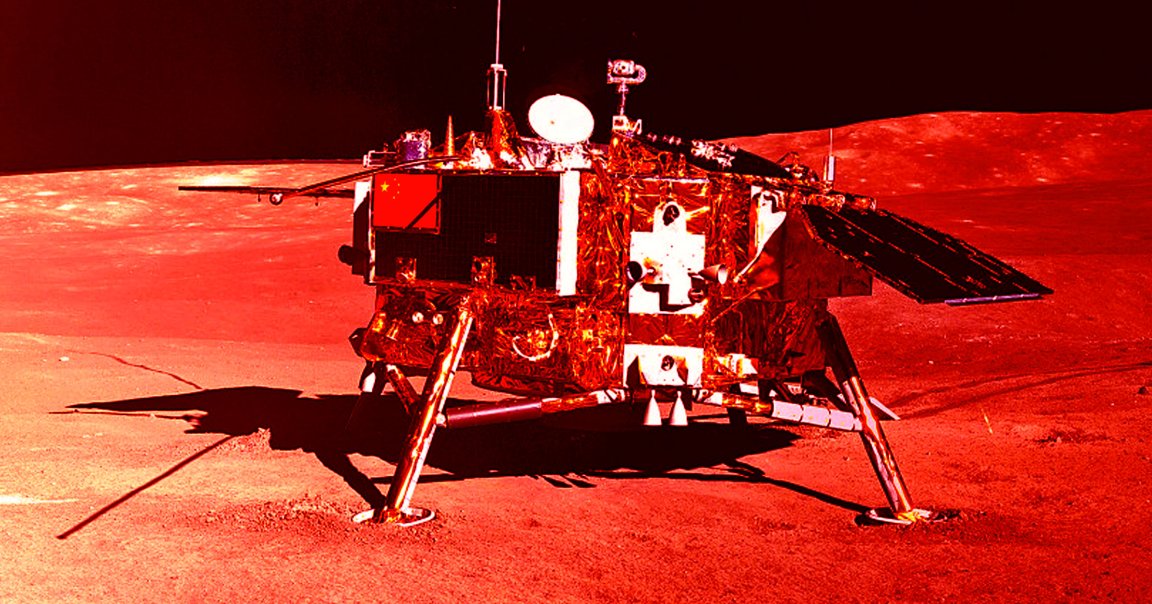
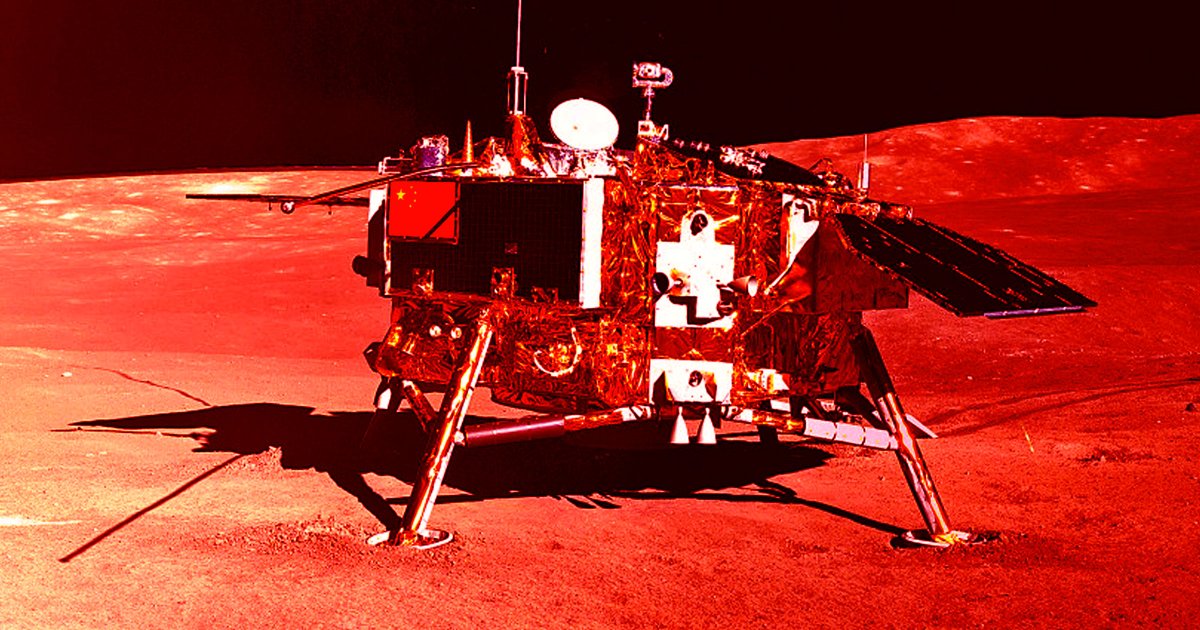
One particularly illustrative example is the country’s booming space program. Over the last two decades, it has successfully sent four robotic spacecraft to the lunar surface and is hoping to land its first astronauts there before the end of the decade.

The meteoric rise has US politicians concerned that China could beat NASA to the Moon, a symbolic victory that could not only signal the nation’s place as the world’s top scientific superpower, but could have much broader geopolitical implications as well.

 
China launches world’s first floating artificial island designed for all-weather, deep-sea scientific research in Shanghai
By Global Times
Published: Mar 28, 2026 11:39 AM

Photo: CCTV News

Photo: CCTV News

A major national science and technology infrastructure project, the deep-sea all-weather resident floating research facility, was officially launched in Shanghai on Saturday, according to CCTV News.

Dubbed the "Open-Sea Floating Island", the world’s first ultra-large marine research platform is designed to support scientific research needs in fields such as marine equipment, marine resources, and marine science.

The large scientific facility comprises three main systems: the main facility platform, ship-based laboratories, and shore-based support.

The main facility platform features an innovative “semi-submersible twin-hull” design, enabling full-scale testing of deep-sea equipment weighing hundreds of tons and supporting scientific exploration and experimental research at full-ocean depths of up to 10,000 meters, according to CCTV News.

The facility is expected to be completed in 2030. It will serve as an open-sea testing ground for deep-sea mining systems, critical marine equipment, and offshore oil and gas facilities. It is expected to accelerate the commercial development of marine resources, reveal seasonal evolution patterns of marine ecosystems, explore the origins and evolution of life, and improve typhoon forecasting accuracy to enhance disaster prevention and mitigation capabilities, CCTV News reported.

The project is undertaken by Shanghai Jiao Tong University (SJTU), which on Friday inaugurated an institute responsible for deep sea science and engineering,
according to the university’s website.


Chinese Talent Dominates Global AI Researcher Ranks

Nine top universities in China; talent projected to double U.S. by 2028

Published 2026.03.29. 17:00

ai researchers/Getty Images

ai researchers/Getty Images

A new analysis reveals that China has significantly outpaced the United States in the global competition to secure top-tier AI (artificial intelligence) talent. The findings are based on data from the "Global AI Talent Tracker" published by MacroPolo, a think tank under the Paulson Foundation, and an analysis of authors from top-tier papers accepted by NeurIPS (Neural Information Processing Systems Conference), one of the most prestigious AI academic conferences.

Chinese nationals now account for over half of the world’s top AI talent, surpassing the combined share of the U.S., Europe, and Asia (excluding China). Additionally, nine of the top 10 universities producing these leading AI authors are located in China. If this trend continues, it is projected that by 2028, the number of AI professionals active in China will double that of the U.S. The analysis suggests the global center of AI talent has shifted from the U.S. to China.

◇Half of Top AI Talent Hails from China

On the 25th, local time, the British weekly *Economist* reported on a study analyzing the nationalities, universities, and workplaces of over 4,000 top authors of papers accepted by NeurIPS in 2025, based on MacroPolo’s Global AI Talent Tracker data from 2020 and 2024.

Approximately half of the world’s top 20% AI researchers are from China. In 2019, Chinese AI talent (undergraduate-level) constituted around 29%, but this figure rose to 51% by 2025. In contrast, the U.S. share dropped from 20% to 12% during the same period. Europe, India, and Canada also saw declines, while Asia (excluding China) remained steady at 18%.

The shift in academic dominance is also evident. Among the top 10 universities producing the most authors of NeurIPS-accepted papers in 2025, nine were Chinese institutions. The only U.S. university in the ranking was MIT, placed 10th. The *Economist* noted, “Tsinghua University contributed 4% of all authors, ranking first, while MIT accounted for just 1%, securing 10th place. Tsinghua’s output was roughly four times that of MIT.”

While the U.S. remains the global leader in AI market size and technology, its AI industry heavily relies on Chinese talent. According to the survey, approximately 35% of researchers affiliated with U.S. institutions are Chinese undergraduates—a proportion nearly equal to that of U.S.-educated researchers. The *Economist* highlighted, “Half of the workforce at Meta’s recently established ‘Superintelligence Lab’ are Chinese nationals, and 15% of Open AI’s ChatGPT 5.0 development team hold Chinese degrees.” This underscores the U.S. AI sector’s growth through a blend of Chinese talent and American capital and infrastructure.

◇“By 2028, Chinese AI Talent Pools to Double U.S. Numbers”

China’s lead in AI talent is expected to widen. According to British data firm Digital Science, 47% of China’s top AI researchers are undergraduate students—far younger than the 30% in Western countries.

The mobility patterns of Chinese AI talent have also reversed. While many previously pursued further studies or careers abroad after graduation, an increasing number are now staying domestically. The proportion of Chinese AI talent remaining in the country for academic or research purposes rose from 30% in 2019 to 68% in 2025. Additionally, the rate of Chinese talent returning home after studying abroad increased from 12% to 28% during the same period. This shift is attributed to China’s aggressive recruitment strategies, offering competitive salaries, research funding, and housing support, which many now view as a more favorable environment for AI research than the U.S. The *Economist* concluded, “If current trends persist, by 2028, the number of AI professionals active in China could be twice that of the U.S.”


China Dominates Global AI Talent as U.S. Share Declines

51% of top AI researchers are Chinese; nine of top 10 universities in the field are based in China
By Song Hye-jin
Published 2026.03.29. 17:00

Analysis shows that China has significantly outpaced the U.S. in the global competition to secure top-tier AI (artificial intelligence) talent. This conclusion is based on data from the "Global AI Talent Tracker" published by MacroPolo, a think tank under the Paulson Foundation, and an analysis of authors from the world’s leading AI conference, the Neural Information Processing Systems Conference (NeurIPS).

Chinese nationals now account for over half of the world’s top AI talent, surpassing the combined share of the U.S., Europe, and Asia (excluding China). Additionally, nine of the top 10 universities producing these elite AI authors are based in China. If this trend continues, it is projected that by 2028, the number of AI professionals active in China will double that of the U.S. The global center of AI talent has shifted from the U.S. to China.

◇Half of Top AI Talent Hails from China

The Economist reported on the 25th (local time) that MacroPolo analyzed data from 2020 and 2024, examining the nationalities, universities, and workplaces of over 4,000 authors of top-tier papers accepted to NeurIPS in 2025.

Approximately half of the world’s top 20% AI researchers are from China. In 2019, Chinese AI talent (based on undergraduate origins) constituted around 29%, but this figure rose to 51% by 2025. Meanwhile, the U.S. share dropped from 20% to 12% during the same period. Europe, India, and Canada also saw declines, while Asia (excluding China) remained steady at 18%.

The shift in academic dominance is also evident. Among the top 10 universities producing the most NeurIPS authors in 2025, nine were Chinese institutions. The only U.S. university in the ranking was MIT, placed 10th. The Economist noted, “Tsinghua University produced 4% of all authors, ranking first, while MIT contributed 1%, securing 10th place. Tsinghua’s output was roughly four times that of MIT.”

Though the U.S. remains the global leader in AI market size and technology, its AI industry heavily relies on Chinese talent. According to the analysis, approximately 35% of researchers affiliated with U.S. institutions are Chinese undergraduates—a figure nearly matching the share of U.S.-educated researchers. The Economist highlighted, “Half of Meta’s newly established ‘Superintelligence Lab’ staff are Chinese, and 15% of Open AI’s ChatGPT 5.0 development team hold Chinese degrees.” This underscores the U.S. AI sector’s dependence on a blend of Chinese talent and American capital and infrastructure.

◇“By 2028, Chinese AI Talent Will Double U.S. Numbers”

China’s lead in AI talent is expected to widen. According to British data firm Digital Science, 47% of China’s top AI researchers are undergraduate students—far younger than the 30% in Western countries.

The behavior of Chinese AI talent has also shifted. While many previously pursued further studies or careers abroad after graduation, this trend is reversing. The proportion of Chinese AI talent remaining in the country for academic or research purposes rose from 30% in 2019 to 68% in 2025. The rate of returnees from overseas increased from 12% to 28% during the same period. This shift is attributed to China’s aggressive recruitment strategies, offering high salaries, research funding, and housing support. Many now view China as a more favorable environment for AI research than the U.S. The Economist projected, “If current trends persist, by 2028, the number of AI professionals active in China could be twice that of the U.S.”


China’s Science Spending to Top USD58 Billion for First Time This Year With More Focus on Basic Research
DATE: 14 hours ago

(Yicai) March 31 -- China’s central government expenditure on science and technolocy is expected to break through CNY400 billion (USD58 billion) for the first time in 2026, with a greater emphasis on basic research, as the country ramps up funding to drive innovation and strengthen technological self-reliance.

The central government’s budget for science and technology has surged 10 percent this year from last year to CNY426.42 billion (USD61.7 billion), according to the latest central fiscal budget recently released by the Ministry of Finance.

This growth is well above the average 5.5 percent increase for all spending by the central government and is the fastest growth rate among central government expenditures, which refers to fiscal expenditure directly used for central government-level affairs, that are over CNY100 billion (USD14.4 billion).

Most of the science and tech budget still goes toward basic and applied research. However, spending on basic research has jumped 16.3 percent year on year to CNY116.9 billion (USD16.9 billion), while that on applied research has slumped roughly 13.3 percent to CNY156.9 billion.

This year’s boost in basic research is mainly due to more lab funding and central budgetary investments, while the drop in applied research spending is because last year was the final year of the 14th Five-Year Plan for the country’s social and economic development, so the base was higher, the Ministry of Finance said. This year is the start of the 15th Five-Year Plan and some projects are still being finalized.

Within the basic research budget, spending on special basic research projects has increased 44.2 percent from last year to CNY22.8 billion (USD3.3 billion), expenditure on the Natural Science Foundation has gained 6.1 percent to CNY41.9 billion and spending on other basic research has jumped 50.2 percent to CNY20.5 billion.

One of the top 10 tasks in this year’s government work report is to accelerate high-level, self-reliance in science and technology. This includes strengthening original innovation and tackling key core technologies. The country should leverage the advantages in the national system to promote breakthroughs in core technologies along the entire industrial chain, implement major scientific and tech projects, strengthen the layout in cutting-edge fields and produce more original results. The aim is also to keep raising the share of basic research spending and provide long-term, stable support.

Ranked: Countries Spending the Most on Research and Development​

Global_RD_Spending_20262801_site.webp
 
Motorcycle victory showcases China speed and youth power
By Global Times
Published: Apr 01, 2026 12:18 AM


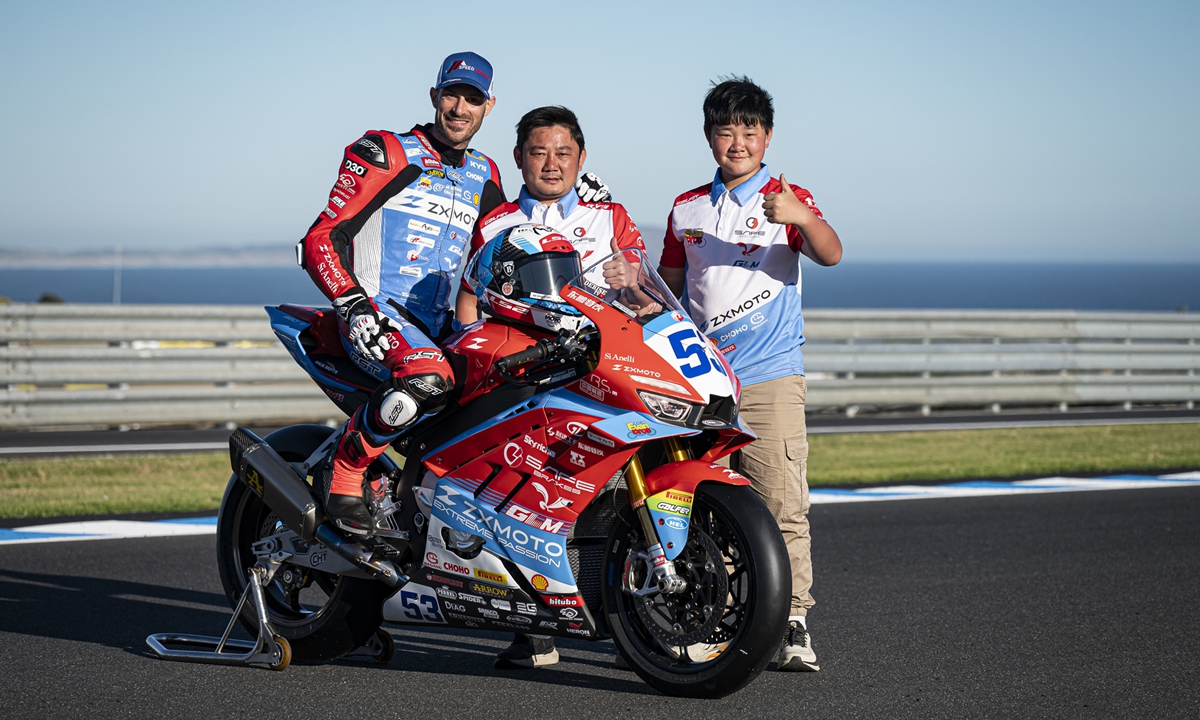
Zhang Xue (center) poses for a photo with his son (right) and motobike racing driver Valentin Debise. Photos: Courtesy of the Evan Bros team

Zhang Xue (center) poses for a photo with his son (right) and motobike racing driver Valentin Debise. Photos: Courtesy of the Evan Bros team

A ZXMOTO motorcycle, ridden by Valentin Debise, clinched a landmark double victory on March 28 and 29 at the Portuguese round of the Superbike World Championship, overwhelmingly outperforming competitors from Ducati, Yamaha and other brands. It became the first Chinese motorcycle brand to win at this event, breaking the decades-long dominance of European, American and Japanese manufacturers. What roared down the high-speed track was not just a machine, but a force of development that keeps pushing boundaries and redefining limits. An absolute lead of nearly 4 seconds created a stunning moment for Chinese motorcycles, offering a vivid footnote of "China speed" in the new era.

This breakthrough reflects a leap in technological innovation from "0 to 1." Chinese motorcycles were once labeled as "low-end" or "OEM." Today, the Chinese-made motorcycle shining on the international circuit demonstrates the shift from "Made in China" to "Created in China." High-performance motorcycles involve extremely complex core technologies. Facing the "moat" of key technologies built by Western companies, Chinese R&D teams chose not to bypass the challenge but to confront it head-on. The ZXMOTO team achieved independent breakthroughs in key areas such as engine efficiency and lightweight structures, pushing toward technological frontiers through constant trial and error and iterative optimization. This victory not only reshapes the competitive landscape but also vividly illustrates China's advance toward high-end manufacturing.

This leap also relies on systematic support from "1 to 100." As a true showcase of China's high-end manufacturing strength, the victory of the ZXMOTO motorcycle is supported by the decades-long industrial ecosystem of Chongqing, known as China's "motorcycle capital." Represented by Chongqing, China's motorcycle industry clusters have developed a complete chain covering R&D design, core component manufacturing, vehicle assembly, and testing and validation. This highly coordinated industrial structure enables rapid response and continuous iteration across all links, significantly shortening innovation cycles and reducing trial-and-error costs. This virtuous cycle, where innovation generates industry and industry feeds back into innovation, has become a key driver of China's climb up the value chain.

This victory also highlights the spirit of today's Chinese youth: stepping forward, taking responsibility, and daring to pursue their dreams. "A name unknown to the general public. A disproportionate ambition." As early as last October, an international motorsport website introduced the ZXMOTO as "the new Chinese bomb," predicting it would shake the global racing world. Driven by passion, ZXMOTO founder Zhang Xue pushed the limits of technological development and ultimately brought a homegrown motorcycle to the top of the world. The journey itself is powerful. It proves that dreams are meant to be pursued. "Because of courage, my life is more extraordinary." As long as you dare to think big, act boldly, and stay persistent, you can realize both personal and social value amid the tides of the times.

This achievement once again underscores the resilient and tenacious national character of the Chinese people. The endurance to avoid seeking immediate results and the willingness to engage in repeated experimentation, combined with the courage to confront challenges head-on, provide crucial spiritual support for the ongoing ascent of Chinese manufacturing.

An atmosphere that encourages innovation empowers young people to "strive relentlessly for what they love." Today, China places a greater emphasis on long-termism, offering more inclusivity and support to entrepreneurs. This characteristic of steadiness and ambition enables China to progress steadily in a complex and ever-changing international competitive landscape.

From a broader perspective, China's high-speed rail network crosses mountains and rivers, the new energy industry is rapidly expanding its global presence, and high-end equipment continues to achieve breakthroughs at elevated levels. The concept of "China speed" is evolving with deeper meanings. This represents not just an acceleration in the pace of development, but also a comprehensive enhancement of quality, efficiency, and structure. The leading position on the tracks shines like a beacon, illuminating the path for the advancement of Chinese manufacturing to higher levels while inspiring greater enthusiasm for innovation and hard work throughout society.

"Young people are the most dynamic and most creative group of our society, and should stand in the forefront of innovation and creation." Today, a large number of young innovators and entrepreneurs are emerging in cutting-edge fields such as humanoid robots, commercial space, and the low-altitude economy, with the average age of teams like Chang'e, Tianwen, Shenzhou, and Beidou being between 30 and 40. On the new journey of advancing Chinese modernization, more young people are needed to engage in practice with a spirited and upward attitude, continuously overcoming challenges in key areas. The roar of Chinese motorcycles on European racetracks, carrying the fighting spirit and belief in innovation, will continue to resonate across broader horizons.


It’s Official: China Tops U.S. in R&D Spending

By Matt Hourihan

After years of speculation within the science policy community, a new assessment shows it has finally happened: China has officially crept past the United States in total research and development (R&D) investment.

The assessment comes from the Organisation for Economic Co-operation and Development (OECD), a global authority on international science and technology data. Per their indicators, China’s leapfrog actually occurred in 2024, the most recent year for which data are available. That year, China invested $1.03 trillion (in current dollar value) in research and development from all sources, topping the United States’ $1.01 trillion investment. (Note that the chart below is in constant dollars, or “purchasing power parity” dollars, to enable easier cross-country comparisons over time.)https://www.aau.edu/newsroom/leadin.../its-official-china-tops-us-rd-spending#_edn1

搜狗截图20260401102813.png

This isn’t a surprise development, given China’s aggressive investment in R&D in recent years: Since 2004, Chinese R&D has grown by more than 14% annually, more than double that of the United States over the same period. This growth is a reflection of China’s continuing emphasis on science and innovation in its five-year plans, recurring strategies that guide broader policy choices.

China’s R&D intensity also continues to rise, as measured by R&D investment relative to the overall economy. Chinese R&D is now 2.7% of gross domestic product, meaning it has caught up with other advanced OECD economies on that metric (though it still lags the leaders, including the United States, Germany, Japan, and South Korea).

Another Indicator of Global Competition

R&D represents an incredibly high-value public investment with immense economic returns, per the most recent analyses, which is why public R&D has been a core element in national strategies among advanced economies from the United Kingdom to Japan.

China has followed suit with stunning results, and was increasingly seen as a science superpower even before its investment totals exceeded those of the United States. For example:

  • Chinese scientists are increasingly asserting themselves in terms of global research influence; Chinese institutions now dominate the Nature Index rankings of scientific publications.
  • China is a strong challenger in quantum information science and technology. Its achievements include the establishment of a prototype quantum communications network linking Beijing, Shanghai, and other cities, and – via satellite – South Africa.
  • China has pulled well ahead of the West in AI researcher count and output.
  • The Experimental Advanced Superconducting Tokamak (EAST), based in Hefei, China, is among the world’s leading fusion facilities. It has repeatedly set records for long-duration plasma sustainment, an important step on the road to viable fusion.
  • China has built some of the most powerful magnets and one of the largest synchrotrons in the world; both are important tools for discovery in chemistry, materials science, and biology.
These achievements make clear that China is a serious contender for global scientific leadership. The fact that it has surpassed the United States in raw dollars is another stark indicator of its rise.

Looking Ahead

Coincidentally, news of China’s investment rise comes the same week as the White House is expected to deliver its FY27 budget request, which is already rumored to again propose significant cuts to research funding. The FY26 request sought steep cuts to science, but Congress mostly turned these proposals back. Time will tell whether the new investment data point motivates Congress to achieve a similar outcome for science in FY27.

 
  • Like
Reactions: ety

China’s Biotech Sector Surges Ahead, Leaving South Korea Behind in Global Market

2025.04.21 09:50

China’s Biotech Exports Hit $36.929 Bil. in Q1 2025, 20 Times Greater Than Korea’s $1.98 Bil.

In a remarkable display of growth, China’s biotechnology sector has surged ahead in the global market, leaving South Korea trailing significantly. In the first quarter of 2025, China’s biotech exports reached an impressive $36.929 billion, a figure 20 times greater than South Korea’s $1.98 billion. This development underscores China’s rapid ascent as a dominant force in the biotech industry, driven by strategic government support, flexible regulations, and an influx of skilled professionals.

Since 2021, China has consistently ranked first in global clinical trial numbers, surpassing even the United States. This leadership position is attributed to China’s ability to secure human subject data swiftly and extensively, making it an attractive destination for conducting trials. An industry insider from the Korea Pharmaceutical and Bio-Pharma Association noted, “China can secure proof of concept (POC) data faster and more extensively than any other country.” This capability has been further bolstered by the Chinese government’s full support.

The regulatory environment in China has also played a crucial role in this growth. The National Medical Products Administration (NMPA) has set up four accelerated pathways to expedite drug approvals, including a priority review program. In 2024 alone, the NMPA approved 48 first-in-class innovative drugs, marking the highest number in the past five years. Lee Seung-kyu, vice chairman of the Korea Bio Association, commented on this progress, stating, “China’s bio industry is far ahead of South Korea in all areas, including regulations, capital, and workforce.”

China’s biotech sector has not only excelled domestically but also made significant strides internationally. In 2022, Chinese pharmaceutical and biotech companies accounted for 12% of big pharma’s technology introduction contracts; this share rose to 29% in 2023 and 31% in 2024. This trend highlights China’s growing influence and attractiveness as a partner for global pharmaceutical companies.

The return of Chinese scientists from big pharma to their home country has further fueled this growth. Lee remarked on this phenomenon: “The era has opened where China directly deals with global companies based on manpower.” The presence of experienced professionals returning to China has enhanced research and development capabilities and facilitated collaborations with international partners.

Moreover, China’s academic contributions have been noteworthy. In 2023, China’s share of citations in medical papers was 24%, ranking second after the U.S., according to the Life Sciences Competitiveness Index released by the UK’s Department for Life Sciences in November 2023. This academic prowess supports China’s biotech advancements and enhances its credibility in the global scientific community.

As China continues to solidify its position as a leader in biotechnology exports and innovation, experts anticipate the emergence of drugs with annual sales exceeding $1 billion originating from Chinese technology. Lee said that the emergence of such drugs is only a matter of time. With ongoing government support and strategic international partnerships, China is poised to remain at the forefront of biotechnological innovation and exportation for years to come.

출처 : Businesskorea(https://www.businesskorea.co.kr)


Korea's Q1 Biotech Out-Licensing Hits 5-Year Low as China's Lead Widens to 64-Fold​

Q1 Deal Size Halved With No Trillion-Won Deals · China Accelerates Drug Development via Deregulation and Talent Recruitment · Upfront Payments Triple in 3 Years, Signaling Rising Deal Quality · Korea Faces Pipeline Gap From Investment Drought · Some Firms Delay Deals for Better Terms · "Venture Support Policies Urgently Needed to Match Rapid Market Shifts"

Published 2026.04.01. 07:00:05

image


South Korea's biotech out-licensing deal value in the first quarter of 2025 fell to its lowest level in five years, while China posted a record high — widening the gap between the two countries from 20-fold to 64-fold in just one year.

China's pharmaceutical and biotech out-licensing deals totaled $60 billion in the first quarter, up 73% year-on-year, according to China's National Medical Products Administration (NMPA). The figure marked an all-time high, representing 44% of the country's total deal value for all of last year.

Korean biotech companies, by contrast, signed out-licensing deals worth just $936.7 million in the first quarter, excluding undisclosed contracts. That represents a sharp decline from $1.98 billion in the same period last year, roughly halving the total. Notably, no deal exceeded 1 trillion won — a threshold that had been crossed at least once every year over the past five years. The largest deal this quarter was Alteogen's agreement with Biogen earlier this month, valued at approximately 870 billion won.

The number of deals stood at four, similar to last year's five, but the qualitative difference was stark. Last year's first quarter included blockbuster contracts such as Alteogen's 1.9553 trillion won deal and OliX's 911.7 billion won deal. This year fell short on both count and scale.

The gap between Korea and China in out-licensing deal value has been widening rapidly. In 2021, Korea ($11 billion) and China ($13.9 billion) were separated by a factor of just 1.2. By the first quarter of last year, China ($36.9 billion) had grown to 20 times Korea's $2 billion. In this year's first quarter, that gap ballooned to 64-fold.

China's record-breaking first quarter was driven by sweeping government support. Beijing shortened drug approval review periods and eased regulations to accelerate new drug development, while attracting top talent to build a foundation for innovative drug launches. Korea, meanwhile, recorded its lowest first-quarter out-licensing total in five years. The domestic biotech industry is struggling through a pipeline gap — a delayed consequence of the biotech investment freeze three years ago.

Chinese biotech firms signed a string of major out-licensing deals with global pharmaceutical companies in the first quarter. CSPC Pharmaceutical signed a $18.5 billion (24 trillion won) obesity drug out-licensing deal with AstraZeneca in January — the largest publicly disclosed global pharma partnership this year. Innovent Biologics followed in February with an $8.5 billion (13 trillion won) co-development agreement with Eli Lilly for oncology and immunotherapy treatments. Earlier this month, Sino Biopharmaceutical out-licensed blood cancer and immune disorder therapies to Sanofi for $1.53 billion (2 trillion won).

China is expanding its presence not only in deal size but also in deal quality. The average non-refundable upfront payment per deal rose from $52 million in 2022 to $140 million in 2024 and exceeded $170 million this year — more than tripling in three years. Upfront payments are widely used as a gauge of technological capability and negotiating power. "Chinese drug development projects are being recognized for their technology, not just price appeal," said Ha Heon-ho, a researcher at Shinhan Investment Corp. "That is why global pharmaceutical companies are willing to increase upfront payments — even at the risk of sunk costs — to secure partnerships with Chinese firms."

Government policy support is cited as a core growth driver. China codified conditional approval and priority review systems for innovative drugs and significantly streamlined licensing procedures, including shorter clinical trial approval timelines. Since 2005, the "Thousand Talents Plan" has recruited top professionals from global pharmaceutical companies and academia, rapidly strengthening clinical development and business development capabilities. As a result, innovative biotech firms such as Innovent Biologics and BeiGene have secured major partnerships with global big pharma, according to industry assessments.

The government's full-scale support has directly translated into a growing pipeline of clinical-stage candidates. "The most critical factor global pharmaceutical companies consider in technology in-licensing is human proof-of-concept (PoC) data," said Lee Seung-gyu, vice chairman of the Korea Biotechnology Industry Organization. "Korea has a high proportion of preclinical-stage pipelines, but China has a higher share of clinical-stage candidates and is more competitive in terms of cost and speed, which is why it is being chosen."

Korea, however, is still reeling from the biotech investment winter of three years ago. Analysts say the investment contraction at that time disrupted research and development flows, leaving the country in a "gap period" with depleted candidate compounds available for out-licensing. "It typically takes three to five years from Series A funding to an out-licensing deal, but when funding dried up three years ago, many companies halted or scaled back candidate development," said one biotech company CEO. "Even companies with prior out-licensing experience have been forced to purchase clinical-stage candidates externally because they failed to develop follow-up compounds." According to the Korea Venture Capital Association, venture capital investment in the bio and medical sector peaked at 1.677 trillion won in 2021 during the COVID-19 boom, then declined to 884.4 billion won by 2023 amid global interest rate hikes.
 
To view this content we will need your consent to set third party cookies.
For more detailed information, see our cookies page.
 
By Preston Fore
April 3, 2026, 11:30 AM ET

“Everything in China in research, it is three times the speed, half the cost,” Bourla said earlier this week at a Council on Foreign Relations event, pointing to a dramatic shift in the Nature Index, which tracks research output by institutions. In 2020, universities in the U.S. and Europe dominated the top 10. But now, just half a decade later, nine of those spots are held by Chinese institutions.
sou-gou-jie-tu20260404003521-png.189901


China unveils next-generation electromagnetic gun with enhanced power and precision; design compact, minimizes shell cases, flash and noise: Chinese expert

By Sun Langchen and Liang RuiPublished: Apr 04, 2026 02:27 PM
  • comment.png
China’s latest generation electromagnetic gun Photo: CCTV News

China’s latest generation electromagnetic gun Photo: CCTV News

China’s latest-generation domestically developed electromagnetic gun has completed testing, with its performance now meeting operational requirements, according to a report on a test video released by CCTV News on Saturday.

The report added that compared with the previous generation, the new model features a slightly longer barrel, enabling higher projectile speed and more precise power regulation. More importantly, the size and weight of the projectile have been increased, indicating greater kinetic energy and enhanced destructive capability.

Unlike conventional firearms that rely on explosive propellants, the electromagnetic launcher uses battery-stored energy as its power source. It generates electromagnetic force through multi-stage coils to accelerate and launch projectiles. To increase projectile speed requires either extending the electromagnetic track or boosting electromagnetic force, both of which require higher electric current, the report said.

Visually, the new-generation launcher has a compact, boxy design with a clean exterior and modular structure. The barrel measures about 30 centimeters in length, and the weapon is light enough for one-handed operation. Its grip is positioned at the center, with the magazine located at the rear. An electronic display provides real-time information during firing, including battery level, remaining ammunition, and firing mode.

“The new-generation electromagnetic launcher represents the miniaturization, lightweight design, and individual deployment of electromagnetic weapons,” Song Zhongping, a Chinese military affairs expert, told the Global Times on Saturday.
“Despite its compact size, it can generate significant destructive force through high kinetic energy, potentially surpassing conventional firearms, while also offering lower ammunition costs. This reflects an important trend in the individualization of high-energy weapons,” Song said.

Song added that China has accumulated extensive experience in electromagnetic technologies, including electromagnetic catapult systems and ongoing research into railguns. “The move toward portability and miniaturization demonstrates continuous improvements in manufacturing capabilities and the evolution of individual weapon systems,” he said. The launcher is capable of higher firing speeds, longer range, and greater power than conventional firearms, making it suitable for targeting specific point objectives.

Military commentator Zhang Xuefeng told CCTV that the electromagnetic gun can precisely control projectile speed by adjusting electric current according to target distance and battlefield conditions. This allows it to better control impact force on the target, reducing the likelihood of over-penetration and potentially lowering lethality while still effectively neutralizing targets.

Zhang also highlighted its stealth advantages: the absence of gunpowder can minimize muzzle flash, smoke, loud gunfire, and shell ejection, enhancing concealment during operation.

“With further improvements in power and precision, such weapons could be deployed in military operations and may replace conventional firearms in certain scenarios. As advancements in high energy-density battery technologies continue, electromagnetic weapons are expected to play an increasingly important role in future warfare,” Zhang said.
 

China’s Octopus-Inspired Robotic Arm Just Completed Its First Real Tasks in Orbit​

By Jackson Chung April 4, 2026

china-robotic-arm-space.jpg

China Robotic Arm Space

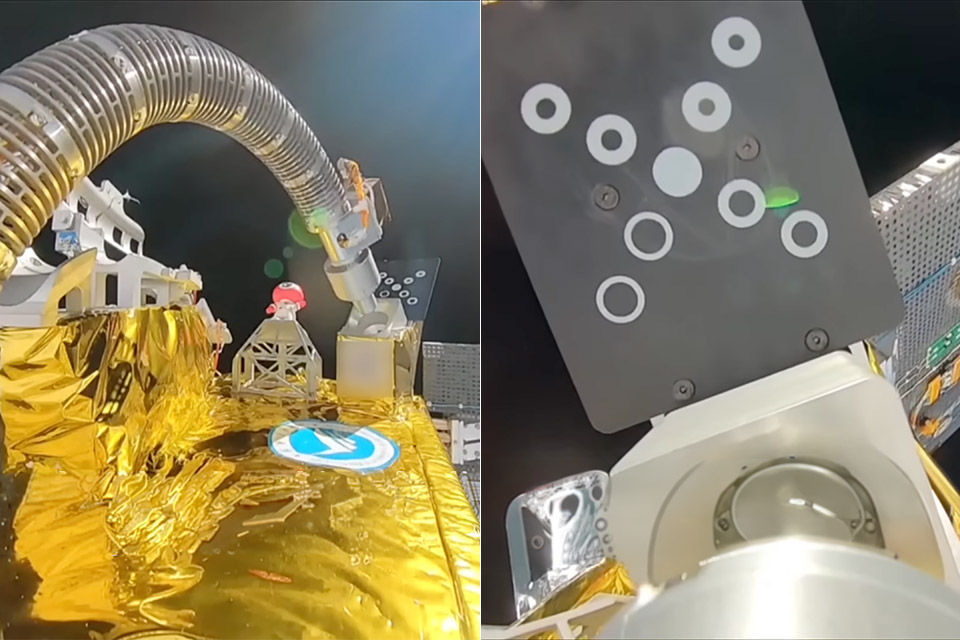
Last month, engineers at a Chinese startup successfully launched a gigantic 57-foot robotic arm into space, and its performance has really impressed thus far. The arm is capable of handling the precision work required to maintain satellites operational for an extended period of time, and it has already demonstrated this without any major issues.

To view this content we will need your consent to set third party cookies.
For more detailed information, see our cookies page.


It is attached to the xiyuan-0 satellite, which was launched into low Earth orbit on March 16th using a Kuaizhou-11 rocket. Following that, it performed a full range of activities on the satellite, culminating in a successful docking simulation and demonstrating that the entire system works as designed.

This robotic arm is not designed like the stiff, jointed equipment found on the International Space Station. Instead of hinges and elbows, it employs a chain of tubular segments resembling springs, threaded with cables to provide the necessary flexibility. The motors are located inside the satellite body, tugging on the wires to cause the arm to curl, twist, or bend in an almost infinitely flexible manner. All of this means that the arm is as light as a feather and can pinpoint its tip with astonishing accuracy even as the satellite and its target speed through space at almost 16,000 miles per hour.

China Robotic Arm Space

The developers were inspired by the anatomy of an octopus, which can wrap itself around objects, squeeze into tight areas, and alter its hold without using stiff joints. They effectively duplicated the same smooth, continuous motion in the space arm, and the hollow core even accommodates fuel lines and equipment. The rear drive system also shields the motors from the harsh radiation and temperature variations that would occur in orbit.

Over the next few weeks, the ground crew put the arm through four different tests, and it passed them all with flying colors. First, the arm planned its own trajectory and moved into position for docking without requiring any user intervention. Then they used a hand controller to steer it while watching live feeds from cameras, and then they let it use its inbuilt cameras to find the target port and line everything up on its own. Finally, they conducted a test using force sensors on the tip to determine how gently it could make touch without delivering too much or too little pressure.

China Robotic Arm Space

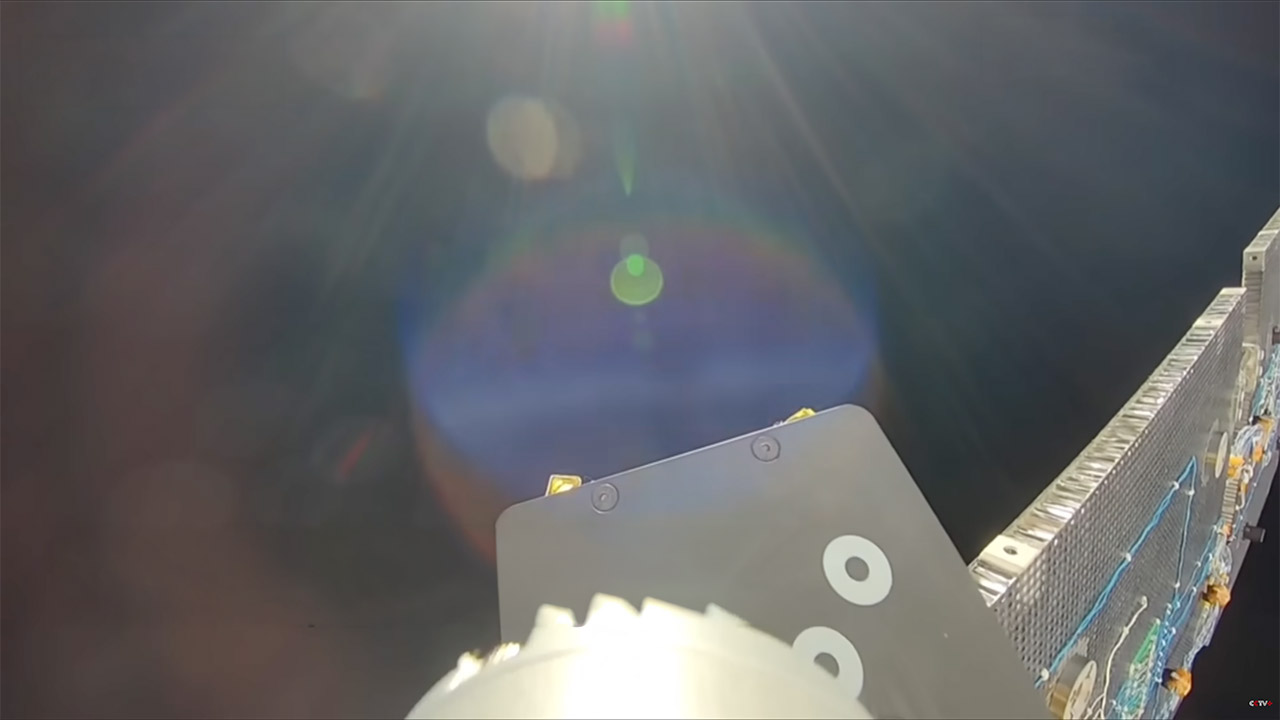
Every test was successful, and the arm even managed to imitate fuel transfer in orbit by connecting its nozzle-like tip to the satellite’s refueling port. The satellite footage shows the arm stretching and curling in a fluid manner before coming to a stop with no unpleasant jerks or misalignments.

Satellites typically run out of fuel after a few years and either drift around or burn up when they re-enter the atmosphere, but this arm provides a viable way to top up the fuel tanks, swap out faulty components, and clear small pieces of debris while keeping the entire thing in orbit. That has to be a good thing: less clutter on Earth and reduced expenses for those who operate our communications, weather tracking, and navigation systems.

 
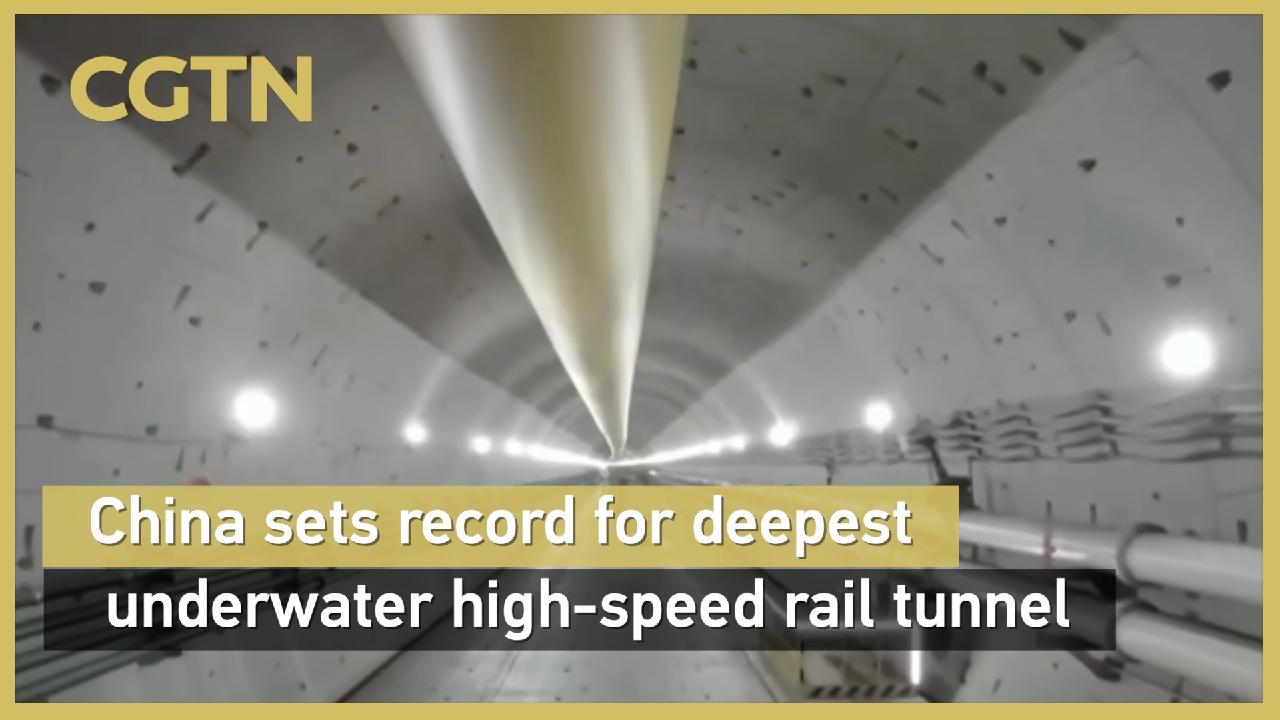
113 meters: China sets a world record for deepest underwater high-speed rail tunnel

21:05, 06-Apr-2026

To view this content we will need your consent to set third party cookies.
For more detailed information, see our cookies page.


China's tunnel boring machine, the "Shenjiang No. 1," has set a world record for constructing the deepest underwater high-speed rail tunnel at 113 meters. The tunnel is located at the Pearl River estuary in southern China and is a key project of the 116-kilometer-long Shenzhen-Jiangmen Railway. Once completed, it will further improve the rail transit network in the Guangdong-Hong Kong-Macao Greater Bay Area.

A massive cutterhead acts as the "head" of the "Shenjiang No. 1." Rotating continuously, the cutterhead breaks through rock and soil. Behind the cutterhead is the assembly section. As the machine advances, workers install tunnel lining segments, each about 2 meters wide. They excavate and line the tunnel simultaneously to improve efficiency.

The "Shenjiang No. 1" recently advanced by more than 4 kilometers, reaching a depth of 113 meters. However, the deepest point of the tunnel lies 116 meters underwater, where water pressure is immense.


Users who are viewing this thread

Pakistan Defence Latest

Country Watch Latest

Latest Posts

Back
Top