China Science And Technology News

☝️☝️☝️
Success !!
Schedule to arrive at Kamoʻoalewa in July 2026 and return sample to Earth by late 2027

==============================

Long March 3B Y110
Tianwen-2 asteroid sample return

Liftoff at 17:31UTC May 28, Long March 3B Y110 launched Tianwen-2 asteroid sample return and comet investigation mission from Xichang. The probe was successfully put in the transfer orbit to 2016HO3 ~18 mins after launch.
To view this content we will need your consent to set third party cookies.
For more detailed information, see our cookies page.
 
Last edited:
China's new-generation "artificial sun" HL-3 has achieved a plasma current of one million amperes and an ion temperature of 100 million degrees Celsius simultaneously, while operating in high-confinement mode. HL-3's fusion triple product — a key metric for evaluating fusion performance — has reached a record high of 10^20, marking China's rapid progress toward fusion ignition experiments, according to its operator.
To view this content we will need your consent to set third party cookies.
For more detailed information, see our cookies page.
 
China has made significant advancements in defense tech, including radar and electronic warfare systems. Notably, some reports suggest China's cutting-edge jamming or tracking technologies may have played a role in affecting the performance of systems like the Indian Rafale, though such claims remain debated.
 
China on Thursday successfully retrieved its XZY-1 verification rocket in the waters off Haiyang, east China's Shandong. XZY-1 is the country's first medium-lift launch vehicle with a stainless steel rocket body that is powered by liquid oxygen-methane engines and recoverable after ocean splashdown. The verification rocket, measuring about 26.8 meters in height with a diameter of 4.2 meters, conducted a 125-second flight test.
To view this content we will need your consent to set third party cookies.
For more detailed information, see our cookies page.

To view this content we will need your consent to set third party cookies.
For more detailed information, see our cookies page.
 
Last edited:

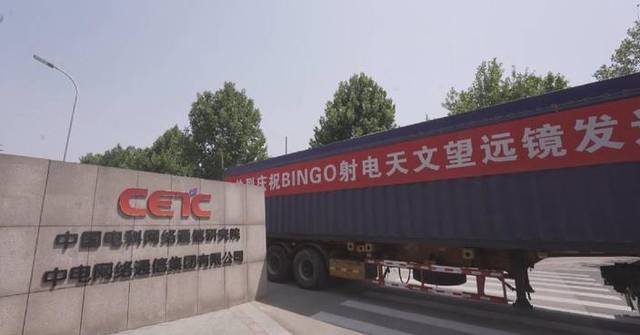
Radio telescope shipped to Brazil for collaboration project with China

2025-06-09 21:26 Last Updated At:21:57

8431669_1749475712003_a.jpg.webp


The main structure of a radio telescope has been shipped from China to Brazil, signaling the start of its construction in the Latin American country as part of an international space science collaboration between the two countries.

The telescope will be built in Paraiba State, on the edge of the Amazon rainforest, as a significant international collaboration in the field of radio astronomy and space science known as the Bingo project.

It is the largest radio astronomy initiative in South America and the only radio telescope globally focused on dark energy research, specifically designed to observe the widely distributed neutral hydrogen in the universe.

By studying the spectral lines of neutral hydrogen, researchers can better understand the distribution of hydrogen in the cosmos, thereby gaining insights into the structure and evolution of the universe, and helping to unveil the mysteries of cosmic structure and dark energy.

In addition to detecting important signals from deep space, the telescope will also monitor the movements of small celestial bodies such as satellites and meteoroids, providing warnings about potential threats to Earth.

The main design and processing of this telescope were completed by Chinese experts.

"The telescope employs a dual-offset structure, with each section having a unique shape. Installation in Brazil will be carried out by the Brazilian side, which necessitates a simplified installation process. Therefore, we drew extensively from domestic advanced telescope design and manufacturing experiences, using a combination of panels and spatial truss structures to effectively address issues of mass production and efficient installation," said Wu Yang, senior engineer from the 54th Research Institute of the China Electronics Technology Group Corporation (CETC) and a core project member.

The main structure of the radio telescope will depart from Tianjin Port and is expected to arrive at Suape Port in Brazil after nearly two months of transit. The project is anticipated to be completed by 2026.

https://phys.org/news/2024-02-bingo-radio-telescope-brightest-energy.html

BINGO radio telescope will be able to detect and locate the brightest bursts of energy, says study​

February 6, 2024

bingo-radio-telescope.jpg


A 40 meter-wide radio telescope being built in northeastern Brazil will be able to detect and locate mysterious flashing blasts of energy that are brighter than whole galaxies, according to a new study from the University of Portsmouth published in Astronomy & Astrophysics.

Fast radio bursts (FRBs) are intense bursts of radio waves that were first discovered in 2007. They are the brightest objects in astrophysics, but although more than 800 have been detected so far, no one yet knows their origin.

Dr. Ricardo Landim from the University's Institute of Cosmology and Gravitation has co-authored a paper, which investigates the capabilities of the BINGO radio telescope to search for FRBs.

He said, "What produces these bursts has been unknown since they were first discovered. Yet, we know that some of them flash repeatedly and others are one-off.

"This research is exciting because we've predicted that BINGO will be able to observe FRBs, and also determine their location in the sky. To pinpoint the exact location will help us discover how far in the past they were produced and bring us closer to understanding this strange phenomenon."

BINGO is a radio telescope designed to make the breakthrough detection of Baryon Acoustic Oscillations (BAOs) by radio frequency and will investigate them through the most abundant element in the universe, atomic hydrogen.

The telescope is currently under construction and due to be completed later this year.

Dr. Landim and colleagues tested a number of different configurations of outriggers, which are smaller radio telescopes designed to powerfully enhance BINGO's search capabilities. They predicted that using these outriggers, in combination with BINGO's core instruments, will lead to approximately 23 FRBs being located annually out of the hundreds that will be detected.

Dr. Landim added, "It's a great result and we're pleased that we can forecast just how amazing the science will be when BINGO is in action in a year's time. There is no doubt that this unique new radio telescope will contribute significantly to this field of study that has captivated astrophysicists worldwide."

BINGO stands for Baryon Acoustic Oscillations from Integrated Neutral Gas Observations. It is an international project with collaborators in Brazil, China, United Kingdom, France, Italy, Spain, South Korea, South Africa, Germany, and the United States.
 

China’s electrolyzers make clean hydrogen from tap water in a major breakthrough​

Fri, June 27, 2025 at 8:49 PM GMT+8

A collaboration of researchers from various institutes in China has developed a novel approach that allows proton exchange membrane (PEM) electrolyzers to work with impure water, thereby helping reduce costs and allowing easier deployment of infrastructure in real-world settings.

This opens up larger possibilities of applications and increases sustainable approaches to meeting our energy demands.

As countries shifted their focus to cleaner sources of energy to fuel their economies, the solar and wind power sectors got a major boost. While electricity generated using these sources is clean and sustainable, it cannot meet high-power applications like heavy vehicles or supply backup power to data centers or hospitals.

Hydrogen generated by splitting water molecules can be used in fuel cells to generate high power electricity without combustion. This is achieved through electrolyzers, where water is electrolyzed into hydrogen (H2) and oxygen (O2) molecules. The process called electrolysis can be made greener by using energy from a wind or solar power plant as well. But the technology isn’t easily deployable.

Hurdles with electrolyzers​

Electrolysis technologies have been around for centuries, but it is only in recent years that attempts are being made to use them to produce hydrogen. Alkaline electrolyzers are the most popular approach used and are widely deployed. However, in hydrogen production, the purity of the final product is not close to what is needed for a fuel cell.

Proton Exchange Membrane (PEM) electrolyzers offer better purity hydrogen since they only allow protons (H+ ions) to pass through them while blocking other gases. The purer hydrogen yield also comes at a higher cost since PEMs require ultrapure water to work. Impurities like differently charged ions or contaminants can rapidly degrade the PEM infrastructure.

Researchers at Tianjin University and other institutes in China came up with a novel approach to creating an acidic microenvironment in PEM electrolyzers that allows them to work even with impure water.

“Developing PEM electrolyzers that can withstand lower-purity water could minimize water pretreatment, lower maintenance costs, and extend system lifetime,” the researchers wrote in their research paper.

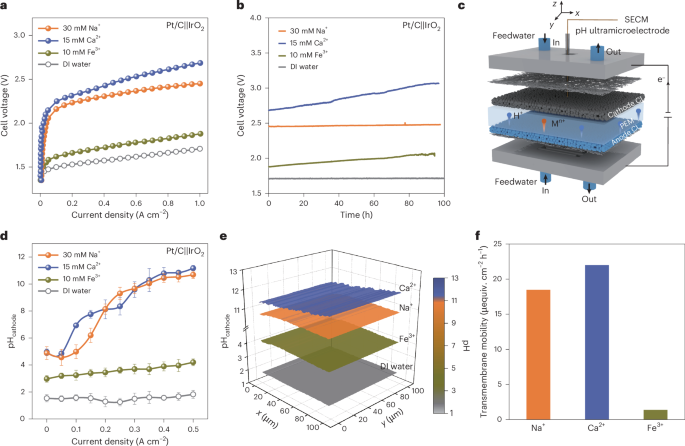
Effects of cationic impurities on PEM electrolyser performance.

Effects of cationic impurities on PEM electrolyser performance. Image credit: Wang et al/ Nature Energy 2025.

Creating acidic microenvironments​

The researchers added Bronsted acid oxide (MoO3-x) to the PEM’s cathode made from platinum and carbon to achieve this. The acid oxide works as a catalyst during the electrolysis reaction and helps lower the pH locally, thereby increasing the performance of the electrolyzer.

This was confirmed using technologies that combined pH ultramicroelectrode with scanning electrochemical microscopy and confirmed that the PEM did not degrade rapidly even when using impure water.

“PEM electrolyzers typically use ultrapure water as a feedstock because trace contaminants in feedwater, especially cationic impurities, can cause their failure,” the researchers added in their paper.

Using their approach, where the electrode’s microenvironment is pH-regulated, the researchers successfully operated the PEM electrolyzer with tap water for more than 3,000 hours at a current density of 1.0 A per sq. cm. The performance was comparable to state-of-the-art PEM electrolyzers that work with ultrapure water, the researchers claimed.

The research opens up possibilities for wider deployment of PEM electrolyzers to produce green hydrogen at lower costs in the future.

The research findings were published in the journal Nature Energy.


China develops radical new material to fix fragile layer in perovskite solar cells​

China’s solar breakthrough stabilizes perovskite cells with a self-assembling layer and NREL-certified efficiency.​

Updated: Jun 30, 2025 06:45 PM EST

image

Perovskite solar cells have attracted interest because of their low cost, high efficiency and easy processing.

Perovskite solar cells promise to revolutionize clean energy, but fragile materials and finicky fabrication have stalled their real-world rollout.

Now, that may finally change.

In a key advance for next-gen solar energy, researchers at the Chinese Academy of Sciences have developed a novel radical self-assembled molecular material.

The breakthrough targets a major hurdle in commercializing perovskite solar cells, a notoriously unstable layer critical to their efficiency.

The newly engineered hole-transport layer (HTL) developed by a team of researchers from the Changchun Institute of Applied Chemistry addresses two major problems of inadequate performance and difficulty in achieving uniform, large-area fabrication.

Cracking the weak layer​

Perovskite solar cells have long been hailed as the future of photovoltaics, thanks to their low-cost materials, high efficiency, and flexibility.

But unlike silicon, perovskites degrade quickly, especially under heat and humidity. One of the most critical weak points is the hole-transport layer (HTL), the middle layer in a solar cell that moves positive charges (holes) after light hits the material.

If this layer is unstable or poorly constructed, it can cause rapid performance loss, short circuits, and inefficient energy conversion. Most current HTL materials are expensive, chemically reactive, difficult to scale, and require complex fabrication processes, making them a major bottleneck in an otherwise promising solar technology.
That’s where the new self-assembled radical-based molecular material comes in.

Developed by teams led by Qin Chuanjiang, Wang Lixiang and other researchers, it took three years to independently create a “double-radical self-assembled molecule” and integrate it into perovskite devices.

According to tests by researcher Zhou Min’s team, the new material more than doubles carrier-transport rates under simulated operating conditions.

Designed to overcome the limitations of conventional HTLs, it arranges itself at the molecular level, forming a smooth, defect-free film without the need for complex processing.

The result is a stable, scalable layer that performs efficiently even over large surface areas, bringing perovskite solar cells one step closer to commercial viability.

That could be a game-changer for large-scale, roll-to-roll manufacturing, long a goal in the perovskite industry.

Rolling toward real scale​

Solar cells built with the new material show virtually no performance loss, even after thousands of hours of continuous operation.

Over the past decade, perovskite compounds have emerged as the frontrunners in next-generation solar technologies, attracting growing interest from researchers and industry alike.

Lead researcher Qin said the team now aims to scale up the material and refine its performance for commercial use.

The breakthrough has been efficiency-certified by the U.S. National Renewable Energy Laboratory (NREL), lending international validation to a homegrown Chinese innovation.

The development could move China closer to mass-producing perovskite solar panels, a step that could lower global solar costs even further while reducing dependence on traditional silicon-based panels.

As global energy demand rises and the push for net-zero intensifies, breakthroughs like this one could redefine how solar energy is captured and scaled, especially in countries investing heavily in next-gen renewables.

The study was published in the journal Science on June 26.

Stable and uniform self-assembled organic diradical molecules for perovskite photovoltaics​

Science
26 Jun 2025

Abstract​

Organic self-assembled molecules (SAMs), widely used in perovskite solar cells (PSCs), should exhibit enhanced performance to support the ongoing advancement of perovskite photovoltaics. We designed diradical SAMs through a coplanar-conjugation of donor-acceptor strategy to facilitate hole transport across the SAMs. The diradical SAMs exhibited high photothermal and electrochemical stability, as well as improved assembly uniformity and large-area solution processability attributed to molecular steric hindrance design. An advanced scanning electrochemical cell microscopy-thin-layer cyclic voltammetry technique was used to accurately determine the carrier transfer rate, stability, and assembly properties of SAMs. Ultimately, the efficiencies of PSCs exceeded 26.3%, mini-modules (10.05 cm2) reached 23.6%, and perovskite-silicon tandem devices (1 cm2) surpassed 34.2%. PSCs maintained > 97% after 2000 hours tracking at 45°C.
 

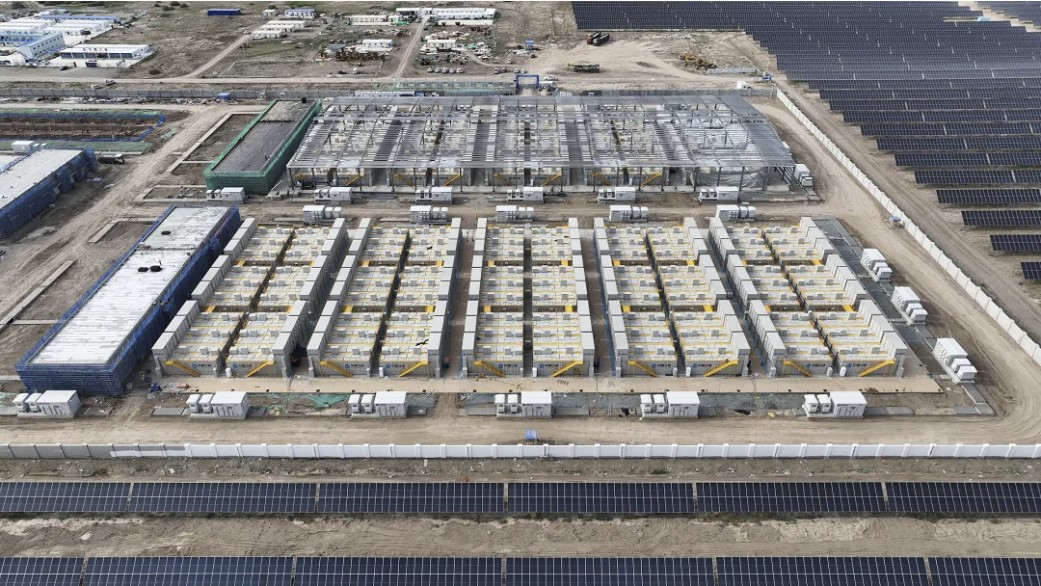
China completes world’s largest vanadium flow battery plant​

A giant solar-plus-vanadium flow battery project in Xinjiang has completed construction, marking a milestone in China’s pursuit of long-duration, utility-scale energy storage.

Jul 04, 2025


Image: WeChat, Xinjiang local government

China has completed the main construction works on the world’s largest vanadium redox flow battery (VRFB) energy storage project. The project, backed by China Huaneng Group, features a 200 MW/1 GWh VRFB system paired with a 1 GW solar farm.

With a total investment of CNY 3.8 billion ($520 million), the project spans 28,000 mu (1,870 hectares) in the county of Jimusar, Xinjiang. Once operational, it is expected to generate 1.72 TWh of electricity annually, while reducing CO₂ emissions by more than 1.6 million tonnes per year, according to the developer.

The system provides five hours of continuous discharge and is designed to mitigate the intermittency of renewable generation by acting as both a buffer and a stabilizer for the local grid. This role is especially critical in Xinjiang, a region rich in solar and wind resources but challenged by curtailment and transmission bottlenecks.

The integrated solar-plus-storage facility is developed by Huaneng Xinjiang Jimusar Power Co., with engineering and system integration handled by PowerChina Northwest Engineering Corp. and flow battery systems supplied by Dalian Rongke Power. Other key contributors include the Chinese Academy of Sciences’ Dalian Institute of Chemical Physics, which supported R&D on large-scale system integration, and Xinjiang University, which is engaged in environmental evaluation and land rehabilitation studies.

Unlike lithium-ion batteries, vanadium flow batteries use electrolyte solutions containing vanadium ions to store and release energy. The technology offers a number of advantages for grid-scale storage: high safety (non-flammable), long cycle life (over 15 years), and the ability to decouple power and energy capacity, offering greater design flexibility.

Despite its benefits, the VRFB has been constrained by high upfront costs and relatively low energy density. The Jimusar project is seen as a key testbed to validate the economic viability of the technology at scale. Industry analysts say such large-scale deployments are essential for driving down costs and proving the commercial readiness of alternative long-duration storage technologies.

The project is part of a broader strategy by Xinjiang to become a national clean energy hub. The region aims to connect over 20 GW of new energy storage to the grid by 2025. The Jimusar project is also a component of China’s first integrated “wind-solar-storage-hydrogen” demonstration base, underscoring its role as a catalyst for broader decarbonization efforts.
 
The world's first ducted-fan, high-altitude tethered firefighting drone will start its service at the emergency management bureau of Zigong City in southwest China's Sichuan after an official deal was inked on Tuesday.Supported by eight ducted fans, the drone acts as an aerial fire hydrant, capable of ascending to 100 meters within one minute and continuously spraying water at a rate of over 20 liters per second, with an effective spraying range exceeding 40 meters.
To view this content we will need your consent to set third party cookies.
For more detailed information, see our cookies page.
 

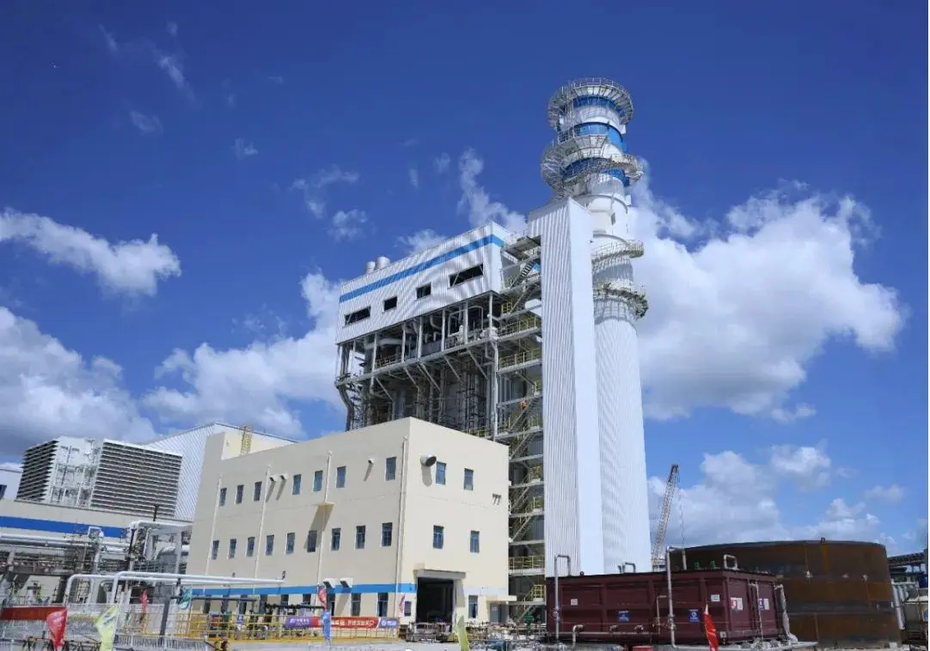
World’s First 500MW Fully Hydrogen-Cooled Generator Begins Operation at China's Huadian Group​


July 28, 2025 at 10:53 AM EDT

FuelCellsWorks

Photo: Huadian Group

• World's first 500-MW fully hydrogen-cooled generator enters commercial operation at Jiangsu's Wangting Power Plant.

• Advanced hydrogen technology significantly boosts power grid reliability and energy efficiency in eastern China.

Equipped with the world's inaugural 500-MW fully hydrogen-cooled generator, Unit 6 of Huadian Jiangsu Wangting Power Plant commenced commercial operations after successfully completing a rigorous 168-hour full-load trial. This groundbreaking unit is anticipated to produce approximately 1.22 billion kWh annually, sufficient to power 250,000 households.

Hydrogen cooling involves using hydrogen gas to regulate the temperature of generators, making them more efficient and less prone to overheating. This method is advantageous due to hydrogen’s superior thermal conductivity compared to air. By maintaining a lower operational temperature, generators can operate more efficiently and with reduced energy loss. The transition to hydrogen cooling also means a reduction in operational costs and an increase in the lifespan of equipment.

The implementation of this technology requires significant investment and expertise, as hydrogen must be carefully managed to prevent leaks and ensure safety. However, the benefits of hydrogen cooling, including increased efficiency and decreased environmental impact, make it an attractive option for future power generation projects. As the technology matures, it could revolutionize the way the world generates electricity.
 

China deploys breakthrough super steel to build nuclear fusion reactor​

More than a decade in the making, the ‘China high-strength low-temperature steel No 1’ met key standards, handling 20 Tesla magnetic fields and withstanding 1,300 MPa pressure.​

Updated: Aug 03, 2025 07:20 PM EST

Nuclear fusion reactors rely on powerful superconducting magnets that must function under intense magnetic fields and at temperatures approaching absolute zero. These extreme conditions place extraordinary demands on the structural materials used, which must remain strong and stable despite the cold and stress.

Finding a material that can withstand both has challenged scientists for decades. Now, researchers in China have introduced CHSN01—China high-strength low-temperature steel No 1—a specially engineered alloy designed to meet these demands.

This year, it was used in the construction of what Chinese media reports claim to be the world’s first fusion nuclear power generation reactor, marking a significant milestone in materials science and fusion technology.

China’s fusion goals outpace ITER​

More than a decade ago, Chinese scientists were already looking beyond the capabilities of international fusion projects. In 2011, a team developed the first viable material solution for fusion reactor magnets.

However, Li Laifeng, a researcher at the Chinese Academy of Sciences’ Technical Institute of Physics and Chemistry, remained cautious. He pointed out that while International Thermonuclear Experimental Reactor‘s (ITER) magnets were designed to operate at a maximum of 11.8 Tesla, future reactors would likely require even stronger magnetic fields and more advanced materials.

He also noted that the ITER being built in France was designed only for research and would not produce electricity, unlike China’s own planned fusion reactor, the South China Morning Post reported.

Hence, in 2017, Li presented a new material at the International Cryogenic Materials Conference in the U.S. However, many foreign experts were skeptical, believing that improving on the ITER-standard 316LN stainless steel—already designed for extreme fusion conditions—was virtually impossible and saw no need for a new approach.

By 2017, Chinese researchers had made progress by adding vanadium and adjusting carbon and nitrogen levels to improve the steel’s strength and toughness. Still, the material fell short of fusion-grade performance.

Renowned physicist played key role​

The breakthrough did not come until 2020, when renowned physicist Zhao Zhongxian began attending the team’s meetings. A leading expert in cryogenic physics and winner of China’s top science award in 2017, Zhao had long stressed the importance of materials in superconducting technologies. His his involvement helped shift the project’s momentum at a critical time.

In 2021, China set demanding standards for its fusion reactor materials: 1,500 MPa yield strength and over 25% elongation at cryogenic temperatures. Fusion expert Li Jiangang called advanced steel development essential. That same year, Li Laifeng led the launch of a national research alliance to create a new domestic cryogenic steel, uniting institutes, companies, and welding specialists.

In August 2023, CHSN01 steel was confirmed to meet key standards, handling 20 Tesla magnetic fields and withstanding 1,300 MPa stress with high fatigue resistance. CHSN01 is now used in China’s BEST fusion reactor, which began assembly in May 2023 and aims for completion by 2027.

Of more than 6,000 tonnes of parts assembled for the reactor, 500 tonnes of conductor jackets are made from domestically produced CHSN01 steel, which China also plans to apply beyond fusion projects.

 
China's Lanyue lunar lander for the country's first manned lunar mission on Wednesday successfully completed a comprehensive landing and takeoff verification test at the trial ground for extraterrestrial landing tests in Huailai County, north China's Hebei Province.

This marks China's first landing and takeoff experiment for a manned spacecraft on an extraterrestrial body.
To view this content we will need your consent to set third party cookies.
For more detailed information, see our cookies page.

High-definition image collection (10 images) of China's manned lunar lander undergoing landing and takeoff comprehensive verification test. (CMS)
To view this content we will need your consent to set third party cookies.
For more detailed information, see our cookies page.
 
Get free water at Shanghai Metro stations and personalize your bottle with custom designs.
To view this content we will need your consent to set third party cookies.
For more detailed information, see our cookies page.

1000052224.jpg
 

China Begins Construction on World’s Largest Pure-Hydrogen Power Project in Inner Mongolia​

August 11, 2025 at 9:51 AM EDT
china-begins-construction-on-world-s-largest-pure-hydrogen-power-project-in-inner-mongolia-2025-08-11T08%3A40%3A16-05%3A00-image.webp

Photo: Minyang Group

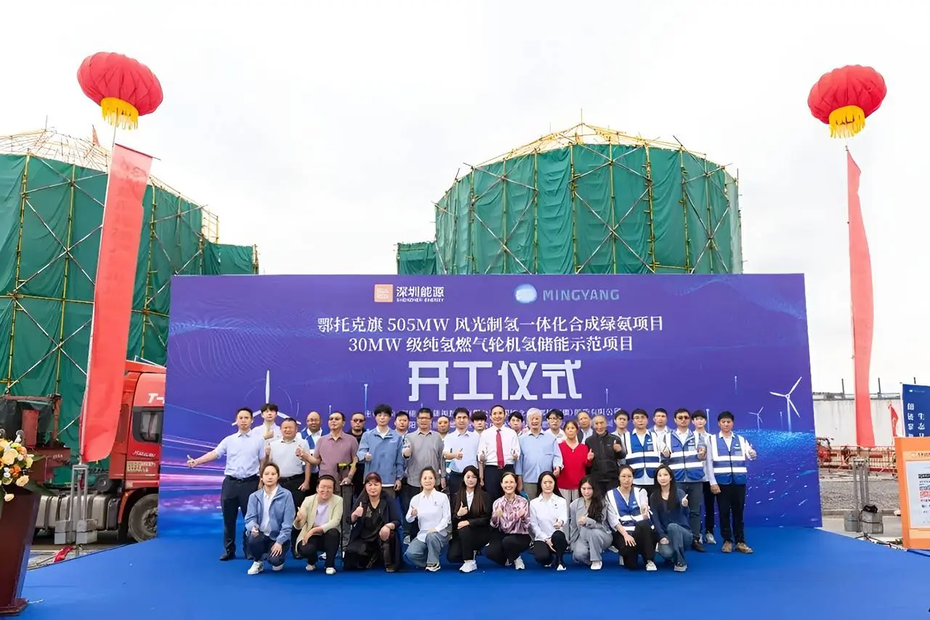
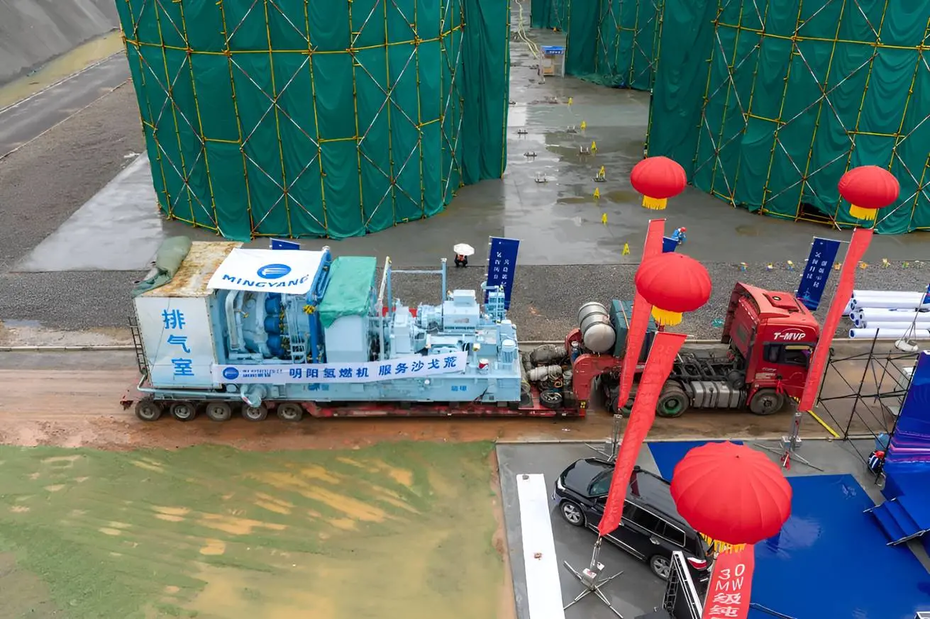
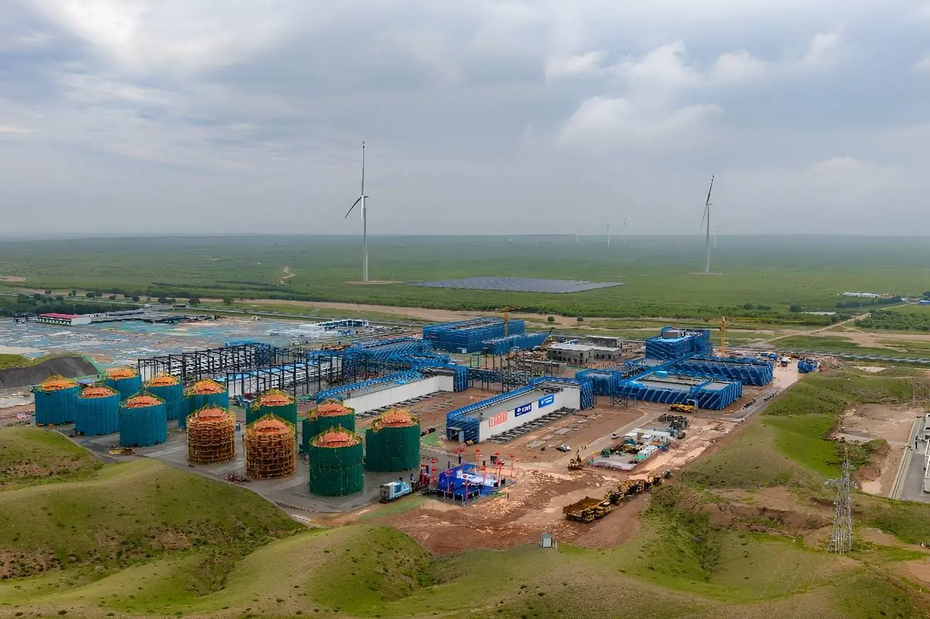
Construction begins on a 30MW 100%-hydrogen turbine in Ordos, linking wind, solar, electrolysis, hydrogen storage, and green ammonia in a single closed-loop energy system.

The project aims to prove large-scale hydrogen-fired generation as a long-term renewable storage solution, despite concerns over efficiency losses.

China has launched construction on the world’s largest pure-hydrogen power project, integrating a 30MW hydrogen-fired turbine into a renewable energy storage and generation system in the Otoke High-Tech Industrial Development Zone, Ordos, Inner Mongolia. Jointly developed by Mingyang Hydrogen, a subsidiary of Mingyang Smart Energy, and Shenzhen Energy, the facility is part of the Ejingke wind-solar-hydrogen integrated green ammonia project. It combines 500MW of upstream wind capacity, a 5MW off-grid photovoltaic array, 240MW of electrolysers producing 48,000 Nm³ of hydrogen per hour (about 4.3 tonnes/hour), twelve 1,875 m³ spherical storage tanks, and a downstream plant capable of producing 150,000 tonnes of green ammonia annually.

china-begins-construction-on-world-s-largest-pure-hydrogen-power-project-in-inner-mongolia-2025-08-11T08%3A44%3A12-05%3A00-image.webp

Photo: Minyang Group

The turbine will run exclusively on hydrogen, rather than an H2-natural gas blend, marking a first at this scale for the global power sector. While Japan’s Kawasaki Heavy Industries demonstrated a 100%-hydrogen turbine in 2020 and Siemens followed with a smaller hydrogen-capable model in 2023, the Chinese initiative is unique in its direct integration with large-scale renewables and on-site storage. The goal is to deploy an “electricity–hydrogen–electricity” closed-loop cycle, converting green power to hydrogen, storing it, and then using the fuel for electricity generation during periods of low renewable output, thereby stabilising supply and addressing grid intermittency.

Project backers see it as a strategic solution to the seasonal storage challenge that batteries cannot economically handle, arguing green hydrogen’s suitability for multi-day to annual balancing. Critics, however, point to energy losses across electrolysis, storage, and combustion, warning of high costs for the resulting electricity. Yet, as the first project of its class to reach the engineering implementation phase, it will test ignition, combustion stability, and long-term performance under varying loads, providing critical operational data for scaling up to larger units.

china-begins-construction-on-world-s-largest-pure-hydrogen-power-project-in-inner-mongolia-2025-08-11T08%3A44%3A37-05%3A00-image.webp

Photo: Minyang Group

The facility is also a cornerstone of Inner Mongolia’s ambitions to become a national hydrogen energy demonstration hub, offering a blueprint for integrating hydrogen into renewable-heavy grids worldwide. By developing a full green hydrogen ecosystem—spanning production, storage, generation, and ammonia conversion—China aims to accelerate its shift from energy consumer to clean energy technology leader, reinforcing momentum toward its “dual carbon” neutrality and peak goals.
 

Users who are viewing this thread

Pakistan Defence Latest

Latest Posts

Back
Top